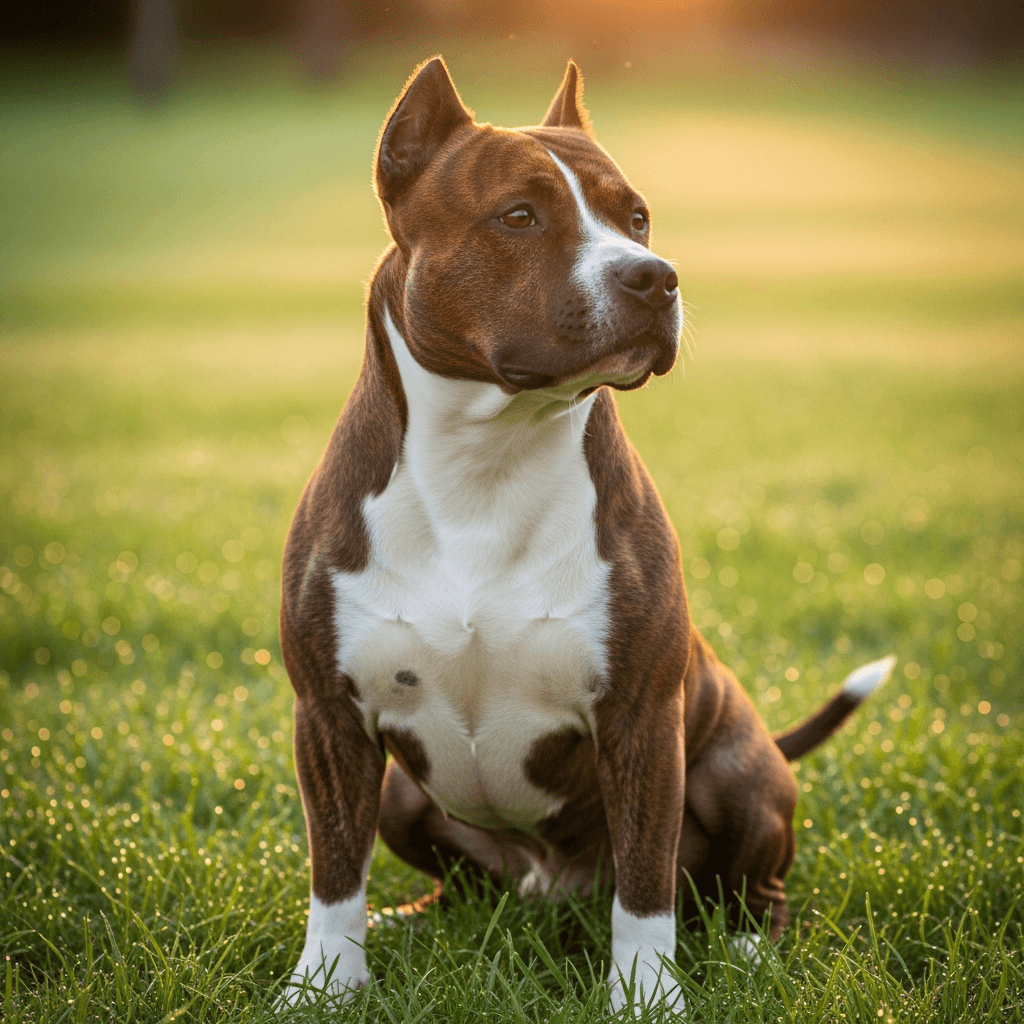
American Staffordshire Terrier
FCI Group
3• FCI 286
Size
Medium
Origin Country
XX
Height
43-48 cm
Weight
25-30 kg
Lifespan
10-12 years
Temperament
Overview
American Staffordshire Terrier, commonly known as Amstaff, is a unique breed of dogs with roots in the United States. Contrary to common misconceptions about their reputation, Amstaffs are devoted family companions that stand out for their extraordinary loyalty and friendliness. Although often perceived as fierce, they are actually dogs full of affection and boundless dedication to their guardians.
Their strong build and bold temperament make them excellent as both guard dogs and wonderful companions for families with children. In this comprehensive guide, you will learn everything about their health, grooming requirements, physical activity needs, and the fascinating history of this breed.
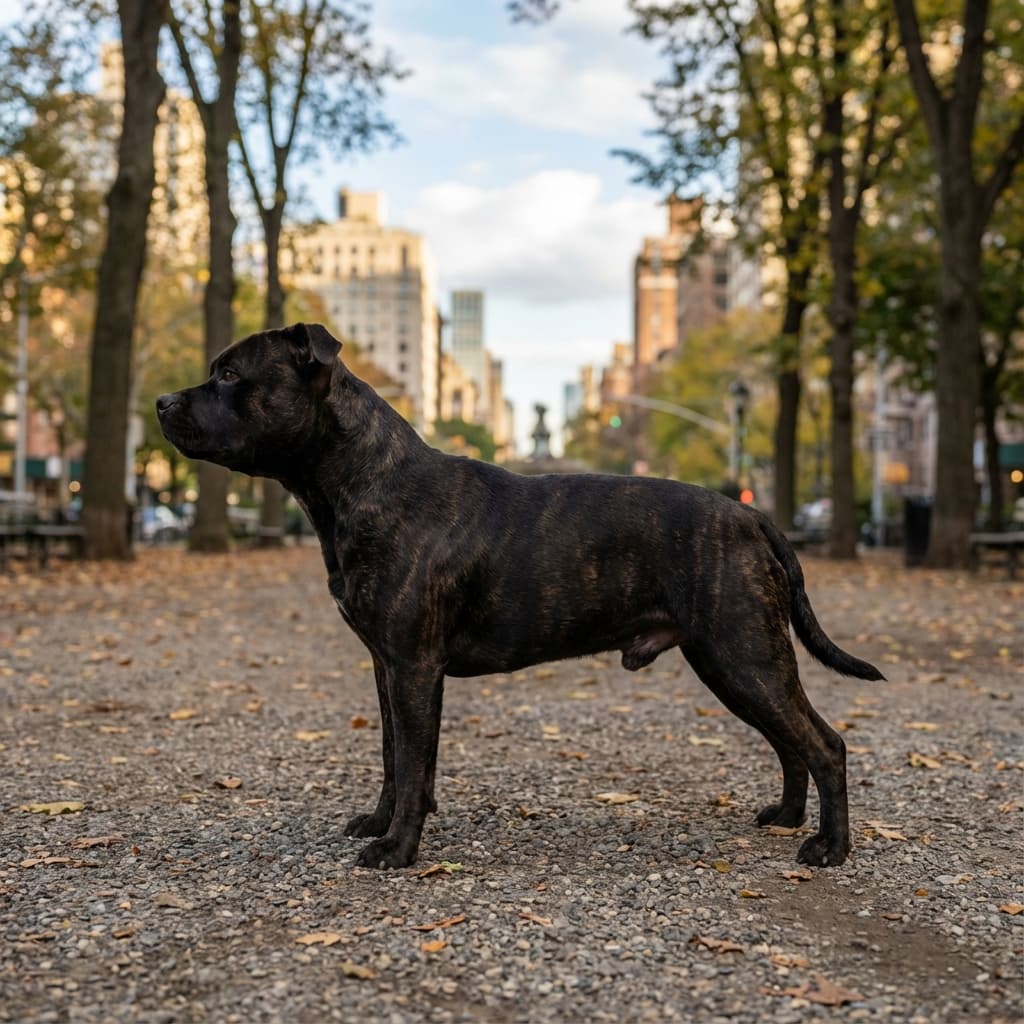
The American Staffordshire Terrier is characterized by an impressive, muscular body structure that attracts attention and commands respect. According to the FCI breed standard no. 286, they are dogs with a medium-length head, wide skull, and strong muzzle. Their distinctive dark, round eyes express intelligence and alertness. The short, shiny coat comes in various colors, with excessive white coloration to be avoided. The height at the withers ranges from 43 to 48 cm, and the weight oscillates between 25 and 30 kg.
This breed exudes energy and requires regular physical activity. Daily walks, dynamic play, and consistent training are essential for their mental and physical health. Amstaffs thrive under the care of experienced owners who understand their specific needs and can provide consistent upbringing. With proper socialization from a young age and a positive approach to training, Amstaffs become friendly and well-adjusted family members. The history of this breed dates back to when they were bred for dog fighting; however, modern selection has shaped them into more balanced and friendly companions for active people.
The American Staffordshire Terrier is a dog that impresses with its strong and muscular build. Their appearance emanates power and proportion, which perfectly reflects the energy and strength characteristic of this breed. According to the FCI standard, height at the withers ranges from 43 to 48 cm, with females typically being slightly shorter than males. Their weight oscillates between 25 and 30 kg, classifying them as medium-sized dogs with an athletic posture.
The head of the Amstaff is of medium length, with a characteristically wide skull and a clearly defined stop. The muzzle is strong and well-developed, ending with a distinctly black nose. The eyes are dark, round, and deeply set in the skull, giving them an expression of intelligence and alertness. The eyelids should not be pink. The ears are set high and can be either cropped or left natural - uncropped ears are preferred, which should be short and carried in a rose or semi-erect position.
The coat of the Amstaff is short, dense, and shiny, hard to the touch and perfectly adhering to the body. It comes in a wide spectrum of colors - from solid colors, through patched, to brindle patterns. All colors are accepted, whether solid, multicolored, or patched, but the standard prefers coats with less white. Variants where white covers more than 80% of the body should be avoided, as well as combinations of black and tan and liver.
The tail is short, low-set, and gradually tapers towards the end. It should not be carried above the line of the back or curled. The silhouette of the Amstaff is compact - neither long-legged nor elongated in outline. Their movement is springy and flexible, and their energy and vitality make them extremely active and agile. With such an impressive appearance and harmonious build, the American Staffordshire Terrier is considered one of the most spectacular dog breeds.
The American Staffordshire Terrier is a breed known for its exceptionally friendly and devoted character. Contrary to their unwarranted reputation as dangerous dogs, Amstaffs are naturally very sociable and full of life energy. They show boundless loyalty to their owners and can express remarkable affection, making them excellent companions for families, including those with children.
Their intelligence and willingness to cooperate allow them to learn an extensive repertoire of commands and tricks. A characteristic stubbornness of the breed can pose a challenge during training, so they require a consistent yet positive approach. Amstaffs are extremely active and need regular stimulation, both physical and mental—boredom can lead to undesirable behaviors.
Their balanced temperament makes them well-suited for family life, but proper socialization from the earliest weeks of life is crucial. Well-raised Amstaffs will be friendly even towards strangers, while a lack of socialization can lead to uncertainty in interactions with other dogs or people. Despite their strong protective instinct, their primary goal is to please their guardian and be part of the family.
Owners should remember that Amstaffs, like any other breed, require proper upbringing, consistency, and constant attention to ensure their behavior is positive and meets expectations. With the right approach, they become reliable, loving companions for many years.
The American Staffordshire Terrier is characterized by relatively good health and resilience. The average lifespan of this breed is between 10 to 12 years, although with proper care and a healthy lifestyle, many individuals live to an older age. This breed is generally robust and rarely suffers from serious conditions that affect some other dog breeds.
However, like any dog, Amstaffs can be prone to certain health issues. The most common include:
- Hip dysplasia - a congenital abnormality of the joint structure that can lead to mobility problems
- Cerebellar ataxia - a rare degeneration of the nervous system affecting motor coordination
- Skin diseases - some lines may be prone to allergic skin reactions
- Thyroid problems - hypothyroidism may occur in some individuals
Owners should regularly monitor their pet's health and ensure they receive routine veterinary check-ups, particularly regarding their joints and nervous system. Due to the breed's high activity level, it is crucial to maintain their physical condition and avoid obesity. Amstaffs, thanks to their natural activity and strong build, rarely gain weight; however, a lack of sufficient exercise combined with overfeeding can lead to this.
This breed tolerates both lower and higher temperatures well, but on hot days, they should have access to shade and fresh water, and on cooler days - appropriate shelter. Prevention, a healthy diet, and regular activity are the foundation for a long and healthy life for an Amstaff.
The care of the American Staffordshire Terrier is relatively simple and low-maintenance, mainly due to their short and smooth coat. This breed does not require complicated grooming procedures, making it ideal for owners who value practicality.
Regular brushing is recommended, especially during shedding periods that occur in spring and autumn. During this time, it is advisable to increase the brushing frequency to 2-3 times a week to effectively remove dead hair and reduce the amount of fur in the home. In other periods, brushing once a week with a natural bristle brush or rubber glove is sufficient.
Key elements of care include:
- Ear cleaning - regular checking and cleaning of the ears prevents infections
- Eye hygiene - checking that the eyes are clean and free from discharge
- Nail trimming - if they do not wear down naturally during walks, they should be trimmed regularly
- Oral hygiene - brushing teeth several times a week prevents tartar buildup
The Amstaff's coat is naturally weather-resistant, but it is important to remember that excessive exposure to intense sunlight can lead to burns, especially in individuals with light coloring. It is advisable to provide them with shade on hot days. Bathing should occur as needed - usually every 6-8 weeks or when the dog gets dirty. With their low grooming requirements, Amstaffs are excellent companions for those looking for a dog with minimal needs in this regard.
The American Staffordshire Terrier is a breed with high physical activity requirements. Their energy, strength, and vitality make daily intense exercise an absolute necessity for their physical and mental health.
Ideally, Amstaffs should spend at least 60-90 minutes a day on various forms of activity. Monotonous walks are not enough - this breed needs dynamic activities that allow them to release excess energy and stimulate their intelligence.
Recommended forms of activity:
- Energetic walks and runs - at least two walks a day, including one longer and more intense
- Fetch games - ball, frisbee, or other retrieving toys
- Agility and obstacle courses - excellent physical and mental stimulation
- Hiking and trekking - Amstaffs love long outdoor adventures
- Cycling - for healthy adult individuals with proper training
- Swimming - a wonderful form of exercise that is gentle on the joints
- Play with other dogs - provided there is proper socialization
Owners should engage their dogs in various activities to prevent boredom, which can lead to destructive behaviors such as furniture destruction or excessive barking. It is also important to ensure adequate socialization and safe interactions with other dogs, which further stimulates their minds and improves behavior.
It is important to remember that lack of sufficient exercise can lead not only to behavioral problems but also to obesity and related health issues. Regular, intense exercise is the foundation of a happy and healthy life for an Amstaff. This breed is perfect for active individuals who need a four-legged companion for shared adventures.
Training an American Staffordshire Terrier can be challenging, but with the right approach, it is possible to achieve excellent results. This breed is characterized by a certain degree of stubbornness, which can complicate the learning process, so it is crucial to start training as early as possible - ideally during the puppy stage.
The most effective training methods are based on positive reinforcement. Amstaffs are intelligent and eager to cooperate when motivated by rewards - treats, praise, and play are excellent tools in the education process. Physical punishment or yelling is completely unacceptable and can lead to behavioral problems.
Key elements of training:
- Consistency - all family members must use the same rules and commands
- Patience - their temperament requires a gentle yet firm approach
- Short training sessions - 10-15 minutes several times a day yields better results than long, exhausting sessions
- Variety - diversifying exercises prevents boredom and keeps the dog engaged
Socialization is extremely important and should begin in the first weeks of the puppy's life. The dog must be systematically introduced to various people, dogs, animals, environments, and situations to grow up as a confident and balanced individual. Proper socialization will ensure that the Amstaff reacts well to other dogs and people in different circumstances.
Training should include basic commands such as: Sit, Stay, Come, Lie down, Leave it, as well as practical skills needed in daily life, such as walking calmly on a loose leash or accepting a muzzle. In many countries, including Poland, there are regulations regarding so-called breeds considered potentially dangerous, so Amstaff owners should be aware of local regulations and ensure that their dog is well-trained to safely navigate public spaces.
It is worth considering participation in professional training classes with a qualified instructor, especially for novice owners. A good trainer will help master the basics of obedience and teach the owner how to communicate properly with a dog of this breed.
Proper nutrition for the American Staffordshire Terrier is crucial for maintaining their health, condition, and great appearance. Due to their active lifestyle and muscular build, the diet of this breed should be carefully balanced and tailored to individual energy needs.
Owners should choose high-quality food that contains the appropriate proportions of nutrients:
- Protein - the most important component, should make up 25-30% of the diet; preferably from meat (chicken, beef, fish, turkey)
- Fats - a healthy source of energy, about 15-20% of the diet; preferred fish and poultry oils
- Carbohydrates - in moderate amounts, best from easily digestible sources like rice, sweet potatoes, or oatmeal
- Vitamins and minerals - a comprehensive set supporting the immune system and joint health
It is recommended to provide food that is based on high-quality meat as the main ingredient, as Amstaffs require a large amount of protein to maintain and build muscle mass. Foods containing high amounts of grains, artificial preservatives, colorings, and fillers that can be harmful to the dog's health and cause food allergies should be avoided.
It is important to adjust the amount of food to the dog's activity level, age, and condition. An active adult Amstaff typically weighs 25-30 kg and needs around 1200-1600 kcal per day; however, these values may vary depending on the metabolism and lifestyle of the individual dog. Regular meal times - preferably in two equal portions daily (morning and evening) - will help maintain a healthy weight and prevent digestive issues.
Owners should also:
- Ensure constant access to fresh water throughout the day, especially after intense activity
- Avoid feeding directly before or after intense physical exertion (risk of gastric torsion)
- Monitor the dog's weight and adjust portions as needed
- Limit treats to a maximum of 10% of daily caloric intake
- Consider supplementing with glucosamine and chondroitin for joint health support
Some owners choose a BARF diet (raw meat and bones) or homemade cooked food. If such a feeding model is properly balanced and consulted with a veterinarian, it can be an excellent option for an Amstaff. Regardless of the chosen feeding method, the quality of ingredients and the appropriate proportions of macronutrients are key.
Characteristic Traits
Pros
- Extraordinary loyalty and devotion to the owner
- Excellent guarding and protective abilities
- Easy adaptation to family life
- High intelligence and learning capabilities
- Minimal grooming requirements.
Cons
- They require an experienced and consistent owner
- need a large amount of daily physical activity
- may be misperceived as aggressive by strangers
- and require intense socialization from a puppy age.
Behavioral Ratings
Breed History
The history of the American Staffordshire Terrier is a fascinating tale of transformation from a fighting dog to a beloved family companion. The roots of this breed trace back to 18th-century England, where its ancestors - crossbreeds of bulldogs and terriers known as Bull-and-Terrier and Blue Paul Terrier - were originally bred for dog fighting, a popular pastime at the time.
Upon arriving in the United States in the 19th century with British immigrants, this breed began a new chapter in its history. American breeders gradually moved away from the brutal fighting past, focusing on creating a dog with a strong yet balanced temperament. In the new world, these dogs found roles as versatile helpers on farms - guarding properties, watching over livestock, and being reliable companions for pioneer families.
In the 1930s, a key moment in the breed's development occurred - two distinct breeding trends emerged. The first, led by enthusiasts associated with the American Kennel Club (AKC), aimed to create a dog that met strict breed standards and was suitable for shows. The result of these efforts was the establishment of the American Staffordshire Terrier as a separate breed, officially recognized by the AKC in 1936.
The second breeding trend focused on maintaining working traits and placed less emphasis on uniform appearance, leading to the emergence of the American Pit Bull Terrier. This line was recognized by the United Kennel Club (UKC), but is not accepted by the Fédération Cynologique Internationale (FCI). Despite their common roots, both breeds developed independently, although the American Staffordshire Terrier followed the path of show and companionship.
Over the years, Amstaffs gained popularity as companion dogs, appreciated for their loyalty, intelligence, and attachment to family. Unfortunately, their reputation as dangerous dogs often stems from improper treatment by irresponsible owners and media simplifications. Properly raised and socialized Amstaffs are wonderful, gentle companions that do not exhibit aggression towards people.
In the latter half of the 20th century, the breed became a symbol of devotion and loyalty, attracting dog lovers worldwide. Famous Amstaffs, such as Stubby - the most decorated war dog in U.S. history who served during World War I - showcased the true character of this breed. Today, the American Staffordshire Terrier is valued both as a family member and a show dog, and responsible breeding continues the tradition of creating balanced, healthy individuals of this magnificent breed.