Kuvasz
FCI Group
1• FCI 54
Size
Large
Origin Country
HU
Height
66-76 cm
Weight
37-62 kg
Lifespan
10-12 years
Temperament
Overview
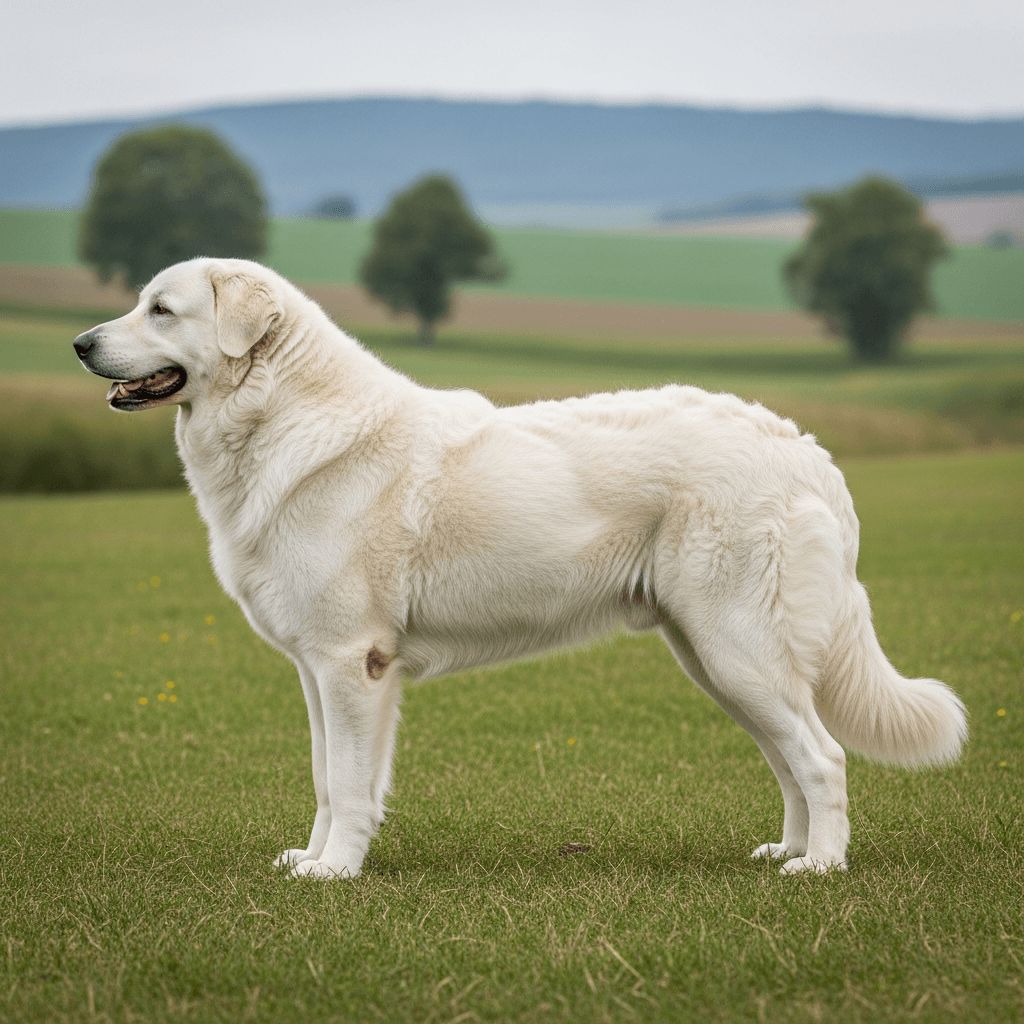
The Kuvasz is a fascinating breed of dog originating from the picturesque landscapes of Hungary, which has captivated dog lovers around the world for centuries. These majestic dogs are characterized by their impressive strength, exceptional intelligence, and unyielding character. Their strong body structure combined with thick, snow-white fur gives them a noble appearance that attracts attention and inspires admiration.
The history of the Kuvasz dates back to the times when they were inseparable companions of Hungarian shepherds. They served as fearless guardians of herds and skilled hunters. Their thick white fur not only added to their charm but primarily provided excellent protection against the harsh weather conditions of the mountainous Carpathian regions. Thanks to their strong territorial instinct and innate vigilance, the Kuvasz quickly gained a reputation as one of the most trusted guard dogs in history.
Today, the Kuvasz is increasingly finding its place in urban environments, where its natural alertness and unconditional devotion excel in the role of a family and protective dog. The characteristic wedge-shaped head, dark brown almond-shaped eyes, and harmonious square silhouette make these dogs not only beautiful but truly noble in appearance.
Key characteristics of the Kuvasz:
- Brave and determined temperament, combined with deep loyalty
- Requires a lot of attention, consistent training, and regular physical activity
- High level of intelligence indicating a need for mental stimulation
- Strong protective instinct towards family and territory
- Independent character requiring an experienced owner
This breed is best suited for experienced owners who can dedicate the appropriate amount of time to proper upbringing, socialization, and ensuring adequate activity levels. The Kuvasz is a perfect companion for families that can provide it with a stable, loving, and consistent environment. It is important to remember the sensitivity of these dogs to human emotions and the absolute need to avoid aggression in training.
Below you will find detailed information about the health, grooming, training, nutrition, and history of the Kuvasz, which will help you better understand the nature of these extraordinary dogs. The Kuvasz is a dog that combines unyielding strength with exceptional beauty and absolute loyalty – when treated properly, it will become a faithful companion for many years.
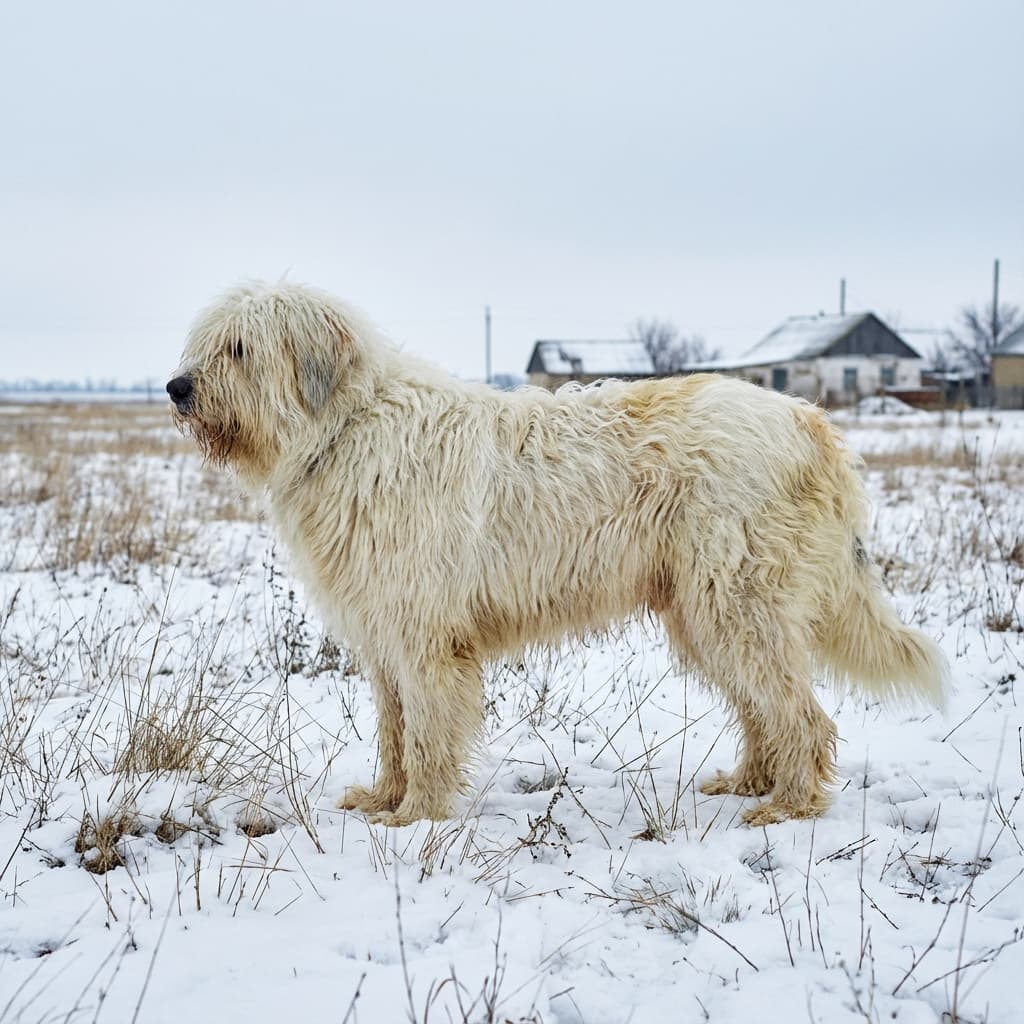
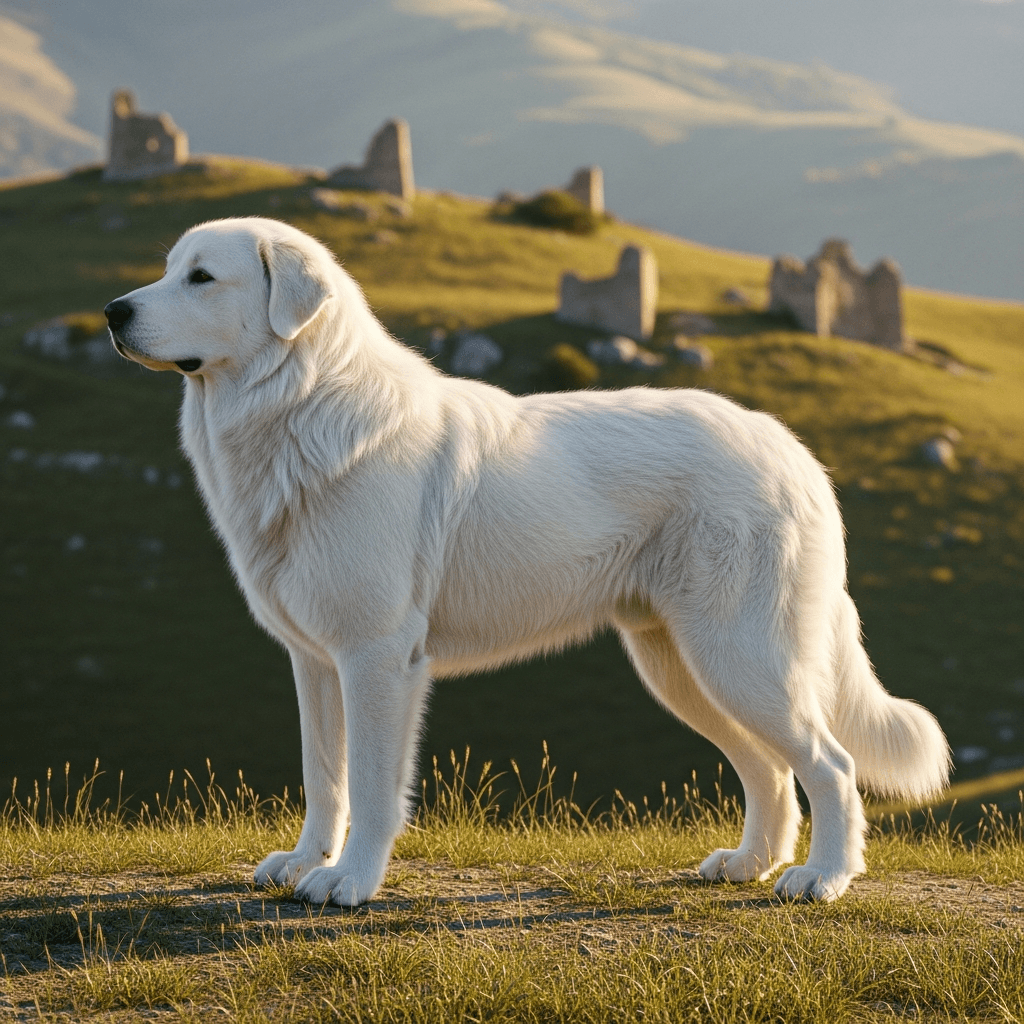
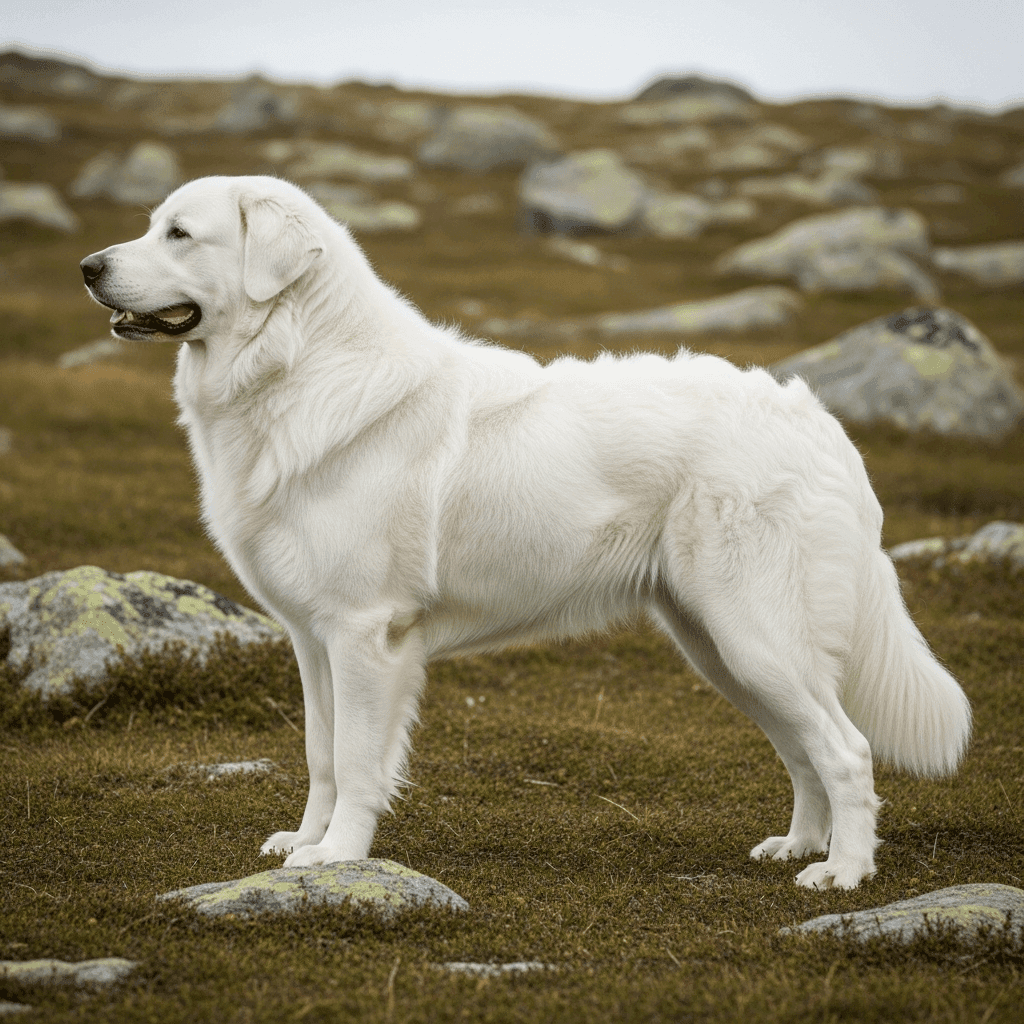
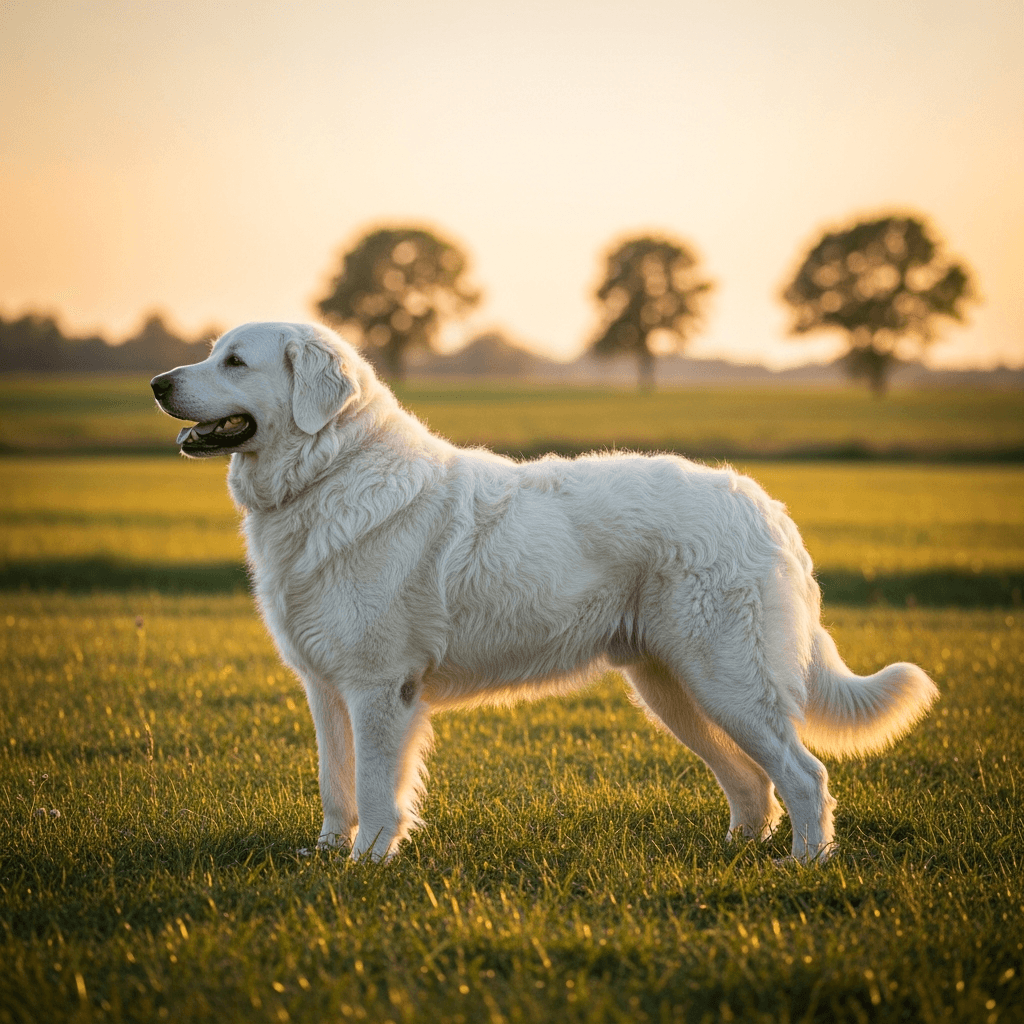
The Kuvasz is a breed with an impressive and majestic appearance, which catches the eye at first glance with its powerful build and elegant, white coat. These dogs belong to large breeds, with a clear sexual dimorphism.
Dimensions and body proportions:
- Males: height at the withers 71-76 cm, weight 48-62 kg
- Females: height at the withers 66-70 cm, weight 37-50 kg
- The length of the body slightly exceeds the height at the withers
- The silhouette forms a harmonious, short rectangular shape, resembling a square
- Strong, well-muscled build without signs of heaviness or thickness
Characteristic head and expression:
The head has the shape of an elegant wedge, with a broad skull and slightly arched forehead. The eyes, which are almond-shaped, are dark brown, giving the dog a piercing and intelligent expression. The ears are set moderately high, positioned in a V-shape away from the head, emphasizing the alert nature of the breed. The muzzle is strong, well-developed, with a distinct stop.
Coat and coloration:
One of the most distinctive features of the Kuvasz is its dense, wavy, snow-white coat. There is a prominent and impressive mane around the neck, especially in males, which adds to their additional majesty. The coat on the body is of medium length (4-12 cm) and forms beautiful, delicate curls and characteristic tufts. The hair is medium hard to the touch, providing excellent protection against weather conditions.
Body structure and limbs:
The Kuvasz has strong, straight front and hind limbs that are very well-muscled, ensuring the dog has great mobility and endurance. The paws are compact, with an oval shape. The tail is set low, long, and densely covered with hair, forming a plume. At rest, it hangs straight down, while in motion, the dog raises it to the level of the back line.
Overall, the Kuvasz is a dog that exudes strength, elegance, and nobility. Its white coat, combined with a harmonious body structure and dignified expression, makes it one of the most recognizable herding dogs in the world.
The Kuvasz is a breed known for its exceptionally strong territorial and protective instincts. Their temperament is brave, fearless, and determined, making them excellent guard dogs. The history of breeding these dogs as guardians of herds and properties has left a lasting mark on their character.
Loyalty and attachment to family:
The Kuvasz is extremely attached to its owners and the territory it considers its own. This makes it not only an excellent guardian but also a wonderful family companion that deeply values the bond with household members. Its devotion is absolute – this dog is ready to defend its family at all costs.
Relationships with strangers and territory protection:
Due to its highly developed defensive instincts, the Kuvasz can be suspicious and distrustful of strangers. If it senses a threat to its family or territory, it may react aggressively. For this reason, early and comprehensive socialization is absolutely crucial. The dog must learn to recognize what constitutes a real threat and what is a normal social situation.
Independence and strong character:
This breed is characterized by independent thinking and a strong will, meaning these dogs can be quite self-sufficient in decision-making. They are not dogs that will blindly follow every command – the Kuvasz will first assess the situation based on its own judgment. Therefore, they require consistent, positive training based on building mutual respect and trust.
Emotional sensitivity:
Despite their strength and courage, the Kuvasz is very sensitive to the way it is treated. Aggression, shouting, or physical punishment can lead to serious behavioral problems and a breakdown of the bond with the owner. The proper approach is based on rewarding positive behaviors, patience, and consistency.
Activity and temperament:
A well-trained and socialized Kuvasz is a balanced dog that can be both and serious and alert while performing guard duties. These dogs enjoy spending time with their family and participating in daily activities.
Owner requirements:
- Experience in raising dogs with strong character
- Consistency and patience in training
- Providing adequate attention and mental stimulation
- An active lifestyle and readiness for daily exercise
- Understanding the breed's natural protective instincts
Owners must remember that without proper stimulation, activity, and consistent upbringing, the Kuvasz can develop behavioral problems such as excessive suspicion, aggression, or destructiveness.
The Kuvasz is generally a healthy and resilient breed, with an average lifespan of 10 to 12 years. Like most large dog breeds, however, the Kuvasz may be prone to certain characteristic health issues that owners should be aware of.
Most common health problems:
1. Hip Dysplasia (HD)
This is a hereditary condition in which there is abnormal development of the hip joint. It can lead to pain, limping, and limited mobility. Owners should choose puppies from breeders who conduct appropriate screening tests on the parents. Symptoms may include difficulty getting up, reluctance to run or jump, and stiffness after rest.
2. Osteochondritis Dissecans (OCD)
This is a developmental joint disorder, most commonly affecting the shoulder, knee, or ankle joints. It occurs in young, rapidly growing large breed dogs. Proper nutrition and avoiding excessive physical exertion during the growth period can help minimize the risk.
3. Bloat and Gastric Dilatation Volvulus (GDV)
This is a life-threatening condition, particularly common in large breed dogs with deep chests. Bloat occurs when the stomach fills with gas and, in the worst case, twists around its axis, cutting off blood flow. Prevention:
- Dividing the daily food portion into 2-3 smaller meals
- Avoiding intense physical exertion immediately before and after eating
- Using slow-feeding bowls
- Limiting the amount of water consumed immediately after meals
4. Heart Diseases
Some bloodlines may be prone to dilated cardiomyopathy and other cardiovascular conditions. Regular veterinary check-ups, including heart examinations, are recommended, especially for older dogs.
Sensitivity to Weather Conditions:
The Kuvasz is a breed adapted to cooler climates. Its thick, white coat provides excellent protection against frost, but in extreme heat, the dog may have difficulty regulating its body temperature. On hot days, it is essential to:
- Provide access to shade and cool water
- Avoid physical exertion during the hottest hours of the day
- Allow access to an air-conditioned room
- Monitor for signs of overheating (heavy panting, drooling, weakness)
Health Prevention:
- Regular check-ups with the veterinarian (at least once every 6 months)
- Up-to-date vaccinations
- Regular parasite prevention (internal and external)
- Monitoring weight and body condition
- Joint screenings for young dogs
- Maintaining oral hygiene
Proper veterinary care, a balanced diet, and an appropriate level of physical activity will help ensure that the Kuvasz enjoys a long and healthy life.
Although the Kuvasz is a dog with abundant, long fur, its grooming is relatively minimal compared to other long-haired breeds. The key is regularity and understanding the specifics of this breed's coat.
Coat characteristics:
The Kuvasz's coat is medium-hard, dense, and wavy, making it naturally resistant to dirt and tangling. Due to its structure, the hair tends to self-clean, and dirt often falls off on its own after drying. The undercoat is dense, soft, and provides excellent thermal insulation.
Brushing:
During normal periods, brushing once a week is sufficient to remove loose hair and prevent matting. It is best to use:
- A brush with metal pins (pin brush)
- A wide-toothed comb for detangling
- A furminator or undercoat removal tool (use with caution)
Intensive shedding period:
The Kuvasz sheds heavily twice a year – in spring and autumn. During these times, it requires daily brushing to help remove dead undercoat. The shedding process usually lasts 2-3 weeks, and the amount of hair lost is significant. Regular brushing during this time:
- Speeds up the shedding process
- Prevents matting
- Reduces the amount of hair in the home
- Improves blood circulation in the skin
Bathing:
The Kuvasz does not require frequent baths – 3-4 times a year or when actually dirty is sufficient. Bathing too often can:
- Dry out the skin and coat
- Remove the natural protective layer of the hair
- Lead to dermatological issues
It is important to use gentle shampoos designed for dogs with white coats that do not dry out the skin. After bathing, thorough drying of the coat is crucial, especially the undercoat.
Ear care:
The Kuvasz's ears should be checked weekly for:
- Signs of redness or inflammation
- Unpleasant odor
- Excess wax
- Signs of parasites
Ear cleaning is done with a special ear solution for dogs and cotton balls or pads. Never use cotton swabs.
Eye care:
The eyes should be clean and free from discharge. You can gently clean around the eyes with a damp cotton pad, always from the outer corner to the inner corner.
Nail trimming:
Nails should be trimmed every 3-4 weeks to prevent overgrowth. Overgrown nails can:
- Cause problems with proper paw placement
- Lead to pain and discomfort while walking
- Increase the risk of nail breakage
Oral hygiene:
Regular teeth cleaning (preferably daily or at least 2-3 times a week) prevents tartar buildup and periodontal disease. You can use a toothbrush and toothpaste for dogs as well as dental chews.
Overall, the Kuvasz is a relatively easy breed to groom, making it an attractive choice for those who want a dog with an impressive appearance but do not have much time for daily, time-consuming grooming.
Kuvasz is a breed with a high demand for movement and physical activity. Although it is not a hyperactive dog, its strong build, high intelligence, and history as a herding and guarding dog mean it requires regular, daily exercise.
Minimum activity requirements:
Kuvasz needs a minimum of 60-90 minutes of intense activity daily, divided into several sessions. It cannot be just a calm walk – the dog requires real effort that engages both body and mind.
Recommended forms of activity:
1. Long walks and hikes
Daily walks in varied terrain (forest, park, mountain trails) are essential. Kuvasz loves to explore its surroundings and utilize its excellent sense of smell. Walks should be dynamic, with opportunities for running on a leash or in safe, fenced areas.
2. Running and jogging
Kuvasz is an excellent partner for jogging or running. Its endurance and fitness allow it to accompany the owner during longer running sessions. However, remember to gradually increase the distance and avoid running on hot days.
3. Outdoor games and activities
- Fetching (some Kuvasz love to bring things back)
- Frisbee
- Water games (if the dog enjoys swimming)
- Play with other dogs (after proper socialization)
4. Obedience training and mental exercises
Kuvasz is a smart dog that requires mental stimulation. Obedience exercises, learning new commands, and search games are excellent ways to mentally tire the dog. A mentally tired dog is just as satisfied as a physically tired one.
5. Agility and canine sports
Despite its large size, Kuvasz can participate in agility (adapted for large breeds) or other canine sports, such as rally obedience or nosework. This is a great way to channel energy and build a bond with the owner.
6. Patrolling territory
Kuvasz has a natural tendency to patrol its territory. If you live in a house with a garden, allow the dog to regularly patrol the property – this satisfies its guarding instinct and provides a form of activity.
Activity and dog age:
- Puppies (up to 12 months): Short, frequent play sessions. Avoid strenuous exercise that could damage developing joints.
- Young adults (1-3 years): Full activity, high energy level.
- Adults (3-7 years): Regular, intense activity.
- Seniors (7+ years): Adjust intensity to the dog's capabilities, still requiring regular movement but in a gentler form.
Consequences of insufficient activity:
A Kuvasz that does not receive enough movement and stimulation may develop serious behavioral problems:
- Excessive suspicion and aggression
- Destructive behaviors (chewing furniture, digging)
- Hyperactivity and difficulty calming down
- Persistent barking
- Escaping from the property
- Health issues (obesity, joint problems)
Tips for owners:
- Vary forms of activity to avoid boredom
- Combine physical effort with mental stimulation
- Consider weather conditions (avoid strenuous exercise in heat)
- Observe the dog – you will learn to recognize when it is tired and when it needs more movement
- Remember to warm up before intense exercise
Kuvasz owners must be active individuals, ready for daily movement challenges. In return, they will receive a loyal, happy, and balanced companion.
Training a Kuvasz can be a real challenge, even for experienced dog owners. This breed is characterized by a strong personality, independence of thought, and a clear need to understand the purpose of the task being performed. The key to success is to start training as early as possible and to use the right methods.
Starting training – a crucial puppy period:
Training a Kuvasz should begin from the moment the puppy arrives home, usually at the age of 8-10 weeks. During this critical period, the dog is most open to learning and accepting new experiences. Delaying training can lead to the reinforcement of undesirable behaviors that will be very difficult to change later.
Basic principles of training a Kuvasz:
1. Positive reinforcement – the only effective method
A Kuvasz absolutely does not tolerate aggression or punishment. Using force, yelling, or physical punishment leads to:
- A breakdown of the trust bond between the dog and the owner
- Defensive or fearful aggression
- A complete refusal to cooperate
- Long-term behavioral problems
The proper approach is based on rewarding positive behaviors – with treats, verbal praise, play, or anything the dog considers a reward.
2. Consistency and clear rules
A Kuvasz quickly picks up on inconsistencies in training. If you allow a certain behavior once and then prohibit it another time, the dog will not understand what you expect from it. All family members must use the same rules and commands.
3. Patience and understanding of the breed's nature
A Kuvasz is not a dog that eagerly jumps to perform every command. First, it will assess the situation and decide whether following the command makes sense. This does not mean it is disobedient – it simply thinks independently. This requires the owner to have patience and accept the nature of the breed.
Basic commands to teach:
- Sit – the basic command, the foundation for further training
- Lie down – a calming command, useful in various situations
- Stay – extremely important for the dog's safety
- Come – probably the most important life command
- No or Leave it – interrupting undesirable behavior
- Heel – walking on a loose leash without pulling
Training format – play, not drill:
A Kuvasz responds much better to training conducted in a playful manner than to monotonous repetition of commands. Short (5-10 minutes), frequent training sessions are more effective than long, exhausting classes. Introduce elements of play, vary the rewards, and maintain the dog's enthusiasm.
Socialization – absolutely crucial:
Due to its strong protective instinct and suspicion of strangers, a Kuvasz requires intensive socialization from a young age. The dog must be exposed to:
- Different types of people (children, elderly individuals, people in uniforms)
- Other dogs and animals
- Diverse environments (city, forest, dog-friendly stores)
- Various sounds (traffic, loud machinery, fireworks)
- Visits to the vet and grooming
A poorly socialized Kuvasz can become overly suspicious, anxious, or aggressive – this is a serious issue for a dog weighing 50-60 kg.
Training with a professional trainer:
Especially for novice owners, working with an experienced trainer familiar with protective breeds is highly recommended. A trainer can:
- Teach the owner proper techniques
- Assist with socialization in a controlled environment
- Correct training mistakes at an early stage
- Provide contact with other dogs during group classes
Common challenges in training a Kuvasz:
- Selective listening: The dog obeys commands at home but ignores them on walks
- Resource guarding: Guarding food, toys, or space
- Excessive barking: Alerting to everything and everyone
- Pulling on the leash: Using its strength
- Aggression towards other dogs: Especially same-sex dogs
All these problems can be resolved through early, consistent training and, if necessary, the help of a professional.
Advanced training:
Once the basics are mastered, a Kuvasz can participate in:
- Protection training (only with professionals!)
- Rally obedience
- Nosework – tracking and searching
- Therapy dog training (with the right temperament)
Proper training of a Kuvasz is a time and effort investment that pays off many times over in the form of an obedient, balanced, and happy dog. The bond built during training is the foundation for a successful coexistence with this wonderful yet demanding breed.
Proper nutrition for a Kuvasz is the foundation of its health, physical condition, and longevity. As a large breed dog with specific needs, the Kuvasz requires a carefully balanced diet and the right approach to feeding.
Basic principles of feeding a Kuvasz:
1. High-quality food
The Kuvasz needs premium or super-premium food designed for large breed adult dogs. Key elements of good food include:
- High-quality animal protein (chicken, beef, fish) as the first ingredient – at least 24-28%
- Moderate fat content – 12-16% (too high a content can lead to obesity)
- Chondroitin and glucosamine – support for joints (critical for large breeds)
- Omega-3 and Omega-6 fatty acids – healthy skin and shiny coat
- No unnecessary fillers – corn, wheat as the main source of carbohydrates are suboptimal
- Vitamins and minerals – comprehensive support for the immune system
2. Appropriate macronutrient ratios
The ideal diet for a Kuvasz should contain:
- Protein: 24-28% (muscle building and repair)
- Fat: 12-16% (energy, healthy coat)
- Carbohydrates: 30-40% (source of energy, fiber)
- Fiber: 3-5% (gut health)
Amount of food and meal frequency:
Preventing bloat – a key strategy
Gastric dilatation volvulus (GDV) is a serious threat to the Kuvasz. To minimize it:
- Divide daily food into 2-3 smaller meals instead of one large one
- Food per day: 4-6 cups (about 600-900g), depending on weight, age, and activity
- Avoid physical exertion one hour before and one hour after eating
- Use slow-feeding bowls or spread food on a flat surface
- Limit access to water immediately after eating (allow drinking beforehand)
- Avoid feeding at exactly the same time every day (variety reduces stress)
Adjusting portions to activity level
The amount of food must be adjusted to the dog's activity level:
- Active, working dogs: More calories (upper limit of recommendations)
- Dogs with average activity: Standard portions
- Less active, older dogs: Reduced portions (to avoid obesity)
Feeding at different life stages:
Puppies (8 weeks - 12 months)
- Food for large breed puppies (controlled growth)
- 3-4 meals a day until 6 months of age
- 2-3 meals a day from 6 to 12 months
- IMPORTANT: Do not accelerate growth – too rapid growth harms joints
- Avoid calcium supplementation (it's already in puppy food)
Young adults (1-3 years)
- Transition to food for adult large breeds
- 2-3 meals a day
- High protein content to maintain muscle mass
Adults (3-7 years)
- Food for adult large breeds
- 2 meals a day
- Weight monitoring – adjust portions as needed
Seniors (7+ years)
- Food for older large breed dogs (fewer calories, more joint support)
- 2 meals a day (may be smaller)
- Additional joint supplementation (after consulting a veterinarian)
- Weight control – older dogs often gain weight
Treats and rewards:
Treats are important during training, but should not constitute more than 10% of the daily calorie intake. Recommended treats include:
- Pieces of cooked meat (chicken, beef)
- Dried lungs, liver
- Carrots, apples (without seeds)
- Specialized training treats (small, low-calorie)
Avoid: chocolate, grapes, raisins, onions, garlic, salty snacks, sweets.
Access to fresh water:
The Kuvasz must have constant access to fresh, clean water, especially:
- After physical exertion
- On hot days
- During shedding (increased demand)
Water should be changed daily, and the bowl should be regularly cleaned.
Monitoring weight and condition:
Regularly check the dog's weight and condition:
- Ideal weight: You can feel the ribs under a thin layer of fat, visible waist
- Overweight: Hard to feel ribs, no waist, lack of abdominal definition
- Underweight: Ribs and vertebrae clearly visible, defined waist
If in doubt, consult a veterinarian.
BARF diet (Biologically Appropriate Raw Food):
Some owners choose a diet based on raw meat. If you are considering BARF:
- Consult a veterinarian or nutrition specialist
- Ensure proper balance of ingredients (meat, bones, organs, vegetables)
- Maintain hygiene in preparation
- Monitor the dog's health
Proper nutrition is an investment in the long and healthy life of your Kuvasz. Quality control of food, appropriate portions, and a strategy to prevent bloat are the foundations of a proper diet for this wonderful breed.
Characteristic Traits
Pros
- Exceptionally loyal and devoted to family
- Strong protective instinct
- High intelligence
- Excellent guard dog
- Resilient to harsh weather conditions
- Majestic appearance.
Cons
- Requires an experienced owner
- Needs a lot of exercise and stimulation
- Strong
- independent character
- Suspicious of strangers
- Can be aggressive without proper socialization
- Sensitive to heat
- Intense shedding twice a year.
Behavioral Ratings
Breed History
The history of the Kuvasz breed dates back deep into the past, serving as a testament to the resilience and utility of these majestic dogs. The breed's roots are closely tied to the history of Hungary and the peoples who inhabited this region over the centuries.
Ancient beginnings – arrival in the Carpathian Basin:
The ancestors of the Kuvasz arrived in what is now Hungary with the nomadic people of the Magyars during their great migration at the end of the 9th century (around 896 AD). The Magyars, originating from areas east of the Ural Mountains, brought with them large, white herding and guarding dogs that were essential for protecting flocks from predators and safeguarding encampments from enemies.
The name Kuvasz likely derives from the Turkish word kawasz, meaning guardian or protector, which perfectly reflects the original function of these dogs. Other theories suggest a connection to the Hungarian words ku (dog) and asz (great).
The Middle Ages – royal and noble dogs:
In medieval Hungary, the Kuvasz gained status as a royal dog, especially during the reign of King Matthias Corvinus in the 15th century (1458-1490). King Matthias was a great admirer of this breed and kept numerous Kuvasz dogs both as protective and hunting companions. He valued their loyalty, intelligence, and courage – traits essential in uncertain times of political intrigue and assassination.
During this period, the breeding of Kuvasz was strictly controlled and limited to royal families and the highest nobility. Owning a Kuvasz was a symbol of status and royal trust. These dogs served as:
- Personal guards for kings and nobles
- Protection of palaces and castles
- Hunting dogs (particularly for boars and bears)
- Guardians of treasuries and valuable goods
The pastoral era – a return to roots:
After the period of glory at royal courts, the Kuvasz gradually returned to its original role as a herding and guarding dog on the Hungarian plains. For centuries, it was an invaluable helper to shepherds, protecting flocks of sheep from wolves, bears, and thieves.
The Kuvasz's white coat had practical significance – it allowed shepherds to distinguish the dog from predators in the dark, preventing accidental shooting of their own dog while defending the flock.
The 20th century – near extinction and revival:
World War I and II – a disaster for the breed
The 20th century brought dramatic events that nearly led to the extinction of the Kuvasz. During World War I, many dogs perished, and breeding was disrupted. The consequences of World War II were even worse, as Hungary became a battlefield.
The Kuvasz, due to its loyalty and protective instinct, often attacked enemy soldiers trying to enter protected territories. In retaliation, many Kuvasz dogs were killed by the occupiers. By the end of the war, it was estimated that only 12-30 purebred Kuvasz remained throughout Hungary – the breed stood on the brink of extinction.
Breed recovery – the efforts of breeders
After the war, dedicated breeders and enthusiasts undertook heroic efforts to save the Kuvasz from oblivion. The recovery program involved:
- Carefully locating surviving purebred individuals
- Prudent and controlled breeding
- Documenting pedigrees
- Avoiding too narrow a genetic pool
Thanks to these efforts, in the 1950s and 1960s, the breed began to revive. Hungarian breeders worked to restore the original traits of the breed – both in appearance and character.
Kuvasz in modern times:
Global spread
In the second half of the 20th century, the Kuvasz began to gain recognition outside Hungary. The breed was recognized by the FCI (Fédération Cynologique Internationale) and the American Kennel Club (AKC). Kuvasz dogs reached:
- The United States (1930s, again after the war)
- Canada
- Western Europe (Germany, Netherlands, United Kingdom)
- Other countries around the world
Contemporary role
Today, the Kuvasz is valued as:
- Family and companion dog – loyal, protective, devoted
- Guard dog – protecting properties and farms
- Herding dog – still used by some sheep farmers
- Show dog – participating in breed shows
- Working dog – in some security units
Heritage and cultural significance:
In Hungary, the Kuvasz remains a symbol of national pride and heritage. It is one of three native Hungarian herding dog breeds (alongside the Komondor and Puli). The breed is protected and promoted by Hungarian canine organizations.
The history of the Kuvasz is a story of survival, adaptation, and resilience – both of the dogs themselves and the people who dedicated themselves to saving them. From ancient shepherds, through royal courts, to modern families – the Kuvasz has always remained a loyal, brave, and irreplaceable companion to humans.