Maremma-Abruzzese Shepherd Dog
FCI Group
1• FCI 201
Size
Large
Origin Country
IT
Height
60-73 cm
Weight
30-45 kg
Lifespan
11-13 years
Temperament
Overview
Maremma-Abruzzese Shepherd Dog, also known as the Maremma-Abruzzese Pastoral Dog, is one of the most fascinating herding dog breeds originating from the picturesque regions of Italy. This majestic breed is distinguished not only by its impressive physique but also by a long and rich history dating back to ancient times.
Even in ancient Rome, the Maremmano-Abruzzese served as an indispensable guardian of sheep herds, effectively protecting them from wolves, bears, and other predators. Thanks to its exceptional intelligence, courage, and independence in decision-making, this dog can assess threats on its own and take appropriate action, making it an ideal partner for work on vast pastures.
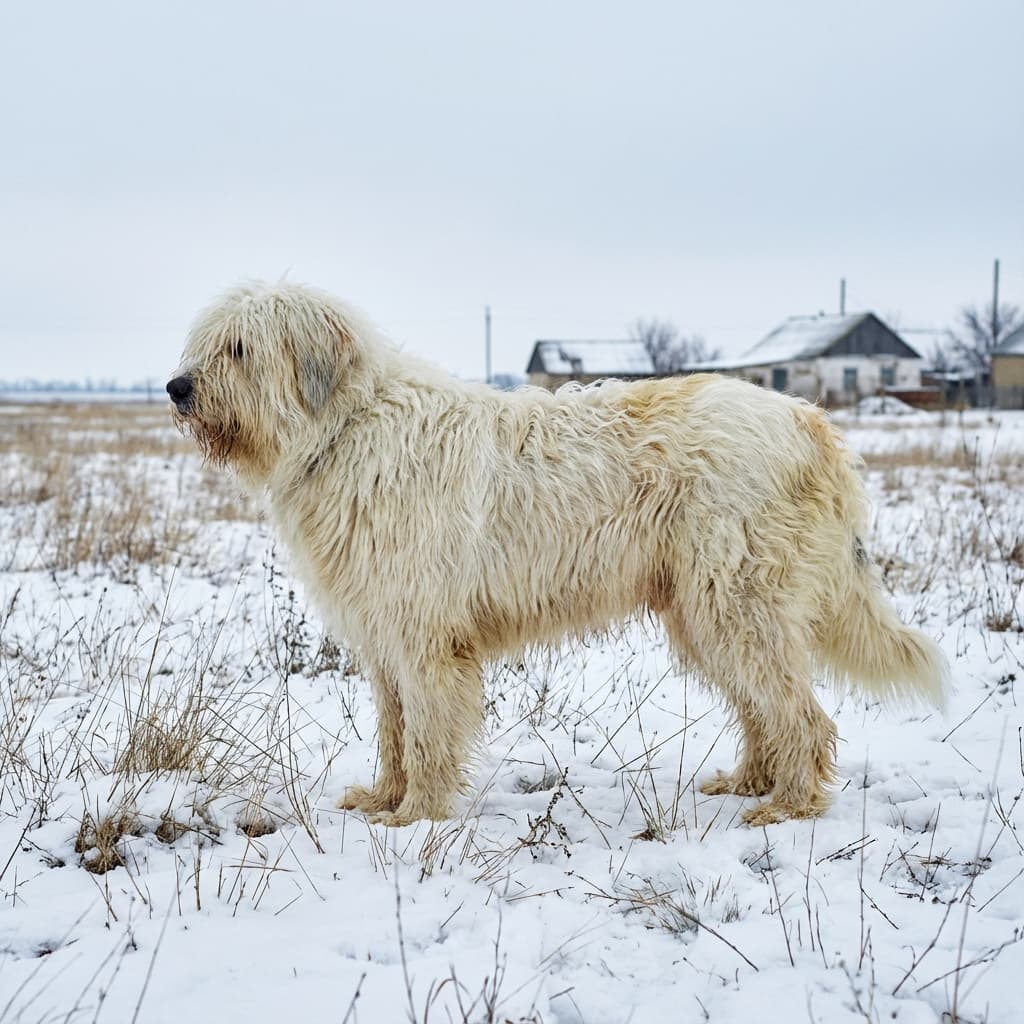
The long, snow-white coat of the Maremma serves a dual purpose - it not only protects the dog from harsh weather conditions but also acts as excellent camouflage, allowing it to blend in with the flock of sheep. This makes it significantly more difficult for predators to notice the vigilant guardian hidden among its charges.
The modern breed was created through the natural crossing of two regional varieties - the Maremmano Shepherd from the Tuscan Maremma and the Abruzzese Shepherd from the mountainous areas of Abruzzo. This combination mainly occurred after 1860, when seasonal migrations of herds between these regions began. Official recognition as a single breed took place in the 1950s, but to this day, the characteristic traits of both ancestors have been preserved.
The contemporary Maremma-Abruzzese Shepherd Dog still actively serves as a guardian of livestock in Italy and is also used to protect endangered species from predators in many parts of the world. Its independent nature and strong will mean that it requires an owner with a determined yet patient and consistent nature. For experienced guardians of guard dogs who can respect the independence of this breed, the Maremma can be a loyal and reliable companion.
The distinctive appearance of the Maremmano-Abruzzese attracts the attention of every dog lover - its large, wedge-shaped head reminiscent of a bear, powerful, harmonious silhouette, and majestic thick collar around the neck create an image of a dog full of dignity and strength. As a herding dog with strong working instincts, it needs ample space to move freely and daily physical and mental activity to maintain mental balance and excellent condition.
Maremma-Abruzzese Shepherd Dog is not only a dog with an impressive appearance but above all a unique breed with exceptional guarding and herding abilities that has perfected its skills in the service of humans for centuries. It is worth getting to know its fascinating history, specific health needs, dietary requirements, and other aspects that make this breed one of the most respected Italian herding dogs.
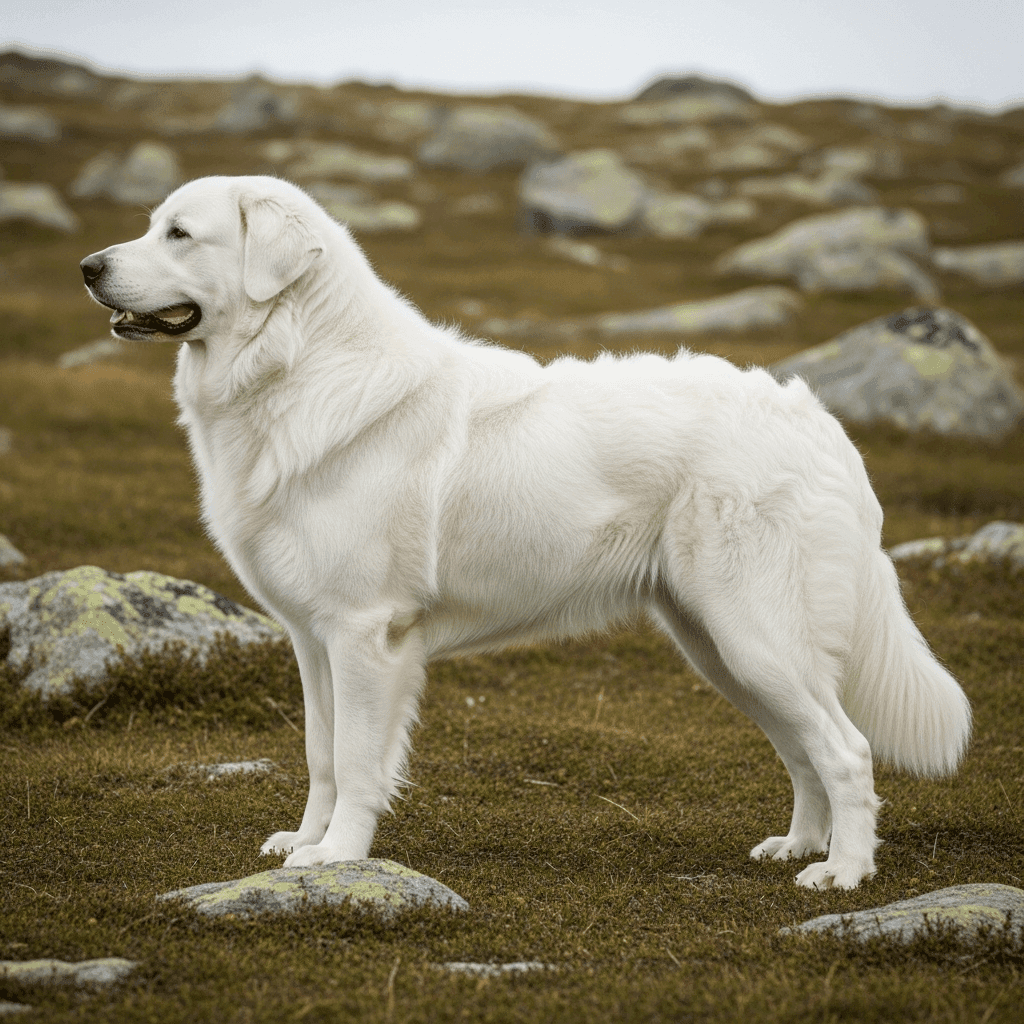
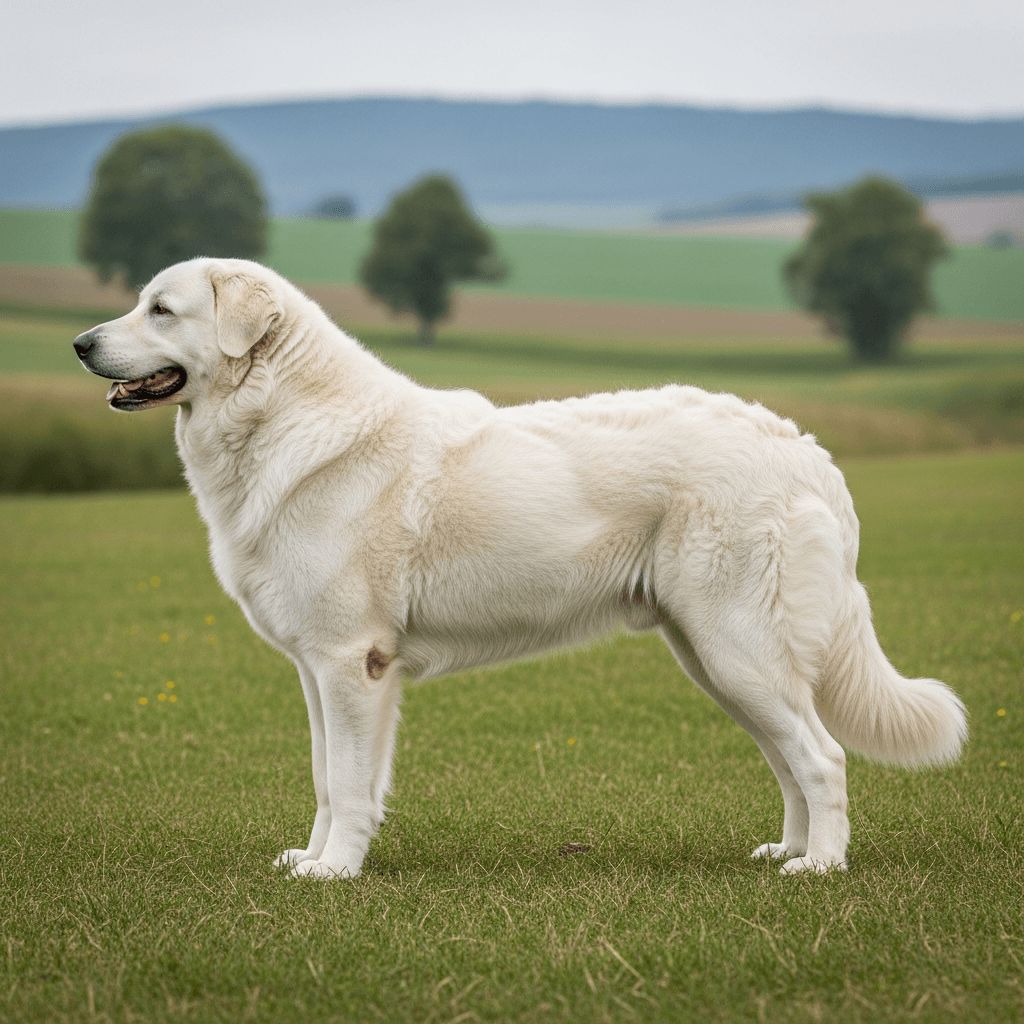
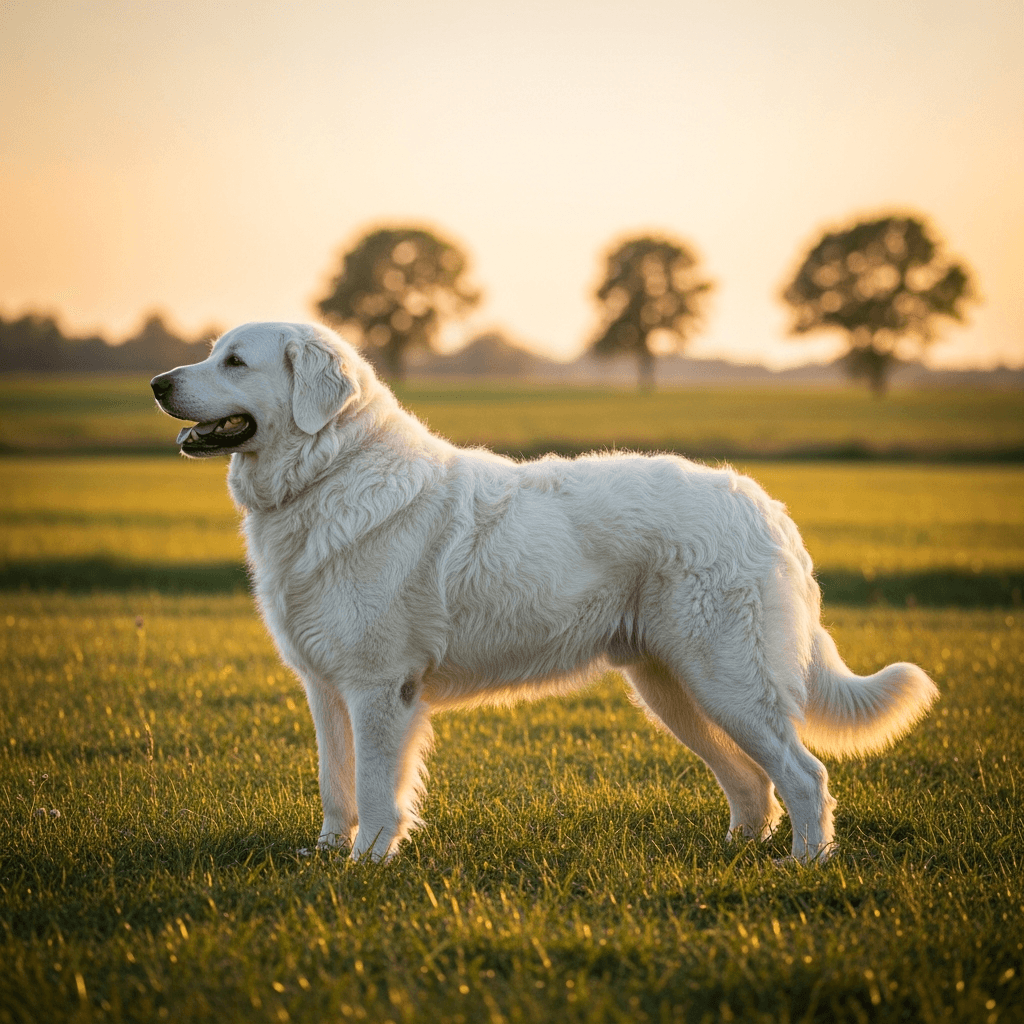
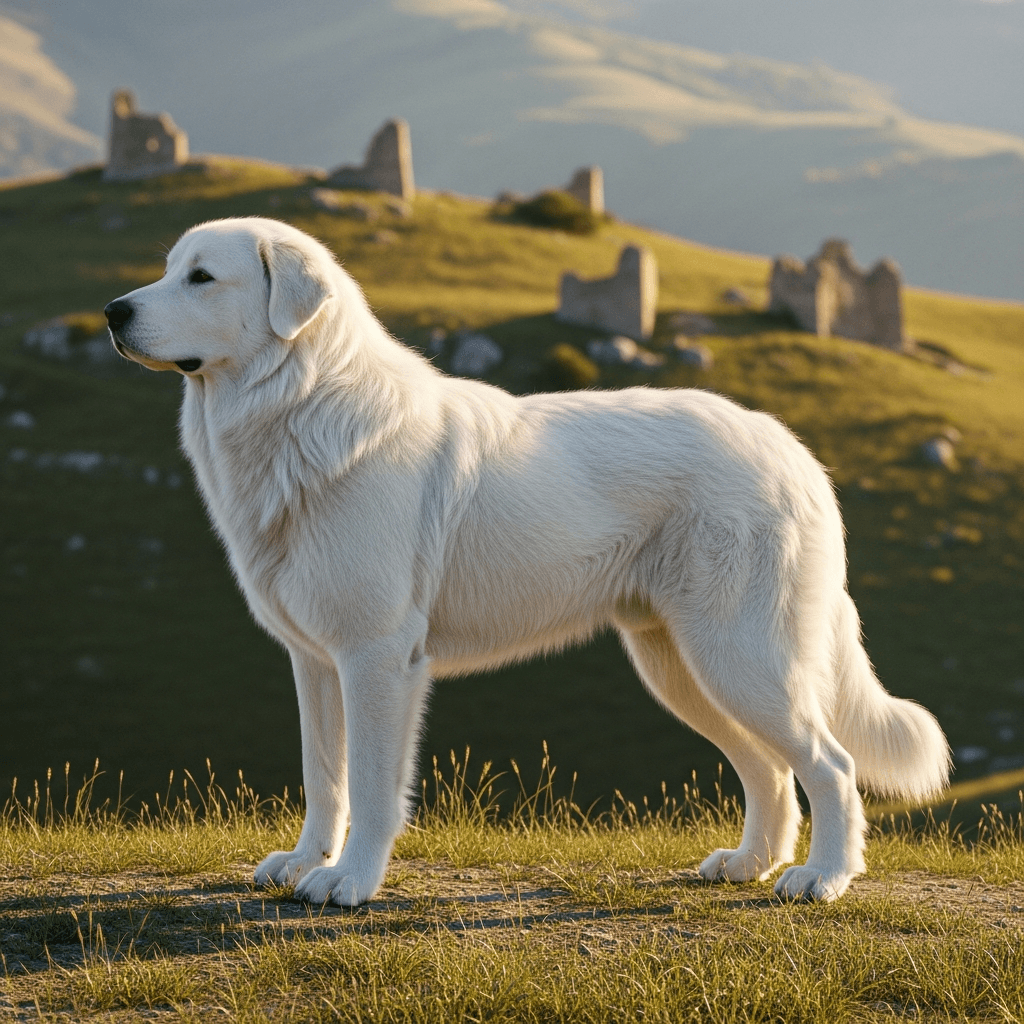
The Cane da Pastore Maremmano-Abruzzese is a dog with a truly impressive and majestic appearance, which immediately attracts attention with its powerful silhouette and extraordinary snow-white coat. According to the FCI standard, males reach a height at the withers of 65 to 73 cm, while females are slightly smaller - from 60 to 68 cm. The weight of adult individuals ranges from 35 to 45 kg, with males typically being heavier than females.
The body structure of this breed is strong, well-muscled, and harmoniously built. The length of the body slightly exceeds the height at the withers, giving the dog a proportional, solid appearance. The chest is deep, well-developed, with well-arched ribs, providing adequate lung capacity necessary for strenuous work in the pastures.
The head is large, wedge-shaped, and resembles the head of a polar bear - a broad skull with moderately pronounced brow ridges, a flat or slightly convex forehead. The muzzle is slightly shorter than the skull, strong, and well-defined. The nose is always black, large, and well-developed. The jaws are strong with a complete set of teeth and a correct scissor bite.
The eyes are medium-sized, almond-shaped, set rather shallowly, with an intelligent and alert expression. The iris color is usually dark brown or amber (ochre), which beautifully contrasts with the white coat. The eyelids have black edges, which further emphasizes the expressiveness of the gaze.
The ears are relatively small in proportion to the size of the head, set high, triangular, drooping, and pointed at the tips. When the dog is alert, the ears lift slightly but never stand erect.
The coat is long, abundant, dense, and somewhat coarse to the touch, providing excellent protection against extreme weather conditions - both cold and heat. The outer coat is straight or slightly wavy, and it should never be curly. The undercoat is dense and abundant, especially in the winter months.
- The collar: A characteristic, dense collar forms around the neck, particularly pronounced in males, giving the dog a majestic lion-like appearance.
- The tail: The fur on the tail is very abundant and long, creating a plume-like form.
- The limbs: The hind limbs have rich feathering, known as "feathers," particularly visible on the back of the thighs.
The coat color is uniformly white, although the standard allows for very light shades of ivory, lemon, or light orange, which should not be too pronounced. Pure snow-white color is the most desirable and characteristic of this breed.
The movement of the Maremmano-Abruzzese is fluid, flexible, and efficient. At a trot, the dog moves with a long, expansive stride, covering ground with ease and energy efficiency. When working as a herder, it can quickly change direction and accelerate when necessary.
The overall appearance of this breed exudes strength, dignity, and calmness - it is a dog that impresses and commands respect with its very presence, while maintaining the rustic, raw charm of a working dog in harsh mountainous conditions.
The Cane da Pastore Maremmano-Abruzzese is a breed with a very strong guarding and herding instinct, developed over centuries of selection for independent protection of herds. Its temperament is closely related to its original purpose - it was a breed created to work in the field, often far from direct human supervision, which has instilled in it traits of independence and self-reliance in decision-making.
Basic character traits:
- Alertness and perceptiveness: The Maremma is constantly alert and observes its surroundings. It can sense danger from a great distance and reacts immediately.
- Loyalty to family: Despite its independent nature, this breed is deeply devoted to its family and the designated herd, which it sees as its responsibility.
- Reservation towards strangers: Naturally distrustful of unfamiliar people, which makes it an excellent guard dog. It does not show aggression without reason but remains ready and distant.
- Independence: Accustomed to making decisions on its own, it may seem stubborn or reluctant to be unconditionally obedient.
- Territoriality: It strongly defends its territory and does not tolerate intruders, both human and animal.
Relationships with family: Among its human family, the Maremmano-Abruzzese is calm, gentle, and patient, especially with children, whom it sees as part of the herd that requires protection. It forms strong bonds with household members, although it is not a breed particularly expansive in showing affection - it tends to observe and protect from a distance rather than demand constant attention and petting.
Relationships with other animals: Raised from puppyhood with other pets, it can tolerate their presence and even takes on the role of their guardian. However, an adult Maremmano introduced to a home with other dogs may show issues with accepting their presence on its territory, especially with same-sex dogs. It can live harmoniously with cats and other small animals if properly socialized at a young age.
Behavior at work: While serving as a herd guardian, the Maremma demonstrates impressive situational intelligence - it can assess the level of threat and respond proportionately. It first warns a potential intruder with loud, deep barking, then positions itself between the threat and the protected herd, and as a last resort, is ready for physical confrontation.
Socialization requirements: Despite its independence, this breed requires careful and early socialization with various stimuli, people, and situations. Without proper socialization, its natural distance towards strangers can turn into excessive distrust or even aggression. Introducing a puppy to different environments, contact with various people, and positive experiences at a young age are crucial for shaping a balanced character.
Activity level: Despite its size and strength, the Maremma is rather calm and balanced at home, as long as it has sufficient physical activity outside. It is not an overly excitable dog or one that constantly seeks play - it tends to observe and keep watch, conserving energy for when it is truly needed.
Voice: This breed tends to bark, which is a natural part of its guarding work. Barking serves to alert the owner and deter intruders. In an urban or suburban environment, this can be a challenge and requires appropriate training.
The Cane da Pastore Maremmano-Abruzzese is a breed not for everyone - it requires an experienced owner who understands the specifics of working dogs, can provide suitable living conditions with plenty of space, and accepts its independent nature. In good hands, it is a reliable, loyal, and trustworthy companion and an invaluable guardian.
The Cane da Pastore Maremmano-Abruzzese is a breed characterized by generally good health and endurance, a result of centuries of natural selection and work in difficult, often extreme mountain and pastoral conditions. The average lifespan of this breed is between 11 to 13 years, which is typical for large breed dogs, although some individuals can live even longer with proper care.
Natural resistance: These dogs are strongly built and perfectly adapted to living outdoors year-round. Their double, dense coat protects them from frost, snow, and wind in winter, as well as from heat in summer, acting as a natural thermal insulator. This breed also shows good resistance to various ailments that often affect large breed dogs.
Common health issues in the breed:
- Hip Dysplasia (HD): As with most large breeds, hip dysplasia can occur in Maremmas. Responsible breeders conduct X-ray examinations of breeding animals and select individuals with healthy joints. Maintaining a proper body weight and moderate physical activity for puppies during their growth period can reduce the risk of developing this condition.
- Elbow Dysplasia (ED): Similar to hip dysplasia, it can affect dogs of this breed, although it occurs less frequently. Prevention is similar - breeding tests, appropriate diet, and controlled growth.
- Progressive Retinal Atrophy (PRA): A hereditary eye condition leading to gradual vision loss. Responsible breeders perform genetic tests to exclude carriers from breeding.
- Gastric Torsion: Large breed dogs with deep chests are more susceptible to this life-threatening condition. It is recommended to feed smaller meals several times a day instead of one large meal, avoid intense exercise immediately before and after meals, and use special slow-feed bowls.
Health prevention:
- Regular veterinary visits: Annual check-ups, vaccinations, and prevention of internal and external parasites are crucial for maintaining health.
- Weight control: Obesity is one of the main factors contributing to joint problems and shortening lifespan. A Maremma should be lean and muscular, with a visible waist. Excess weight can also increase the risk of heart problems and diabetes.
- Appropriate physical activity: Regular, moderate exercise helps maintain a healthy weight, joint and muscle fitness, and mental health. Avoiding excessive exertion in puppies during their growth period protects against joint damage.
- Healthy diet: High-quality food, tailored to age, weight, and activity level, provides all necessary nutrients. In puppies, it is important to avoid an overly calorie-dense diet that accelerates growth and can lead to joint problems.
- Dental care: Regular tooth brushing and providing dental chews help prevent periodontal disease, which can lead to serious health issues.
Weather resistance: Thanks to their double coat, Maremmano-Abruzzese tolerate low temperatures well and can comfortably live outdoors year-round, provided they have access to shelter from rain and wind. On hot days, it is important to provide the dog with shade and access to fresh water, as their thick white coat, while reflecting sunlight, can also retain heat.
Warning signs that require a veterinary visit:
- Limping or difficulty moving
- Sudden loss of appetite or change in behavior
- Excessive drinking or urination
- Difficulty breathing or chronic cough
- Vomiting, diarrhea, or abdominal bloating
- Changes in the eyes - cloudiness, redness, excessive tearing
With proper veterinary care, a balanced diet, regular activity, and the owner's attention, the Cane da Pastore Maremmano-Abruzzese can enjoy a long, healthy, and active life, fulfilling its role as a loyal companion and guardian for many years.
The care of the Cane da Pastore Maremmano-Abruzzese is an essential element of maintaining the health, comfort, and beautiful appearance of this majestic dog. Although this breed does not require as detailed grooming as some show breeds, its long and dense double coat requires regular and systematic care.
Brushing the coat: This is the most important aspect of Maremma grooming. It is recommended to brush at least 2-3 times a week during normal periods to:
- Remove dead hair and prevent it from accumulating
- Prevent the formation of mats and tangles, especially behind the ears, under the legs, in the armpits, and around the tail
- Distribute natural skin oils along the length of the hair, giving the coat a healthy shine
- Allow for monitoring the condition of the skin and early detection of potential problems (parasites, irritations, skin changes)
- Strengthen the bond between the dog and the owner
Shedding period: The Maremmano-Abruzzese undergoes intense shedding twice a year - in spring (when it sheds its winter undercoat) and in autumn (in preparation for winter). During these periods, the frequency of brushing should be increased to daily, or even twice a day, to:
- Effectively remove the abundant shedding dead hair
- Speed up the shedding process and shorten its duration
- Reduce the amount of hair in the home
- Prevent the formation of difficult-to-remove mats from dead undercoat
Grooming tools:
- Slicker brush: Excellent for daily brushing of the top coat
- Metal comb with long teeth: Essential for working with deeper layers of fur and undercoat
- Undercoat rake: Very helpful during the intense shedding period for removing dead undercoat
- Grooming scissors: For trimming hair between the paw pads and around the ears
- Detangling spray: Facilitates combing and prevents hair breakage
Bathing: The Maremmano-Abruzzese does not require frequent baths - their white coat has a natural ability to self-clean. It is recommended to bathe 3-4 times a year or as needed (when the dog gets very dirty). Too frequent bathing can strip the coat of its natural protective oils and lead to dry skin.
- Use a shampoo designed for dogs with white coats or a gentle, pH-neutral shampoo
- Before bathing, thoroughly comb the coat to remove all tangles
- After bathing, rinse the shampoo thoroughly to avoid skin irritation
- Carefully dry the coat with a towel, then with a hairdryer (if the dog tolerates it) or let it dry naturally in a warm room
Ear care: The Maremma's ears are floppy, creating a warm, moist environment conducive to infection. It is important to regularly (once a week) check the ears for:
- Unpleasant odor
- Excessive wax buildup
- Redness or irritation
- Foreign bodies
The ears can be gently cleaned with a cotton ball dampened with a special dog ear cleaning solution. Never use cotton swabs, as they can damage the ear canal.
Dental care: Regular tooth brushing (ideally daily, at least 2-3 times a week) prevents the buildup of tartar and periodontal disease. Use toothpaste designed for dogs (human toothpaste can be harmful). Additionally, dental chews and dry food can be given, which mechanically clean the teeth.
Nail trimming: If the dog moves a lot on hard surfaces, the nails wear down naturally. However, if you can hear the nails clicking on the floor while walking, it means they are too long. Trim the nails every 3-4 weeks with special clippers, being careful not to cut the nerve and blood vessel (the so-called quick). In the case of black nails, where the quick is not visible, it is better to trim small pieces to avoid bleeding.
Skin and coat inspection: During brushing, regularly check for:
- The presence of ticks, fleas, and other parasites
- Skin changes, lumps, redness
- Dryness or flaking of the skin
- Inflammation or irritation
Eye hygiene: Gently remove discharge accumulating in the corners of the eyes with a damp cotton ball. If you notice excessive tearing, redness, or cloudiness - consult a veterinarian.
Regular, systematic grooming not only keeps the Maremmano-Abruzzese in excellent condition and looking beautiful but also allows for early detection of potential health issues and strengthens the bond between the dog and the owner. Although it requires some time investment, it is not particularly complicated and, with the right approach, can become a pleasant ritual for both parties.
The Maremma-Abruzzese Shepherd is a breed created for working in the field and requires a significant amount of movement and physical and mental activity to maintain physical health and mental balance. Although at home this dog can be relatively calm and balanced, its exercise needs are considerable and should not be underestimated.
Minimum activity requirements: An adult Maremma-Abruzzese needs a minimum of 1-2 hours of active movement daily. This does not mean intense running all the time, but rather the opportunity to move freely, patrol the area, and engage in natural behaviors.
Ideal environment: This breed is happiest in a rural or suburban environment where it has access to:
- A large, securely fenced area: Ideally several thousand square meters where the dog can freely patrol and observe its surroundings
- Open spaces: Fields, meadows, forested areas where it can run and explore
- Opportunities to work: It performs best when it has a task to do - protecting a flock, caring for other farm animals, or patrolling the property
Types of activities:
- Long walks: Daily walks of 45-60 minutes during which the dog can sniff, explore, and observe the surroundings. The Maremma is not a dog that eagerly runs at heel - it prefers to move at its own pace, stopping and observing
- Free running: In a safe, fenced area, the Maremma should have the opportunity to move around and run at its discretion
- Hiking: Long hikes in the mountains or forested areas are an ideal form of activity that aligns with the natural instincts of this breed
- Herding work: If possible, providing the dog access to flocks of sheep, goats, or other livestock to protect is the most satisfying form of activity
- Mental stimulation: Scent exercises, searching for hidden objects, obedience training - all of these help tire the dog mentally, which is just as important as physical fatigue
Activities NOT recommended:
- Intensive long-distance running: Despite its endurance, the Maremma is not a sporting breed and should not be forced to run marathons or alongside a bicycle
- Agility and sports requiring absolute obedience: The independent nature of this breed makes it not an ideal candidate for dog sports that require quick execution of commands
- Fetch games: Most Maremmas show little interest in fetching balls or frisbees - it's not in their nature
Puppy activity: Maremma-Abruzzese puppies should not be subjected to intense physical exertion as their bones and joints are still growing. The five-minute rule is a good starting point - five minutes of walking for each month of age, twice a day. Avoid:
- Long running on hard surfaces
- Jumping from heights
- Intense play with older, heavier dogs
- Going up and down stairs (especially down) until 6-9 months of age
Consequences of insufficient activity: A Maremma that does not receive enough movement and stimulation may develop behavioral problems:
- Destructive behaviors: Destroying furniture, digging holes, tearing up objects
- Excessive barking: Barking out of boredom or frustration
- Escaping: Attempts to get out of the enclosure in search of entertainment
- Hyperactivity: Paradoxically, an insufficiently tired dog may become hyperactive and difficult to manage
- Overweight: Lack of activity with normal feeding leads to obesity and related health problems
Weather conditions: Thanks to its coat, the Maremma tolerates cold well and can be active even on frosty days. On hot days, it is advisable to avoid activity during the hottest hours (11:00 AM - 4:00 PM) and ensure access to shade and water. Early morning or evening walks are the best solution in summer.
Safety: The Maremma-Abruzzese has a strong guarding instinct and may be suspicious of unfamiliar dogs. During walks in public places:
- Keep the dog on a leash in areas where there may be other people and animals
- Choose quiet, less frequented routes
- Avoid dog parks where unfamiliar dogs may enter the Maremma's territory
- Ensure a sturdy fence (at least 1.5-1.8 m high), as these dogs can jump low obstacles
The proper amount and type of physical activity not only keeps the Maremma-Abruzzese in excellent physical condition but also ensures mental balance, reduces behavioral problems, and allows the dog to fulfill its natural needs. For a breed that has worked in the field for centuries, the ability to live an active life in accordance with its instincts is key to happiness and health.
The training of the Cane da Pastore Maremmano-Abruzzese presents a unique challenge and requires the owner to have experience, patience, consistency, and an understanding of the specifics of working dogs with an independent character. This breed was not bred for absolute obedience and following commands - its task was to make decisions independently in the protection of the flock, often without direct human supervision. This fundamental purpose has shaped the character of the Maremma and must be taken into account in the training process.
Understanding the Maremma's mentality: The key to effective training is accepting that the Maremmano-Abruzzese:
- Is a independent thinker who assesses the situation before following a command
- Does not derive satisfaction from mindlessly following orders
- Needs to understand the meaning of a given command
- May choose its own solution to a problem if it deems it better
- Does not respond well to an authoritative, dominant approach
- Requires respect and a partnership treatment
Basic training principles:
- Start early: Training and socialization should begin as soon as the puppy arrives home (ideally at 8-12 weeks of age). Young puppies are more adaptable and open to new experiences
- Positive reinforcement methods: Rewarding desired behaviors with treats, praise, and play yields much better results than punishment and coercion. The Maremma does not respond well to harsh treatment, which can lead to distrust and resistance
- Consistency: Rules must be clear and consistently enforced by all family members. Inconsistency leads to confusion and exploitation of loopholes in the rules
- Short training sessions: The Maremma quickly becomes bored with repetitive exercises. Sessions should not last longer than 10-15 minutes but can be repeated several times a day
- Patience: This breed learns at its own pace. What a Border Collie masters in a week may take a Maremma a month - and that is normal
- Owner's confidence: The owner must exude calmness and confidence (not aggression) to gain the respect and cooperation of the Maremma
Key training areas:
1. Socialization (PRIORITY)
This is the most important element of training for the Maremmano-Abruzzese. Between 8 and 16 weeks of age, the puppy should be exposed to a maximum variety of positive experiences:
- Different people (men, women, children, elderly individuals, in various outfits, with umbrellas, strollers, etc.)
- Different environments (city, countryside, parks, dog-friendly stores, various surfaces)
- Different sounds (traffic, trains, fireworks, loud music, doorbells, sirens)
- Other animals (dogs of various breeds and sizes, cats, livestock if possible)
- Different situations (visits to the veterinarian, car rides, encounters with strangers)
Every experience should be positive and rewarded. Lack of proper socialization can result in excessive distrust, fear, or aggression towards anything unfamiliar.
2. Basic obedience
The Maremma should master basic commands that ensure safety and control:
- Recall (Come, Here): Absolutely crucial for safety. Always reward when the dog comes when called, even if it was doing something inappropriate beforehand
- Sit: Basic control command
- Stay/Wait: Teaching self-control and patience
- Lie down: Position of calmness and submission
- Leave/No: Prevents picking up dangerous objects or chasing animals
- Loose leash walking: Important for safety and comfort during walks
Remember: The Maremma will always assess whether following a command makes sense in a given situation. If it deems that guarding territory is more important than coming when called, it may ignore the command.
3. Bark control
Barking is a natural guarding behavior of the Maremma, but it must be controlled, especially in urban or suburban environments. Teach the commands Quiet or Enough, rewarding the dog when it stops barking on command. Never punish for barking as such - it is a natural and desirable behavior - but teach control and an appropriate response to the command to stop.
4. Territorial management
Teach the dog to accept guests in the home and on the property by positively associating their presence with rewards. Introduce new people in a neutral area (e.g., during a walk) before they enter the dog's territory.
What to avoid:
- Negative methods and coercion: Yanking on the collar, shouting, physical punishment - all of this destroys trust and can lead to defensive aggression
- Long, monotonous sessions: Lead to boredom and frustration
- Unrealistic expectations: The Maremma will never be as obedient as a Border Collie or Golden Retriever - and that is normal
- Group training for beginners: The Maremma may feel overwhelmed by many unfamiliar dogs. Individual sessions with an experienced trainer familiar with guarding breeds are a better choice
- Dominance games: Avoid games that encourage aggression or dominance (e.g., tug-of-war conducted competitively)
Training for herding work:
If you plan to use the Maremma for its original purpose - flock protection - it is best to start with early exposure of the puppy to livestock. Puppies aged 8-16 weeks can be introduced to flocks under the supervision of an experienced adult herding dog. The protective instinct will develop naturally as the dog matures.
When to seek professional help:
- If you are a first-time Maremma owner
- If the dog shows signs of excessive aggression, fear, or distrust
- In cases of territoriality or aggression towards other dogs
- If you plan to train for herding work
Choose a trainer with experience working with guarding and herding breeds, who understands the specifics of independent working dogs and uses positive reinforcement methods.
Summary: Training the Maremmano-Abruzzese is a marathon, not a sprint. It requires accepting the independence of this breed, patience, and flexibility in approach. A well-trained and socialized Maremma is a dog that respects its owner, cooperates with them, and fulfills its role as a guardian with dignity and intelligence. However, it will always retain a certain degree of independence - and that is what makes this breed so unique and fascinating.
Proper nutrition for the Cane da Pastore Maremmano-Abruzzese is a key element in maintaining its health, condition, and longevity. As a large working breed, the Maremma has specific nutritional needs that vary depending on age, weight, activity level, and health status.
Basic nutrition guidelines:
- High-quality food: Choose premium or super-premium foods that contain high-quality sources of animal protein (meat, fish) as the first ingredient, rather than grain fillers.
- Appropriate caloric intake: Adjust the amount of food according to activity level - a working dog in the field needs more calories than a moderately active house dog.
- Portion control: Do not feed ad libitum (food available all the time) - Maremma tends to maintain a healthy weight, but excess calories can lead to obesity.
- Fresh water: Ensure constant access to clean, fresh water, especially on hot days and after physical exertion.
Feeding puppies (up to 12-18 months):
The growth period is crucial for the proper development of bones and joints. Large breed puppies, such as the Maremma, are particularly sensitive to nutritional errors:
- Large breed puppy food: Choose foods specifically formulated for large breed puppies, which have a properly balanced calcium-to-phosphorus ratio and controlled energy content.
- DO NOT accelerate growth: Too rapid growth (caused by excess calories or calcium supplementation) can lead to joint dysplasia and other orthopedic problems. The puppy should grow steadily, but not too quickly.
- Feeding frequency: - 8-12 weeks: 4 meals a day - 3-6 months: 3 meals a day - 6-12 months: 2 meals a day
- Avoid supplementation: If you are using high-quality complete food for large breed puppies, additional supplementation (especially calcium) is not needed and can be harmful.
- Monitor condition: The puppy should be lean, with slightly visible ribs, but not emaciated.
Feeding adult dogs (after 12-18 months):
Adult Maremmano-Abruzzese typically receives 2 meals a day, which helps prevent gastric torsion - a serious condition in large dogs with deep chests.
Nutritional components:
- Protein (22-26%): High-quality animal protein from meat, fish, or poultry supports the maintenance of muscle mass. Too low protein intake can lead to muscle weakness, while too high in inactive dogs can burden the kidneys.
- Fats (12-16%): Provide energy and essential omega-3 and omega-6 fatty acids that support skin and coat health. For active working dogs, the content can be higher (up to 18-20%).
- Carbohydrates: Provide energy. Choose foods with whole grains (brown rice, oats) or vegetables (sweet potatoes, potatoes) instead of cheap fillers like corn or wheat.
- Fiber (3-5%): Supports proper digestion and intestinal function.
- Vitamins and minerals: Complete food should contain all necessary vitamins and minerals in the right proportions.
Daily food amount: (guideline values, adjust to individual needs)
- Low activity dogs (mainly house dogs): ~3-4 cups (600-800g) of dry food daily.
- Moderately active dogs: ~4-5 cups (800-1000g) of dry food daily.
- Very active/working dogs: ~5-7 cups (1000-1400g) of dry food daily.
Divide the daily portion into 2 meals.
Preventing gastric torsion:
Gastric torsion is a serious threat to the Maremma. To reduce the risk:
- Feed 2-3 smaller meals instead of one large one.
- Avoid intense exercise for at least 1-2 hours before and after meals.
- Do not allow the dog to drink large amounts of water immediately after eating.
- Consider using a special slow-feeding bowl if the dog consumes food very quickly.
- Serve meals calmly, in a quiet place, without stress and competition from other animals.
BARF diet (biologically appropriate raw food):
Some Maremma owners choose the BARF diet, based on raw meat, bones, organs, and vegetables. If you are considering this option:
- Consult with a veterinarian or dog nutrition specialist.
- Ensure that the diet is complete and balanced in terms of all nutrients.
- Maintain appropriate proportions: ~70% raw muscle meat, 10% raw meaty bones, 10% organs (including 5% liver), 10% vegetables/fruits.
- Maintain hygiene - raw meat can contain bacteria.
What CAN be given as supplements/treats:
- Cooked meat (chicken, beef, turkey) without seasoning.
- Vegetables (carrots, broccoli, spinach, sweet potatoes - cooked or raw).
- Fruits in small amounts (apples without seeds, berries, melons).
- Natural chews (dried meat, pig/beef ears, recreational bones).
- Eggs (cooked or raw).
- Natural yogurts without sugar and additives.
What to AVOID:
- ❌ Chocolate (toxic to dogs).
- ❌ Onion, garlic, leek (destroy red blood cells).
- ❌ Grapes and raisins (cause kidney failure).
- ❌ Avocado (contains persin, toxic to dogs).
- ❌ Xylitol (artificial sweetener - extremely toxic).
- ❌ Cooked bones (easily break and can cause choking).
- ❌ Fatty meat and skins (can cause pancreatitis).
- ❌ Table scraps, especially seasoned and fatty.
- ❌ Excess treats (should not make up more than 10% of daily caloric intake).
Feeding senior dogs (over 7-8 years):
- Switch to senior dog food, which has lower caloric content (to prevent obesity with decreased activity).
- Higher fiber content supports digestion.
- Additions of glucosamine and chondroitin support joint health.
- Lower phosphorus content relieves the kidneys.
- Monitor weight and adjust portions.
Monitoring body condition:
Regularly assess the dog's condition:
- Ideal weight: Ribs are felt under a thin layer of fat, but not visible, waist is clear when viewed from above, belly slightly tucked when viewed from the side.
- Overweight: Ribs are hard to feel, no waist, belly sagging.
- Underweight: Ribs, spine, and hip bones are easily visible, clear waist, belly strongly tucked.
If the dog is gaining weight - reduce portions by 10-15%. If losing weight - increase portions or switch to higher-calorie food.
Proper nutrition for the Maremmano-Abruzzese requires attention and adjustment to the individual needs of the dog, but with the right choice of food and portion control, this breed maintains a healthy weight and condition throughout its life.
Characteristic Traits
Pros
- Exceptional intelligence and independence
- Excellent guardian and defender
- Deep loyalty to family
- Resilience to harsh weather conditions
- Impressive and majestic appearance
- Good with children in their family.
Cons
- Requires a large living space
- Can be stubborn and independent
- Needs an experienced and consistent owner
- Not suitable for city living
- Strong territorial instinct
- Tendency to bark
- Requires early and intensive socialization.
Behavioral Ratings
Breed History
The Cane da Pastore Maremmano-Abruzzese has a long, rich, and fascinating history that dates back to ancient times. This majestic breed of white shepherd dogs belongs to the group of the oldest livestock guardian dogs in Europe, and its roots are deeply embedded in the culture and traditions of the pastoral regions of Italy.
Ancient Origins:
The ancestors of the modern Maremmano-Abruzzese have accompanied humans since ancient times. Archaeological finds and references in historical texts suggest that large white shepherd dogs were present in what is now Italy over 2000 years ago. Ancient Roman writers and chroniclers, including Marcus Terentius Varro (116-27 BC) and Lucius Junius Moderatus Columella (4-70 AD), described in their agricultural works large white dogs used to protect flocks of sheep and cattle from wolves and other predators.
It is worth noting that the modern Maremmano-Abruzzese belongs to a broader group of European white shepherd dogs, which likely share common ancestors. This group also includes breeds such as the Hungarian Kuvasz, Slovakian Čuvač, French Pyrenean Mountain Dog, and Polish Podhalan Sheepdog. All these breeds have similar physical and functional traits, suggesting common roots and similar evolution in different regions of Europe.
The Middle Ages and Breed Development:
During the Middle Ages, sheep farming and shepherding were of immense economic importance in Italy. Large white guardian dogs were invaluable working tools, protecting valuable flocks from numerous predators inhabiting the mountains and forests of the Apennine Peninsula - wolves, bears, and sometimes even bandits.
At this time, two regional varieties of this breed developed:
- Pastore Maremmano: Originating from the Maremma region in southern Tuscany and northern Lazio - flat, marshy coastal areas along the Tyrrhenian Sea
- Pastore Abruzzese: Originating from the mountainous region of Abruzzo in the central Apennines, known for traditional sheep farming
For centuries, these two varieties evolved independently, adapting to local conditions and the needs of shepherds.
Transhumance and Breed Mixing:
A key moment in the breed's history was the practice of transhumance - seasonal migrations of sheep flocks between summer pastures in the mountains of Abruzzo and winter pastures in the warmer coastal Maremma. This migratory tradition had been practiced for centuries, but its intensification occurred particularly after the unification of Italy in 1860, when many local barriers and restrictions on the movement of flocks were lifted.
During these long migrations, which sometimes lasted several weeks, shepherds from different regions met, and their dogs naturally interbred. This natural crossbreeding between the Pastore Maremmano and Pastore Abruzzese led to the gradual blurring of differences between these varieties and the emergence of a single, unified breed combining traits from both ancestors.
Official Recognition of the Breed:
In the 1950s, the two varieties were officially merged and recognized as one breed under the name Cane da Pastore Maremmano-Abruzzese (Maremma-Abruzzo Shepherd Dog). The first breed standard was developed and approved by the Italian kennel club ENCI (Ente Nazionale della Cinofilia Italiana).
In 1982, the breed was officially recognized by the International Canine Federation (FCI) and classified in Group 1 (Sheepdogs and Cattledogs, except Swiss Cattledogs), Section 1 (Sheepdogs), with the standard number 201.
Traditional Role and Work:
For centuries, the main task of the Maremmano-Abruzzese was protecting sheep flocks from predators. Unlike herding dogs that actively direct the movement of the flock (like the Border Collie), the Maremma was a guardian dog - living with the flock, blending in with it thanks to its white coat, and watching over the safety of its charges.
These dogs were usually introduced to the flock at a young age (8-12 weeks) and grew up among the sheep, forming a deep bond with them. An adult Maremmano patrolled the area around the flock, warned potential intruders with loud barking, and was ready for physical confrontation with predators if necessary. Their courage, strength, and independence made them indispensable companions for shepherds.
Modern Times:
Although traditional sheep farming in Italy has significantly decreased, the Cane da Pastore Maremmano-Abruzzese still fulfills its original role in many Italian farms, especially in the central and southern regions of the country, where wolves and other predators still exist.
The breed has also gained international recognition and is used in programs for the protection of endangered species and livestock in many parts of the world:
- In the USA, Canada, and Australia, Maremmas are used to protect flocks from coyotes, wolves, bears, and wild dogs
- In Africa, some conservation programs use Maremmas to protect livestock from cheetahs and leopards, helping to reduce conflicts between herders and wild cats
- In Australia, a famous conservation program uses Maremmas to protect colonies of little penguins on Middle Island from fox attacks, saving the species from extinction
Despite its growing popularity, the Maremmano-Abruzzese remains primarily a working dog, not a companion breed. Breeders and enthusiasts of the breed strive to preserve its traditional working traits, guarding instincts, and independent character, which have been shaped by centuries of natural and functional selection.
Cultural Heritage:
In Italy, the Cane da Pastore Maremmano-Abruzzese is recognized as part of the national cultural heritage and a symbol of traditional shepherding. The breed is celebrated during various local festivals and events related to shepherding, and its image often appears in Italian art, literature, and folklore.
The history of the Maremmano-Abruzzese is a story of cooperation between humans and dogs over millennia - a tale of courage, loyalty, and reliability of this magnificent breed, which has protected shepherds' flocks for centuries and continues to serve humanity in its original, noble role.