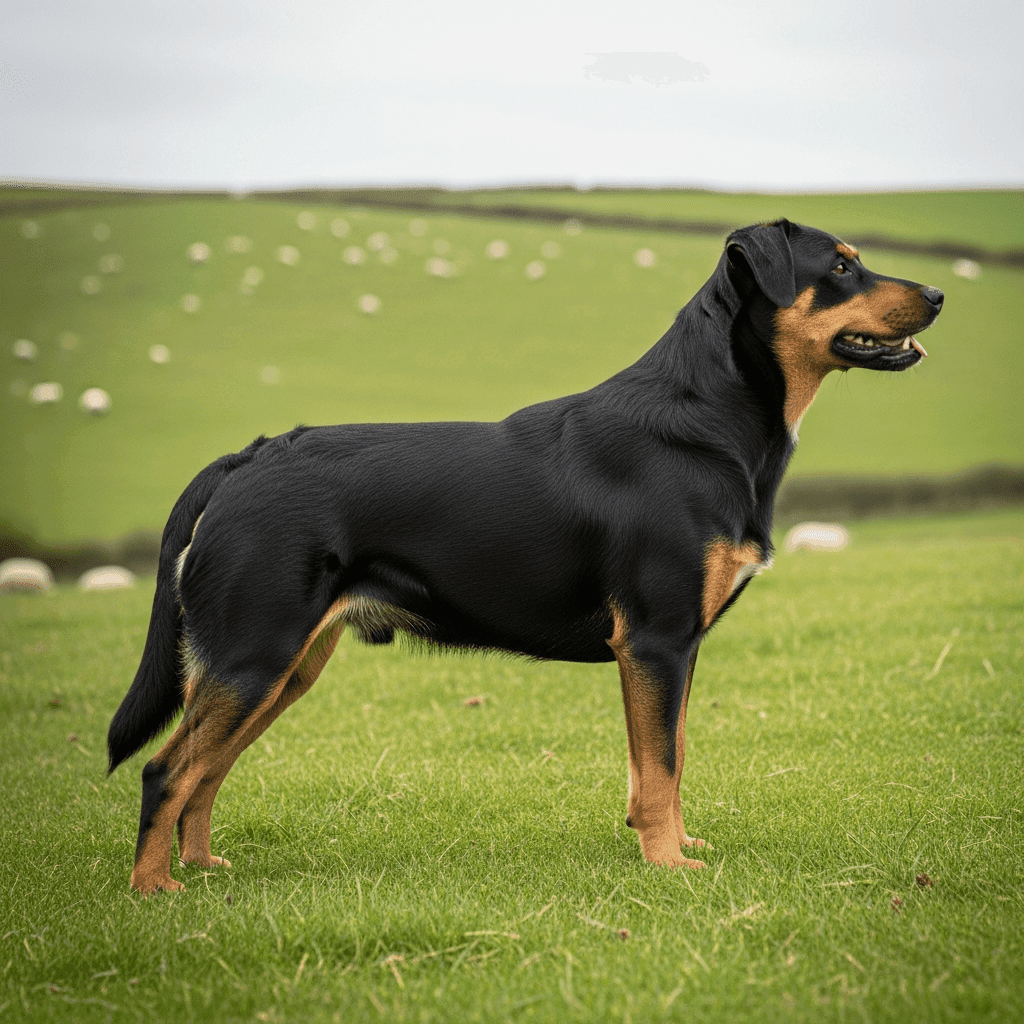
Lancashire Heeler
FCI Group
1• FCI 360
Size
Small
Origin Country
GB
Height
25-30 cm
Weight
10-14 kg
Lifespan
12-15 years
Temperament
Overview
Lancashire Heeler is a fascinating dog breed that not only captivates with its history but also with its unique character traits and versatility. Originating from England, this small breed has been used for herding cattle for centuries while also serving as a loyal companion to humans.
Its origins date back to the time when Welsh Corgis were crossed with Manchester Terriers in the Ormskirk area, creating a unique combination of traits from both breeds. As a result, the Lancashire Heeler combines the intelligence of herding dogs with the energy, courage, and enthusiasm of terriers for work.
A characteristic feature of this breed is its extraordinary intelligence and strong motivation to cooperate with humans. Despite its small size – the ideal height at the withers is about 30 cm for males and 25 cm for females – the Lancashire Heeler is full of energy and enthusiasm for action, making it an ideal companion for active individuals and families with children.
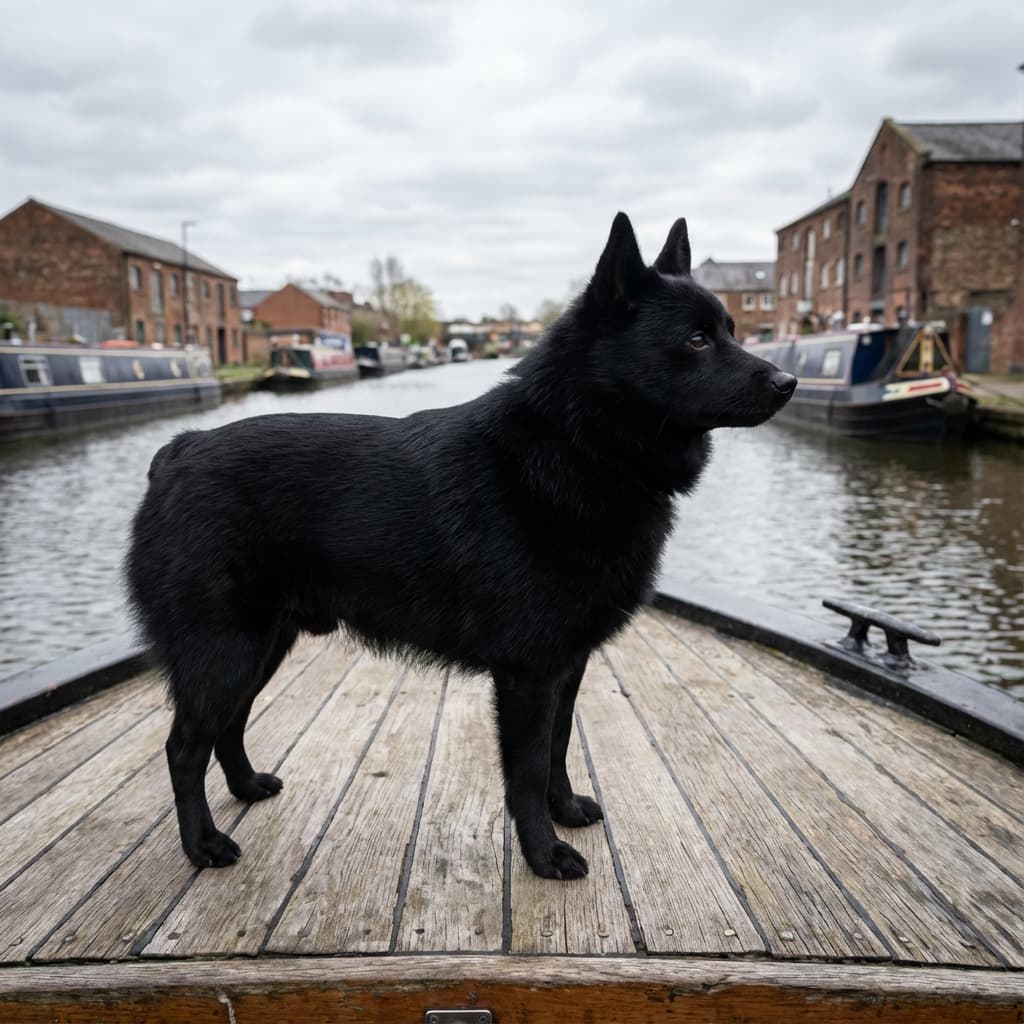
Its proportional head, dark almond-shaped eyes, and distinctive erect or slightly raised ears give it a unique, alert appearance. The short, dense, and hard coat in black or chocolate with tan markings adds to its charm and provides protection against changing weather conditions.
This breed is known for its brave and cheerful temperament, which makes it well-suited for families with children as well as among other pets. However, due to its strong hunting instincts – stemming from terriers – the Lancashire Heeler may show interest in small animals such as rabbits or rats, so it requires proper socialization and supervision.
The Lancashire Heeler is extremely devoted to its owner and fits well into family life, provided it has a firm yet gentle leader. The owner should be consistent in training and upbringing to properly channel the dog's natural energy and intelligence.
Regular physical activity and mental stimulation are crucial for maintaining the mental and physical health of this dog. The Lancashire Heeler, due to its longevity and good health condition, can be both a working dog – still used for herding – and a companion for active families. However, it requires proper care and health attention to enjoy good health for many years.
In the following sections of the guide, you will find detailed information about the health, grooming, training, nutrition, history, appearance, and behavior of this exceptional breed. Learn how to best care for your Lancashire Heeler and provide it with a happy, fulfilling life full of joy and activity.
The Lancashire Heeler is a small dog with a stocky, strong build, exuding strength and vitality. The ideal height at the withers for males is about 30 cm, and for females, 25 cm. Despite its small size, this breed is characterized by exceptional endurance and agility.
Head and skull: Proportional to the body, with a flat, wide skull between the ears, narrowing towards the eyes. The muzzle and skull are on parallel planes, giving the head a harmonious appearance. The stop is distinct but not overly pronounced.
Eyes: Almond-shaped, medium-sized, and always dark – regardless of coat color. Set wide apart, they give the dog a bright, intelligent, and alert expression.
Ears: Raised or completely erect, which emphasizes the breed's alertness. Drooping ears are undesirable and constitute a deviation from the breed standard.
Coat: The Lancashire Heeler has a short, dense, and harsh coat that provides excellent protection against adverse weather conditions. Acceptable colors are:
- Black and tan – with distinct tan markings on the muzzle, limbs, and under the tail
- Chocolate and tan – with analogous markings in a warmer shade
Body structure: The length of the body is about 2.5 cm greater than the height at the withers (measured from the withers to the base of the tail), giving the dog a slightly elongated, harmonious silhouette. The chest is well-developed, deep, and wide.
Limbs: Strong, well-muscled, and proportional to the body, allowing for free, natural, and energetic movement. The paws are compact and strong.
Tail: Set high, in its natural state may be carried slightly curved over the back, especially when excited or stimulated. It should never be carried too low or twisted to the side.
Movement: The Lancashire Heeler moves briskly, with grace and confidence. Its gait is energetic and efficient, reflecting its herding roots and the need for quick movement while working with cattle.
Overall, the Lancashire Heeler is a dog with a strong, compact build, radiating energy, joy, and readiness for action.
The Lancashire Heeler is a dog with a unique temperament that combines the traits of a herding dog with a terrier, creating a unique blend of courage, intelligence, and vitality. It is alert, energetic, and always ready for action.
Intelligence and willingness to work: This breed stands out for its exceptional mental sharpness, making it quick to learn new commands and tasks. The Lancashire Heeler enthusiastically takes on challenges and loves to collaborate with humans, making it an excellent candidate for various forms of training – from basic obedience to advanced canine sports.
Devotion and attachment: The Lancashire Heeler is extremely devoted to its owner and enjoys the company of people. It forms strong emotional bonds with its family and wants to be an active participant in home life. This is a dog that loves to be the center of attention and participate in all family activities.
Hunting and herding instincts: Natural hunting instincts – a legacy from the Manchester Terriers – make the Lancashire Heeler keenly interested in small animals such as rabbits, rats, or birds. On the other hand, herding instincts may cause the dog to try to herd or direct the movement of children, other animals, or even adults, gently nipping at their heels – this is a natural herding behavior that requires proper guidance.
Socialization: Early and consistent socialization is extremely important to prevent the development of fears, excessive distrust of strangers, or unwanted hunting behaviors. The dog should be exposed to various people, animals, sounds, and situations from a puppy age.
Relationships with children and other animals: The Lancashire Heeler is usually friendly and sociable, making it an excellent companion for families with children. However, due to its herding instincts, it may nip at children's heels during play – therefore, it is important to teach both the dog and the children the appropriate rules of interaction. A well-socialized Lancashire Heeler typically gets along well with other dogs and pets, although the introduction of new animals should be done gradually and under supervision.
Alertness and guarding: The Lancashire Heeler can be somewhat wary of strangers, making it a good watchdog – it will always alert the owner to approaching unknown individuals. However, proper socialization prevents excessive timidity or aggression.
Energy level: This is a dog with a high energy reserve in a small body – it requires regular physical exercise and mental stimulation to remain balanced and happy. Without adequate effort, it may become restless or destructive.
Spending time together, training, playing, and engaging in activities are key to maintaining positive behavior in the Lancashire Heeler and building a strong bond between the dog and its owner.
The Lancashire Heeler is a dog breed that generally enjoys good health and longevity – often living 12-15 years, and with proper care, even longer. However, like any breed, it can be prone to certain conditions that owners should be aware of.
Oral health: The Lancashire Heeler may experience dental problems, including periodontal disease, which can lead to tooth loss, infections, and pain if not properly treated. Regular tooth brushing (preferably daily), providing dental chews, and periodic professional dental cleanings at the veterinarian are crucial for maintaining oral health.
Injuries to limbs: Due to their high activity and energy levels, dogs of this breed can be prone to injuries, particularly in the joints, ligaments, and muscles of the limbs. Owners should avoid excessively intense exercise on hard surfaces and ensure the dog has proper warm-ups before strenuous activity.
Eye problems: The Lancashire Heeler, like many other breeds, may suffer from ocular issues, including:
- Cataracts – clouding of the eye lens leading to vision loss
- Primary Lens Luxation (PLL) – a genetic condition that can lead to glaucoma and blindness
- Progressive Retinal Atrophy (PRA) – degeneration of the retina leading to vision loss
Regular eye examinations can help in the early detection of problems.
Weight management: The Lancashire Heeler tends to gain weight if overfed or not receiving enough exercise. Obesity can lead to many health issues, such as:
- Diabetes
- Heart and circulatory diseases
- Increased strain on joints and spine
- Reduced lifespan
Regular weight checks and adjusting food intake according to activity levels are essential.
Collie Eye Anomaly (CEA): Some breeding lines may be predisposed to this congenital eye condition, which can lead to vision problems or blindness in severe cases.
Regular veterinary visits: It is recommended to have regular veterinary check-ups (at least once a year, and for older dogs every 6 months) to:
- Monitor overall health
- Administer necessary vaccinations
- Conduct preventive examinations
- Check the condition of teeth, eyes, and joints
- Adjust diet and exercise programs according to the dog's age and condition
Monitoring behavioral changes: Owners should pay special attention to any changes in their dog's behavior, such as:
- Decreased appetite or excessive hunger
- Lethargy or excessive sleepiness
- Lameness or stiffness in movements
- Changes in the appearance of the eyes (cloudiness, redness)
- Breathing problems
These symptoms may indicate health issues requiring veterinary intervention.
Taking care of a Lancashire Heeler's health requires commitment and responsibility from the owner, but with proper preventive care, a healthy diet, and regular activity, dogs of this breed can live long, happy, and vigorous lives.
The care of the Lancashire Heeler is relatively simple and low-maintenance, making this breed attractive to people who do not want or cannot spend too much time on complicated grooming procedures. Their short, dense, and tough coat requires minimal attention.
Brushing the coat: Regular brushing once a week is sufficient to:
- Remove dead hair and loose undercoat
- Minimize the amount of hair left in the house
- Stimulate blood circulation in the skin
- Distribute natural oils, giving the coat a healthy shine
- Check the skin for wounds, ticks, or other issues
Shedding periods: During periods of heavy shedding – usually twice a year (in spring and autumn) – more frequent brushing is recommended, even daily, to effectively remove dead hair and control the amount of hair in the house. Using a rubber brush or grooming glove can be particularly effective at this time.
Bathing: The Lancashire Heeler does not require frequent baths – it is sufficient to bathe them only when necessary due to dirt or unpleasant odor. Too frequent bathing can dry out the skin and damage the natural protective layer of the coat. When you do bathe your dog, use gentle shampoos specifically designed for dogs.
Ear hygiene: Owners should regularly (every week or two) check and clean the ears to:
- Prevent wax buildup
- Detect infections (redness, unpleasant odor, discharge)
- Remove dirt
Use special ear cleaning solutions for dogs and a soft cotton pad. Never insert cotton swabs deep into the ear!
Eye hygiene: Regularly check the eyes for redness, discharge, or cloudiness. Gently wipe around the eyes with a damp, clean cloth to remove any dirt.
Dental care: Regular tooth brushing is extremely important to prevent dental issues, tartar buildup, and periodontal disease. Ideally, brush the teeth daily or at least 2-3 times a week, using toothpaste designed for dogs. Additional dental chews can support oral hygiene.
Nail trimming: Nails should be regularly trimmed (every 3-4 weeks or as needed) if they do not wear down naturally during walks. Overgrown nails can:
- Cause discomfort and pain
- Lead to walking problems
- Alter the positioning of the paws and joints
Use special dog nail clippers or seek the services of a veterinarian or groomer.
Anal gland control: Some dogs may require periodic emptying of the anal glands – if you notice that your dog is dragging its rear on the floor or licking the anal area excessively, consult a veterinarian.
Overall, the Lancashire Heeler is a breed whose care is easy, quick, and does not require a lot of time, making it an ideal choice for busy owners who value simplicity in daily pet care.
The Lancashire Heeler is a dog with high energy and vitality that requires regular, daily exercise to remain healthy, happy, and mentally balanced. This breed was developed for intensive herding work, which is why it needs a significant amount of physical activity and mental stimulation.
Daily walks: The Lancashire Heeler should have at least 60-90 minutes of activity each day, which can be divided into:
- 2-3 longer walks (20-30 minutes each)
- Outdoor play sessions
- Interactive games and training
Running and playing: Besides walks, the Lancashire Heeler loves to run and play in open spaces. Ideally, the dog should have the opportunity to:
- Run freely in a fenced area
- Play fetch with a ball, frisbee, or toys
- Run alongside a bicycle (for adult, healthy dogs)
- Play tug-of-war
- Chase and play with a puppy or other dogs
Socialization and interactions: The Lancashire Heeler needs regular contact with other dogs and people, which helps with:
- Proper socialization
- Maintaining mental health
- Developing social skills
- Preventing anxieties and aggressive behaviors
Visits to dog parks, meetings with other dog owners, or participating in group walks can be very beneficial.
Canine sports: The Lancashire Heeler loves challenges and excels in various sports disciplines, such as:
- Agility – an obstacle course that develops agility, speed, and coordination
- Obedience – advanced obedience exercises
- Rally Obedience – a combination of obedience and fun
- Flyball – relay races with obstacles and fetching
- Trickdog – learning tricks and stunts
- Herding trials – herding tests (if you have access to sheep or cattle)
These activities not only provide physical exercise but also intense mental stimulation, which is equally important for this intelligent breed.
Mental stimulation: The Lancashire Heeler also needs intellectual challenges to avoid boredom. Great ways to provide mental stimulation include:
- Interactive toys and puzzles for dogs
- Hiding treats and organizing searches
- Learning new commands and tricks
- Scent games (nosework, tracking)
- Rotating toys to maintain interest
Consequences of inactivity: Lack of adequate movement and stimulation can lead to serious problems, such as:
- Boredom and frustration
- Destructive behaviors (destroying furniture, toys, shoes)
- Excessive barking
- Hyperactivity and difficulty calming down
- Weight and health issues
- Neurotic behaviors (obsessive licking, circling)
Adjusting activity to age:
- Puppies (up to 12 months): Shorter, more frequent exercise sessions (5-10 minutes for each month of age, 2-3 times a day). Avoid intense jumping and running on hard surfaces to protect developing joints.
- Adult dogs (1-8 years): Full range of activities – 60-90 minutes of intense exercise daily.
- Seniors (8+ years): Gradually adjust the intensity of exercise to the dog's condition. Shorter, calmer walks, but still regular and daily.
Owners should be prepared for an active lifestyle with a Lancashire Heeler and strive to provide the dog with daily, regular activity tailored to its needs. This is the key to a happy, healthy, and well-behaved dog.
The Lancashire Heeler is a dog exceptionally intelligent and eager to learn, which makes it relatively easy to train – provided that the owner uses appropriate methods and remains consistent. It is crucial to adopt a firm yet gentle and positive approach to training.
Positive reinforcement: The Lancashire Heeler responds excellently to positive reinforcement methods, such as:
- Verbal praise (enthusiastic, cheerful tone)
- Treats (small, low-calorie snacks)
- Playing with a favorite toy
- Play or petting sessions as a reward
Avoid physical punishment and shouting – they can destroy the bond with the dog and lead to fears or aggression.
Early socialization: Socialization is extremely important and should begin as early as possible – ideally between the 3rd and 14th week of the puppy's life. The Lancashire Heeler should be exposed to:
- Different people (adults, children, people in uniforms, in wheelchairs)
- Other dogs and animals (cats, rabbits, birds)
- Various sounds (traffic, vacuum cleaner, fireworks, storms)
- Different places (parks, shops, public transport, forests)
- Different surfaces (grass, asphalt, sand, stairs)
Proper socialization prevents the development of fears, excessive distrust of strangers, or aggressive behaviors.
Basic commands: Training should include basic obedience commands, such as:
- Sit – basic control command
- Lie down – calming and control
- Stay – teaching patience and impulse control
- Come – a key safety command
- Drop/Leave – resource control
- No – interrupting undesirable behavior
- Heel – walking on a loose leash
Advanced training: After mastering the basics, the Lancashire Heeler can learn more advanced skills, such as:
- Tricks and stunts (fetch, spin, play dead, shake hands)
- Advanced off-leash obedience
- Utility tasks (closing doors, bringing items)
- Sport training (agility, obedience, flyball)
Diversity and interest: The Lancashire Heeler needs varied challenges to maintain interest in training. It is worth:
- Changing training locations (home, garden, park, forest)
- Using different methods and techniques
- Introducing new commands and tricks
- Varying rewards (different treats, toys)
- Keeping training sessions short (5-15 minutes) and intense
Mental stimulation: Mental exercises are just as important as physical ones. Great methods for intellectual stimulation include:
- Interactive toys and puzzles for dogs
- Hiding treats and organizing searches
- Scent games (nosework, tracking)
- Learning new commands in different contexts
Consistency and patience: Owners must be patient and consistent in training, as the Lancashire Heeler – despite its intelligence – can sometimes be stubborn or independent, especially when its terrier instincts take over. Key principles include:
- Clear, repetitive commands
- Immediate reward for correct behavior
- Ignoring undesirable behaviors (not rewarding with attention)
- Regular, daily training sessions
- All family members applying the same rules
Preventing behavioral problems: Proper training helps prevent common issues in the Lancashire Heeler, such as:
- Excessive barking
- Heeling (herding instinct)
- Chasing small animals
- Destructive behaviors from boredom
- Distrust of strangers
Building bonds: Joint training not only helps in learning obedience but primarily builds a strong, positive bond between the dog and the owner, contributing to:
- Mutual trust
- Better communication
- A happy, balanced dog
- A satisfying relationship for both parties
With the right approach and the owner's commitment, the Lancashire Heeler can become a well-behaved, obedient, and joyful companion that happily participates in all aspects of family life.
A proper, balanced diet is key to the health, vitality, and longevity of the Lancashire Heeler. Choosing the right food and controlling the amount of food directly affects the dog's physical condition, energy level, and overall well-being.
Choosing high-quality food: Owners should choose high-quality commercial foods (dry or wet) or prepare balanced homemade meals under the supervision of a veterinarian or pet nutritionist. The food should be:
- Appropriate for the age of the dog (puppies, adults, seniors)
- Appropriate for the activity level (active dogs need more calories)
- Appropriate for weight (light food for overweight dogs)
- Rich in high-quality animal protein
- Free from unnecessary fillers, artificial colors, and preservatives
Diet composition: A balanced diet for the Lancashire Heeler should include:
- Protein (20-30% for adult dogs, 25-35% for puppies) – sources: meat, fish, eggs
- Fats (10-15%) – source of energy and support for healthy skin and coat
- Carbohydrates (30-40%) – sources: rice, oats, potatoes, vegetables
- Fiber – support for digestion (vegetables, fruits)
- Vitamins and minerals – A, D, E, K, B-complex, calcium, phosphorus, zinc, iron
- Omega-3 and omega-6 fatty acids – for healthy skin, coat, and immune system
Portion control and feeding frequency: The Lancashire Heeler has a tendency to gain weight, so controlling the amount of food is crucial:
- Puppies (2-6 months): 3-4 meals per day
- Young dogs (6-12 months): 2-3 meals per day
- Adult dogs (1+ years): 2 meals per day (morning and evening)
- Seniors (8+ years): 2 smaller meals or one larger meal, depending on preferences and condition
Feeding at regular times helps maintain a regular metabolism and digestion.
Food dosage: The amount of food should be adjusted to:
- The dog's weight (typically 40-60 kcal per kg of body weight per day for adult dogs)
- The activity level (very active dogs may need more)
- Age (puppies and young dogs need more calories)
- Condition (overweight dogs need less)
Always follow the manufacturer's feeding guidelines and consult with a veterinarian.
Preventing overweight: To prevent weight problems:
- Regularly check the dog's weight (weekly or bi-weekly)
- Check body condition – ribs should be palpable under light pressure, but not visible
- Avoid overfeeding and excessive treats (treats should not exceed 10% of daily calorie intake)
- Adjust the amount of food to the current activity level
- Regularly increase physical activity
Access to fresh water: The Lancashire Heeler must have unlimited access to fresh, clean water throughout the day. Regularly change the water and clean the bowl to prevent bacterial growth.
Dietary supplements: With a balanced, high-quality commercial diet, additional supplements are usually not necessary. However, in some cases, they may be beneficial:
- Omega-3 fatty acids (fish oil) – for healthy skin, coat, and joint support
- Glucosamine and chondroitin – for joint support in older dogs
- Probiotics – for digestive support
- Multivitamins – only if recommended by a veterinarian
Always consult with a veterinarian before introducing supplements to avoid overdosing or interactions with medications.
Prohibited foods: It is essential to avoid feeding the Lancashire Heeler human food, especially:
- Chocolate (toxic to dogs)
- Onions and garlic (damage red blood cells)
- Grapes and raisins (toxic to kidneys)
- Xylitol (artificial sweetener – extremely toxic)
- Avocado (contains persin – toxic to dogs)
- Alcohol, coffee, tea
- Fatty foods (can cause pancreatitis)
- Cooked bones (can splinter and damage the digestive tract)
Diet for puppies: Puppies of the Lancashire Heeler have special nutritional needs:
- Puppy food for small breeds (higher protein and calorie content)
- 3-4 meals a day until 6 months of age
- Gradual transition to adult food around 10-12 months of age
Diet for seniors: Older dogs (8+ years) may require:
- Senior food with lower calorie content
- Higher fiber content for digestive support
- Joint supplements (glucosamine, chondroitin)
- Smaller, more digestible portions
Consultations with a veterinarian: Regular consultations with a veterinarian or pet nutritionist can help with:
- Establishing an optimal diet tailored to the individual needs of the dog
- Monitoring weight and body condition
- Adjusting the diet to health or age-related changes
- Addressing digestive or allergic issues
With a proper, balanced diet and weight control, the Lancashire Heeler can enjoy excellent condition, vitality, and a long, healthy life.
Characteristic Traits
Pros
- Intelligent and quick to learn
- an excellent companion for active families
- gets along well with children and other pets
- a small breed perfect for apartments and homes with gardens
- versatile – a herding and companion dog
- long-lived and generally healthy.
Cons
- Requires regular physical activity and mental stimulation
- Needs constant supervision due to hunting instincts
- May nip at heels (herding instinct)
- Requires a firm but gentle owner
- Can be stubborn and independent.
Behavioral Ratings
Breed History
The history of the Lancashire Heeler dates back to the 17th-18th century and is closely linked to the development of cattle and sheep farming in north-west England, particularly in Lancashire. Although the exact origins of the breed are not fully documented, there are compelling theories regarding its ancestry.
Breed origin: The Lancashire Heeler most likely originated from a crossbreed of Welsh herding dogs Corgis (Pembroke or Cardigan) with Manchester Terriers. When cattle were driven from Wales to slaughterhouses around Ormskirk (Lancashire), Welsh herding dogs – referred to as Welsh heelers – encountered local Manchester Terriers, leading to natural crossbreeding.
This combination of two breeds with different but complementary traits resulted in a unique working dog:
- From Corgis: Herding instincts, low body structure (ideal for herding cattle), intelligence, endurance
- From Manchester Terriers: Vitality, hunting instincts (rats, rabbits), courage, agility
Working role: The Lancashire Heeler was a versatile working dog, used by farmers for:
- Herding cattle and sheep – herding animals by gently nipping at their heels (hence the name heeler – from the English heel)
- Pest control – hunting rats, mice, and rabbits on farms, protecting food supplies
- Guarding – alert and brave, warning of intruders
This versatility made it an extremely valuable helper on Lancashire farms.
Local tradition: The breed was bred for many generations in the Ormskirk and Lancashire area, where farmers valued its working traits and hardy character. The Lancashire Heeler was passed down from generation to generation as a working dog rather than a show dog, which helped preserve its authentic, functional traits.
Threat of extinction: In the 20th century, with the mechanization of agriculture and a decline in demand for herding dogs, the population of the Lancashire Heeler dramatically decreased. The breed was on the brink of extinction, and many considered it extinct or nearly forgotten.
Breed revival: In the 1960s-1970s, a group of enthusiasts and breeders took action to save and revive the Lancashire Heeler. Key figures, such as Gwen Mackintosh, played a fundamental role in locating the last purebred individuals and initiating systematic breeding.
Official recognition: Thanks to the efforts of enthusiasts, the breed began to gain recognition:
- 1978: Establishment of the Lancashire Heeler Club in the UK
- 1981: Recognition by the Kennel Club (KC) in the UK
- 1999: The breed received full KC recognition and was allowed to participate in shows
- 2016: Official recognition by FCI (Fédération Cynologique Internationale) – the breed received standard number 360
- 2024: Recognition by the American Kennel Club (AKC) – the breed officially allowed for show competitions in the USA
Contemporary times: Today, the Lancashire Heeler is gaining increasing popularity not only as a working dog but primarily as a family companion and sports dog. Although it is still used for herding cattle and sheep (especially in the UK), most Lancashire Heelers live as active companions in families that appreciate their intelligence, energy, and devotion.
The breed is still relatively rare, especially outside the UK, but its growing popularity and official recognition by major canine organizations indicate that the Lancashire Heeler has a promising future as a valued breed of herding and companion dogs.
The Lancashire Heeler is a vivid testament to the fact that through passion, commitment, and the efforts of dog lovers, even breeds on the brink of extinction can be saved and gain new life in the modern world.