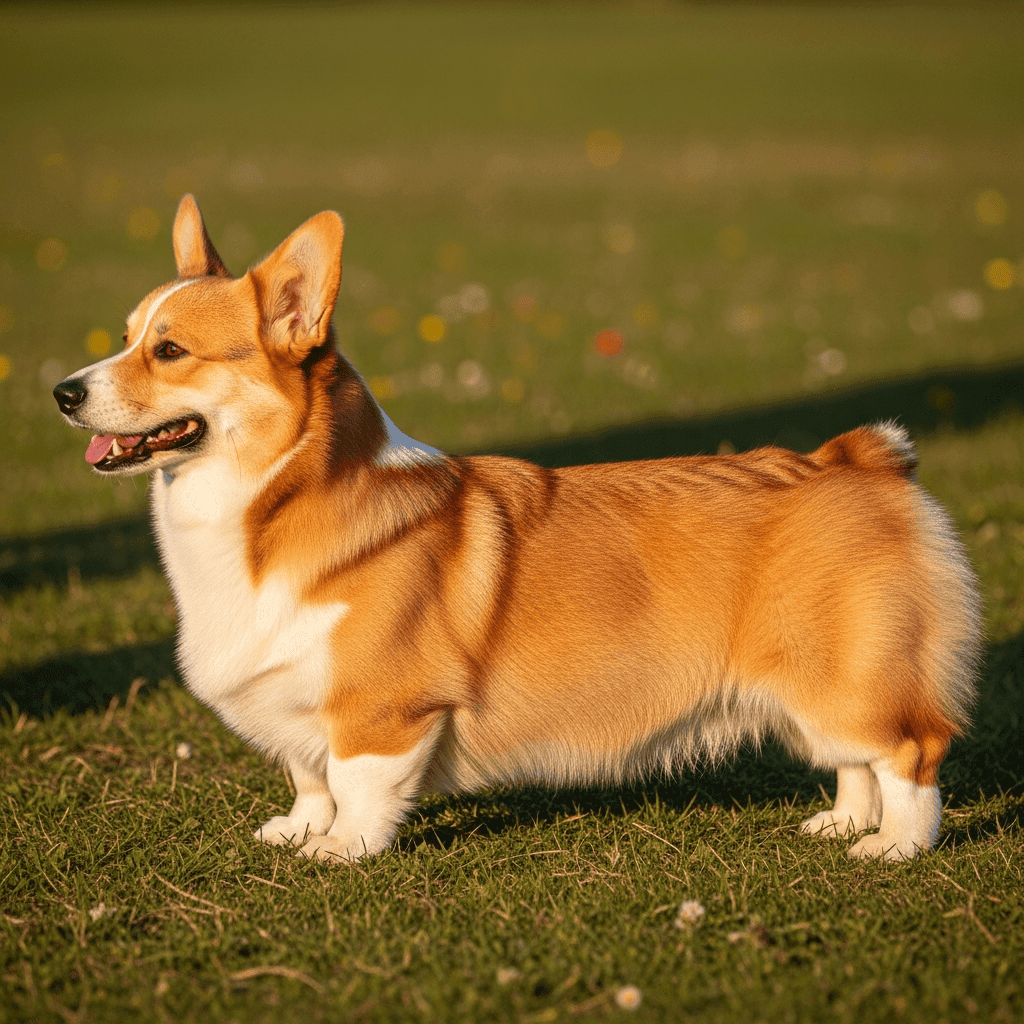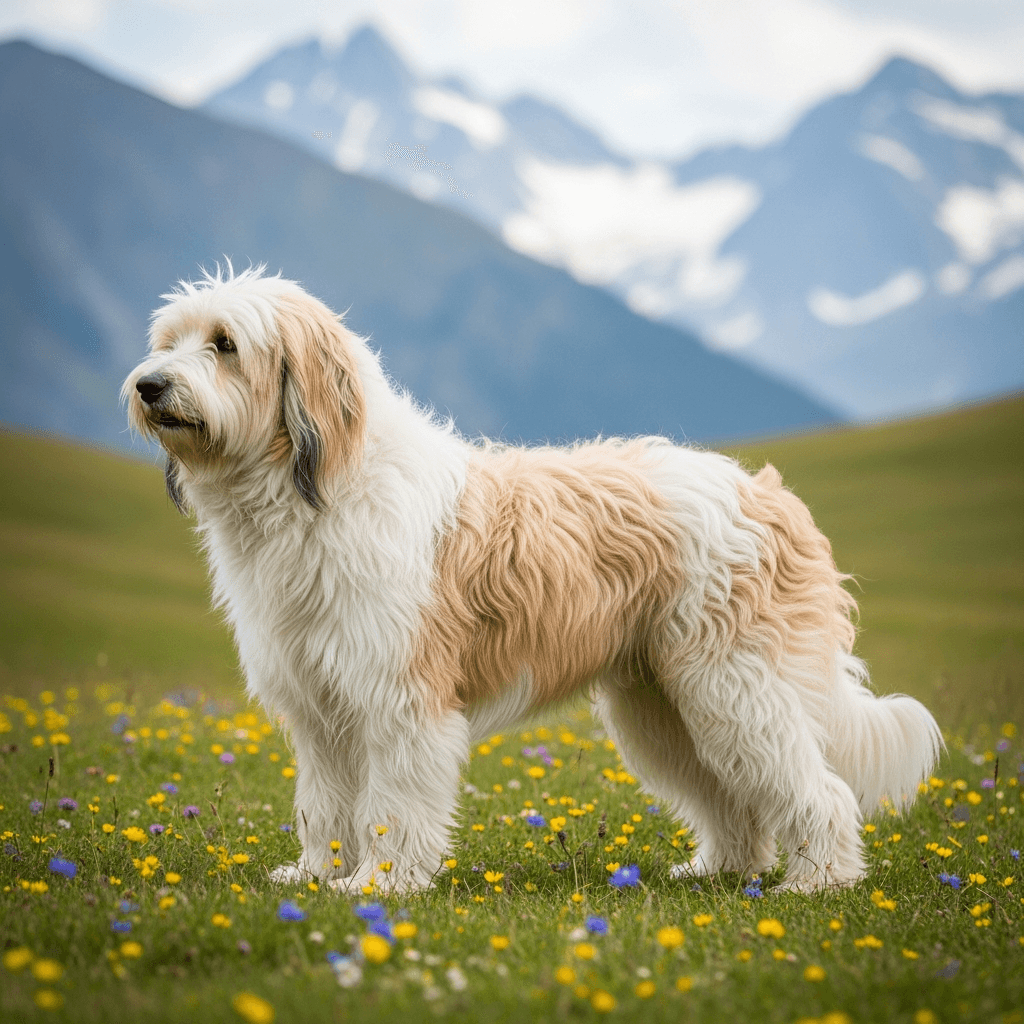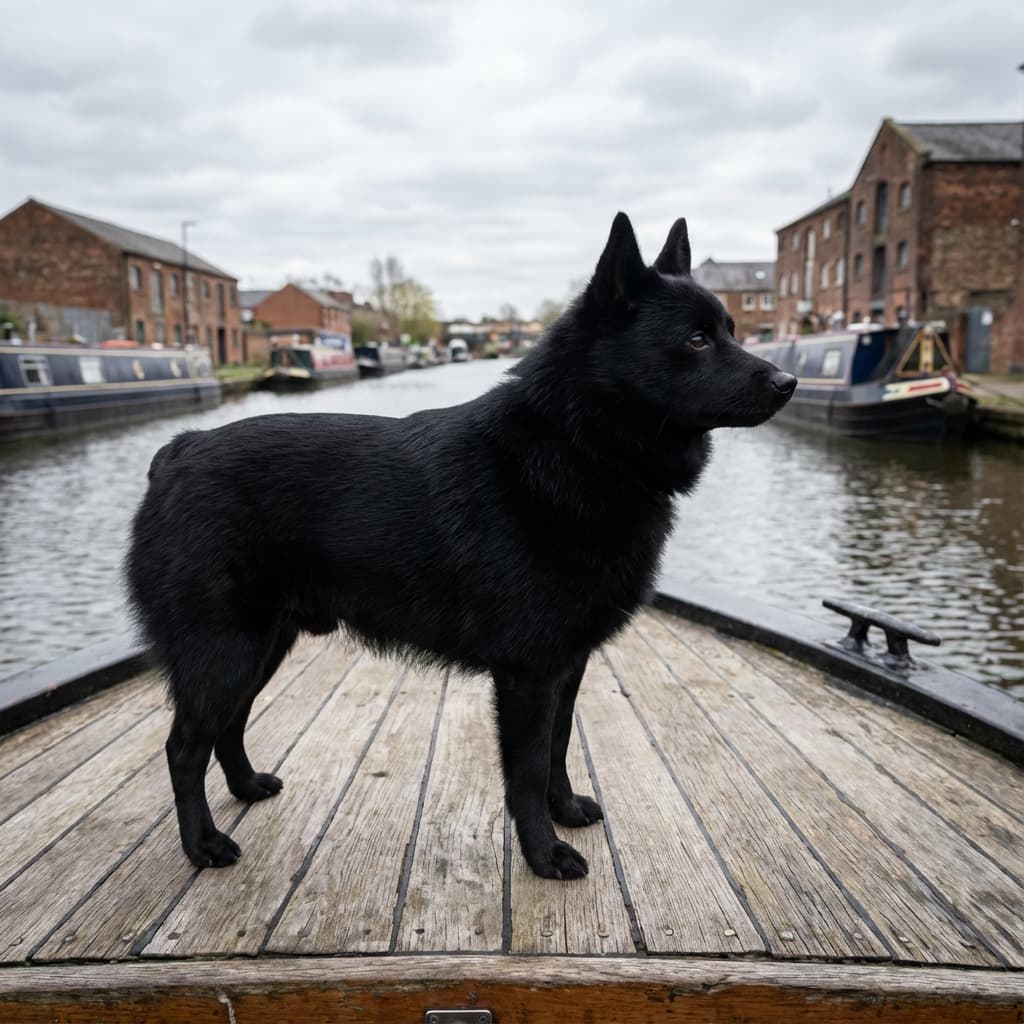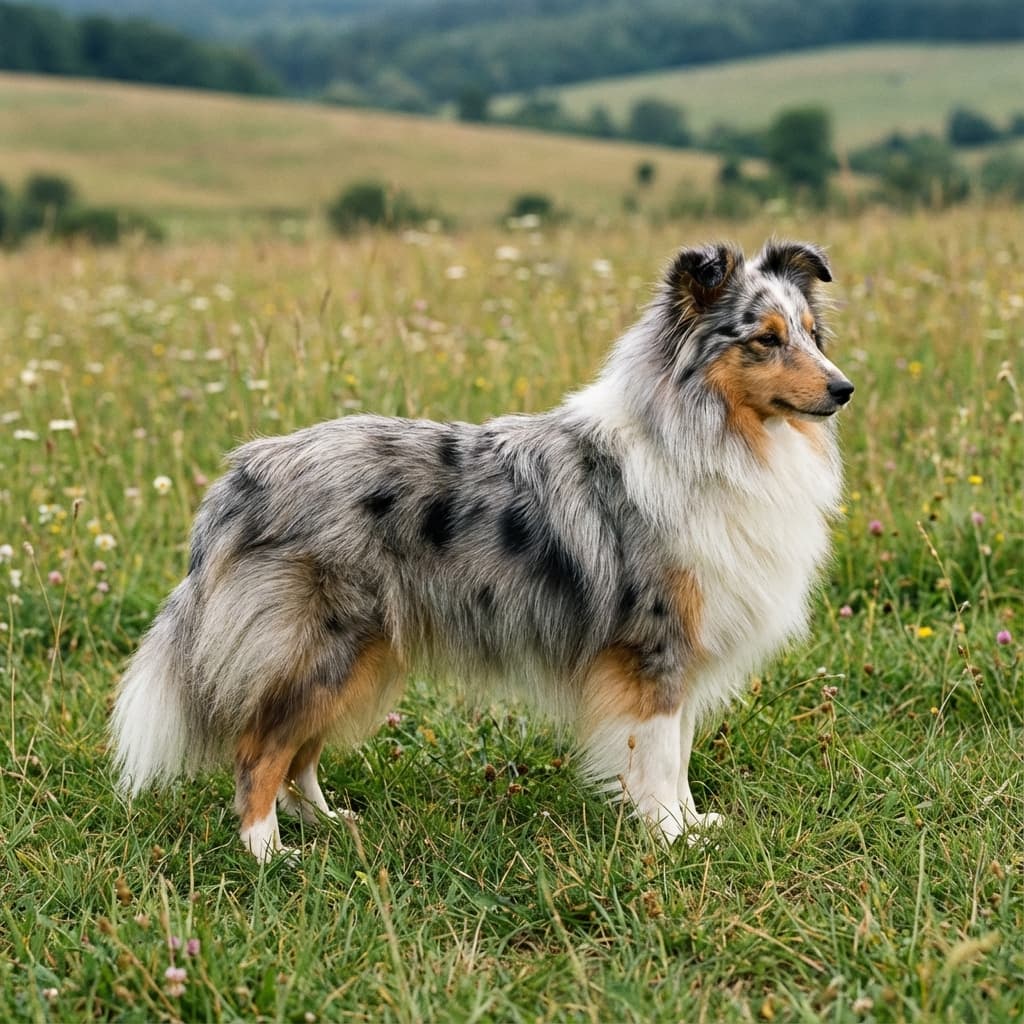
Shetland Sheepdog
FCI Group
1• FCI 88
Size
Small
Origin Country
GB
Height
35-37 cm
Weight
6-12 kg
Lifespan
10-14 years
Temperament
Overview
The Shetland Sheepdog, also known as Shetland Sheepdog, is an incredibly charming breed of dog originating from the picturesque Shetland Islands in the United Kingdom. This small yet graceful breed has won the hearts of dog lovers around the world thanks to its exceptional intelligence, beauty, and devotion to its owner. It was developed in the 19th century by crossing Scottish collies with other herding breeds, which gave it unique traits that distinguish it to this day.
Its remarkable ability to learn and willingness to cooperate with humans make the Shetland Sheepdog an excellent working dog as well as a family companion. Despite its small size, it is a dog with a high energy level that requires regular physical activity and mental stimulation. Without adequate exercise, it may exhibit undesirable behaviors resulting from boredom or excess energy.
The breed's characteristic long and dense double coat provides excellent protection against the harsh weather conditions of the Shetland Islands, from which it originates. However, it requires regular and careful grooming to maintain a healthy appearance and prevent matting. Proper coat maintenance is not only a matter of aesthetics but, above all, the health and comfort of the dog.
The Shetland Sheepdog is known for its emotional sensitivity and may be prone to stress in chaotic or unpredictable environments. Therefore, it is crucial to provide it with a calm, stable living environment where it feels safe. In relationships with children and other pets, it is usually gentle and tolerant, provided it has been properly socialized from a young age.
The breed is characterized by a natural alertness and guarding instinct. Shetland Sheepdogs love outdoor activities such as running, playing fetch, or agility training. Although they may be somewhat wary of strangers, with proper introduction and socialization, they become wonderful family members. They thrive in homes with gardens where they have space to move freely and explore. They can also function well in apartments, as long as they are provided with sufficient activity during daily walks.
The Shetland Sheepdog is a dog that requires commitment, attention, and love from its owner. In return, it offers unconditional loyalty, companionship, and joy from every day spent together. Its presence in the home brings positive energy, and its devotion and intelligence will surely delight anyone who decides to choose this breed. In the following sections, you will find detailed information regarding the health, grooming, physical activity, training, nutrition, history, appearance, and behavior of this extraordinary herding dog breed.
The Shetland Sheepdog is a dog with an elegant and harmonious silhouette, which combines proportionality with grace of movement. The body structure is compact yet not heavy, allowing for agile and fluid movement. According to the FCI standard, the ideal height at the withers is 37 cm for males and 35.5 cm for females, although a certain margin of deviation is accepted. Despite its small size, the Shetland Sheepdog exudes confidence and physical agility.
The coat is a true hallmark of the breed. It is long, dense, and double, meaning it consists of a hard, straight outer coat and a soft, dense undercoat. This structure provides excellent protection against the cold, wind, and rain, which are characteristic of the Shetland climate. The particularly abundant coat creates a beautiful mane around the neck and feathers on the limbs and tail.
The head of the Shetland Sheepdog is elegant and refined, shaped like an elongated, blunt wedge. The skull is flat, and the proportions of the skull and muzzle are equal. The almond-shaped eyes are usually dark brown, although in dogs with blue merle coloring, they may be blue or multicolored. The expression of the eyes is intelligent, attentive, and gentle. The ears are small to medium, moderately wide at the base, and set high on the head. At rest, they are turned back, and when alert, they are pointed forward with the tips gently drooping.
The tail is set low, abundantly feathered, and reaches at least to the hock joint. At rest, it hangs down with a slight curl at the tip, while in motion, it may be raised but should never be carried above the line of the back.
The coloring of the Shetland Sheepdog can occur in several variations:
- Sable - from light gold to deep mahogany with black-tipped hairs
- Tricolour - black with brown tan and white markings
- Blue merle - blue-gray with black patches, often with brown tan
- Bi-black - black with white markings
- Bi-blue - blue merle with white markings, without tan
White markings are permissible on the chest, neck (collar), limbs, and tail. Regular grooming of the coat is essential to maintain its health, shine, and the beautiful appearance characteristic of this breed.
The Shetland Sheepdog is a dog with a unique temperament that combines intelligence, alertness, and loyalty. It is extremely attached to its owner and family, making it an excellent companion at home. Its high intelligence means it learns new commands quickly and easily adapts to various situations, but this requires a consistent and positive approach to training.
In relation to strangers, the Shetland Sheepdog can be cautious and distrustful, which is a natural behavior for a dog with herding and guarding roots. Therefore, early socialization is crucial, allowing it to learn how to appropriately react to unfamiliar people, animals, and situations. Without proper socialization, it may develop excessive shyness or a tendency to bark at strangers.
The breed is characterized by moderate sensitivity to noise and sudden stimuli, which can lead to stress in loud or chaotic environments. Shetland Sheepdogs prefer a calm, predictable environment where they feel safe. They are extremely sensitive to their owner's mood and can sense the emotions of people around them.
Despite their innate herding instinct, which may manifest in attempts to herd children or other animals by nipping at their legs, Shetland Sheepdogs have a low prey drive. This means they rarely show aggression towards other animals and can coexist with cats and other dogs, especially when raised together from a young age.
In interactions with children, Shetland Sheepdogs are usually gentle and tolerant, although due to their sensitivity to loud noises, they may withdraw in excessively noisy situations. They are well-suited for families with slightly older children who can respect the dog's needs.
A characteristic feature of the breed is their tendency to bark, which stems from their history as herding and guarding dogs. Shetland Sheepdogs are excellent alarmists and will quickly signal the approach of strangers. Without proper training, barking can become a problem, so it is important to teach the dog the quiet command.
Shetland Sheepdogs do not tolerate prolonged solitude. They are people-oriented dogs and need regular contact with their family. Left alone for many hours, they may exhibit destructive behaviors, excessive barking, or separation anxiety. Providing them with the right amount of attention, physical activity, and mental stimulation is crucial for their well-being and happiness.
The Shetland Sheepdog is a breed with an average lifespan of 12-14 years, although with proper care many individuals live to be 15 years or older. Overall, it is a healthy and resilient breed, but like any breed, it may be predisposed to certain genetic and acquired diseases.
The most common health issues occurring in Shetland Sheepdogs include:
- Collie Eye Anomaly (CEA) - a hereditary genetic disease affecting eye development, which can lead to varying degrees of vision impairment
- Progressive Retinal Atrophy (PRA) - a progressive disease leading to blindness
- Hip Dysplasia - abnormal development of the hip joint that can cause lameness and pain
- Von Willebrand's Disease - a genetic blood clotting disorder
- Legg-Perthes Disease - necrosis of the femoral head, more common in small breed dogs
- Hypothyroidism - a hormonal disorder affecting metabolism
- Epilepsy - occurring in some genetic lines
- Dermatomyositis - an autoimmune disease affecting the skin and muscles
Before purchasing a puppy, it is advisable to ensure that the breeder conducts appropriate genetic tests on the parents, which significantly reduces the risk of hereditary diseases. Responsible breeders test their dogs for CEA, PRA, hip dysplasia, and von Willebrand's disease.
Shetland Sheepdogs tolerate cold weather well due to their thick, double coat, which provides them with natural thermal insulation. However, they do not tolerate high temperatures, which requires special attention during the summer months. It is important to avoid intense physical exertion on hot days, provide access to shade and fresh water, and never leave the dog in a heated car.
Obesity can be a problem in Shetland Sheepdogs that do not get enough exercise or are overfed. Excess weight puts strain on the joints, heart, and can lead to serious health issues. Therefore, it is crucial to ensure regular physical activity and a balanced diet tailored to the dog's age, weight, and activity level.
Regular veterinary visits, vaccinations, deworming, and flea and tick prevention are essential for keeping a Shetland Sheepdog in good condition. It is also important to pay attention to oral health and regularly clean the dog's teeth to prevent gum problems and tooth loss in older age.
Grooming a Shetland Sheepdog is a key element in caring for its health and well-being. Due to its characteristic long, dense, and double coat, this breed requires regular grooming to prevent matting, dullness, and skin problems.
Brushing should be done at least 2-3 times a week, and during heavy shedding periods - daily. Shedding usually occurs twice a year, in spring and autumn, when the dog sheds its undercoat. During this time, the amount of hair lost can be significant, so regular brushing out dead undercoat is essential. For grooming, it is best to use a brush with metal, long pins (slicker brush) and a wide-toothed comb that can reach the undercoat.
The brushing technique should be gentle yet effective. You should brush in layers, starting from the bottom and gradually moving up to reach the undercoat. Special attention should be paid to areas prone to matting: behind the ears, under the elbows, in the groin, and on the hind legs.
Bathing a Shetland Sheepdog should be done as needed, usually once every 4-8 weeks, or when the coat becomes dirty or develops an unpleasant odor. Bathing too frequently can lead to dry skin and loss of natural protective oils. It is important to use a high-quality shampoo for long-haired dogs, preferably with a conditioner that makes brushing easier and adds shine to the coat. After bathing, it is crucial to dry the coat thoroughly, preferably using a dryer on a warm setting while brushing.
Nail care is another important aspect. Nails should be trimmed regularly, usually every 3-4 weeks, or more often if the dog does not walk much on hard surfaces. Overgrown nails can cause discomfort, walking problems, and even deformities of the paws.
Ear hygiene is particularly important for Shetland Sheepdogs, as their drooping ears can be prone to infections. Ears should be regularly checked for redness, unpleasant odors, or excessive wax buildup. Cleaning the ears with a special ear hygiene solution should be done every 1-2 weeks.
Oral hygiene is often neglected, yet it is crucial for the dog's health. Daily brushing of the teeth with a dog toothbrush and toothpaste is recommended to prevent tartar buildup, gum disease, and tooth loss. Special dental chews can also be used.
Regular grooming is not just a matter of aesthetics, but above all, the health and comfort of the dog. It also allows for early detection of potential health issues, such as tumors, wounds, or skin changes.
The Shetland Sheepdog is a dog with a high level of energy and endurance, requiring regular daily physical activity to remain happy, healthy, and mentally balanced. This breed is not suitable for people leading a sedentary lifestyle - it needs an active owner willing to dedicate time for long walks, play, and exercise.
Daily walks should last a minimum of 60-90 minutes a day, preferably divided into 2-3 sessions. Shetland Sheepdogs love walks that allow for free sniffing, exploring new places, and running. Walks should be varied - forests, parks, meadows - to provide the dog with mental stimulation through new scents and surroundings.
Activities that Shetland Sheepdogs love:
- Agility - an excellent discipline for this intelligent and agile breed that combines physical effort with mental tasks
- Frisbee and retrieving - Shetland Sheepdogs have a natural retrieving instinct and will happily run after thrown balls or discs
- Obedience - obedience training not only teaches the dog but also provides a great form of mental activity
- Nosework - exercises based on the natural instinct to sniff are a great way to mentally tire the dog
- Jogging - Shetland Sheepdogs can accompany their owner on light jogs, though it's important to gradually build up their stamina
- Interactive play - searching for treats, interactive toys, hide and seek games
Diversity of activities is key to preventing boredom. A Shetland Sheepdog that does not get enough exercise and stimulation may develop undesirable behaviors, such as:
- Excessive barking
- Destruction of furniture and objects
- Hyperactivity
- Excessive licking or chewing of paws
- Concentration problems during training
It is worth remembering that Shetland Sheepdogs need not only physical activity but also mental stimulation. Intelligent dog puzzles, treat hiding games, learning new tricks - all of these can tire the dog just as effectively as a long walk. The best results come from combining physical and mental effort during one session.
On hot days, it is advisable to limit the intensity of exercise and choose cooler times of the day - early morning or late evening. Shetland Sheepdogs with thick coats can easily overheat, so always ensure access to fresh water and the opportunity to rest in the shade.
Shetland Sheepdogs are among the most intelligent dog breeds and rank high in dog intelligence rankings. Their natural desire to cooperate with humans and quick learning ability make training this breed a true pleasure, provided that appropriate methods are used.
Positive reinforcement is the key training method for Shetland Sheepdogs. This breed is extremely emotionally sensitive and reacts poorly to harsh commands, yelling, or physical punishment. Such an approach can lead to loss of trust, fear, and behavioral problems. The best results are achieved by rewarding desired behaviors with treats, verbal praise, and play.
Early socialization is absolutely crucial for developing a balanced character. Shetland Sheepdog puppies should be gradually introduced to:
- Different people (various ages, genders, appearances)
- Other dogs and animals
- Diverse sounds (street noise, cars, household noises)
- Various surfaces (grass, asphalt, stairs)
- Different situations (vet visits, car trips)
Lack of proper socialization can lead to excessive shyness, fear of strangers, or behavioral problems in new situations.
Basic commands should be taught as early as possible. Shetland Sheepdogs quickly master commands such as:
- Sit - a basic control command
- Stay - teaches self-control and patience
- Come - the most important safety command
- Lie down - useful in many situations
- Leave it - prevents picking up dangerous objects
- Quiet - particularly important due to their tendency to bark
Consistency in training is extremely important. All family members should use the same commands and rules to avoid confusing the dog. Shetland Sheepdogs quickly learn both desired and undesired behaviors, so it is important not to allow behaviors that will be problematic in the future from the start.
Diversity in training prevents boredom. Training sessions should be short (5-15 minutes), but frequent and varied. Shetland Sheepdogs love mental challenges and enjoy learning new tricks, such as:
- Shaking paws
- Spinning in circles
- Bringing specific items
- Going through obstacles
- Hide and seek games
Group training at dog schools is an excellent way to combine learning with socialization. It allows the dog to learn focus despite distracting stimuli and to interact with other dogs in a controlled manner.
It is worth considering advanced training forms, such as agility, obedience (obedience competitions), rally-o, or nosework. Shetland Sheepdogs excel in these disciplines due to their intelligence, agility, and willingness to cooperate.
The key to success is patience, a positive attitude, and adjusting the pace of learning to the individual needs of the dog. Every dog learns at its own pace, and while Shetland Sheepdogs are intelligent, they can be sensitive and may need additional support in stressful situations.
A proper diet is the foundation of health and good condition for a Shetland Sheepdog. Due to their medium size and active lifestyle, dogs of this breed require a balanced diet tailored to their age, weight, and activity level. The breed is prone to obesity if not sufficiently active or overfed, so portion control and food quality are crucial.
Choosing food should consider the high quality of ingredients. It is best to choose premium or super-premium foods that contain:
- High-quality animal protein (meat, poultry, fish) as the first ingredient - at least 20-30% in the food
- Healthy fats (omega-3 and omega-6) that support skin and coat condition
- Low glycemic index carbohydrates (brown rice, oats, sweet potatoes)
- Vitamins and minerals that support immunity, joint health, and body functions
- No artificial colors, preservatives, or fillers
Feeding frequency depends on the dog's age:
- Puppies (2-6 months): 3-4 meals a day
- Young dogs (6-12 months): 2-3 meals a day
- Adult dogs (over 12 months): 2 meals a day
- Senior dogs (over 7-8 years): 2 meals a day, adjusted for lower activity
Portion size should be adjusted to the dog's weight, age, and activity level. Typically, an adult Shetland Sheepdog weighing 6-12 kg needs about 150-300 g of dry food daily, divided into two meals. Always follow the manufacturer's recommendations and adjust the amount based on the dog's condition.
Weight control is essential. The dog should have a palpable spine and ribs under a layer of muscle, but they should not be visible to the naked eye. A waist should be visible from above, and a tucked belly should be seen from the side. If the dog is gaining weight, portions should be reduced and physical activity increased.
Treats can be part of training and rewarding, but should not exceed 10% of the dog's daily caloric needs. It is best to choose healthy treats such as:
- Dried meat or fish
- Small pieces of cooked chicken breast
- Carrots, apples (without seeds)
- Special dental treats
Prohibited products for dogs include: chocolate, grapes, raisins, onions, garlic, avocados, xylitol (artificial sweetener), alcohol, caffeine. These products can be toxic and life-threatening.
Access to fresh water must be provided throughout the day. The water bowl should be regularly cleaned and refilled. This is especially important during physical activity and on hot days.
Special dietary needs may arise in cases of food allergies, digestive problems, or conditions requiring a veterinary diet. In such cases, it is necessary to consult a veterinarian and adjust the diet to the individual needs of the dog.
The BARF diet (raw meat, bones, vegetables) is an alternative to commercial food, but requires in-depth knowledge of balancing nutrients. An improperly composed BARF diet can lead to deficiencies or excesses of certain nutrients.
Characteristic Traits
Pros
- Exceptionally intelligent and easy to train
- Loyal and strongly attached to the owner
- Excellent for active families with children
- Friendly towards other animals with proper socialization
- An outstanding watchdog and alert guardian.
Cons
- Requires regular and time-consuming coat care
- Emotionally sensitive
- struggles with loneliness
- May be distrustful and cautious around strangers
- Prone to excessive barking without proper training
- Requires a lot of physical activity and mental stimulation.
Behavioral Ratings
Breed History
The Shetland Sheepdog has a fascinating history that dates back to the 19th century and the picturesque Shetland Islands, located north of Scotland. This rugged archipelago with harsh climatic conditions became the cradle of one of the most intelligent and charming herding dog breeds in the world.
The Shetland Islands are famous for having bred several animal breeds of miniaturized sizes - in addition to the Shetland Sheepdog, there are also Shetland ponies and Shetland sheep. Smaller animals fared better in the harsh climatic conditions of the archipelago, where food resources were limited.
The origins of the breed are unclear, but it is known that the Shetland Sheepdog was developed from the crossing of local herding dogs with dogs brought to the islands by fishermen and merchants. It is believed that the following breeds contributed to the creation of the breed:
- Border collie - ancestors of modern Scottish collies
- Scandinavian spitz - arrived on the islands with the Vikings
- King Charles spaniel - may have influenced the expression of the head and size
- Pomeranian - likely contributed to the reduction in size
Originally, these dogs were called Toonie Dogs (in Shetland dialect, toonie meant farm) and served as versatile dogs on small farms. Their duties included guarding sheep herds, alerting to intruders, and accompanying people in daily tasks.
By the end of the 19th century, the breed began to gain popularity outside the Shetland Islands. In 1909, the first breed club was established in Scotland - the Scotland Shetland Sheepdog Club. Initially, the breed was called Shetland Collie, which met with protests from collie breeders who feared it would diminish the value of their breed. As a result, the name was changed to Shetland Sheepdog.
The breed was officially recognized by The Kennel Club in the UK in 1914. The first breed standard was developed, although it underwent modifications over the following decades. In the United States, the breed was registered by the American Kennel Club (AKC) in 1911.
The International Canine Federation (FCI) approved the breed standard, with its latest update coming in 2013. The breed was classified in group 1 (herding dogs and cattle dogs), section 1 (herding dogs), without working trials.
Throughout the 20th century, the Shetland Sheepdog gained immense popularity worldwide, not only as a herding dog but primarily as a companion dog. Its beautiful appearance, intelligence, and gentle character made it a favorite family dog in many countries.
Today, Shetland Sheepdogs achieve success in:
- Dog shows - thanks to their beautiful build and coat
- Canine sports - agility, obedience, rally-o
- Animal therapy - as therapy dogs in hospitals and nursing homes
- Herding activities - still used in some regions for working with sheep
The Shetland Sheepdog has come a long way from a humble farm dog from distant islands to a valued companion breed worldwide, while retaining its unique character traits and innate herding instincts.