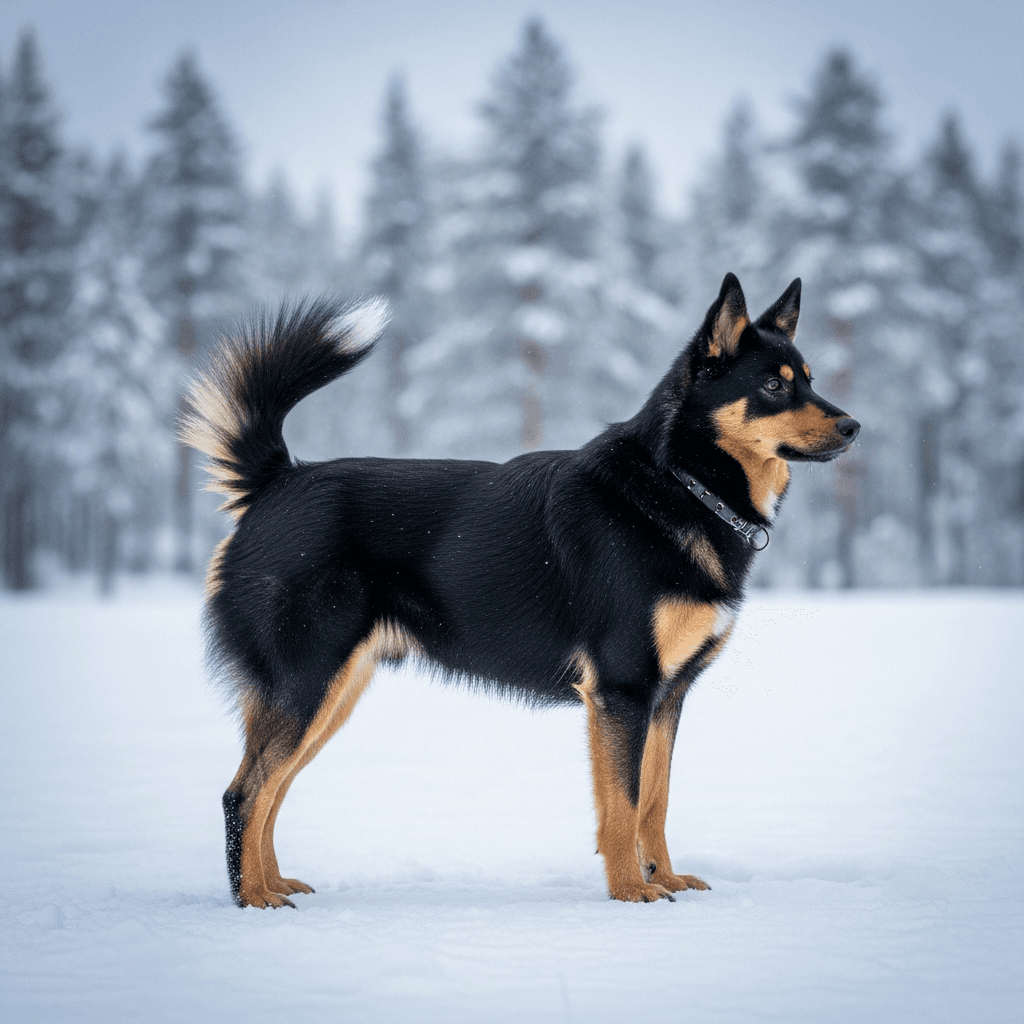
Lapland Reindeer Dog
FCI Group
5• FCI 284
Size
Medium
Origin Country
FI
Height
43-54 cm
Weight
20-30 kg
Lifespan
11-13 years
Temperament
Overview
The Lapphund, also known as Lapinporokoira, is a fascinating breed that combines history, intelligence, and hard work. Originating from the cold regions of Finland, this breed was shaped by the Sámi people, who utilized its remarkable skills for herding reindeer. Did you know that the FCI standard number 284 for this breed was officially recognized as early as 1966? It was then discovered that there are two distinct breeds of herding dogs from Lapland, one of which is our hero – Lapinporokoira.
Lapinporokoira is a medium-sized dog with a strong build and impressive long coat adapted to the harsh Arctic climate. Interestingly, their body length is usually about 10% greater than their height at the withers, giving them a characteristic elongated appearance perfectly suited for life in challenging climatic conditions. Both males and females of this breed exhibit clearly defined sexual characteristics, adding to their charm and diversity in appearance.
In terms of temperament, the Lapphund is not only friendly but also energetic and obedient. Its intelligence and willingness to cooperate with humans make it an excellent companion, especially for active families. This is a dog that loves to bark while working, making it a great watchdog. However, like any breed, it requires a consistent approach to training and patience from the owner. The Lapphund is also a dog that needs a lot of exercise, making it an ideal companion for those leading an active lifestyle.
Their beautiful, dense coat, while a significant asset, requires regular grooming to maintain its healthy appearance. It is also very resistant to cold, which is undoubtedly an advantage in cooler climates. However, on hot days, their thick coat can pose a challenge, so it's important to pay special attention to this. Lapinporokoira gets along well with children and other animals, provided it is properly introduced to a new environment. All of this makes it not only an excellent herding dog but also a devoted family companion. I invite you to continue exploring this extraordinary breed in the following sections of our guide, where we will delve into topics of health, grooming, training, and much more.
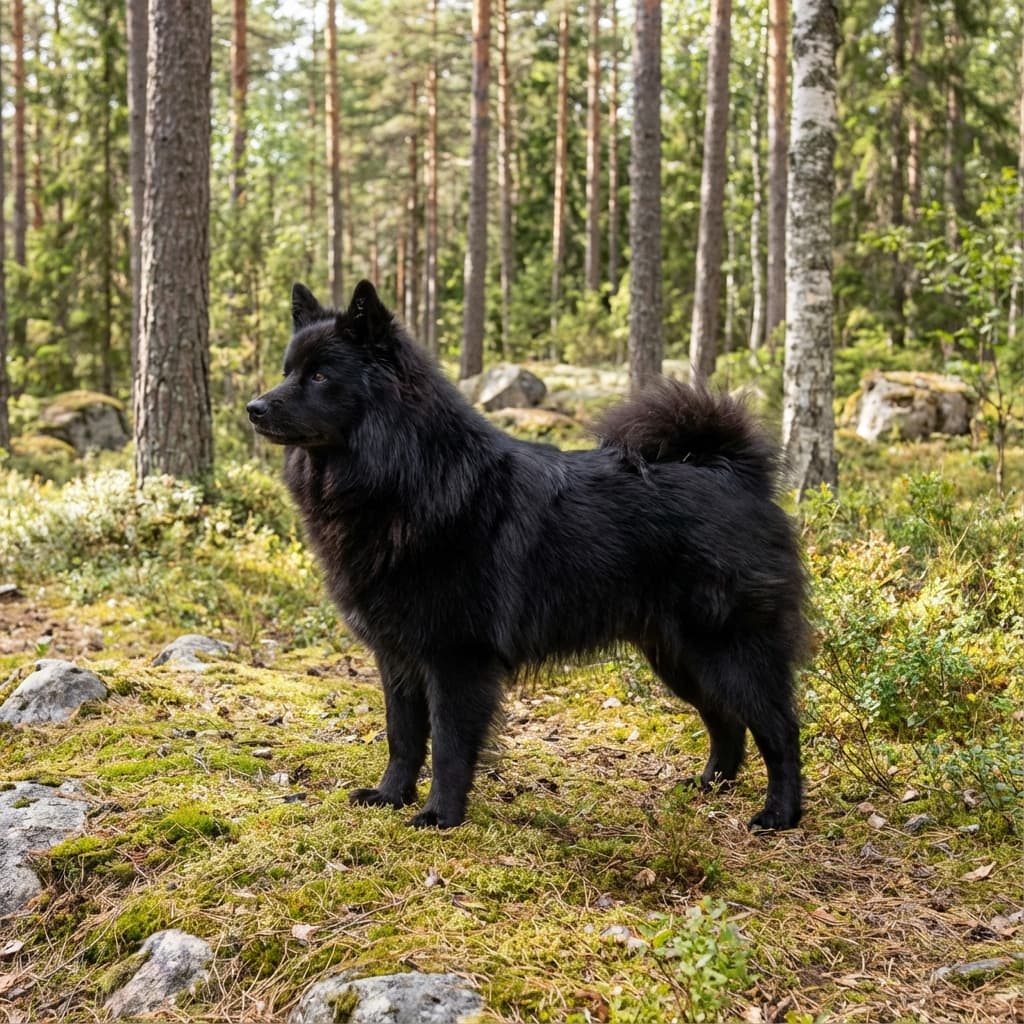
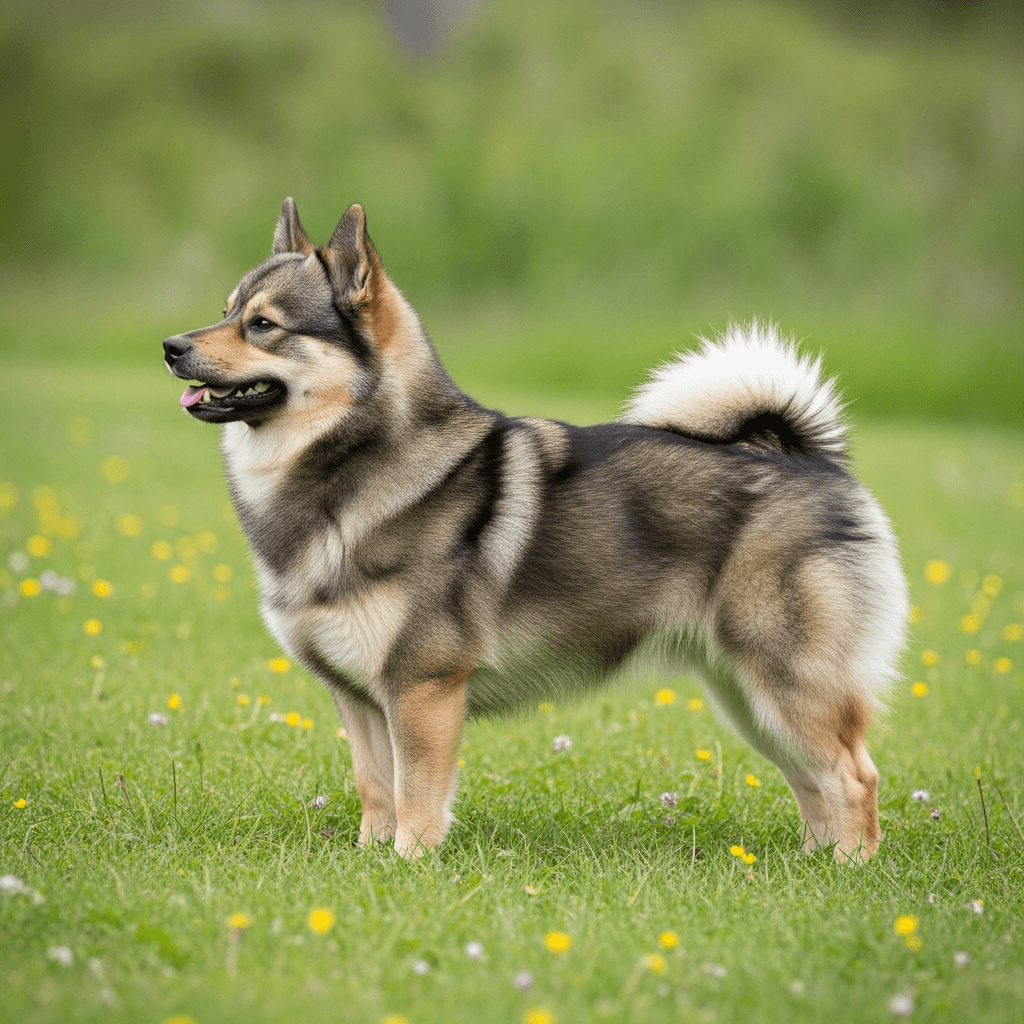
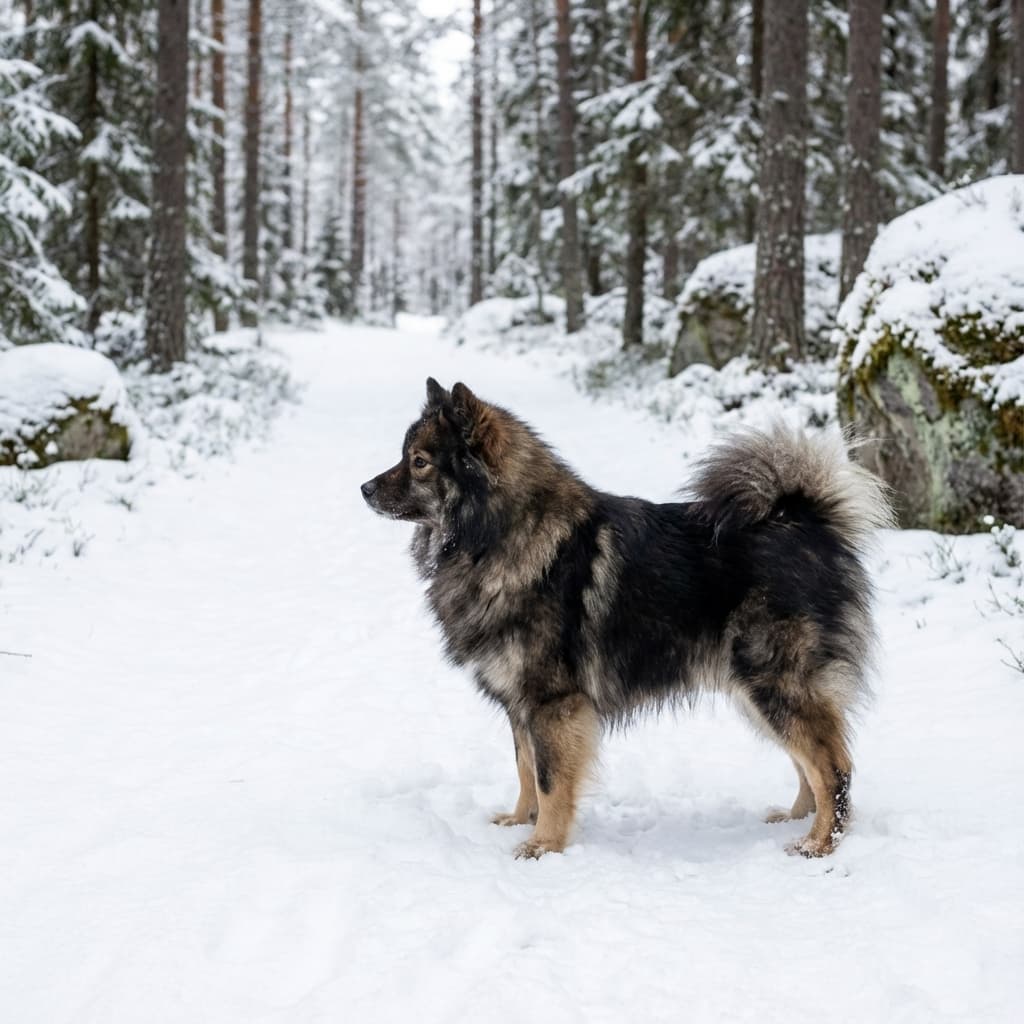
The Lapphund has a distinctive appearance that reflects its adaptation to the harsh climatic conditions of northern Scandinavia. These dogs are medium-sized, with a solid build, strong bones, and well-muscled bodies. Their body length is usually about 10% greater than their height at the withers, giving them an elongated, harmonious look. The ideal height at the withers is about 51 cm for males and 46 cm for females, with the depth of the chest being about half the height at the withers.
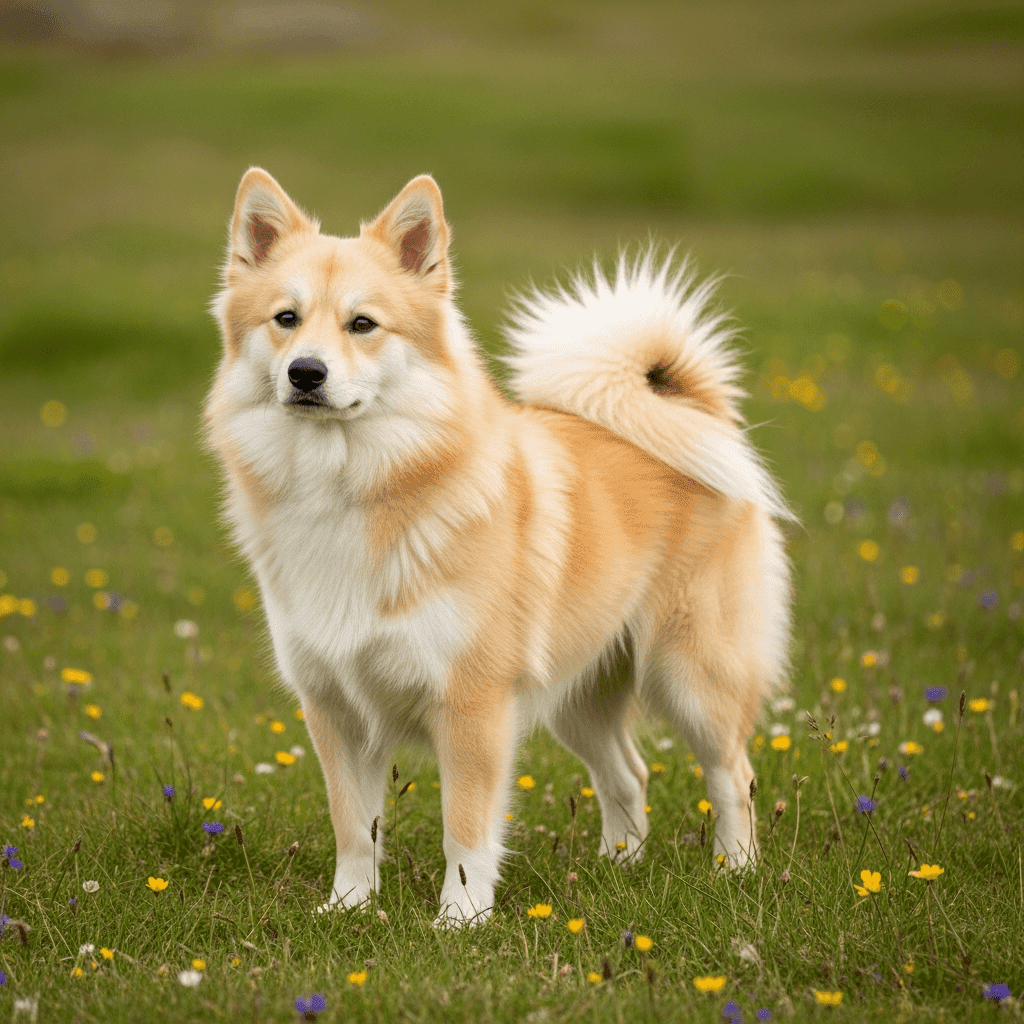
The Lapphund has a thick, double coat that is resistant to water and cold. The outer coat is long, straight, and coarse to the touch, while the undercoat is soft and exceptionally dense. The most common coloration is black in various shades with lighter accents, as well as gray or dark brown. White markings on the neck, chest, and limbs are also acceptable, adding character to the dog.
Their eyes are dark, oval, and have a keen, intelligent expression. The ears are of medium length, erect, and widely spaced, giving the dog an alert appearance. The tail is of medium length, set low, and covered with dense fur – when at rest, it hangs loosely, and when in motion, it is loosely curled over the back. The head is elongated, with the muzzle being slightly shorter than the cranial part of the head. The Lapphund is a dog that not only looks impressive but also possesses physical traits that make it an ideal companion for families and outdoor activity enthusiasts.
The Lapphund has a complex personality that makes it a unique companion. These dogs are friendly, calm, and energetic, as well as very attached to their owners. Lapphunds are known for being very sociable and get along well with children, making them wonderful family dogs. They are energetic and love to play, but they also need time to rest and recover.
Their temperament is stable and balanced, but they can be somewhat wary of strangers, which makes them good guard dogs. The Lapphund is also known for being very vocal – they often bark, especially while working or when they sense something is wrong. Owners should be prepared for the fact that this dog needs regular interaction with other dogs and people to avoid behavioral issues related to anxiety, boredom, or territoriality.
The Lapphund also has natural herding instincts and a tendency to think independently, so it is important for owners to teach it the recall command and provide a safe space for play. Proper socialization from a young age and consistent training are crucial to ensure that the dog develops in a balanced and healthy way, and that its behavior is desirable in various life situations.
The Lapphund is generally a healthy breed, known for its resilience and longevity. The average lifespan of this breed ranges from 11 to 14 years, which is quite typical for medium-sized dogs. This breed is not particularly prone to specific genetic diseases; however, like any breed, there are certain conditions that owners should be aware of.
Common health issues in Lapphunds include hip and elbow dysplasia, which can lead to pain and difficulty moving, especially in older age. Additionally, due to their thick fur and characteristic erect ears, these dogs may be susceptible to ear infections, particularly if their ears are not regularly checked and cleaned.
Proper nutrition and regular physical activity are crucial for maintaining the health of a Lapphund. Obesity can be a problem if the dog does not get enough exercise or is fed low-quality food. Therefore, it is important for owners to ensure a healthy diet and provide their dog with adequate exercise, which will allow for a long and healthy life. Regular veterinary visits and vaccinations also play a significant role in health prevention.
The care of the Lapphund is essential to keep its coat in good condition and to ensure its comfort and health. This breed has a double coat, consisting of a long, straight outer coat and a dense undercoat, which makes it resistant to harsh weather conditions and cold.
Owners should regularly brush their dogs at least once a week to remove dead hair and prevent the coat from matting. During the spring and autumn, when the dog is shedding heavily, brushing should be much more frequent – even daily – to reduce the amount of hair in the house and keep the coat in the best condition. It is advisable to use specialized tools, such as slicker brushes, undercoat removal tools (furminator), or metal combs, which will help maintain the coat in optimal condition.
After long walks, especially in difficult weather conditions or on muddy terrain, it is worth checking if the coat is dirty or wet, and if necessary, thoroughly dry and clean the dog. Regularly checking and cleaning the ears is also important to prevent infections. Proper grooming not only improves the dog's appearance but also helps monitor its health, as owners can notice any changes in the skin or coat that may indicate health issues, such as allergies or parasites.
The Lapland herding dog is a breed that requires a lot of movement and regular physical activity. These dogs are energetic and need daily walks and playtime to maintain their physical and mental health as well as their happiness. They are ideally suited for active owners who can provide them with a daily dose of exercise and mental stimulation.
Owners should strive to ensure that their Lapland herding dog has at least an hour of intense physical activity every day. This can include long walks, running, hiking, or playing with other dogs. This dog also loves to work, so any activities that engage its mind and body will be beneficial and satisfying for it.
The Lapland herding dog has natural herding instincts, so any activities related to obedience training, agility, frisbee, or even herding (herding training) will be an excellent way for it to expend energy and develop its natural talents. It is important to avoid monotony in exercises, as this dog quickly gets bored and may develop undesirable behaviors.
Owners should also remember that the Lapland herding dog does not tolerate being confined for long periods, so it should have regular access to open spaces where it can run, explore, and express its natural instincts. A well-fenced yard or regular visits to the park will be an ideal solution.
Training a Lapland herding dog requires patience, consistency, and confidence from the owner. This breed is intelligent and eager to learn new commands, but it requires constant guidance and positive reinforcement. Owners should avoid harsh training methods, as they can lead to undesirable behaviors such as withdrawal, lack of trust, or even defensive aggression.
Instead, it is better to focus on positive reinforcement, rewarding the dog for good behavior with treats, praise, or play. Training should be fun and engaging to capture the dog's attention and maintain its interest. The Lapland herding dog tends to be independent and self-reliant in thinking, so it is important for the owner to be firm and consistent in their expectations, avoiding inconsistencies in enforcing rules.
As training progresses, more advanced commands and tricks can be introduced, allowing the dog to develop its skills and intelligence. In addition to basic obedience (such as commands: Sit, Stay, Come, Lie down), the Lapland herding dog is also a great candidate for activities like agility, obedience, or nosework, which allows for further development of its talents and natural herding instincts.
Proper training not only helps keep the dog in good mental condition but also strengthens the bond between the dog and the owner. Socialization from a puppy age is also crucial – the dog should be regularly exposed to different people, dogs, and environments to develop a balanced and confident character.
Proper nutrition for the Lapland herding dog is crucial for its health, energy, and well-being. This breed tends to be prone to obesity, especially if it does not get enough exercise or is fed low-quality food with excess carbohydrates and fats.
Owners should choose high-quality dog food that is tailored to the dog's energy needs, age, and activity level. For an active and energetic Lapland herding dog, foods rich in animal protein and healthy fats are best, as they support energy, muscle condition, and overall health. The food should be appropriate for the dog's age (puppy, adult, senior), weight, and activity level.
Additionally, it is worth incorporating fresh vegetables and fruits into the diet, which will provide extra nutrients, vitamins, and fiber. Owners should also monitor the amount of treats given to avoid exceeding the daily calorie intake – training rewards should make up no more than 10% of the daily caloric requirement.
Regular meals at consistent times (preferably twice a day for adult dogs) will help maintain a healthy weight and provide the dog with a stable energy level throughout the day. It is also important for the dog to have constant access to fresh water, especially after intense physical activity or on warmer days. With proper nutrition, the Lapland herding dog will be healthy, energetic, and content, which will positively affect its well-being and behavior.
Characteristic Traits
Pros
- Friendly and sociable character
- Easy to train and obedient
- Great guard dog
- Excellent cold resistance
- Energetic and durable.
Cons
- Requires a large amount of exercise daily
- Needs regular grooming
- May struggle with heat and high temperatures
- Intense shedding twice a year.
Behavioral Ratings
Breed History
The Lapland herding dog has a long and rich history that dates back hundreds of years. This breed was created by the Sámi people – the indigenous inhabitants of northern Scandinavia – who have used dogs for herding and protecting reindeer for centuries. These dogs, belonging to the spitz type, were essential in the daily life of the Sámi, assisting them in their work related to reindeer husbandry, which is a key element of their culture, traditions, and survival in harsh climatic conditions.
In the 1950s, the official registration of the Lapland herding dog in breed books began. At that time, both the modern Finnish Lapphund (Suomenlapinkoira) and the Lapinporokoira were still considered one breed. However, on December 10, 1966, the Lapland herding dog was officially separated and recognized as a distinct breed, as it was noted that there were two different breeds of reindeer herding dogs with differing physical and behavioral traits.
The breed gained popularity in the 1950s and 1960s when local breeders began to try to recreate and preserve the original Lapland herding dog, whose population had suffered during the wartime devastation of World War II. Today, the Lapland herding dog is recognized as an excellent herding dog and a loyal family companion not only in Finland but also in other countries.
Their exceptional skills, endurance, and loyalty make them valued dogs in many homes around the world, and their history as reindeer herding dogs remains alive and is an integral part of their character and purpose. The breed was officially recognized by the FCI (Fédération Cynologique Internationale) under number 284 and classified into Group 5 (Spitz and Primitive types), Section 3 (Nordic Watchdogs and Herding Dogs).