Hungarian chart
FCI Group
10• FCI 240
Size
Large
Origin Country
HU
Height
62-70 cm
Weight
25-30 kg
Lifespan
13-15 years
Temperament
Overview
Hungarian Greyhound, also known as Magyar Agar, is one of the oldest and most noble hunting dog breeds, with roots tracing back to the time of the great conquest of Hungary by the Magyars in the 10th century. This exceptional breed stands out not only for its rich history but primarily for its extraordinary hunting abilities, utilizing both excellent eyesight and a reliable sense of smell – a combination rarely found among greyhounds. It is this unique blend of senses that makes the Magyar Agar an exceptional companion for both experienced hunters and individuals leading an active, sporty lifestyle.
The Magyar Agar impresses with its elegant, slender silhouette and impressively developed musculature, which, combined with extraordinary speed and endurance, makes it a dog with almost legendary athletic capabilities. Height at the withers for males ranges from 65 to 70 cm, while for females it is from 62 to 67 cm, placing it among the medium-large representatives of the greyhound group. Its official breed standard was approved by the Fédération Cynologique Internationale (FCI) and published on April 6, 2000, confirming international recognition for this magnificent Hungarian breed.
Modern Hungarian Greyhounds are not only excellent hunters and athletes but also exceptionally loyal and devoted life companions. They show deep attachment to their owners while also serving as vigilant, though not aggressive, guardians of the home. Their temperament is naturally calm and balanced, yet under the right conditions, they can display explosive energy and joy in movement. Due to their high exercise needs, the Magyar Agar requires regular, intense walks and plenty of time for play and sports training. With proper socialization and consistent but gentle training, the Hungarian Greyhound can become an ideal family member – suitable for homes with children as well as for singles leading an active lifestyle.
However, it is important to remember that the strong hunting instinct of this breed requires special attention and responsibility from the owner. The Magyar Agar can react in a split second to the appearance of potential prey, so off-leash walks should only take place in safe, enclosed areas. Hungarian Greyhounds also exhibit excellent cold resistance, making them well adapted to the harsh climatic conditions of Central Europe. On the other hand, during intense heat, physical exertion should be limited to avoid overheating. The intelligence and sensitivity of these dogs mean they quickly learn new commands, but they respond best to positive training methods based on reinforcement and reward. In the following chapters of this guide, we will discuss in detail all the key aspects of caring for a Hungarian Greyhound, including health, grooming, exercise requirements, training techniques, nutrition guidelines, the fascinating history of the breed, and the distinctive appearance and behavior of this extraordinary dog.
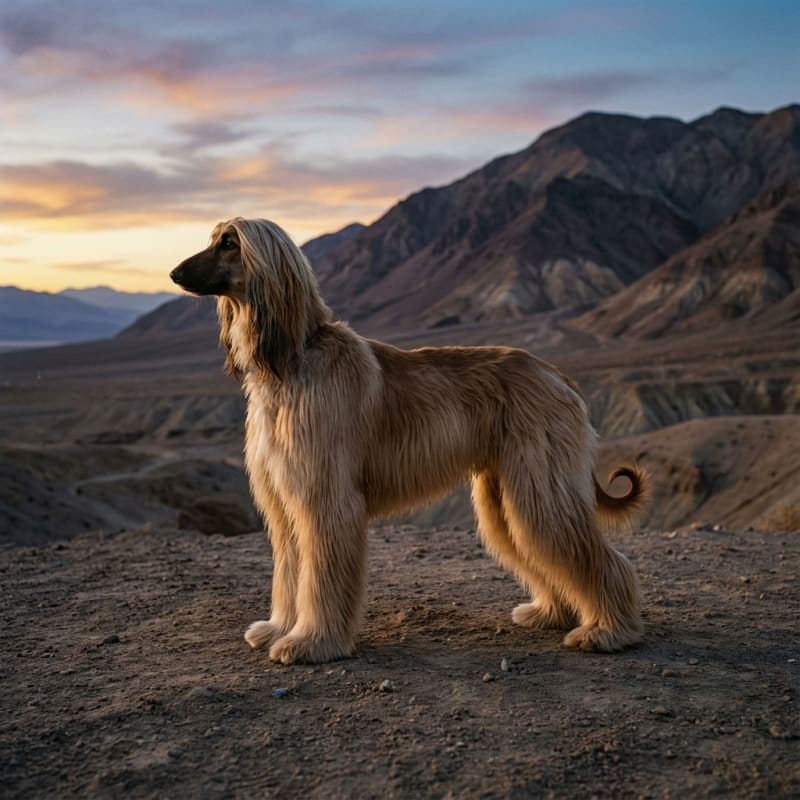
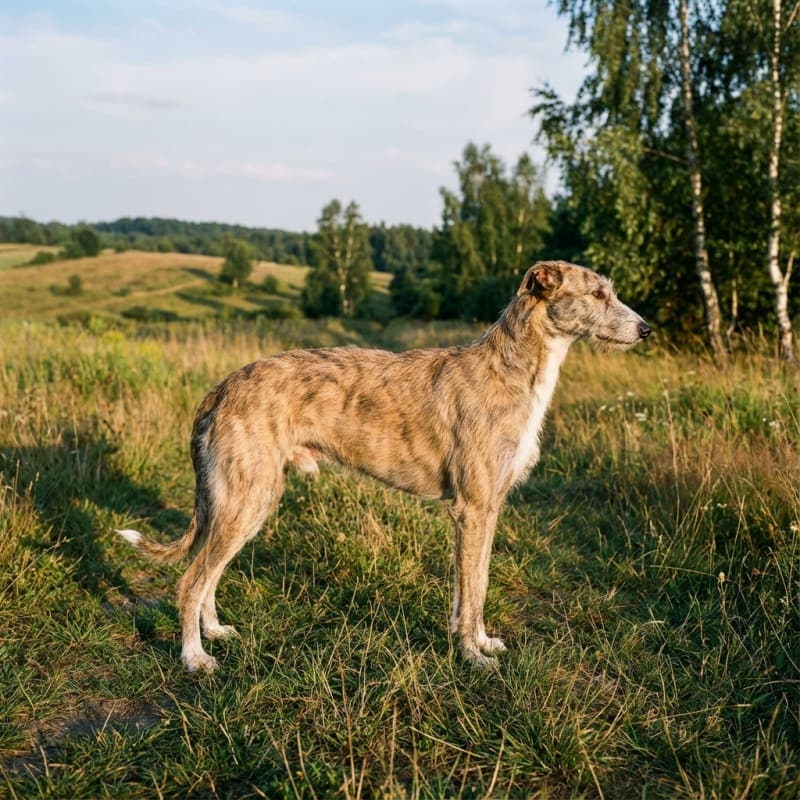
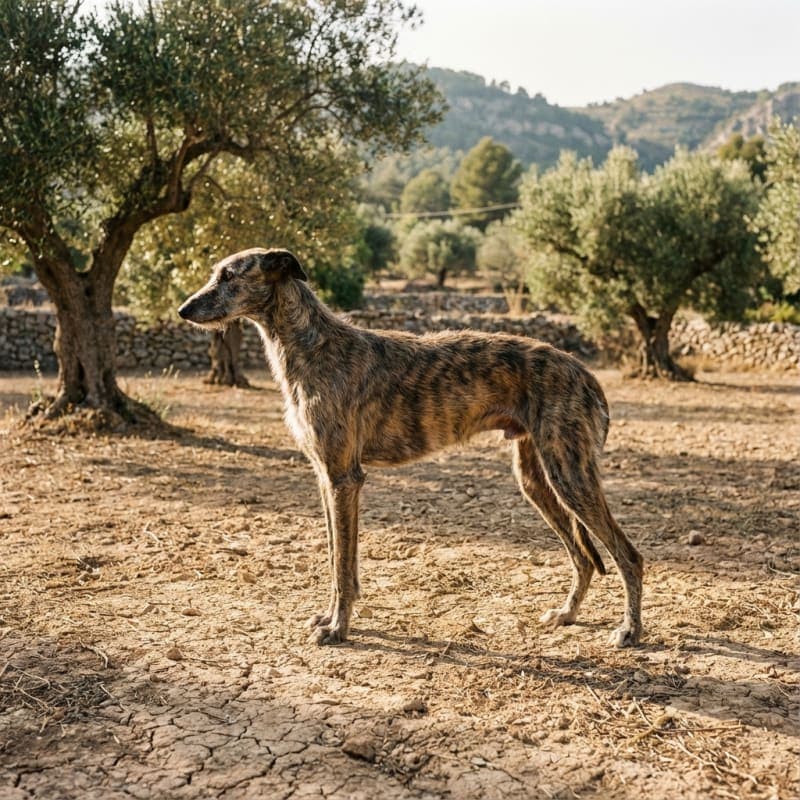
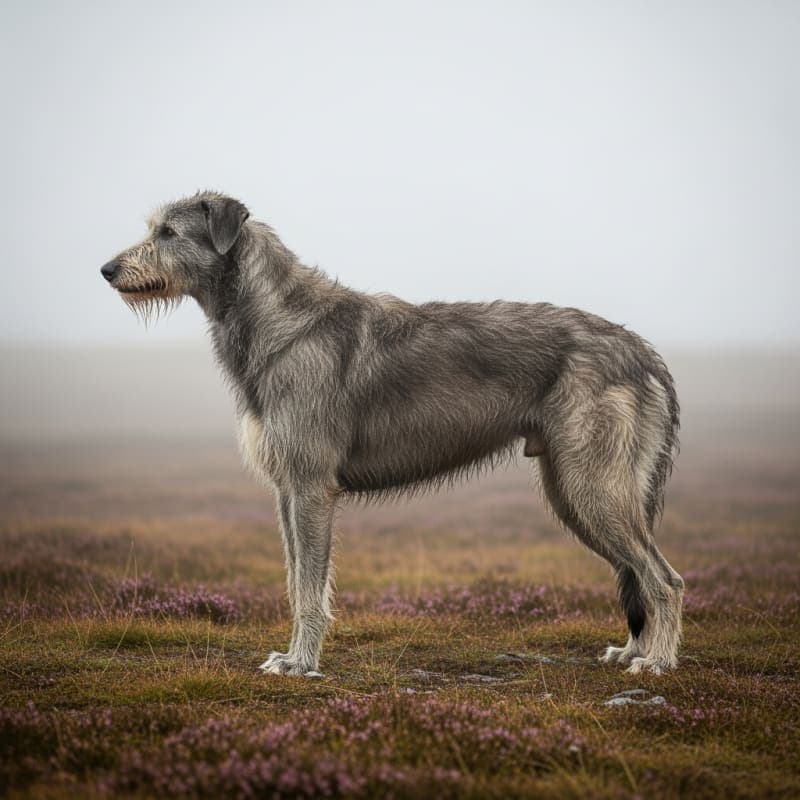
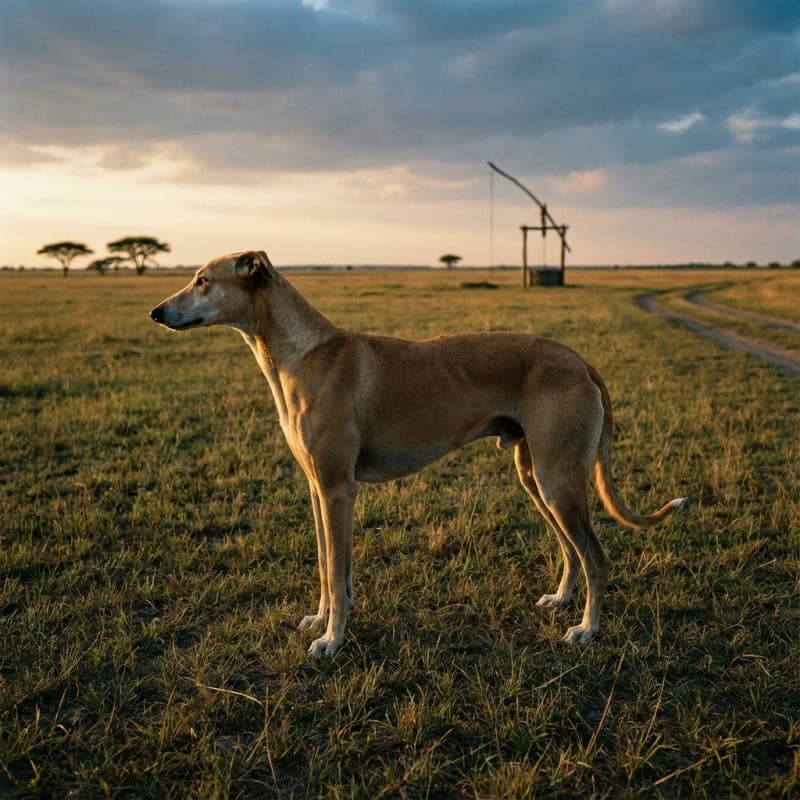
The Hungarian Greyhound is a dog with a remarkably elegant and harmonious silhouette, which combines strength, endurance, and speed. Its body length is slightly greater than its height measured at the withers, giving it a proportional and balanced appearance. The head has a characteristic wedge shape with a moderately strong skull and a clearly defined, but not excessive, stop. The muzzle is elongated, strong, and elegant, ending with well-fitting lips that should not be drooping or loose.
The eyes are medium-sized, almond-shaped, dark in color, and express both intelligence, alertness, and a gentle character. The ears are relatively large and thick, set at medium height, folded back at rest, and lying close to the neck, which is characteristic of this breed. The neck is elegant, well-muscled, and of medium length, smoothly transitioning into a strong back line.
The torso is characterized by a strong build – the back is wide and well-muscled, the loins are solid and flexible, and the chest is deep, spacious, and well-developed, reaching down to the elbows, providing ample space for large lungs necessary for prolonged exertion. The belly is tightly drawn up, giving the dog the characteristic slim profile of greyhounds.
The front limbs are straight, strong, and well-muscled, with clearly defined joints. The hind limbs are very strong, with excellently developed thigh and lower leg muscles, providing the dog with explosive speed and long endurance. The paws are oval, compact, with well-arched toes and hard pads.
The tail is thick at the base, tapering towards the end, may be slightly curled, hangs freely at rest, and reaches at least to the hock joint. When in motion, it may be raised but should never be carried above the line of the back.
The coat is short, dense, hard to the touch, and well-fitting to the body. In winter, a dense undercoat may develop. The coloration can be very diverse – all colors and combinations are allowed, except for disqualifying colors (such as merle or albinism).
Ideal dimensions: the height at the withers for males ranges from 65 to 70 cm, for females from 62 to 67 cm. The weight usually falls within the range of 22 to 31 kg, with males generally being heavier than females. The overall impression should be one of harmony, strength, elegance, and nobility.
The Magyar Agar is a dog with a balanced temperament and a calm, composed disposition, which manifests in its dignified and intelligent behavior in everyday life. It is a breed with deep emotional sensitivity, forming strong emotional bonds with its caregivers and family members. The Hungarian Greyhound exhibits extraordinary loyalty and devotion, often choosing one person as its main caregiver, while remaining friendly and affectionate towards all household members.
Despite its calm nature at home, the Magyar Agar possesses a strong hunting instinct, which can reveal itself at the least expected moments. The sight of a running animal – whether a rabbit, cat, or even a bird – can trigger an immediate chase response. Therefore, owners must be particularly vigilant during walks and never let the dog off-leash in unfenced areas or near busy streets. In a safe, enclosed area, the Hungarian Greyhound loves to run at full speed, which is a natural need and source of joy for it.
In relationships with other animals, the Magyar Agar is usually sociable and accommodating, especially if properly socialized from a puppy age. It gets along well with other dogs, often forming deep friendships with playmates. It can live harmoniously with cats and other small pets, provided they were introduced to the home earlier or when the dog was still a puppy – in such cases, it treats them as members of its pack rather than potential prey.
Regarding strangers, the Hungarian Greyhound shows some reserve and caution, making it a good watchdog that will alert the family to the arrival of guests. However, it is not an aggressive or overly suspicious dog – after a short period of observation, it usually accepts new people, especially if it sees that its caregiver treats them kindly. Its alertness and intelligence enable it to recognize real threats and respond appropriately.
The Magyar Agar is a dog that does not tolerate prolonged solitude. It requires regular interaction with people and the presence of close individuals to feel happy and fulfilled. Long hours spent alone can lead to separation anxiety, destructive behaviors, or excessive barking. It thrives in homes where at least one person is present for most of the day or where the dog can accompany its owner in daily activities.
Intelligence and the ability to learn are other characteristic traits of this breed. The Magyar Agar quickly absorbs new commands and can solve simple problems. However, its sensitive nature means it poorly reacts to harsh words, shouting, or physical punishment – such methods can induce fear, withdrawal, or a complete loss of trust in the caregiver. The best training results are achieved through positive reinforcement, patience, and consistency.
Owners should provide the Hungarian Greyhound not only with sufficient physical exercise but also with mental stimulation through various games, obedience training, object searching, or participation in dog sports such as coursing or agility. A dog that receives the right amount of both physical and mental activity becomes a calm, balanced, and happy companion, ready to share both moments of intense effort and peaceful relaxation on the couch with the family.
The Hungarian Greyhound is generally a healthy and resilient breed that, with proper care, can enjoy a long and active life. The average lifespan of a Magyar Agar is 12 to 15 years, which is a very good result for a dog of this size. However, like any breed, Hungarian Greyhounds can also be predisposed to certain conditions and health issues that prospective owners should be aware of.
The most common health problems occurring in this breed include:
- Hip Dysplasia (HD) – a condition in which the hip joint develops improperly, leading to pain, lameness, and eventually arthritis. Regular X-rays in breeding dogs and maintaining an appropriate body weight can help minimize the risk.
- Elbow Dysplasia (ED) – a similar condition affecting the elbow joints, which can also lead to chronic pain and limited mobility.
- Hypothyroidism – a hormonal disorder that leads to slowed metabolism, weight gain, apathy, skin problems, and hair loss. This condition is relatively easy to diagnose through blood tests and responds well to replacement therapy.
- Gastric Torsion (bloat, GDV) – a sudden, life-threatening condition in which the stomach fills with gas and may twist. Large dogs with deep chests are particularly at risk. Symptoms include restless behavior, attempts to vomit without effect, a bloated abdomen, and weakness. It requires immediate veterinary intervention.
- Progressive Retinal Atrophy (PRA) – a genetic eye condition leading to gradual vision loss and eventually total blindness. Responsible breeders conduct genetic testing to eliminate this condition from their breeding lines.
- Heart Diseases – some lines may be prone to dilated cardiomyopathy (DCM) or heart valve diseases.
Sensitivity to Anesthesia: Greyhounds, including the Magyar Agar, have a specific metabolism and very low body fat content, making them extremely sensitive to anesthetics. Any procedures requiring sedation or general anesthesia should be performed only by veterinarians experienced in working with greyhounds, using appropriate anesthetic protocols.
Health Prevention: To ensure the Hungarian Greyhound has the longest and healthiest life possible, it is crucial to:
- Have regular check-ups with a veterinarian (at least once a year, every 6 months for older dogs)
- Maintain an appropriate, lean physique – overweight puts strain on joints and the heart
- Provide a balanced diet tailored to age, activity level, and health status
- Conduct regular preventive examinations (blood count, biochemistry, thyroid tests)
- Ensure proper deworming and prevention against external parasites
- Vaccinate according to schedule
- Avoid intense exercise immediately after meals (reduces the risk of gastric torsion)
- Provide safe conditions for running to avoid injuries
When choosing a Magyar Agar puppy, it is advisable to turn to a responsible breeder who conducts all recommended health tests for the parents and provides puppies with proper socialization and veterinary care from the first days of life. A well-selected genetic breeding line significantly increases the chances of a healthy and long-lived dog.
The care of the Magyar Agar is relatively simple and low-maintenance, making it an ideal choice for people who do not have much time for time-consuming grooming procedures. The short, dense, and coarse coat of the Hungarian Greyhound does not require intensive brushing or professional grooming, but regular attention to its appearance and hygiene is, of course, necessary to maintain the dog's health and well-being.
Coat brushing: It is sufficient to brush once or twice a week using a rubber glove or a brush with natural bristles to remove dead hair, dirt, and stimulate skin circulation. While brushing, it is worth paying attention to the condition of the skin – checking for wounds, cuts, ticks, or other concerning changes. During the spring and autumn shedding periods (seasonal shedding), the frequency of brushing can be increased to daily to effectively remove loose hair and prevent it from settling on furniture and clothing.
Undercoat development in winter: In the colder months of the year, the Magyar Agar may develop a denser undercoat, which serves as natural protection against the cold. During this time, more frequent brushing is also recommended to remove dead undercoat hair and ensure proper thermoregulation.
Bathing: The Hungarian Greyhound does not require frequent baths – it is sufficient to bathe it only when truly necessary, for example, when it is heavily soiled or emits an unpleasant odor. Too frequent washing can lead to dry skin, damage to the natural protective layer, and irritation. During bathing, mild shampoos specifically designed for dogs should be used, which do not disrupt the skin's pH. After bathing, the dog should be thoroughly dried with a towel or a hairdryer on a low setting, especially on cooler days.
Ear care: The ears of the Magyar Agar should be checked regularly – at least once a week – for the accumulation of wax, dirt, unpleasant odors, or signs of inflammation. Hanging ears may be more prone to infections due to limited air circulation. Ear cleaning is done using a special ear cleaning solution for dogs and cotton balls or pads – never insert cotton swabs deep into the ear canal.
Eye hygiene: The eyes should be clean, bright, and free of discharge. Any dried discharge in the corners of the eyes can be gently removed with a damp gauze or cotton pad with boiled water. If redness, excessive tearing, or cloudy discharge occurs, a veterinarian should be consulted.
Nail trimming: The nails of the Magyar Agar grow throughout its life and require regular trimming – usually every 3-4 weeks, although for dogs that run a lot on hard surfaces, natural wear may extend this period. Too long nails can cause discomfort, walking problems, and even painful ingrowth. Trimming should be done with special dog nail clippers, taking care not to cut into the living part of the nail (the so-called quick), which could cause bleeding and pain.
Dental care: Regular oral hygiene is extremely important to prevent tartar buildup, gum disease, and bad breath. Ideally, it is best to brush the dog's teeth daily or at least several times a week, using toothpaste designed for dogs (human toothpaste contains substances harmful to animals). Additionally, special dental chews or toys that help clean teeth can be used. For older dogs, professional dental cleaning by a veterinarian under anesthesia is advisable.
Parasite protection: Regular use of flea, tick, and internal parasite prevention (deworming) is essential. After every walk, especially during the spring and summer months, it is worth thoroughly checking the dog's skin for ticks, especially around the ears, neck, groin, and between the toes.
Paw protection: In winter, salt and chemicals spread on roads can irritate the delicate skin of the paw pads. It is advisable to apply protective balms to the paws before going for a walk and to wash the paws with warm water after returning. On hot days, asphalt can be very hot – it is better to choose walks early in the morning or late in the evening to avoid burns.
In summary, the Magyar Agar is a breed with low grooming requirements, but regular attention to hygiene and appearance is crucial for the dog's health, comfort, and well-being.
The Hungarian Greyhound is a dog with a very high energy level and significant exercise needs, bred for long-lasting, intense running during hunts. Its athletic build, strong muscles, and endurance require daily training activities that allow it to fully utilize its physical potential and ensure mental balance. A Magyar Agar that does not receive enough exercise may become restless, bored, and prone to destructive behaviors such as furniture destruction, excessive barking, or attempts to escape.
Minimum exercise requirements: It is recommended that a Magyar Agar receives at least 1-2 hours of intense physical activity daily. This is not just about a calm walk on a leash, but activities that truly engage its body and mind. Ideally, different forms of movement should be combined throughout the day, such as:
- Long, vigorous walks – at least twice a day, each lasting 30-45 minutes
- Running – the Hungarian Greyhound is an excellent companion for runners, capable of easily covering several kilometers a day
- Cycling – the dog can run alongside a cyclist (after proper preparation and gradually increasing the distance)
- Free running – in a safe, fenced area where the dog can reach its maximum speed and satisfy its natural instinct to run
- Coursing – simulated hunting where the dog chases a mechanical lure – an ideal activity for greyhounds!
- Agility – a dog sport involving overcoming an obstacle course, which greatly stimulates both body and mind
- Fetching – playing with a ball, frisbee, or retrieving toys helps burn energy and develop concentration
Safety during exercise: Due to its strong hunting instinct, all walks in public places, near streets, or unfenced areas should be conducted on a leash. The sight of a running animal – a rabbit, cat, or squirrel – can trigger an immediate chase response, and a dog in full flight is practically impossible to stop by voice. Free running off-leash should only occur in safe, fenced areas, far from busy roads.
Gradual increase in effort: Puppies and young dogs (up to 12-18 months old) should not be subjected to overly intense exercise, especially long-distance running or jumping, as their bones and joints are still growing. Excessive strain can lead to orthopedic problems in the future. Exercise should be introduced gradually, observing the dog's response and adjusting the intensity to its condition.
Weather conditions: The Magyar Agar does well in cooler conditions; however, during intense heat, physical activity should be limited and activities moved to early morning or late evening hours when temperatures are lower. Dogs cannot cool their bodies as effectively as humans, so overheating can be dangerous. Always ensure access to fresh water during and after exercise.
Mental stimulation: In addition to physical exertion, the Magyar Agar also needs intellectual stimulation. Obedience training, learning new tricks, scent games (e.g., searching for hidden treats), or dog puzzles are excellent ways to engage the mind and prevent boredom. A dog that is both physically tired and mentally satisfied will be a calm and happy companion at home.
Companion for an active lifestyle: The Hungarian Greyhound is an ideal dog for people leading an active, sporty lifestyle. It excels as a companion for running training, cycling trips, long hikes in the mountains, or by the lake. It is also an excellent partner for canine sports. However, it is not a breed for people leading a sedentary lifestyle or living in small apartments without access to running areas.
In summary, regular, intense exercise is absolutely crucial for the physical and mental health of the Magyar Agar. A dog of this breed that receives the appropriate amount of exercise will be a balanced, obedient, and happy companion, ready to rest peacefully at home beside its owner.
Training the Magyar Agar is a process that requires patience, consistency, and above all, gentleness, as it is a breed with an extremely sensitive and intelligent nature. Hungarian hounds learn quickly and are eager to cooperate with humans, but their delicate psyche means they react poorly to harsh, authoritarian training methods, shouting, or physical punishment. Such an approach can lead to a loss of trust, fear, withdrawal, and even complete discouragement from learning.
Positive reinforcement – the key to success: The most effective training method for the Magyar Agar is techniques based on positive reinforcement, which involves rewarding desired behaviors. Every time the dog correctly follows a command, it should receive a reward – this could be a treat, verbal praise, petting, or a favorite toy. This type of reinforcement motivates the dog to continue learning and builds positive associations with the training process.
Early socialization: A key element of raising a Magyar Agar puppy is intensive socialization conducted from the earliest weeks of life. The puppy should be exposed to a variety of stimuli – new places, sounds, smells, people of different ages, other dogs and pets, vehicles, cyclists, children playing in the playground, etc. A well-socialized dog will be calmer, more self-confident, and easier to handle in various life situations in the future.
Basic obedience commands: Training should begin with teaching the dog basic commands that are essential for safety and daily functioning:
- Sit – a basic command, often the first command taught to a puppy
- Stay/Wait – extremely important for safety, teaches the dog to remain in place
- Lie down – helps calm the dog and control it in stressful situations
- Come/Recall – absolutely crucial command, especially for hounds due to their chasing instinct
- Leave it – teaches the dog to relinquish an object or food on command
- Heel/Loose leash walking – prevents pulling during walks
Recall – the most important command: Due to the strong hunting instinct of the Magyar Agar, the recall command is the most important element of training. The dog must learn that being called by the owner is the most important command, which overrides even the temptation to chase prey. Recall training should be conducted systematically, in controlled conditions, using a long training leash, and the recall itself should always be associated with something very positive – the tastiest treat, a favorite toy, or exciting play.
Short, engaging training sessions: The Magyar Agar learns best during short but regular training sessions – ideally 10-15 minutes, 2-3 times a day. Too long sessions can lead to boredom and loss of concentration. It is worth introducing variety to keep the training interesting and engaging. Always end the session on a positive note, after successfully completing a command, so the dog associates learning with pleasure.
Consistency and clear rules: The Hungarian hound needs clear, consistent rules. All family members should use the same commands and the same rules so that the dog is not confused. If something is forbidden, it must always be forbidden – a lack of consistency leads to confusion and difficulties in learning.
Dealing with the hunting instinct: Due to the strong chasing instinct, it is worth introducing controlled chase games – for example, coursing, where the dog can chase a mechanical lure in a safe environment. Such activities satisfy the natural need to run and hunt while teaching the dog that chasing occurs only on the owner's command.
Avoiding common mistakes: When training the Magyar Agar, it is important to avoid:
- Shouting, harsh gestures, or physical punishment
- Repeatedly giving the same command without a response (this weakens its significance)
- Punishing the dog after its return – even if it didn't come back immediately (the dog will associate the punishment with returning, not with prior disobedience)
- Too long, monotonous training sessions
- Lack of consistency in rules
Cynological sports as a form of training: The Magyar Agar can successfully participate in various dog sports, which provide an excellent form of learning, fun, and cooperation with the owner:
- Coursing – a sport dedicated to hounds, ideal for this breed
- Agility – requires concentration, cooperation, and listening to commands
- Obedience – advanced obedience, develops precision in following commands
- Rally obedience – a combination of obedience and working on a course
In summary, training the Magyar Agar is a process that requires patience, empathy, and understanding of the breed's specifics, but with the right approach – based on positive reinforcement, consistency, and mutual respect – the Hungarian hound can become a well-trained, obedient, and happy companion, ready to cooperate in any situation.
Proper nutrition for the Magyar Agar plays a key role in maintaining its health, physical condition, and longevity. Due to its active lifestyle, high energy levels, and lean, athletic build, the Hungarian Greyhound requires a balanced diet rich in high-quality nutrients to meet its energy needs and support the proper functioning of its body.
Basic nutrition principles:
- High-quality food – choose premium or super-premium foods with a high meat content (at least 60-70% of the composition), free from unnecessary fillers, artificial colors, or preservatives
- Appropriate amount of protein – as an active dog, the Hungarian Greyhound needs a diet rich in animal protein (25-30% in adult dog food, up to 32% for puppies and very active dogs), which supports muscle development and regeneration
- Healthy fats – omega-3 and omega-6 fatty acids support skin, coat, heart, and nervous system health (12-18% fat in the food)
- Low glycemic index carbohydrates – provide steady energy without sharp spikes in blood sugar (sweet potatoes, brown rice, oats)
- Vitamins and minerals – essential for the proper functioning of the body, strengthening the immune system, and bone health
Amount of food: An adult Magyar Agar typically needs about 2-3% of its body weight in food daily, which practically means about 400-700 grams of food per day for a dog weighing 25-30 kg, depending on the level of activity. Very active dogs participating in sports or intense training may require more calories. It is crucial to regularly monitor the dog's weight and body condition and adjust portions according to its current needs.
Feeding frequency: Adult Hungarian Greyhounds should be fed twice a day – once in the morning and once in the evening. Dividing the daily portion into two meals helps prevent gastric torsion (bloat), which is a serious threat for large dogs with deep chests. Puppies require more frequent feeding: 3-4 times a day until 6 months of age, then gradually transitioning to twice-daily feeding.
Preventing gastric torsion: Gastric torsion is a sudden, life-threatening condition that requires immediate veterinary intervention. To minimize the risk:
- Avoid intense physical exertion immediately before and after meals – wait at least 1-2 hours
- Do not allow the dog to drink large amounts of water at once, especially after exercise
- Serve food in a calm environment, without rushing
- Consider using a slow feeder bowl if the dog eats very quickly
- Divide the daily meal into two smaller portions instead of one large one
Types of diets:
- Dry food (kibble) – convenient, economical, supports dental health through mechanical cleaning while chewing
- Wet food (cans, pouches) – tasty, easily digestible, with a high water content, good for dogs with kidney issues or dehydration
- BARF diet (raw meat and bones) – a natural diet based on raw meat, bones, vegetables, and fruits, requires precise knowledge and planning to be balanced
- Homemade diet (cooked) – prepared at home using fresh ingredients, requires consultation with a veterinary nutritionist to ensure balance
Maintaining a lean physique: The Hungarian Greyhound should always be lean and muscular, with the last two ribs clearly visible and a defined abdomen. Overweight puts stress on joints, the heart, and leads to many health problems. If the dog is gaining weight, the food portions should be reduced or physical activity increased. Regular weighing (once a month) helps monitor weight changes and respond quickly.
Fresh water: Access to fresh, clean water should be provided throughout the day. Water bowls should be regularly cleaned and refilled. During intense exercise, on hot days, or after long walks, the dog may need more water.
Prohibited foods – NEVER feed:
- Chocolate (contains theobromine toxic to dogs)
- Onion, garlic, leeks (destroy red blood cells)
- Grapes, raisins (toxic to kidneys)
- Avocado (contains persin)
- Xylitol (sweetener that can be fatal)
- Poultry bones (can splinter and cause choking or intestinal perforation)
- Alcohol, coffee, tea
- Fatty, fried, heavily spiced foods
Supplementation: In most cases, high-quality commercial food provides all the necessary nutrients and does not require additional supplementation. However, in certain situations, a veterinarian may recommend supplements:
- Omega-3 fatty acids (salmon oil) – healthy skin and coat
- Glucosamine and chondroitin – joint support for older dogs
- Probiotics – gut and digestive health
- Vitamins and minerals – in case of deficiencies detected through blood tests
Feeding puppies: Puppies of the Magyar Agar require special puppy food for large breeds, which supports proper bone and joint development and provides adequate energy. Feeding should be more frequent (3-4 times a day), and the transition to adult dog food should occur around 12-18 months of age.
Feeding older dogs: Older Hungarian Greyhounds (over 7-8 years) may require senior food, which is lower in calories, easier to digest, and contains ingredients that support joint, heart, and kidney health.
In summary, a balanced, high-quality diet is the foundation of the Magyar Agar's health. Proper nutrition tailored to age, activity, and health status, combined with regular weight monitoring and consultations with a veterinarian, will ensure the dog has a long, healthy, and active life.
Characteristic Traits
Pros
- Elegant and athletic silhouette
- Exceptional hunting and sporting abilities
- Deep loyalty and devotion to the owner
- Intelligence and quick learning
- Excellent cold resistance
- Calm and balanced temperament at home.
Cons
- Requires a very large amount of movement and activity
- Strong hunting instinct may lead to escapes
- Does not tolerate prolonged solitude
- Sensitive nature requires a gentle approach in training
- May be reserved towards strangers.
Behavioral Ratings
Breed History
The history of the Hungarian Greyhound (Magyar Agar) is a fascinating tale that dates back over a thousand years, inextricably linked to the history of the Hungarian nation and the culture of Hungary. This breed is one of the oldest canine legacies of this country and is proudly recognized as an original Hungarian hunting breed.
Ancient beginnings: The origins of the Magyar Agar trace back to the migration of peoples and the conquest of the Carpathian Basin by Hungarian tribes around the 10th century. The nomadic Magyars, arriving from Central Asia, brought with them hunting dogs that they used for hunting on the steppes. Archaeologists have discovered prehistoric skull remains of dogs in present-day Hungary that exhibit characteristics typical of greyhounds, confirming that the ancestors of the Magyar Agar accompanied the Magyars as early as their settlement in Hungary. These ancient dogs were used to hunt wild game – hares, deer, and stags – utilizing their extraordinary eyesight and lightning speed.
The Middle Ages and breed development: In the Middle Ages, the Magyar Agar was valued by the Hungarian nobility as a hunting dog with exceptional abilities. Hunting with greyhounds was popular among the aristocracy, and owning such dogs was a sign of high social status. The breed developed naturally, adapting to the climate and terrain of Hungary – flat steppes, forests, and fields.
The 19th century – crossbreeding and increased speed: In the 19th century, with the rise of greyhound racing and growing interest in the speed of dogs, the Magyar Agar was crossed with other greyhound breeds, including the English Greyhound, to increase its speed and improve performance in races. These crossbreeds achieved the intended effect – the Hungarian Greyhound became even faster while maintaining its endurance, strength, and versatile hunting abilities. Interestingly, the Magyar Agar can be faster than the Greyhound over certain distances, especially over longer distances where its endurance gives it an advantage.
The 20th century – socialism and popularity: During the socialist era in Hungary after World War II, the Magyar Agar became common among hunters and villagers. The breed was used not only for hunting but also for greyhound racing and coursing, which enjoyed great popularity. There are stories that some hunters caught stray greyhounds on the streets and utilized their natural hunting abilities – illustrating how widespread these dogs were during that time.
Modern times – renaissance of the breed: Today, the Magyar Agar is officially recognized by the FCI (Fédération Cynologique Internationale) and classified in group 10 (Greyhounds) section 3 (Short-haired Greyhounds) under standard number 240. The official breed standard was published on April 6, 2000, marking an important step in standardizing the breed and protecting it. Although the breed is not very common outside Hungary, it enjoys great respect and recognition in its homeland.
Magyar Agar in canine sports: Modern Hungarian Greyhounds are used not only in traditional hunting but also in canine sports such as:
- Coursing – a simulated hunt where dogs chase a mechanical lure in open terrain
- Greyhound racing – on race tracks, where the Magyar Agar achieves impressive results
- Agility – a dog sport involving navigating an obstacle course
Characteristics inherited over the centuries: Thanks to centuries of natural and selective breeding, the Magyar Agar has retained the following traits:
- Extraordinary speed and agility
- Excellent vision and sense of smell – which distinguishes it from other greyhounds
- Endurance over long distances
- Resistance to harsh climatic conditions (freezing winters, hot summers)
- Loyalty and devotion to its owner
- Intelligence and the ability to think independently while hunting
Breed protection and breeding: The Magyar Agar is currently included in programs for the protection of native Hungarian breeds. Responsible breeders ensure the preservation of the breed's authentic traits, conduct genetic and health research to maintain a healthy population of dogs. Although the breed is not at risk of extinction, its population outside Hungary is limited, making finding a puppy require patience and contact with breeders in the breed's homeland.
Cultural significance: For Hungarians, the Magyar Agar is a symbol of national pride – a living testament to a thousand-year history, hunting traditions, and the bond between humans and dogs. This breed represents the heritage of the nomadic ancestors of the Magyars, their connection to nature, the steppes, and living in harmony with animals.
In summary, the Hungarian Greyhound is a breed with a rich, fascinating history that has survived through the centuries due to its exceptional abilities, adaptation to harsh conditions, and enduring bond with humans. Today, the Magyar Agar is not only a hunting dog and athlete but also a wonderful life companion, bringing to its owners' homes a piece of ancient history, the energy of the steppes, and loyalty passed down from generation to generation.