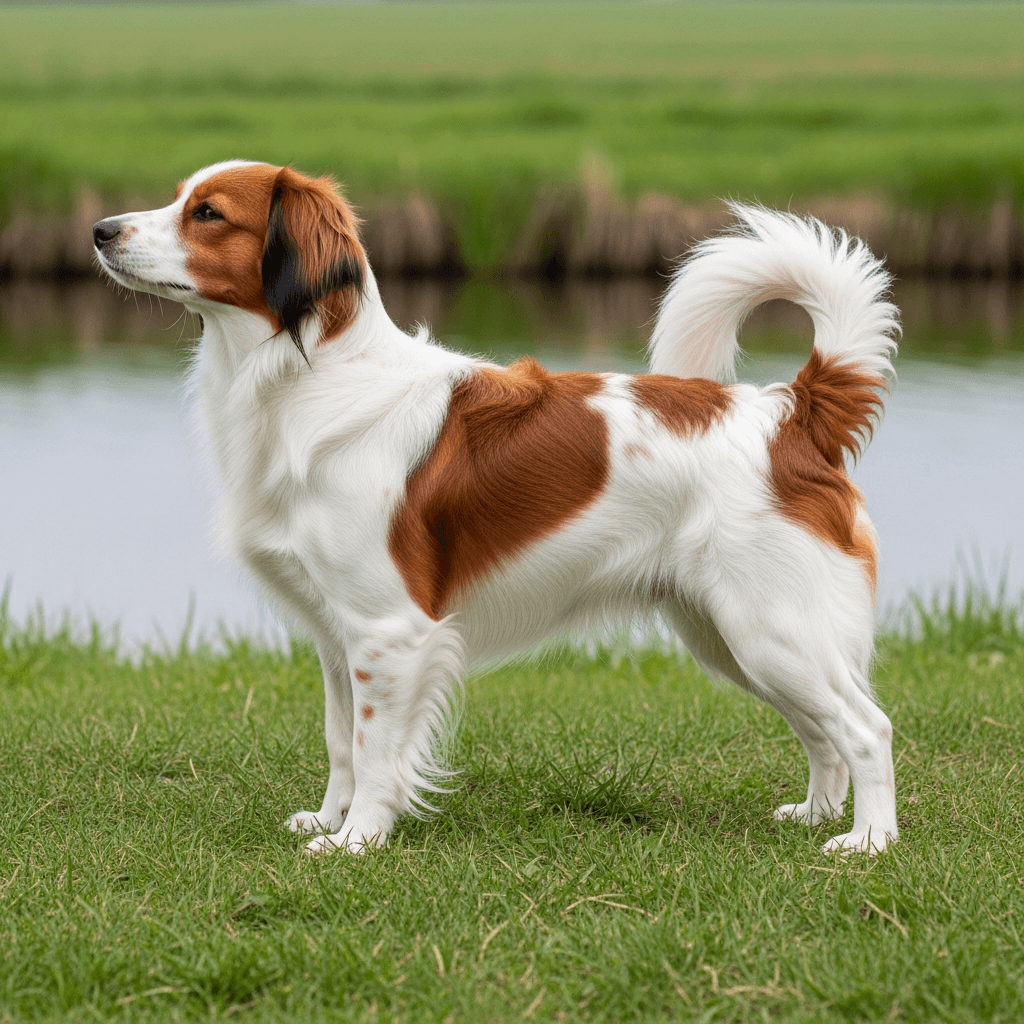
Dutch Kooikerhondje
FCI Group
8• FCI 314
Size
Medium
Origin Country
NL
Height
35-40 cm
Weight
9-11 kg
Lifespan
12-14 years
Temperament
Overview
Dutch Kooikerhondje, also known as Kooiker or simply Kooiker, is a unique dog breed originating from picturesque Holland, which has been winning the hearts of dog lovers around the world for years. This medium-sized dog is characterized by a harmonious, almost square silhouette and distinctive orange and white fur with striking black ear tips, known as earrings.
Although the Nederlandse Kooikerhondje was initially used for luring ducks into special traps called eendenkooi (hence the breed's name), which emphasizes its unique hunting lineage, today it excels in the role of a companion and sporting dog. Thanks to its cheerful disposition, high intelligence, and willingness to cooperate, it becomes a wonderful companion for both active families and individuals seeking a loyal friend.
The Kooikerhondje is characterized by a lively temperament and attachment to its owner. It is alert but not aggressive, making it a good watchdog. The energetic nature of this breed requires regular physical activity and mental stimulation through play, training, or canine sports. Moreover, the Kooiker does well in families with children, provided there is mutual respect and proper socialization from a young age.
Proper training based on positive methods is crucial to develop skills and ensure balance in the dog's behavior. This friendly, sociable, and hardworking breed, despite its specialized background, is an ideal companion for any occasion. The Nederlandse Kooikerhondje will be happy when it can be active, cooperate with its owner, and spend time with loved ones.
This breed is known for its longevity, living on average from 12 to 15 years, making it a long-term commitment and partner for years to come. We invite you to further explore the appearance, behavior, health, grooming, exercise, training, nutrition, and fascinating history of this charming breed in the following sections of our guide.
The Nederlandse Kooikerhondje is a dog with a harmonious, almost square body structure that combines elegance with functionality. According to the FCI standard (no. 314, group 8), the height at the withers should be around 35-40 cm for males (optimally 37-40 cm) and 35-40 cm for females (optimally 35-38 cm). The weight typically ranges between 9 and 11 kg, with proportions being more important than the actual body mass.
A characteristic feature of this breed is its medium-length, slightly wavy or straight coat with a well-developed undercoat, providing protection against various weather conditions. The Kooikerhondje is found exclusively in orange-white (orange-red parti-colour) with distinct, well-defined patches. The orange-red shade can be intense or lighter, but it is always distinct.
On the dog's head, there is a striking symmetrical white blaze running from the nose up the forehead, giving the face a distinctive expression. The ears are medium-sized, set high, well-furred, with exceptionally decorative black tips known as earrings – a hallmark of the breed. The eyes are dark, almond-shaped, expressing intelligence, alertness, and a friendly nature.
The tail is well-furred with a rich plume, carried at the level of the back or slightly above during movement, adding lightness and elegance to the silhouette. When working, the wagging tail of the Kooikerhondje was crucial in attracting curious ducks. The limbs are straight, strong, and parallel, ensuring free, flexible movement. Overall, the Nederlandse Kooikerhondje is a dog with a charming, balanced appearance that endears itself with its harmonious look and cheerful expression.
The Nederlandse Kooikerhondje is a dog with a friendly, cheerful, and sociable temperament, full of energy and eager to cooperate with humans. This breed is known for its deep attachment to its owner and family members, making it an excellent companion at home. The Kooiker is loyal, sensitive to the moods of household members, and happily participates in all family activities.
It is an intelligent and easy-to-train dog, quickly absorbing new commands, although it may sometimes exhibit independent thinking typical of working dogs. The Kooikerhondje has a moderate hunting and retrieving instinct, which should be considered during walks – the dog may become interested in birds or small animals. Therefore, early and consistent socialization and recall training are important.
In contact with children, the Kooiker is usually patient and gentle, provided that the children treat it with respect. This breed does not tolerate rough handling and may withdraw or behave cautiously in excessively noisy or unpredictable situations. Towards strangers, the Kooikerhondje is alert but not aggressive – it may be initially reserved but quickly opens up when it assesses that there is no threat.
The Kooikerhondje does not tolerate long periods of solitude and may exhibit destructive behaviors, excessive barking, or separation anxiety when left alone for long periods. This breed requires close contact with the family and integration into home life. Although generally calm at home, the Kooiker may bark in alarming situations, making it a good watchdog.
The need for physical and mental activity is significant in this breed – the Kooikerhondje loves play, training, dog sports (agility, obedience, nosework), and outings in nature. It works well as a dog for active owners who can provide it with the right amount of exercise and intellectual challenges.
The Nederlandse Kooikerhondje is a breed of dog that enjoys relatively good health and resilience, with an average lifespan of 12 to 15 years. Like any breed, Kooikerhondje may be prone to certain genetic conditions, so it is important for owners to be aware of potential health issues and to work with responsible breeders who conduct genetic testing.
Among the conditions that this breed may be susceptible to, the following are primarily mentioned:
- Hereditary nephropathy (hereditary necrotising myelopathy) – a serious neurological condition for which genetic testing is conducted
- Patella luxation – dislocation of the kneecap, which can cause lameness
- Von Willebrand disease (vWD) – a blood clotting disorder occurring in some lines
- Cataracts and other eye problems – regular eye examinations are recommended
- Epilepsy – may occur sporadically
Responsible breeders perform health tests before allowing dogs to breed, significantly reducing the risk of hereditary conditions. Owners should regularly monitor their pet's health with a veterinarian and ensure a proper diet and physical activity to prevent obesity, which can lead to additional orthopedic and metabolic problems.
Kooikerhondje tolerates various weather conditions well due to its dense coat with an undercoat. However, on hot days, they can quickly tire during intense exertion, so it is important to provide them with access to shade, fresh water, and to avoid activities during the hottest hours. On cold days, their coat provides thermal comfort, although Kooikerhondje is not a dog adapted to living outdoors – it needs contact with its family and shelter in the home.
Regular grooming, a balanced diet, an adequate amount of exercise, and veterinary preventive care (vaccinations, deworming, external parasite prevention) will help the Nederlandse Kooikerhondje enjoy a long, healthy, and happy life.
The care of the Nederlandse Kooikerhondje is relatively simple and not very time-consuming, even though their beautiful, medium-length coat may seem demanding. The Kooiker's coat is slightly wavy or straight, with a well-developed undercoat, which means that dirt and debris do not cling to it excessively, and the dog remains relatively clean.
Brushing should be done at least once a week using a brush or comb with medium-density teeth to remove dead hair, prevent tangles, and keep the coat in good condition. During shedding periods (in spring and autumn), it is advisable to increase brushing to 2-3 times a week to manage the shedding undercoat. Special attention should be paid to areas more prone to tangling, such as the ears, feathers on the legs and tail, and armpits.
Bathing is needed only a few times a year (3-4 times), unless the dog has played in particularly dirty areas. Too frequent baths can strip the coat of its natural protective oils and weaken its structure. Gentle shampoos designed for dogs should be used. After bathing in a chlorinated pool or the sea, it is advisable to rinse the Kooikerhondje with clean water to remove any chemical and salt residues.
In addition to caring for the coat, regular checking and grooming of other body parts is important:
- Ears – due to their abundant hair and droopy structure, the cleanliness and condition of the ears should be checked regularly to prevent infections. It is advisable to clean them gently with special preparations as needed.
- Eyes – should be checked regularly and gently wiped with a damp gauze if necessary to remove dried discharge.
- Nails – should be trimmed every 3-4 weeks if they do not wear down naturally during walks. Overly long nails can cause discomfort and mobility issues.
- Teeth – regular tooth brushing (2-3 times a week) prevents tartar buildup and gum disease. It is also advisable to use dental chews.
Maintaining the Nederlandse Kooikerhondje in good condition and cleanliness will help it enjoy a long, healthy, and comfortable life, and the owner will have the pleasure of interacting with a well-groomed, beautifully presented dog.
The Nederlandse Kooikerhondje is a breed with a high energy level and a need for regular physical activity and mental stimulation. As a working dog with a hunting background, the Kooiker requires an adequate amount of exercise to be happy, balanced, and healthy. Lack of activity can lead to boredom, frustration, and undesirable behaviors such as excessive barking, destruction of objects, or hyperactivity.
Ideally, the Kooikerhondje should receive at least 1-2 hours of activity daily, divided into several sessions. Activities can include:
- Long walks – at least two walks a day, each lasting 30-45 minutes, in varied terrain
- Running – Kooikers love to run freely in a safe, fenced area or on a leash with their owner
- Fetch games – balls, frisbees, or dummies perfectly utilize the breed's natural instincts
- Swimming – many Kooikers love water, which ties back to their historical role around duck ponds
- Canine sports – agility, obedience, rally-o, nosework, flyball – these are excellent activities for this intelligent and agile breed
- Scent training – games like searching for treats or toys engage the dog's mind wonderfully
Kooikerhondjes thrive in the company of other dogs and people, making group play and social walks particularly beneficial for them. This breed values variety – changing walking routes, new scents, and environments provide valuable enrichment.
Due to their hunting instinct, the Nederlandse Kooikerhondje may be inclined to chase birds, rabbits, and other small animals during walks. Therefore, it is extremely important to train recall properly and provide safe, fenced areas for free play. It is also advisable to use a long training leash at the beginning of training to build confidence in recall.
It is important to adjust the intensity and type of activity to the dog's age, condition, and health status. Puppies and young dogs should not be overburdened with excessive exertion, which can negatively affect their developing joints and bones. Older Kooikerhondjes may require gentler forms of exercise, such as calm walks or swimming.
Training the Nederlandse Kooikerhondje is usually a pleasure and satisfaction for both the dog and the owner, as this breed is intelligent, eager to learn, and enjoys working with humans. The Kooiker quickly learns new commands and tricks, making it an ideal pet for less experienced owners as long as there is a consistent and positive approach.
A key aspect of training is using methods based on positive reinforcement – rewarding desired behaviors with treats, praise, toys, and play. The Kooikerhondje loves to be praised and appreciated for its achievements, which significantly speeds up learning. Avoiding physical punishment and harsh methods is extremely important, as this breed is sensitive and may react with fear, withdrawal, or loss of trust in the owner.
It is worth starting training from an early puppy age to provide the Kooiker with the right foundations and rules. The most important elements of early training are:
- Socialization – getting to know different people, dogs, animals, sounds, environments, and situations in a safe and positive way
- Basic commands – Sit, Down, Lie down, Stay, Come, Leave it
- Recall – crucial due to the breed's hunting instinct; requires patience and consistent reinforcement
- Loose leash walking – important for making walks enjoyable for both parties
- Body handling – getting the dog used to having its paws, ears, and mouth touched, which will facilitate grooming and veterinary visits
The Kooikerhondje may sometimes show some independence of thought typical of working dogs, which can be perceived as stubbornness. In such situations, patience, consistency, and motivation are key. It is worth varying the training to prevent it from becoming monotonous – short, dynamic, and playful sessions are the most effective.
This breed excels in various sporting and working activities, such as:
- Obedience – obedience and precision in executing commands
- Agility – obstacle courses that engage both body and mind
- Nosework – scent work, ideal for the breed's natural abilities
- Rally-O – a combination of obedience and tasks performed on a course
- Trick training – learning tricks, which is great fun and builds a bond
Training should also include teaching independence and coping with shorter periods of solitude to prevent separation anxiety. Gradually getting the puppy used to being alone, with access to toys and a comfortable place, will help avoid behavioral problems in the future.
In summary, the Nederlandse Kooikerhondje is a breed that, with proper, positive, and consistent training, develops into an excellent companion – obedient, balanced, and happy.
Nutrition for the Nederlandse Kooikerhondje is a key element in taking care of their health, condition, and well-being. Owners should provide their dog with high-quality food that is tailored to their age (puppy, adult, senior), weight, activity level, and any health needs.
The Kooikerhondje is a breed with moderate caloric requirements, so it is very important not to overfeed the dog. Excessive food can lead to overweight and obesity, which in turn puts stress on the joints, heart, and metabolic system, increasing the risk of serious health problems. Owners should strictly follow the feeding guidelines provided by the food manufacturer regarding portions and adjust them to the individual needs of the dog.
It is usually recommended to divide the daily food portion into two meals – morning and evening – which helps maintain appropriate weight, stable energy levels, and digestive health. Puppies require more frequent feeding (3-4 meals a day), which can be gradually reduced to two as they age.
It is worth choosing complete food that provides all the essential nutrients:
- High-quality protein – from meat, fish, or poultry (the main ingredient)
- Healthy fats – a source of energy and omega-3/omega-6 fatty acids that support skin and coat health
- Carbohydrates – from vegetables, fruits, rice, or potatoes (in moderate amounts)
- Vitamins and minerals – supporting the immune system, bones, and teeth
- Fiber – supporting digestion
Water should always be available for the dog so they can hydrate freely – especially after physical activity and on hot days. Regularly changing the water and keeping the bowl clean is fundamental to hygiene.
It is worth introducing healthy treats into the diet, which can be used during training or as an occasional reward. Good choices include:
- Dried meat (beef, chicken, turkey)
- Dried fruits and vegetables (carrots, apples, pears – without seeds)
- Natural dental chews
- Specialized low-calorie training treats
What to avoid in the Kooikerhondje's diet:
- Food meant for humans – especially fatty, salty, and seasoned dishes
- Toxic products for dogs – chocolate, onions, garlic, grapes, raisins, avocados, xylitol, alcohol, caffeine
- Cooked bones – can splinter into sharp shards and damage the digestive system
- Excessive treats – should not make up more than 10% of the daily caloric intake
If an owner notices signs of food allergies (itchy skin, digestive issues, hair loss), it is advisable to consult a veterinarian and consider an elimination diet or specialized hypoallergenic food.
A well-balanced, appropriately portioned diet, rich in nutrients and tailored to individual needs, will help the Nederlandse Kooikerhondje enjoy a long, healthy, energetic, and happy life.
Characteristic Traits
Pros
- Friendly and cheerful disposition
- High intelligence and ease of training
- Good adaptation to families with children
- Longevity (12-15 years)
- Moderate grooming requirements
- Excellent sporting dog.
Cons
- Requires a lot of exercise and mental stimulation
- Strong hunting instinct (chases birds)
- Does not tolerate long periods of solitude
- Can be stubborn during training
- Requires consistent socialization.
Behavioral Ratings
Breed History
The history of the Nederlandse Kooikerhondje goes back far into the past and is inextricably linked to the tradition of waterfowl hunting in the Netherlands. This breed has its roots in medieval hunting dogs depicted in the paintings of Dutch masters such as Jan Steen and Rembrandt, where small orange-and-white dogs with a distinctive build appear.
The name Kooikerhondje comes from the word eendenkooi – a special duck trap used in the Netherlands. The kooiker (the person operating the trap) used a small orange-and-white dog to lure ducks. The dog moved quietly between wooden screens at the edge of the canal, and its happily wagging tail and characteristic silhouette aroused the curiosity of the ducks, which followed it into the trap's tunnel, where they were caught. The ducks were then killed for the table or marked for ornithological purposes. The work of the Kooikerhondje was extremely specialized – the dog did not hunt but lured and collaborated with the kooiker in a quiet, controlled manner.
The breed was particularly popular in the 17th and 18th centuries, but after World War I, its population drastically declined, and the Nederlandse Kooikerhondje was on the brink of extinction. Traditional methods of duck hunting gradually faded away, depriving the breed of its original function.
In 1942, during the difficult times of World War II, Baroness Van Hardenbroek van Ammerstol, a dog enthusiast and defender of canine heritage, began efforts to recreate the breed. She gave a local dog breeder a picture of the type of dog she was looking for and asked him to search for it. On a farm in the province of Friesland, a female dog named Tommy was found, who became the founding mother of the modern Kooikerhondje population. Thanks to the determination of the baroness and careful selection, the breed began to revive.
In 1966, the Raad van Beheer (Dutch breeders' club) officially recognized the Kooikerhondje as a transitional breed, and in 1971, the breed received full recognition. Since then, the Nederlandse Kooikerhondje has gained popularity not only in the Netherlands but also worldwide. Today, it is appreciated both as a companion dog and a canine athlete participating in various disciplines such as agility, obedience, and nosework.
The history of the Nederlandse Kooikerhondje is an inspiring example of determination, love for dogs, and respect for tradition that allowed this unique breed to be saved from oblivion. Today, the Kooikerhondje is gaining recognition in many countries as a friendly, intelligent, and hardworking companion that has retained the traits of its specialized heritage but has also excelled in the role of a family and sports dog.