Norwegian Lundehund
FCI Group
5• FCI 265
Size
Small
Origin Country
NO
Height
32-38 cm
Weight
6-7 kg
Lifespan
11-13 years
Temperament
Overview
Norsk Lundehund, also known as the Norwegian Lundehund, is an incredibly fascinating dog breed originating from Norway, which immediately catches the eye with its unusual appearance and rich historical heritage. Lundehunds have accompanied Norwegians since the Viking Age, when they were invaluable helpers in hunting puffins (also called puffins) and their eggs nesting in hard-to-reach cliff crevices.
Their unique anatomical features make them true wonders of nature. Lundehunds have six toes on each paw (instead of the standard four), which provides them with excellent grip and balance while climbing steep, slippery cliffs. Their exceptionally flexible spine allows for remarkable movements – they can bend their necks in such a way that their heads nearly touch their backs, which was invaluable when navigating through narrow and winding puffin burrows.
The name lundehund comes from the Norwegian words lunde (puffin, Fratercula arctica) and hund (dog), which perfectly reflects their historical role in Norwegian coastal society. For Norwegian fishermen and coastal dwellers, these dogs were partners in challenging climatic and terrain conditions – the meat of puffins was an important part of the winter diet, and the birds' down was exported or used to produce quilts and pillows.
An additional unique feature of lundehunds is their ability to close their ears with special folds that protect the ear canal from water and dirt, as well as extraordinary mobility of the front limbs, which can be almost straightened out to the sides of the body. All of this makes them true alpine champions of the dog world.
Although in the 20th century the population of these dogs drastically declined due to outbreaks of viral diseases (especially distemper in the 1950s) and the introduction of modern hunting methods, today, thanks to the commitment and determination of breeders, lundehunds are a stable breed. They are an important part of Norwegian cultural heritage and are popular as family companions worldwide.
Lundehunds are characterized by their sociability, friendly and lively temperament, making them ideal companions for families with children. Although they are small (32-38 cm in height), they have plenty of energy and require regular, active exercise to maintain their physical and mental health. Their dense, coarse coat with a soft undercoat makes them perfectly adapted to the cool, damp climate of the Norwegian coasts.
Lundehunds are very intelligent and learn quickly, which makes training easier. However, due to their sensitive nature, gentle, positive training methods based on rewards and praise should be used. In the following chapters of the guide, you will learn more about the health, grooming, exercise, training, nutrition, history, appearance, and behavior of this unique Nordic breed. We invite you to explore the fascinating world of norsk lundehunds!
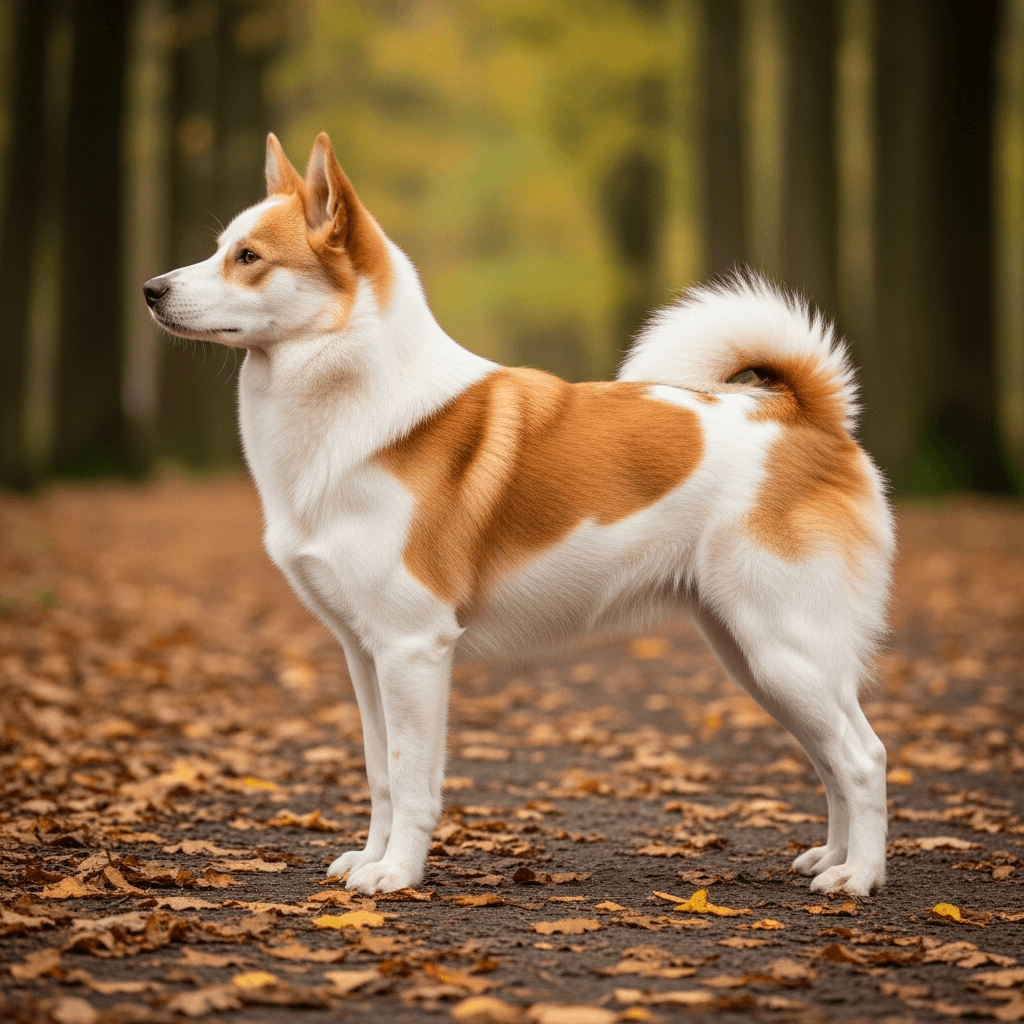
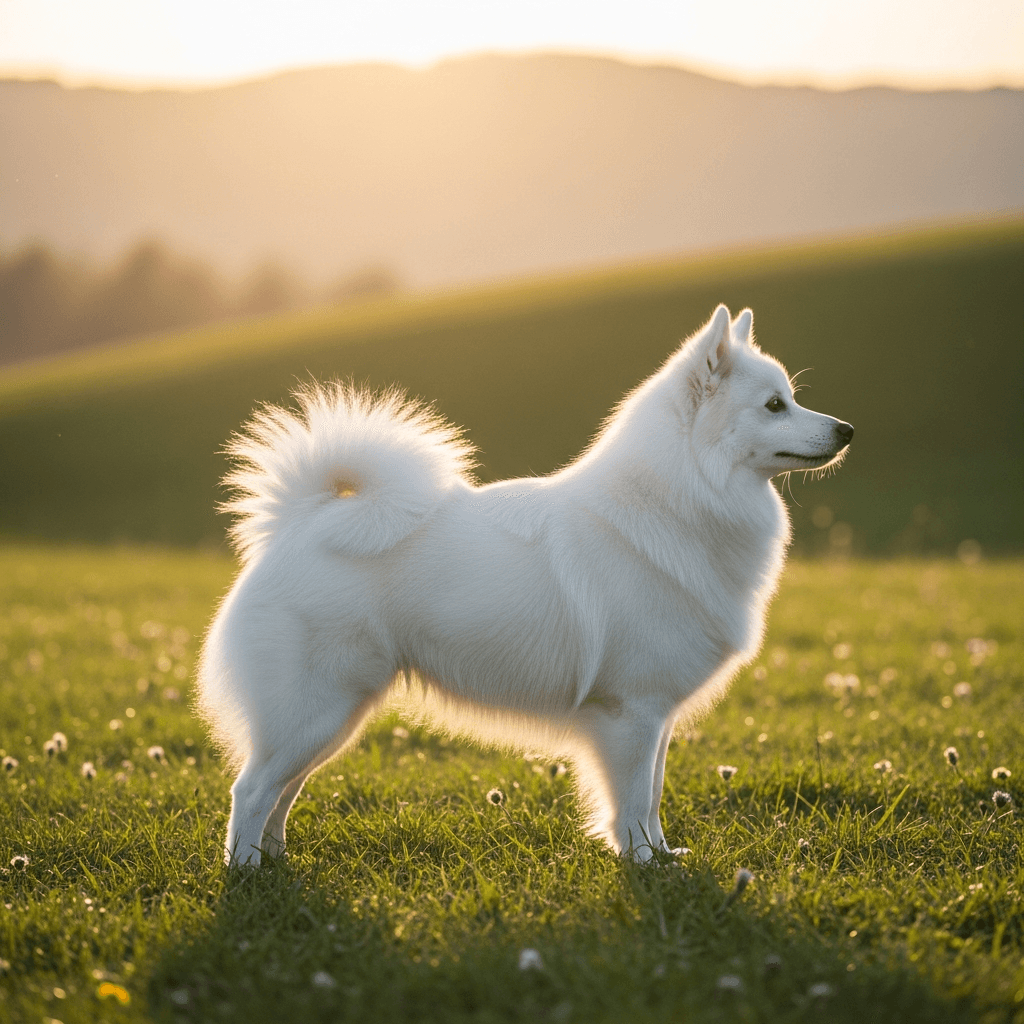
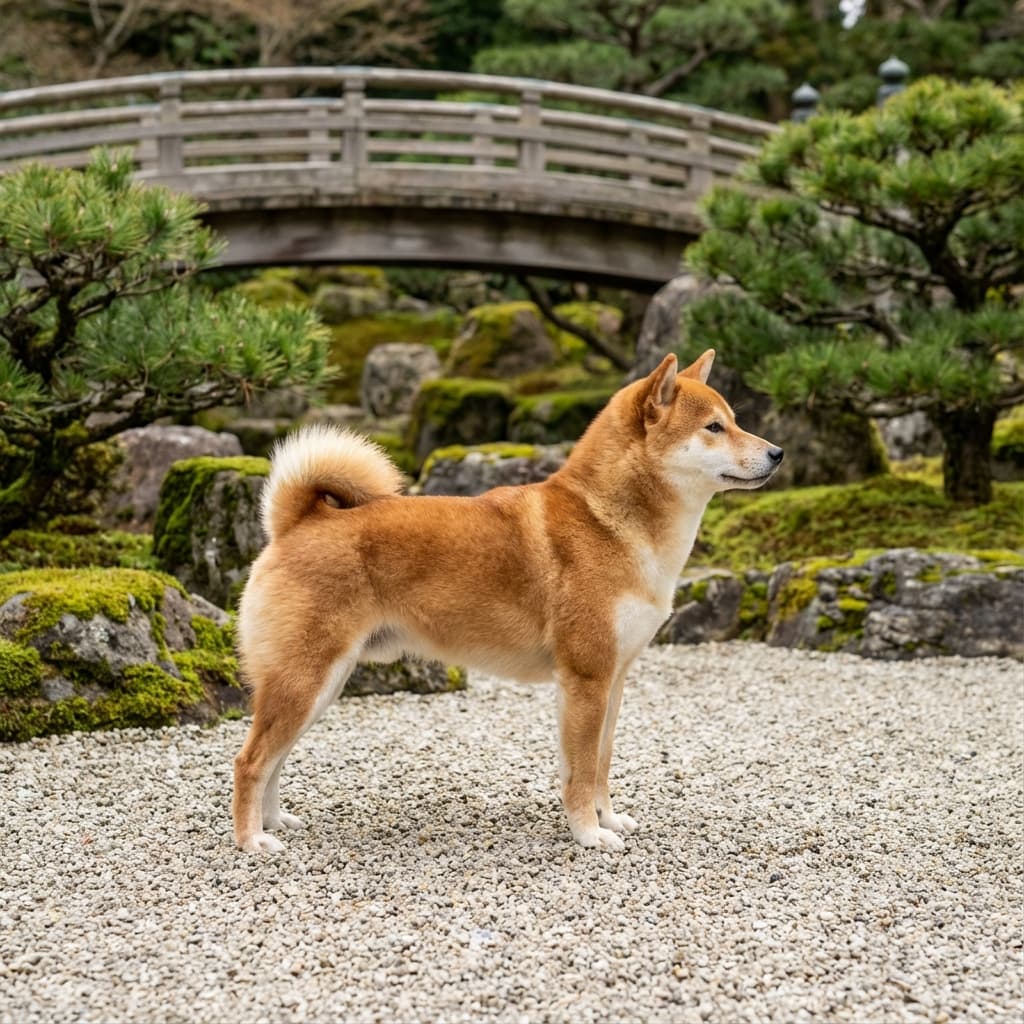
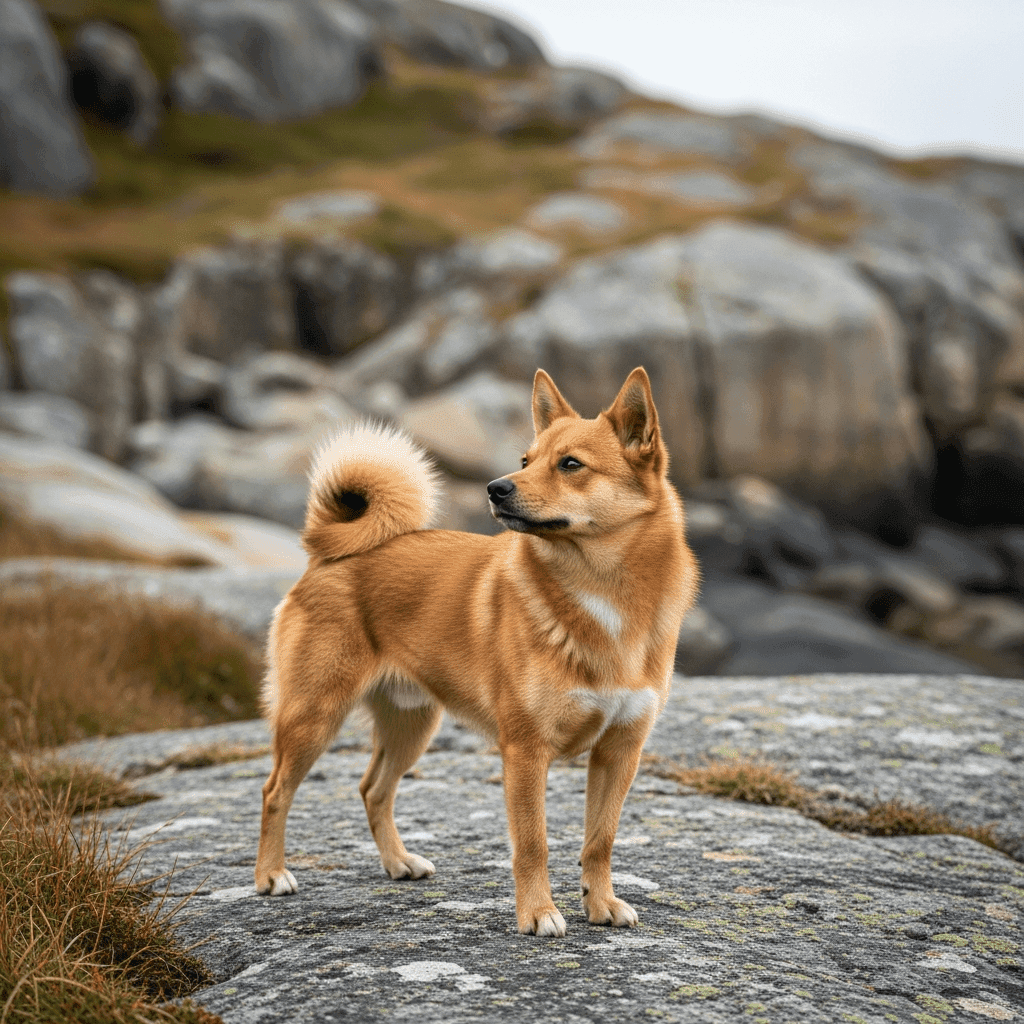
Norsk Lundehund is a small-sized dog with a characteristic rectangular silhouette, distinguished by its exceptional flexibility and light build. The height at the withers ranges from 32 to 38 cm, with males being slightly taller than females, and the weight falls between 6-7 kg, making them agile and nimble rock climbers.
Head and skull: The head is of medium width, wedge-shaped, with a slightly rounded skull and well-defined, prominent brow ridges. The muzzle is wedge-shaped, of medium length with a slight convexity on the bridge of the nose. The stop (the transition from the forehead to the muzzle) is clearly marked but not excessively deep.
Eyes and ears: The eyes are slightly slanted, colored from yellow-brown to amber, giving the dog a vigilant and intelligent expression. The ears are triangular, of medium size, held erect and exhibit extraordinary mobility – lundehunds can completely close the ear canal through a special fold of cartilage, which protects them from water and dirt during hunting in burrows.
Neck and body: The neck is of medium length, strong, covered with a rich ruff in males. Thanks to the extraordinary flexibility of the spine, the lundehund can tilt its head back so that it touches its back – a unique feature in the dog world. The body is rectangular (longer than it is high), with a strong, straight back and a slightly sloping hindquarters. The chest is deep, well-developed, providing good respiratory capacity during intense exertion. The belly is slightly tucked up.
Tail: The tail is set moderately high, richly covered with fur, carried in a ring over the back or slightly drooping when at rest.
Limbs and paws: The front and hind limbs are moderately angulated, strong, with good bone structure. The paws are the most characteristic feature of the breed – lundehunds have at least six fully functional toes on each paw (instead of the standard four), with additional toe pads, which provide them with exceptional grip on slippery, steep surfaces. Additionally, the front limbs exhibit extraordinary mobility in the shoulder joints – the dog can extend its legs almost straight out to the sides.
Coat and coloration: The coat is dense, rough, and hard to the touch, with a soft, thick undercoat providing excellent insulation against cold and moisture. There are various colorations – from reddish, through brown, black, gray, to white with dark patches or vice versa. The most commonly seen combinations are white with red or black, with distinct spots or speckles. The white color usually predominates on the limbs, belly, and around the neck.
Overall, the norsk lundehund presents itself as a compact, agile, and extremely capable Nordic dog, whose anatomical structure has perfectly adapted it to life in the challenging terrain of Norway's coastal cliffs.
Norsk Lundehund is a dog with an energetic, lively, and friendly disposition, which thrives in a family setting. It is very sociable and loves spending time with its people, especially children, towards whom it shows great patience and gentleness. Lundehunds are natural family companions – they combine the temperament of a Nordic dog with the gentleness and devotion of a household pet.
Lundehunds are intelligent dogs that quickly learn new commands and greatly enjoy play and interaction with people. Their high intelligence and curiosity about the world mean they need mental stimulation – they love problem-solving tasks, games of hide and seek, and various forms of activities that engage their senses. Without proper stimulation, they can become bored, which leads to undesirable behaviors.
Due to their high energy and cleverness, lundehunds can be somewhat exciting and sometimes overwhelming, especially if they are not properly socialized from a young age. Therefore, early socialization with other dogs, animals, and people in various environments is very important.
Lundehunds have a moderate hunting instinct, which means they may chase smaller animals like squirrels or birds, but with proper training and socialization, they can live harmoniously with other dogs and even cats. Their Nordic roots give them a certain independence in character, which may manifest as occasional stubbornness, but at the same time, they are very sensitive to their owners' emotions.
Lundehunds are very emotionally sensitive dogs and need a calm, loving environment where they feel safe. They are also known for not tolerating prolonged solitude – when left alone for extended periods, they may develop separation anxiety, leading to excessive barking, howling, or destructive behaviors. They feel best in the company of other animals or people when the owner is away from home.
These dogs are also alert and observant, making them quite good watchdogs – they will certainly alert the family to an unknown presence, although they are not aggressive towards strangers. Generally, after a short while, they warm up to new people as long as they are friendly.
In summary, the norsk lundehund is a joyful, sociable, and loving dog that brings a lot of happiness to its owners' lives. It is ideally suited for active families who are ready to provide it with the right amount of exercise, attention, and love.
Norsk Lundehund is a breed with an average lifespan of 11 to 13 years, although with proper care, diet, and regular veterinary check-ups, they can live even longer. Unfortunately, due to very low genetic diversity caused by a historical population decline (especially in the 1950s), this breed is prone to certain specific health issues.
Lundehund Enteropathy Syndrome: The most serious health issue affecting this breed is lundehund enteropathy syndrome, also known as lundehund gastroenteropathy. It is a chronic gastrointestinal disorder characterized by enteritis, diarrhea, vomiting, loss of appetite and body weight, and protein deficiencies. The disease can lead to severe malnutrition and is difficult to treat – requiring a specialized diet and ongoing veterinary care. It is estimated to affect a significant portion of the lundehund population.
Limbs Problems: Due to their unique anatomical features, such as extra toes (six instead of four) and extraordinary joint mobility, lundehunds may be prone to limb injuries, especially during intense activity on hard or uneven surfaces. It is important to provide them with a safe environment for play and to avoid excessive strain on their joints at a young age.
Sensitivity to High Temperatures: Their double, dense coat with a rich undercoat provides excellent insulation against the cold, but makes lundehunds struggle in hot conditions. They can easily overheat, so it is important to provide them with a cool, shaded place during the hottest parts of the day and constant access to fresh water.
Tendency to Obesity: Lundehunds, like many dog breeds, tend to gain weight, especially when they do not get enough exercise or are overfed. Obesity can lead to additional health problems such as diabetes, joint diseases, and heart issues. Therefore, diet control and regular physical activity are crucial for maintaining a healthy body weight.
Preventive Recommendations:
- Regular veterinary visits (at least once a year, and twice for older dogs)
- Monitoring symptoms of digestive disorders (diarrhea, vomiting, loss of appetite)
- Appropriate diet tailored to the sensitive digestive system
- Avoiding overheating on warm days
- Weight control and adequate exercise
- Maintaining joint and limb health through moderate activity
With proper care, the norsk lundehund can enjoy a long, happy, and healthy life alongside their family.
Norsk Lundehund has a dense, coarse coat with a soft, rich undercoat that requires regular but not overly time-consuming grooming. This breed sheds seasonally, especially in spring and autumn, when the shedding is most intense and requires special attention.
Brushing: During non-shedding periods, brushing two to three times a week is sufficient to remove dead hair, prevent tangling, and keep the coat in good condition. During heavy shedding (spring and autumn), daily brushing or at least every other day is recommended to effectively remove loose undercoat and speed up the shedding process. Slicker brushes and combs with metal teeth of varying lengths work best for brushing.
Bathing: Lundehunds do not require frequent baths – a bath every 2-3 months or as needed when the dog gets dirty is sufficient. Bathing too often can strip the coat of its natural oils, leading to dry skin and loss of natural moisture protection. Gentle, dog-specific shampoos should be used.
Ear care: Due to their unique ear structure (ability to close them), lundehunds tend to accumulate wax and dirt in their ear canals. Regular checking and cleaning of the ears (once a week or every two weeks) is essential to prevent infections and inflammation. Special ear cleaning solutions for dogs and gentle gauze or cotton balls should be used.
Dental care: Like many breeds, regular oral hygiene is crucial to prevent tartar buildup, gum disease, and bad breath. It is recommended to brush teeth 2-3 times a week with a special toothbrush and toothpaste for dogs, as well as to provide dental chews.
Nail trimming: Lundehunds have extra toes (six instead of four), which means more nails to care for. Nails should be regularly checked and trimmed as needed (usually once every 3-4 weeks) to prevent limb injuries, discomfort while walking, and ingrown nails. Special attention should be paid to the extra toes that do not touch the ground and do not wear down naturally.
Paw pad inspection: Due to the additional toe pads associated with the extra toes, it is worth regularly checking the paws for damage, cracks, or foreign bodies lodged between the toes.
Visits to the groomer: Although lundehunds do not require professional trimming or clipping, visits to the groomer can be helpful during heavy shedding or for owners who prefer professional assistance with coat and nail care.
Proper, regular grooming not only keeps the lundehund in excellent aesthetic and health condition but also strengthens the bond between the dog and the owner through shared time and building trust.
Norsk Lundehund is an active, energetic, and resilient breed that requires a significant amount of physical and mental activity every day. Despite their small size, these dogs possess immense energy that must be properly channeled through regular exercise and play.
Daily walks: A minimum of 60 minutes of activity per day is essential to keep the lundehund in good physical and mental condition. Ideally, this time should be divided into two or three walks (e.g., morning, noon, and evening), allowing the dog to regularly release energy. Walks should be varied – not just monotonous walking, but also brisk walking, light running, and exploring new routes.
Outdoor play: Lundehunds love playing in the park or garden, where they can run, jump, and explore their surroundings freely. They are perfect for games like fetch, frisbee, searching for hidden objects, or interactive toys that engage their senses. Due to their natural hunting and climbing instincts, they also enjoy agility exercises, dog parkour, or climbing over natural obstacles.
Excursions and hikes: Lundehunds love hiking in mountains, forests, and hilly areas, where they can fully utilize their natural climbing abilities and sense of direction. Exploring new places and scents provides excellent physical and mental stimulation. They are ideal companions for active owners who enjoy spending time outdoors.
Off-leash time: It is important to provide lundehunds with time to play freely off-leash in a safe, enclosed area where they can fully expend their energy, hunting instincts, and natural need for movement. However, it is essential to remember that lundehunds have a tendency to explore and may try to escape, especially when they catch an interesting scent or see something that piques their curiosity. Therefore, it is very important to train the dog in recall and provide a safe place for play.
Mental stimulation: In addition to physical activity, lundehunds also need mental stimulation. Their high intelligence means they quickly become bored with simple tasks. Activities such as searching games, dog puzzles, trick training, learning new commands, and scent games (e.g., nosework, searching for hidden treats) are recommended.
Preventing behavioral problems: Regular physical and mental activity not only keeps the dog healthy but also prevents many behavioral issues, such as:
- Separation anxiety and destructive behaviors
- Excessive barking and howling
- Hyperactivity and disobedience
- Frustration and boredom leading to furniture destruction
Attention to weather conditions: Although lundehunds tolerate cold and chill well due to their thick double coat, they are sensitive to high temperatures. On hot days, it is advisable to avoid intense exertion during the hottest hours (11:00 AM - 4:00 PM) and ensure the dog has access to shade and fresh water.
In summary, the norsk lundehund is a dog for active, engaged owners who are ready to provide daily physical and mental challenges. In return, they receive a loyal, joyful, and energetic companion for years to come.
Norsk Lundehund is a breed that is intelligent, quick-witted, and eager to cooperate, which makes it relatively easy to train, provided that appropriate training methods tailored to its sensitive nature are used. Lundehunds combine Nordic independence with a dog's desire to work with humans, which requires the owner to have patience, consistency, and a positive attitude.
Positive training methods: Lundehunds respond very well to training based on positive motivation, meaning they react to rewards (treats, toys, praise) and positive reinforcement of desired behaviors. Methods based on punishment, yelling, or coercion are absolutely discouraged – they can alienate a sensitive lundehund from training, cause fear or aggression, and destroy the bond with the owner.
Early start: It is important to start training at a young age (from 8-10 weeks of age), when the puppy is most open to learning and socialization. Early training helps the dog learn basic commands (Sit, Lie Down, Stay, Come, Place), good manners, and appropriate social behaviors.
Socialization: Just as important as basic training is extensive socialization – introducing the puppy to various people (children, adults, seniors), other dogs, animals, environments (city, park, forest, stores), sounds (traffic, loud noises), and situations. A well-socialized lundehund is a confident, balanced adult dog that does not react with fear or aggression to new stimuli.
Gentleness and consistency: Training should be conducted in a gentle yet consistent manner. Lundehunds quickly pick up on inconsistencies in the owner's behavior – if we allow something once and then prohibit it the next time, the dog may become confused and stop listening. Therefore, it is important for all family members to use the same rules and commands.
Short, varied sessions: Due to the intelligence and curiosity of lundehunds, short training sessions (10-15 minutes) repeated several times a day work best, rather than one long, exhausting session. Variety in exercises, play, and dynamics keeps the dog's attention and makes training a pleasure rather than a chore.
Group training: Their need for contact with the owner and other dogs makes lundehunds respond well to group training, such as obedience classes, agility, nosework, or dog dancing. In a group, they can learn from other dogs, develop social skills, and build confidence.
Control of hunting instinct: Given their strong hunting instinct and history of hunting puffins, it is important to teach lundehunds the basic rules of obedience, especially the recall command (Come). This will allow for safely letting the dog off-leash and prevent escapes in pursuit of squirrels or birds.
Independence and stubbornness: Lundehunds are known to be somewhat independent and stubborn, which is typical for Nordic dogs. Therefore, it is important to demonstrate patience, perseverance, and creativity during training. If the dog does not follow a command, it may mean that:
- It does not understand what is expected of it (needs clearer communication)
- It is bored with repetition (needs variety)
- It is distracted (needs a calmer training environment)
- It is not sufficiently motivated (needs better rewards)
Mental stimulation: Regular mental exercises, such as games to find hidden treats, problem-solving tasks, learning tricks, dog puzzles, or scent training (nosework), are excellent complements to traditional obedience training. Lundehunds love intellectual challenges and quickly learn complex sequences of actions.
Professional help: If the owner has difficulties with training or encounters behavioral problems, it is advisable to consult a professional dog trainer or behaviorist who can help tailor training methods to the individual needs of the lundehund.
In summary, the norsk lundehund is a smart and eager-to-learn dog that, with proper, positive training, can become an exemplary companion, obedient and well-mannered in any situation.
Norsk Lundehund requires a well-balanced, high-quality diet to maintain health, physical condition, and energy. Due to the breed's predisposition to digestive issues (Lundehund enteropathy), proper nutrition is particularly important and can significantly impact the dog's quality of life.
High-quality protein: The foundation of a Lundehund's diet should be high-quality animal protein, such as poultry (chicken, turkey), beef, lamb, fish (salmon, sardines), or game meat. Protein provides essential amino acids for building and repairing muscle tissues, maintaining a healthy coat, and proper immune system function.
Healthy carbohydrates and fats: The diet should also include healthy sources of carbohydrates (rice, potatoes, sweet potatoes, oats) and fats (salmon oil, flaxseed oil, poultry fat), which provide energy and support the functioning of the nervous system as well as skin and coat health. Avoid foods containing excessive artificial fillers, such as corn or wheat, which can burden the sensitive digestive system.
Sensitive digestive system: Due to the susceptibility to Lundehund enteropathy (chronic intestinal inflammation), it is especially important to choose easily digestible foods, free from artificial additives, preservatives, and colorings. Many Lundehunds do better on diets that are:
- Hypoallergenic (with a limited number of ingredients)
- Grain-free or low-grain
- Based on a single protein source
- With added probiotics and prebiotics to support healthy gut flora
Portion control and obesity prevention: Lundehunds tend to gain weight, especially when they do not get enough exercise or are overfed. Portion control and regular feeding at set times of the day (preferably 2-3 times a day) are crucial for maintaining a healthy body weight. It is important to follow the manufacturer's recommendations regarding daily portions and adjust the amount of food according to the dog's activity level, age, and condition.
Access to fresh water: Lundehunds must have constant access to fresh, clean water to prevent dehydration, especially during intense physical activity or on warm days. Regularly changing the water in the bowl is essential.
Food allergies and intolerances: Some Lundehunds may suffer from food allergies or intolerances, which manifest as skin itching, hair loss, digestive issues (diarrhea, vomiting), or ear inflammation. It is important to monitor the dog's reactions to new food and consult a veterinarian if there are any doubts to conduct allergy tests and find an appropriate elimination diet.
Supplementation: For dogs with Lundehund enteropathy, a veterinarian may recommend supplementation with vitamins (especially vitamin B12), minerals, omega-3 fatty acids, probiotics, and digestive enzymes to support digestive system function and prevent deficiencies.
Snacks and treats: Treats used during training should make up no more than 10% of the daily calorie intake. It is best to choose healthy, natural snacks (e.g., dried meat, vegetables like carrots or bell peppers) and avoid salty, fatty, or sugary products.
Consultations with a veterinarian: Due to the breed's specific nutritional needs and susceptibility to digestive issues, regular consultations with a veterinarian are recommended to tailor the diet to the individual needs of the Lundehund, especially if the dog shows symptoms of digestive disorders or other health problems.
In summary, an appropriate, balanced diet is the foundation of a Lundehund's health and with proper nutrition, the dog can enjoy a long, happy life full of energy.
Characteristic Traits
Pros
- Friendly and gentle temperament
- High intelligence and ease of training
- Excellent climbing ability
- Rarity and uniqueness of the breed
- Ideal for active families.
Cons
- Require regular and intense exercise
- Sensitive to prolonged loneliness
- Need gentle training
- Prone to Lundehund enteropathy syndrome
- Low genetic diversity.
Behavioral Ratings
Breed History
Norsk Lundehund is a dog breed with a long, rich, and fascinating history that dates back hundreds, if not thousands, of years, to the pre-Viking and Viking eras. It is one of the oldest and most unusual Nordic dog breeds, specifically bred for a very specific task – hunting puffins (Fratercula arctica) nesting in hard-to-reach crevices and burrows on the steep, rocky cliffs of the Norwegian coast.
Ancient roots: Mentions of dogs similar to lundehunds appear in Norwegian chronicles and historical records, indicating that they were used for hunting puffins over four hundred years ago (the first written references date back to the 16th century). However, their actual roots may go much further back in time – archaeological studies suggest that dogs with similar structure and function may have accompanied the inhabitants of northern Norway since the Stone Age.
Role in Norwegian society: For Norwegian fishermen and residents of coastal regions, especially the Lofoten and Vesterålen islands, lundehunds were an invaluable economic partner. Puffins were an important source of food – their meat was a staple of the winter diet in hard-to-reach, isolated coastal communities. The birds' down was either used to make quilts and pillows or exported as a valuable commodity. Lundehunds were capable of catching hundreds of birds in a single night of hunting, making them indispensable helpers.
Unique anatomy for tough tasks: Their unique body structure – six toes on each paw, extraordinary spinal flexibility (allowing them to bend their heads backward), the ability to completely close their ears, and ultra-mobile front limbs (able to spread their paws almost straight out to the sides) – all these features perfectly adapted lundehunds for climbing nearly vertical, slippery cliffs, entering narrow, winding puffin burrows, and pulling birds out alive without injury.
Population decline in the 19th and 20th centuries: Over time, with the introduction of modern hunting methods (nets, traps) and the gradual depopulation of northern coastal regions of Norway, the demand for lundehunds began to decline. In the 1880s, a ban on puffin hunting was also introduced in some areas, further reducing the need to keep these dogs.
Near extinction – distemper epidemic: The most critical moment in the breed's history was the distemper epidemic in the 1950s, which nearly wiped out the lundehund population. At one point, the breed was thought to be extinct – only a few individuals (estimates suggest just 5-6 dogs) survived on the remote island of Værøy in the Lofoten archipelago. This extremely low number of founders led to extremely low genetic diversity, which still affects the breed's health today (susceptibility to lundehund enteropathy syndrome).
Breed recovery: Thanks to the heroic efforts, determination, and commitment of Norwegian breeders and breed enthusiasts, lundehunds were saved from complete extinction. Breeding programs focused on rebuilding the population while preserving the breed's unique anatomical and character traits. This process was extremely challenging due to the very limited gene pool.
International recognition: In 1943, the norsk lundehund was officially recognized by the Norwegian Kennel Club (Norsk Kennel Klub), and in 1965 by the Fédération Cynologique Internationale (FCI). Since then, the breed has gradually gained popularity outside Norway, although it remains relatively rare worldwide.
Modern times: Today, lundehunds are valued primarily as companion family dogs and as a living symbol of Norwegian cultural heritage and natural history. They are protected as part of Norway's national heritage, and breeders worldwide are collaborating to increase the breed's genetic diversity and improve its health.
Despite many challenges, the norsk lundehund has survived and continues to fascinate dog lovers around the world with its extraordinary history, unique anatomy, and charming character. It is a living testament to the strength of the bond between humans and dogs and the importance of preserving unique breeds as part of the world's canine heritage.