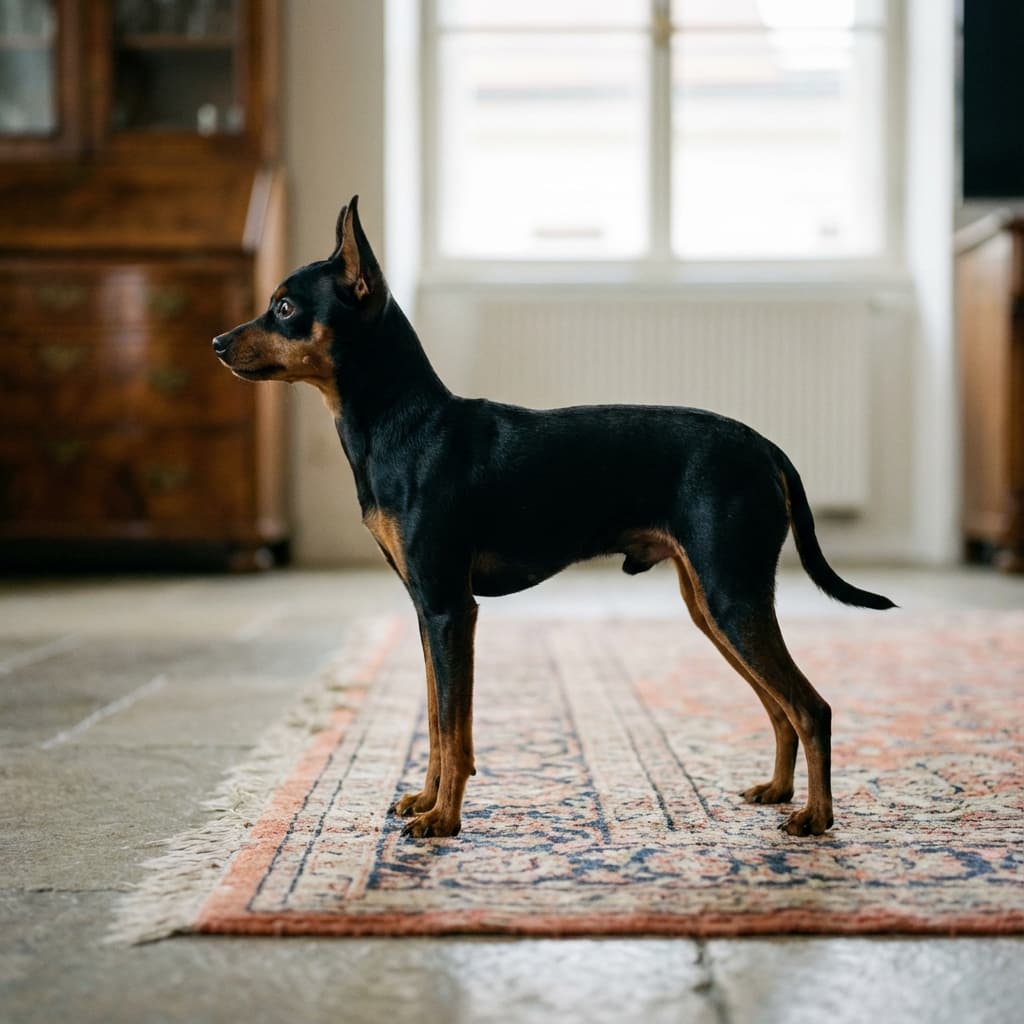
Prague Rat Terrier
FCI Group
9• FCI 363
Size
Small
Origin Country
CZ
Height
21-23 cm
Weight
2.6-2.6 kg
Lifespan
10-15 years
Temperament
Overview
The Prazsky Krysarik, also known as Prague Ratter (Prague rat paw), is one of the smallest and oldest companion dog breeds in Europe, originating from the Czech Republic. This unique little dog, reaching only 21–23 cm in height at the withers and weighing around 2.6 kg, is distinguished by its harmonious, almost square silhouette and remarkable vitality.
This breed gained popularity as early as the Middle Ages at Czech royal and aristocratic courts, where it accompanied its owners during receptions and ceremonies. The Prazsky Krysarik was also a valuable diplomatic gift given by Czech monarchs to foreign rulers. Its original task was to hunt rats and mice in castles and palaces – hence the name Krysařík, which in Czech means rat paw.
It is characterized by a gentle, affectionate, and extremely sociable temperament, making it an ideal companion for both families with children and elderly individuals. Despite its miniature size, the Prazsky Krysarik is a dog full of energy, courage, and curiosity about the world. It is intelligent, learns quickly, and eagerly participates in various activities.
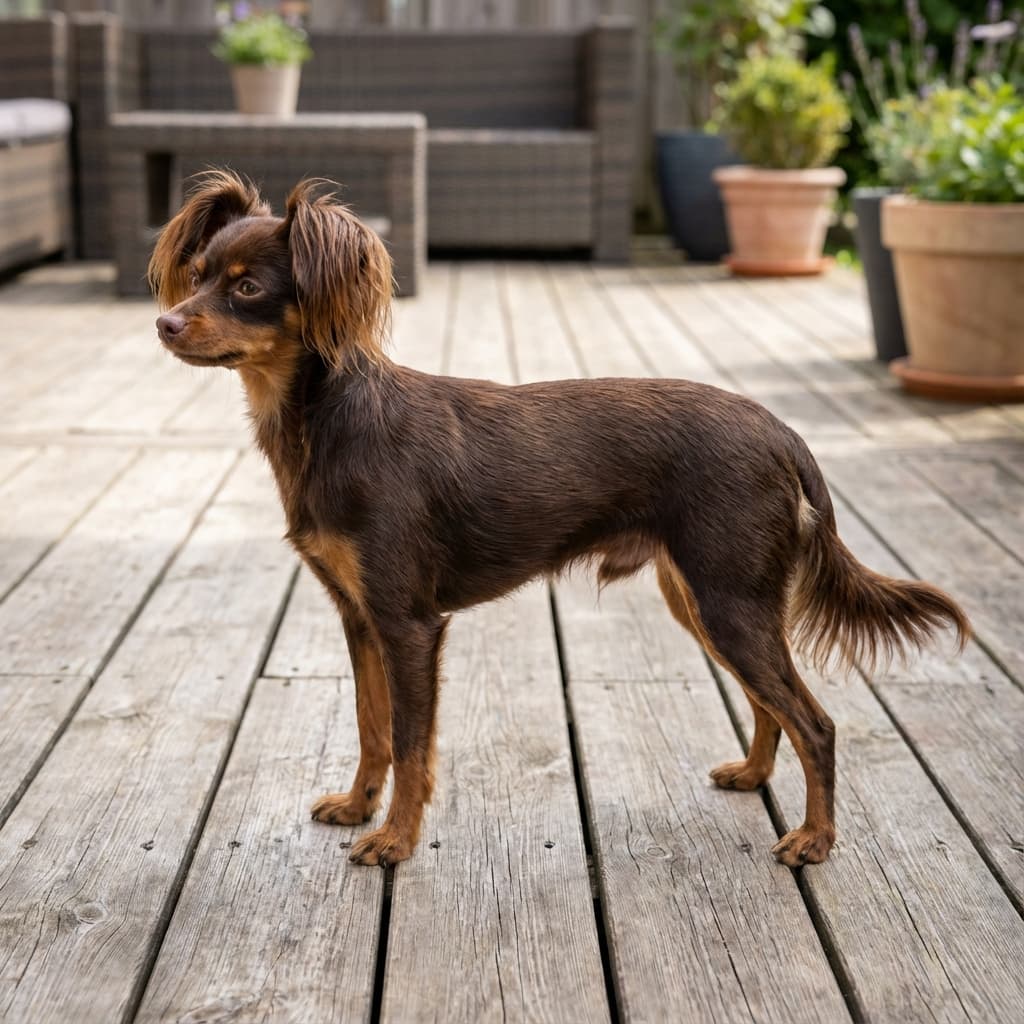
The breed features a short, smooth, or semi-long coat that shines and closely adheres to the body. It comes in black, chocolate, or blue colors with intense tan in shades of yellow or red. A distinct sexual dimorphism makes males more compact, while females may be slightly longer.
The FCI standard (no. 363) from 2019 emphasizes harmonious body proportions, elegance of lines, and healthy construction. The breed enjoys excellent health and longevity, making it an attractive choice for those looking for a healthy, long-lived companion of small size.
If you are looking for a small, active, intelligent, and devoted dog that will thrive both in an apartment and in a house with a garden, the Prazsky Krysarik could be the perfect match! Learn more about its health, grooming, exercise requirements, training, nutrition, and the fascinating history of this extraordinary Czech breed.
The Prazsky Krysarik is one of the smallest dogs in the world, characterized by a harmonious, almost square silhouette and compact body structure. According to the FCI standard, the ratio of height at the withers to body length should be 1:1.05, with females being allowed to be slightly longer.
Dimensions: Height at the withers ranges from 21 to 23 cm, and weight hovers around 2.6 kg. Despite its miniature size, the Prazsky Krysarik is a strongly built, muscular, and agile dog.
Head and muzzle: The head has a characteristic pear shape with a distinctly rounded skull and a well-defined stop. The muzzle is shorter than the skull but proportional. The nose is fully pigmented in a color corresponding to the coat – black, brown, or blue.
Eyes: Dark, round, medium-sized, widely spaced, giving the dog a vivid, intelligent expression. The eyelids are well-fitting and pigmented.
Ears: Triangular, set back on the head, slightly angled to the sides. The ears are movable and erect, emphasizing the alert nature of the breed.
Coat: Short or semi-long, smooth, shiny, and closely adhering to the body. In the semi-long variety, there are delicate fringes on the ears, legs, and tail, adding elegance.
Color: The following varieties are acceptable:
- Black with tan
- Chocolate with tan
- Blue with tan
- Red (less commonly seen)
Tan appears in intense shades of yellow or red above the eyes, on the cheeks, chest, limbs, and under the tail.
Limbs: Straight, strong, and muscular, providing free, harmonious movement. The paws are small, oval, and well-padded.
Tail: Set on the line of the back, reaching the hock. At rest, it hangs down, and in motion, it can be raised to the level of the back or slightly above, giving the dog an elegant appearance.
Prazsky Krysarik is a dog with a gentle, affectionate, and extremely sociable temperament. Despite its miniature size, it displays courage and confidence typical of working breeds. This is an intelligent, lively, and energetic dog that loves being around its family.
Family relationships: It is extremely devoted, loyal, and affectionate towards its owners. It forms very strong emotional bonds and does not cope well with prolonged solitude, which can lead to separation anxiety and behavioral issues such as excessive barking or destruction of objects.
Attitude towards strangers: It can be skeptical and reserved towards unfamiliar people, making it a good alarm dog – it will bark at sounds and people approaching the house. Proper socialization from puppyhood helps it accept new people and situations.
Relations with other animals: It gets along well with other dogs and pets, provided there is proper socialization. However, due to its strong hunting instinct (a legacy from ancestors that hunted rodents), it may chase small animals such as hamsters, rabbits, or guinea pigs. Caution should be exercised during walks in the presence of wild animals.
Temperament: Prazsky Krysarik is a active, curious, and playful dog. It loves interactive games, fetching, and playing with its owner. It is also an excellent companion for canine sports such as agility or obedience (in the mini category).
Who is this breed for?
- Families with children (but children must know how to handle a small dog)
- Older individuals looking for a calm yet lively companion
- Apartment dwellers – the breed adapts well to living in an apartment
- Active individuals who want to take their dog on walks and trips
Note: Due to its strong need for human contact, Prazsky Krysarik should not spend long hours alone. It thrives in homes where someone is present for most of the day.
The Prazsky Krysarik is a breed characterized by generally excellent health and longevity. The average lifespan is 12–14 years, although many individuals live to be 15 years or more with proper care.
Common health issues in miniature breeds: Although the Prazsky Krysarik is healthier than most dwarf breeds, it may be prone to certain health problems characteristic of small dogs:
- Dental issues – A tendency to accumulate tartar, periodontal disease, and premature tooth loss. Regular tooth brushing (preferably daily) and veterinary check-ups are crucial.
- Patellar luxation (luxatio patellae) – Sometimes occurs in miniature breeds. Symptoms include limping, hopping on three legs, or temporary bending of the hind limbs.
- Joint problems – Maintaining a proper body weight is essential to avoid excessive strain on the joints and the development of arthritis.
- Cold sensitivity – Due to their small size and thin skin, the Prazsky Krysarik is sensitive to low temperatures. It is recommended to provide protective clothing on cold days and to avoid prolonged exposure to frost.
- Hypoglycemia (low blood sugar) – Can occur in puppies and young individuals, especially after intense exercise or long intervals between meals.
Health prevention:
- Regular veterinary visits (at least once a year, twice a year for older dogs)
- Vaccinations according to the schedule
- De-worming and protection against external parasites
- Daily dental checks and regular cleaning
- Weight control – avoiding obesity
- A proper diet tailored to age, weight, and activity level
Warning signs that require a veterinary visit:
- Limping, stiffness of movement, or difficulty moving
- Loss of appetite, vomiting, or diarrhea
- Excessive scratching, skin redness
- Unpleasant breath or excessive drooling
- Changes in behavior, lethargy, weakness
With proper care, a balanced diet, and regular physical activity, the Prazsky Krysarik will be a healthy, happy companion for many years.
The Prazsky Krysarik is a breed that is easy to care for, making it an ideal choice for those who value simplicity and minimalism in dog care.
Coat brushing: This breed has a short, smooth, or semi-long coat that requires regular brushing 2–3 times a week. A soft brush or grooming glove is sufficient to remove dead hair and dirt. Brushing not only keeps the coat in good condition but also stimulates blood circulation and strengthens the bond with the dog.
Semi-long variety: For dogs with semi-long hair, special attention should be paid to the fringes on the ears, legs, and tail, which can become tangled. Gentle combing will prevent matting.
Bathing: The Prazsky Krysarik does not require frequent baths – once every 4–6 weeks or as needed (e.g., after a walk in rainy weather). It is important to use gentle shampoos designed for dogs to avoid disrupting the skin's natural protective layer. Too frequent washing can lead to dry skin and irritation.
Ear care: The ears of the Prazsky Krysarik should be checked weekly for dirt, excess wax, or signs of infection (unpleasant odor, redness). Cleaning should be done with a gentle ear cleaning solution available in pet stores.
Nail trimming: If the nails do not wear down naturally during walks on hard surfaces, they should be trimmed every 3–4 weeks using dog clippers or a file. Overly long nails can lead to walking problems and discomfort.
Oral hygiene: Due to a tendency for dental issues, daily tooth brushing with dog toothpaste is essential. Dental chews and special treats that support oral health can also be used.
Eyes: It is important to regularly check the eyes for excessive tearing, redness, or discharge. Gently wiping with a damp gauze will help keep the eye area clean.
Protection from the cold: On chilly days, it is advisable to dress the Prazsky Krysarik in warm clothing (jackets, sweaters) to protect it from getting cold during walks.
With simple care, the Prazsky Krysarik will remain healthy, tidy, and looking beautiful without excessive effort.
The Prazsky Krysarik is a dog full of energy and life, who needs regular physical activity to stay healthy, happy, and mentally balanced.
Daily dose of exercise: Despite its small size, the Prazsky Krysarik requires at least 30–60 minutes of activity daily. Ideally, this should be a combination of walks, play, and interaction with the owner.
Walks: It is recommended to have 2–3 walks a day – one longer (20–30 minutes) and several shorter ones (10–15 minutes). The Prazsky Krysarik loves to explore its surroundings, sniff, and discover new places, which stimulates its mind and satisfies its natural curiosity.
Play at home and in the garden: The Prazsky Krysarik loves interactive games such as:
- Fetching – bringing back balls, plush toys, or frisbees
- Tug-of-war – great fun that strengthens muscles and bonds
- Finding treats – hiding goodies around the house or garden, which develops the sense of smell
- Interactive toys – dog puzzles, balls with hidden treats
Canine sports: Due to its intelligence and agility, the Prazsky Krysarik excels in:
- Agility (mini obstacle courses)
- Obedience (training)
- Trickdog (learning tricks and stunts)
- Nosework (scent work)
Attention to weather conditions:
- In winter: Due to sensitivity to low temperatures, avoid prolonged walks on freezing days. Dress the dog in warm clothing.
- In summer: Walk during cooler parts of the day (morning, evening) to avoid overheating. Always provide access to fresh water.
Need for companionship: The Prazsky Krysarik is a social dog that does not like being alone. It is worth taking it with you on walks, trips, and various outdoor activities. Due to its small size, it travels easily in a pet carrier or dog backpack.
Benefits of regular activity:
- Maintaining a healthy body weight
- Healthy joints and muscles
- Better mental well-being
- Preventing behavioral problems (excessive barking, destruction)
- Strengthening the bond with the owner
A well-planned physical and mental activity will ensure that the Prazsky Krysarik remains a happy, healthy, and perfectly balanced companion.
The Prazsky Krysarik is a smart, eager to learn, and easy to train dog that quickly absorbs new commands and tricks. Its natural curiosity and willingness to cooperate make training enjoyable for both the dog and the owner.
Starting training: Training should begin at a young age – ideally at 8–10 weeks old. The sooner the puppy learns basic commands and rules of coexistence, the easier it will be to raise a well-trained adult dog.
Training methods – positive reinforcement: The Prazsky Krysarik responds best to positive reinforcement, which means rewarding desired behaviors. Effective rewards include:
- Treats – small, soft bites as an immediate reward
- Verbal praise – a cheerful, enthusiastic tone of voice
- Play – a favorite toy as a form of reward
- Affection – petting and tenderness
Avoid punishment and harsh methods: Physical punishment or yelling can lead to fear, insecurity, and loss of trust. The Prazsky Krysarik is emotionally sensitive and responds much better to positive motivation than to pressure.
Basic commands to teach:
- Sit – a basic obedience command
- Stay – teaching patience and self-control
- Come – recall, crucial for safety
- Lie down – calming and relaxing
- Leave it – giving up dangerous objects
- Heel – walking by your side without pulling on the leash
Socialization – the key to success: The Prazsky Krysarik can be skeptical of strangers, which is why early socialization is extremely important. The puppy should be gradually introduced to:
- New people (of different genders, ages, and appearances)
- Other dogs and animals
- Different places (parks, streets, shops, means of transport)
- Various sounds (cars, children, loud noises)
Length of training sessions: Due to limited attention span (typical for miniature breeds), training sessions should last 5–10 minutes and occur several times a day. Short, intense sessions are much more effective than long and tiring ones.
Consistency and patience: The key to success is consistency in expectations. All family members should use the same commands and rules. Patience and a positive attitude will help the dog learn faster and more eagerly.
House training: Prazsky Krysarik puppies learn cleanliness relatively quickly, but they require regular outdoor trips (every 2–3 hours) and immediate rewards after relieving themselves in the appropriate place.
Behavioral problems and their solutions:
- Excessive barking – Teach the Quiet command and reward calm behavior
- Separation anxiety – Gradually acclimate the dog to short absences
- Skepticism towards strangers – Socialization and positive experiences with new people
With proper training and socialization, the Prazsky Krysarik will become not only an obedient dog but also a confident, sociable, and perfectly integrated member of the family.
Proper nutrition is a key element in maintaining the health and longevity of the Prazsky Krysarik. Due to its small size and fast metabolism, this breed requires a specially tailored diet.
High-quality food: The best choice is premium or super-premium food designed for miniature breeds. It should contain:
- High-quality animal protein (chicken, turkey, beef, fish) as the first ingredient
- Healthy fats (omega-3 and omega-6) that support skin and coat health
- Carbohydrates (rice, sweet potatoes) as an energy source
- Vitamins and minerals (calcium, phosphorus, vitamins A, D, E) that support bone and immune system health
- No artificial colors, preservatives, or fillers
Meal frequency: Due to their small size and susceptibility to hypoglycemia (low blood sugar), Prazsky Krysarik should receive 2–3 small meals a day instead of one large meal. This division ensures a stable energy level throughout the day.
Portions adjusted to weight and activity: The average daily portion of food for an adult Prazsky Krysarik (approx. 2.6 kg) is 50–80 grams of dry food, depending on the activity level. Always check the manufacturer's recommendations on the packaging.
Weight control – avoiding obesity: Prazsky Krysarik has a tendency to gain weight, so it is crucial to:
- Weigh the dog regularly (every 2–4 weeks)
- Avoid overfeeding and excessive treats
- Monitor the amount of food – do not give more than the recommended dose
- Treats should not exceed 10% of the daily calorie intake
Access to fresh water: Prazsky Krysarik should have constant access to fresh, clean water. Water bowls should be refilled several times a day and cleaned regularly.
Healthy snacks and supplements: You can enrich your dog's diet with:
- Fresh fruits – apples (without seeds), blueberries, watermelon
- Vegetables – carrots, broccoli, pumpkin (cooked or raw)
- Lean meat – cooked chicken or turkey (without seasoning)
- Natural chews – dried pig ears, beef tendons
Toxic products – NEVER feed:
- Chocolate – contains theobromine, which is deadly toxic to dogs
- Onion and garlic – destroy red blood cells
- Grapes and raisins – cause kidney failure
- Avocado – contains persin, toxic to dogs
- Xylitol – an artificial sweetener that causes hypoglycemia
- Poultry bones – can easily splinter and injure the esophagus
Adjusting the diet to age:
- Puppies (2–12 months): Puppy food for miniature breeds, rich in protein and calories to support growth
- Adult dogs (1–7 years): Adult dog food for small breeds, balanced for energy and nutrients
- Seniors (over 7 years): Senior dog food, with reduced calories and added ingredients to support joints
Supplementation (if recommended by a veterinarian):
- Omega-3 – supports skin, coat, and joint health
- Glucosamine and chondroitin – support joint health in older dogs
- Probiotics – support digestive health
With a properly balanced diet, portion control, and avoidance of harmful products, the Prazsky Krysarik will enjoy excellent health, energy, and a long life.
Characteristic Traits
Pros
- One of the smallest dogs in the world
- perfect for apartment living
- Gentle and sociable temperament
- excellent for families
- Intelligent and easy to train
- Great health and longevity
- Low maintenance due to short coat
- Low dietary requirements due to small size.
Cons
- Requires regular activity despite small size
- poorly tolerates loneliness
- prone to separation anxiety
- sensitive to low temperatures
- needs winter clothing
- tendency to dental problems
- requires regular teeth cleaning
- distrustful of strangers
- needs early socialization
- strong hunting instinct
- may chase small animals.
Behavioral Ratings
Breed History
The Prazsky Krysarik, also known as Prague Ratter (Prague rat paw), is one of the oldest companion dog breeds in Europe, with roots dating back to the medieval period in the Czech Republic. This breed has a rich and fascinating history associated with Czech monarchs and aristocracy.
The origins of the breed – rat hunting: The Prazsky Krysarik was originally bred as a rodent hunting dog – for rats and mice, which posed a significant problem in medieval castles, palaces, and urban tenements. Due to its small size, agility, and keen senses, this dog was an indispensable helper in controlling rodent populations. Hence the name Krysařík – in Czech, the word krysa means rat.
Favorite of kings and aristocracy: Since the 14th century, the Prazsky Krysarik appears in historical documents related to Czech kings and nobility. This dog was a frequent guest at the royal court in Prague, accompanying monarchs during receptions and feasts. According to legend, the Prazsky Krysarik was also used to test food for poison – its sensitive sense of smell and small size allowed it to quickly detect dangerous substances.
A diplomatic gift: Czech monarchs often offered the Prazsky Krysarik as a valuable diplomatic gift to foreign rulers. This way, the breed made its way to European courts, where it gained recognition and popularity among the aristocracy.
Decline in popularity: In the 18th and 19th centuries, the popularity of the Prazsky Krysarik gradually declined, and the breed was pushed to the margins by other fashionable small dog breeds, such as the King Charles Spaniel and Yorkshire Terrier. For a time, the breed was close to extinction.
Revival in the 1980s: In 1980, intensive efforts began to recreate and protect the Prazsky Krysarik breed. Czech breeders, based on preserved historical documents and rare individuals, successfully brought the breed back to life. Thanks to their efforts, the Prazsky Krysarik regained its former glory and began to win the hearts of dog lovers once again.
International recognition: In 2019, the Fédération Cynologique Internationale (FCI) officially recognized the Prazsky Krysarik as a breed and assigned it the standard number 363 in group 9 (companion dogs), section 9 (continental toy spaniels, Russian toy, and Prague rat paw).
Prazsky Krysarik today: Currently, the breed enjoys growing popularity not only in the Czech Republic but also in many European countries and around the world. It is valued as a companion dog with a gentle temperament, excellent health, and low grooming requirements. Canine organizations and breeders work to maintain the breed's purity, health, and fidelity to the historical standard.
The Prazsky Krysarik is a living heritage of Czech canine culture – a dog that has accompanied people for centuries and, thanks to the dedication of breeders, has survived to this day, continuing to delight with its charm and loyalty.