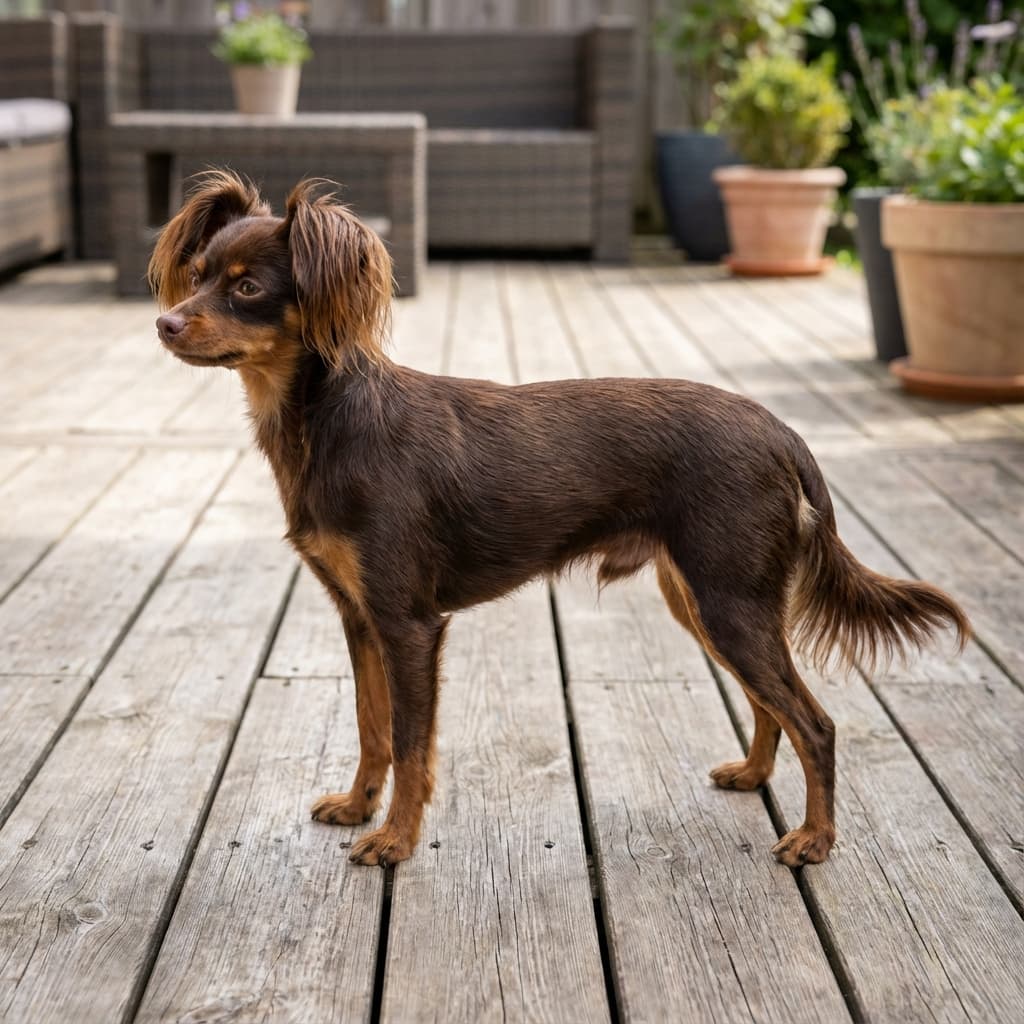
Russian toy
FCI Group
9• FCI 352
Size
Small
Origin Country
XX
Height
20-28 cm
Weight
N/A
Lifespan
10-12 years
Temperament
Overview
The Russian Toy, also known as Russkiy Toy, is an incredibly charming and energetic companion dog with a fascinating history dating back to the early 20th century. At that time, the English Toy Terrier became one of the most popular miniature breeds in Russia, quickly winning the hearts of the aristocracy with its charm and temperament. Unfortunately, from 1920 to 1950, the breeding of these dogs nearly vanished, and their population dropped to a critical level. It was not until the mid-1950s that Russian breeders decided to revive the breed, leading to the emergence of two varieties: short-haired and long-haired, with impressive feathering on the ears and limbs.
These small, elegant dogs are characterized by a harmonious body structure, with a length similar to their height at the withers. They have long, slender legs and a delicate yet strong body construction. Their temperament is lively, cheerful, and full of energy, making them ideal companions for those seeking a loyal friend. The Russian Toy is extremely attached to its owners and loves to spend every free moment with them. Thanks to their sociability, they adapt well to small apartments and make excellent companions for both singles and families.
Despite their small size, the Russian Toy is a smart and quick-learning dog, although it requires consistent training based on positive reinforcement. Their exercise needs are moderate, making them an ideal choice for those who prefer a calmer lifestyle. However, regular walks and playtime are essential for their physical and mental health. These dogs have a strong territorial instinct and will alert their owners to suspicious sounds, although they may be wary of strangers.
With their extraordinary charm, loyalty, and devotion, the Russian Toy has won the hearts of families around the world. We invite you to continue exploring this unique breed – learn more about its health, grooming, nutritional needs, and fascinating history. This is a dog that is impossible not to love, and its unique traits make it an irreplaceable companion for many years to come.
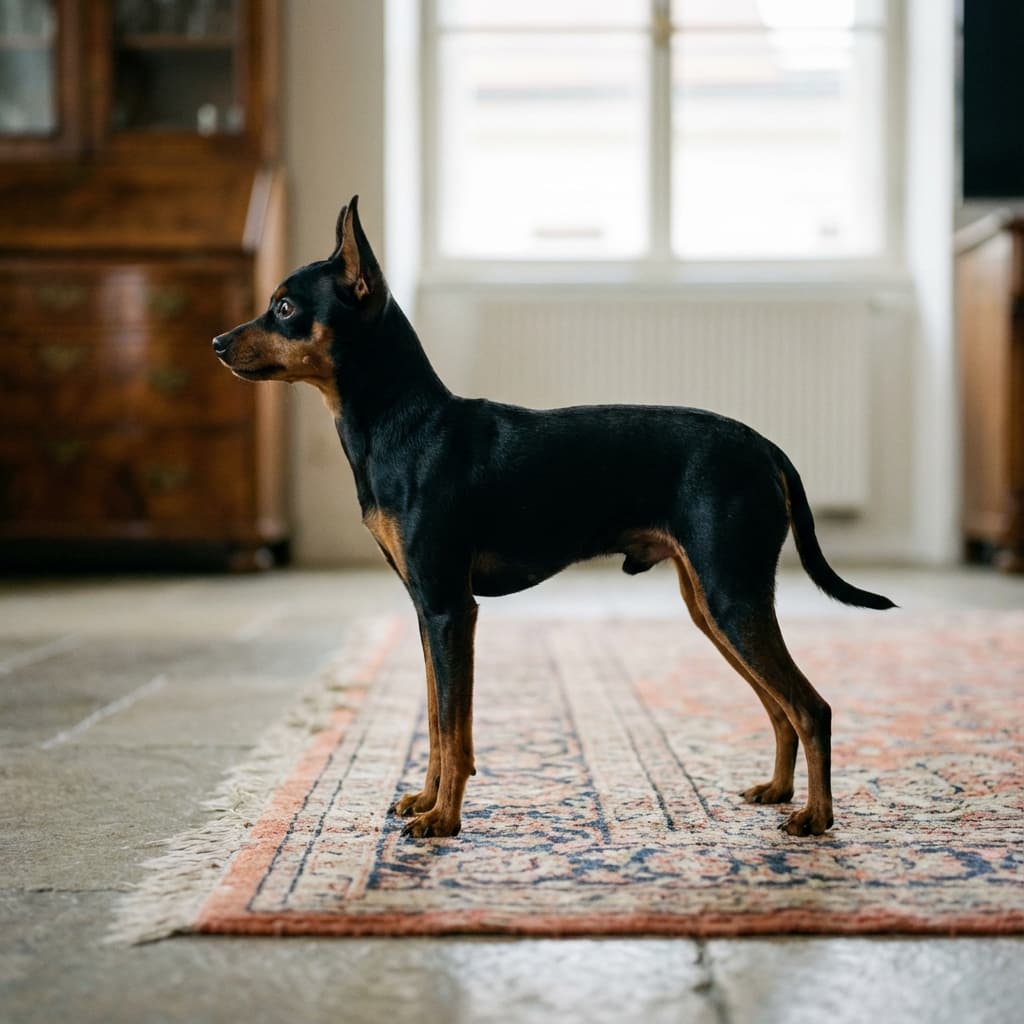
The Russian Toy is a small dog with an elegant and harmonious silhouette that immediately catches the eye. Its height at the withers ranges from 20 to 28 cm, and its weight usually does not exceed 3 kg, although according to the FCI standard, the height should be 20-28 cm (actual physical data may be adjusted according to FCI). These dogs are characterized by long, slender legs and a slightly elongated silhouette, giving them a unique, almost ballet-like appearance.
The head of the Russian Toy is small, with a wedge-shaped head and a clearly defined stop. The eyes are large, rounded, dark, and very expressive, giving them an intelligent, curious expression. The ears are one of the most distinctive features of the breed – they are large, delicate, set high, and erect, adding charm and alertness to the dog's face.
The coat of the Russian Toy comes in two varieties:
- Short-haired – smooth, short, closely adhering to the body, shiny
- Long-haired – coat length on the body is 3-5 cm, with characteristic impressive feathers on the ears and fringes on the limbs
The coloration of the Russian Toy is diverse and includes:
- Black with tan
- Brown with tan
- Blue with tan
- Lilac with tan
- Various shades of red – from light cream to intense red
Their appearance is not only extremely attractive but also reflects their energetic, joyful temperament and aristocratic heritage.
The Russian Toy is a dog with a particularly sociable, lively, and energetic character. Its temperament is cheerful, and its attachment to the owner is almost legendary – these little dogs love to be the center of attention and spend every moment in the company of their loved ones. They are extremely loyal and eager to play, making them ideal companions for both singles and families with children (provided that the children are gentle and understand the needs of a small dog).
The Russian Toy is curious and eager to explore its surroundings, but it may show some reserve or distrust towards strangers. Early socialization is crucial to prevent anxiety and excessive caution towards new people. Despite its small size, these dogs have a strong territorial instinct and serve well as little guardians – they will alert their owners to suspicious sounds or the presence of strangers.
The Russian Toy does not tolerate loneliness and may become destructive, anxious, or overly noisy if left alone for too long. These dogs need close contact with people and regular mental stimulation to maintain their mental and physical health. Owners should remember that this is a companion dog that requires daily interaction, play, and attention.
When interacting with other animals, the Russian Toy is usually friendly, especially if it has been properly socialized from a puppy. However, due to its terrier temperament, it may display courage that exceeds its size and try to dominate larger dogs, which requires the owner's vigilance during walks.
The Russian Toy is generally a healthy and resilient breed, but like many small dogs, it can be prone to certain hereditary health issues. The average lifespan of this little dog ranges from 10 to 15 years, which is typical for miniature breeds. With proper care, a healthy diet, and regular veterinary visits, the Russian Toy can enjoy a long and vigorous life.
Common health issues to watch for:
- Luxating patella – common in small breeds, it can cause limping and pain
- Progressive retinal atrophy (PRA) – a hereditary eye disease leading to gradual vision loss
- Dental and oral diseases – Russian Toys are prone to dental problems, so regular oral hygiene is essential
- Sensitivity to cold and heat – due to their small size and delicate structure, these dogs require protection from extreme temperatures
- Bone fractures – their delicate body structure makes them susceptible to mechanical injuries, especially young puppies
It is also good to monitor the weight of the Russian Toy, as although the breed is not particularly prone to obesity, regular exercise and a balanced diet are important for maintaining good condition. Regular veterinary visits, vaccinations, and parasite prevention are the foundation of every dog's health.
It is also worth remembering about mental health protection – the Russian Toy needs mental stimulation and close contact with its owner to avoid stress and behavioral problems.
Taking care of a Russian toy is relatively easy and does not require complicated procedures, especially in the case of the short-haired variety. The level of required grooming depends on the length of the coat:
Short-haired variety:
- Brush once a week with a soft brush or rubber glove to remove dead hair
- The coat is smooth, close-fitting, and naturally shiny, so it does not require frequent brushing
- Minimal shedding – practically invisible
Long-haired variety:
- Brush 2-3 times a week to prevent matting
- Particular attention should be paid to the beautiful feathers on the ears and the fringes on the limbs
- Use a gentle brush or a wide-toothed comb
- Regular combing will help keep the coat in excellent condition
Bathing: Should be done only as needed (usually once every 4-6 weeks), using gentle, hypoallergenic shampoos designed for dogs. After bathing, thoroughly dry the dog with a towel or a hairdryer on a low setting, as the Russian toy is sensitive to cold.
Oral hygiene: Due to susceptibility to dental diseases, daily tooth brushing is extremely important. Use toothpaste and a toothbrush designed for dogs. Dental chews can also be used.
Nails: Regularly trim the nails (every 2-3 weeks) to avoid overgrowth, which can cause discomfort and walking problems.
Ears: Check and clean the ears regularly (once a week) to keep them free from dirt and moisture. Use special ear cleaning solutions for dogs.
Eyes: Regularly check the eyes and gently wipe them with a damp cotton pad to remove any discharge.
Although the Russian Toy is a dog with relatively moderate exercise needs, regular movement and activity are essential for its physical and mental health. The minimum amount of exercise it should receive is 30-45 minutes a day, divided into several shorter sessions.
Types of activities suitable for the Russian Toy:
- Short walks – 2-3 walks a day around the neighborhood (10-15 minutes each)
- Indoor play – fetching toys, interactive games, searching for treats
- Mental stimulation – dog puzzles, obedience training, learning new tricks
- Socialization – meetings with other dogs (under control, due to its delicate build)
The Russian Toy does well in small apartments, as its exercise needs can also be met through indoor play. However, this does not mean that the dog should be completely confined to four walls – regular outings in the fresh air are extremely important for preventing boredom and behavioral problems.
Important notes:
- Due to its delicate body structure, avoid overly intense activities, jumping from heights, or playing with large dogs
- On cold days, dress the dog in a coat or sweater to protect it from the cold
- On hot days, avoid walks during peak hours – choose early morning or evening
- Always carry water with you during longer walks
Playing together is also a great way to satisfy the need for movement and mental stimulation, while strengthening the bond between the dog and the owner.
Training a Russian toy is a key element of its upbringing and socialization. This breed is intelligent and learns new commands quickly, but it may exhibit traits typical of small dogs with a terrier temperament, such as stubbornness, a tendency to dominate, or selective listening.
Basic training principles:
- Positive reinforcement – use rewards, praise, and treats to motivate the dog to cooperate
- Consistency – be consistent in rules and do not allow behaviors that you will want to prohibit later
- Short sessions – small dogs have a shorter attention span, so training sessions should last 5-10 minutes several times a day
- Patience – the Russian toy can be stubborn, but with the right approach, it quickly absorbs knowledge
Early socialization is extremely important for the Russian toy. Introduce the puppy to various situations, sounds, places, and people from a young age to prevent fearfulness and excessive caution towards strangers. A well-socialized dog will be confident, calm, and friendly.
Basic commands to teach:
- Sit
- Stay
- Come
- Lie down
- Leave it
Common training challenges:
- Barking – the Russian toy can be noisy, so it's worth teaching the Quiet command early on
- Separation from the owner – work on gradually getting the dog used to short periods of solitude
- Walking on a leash – teach the dog to walk calmly on a leash without pulling
With the right approach, training can be a pleasure for both the dog and the owner, while also strengthening the bond between them.
A proper diet is extremely important for the health, condition, and longevity of the Russian toy. Due to their small size and fast metabolism, their nutritional needs differ from larger breeds and require special attention.
Basic nutrition guidelines:
- Feed with high-quality food tailored to the size, age, and activity level of the dog
- Choose food dedicated to miniature breeds with smaller kibble, easier to chew
- Portions should be adjusted to the dog's weight (usually 40-60 g of dry food per day for an adult dog weighing 2-3 kg)
- Divide the daily food allowance into 2-3 smaller meals to prevent hypoglycemia, to which small breeds are prone
Food composition – what to pay attention to:
- High-quality protein (chicken, turkey, fish) as the main ingredient – at least 20-25%
- Healthy fats – omega-3 and omega-6 for healthy skin and shiny coat
- Vitamins and minerals – calcium and phosphorus for healthy bones and teeth
- Avoid artificial colors, preservatives, and fillers
Oral health: Due to susceptibility to dental diseases, consider adding to the diet:
- Dry kibble that helps mechanically clean teeth
- Special dental chews
- Occasionally raw carrot or apple (in small amounts)
Access to water: The Russian toy should have constant access to fresh, clean water, especially if fed dry food.
Weight control: Regularly monitor the dog's weight and adjust portions as needed. The Russian toy is not particularly prone to obesity, but regularly check its condition to prevent overweight or underweight issues.
Prohibited products:
- Chocolate
- Onion and garlic
- Grapes and raisins
- Avocado
- Xylitol (artificial sweetener)
- Cooked bones (can splinter and cause choking)
Regular meals at fixed times will help maintain a healthy weight and prevent digestive problems.
Characteristic Traits
Pros
- Easy to care for
- Ideal for small apartments
- Sociable and friendly
- Intelligent and quick to learn
- Loyal and devoted to the owner.
Cons
- Requires consistent training
- Can be noisy
- Needs a lot of attention and does not tolerate loneliness
- Sensitive to cold and heat
- Delicate body structure.
Behavioral Ratings
Breed History
The Russian Toy, also known as Russkiy Toy, has a fascinating and eventful history that dates back to the early 20th century. This breed descends from the English Toy Terrier, which was extremely popular among the Russian aristocracy and the wealthy bourgeoisie. These small, elegant dogs were originally bred for hunting rats and mice, but their extraordinary charm, personality, and delicate appearance quickly made them favorites in salons and homes.
In the 1920s, during the rise of communism and the Bolshevik revolution, the breeding of purebred dogs was seen as a manifestation of bourgeois lifestyle. The number of Russian Toys drastically declined, and the breed nearly became extinct. Many bloodlines were lost, and the dogs that survived often lacked complete pedigrees.
It was not until the mid-1950s that Russian breeders made heroic efforts to revive the breed. Since very few pure English Toy Terriers survived, breeders had to work with dogs of unclear ancestry. As a result, a breed with characteristics distinguishing it from its English ancestor emerged – the Russian Toy became a distinct breed with its own standard.
On October 12, 1958, something remarkable happened: a pair of short-haired Russian Toys gave birth to a puppy with striking feathers on its ears and limbs. Breeder Evgeniya Fominichna Zharova decided to preserve this trait and started a breeding program that led to the creation of the long-haired variety of the breed, initially called the Moscow Long-Haired Toy Terrier.
In 2006, the Fédération Cynologique Internationale (FCI) officially recognized the breed, and in 2017, it approved an updated standard. Thanks to the efforts of breeders, the Russian Toy has survived and is now enjoying increasing popularity not only in Russia but also throughout Europe, North America, and Asia.
The history of the Russian Toy is a testament to the perseverance, determination, and passion of people who sought to save this unique breed from oblivion. Today, the Russian Toy is a valued companion dog that embodies elegance, intelligence, and devotion, reminding us of its aristocratic heritage.