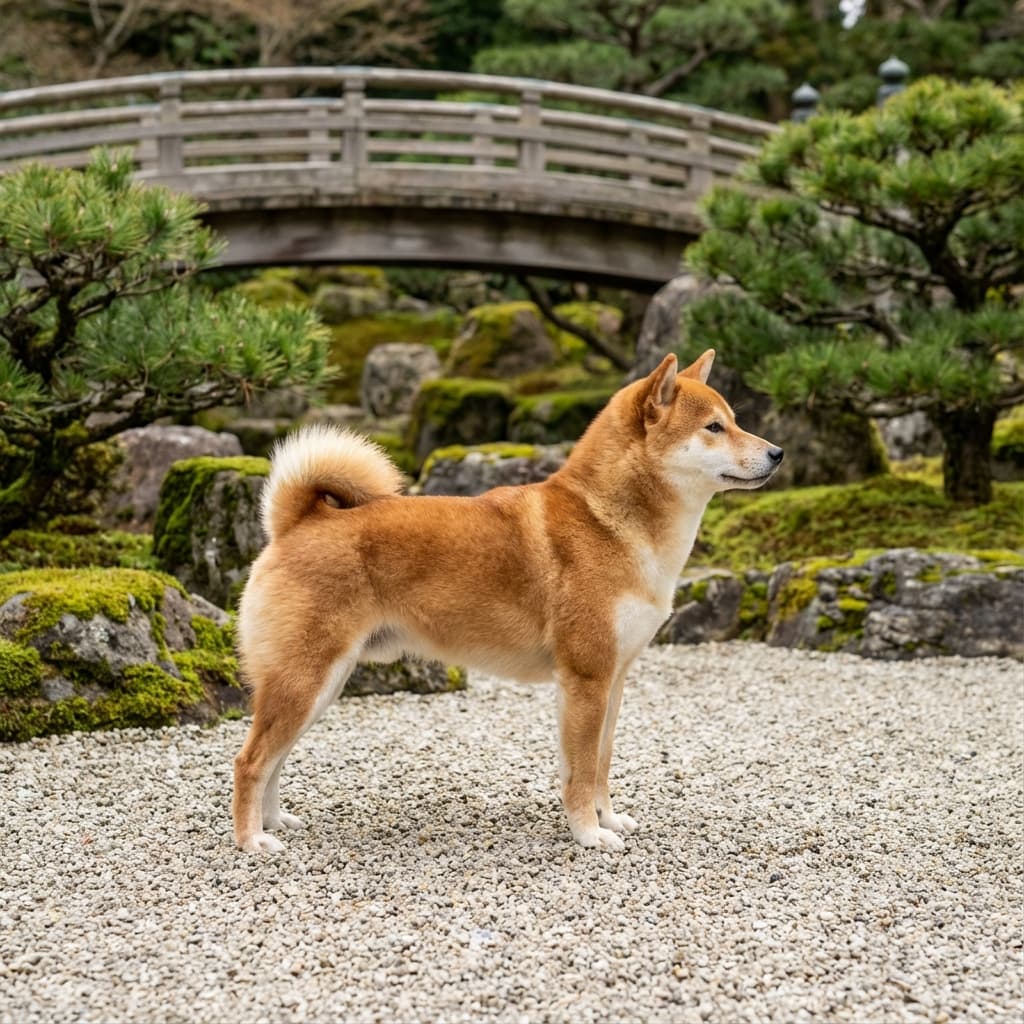
Shiba
FCI Group
5• FCI 257
Size
Small
Origin Country
JP
Height
36.5-39.5 cm
Weight
6-10 kg
Lifespan
13-16 years
Temperament
Overview
Shiba Inu is one of the oldest and most recognizable dog breeds, with roots in the mountainous regions of central Japan. The Japanese word shiba means small, which perfectly reflects the small size of this energetic dog. Shiba Inu, resembling a small fox, has captured the hearts of dog lovers around the world. Its simple, rough coat and distinctive curled tail attract attention and add to its unique charm.
In terms of character, Shiba Inu is independent and sometimes stubborn, which requires the owner to have patience, consistency, and determination in training. Despite its independence, it is very loyal to its family, making it an excellent companion for responsible guardians. With a well-developed hunting instinct, Shiba Inu is extremely alert and attentive to its surroundings, making it a good watchdog.
Shiba Inu is a dog that requires constant stimulation, both physical and mental. Its moderate playfulness makes it eager to participate in activities that it finds interesting and appealing. It is ideally suited for active individuals who are willing to dedicate time to its play, training, and daily walks.
Over the last two centuries, Shiba Inu has gained immense popularity outside of Japan, and its small size makes it suitable for apartment living. As long as its activity needs are fully met, it can become a wonderful companion for both families with children and singles. With the right understanding and approach, Shiba Inu offers not only challenges but, above all, a lot of joy and satisfaction.
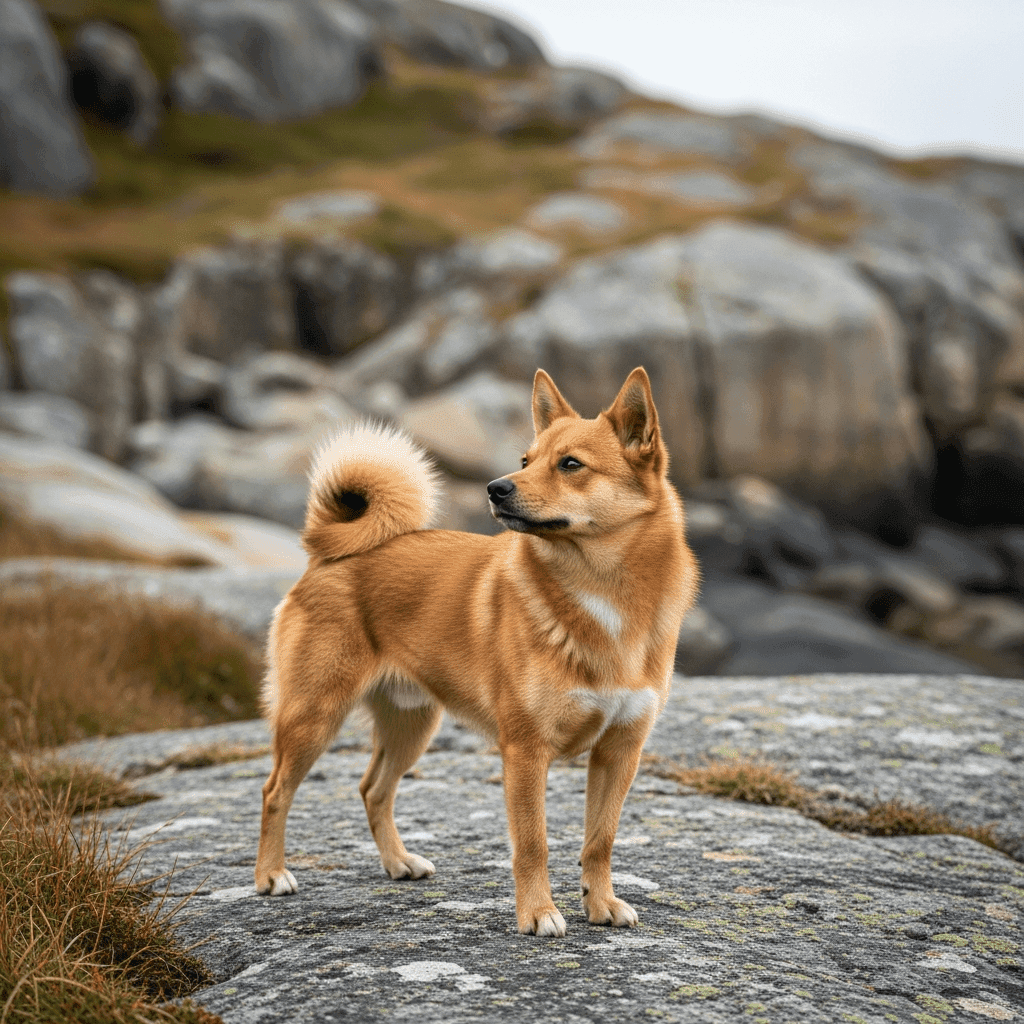
The Shiba Inu is a small dog with a harmonious and balanced build that attracts attention with its characteristic fox-like appearance. The average height at the withers ranges from 36.5 cm to 39.5 cm, and the weight varies from 6 to 10 kg. The Shiba Inu has a strong, compact silhouette that combines agility and strength.
The head is proportional to the rest of the body, with a broad forehead and a clearly defined stop. The eyes of the Shiba Inu are dark brown, triangular, with the outer corners slightly turned upwards, giving the dog a vigilant, intelligent, and piercing expression. The ears are relatively small, triangular, and erect, which further emphasizes their distinctive appearance and enhances the impression of alertness.
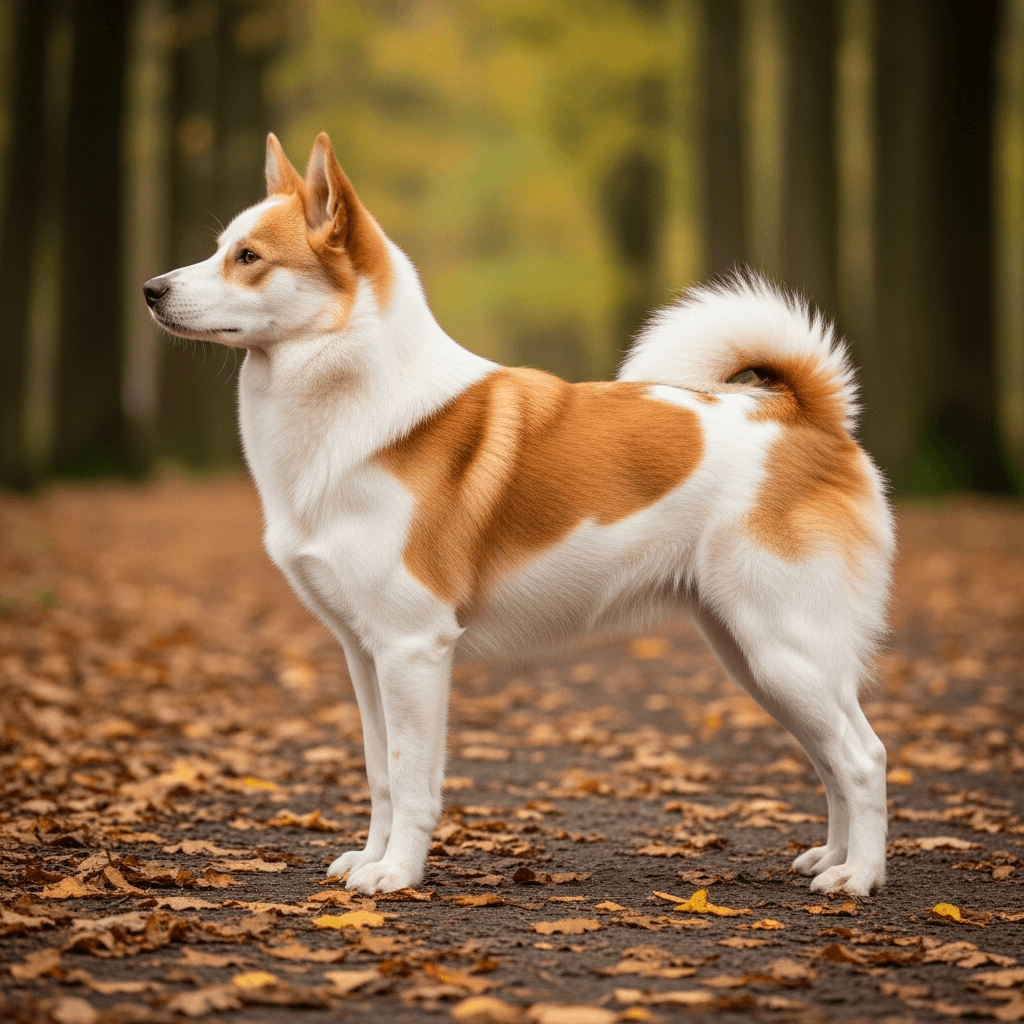
The neck is strong and harmonizes with the head and body, while the back is straight, strong, and well-muscled. The Shiba Inu has a deep chest with moderately arched ribs, and the belly is slightly tucked up. The tail is set high, thick, and usually curled or bent over the back, which is one of the most recognizable elements of its silhouette.
The coat of the Shiba Inu consists of two layers:
- Outer layer: coarse, straight, and relatively short
- Inner layer: soft, dense, and providing excellent thermal insulation
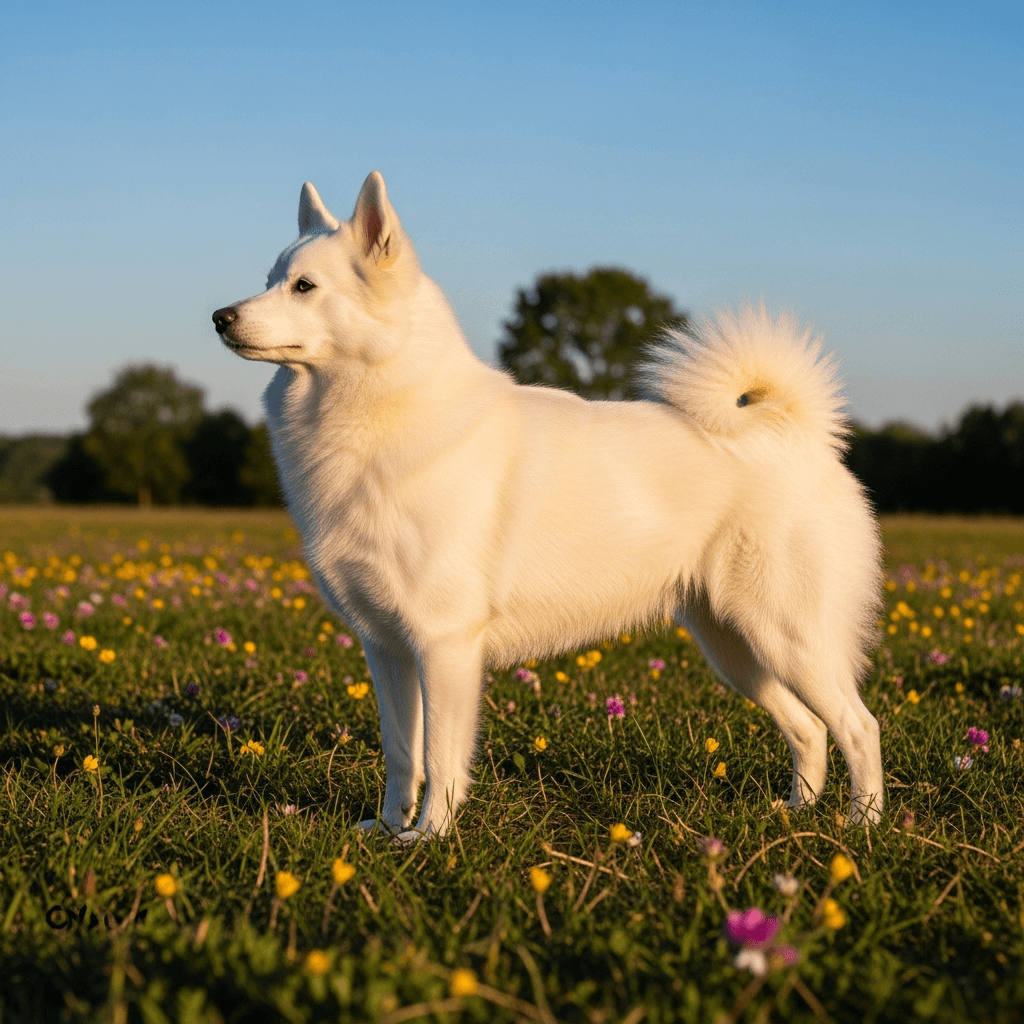
This double coat structure provides excellent protection against adverse weather conditions. Coat colors can vary and include red, black and tan, sesame, and black sesame. Regardless of color, every Shiba Inu should have what is known as ura-jiro, which is a whitish coat on the cheeks, under the jaw, on the chest, belly, and the inner side of the limbs. The appearance of the Shiba Inu makes it one of the most attractive and recognizable dogs in the world, significantly contributing to its growing popularity.
Shiba Inu is a dog with a unique and distinctive temperament, combining traits of independence, alertness, and deep loyalty to its family. This breed is known for its heightened senses, making it an excellent guardian. Shiba Inu is very alert and suspicious of strangers, which means it may be prone to barking to warn its owners of potential threats or unwanted presence.
Although Shiba Inu is often perceived as a dog with low tolerance for other dogs, under the right conditions and with proper socialization starting at a young age, it can get along well with other animals. This breed has a strong hunting instinct, which means it may be inclined to chase smaller animals, presenting a challenge during walks. Good upbringing and consistent training at a young age are absolutely crucial to teach Shiba Inu appropriate behaviors and to control its natural instincts.
Despite its independent nature, Shiba Inu can be very loyal and attached to its family, although it does not always express this in the typical way of other, more demonstrative breeds. It often seems cold or indifferent, but in reality, it is a dog that deeply values the closeness of its owners and forms strong bonds with them.
Shiba Inu is also a moderately playful dog – it eagerly participates in activities that:
- Engage its mind and senses
- Provide it with an intellectual challenge
- Allow it to utilize its energy in a constructive way
It is also worth noting that Shiba Inu is very intelligent, but its independence and natural stubbornness may lead it to be perceived as a disobedient or difficult dog to train. Therefore, it is crucial for owners to be consistent, patient, and firm during training. This breed is not ideal for novice owners, but with the right approach, commitment, and understanding of its nature, Shiba Inu can become a wonderful companion that brings joy and satisfaction to everyday life.
Shiba Inu is a dog with good health and natural vitality, enjoying a long average lifespan of 13 to 16 years. This breed is relatively resistant to many diseases, making it a healthy choice for future owners looking for a long-lived and resilient companion.
Due to its primitive nature and breeding history, Shiba Inu is less prone to some common diseases that affect other, more specialized breeds. Nevertheless, like any dog, Shiba Inu can be susceptible to certain health issues, such as:
- Hip dysplasia
- Skin problems and food or environmental allergies
- Patellar luxation
- Eye diseases, including cataracts and progressive retinal atrophy
Owners should regularly check their pet's health with a veterinarian and ensure a proper diet to avoid obesity, which is a common issue in this breed due to their natural tendency to be greedy and have a good appetite.
Shiba Inu also has certain requirements regarding ambient temperature. While it tolerates cold well due to its thick undercoat and double coat, it may struggle on hot days. Therefore, it is important to provide it with an adequate supply of fresh water and access to shade and cool areas during the summer months.
Proper nutrition, regular physical activity, and preventive visits to the veterinarian are crucial for maintaining the health and well-being of Shiba Inu. Owners should avoid giving their dog food between meals and table scraps, as this can lead to obesity and related health complications.
Shiba Inu is a breed that does not require intensive grooming, which is one of its greatest advantages for busy owners. Their coat consists of a rough, straight outer hair and a soft, dense undercoat, making them relatively easy to maintain.
Unlike many other breeds, Shiba Inu has a natural tendency to take care of its cleanliness – it is often observed that this dog grooms its coat almost like a cat. Therefore, regular baths are not necessary and should only be performed when the dog gets dirty or starts to smell unpleasant.
However, to keep the coat in optimal condition, regular brushing is recommended, especially during shedding periods, which occur in spring and autumn. During these times, Shiba Inu sheds fur in really large amounts – this process is called furmination or blowing coat. Therefore, daily brushing is advisable to minimize the amount of hair in the house and prevent matting.
Besides brushing, it is also worth regularly checking:
- The condition of the ears – they should be clean, dry, and free of unpleasant odor
- The condition of the teeth – brushing at least 2-3 times a week prevents oral diseases and tartar buildup
- The length of the nails – they should be trimmed as needed, especially if the dog does not have the opportunity to naturally wear them down while walking on hard surfaces
Overall, grooming a Shiba Inu is simple and does not require much effort or specialized skills, making this breed attractive to people who do not want to spend too much time on daily grooming of their pet.
Shiba Inu is a dog that requires a moderate to high amount of physical activity to maintain health, good condition, and optimal well-being. This breed is very energetic and requires regular walks and outdoor play. Shiba Inu owners should provide their pets with at least 60-90 minutes of activity daily, spread over several sessions.
Activities can include:
- Walks of varying intensity and in different locations
- Running or jogging with the owner
- Playtime in the park with other dogs (after proper socialization)
- Dog sports such as agility, rally, or frisbee
- Hiking on mountain or forest trails
Shiba Inu loves to explore its surroundings and discover new scents, so it is important to provide it with a suitable place to run and play. This breed has a strong hunting instinct, which means that in open spaces, it may be prone to chasing after wildlife – foxes, squirrels, or birds. Therefore, owners should be particularly vigilant during walks.
For this reason, Shiba Inu feels best in a garden with a high, solid fence (at least 180 cm) or on a leash during walks in public places. Dogs of this breed are known for their ability to escape, so safety is a priority.
In addition to physical activity, Shiba Inu also needs regular mental stimulation, so it is worth introducing a variety of games and exercises that engage its senses and intelligence. This dog can enjoy:
- Interactive toys with hidden treats
- Obedience training with positive reinforcement
- Scent games and tracking
- Learning new tricks and commands
Regular physical activity affects not only the physical health of Shiba Inu but also its mental well-being and emotional balance, which helps prevent behavioral problems such as destructive behaviors caused by boredom, frustration, or excess unused energy.
Training a Shiba Inu can be a real challenge even for experienced owners, due to their independent, sometimes stubborn nature and natural tendency to make decisions on their own. This breed requires early socialization and consistent training, which should start at a young age, preferably between 8 and 12 weeks of life.
Owners should focus on positive reinforcement methods to motivate the Shiba Inu to cooperate and learn new behaviors. Reward-based training – using treats, praise, and play – will definitely be more effective than harsh methods or punishment, as Shiba Inu often completely ignores commands if they are not interested or do not see any benefit for themselves.
It is crucial that the training is:
- Fun and engaging for the dog
- Short (sessions of 10-15 minutes)
- Regular and consistent
- Diverse with various exercises
- Conducted in different places and situations
This breed has a strong hunting instinct, which means that training should also include controlling this instinct by teaching a solid recall and loose-leash walking to ensure safety during walks.
Owners should be patient, persistent, and flexible in their training approach, and avoid frustration when the dog does not respond immediately to commands. Shiba Inu responds well to clear, short commands and distinct signals, but does not like repeating the same exercises over and over.
Training should be tailored to the individual needs of each Shiba Inu, as well as their energy level, temperament, and interests. It is also beneficial to introduce a variety of exercises and tasks, such as:
- Basic commands: Sit, Lie down, Stay, Come, Shake
- Impulse control: waiting for food, calmly passing distractions
- Learning tricks that mentally engage the dog
- Scent training and nosework games
Working together on training not only strengthens the bond between the dog and the owner but also allows for a better understanding of the Shiba Inu's needs, limits, and personality. A dog that is properly trained and socialized will be more obedient, confident, and better adapted to family life, which brings satisfaction to both the dog and the owner.
The nutrition of Shiba Inu is crucial for maintaining health, good physical condition, and optimal body weight. This breed tends to be gluttonous, which means that owners must be particularly careful not to overfeed their pet and to resist those pleading looks during meals.
The proper diet should be tailored to:
- The dog's age (puppy, adult, senior)
- Weight and body structure
- Level of physical activity
- Any health issues or allergies
Shiba Inu responds best to high-quality food – both dry and wet – that contains an appropriate amount of animal protein (about 25-30%), healthy fats, and essential vitamins and minerals. Owners should avoid giving their dog human food, especially fatty, spicy dishes, chocolate, onions, garlic, and other products toxic to dogs.
It is important to feed the dog at regular intervals – usually twice a day for adult dogs – which will help maintain a healthy weight and prevent begging for food. Shiba Inu should have constant access to fresh, clean water, especially on hot days and after intense physical activity.
Snacks and treats can be used as rewards during training, but they should be limited to a maximum of 10% of the daily caloric intake to avoid overweight and related health issues. Good choices include:
- Natural dried meat treats
- Vegetable pieces (carrots, broccoli)
- Special low-calorie training biscuits
Regular veterinary check-ups and monitoring weight will help adjust the diet to the changing needs of the dog at different life stages. Maintaining a healthy weight is absolutely crucial for preventing health problems, such as obesity, which can lead to joint dysplasia, diabetes, heart disease, and a shortened lifespan.
Proper nutrition and care for the health of Shiba Inu, combined with regular physical activity, are key to ensuring a long, healthy, and happy life alongside their family.
Characteristic Traits
Pros
- Loyalty to family
- Small size perfect for apartment living
- Alertness and excellent observation skills
- Energy and willingness to play
- Low grooming needs.
Cons
- Independence and stubbornness in training require a consistent and experienced owner
- a strong hunting instinct
- and a tendency to escape.
Behavioral Ratings
Breed History
The history of the Shiba Inu breed dates back many centuries and is closely linked to the culture, tradition, and landscape of Japan. It is believed that the Shiba Inu is one of the oldest and most primitive dog breeds in Japan, with its ancestors possibly living in this area as far back as 3000 years ago, as confirmed by archaeological and genetic studies.
This breed was developed as a versatile hunting dog, used by Japanese hunters to hunt small animals such as birds, rabbits, and foxes in the mountainous and wooded regions of central Japan. The name shiba means small in Japanese, which directly refers to the small size of these dogs. There is also an alternative theory that the name comes from the color of the coat resembling the reddish-brown leaves of bamboo in autumn.
Between 1868 and 1912, during the Meiji period and Japan's opening to Western influences, many European and English dog breeds – such as setters and pointers – were imported to Japan. This had a dramatic impact on the genetic purity of the Shiba Inu. As a result of uncontrolled crossbreeding with other breeds, pure Shiba Inu became a rarity, and its numbers significantly declined to dangerously low levels.
In 1928, in response to this serious crisis and the fear of the breed's complete extinction, a group of dedicated hunters, scientists, and breeders began a systematic program for the protection and breeding of pure Shiba Inu. These efforts led to:
- The establishment of official breed standards in 1934
- The recognition of Shiba Inu as a natural monument (天然記念物, tennen kinenbutsu) in 1937
- The founding of Nippo (The Association for the Protection of Japanese Dogs) to control breeding
After World War II, which posed another threat to the breed's existence, the Shiba Inu was rebuilt from the remaining bloodlines originating from three main regions: San'in, Mino, and Shinshu. Modern Shiba Inu is a combination of these three original types.
Since the 1950s, the breed has gained popularity in Japan and began to be systematically exported to other countries. In 1954, the first Shiba Inu arrived in the USA, where it quickly gained a following. In 1985, the first Shiba Inu was introduced to the UK, and since then, this breed has gained immense popularity worldwide, becoming one of the most popular Asian breeds outside of Asia.
Today, the Shiba Inu is considered one of the most recognizable and valued dog breeds, known for its distinctive fox-like appearance, unique temperament that combines independence with loyalty, and rich cultural history. In Japan, the Shiba Inu remains a symbol of national pride and natural heritage.