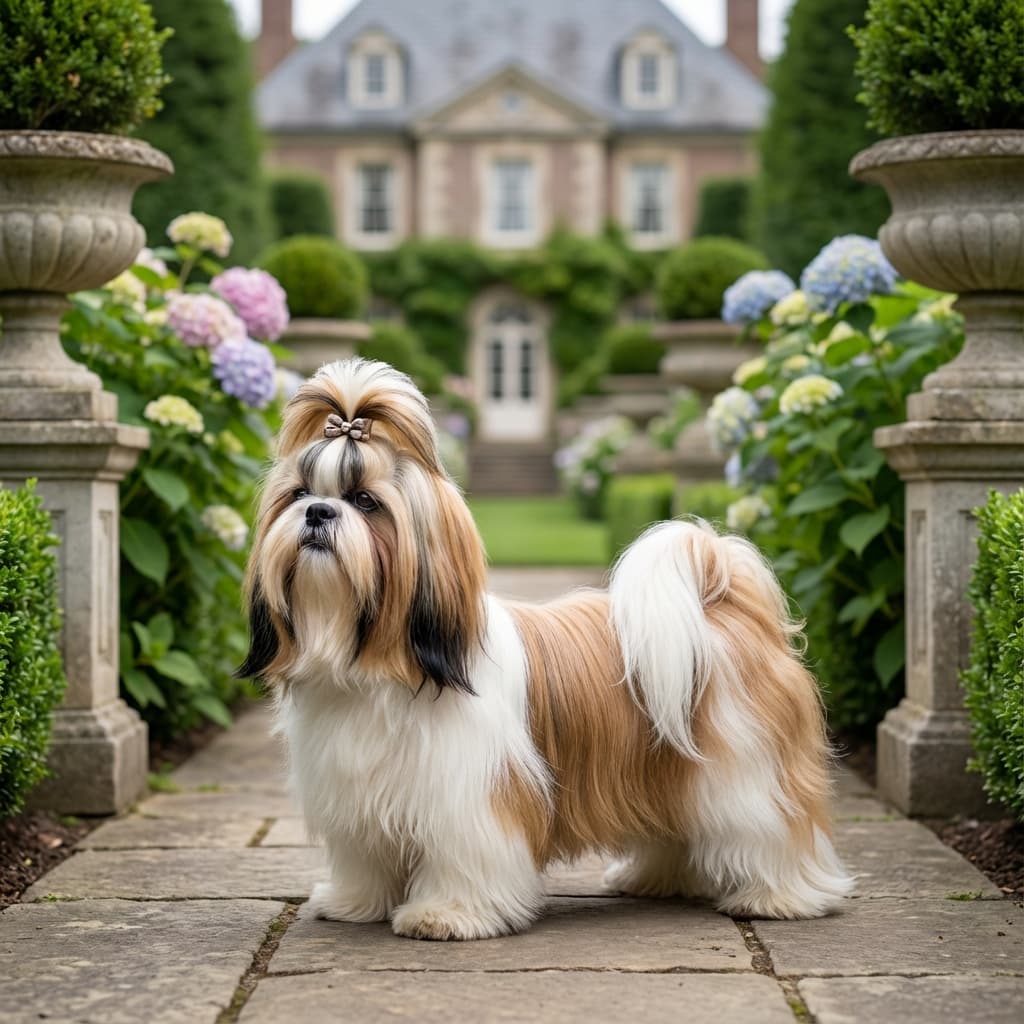
Shih Tzu
FCI Group
9• FCI 208
Size
Small
Origin Country
XX
Height
N/A
Weight
4.5-7.5 kg
Lifespan
11-16 years
Temperament
Overview
Shih Tzu, known as the dog from Tibet, has won the hearts of dog lovers around the world with its extraordinary charm and character. This small yet elegant dog, particularly popular in China, has been bred for centuries in imperial palaces as a symbol of luxury and prosperity.
Unique breed characteristics have been immortalized in the FCI standard no. 208. Shih Tzu is a companion dog with a temperament that combines liveliness with a friendly and independent disposition. This makes it an excellent companion for children, active families, and older individuals seeking a calm companion.
Its intelligence, alertness, and playful nature make it an ideal choice for families looking for a joyful and loving family member. Shih Tzu thrives in an apartment and does not require a large living space. Short, regular walks are sufficient to maintain good condition. Socialization with other dogs and people is crucial for it from puppyhood to properly develop social skills.
Despite its small size, Shih Tzu can be brave and alert, making it a good watchdog. Its long, dense coat, resembling a chrysanthemum, is not only beautiful but also requires regular and careful grooming. It is worth noting that this breed is considered hypoallergenic, making it suitable for people with dog hair allergies.
Throughout its life, Shih Tzu may be prone to various health issues characteristic of brachycephalic breeds, so owners should regularly visit the veterinarian and focus on preventive care. In summary, Shih Tzu is a dog that combines beauty with intelligence, alertness, and a friendly character. It engages with its unique charm and is an ideal companion for those seeking a loyal friend for life.
The Shih Tzu is a dog with a distinctive and recognizable appearance that attracts attention with its charm, elegance, and grace. Body structure is compact and strong, with well-developed limbs, which makes them very agile and lively despite their small size.
Head is wide, round, and broad between the eyes, with a distinct stop. Large, dark eyes give them a friendly and lively expression. One of the most characteristic features is the hair on the muzzle, which grows upward, creating a chrysanthemum effect – this is the most recognizable visual trait of this breed.
Ears are large, drooping, and abundantly coated with hair, which further emphasizes their grace. Coat is long, dense, straight, and non-curly, with a moderate undercoat. Shih Tzus can come in a variety of colors and patterns, with the following being particularly preferred:
- Spotted patterns with a white mark on the forehead
- A white mark at the tip of the tail
- Diverse color combinations
Physical dimensions: Height at the withers should not exceed 27 cm, and weight ranges from 4.5 to 7.5 kg according to the FCI standard. The tail is carried high over the back, abundantly coated with hair, adding elegance to the silhouette. Their unique appearance and unparalleled grace make Shih Tzus one of the most popular companion dogs in the world.
Shih Tzu is a dog with a friendly and sociable disposition that loves to be around people. This breed is known for its intelligence, liveliness, and alertness, making it an excellent family dog and companion.
Relationships with people and animals: Shih Tzus get along well with children, other dogs, and adult family members. Their sociability often leads them to actively seek attention and affection from their owners. Despite their strong need for human contact, they are not overly demanding and can spend time alone, maintaining a certain independence of character.
Temperament and behavior at home: Their moderate independence means they do not tend to destroy things in the house when their owners are away. Their calm nature makes them ideal companions for older individuals looking for a peaceful yet joyful partner. Shih Tzus are also relatively easy to train due to their intelligence, but they require patience and consistency to achieve positive results.
Communication and socialization: They have a moderate tendency to bark, which makes them good alarm dogs – they will alert you to strangers but are not overly noisy. Their socialization needs are important from puppyhood, so regular interactions with other dogs and people are recommended to properly develop social skills and confidence.
Shih Tzus are dogs that can adapt well to various living conditions – both in a small urban apartment and in a larger house. This makes them ideal companions for people with different lifestyles and needs.
The Shih Tzu is a breed that typically enjoys good health and longevity, with an average lifespan of 11 to 16 years. Despite its small size, this breed is relatively resilient; however, it may be prone to various conditions characteristic of brachycephalic dogs.
Most common health issues:
- Heart and circulatory diseases
- Urinary system disorders
- Neoplasms (especially in older age)
- Eye diseases – progressive retinal atrophy, prolapse of the third eyelid gland
- Breathing problems related to brachycephalic structure
- Skin diseases and allergic dermatitis
Sensitivity to temperature: Owners should pay special attention to signs of overheating, as Shih Tzus do not tolerate high temperatures well due to their shortened snouts. On hot days, it is crucial to provide access to shade, air-conditioned rooms, and fresh water. Intense physical exertion during heat should be avoided.
Prevention and care: With proper balanced nutrition and regular but moderate physical activity, Shih Tzus can lead long and healthy lives. It is important to avoid obesity, which can lead to serious health issues, including joint and heart diseases. Regular veterinary visits (at least once every 6-12 months), vaccinations, deworming, and maintaining a healthy diet are essential for ensuring the health and well-being of this dog for many years.
Shih Tzu Care is an essential and time-consuming aspect of maintaining the health, appearance, and comfort of this breed. Their long, dense coat, which resembles human hair, requires regular and careful attention.
Brushing and combing: The coat should be brushed daily or at least several times a week to avoid tangling, mats, and dullness. Without regular grooming, the fur can quickly become tangled, leading to skin problems and discomfort for the dog. Many owners utilize the services of professional groomers to keep the coat at the right length, in a fashionable cut, and in an aesthetically pleasing form.
Eye care: It is important to pay special attention to the eyes of Shih Tzus, which can tear and require regular, gentle cleaning to avoid staining and dirt on the fur around the eyes. For long hair that falls over the eyes, trimming or tying it in a ponytail can be considered to improve the dog's visibility and prevent irritation.
Additional hygiene:
- Regular cleaning and inspection of ears to prevent infections
- Trimming nails every 3-4 weeks
- Bathing every 2-4 weeks using gentle dog shampoos
- Maintaining oral hygiene and dental care
Caring for a Shih Tzu not only helps keep the dog in excellent health and aesthetic condition but also provides a great opportunity to strengthen the bond between the dog and the owner during the time spent together.
Shih Tzu, despite its small size, needs regular but moderate physical activity to maintain health, good condition, and emotional balance. Although they are not dogs with high demands for intense exercise, they should be provided with daily walks and playtime.
Daily walks and activity: Short but regular walks in the neighborhood 2-3 times a day will be more than enough to meet their exercise needs. Shih Tzu loves playing with their owner, which also greatly contributes to physical activity and mental stimulation. Interactive toys, balls, and fetch games are excellent ways to engage the dog.
Adjustment to conditions: It is important to remember that these dogs can tire quickly, especially in hot and humid climates, so it is advisable to adjust the length and intensity of walks to their current condition and weather conditions. Owners should absolutely avoid intense exertion on hot days to prevent the dog from dangerous overheating.
Mental stimulation: It is essential to provide Shih Tzu with both physical activity and regular mental challenges through educational games, training, and new experiences. This helps prevent boredom, frustration, and potential behavioral problems. Although Shih Tzu are calm dogs, they need a daily dose of exercise and entertainment to be happy and healthy companions.
Shih Tzu training can be a pleasant and rewarding experience; however, owners must be prepared for some stubbornness, independence of character, and typical distractions associated with this breed. Nevertheless, due to their natural intelligence, Shih Tzus can learn basic commands efficiently and quickly.
Starting training: It is crucial to start training as early as possible, preferably during the puppy stage when the dog is most open to learning. The positive reinforcement method, based on rewards for good behavior (treats, praise, play), works best for this breed. Shih Tzus respond poorly to harsh training methods, punishment, or raised voices.
Consistency and patience: Owners should be consistent, patient, and regular in training to achieve the desired results. It is beneficial to use a variety of training techniques and short sessions (10-15 minutes) to maintain the dog's attention and make learning more interesting and effective.
Scope of training:
- Basic commands: Sit, Stay, Come, Lie down, No
- House training (may require more time and patience)
- Socialization with other dogs, animals, and people
- Getting used to grooming and handling
- Walking on a leash without pulling
One should not overlook Shih Tzus in the training process just because they are small dogs. Regular training, educational games, and consistency will help strengthen the bond between the dog and the owner and ensure appropriate, polite behavior in various life situations.
Shih Tzu Diet should be well-balanced, high-quality, and appropriately tailored to the dog's age, weight, activity level, and individual health needs.
Food Selection: It is advisable to choose high-quality premium foods, both dry and wet, that provide all the essential nutrients, vitamins, and minerals. Foods dedicated to small breeds or specifically for Shih Tzu are recommended, as they take into account their specific nutritional needs. The food composition should be rich in high-quality animal protein, healthy fats, and an appropriate amount of fiber.
Weight and Portion Control: Shih Tzu has a natural tendency to obesity, so it is extremely important to control portion sizes and avoid giving excessive amounts of treats and snacks. Obesity leads to serious health problems, including heart disease, joint issues, and diabetes.
Meal Rhythm: Regular meals given 2-3 times a day (puppies may require 3-4 meals) will help maintain stable energy levels and prevent digestive problems. It is important to ensure a constant supply of fresh, clean drinking water, especially on warm days.
Products to Avoid:
- Table scraps and human meals
- Foods containing artificial additives, preservatives, and colorings
- Excess fat and salt
- Toxic products: chocolate, onions, garlic, avocado, grapes
Proper, balanced nutrition with high-quality food will contribute to the longevity of Shih Tzu, maintaining a beautiful coat, healthy teeth, and overall excellent condition for many happy years.
Characteristic Traits
Pros
- Friendly and gentle nature
- Ideal for apartment living
- Hypoallergenic coat
- Excellent companion for families and seniors
- Intelligent and alert
- Does not require intense physical activity.
Cons
- Requires regular and time-consuming care
- May have health issues (eyes
- breathing)
- Not suitable for very active individuals
- Sensitive to high temperatures
- Can be stubborn in training.
Behavioral Ratings
Breed History
The history of the Shih Tzu breed dates back to ancient times and is closely linked to Tibetan culture and Chinese imperial traditions. The origins of this breed are shrouded in mystery and fascinating legends.
Ancient roots: Shih Tzus were originally bred in Tibet by Buddhist monks, where they served as temple dogs and companions to clergy. Their name in Chinese means lion dog, which refers to their appearance resembling lions from Buddhist art and their symbolic significance in Eastern culture. In Buddhism, the lion is an important symbol, and Shih Tzus were meant to represent these majestic animals.
The imperial era in China: Shih Tzus were particularly valued by Chinese emperors of the Ming and Qing dynasties, who kept them in their palaces as precious companions and symbols of luxury, power, and prosperity. These dogs lived in luxurious conditions and were surrounded by exceptional care. As a result of careful selection and crossbreeding with other Tibetan breeds, Shih Tzus acquired their distinctive appearance and temperament.
Spread to the West: After the fall of the Qing dynasty in 1912 and the end of the imperial era, the first dogs of this breed began to arrive in Europe. Their popularity significantly increased in the 1930s when they began to be systematically bred in the United Kingdom. In 1934, Shih Tzus were officially recognized by the Kennel Club as a separate breed, distinct from other oriental breeds. The first registration took place in 1940.
Modern times: Today, Shih Tzus are among the most popular and recognizable companion dogs worldwide. They enjoy great recognition among families with children as well as older individuals seeking a calm yet joyful and devoted companion. Their unique appearance, friendly character, and adaptability to apartment living have made them an icon of household dogs.