Brabantian
FCI Group
9• FCI 82
Size
Small
Origin Country
BE
Height
22-25 cm
Weight
3.5-6 kg
Lifespan
13-15 years
Temperament
Overview
The Brabant, also known as Petit Brabançon, is a fascinating dog breed that attracts attention with its unique beauty and extraordinary character. Originating from Belgium, this small decorative dog has accompanied humans for centuries, winning the hearts of many animal lovers around the world.
It is worth emphasizing that the Brabant is not just a companion dog – it is also a vigilant guardian that can be lively and alert when the need arises. Despite its small size, its personality is full of energy and courage, making it an ideal companion for both families and single individuals.
The history of the breed dates back to the times when its ancestors – small, rough-haired dogs called Smousje – were bred in the Brussels area. Over the years, with the introduction of the bloodlines of King Charles Spaniels and Pugs in the 19th century, the Brabant acquired its current appearance, which distinguishes it from other breeds. Its sturdy, almost square build and elegant silhouette give it a distinguished character.
The Brabant is characterized by a balanced temperament and quickly forms a deep bond with its owner. Its intelligence and alertness make it easy to learn new things and it excels in the role of a family dog. Moreover, its short, smooth coat not only looks beautiful but also requires minimal grooming – which is a big plus for busy individuals.
One of the most distinctive features of the Brabant is its almost human-like expression. Its large, round brown eyes and proportionately large head draw attention and make this dog seem even more friendly and expressive. Although it is perfectly suited for city living, it also needs regular physical activity to maintain its health and fitness.
We invite you to further explore the charms of this unique breed in our detailed guide. We will discuss aspects of health, grooming, training, and the rich history of the Brabant. You will discover what a wonderful companion this dog can be and what challenges and joys come with caring for it.
Petit Brabançon is a small dog with a compact, elegant silhouette that stands out with its proud and expressive appearance. Its height at the withers ranges from 23 to 25 centimeters, and its weight oscillates between 3.5 and 6 kilograms. This dog is characterized by a nearly square body structure, which makes it look very proportional and harmonious.
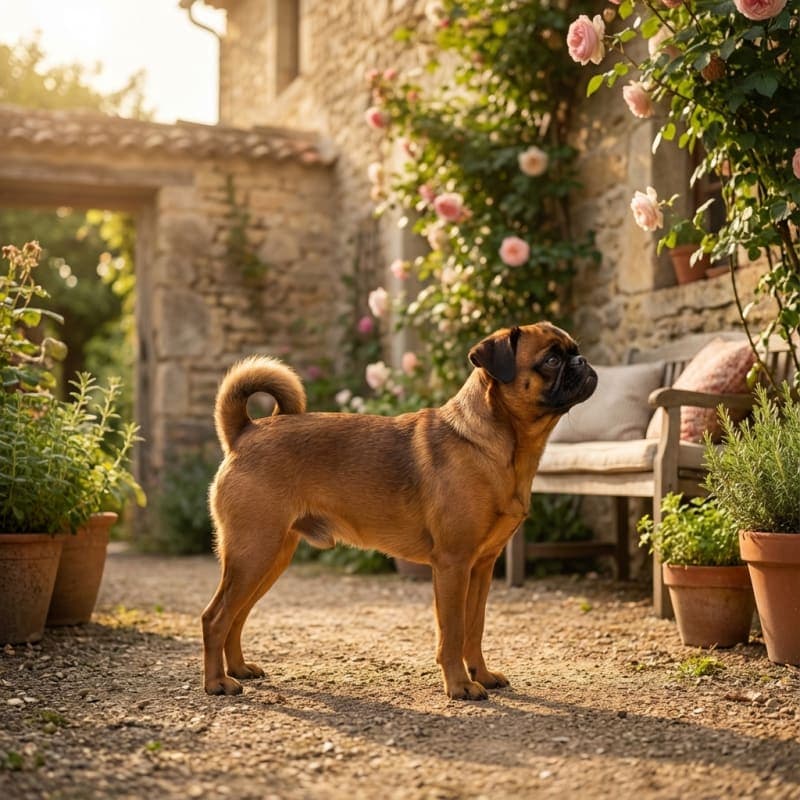
The head of the Brabant is quite large in relation to the rest of the body, with a rounded skull and a broad stop. The nose is short and set at eye level, giving the dog a distinctive, almost human expression. The eyes are widely spaced, large, and round, usually brown in color, which makes this dog's gaze incredibly expressive and full of intelligence.
The ears are small, set high, and semi-erect, which further emphasizes the alertness and liveliness of this breed's character. The whole is complemented by a strong yet elegant body structure that, despite its small size, emanates strength and attractiveness.
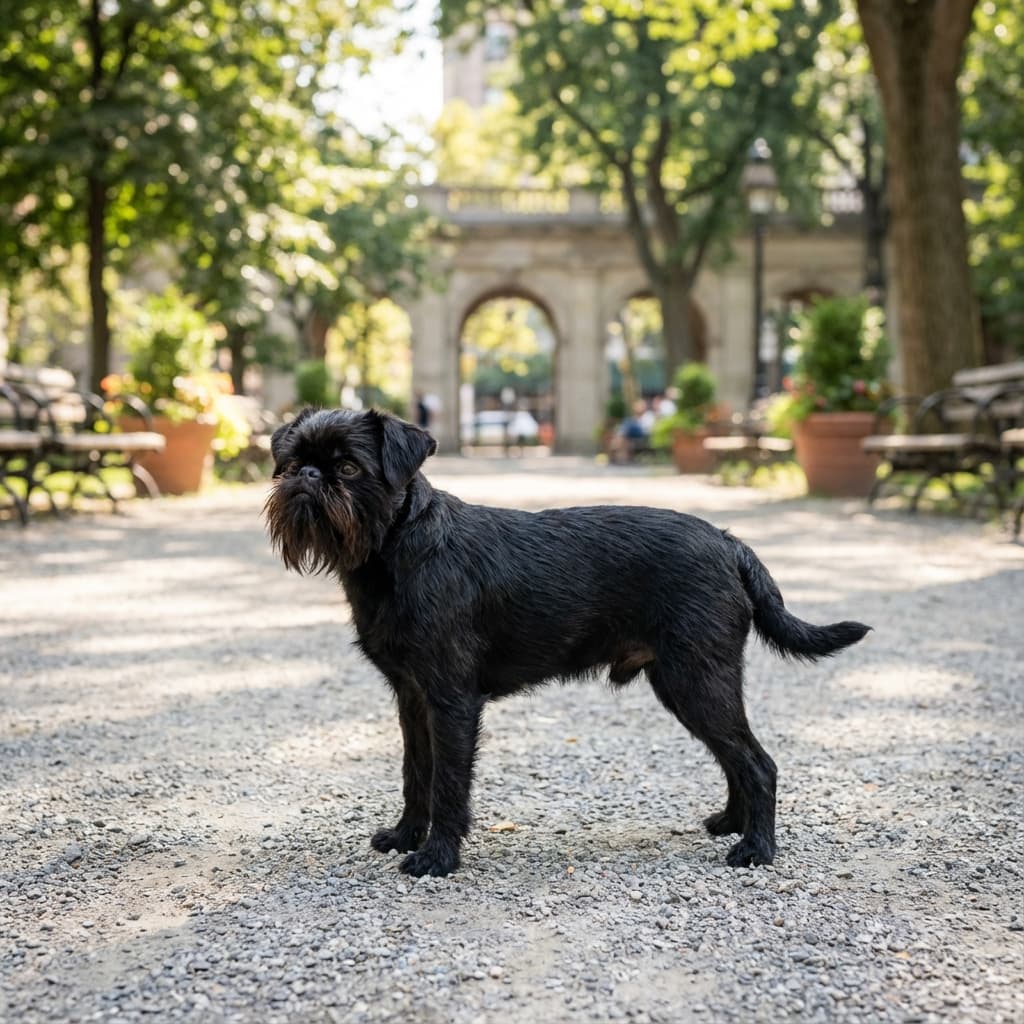
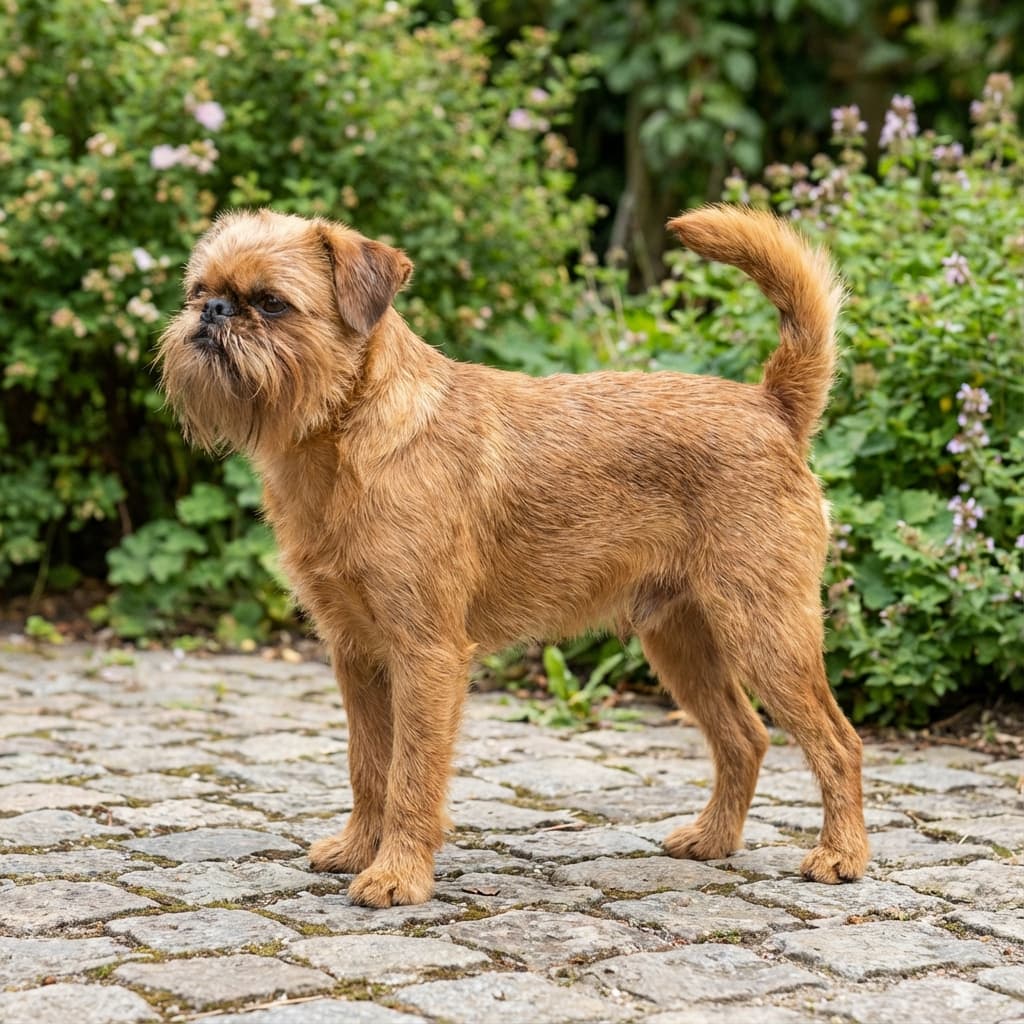
The coat of the Petit Brabançon is short, smooth, and shiny, making its appearance very attractive and well-groomed without the need for intensive grooming. The coloration can be black or fawn, and the dog may have a dark mask on its face, which is a desirable trait that adds character. The entire silhouette of the Brabant exudes elegance and dignity, attracting the attention of all dog lovers.
The Petit Brabançon is a dog with a balanced and friendly temperament, who is extremely attached to its owner and the whole family. Its behavior is characterized by energy, joy of life, and constant curiosity about the world. This breed is known for being lively, alert, and always ready to play, making it an ideal companion for active individuals.
The Brabant is very sociable and loves spending time with people – both family members and guests. Despite its small size, it is neither a fearful nor aggressive dog, which makes it an excellent family pet. It is friendly towards children and tolerates the presence of other pets well, as long as it has been properly socialized from a young age.
The intelligence of the Brabant is one of its strongest traits – it easily learns new commands and quickly grasps the rules of the household. In stressful situations, it can remain calm, which makes it a emotionally stable dog. Although it is alert and reacts quickly to new stimuli, it is not a typical guard dog – rather, it serves as a sociable companion that enjoys being the center of attention.
The Brabant also tends to be a bit stubborn – like most breeds in this group, it can show a strong character. Therefore, consistent and positive training from a young age is crucial for shaping proper habits. Despite this, its attachment to the owner and desire to please make it a dog with which cooperation brings a lot of joy.
The Petit Brabançon generally enjoys good health, but like any breed with a specific anatomical structure, it is susceptible to certain ailments. The average lifespan of this breed ranges from 13 to 15 years, which is a very good result for a small breed dog.
Among the most common health problems that Brabantines may face are eye disorders, such as cataracts, corneal issues, or progressive retinal atrophy. Due to their bulging eyes, this breed requires special attention regarding hygiene and protection of the eyes from injuries.
The Brabantine, like other brachycephalic breeds (with short noses), may suffer from breathing problems, especially on hot days or during intense exercise. Therefore, it is important to avoid overheating the dog and to provide appropriate conditions for resting in the shade during heat.
This breed may also be prone to dental problems – excessive tartar, gum disease, or cavities. Regular teeth cleaning (preferably daily) and dental check-ups with a veterinarian are crucial for maintaining oral health.
Additionally, Brabantines may be susceptible to orthopedic problems, such as patellar luxation (luxatio patellae), which occurs in small breeds. It is important for owners to regularly check their pets' health with a veterinarian and provide them with proper care and a balanced diet. Proper physical activity and maintaining a healthy body weight also contribute to the overall well-being of the dog and minimize the risk of diseases.
Petit Brabançon requires regular but not overly demanding grooming to maintain a healthy and beautiful coat. With its short, smooth fur, this dog does not require intensive brushing – simply combing every few days with a soft brush or rubber glove is enough to remove dead hair and dirt.
The ears of the Brabant should be checked and cleaned regularly (ideally once a week) to avoid wax buildup and potential infections. Special ear cleaning solutions for dogs and cotton balls or gauze can be used for this purpose.
Baths should only be given when necessary – usually once every 4-6 weeks or when the dog is noticeably dirty. Bathing too frequently can disrupt the skin's natural protective layer. It is advisable to use gentle shampoos specifically designed for dogs to minimize the risk of irritation and allergies.
In addition to coat care, it is extremely important to take care of the teeth of the Brabant. Due to the breed's predisposition to dental problems, daily tooth brushing with dog toothpaste and a toothbrush is recommended. Regular trimming of nails (every 3-4 weeks) is also a key aspect of grooming – overly long nails can cause discomfort while walking and orthopedic issues.
Additionally, due to the protruding eyes characteristic of this breed, their condition should be checked regularly, and the area around the eyes should be gently wiped with damp wipes or gauze to remove dried discharge. All these simple grooming tasks will help keep the Brabant in excellent health and comfort.
The Petit Brabançon is a dog with moderate energy that needs daily physical activity to stay healthy, happy, and in good mental condition. Although this breed does not require intense training or marathons, regular walks are essential for maintaining their physical and mental fitness.
The ideal amount of exercise for a Brabant is 2-3 walks a day, each lasting about 20-30 minutes. These dogs love the company of their owners, so walks in the park, playtime in the garden, or interactive games are excellent ways to meet their physical and social needs.
The Brabant happily participates in various activities, such as:
- Fetching – they love to bring back balls and toys
- Running – short distances in a meadow or park
- Playing with other dogs – supports socialization and fitness
- Scent games – searching for treats or toys
- Tricks and commands – mental stimulation is just as important as physical
It is a good practice to incorporate a few minutes of play with other dogs into the daily routine, which promotes their socialization and well-being. However, it is important to remember that Brabants are small dogs and should not be forced to exert themselves excessively.
Watch out for heat! Due to their short nose (brachycephalic structure), Brabants may have difficulty breathing in high temperatures. Therefore, on hot days, you should:
- Walk early in the morning or late in the evening
- Avoid intense exercise in direct sunlight
- Provide access to shade and fresh water
- Monitor for signs of overheating (heavy panting, drooling)
The right amount of exercise and a proper diet contribute to a healthy lifestyle for the Brabant and prevent obesity, which is a common problem in small dog breeds.
The Petit Brabançon is a smart dog that eagerly learns new commands and tricks, as long as the training is conducted in a positive and encouraging manner. The key to success is to maintain the dog's motivation and make learning a pleasure, not a chore.
It is worth starting training with basic commands, which form the foundation for further learning:
- Sit – basic control command
- Lie down – calming and relaxing
- Come – the most important safety command
- Stay – patience and self-control
- No – setting boundaries
Regular training sessions lasting from 5 to 10 minutes are ideal for keeping the dog's attention and avoiding boredom. Brabantines tend to be a bit stubborn, so consistency and patience are crucial. Physical punishment or shouting should never be used – it will only discourage the dog and damage the bond with the owner.
The Brabantine responds well to positive reinforcement, such as:
- Treats (small, low-calorie)
- Verbal praise (enthusiastic tone of voice)
- Petting and cuddling
- Favorite toys as rewards
Socialization from an early age is extremely important for the proper development of the Brabantine. The dog should be gradually introduced to:
- Different people (adults, children, individuals of various ages)
- Other dogs and animals
- Different environments (city, park, forest)
- Various sounds and situations
Regular trips to dog parks and meetings with other dogs can help develop the Brabantine's social skills. A well-socialized dog is confident, friendly, and easier to manage on a daily basis.
It is also worth introducing house training from the very first days of the puppy's stay at home. Brabantines are intelligent and quickly learn where they can relieve themselves, as long as the owner is consistent and regularly takes the dog outside.
A proper diet is a key element of health for the Petit Brabançon and has a direct impact on its condition, coat appearance, and overall well-being. Dogs of this breed should be fed high-quality food that provides all the essential nutrients in the right proportions.
It is worth choosing foods tailored to:
- The dog's age – puppies, adults, and seniors have different needs
- Body weight – small breeds require special formulas
- Activity level – an active dog needs more energy
- Any health issues – veterinary diets for special needs
The Petit Brabançon has a tendency to obesity, so it is extremely important to monitor the dog's weight and adjust food portions to its actual needs. Obesity can lead to serious health problems, such as diabetes, heart disease, or joint issues.
It is recommended to divide the daily food intake into 2-3 smaller meals, which helps with:
- Maintaining a healthy body weight
- Better digestion and absorption of nutrients
- Preventing excessive hunger between meals
- Stabilizing blood sugar levels
Fresh water should always be available for the dog to ensure proper hydration. The water should be changed daily, and the bowl should be regularly cleaned.
It is advisable to avoid giving the Brabant to:
- Table scraps (often too fatty and salty)
- Chocolate, coffee, alcohol (toxic to dogs)
- Onions, garlic, grapes (dangerous for dogs)
- Poultry bones (can splinter and cause injury)
- Excessive treats (no more than 10% of daily calorie intake)
It is worth consulting a veterinarian to establish the best dietary plan for the individual needs of the dog and any dietary supplements that may support the health of the Brabant (e.g., omega-3 fatty acids for a healthy coat, glucosamine for joints).
Characteristic Traits
Pros
- Easy to care for
- Friendly and sociable
- Ideal for city living
- Alert and intelligent
- Good with children
- Does not require intense exercise.
Cons
- Can be stubborn during training
- Needs a lot of attention and companionship
- Prone to breathing problems in hot weather
- Requires regular dental and eye check-ups.
Behavioral Ratings
Breed History
The history of Petit Brabançon dates back many centuries and is closely linked to the history of Belgium, particularly the area around Brussels. The ancestors of this breed – small, rough-haired dogs called Smousje – were bred in Belgium as early as the 15th century, where they served important practical functions.
These small, lively dogs were primarily used as guard dogs and for fighting rodents in stables and carriage houses. Their alertness and courage made them excellent at protecting vehicles and farms from unwanted intruders. At that time, Smousje were invaluable companions for coachmen, guards, and farmers.
In the 19th century, a turning point occurred in the history of the breed. Belgian breeders began to introduce King Charles Spaniels and Pugs into the bloodline of Smousje, which influenced the change in appearance and character of the breed. Thanks to these crossbreeds, three varieties of Belgian decorative dogs emerged:
- Griffon Bruxellois – rough-haired, red coat
- Griffon Belge – rough-haired, black coat
- Petit Brabançon – short-haired, various colors
In 1883, the breed was officially recognized – the first Brussels Griffons were registered in the St. Hubert's Pedigree Books (L.O.S.H.). These were dogs named Topsy (L.O.S.H. no. 163) and Foxine (L.O.S.H. no. 164), marking an important milestone in the history of the breed.
A pivotal moment for the breed's popularity was the interest shown by its Belgian Queen Marie-Henriette. The monarch was a great lover of small Belgian dogs and actively supported their breeding. Thanks to her patronage, around 1900, the breed gained immense popularity not only in Belgium but also beyond its borders. Many individuals were exported to other European countries and to the United States, contributing to the spread and popularization of the breed worldwide.
In the 20th century, the Brabant underwent various challenges – both World Wars significantly affected the breed's population, but thanks to the dedication of breeders, it was rebuilt. The breed gradually evolved from a working dog to a beloved family companion, combining traits of intelligence, loyalty, and attachment to its owner.
Today, the Petit Brabançon is a valued companion dog worldwide, having retained many traits of its ancestors – alertness, intelligence, and courage – but above all, it has gained the status of a perfect companion for people who appreciate small, elegant, and characterful dogs.