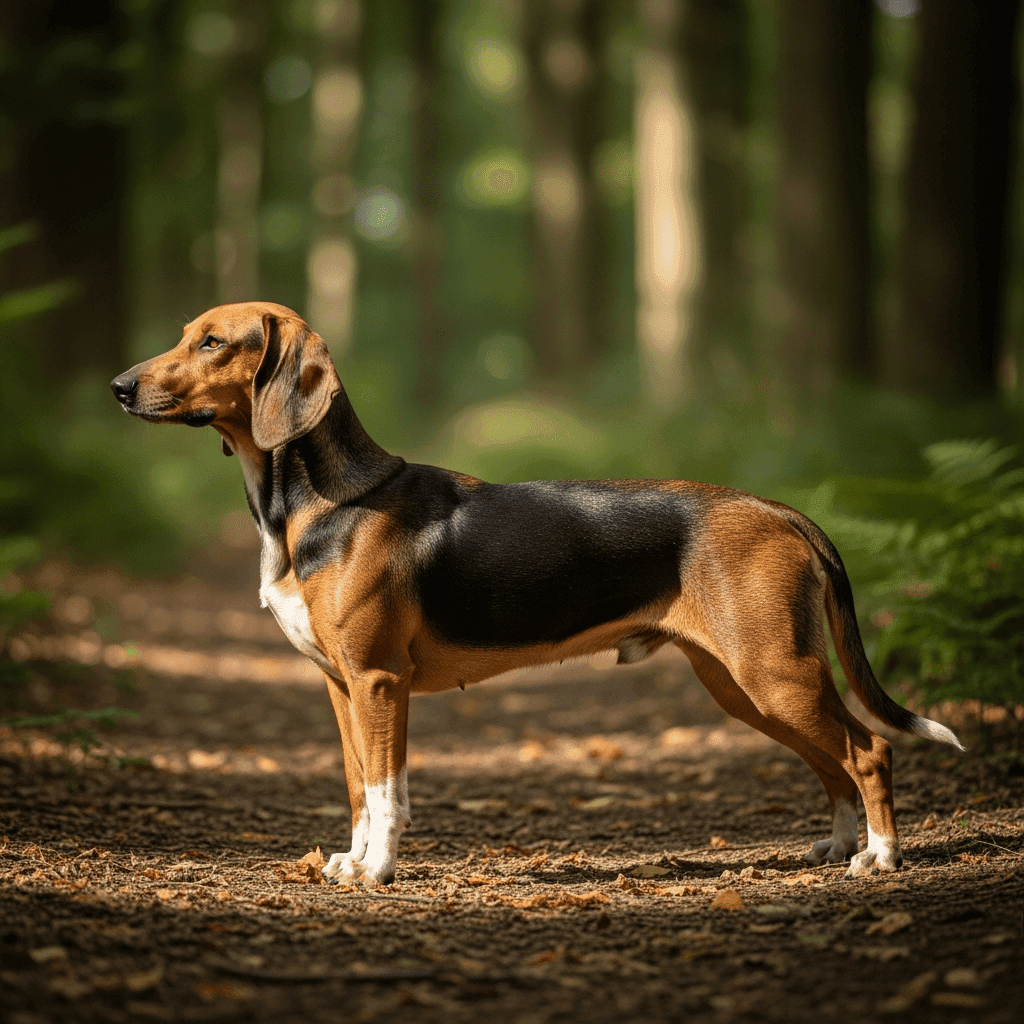
Westphalian Dachsbracke
FCI Group
6• FCI 100
Size
Medium
Origin Country
DE
Height
30-38 cm
Weight
14-15 kg
Lifespan
11-13 years
Temperament
Overview
The Westphalian Dachsbracke, although rarely seen outside Germany, is winning the hearts of dog lovers around the world. Its extraordinary history dates back to the times when German hunters needed a small but sturdy dog capable of accompanying them on hunts for badgers and foxes. This is how this unique dog was born, which today enjoys particular popularity in Scandinavian countries, where it is valued not only as a hunting companion but also as a loyal family pet.
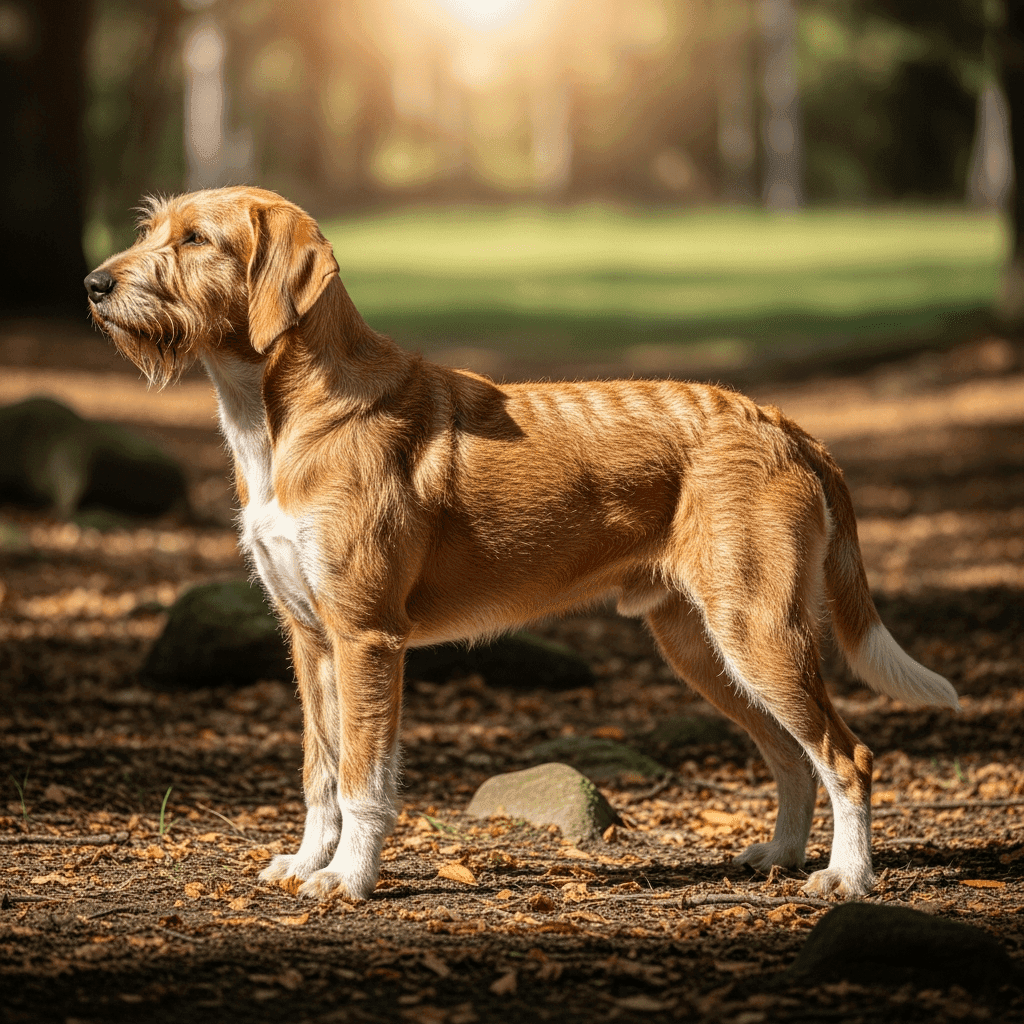
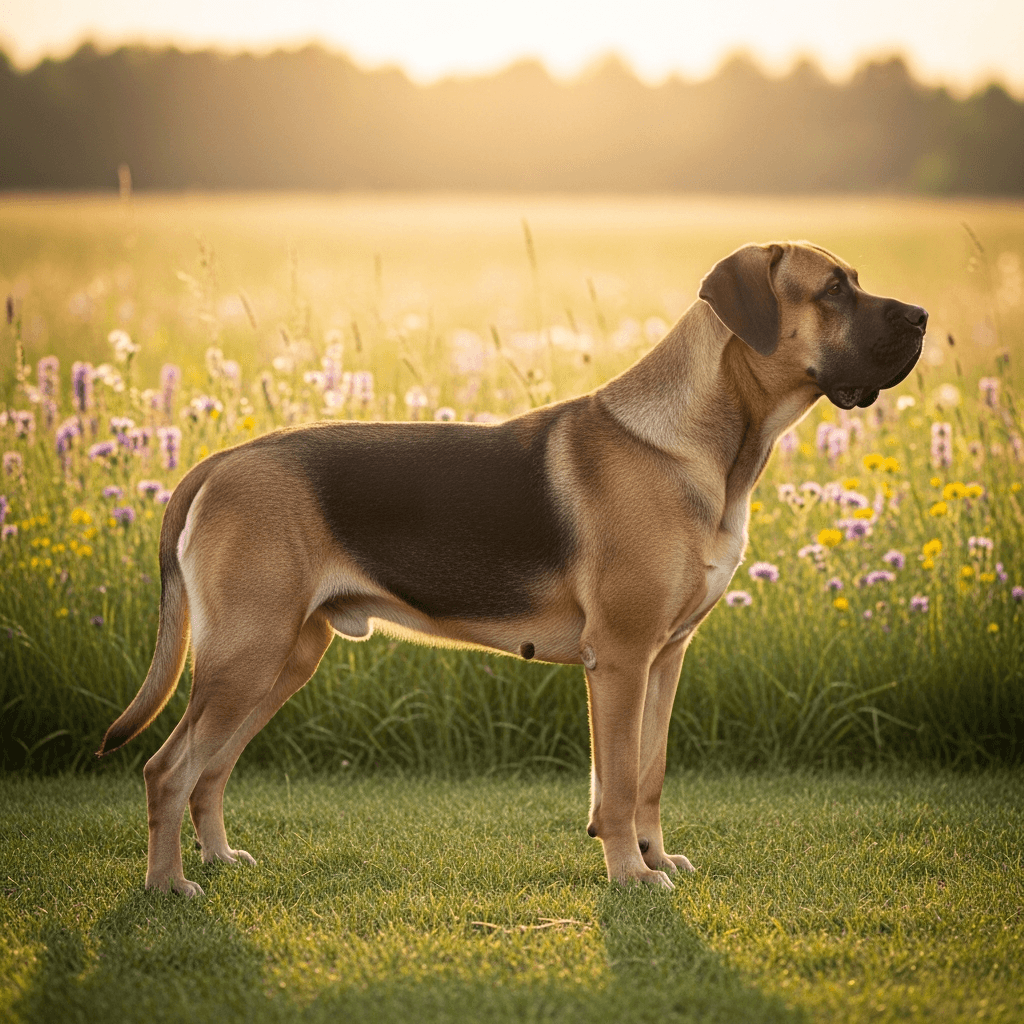
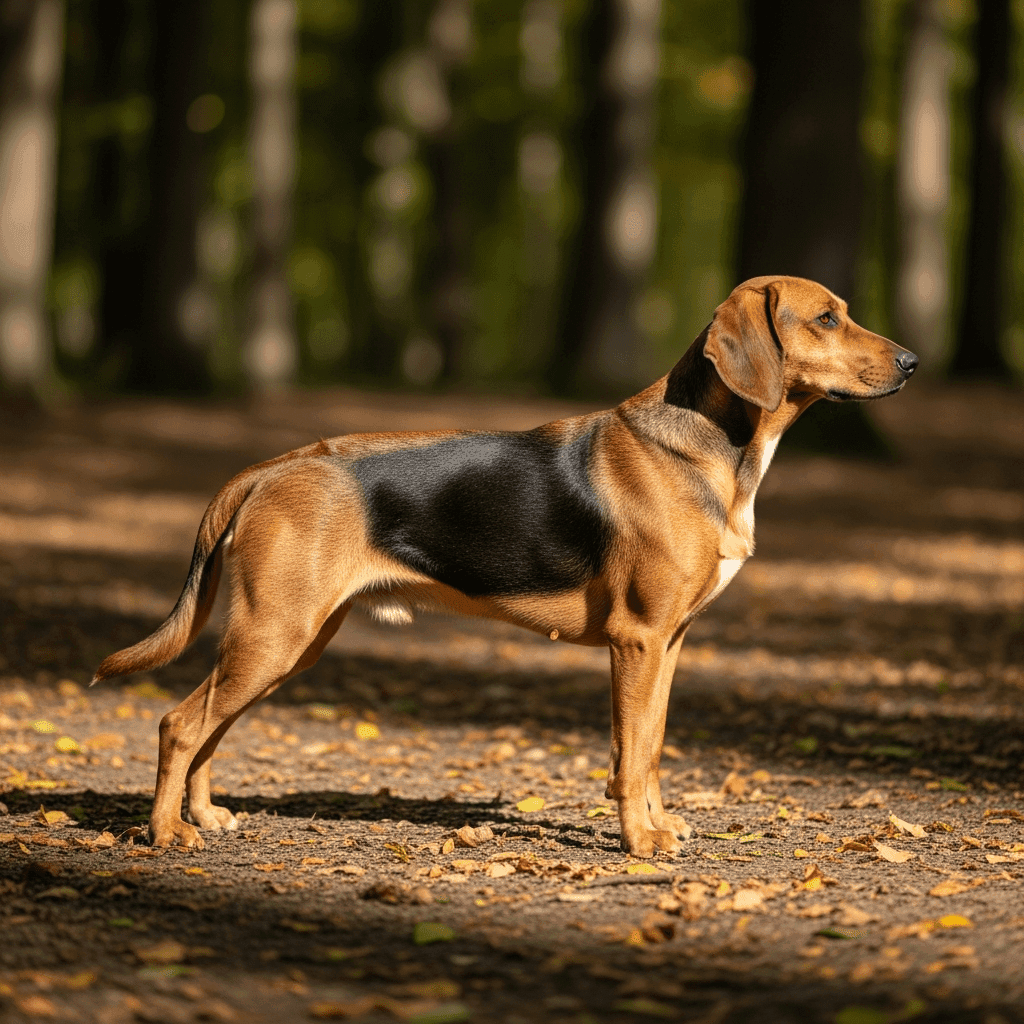
The Westphalian Dachsbracke, as the name suggests, is a dog with short legs and a solid build, making it an ideal companion for both hunting and living at home. Its silhouette, measuring from 30 to 38 cm at the withers, is strong and compact, with well-developed muscles. Weighing an average of 14 to 15 kg, it is a dog full of energy that does not shy away from the challenges of everyday life. Despite its small size, it possesses the strength and endurance of much larger dogs, making it exceptionally versatile.
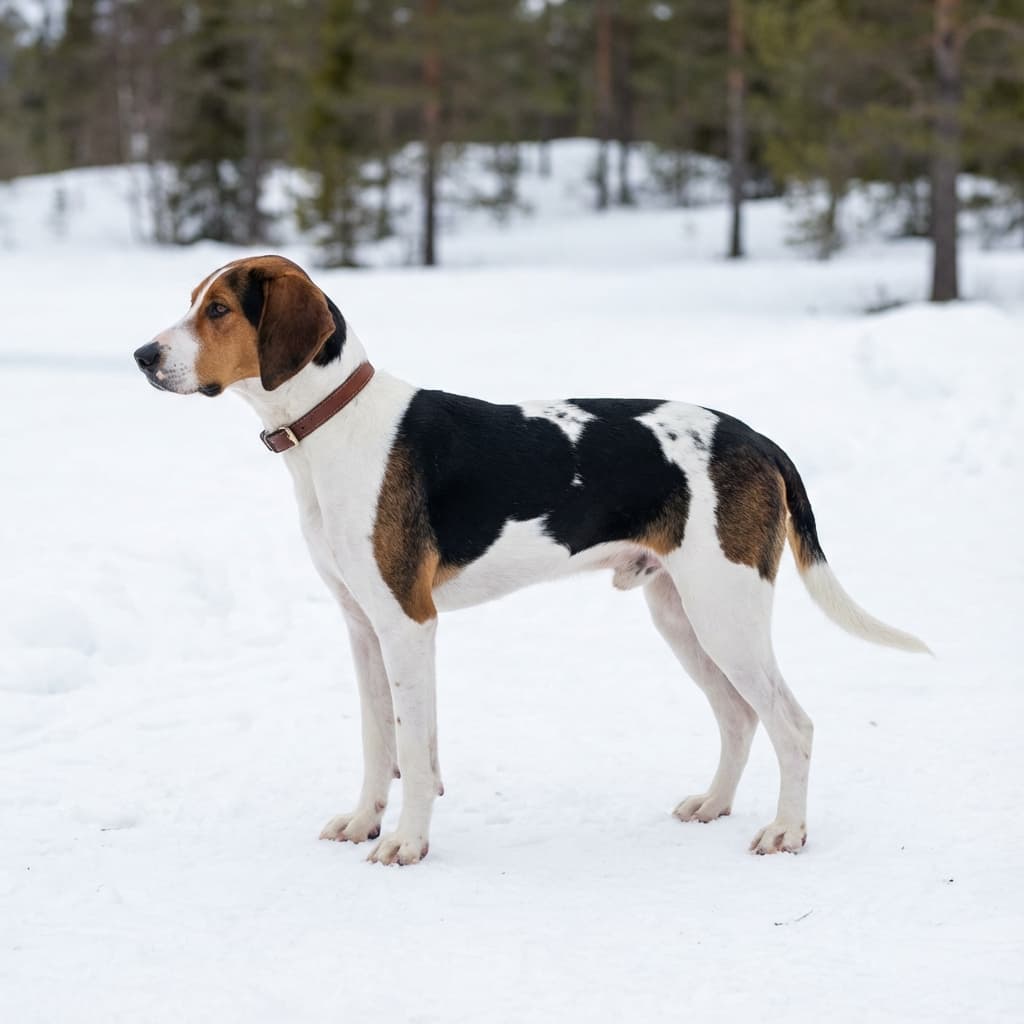
Moreover, its friendly expression and alert gaze with dark, expressive eyes allow it to form strong bonds with its owner. The dog's ears, of medium length and wide at the base, lie close to the cheeks, adding to its charm and giving it a gentle, approachable appearance. The coat, dense and rough to the touch, is short on the head and legs but longer on the back and belly, further highlighting its distinctive appearance. The coloration can be red or yellow, often with black and white markings that create a striking mosaic of colors.
The Westphalian Dachsbracke is also a smart and sociable dog, making it an excellent family companion. It can adapt to various situations – from active outdoor play to quiet moments of rest at home. However, its lively mind requires constant stimulation, and its high energy demands regular physical activity. A responsible owner should provide daily walks, mental games, and opportunities to explore the surroundings to avoid behavioral problems arising from boredom or excess unutilized energy.
The guide we have prepared will allow you to explore all aspects of life with this extraordinary dog – from health and grooming to activity and training, as well as diet, history, appearance, and behavior. We encourage you to continue reading to fully understand why the Westphalian Dachsbracke is such a unique breed and how to ensure it has a happy, healthy life by your side.
The Westphalian Short-Legged Hound is a dog with a characteristic silhouette, distinguished by its strong, compact build. It reaches a height of 30 to 38 cm at the withers, making it a small-sized dog, but with an exceptionally solid structure and proportional silhouette.
Head and skull: The head is medium-sized, with a narrow and elongated shape, giving the dog a noble, purebred appearance. The forehead is slightly convex, and the stop between the forehead and muzzle is minimal, which is characteristic of hounds. The skull is only slightly wider than the cheeks, and the neck is slightly distinguished. The muzzle has a slightly arched bridge of the nose, and the lips are moderately drooping, giving the face an expression of gentleness.
Nose and teeth: The nose has a light, almost flesh-colored stripe running through the middle, while the nostrils show less or more dark pigmentation. The dog has a strong bite, and its teeth are well-developed and aligned, indicating health and strength. The incisors can be arranged in a scissor or pincer bite.
Eyes and expression: The eyes of the Westphalian Short-Legged Hound are dark and expressive, giving it a friendly and alert appearance. They look straight ahead, emanating a loyal, serious, and focused character that is typical of this breed.
Ears: The ears are of medium length, wide at the base, and drooping, fitting smoothly against the cheeks. They are neither too long nor too short, adding harmony to the overall silhouette and charm to the facial expression.
Coat and coloration: The coat is dense, rough to the touch, and resistant to changing weather conditions. It is shorter on the head and legs, and longer on the back, belly, and tail, making the dog well adapted for work in difficult terrain. The coloration of the Westphalian Short-Legged Hound is varied and can include shades of red and yellow with a black mask and white markings on the chest, legs, and tip of the tail.
Tail: The tail is thick at the base, gradually tapering towards the end. In calm movement, it is carried up in a sabre shape or hangs down with a slight curve at the tip, adding elegance and harmony to the entire figure.
The Westphalian Dachsbracke is a dog with a balanced temperament, combining friendliness, sociability, and a lively personality. This breed is known for its strong attachment to its owner, making it an excellent family dog and a loyal companion for life.
Family relationships: The Westphalian Dachsbracke is gentle and patient with children, and its playful nature makes it eager to participate in family games and activities. Its loyalty to its human family is unwavering, and its ability to form deep emotional bonds makes it one of the most devoted dogs. It needs the closeness of its loved ones and does not like being left alone for long periods, which can lead to separation anxiety and destructive behaviors.
Interactions with strangers and other animals: Despite its hunting background, this dog is open to new people and does not show fear of strangers. Its friendly demeanor usually leads it to greet guests with joy. However, due to its high hunting instinct, it may have a tendency to chase smaller animals such as cats, rabbits, or rodents, which should be considered in its training and socialization. Proper socialization from a young age will help the dog learn appropriate interactions with other animals.
Temperament and energy level: This dog is lively, active, and full of vigor, making it an ideal companion for those leading an active lifestyle. It loves long walks, outdoor play, and the opportunity to explore new scents. It can be quite vocal, especially when it detects an interesting trail or wants to get attention, so it is important to socialize it properly and teach it when it is time to bark and when it is not.
Emotional needs: The Westphalian Dachsbracke does not tolerate being left alone for long periods, which can lead to behavioral problems such as excessive barking, destruction of objects, or nervous behaviors. Therefore, it is recommended that owners devote a lot of attention, time, and regular activity to it. A well-managed and socialized Westphalian Dachsbracke becomes a loyal companion that brings joy, love, and positive energy to any home.
The Westphalian Dachsbracke is characterized by relatively good health and longevity, ranging from 11 to 13 years, and sometimes even longer with proper care. This dog is active and energetic, which makes it resistant to many common dog diseases, but like any breed, it has its specific health issues that owners should be aware of.
Joint and spine problems: The most common ailments that can affect this breed include joint and spine problems, which may result from their intense activity, jumping in difficult terrain, and their characteristic short-legged build. Hip dysplasia, although less common, can occur in some individuals. Owners should be cautious about joint strain and avoid excessively strenuous exercise in young puppies, whose bones and joints are still developing.
Ear problems: Due to their long, drooping ears, the Westphalian Dachsbracke is prone to ear infections, which can be caused by moisture, dirt, and lack of air circulation. Therefore, it is important to regularly check and clean the ears, especially after walks in damp conditions or baths. Symptoms of ear infections include redness, unpleasant odor, discharge, and excessive scratching or shaking of the head.
Obesity: This breed also has a tendency to obesity, especially when it does not receive adequate exercise or is overfed. Being overweight can lead to serious health issues such as diabetes, heart disease, and additional strain on the joints. Therefore, owners should ensure a proper, balanced diet and regular physical activity to keep the dog in good condition.
Veterinary care: Proper veterinary care, regular vaccinations, deworming, and annual check-ups are crucial for ensuring the dog’s health for many years. Early detection of potential health problems significantly increases the chances of effective treatment and provides the dog with a comfortable, happy life.
The care of the Westphalian Dachsbracke is relatively simple and not very time-consuming, but it requires regularity and consistency to ensure the dog looks healthy and feels comfortable.
Brushing the coat: Its coat is dense and coarse, which means it does not require frequent brushing – once or twice a week is sufficient to prevent dullness, remove dead hair, and avoid matting. Regular brushing also helps distribute the skin's natural oils, keeping the coat in good condition and giving it a healthy shine. During the shedding period, which usually occurs twice a year, it is advisable to increase the brushing frequency to daily to remove larger amounts of fallen hair.
Bathing: It is important not to bathe the dog too often, as excessive bathing can lead to dry skin and irritation. Bathing should only occur when necessary, for example, after returning from a dirty hike, playing in the mud, or when the dog has an unpleasant odor. When bathing, use gentle, dog-specific shampoos that do not damage the skin's natural protective layer.
Ear care: Owners should also regularly check the dog's ears, especially under the large, floppy ears, to avoid infections. Ears should be cleaned gently with special ear cleaning solutions or a damp cotton ball, removing excess wax and dirt. If you notice an unpleasant odor, excessive discharge, or redness, consult a veterinarian.
Nail care: Taking care of the nails is equally important, and regular trimming should become part of the grooming routine. Overgrown nails can cause discomfort, walking problems, and joint pain. If you hear the nails clicking on the floor while the dog walks, it means they are too long and need trimming. If in doubt, you can seek help from a groomer or veterinarian.
Oral hygiene: Don't forget about oral hygiene – regularly brushing the dog's teeth with a special toothbrush and toothpaste will help prevent tartar buildup, gum disease, and bad breath.
With proper, regular care, the Westphalian Dachsbracke will be a healthy and happy companion that looks and feels great.
The Westphalian Dachsbracke is a dog with high energy needs that requires regular and varied physical activity to maintain health, well-being, and emotional stability.
Daily walks and hikes: This dog, due to its hunting predispositions and natural tracking instinct, needs daily walks and opportunities to run outdoors. Long walks in the forest, park, or open areas are ideal for it, where it can explore new scents, stimulate its senses, and satisfy its natural curiosity. Hiking in nature allows the dog to utilize its innate tracking instinct and brings it immense joy.
Play and games: The Westphalian Dachsbracke loves to play fetch, engage in games with other dogs, and participate in various activities with children. They are social dogs that draw energy from interactions with others, so regular visits to the dog park or organizing playdates with other dogs are very beneficial. Games like searching for hidden treats, obstacle courses, or toy-finding activities are excellent ways to provide mental and physical stimulation.
Preventing behavioral problems: This dog, if it does not receive the appropriate amount of exercise, can become overly excited, restless, or bored, leading to undesirable behaviors such as destroying household items, excessive barking, digging holes in the garden, or escaping. Therefore, it is extremely important for its owners to provide adequate physical and mental activity to prevent such problems and keep the dog in good mental and physical condition.
Recommended amount of exercise: A minimum of 60-90 minutes of activity per day is recommended for this breed, although some individuals may require even more. The activity should be varied, combining walks, runs, play, and mental exercises to maintain the dog's interest and ensure its comprehensive development.
Training the Westphalian Dachsbracke can be both a challenge and a pleasure, provided that appropriate methods and consistency are applied. This dog is characterized by moderate intelligence and a strong will, which means it can learn, but its ease of learning depends on the training approach.
Positive reinforcement: It is important to use positive reinforcements, such as treats, verbal praise, petting, or a favorite toy. Avoid physical punishment or yelling, as these can weaken the bond between the dog and the owner and induce fear. The Westphalian Dachsbracke responds best to a gentle yet firm approach that builds trust and motivation to cooperate.
Consistency and short sessions: A key principle is consistency in expectations – rules must be clear and applied by all family members. This dog gets bored quickly, so training sessions should be short (10-15 minutes) but intense and engaging to maintain its interest. Introducing variety in exercises, using toys, or changing the training location can help keep the dog's focus.
Socialization: Owners should also ensure early socialization of their dog so that it learns proper interactions with other dogs, people, and various life situations. Puppies should be exposed to a variety of stimuli – sounds, smells, surfaces, people of different types – to develop confidence and openness to new experiences.
Recall and preventing escapes: Furthermore, the Westphalian Dachsbracke may be prone to escaping, especially if it is interested in an intriguing scent or trail, so it is important to teach it basic commands such as Sit, Stay, Leave it, Come here. Working on recall is crucial and should be regularly reinforced, especially in open areas. Always keep the dog on a leash in unfenced areas or near busy streets.
Patience and understanding: Owners should also be patient and understand that some dogs may need more time to master certain skills. Each dog learns at its own pace, and the owner's frustration can lead to regression in learning. With the right techniques, the Westphalian Dachsbracke will become a well-trained and obedient companion.
Feeding the Westphalian Dachsbracke is a key aspect of its health, well-being, and longevity. This breed tends to gain weight, making it important to provide the right amount of high-quality food and control portions.
Feeding frequency: Owners should feed their dog twice a day – in the morning and evening – to maintain stable energy levels, avoid obesity, and prevent digestive issues. Feeding the dog at regular times also helps establish a consistent rhythm for digestion and elimination.
Food quality: The choice of food should be tailored to the dog's age, activity level, health status, and individual needs. A well-balanced diet should contain an appropriate amount of high-quality protein (from animal sources, such as chicken, beef, fish), healthy carbohydrates (rice, oats, sweet potatoes), and healthy fats (flaxseed oil, fish oil), which support skin and coat health. The food should be rich in vitamins, minerals, and antioxidants.
Portion and weight control: Due to the tendency for obesity, owners should carefully measure food portions according to the manufacturer's or veterinarian's recommendations. Regularly check the dog's weight and assess its condition – you should be able to feel the dog's ribs under a slight layer of fat, and the silhouette should show a clear waist when viewed from above.
Access to water: It is also important to provide the dog with constant access to fresh, clean water, especially after meals, physical activity, and on hot days. Water is essential for the proper functioning of the body, digestion, and thermoregulation.
Avoiding human food: Avoid giving your dog human food, which can be unhealthy, too fatty, salty, or contain ingredients toxic to dogs (chocolate, onions, garlic, grapes, avocados, xylitol). Such foods can lead to stomach problems, poisoning, or serious health issues.
Treats and snacks: Treats should make up no more than 10% of the dog's daily caloric intake. Use healthy snacks, such as pieces of carrot, apple (without seeds), or specialized low-calorie dog treats.
Maintaining a proper, balanced diet is crucial for keeping the Westphalian Dachsbracke in good condition and health for many years.
Characteristic Traits
Pros
- Friendly and sociable
- Easy to train
- Excels as a family dog
- Loyal and devoted
- Healthy and resilient breed.
Cons
- Requires a lot of movement and activity
- Can be stubborn
- Needs mental stimulation
- Tendency to obesity
- Inclination to escape in pursuit of a trail.
Behavioral Ratings
Breed History
The Westphalian Dachsbracke has a fascinating history that dates back to the 19th century. It was first described in 1886, when German breeders and hunters wanted to create a dog perfectly adapted for hunting in difficult, densely overgrown terrain where larger dogs had trouble moving.
Origin and Crossbreeding: The Westphalian Dachsbracke is considered the result of crossbreeding the Swedish Elkhound (Drever) with other breeds, such as the dachshund, although there is no clear, documented historical evidence for this. This crossbreeding aimed to combine the excellent sense of smell and tracking abilities of hounds with shorter legs, which allowed for effective movement in dense underbrush and shrubs during hunts for badgers, foxes, and other small game.
Breed Development and Recognition: This breed is not officially registered with the British Kennel Club (Kennel Club UK), but it sometimes appears in groups of smaller hounds within the Fédération Cynologique Internationale (FCI), where it is classified in group 6, section 1.3 (small hounds). The Westphalian Dachsbracke gained recognition primarily in Germany, where it was used by hunters as a reliable assistant for tracking, chasing, and flushing game.
Popularity in Scandinavia: The breed's popularity has increased in Scandinavia, particularly in Sweden and Norway, where these dogs are widely used not only for hunting but also for pest control and as family companions. Scandinavian breeders have appreciated the versatility, intelligence, and friendly nature of this breed, which has contributed to its further development and spread in the region.
Contemporary Use: Today, the Westphalian Dachsbracke is valued not only among hunters but also as a companion dog, which has contributed to its development as a family breed. Its intelligence, devotion, balanced temperament, and friendly attitude towards children make it an excellent companion for both active individuals and families with children. Although it remains a relatively rare breed outside of Europe, its unique traits and charismatic appearance are gaining increasing recognition worldwide.