Haldenstovare
FCI Group
6• FCI 267
Size
Medium
Origin Country
NO
Height
50-60 cm
Weight
20-29 kg
Lifespan
10-13 years
Temperament
Overview
The Haldenstøver breed, also known as the Halden Hound, is a unique hunting dog originating from picturesque Norway. The breed's name refers to the city of Halden, where it was developed over a hundred years ago. To this day, it is valued for its extraordinary hunting skills, especially in hunting hares. The Haldenstøver is a scent hound distinguished by its ability to hunt independently, making it an excellent companion for hunters who appreciate individuality and independence in their work.
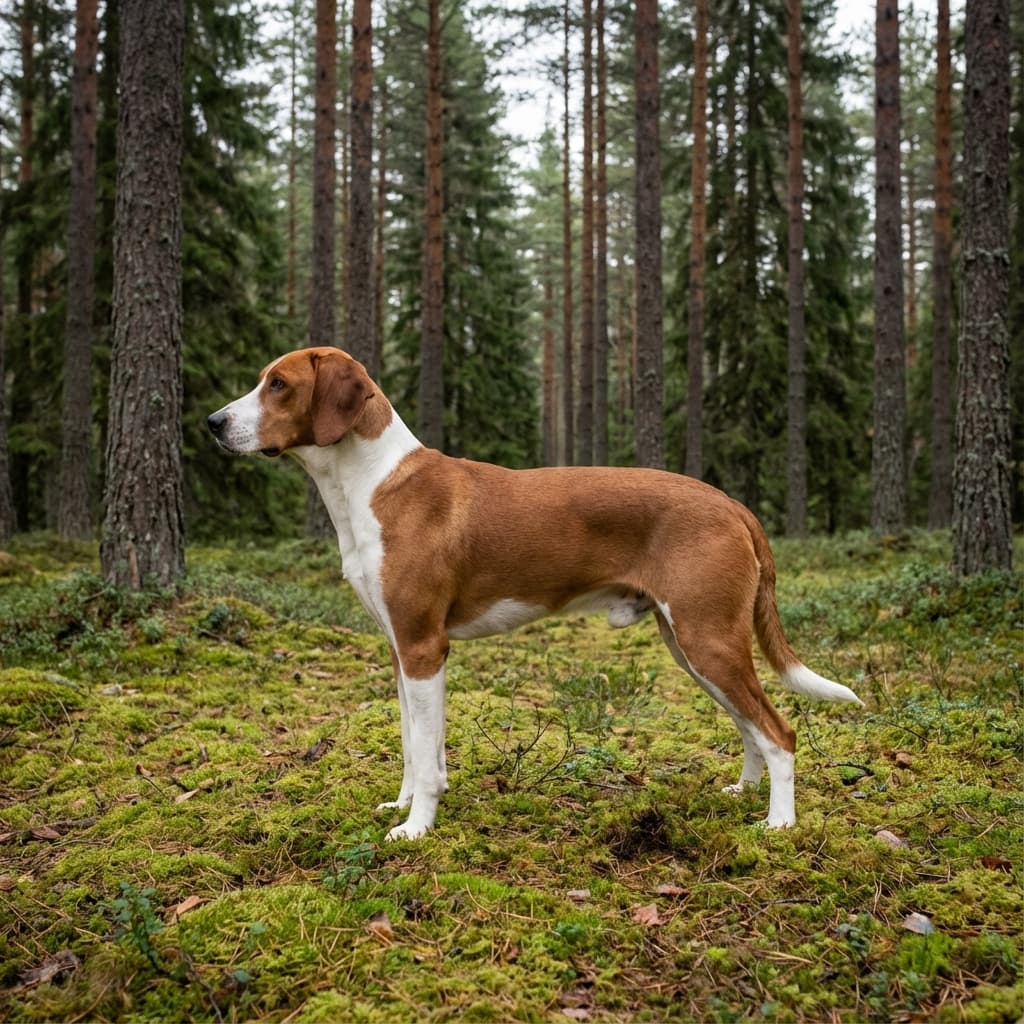
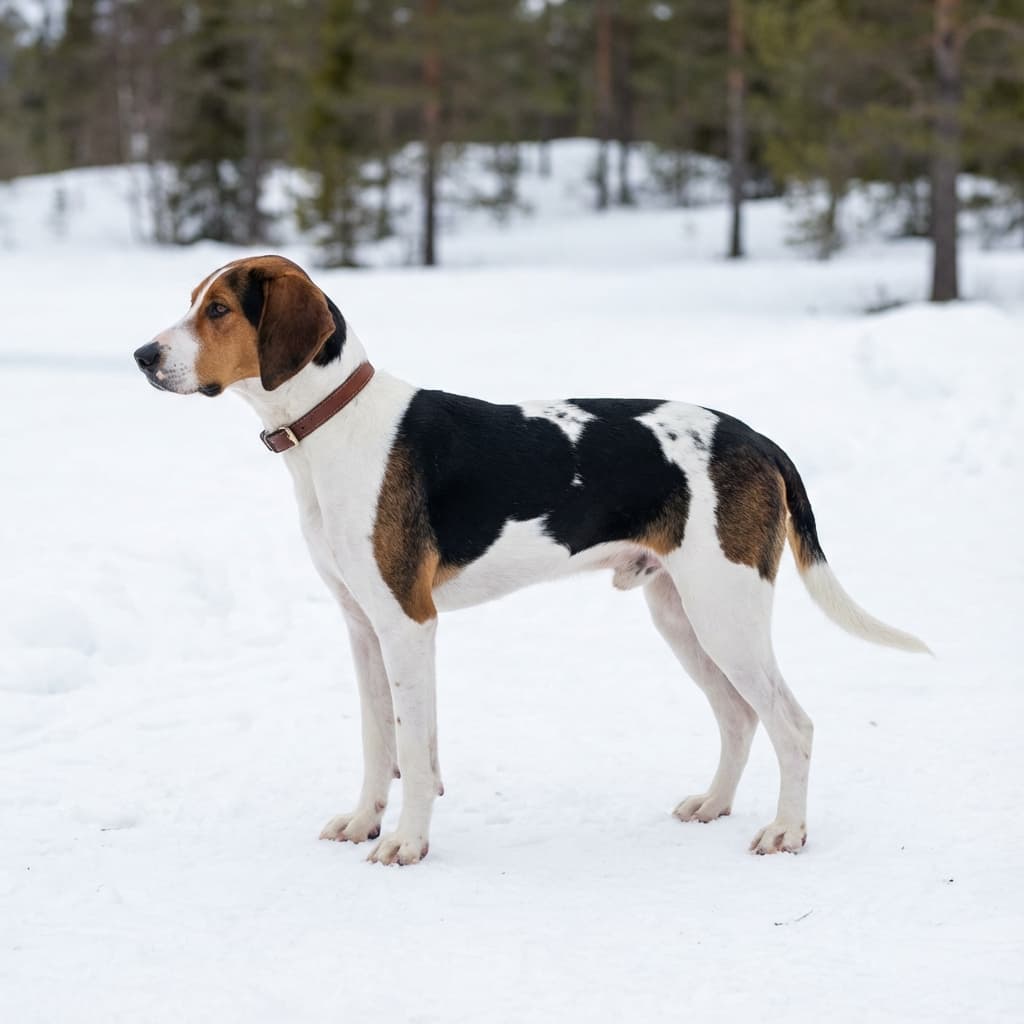
At first glance, the Haldenstøver may resemble an American foxhound due to similarities in build and coloration. However, it is a dog with a unique character, characterized by a proud, strong, yet not heavy rectangular silhouette. Its head is well-balanced, medium-sized, with a slightly convex skull seen from both the front and the side. The occipital bone is barely noticeable, and the stop is not too pronounced, giving the dog an elegant and harmonious appearance.
The Haldenstøver has a black nose with open nostrils and a muzzle that is not too short, with a straight back. The lips are not excessively drooping, and the jaws feature a full set of teeth in a scissor bite. The cheeks are relatively flat. The eyes are dark brown, medium-sized, with a calm expression, adding to the dog's intelligent and friendly appearance. Characteristic of this breed are the ears, which are neither set too high nor too low – when extended forward, they should reach halfway down the muzzle.
The neck of the Haldenstøver is quite long, strong, and clean, without a throat, which adds to its grace and confidence. The back line is straight, the back is strong, and the loins are wide and muscular. The chest is deep with well-arched, but not barrel-shaped ribs. The rear ribs should be particularly well-developed. The belly is very slightly tucked up. The tail is set neither too high nor too low, fairly thick, reaching approximately to the hock joints, carried rather low.
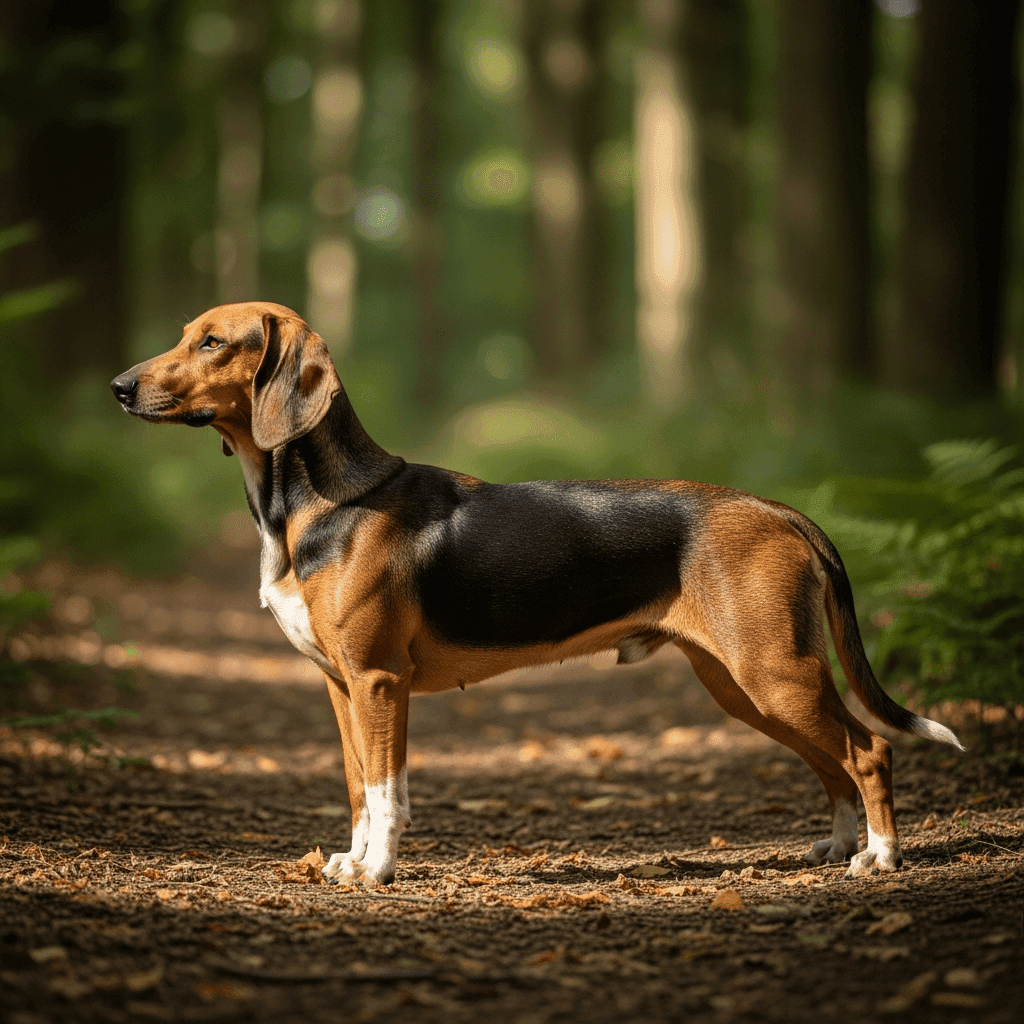
The coat of the Haldenstøver is short, hard, and dense with a well-developed undercoat, which perfectly protects it from adverse weather conditions during hunts in challenging Norwegian terrain. The coloration of this breed is white with black patches and tan shades on the head, ears, and legs, making it easily recognizable and giving it a distinctive appearance.
The Haldenstøver breed is the ideal combination of a superb hunter and a loyal companion. It is a dog full of energy, enthusiasm for work, and loyalty to its owner. Although the Haldenstøver is primarily a hunting dog, it also excels as a member of an active family, bringing joy and enthusiasm to everyday life. Its natural hunting traits, combined with a gentle temperament at home, make it exceptional among other breeds, and its history and origins add to its charm. I invite you to continue discovering the secrets of this fascinating, albeit endangered breed in the following sections of the guide, where you will find detailed information on health, grooming, exercise, training, nutrition, and the history of the Haldenstøver.
Haldenstøver has a distinctive appearance that fully reflects its function as a hunting dog adapted to difficult terrain. Its silhouette is rectangular, giving it a proud and strong, yet not heavy look. The body structure is harmonious and balanced, combining elegance with functionality.
The head is clean, medium-sized, and well-balanced. The skull is slightly convex when viewed from both the front and the side, with a barely perceptible occipital bump. The stop is not too pronounced, which gives the head smooth, elegant lines. The nose is black with open nostrils, providing excellent olfactory abilities essential for hunting work. The muzzle is not too short, and the bridge of the nose is straight. The lips are not excessively drooping.
The eyes of the Haldenstøver are dark brown, medium-sized, with a calm and intelligent expression. The ears are of medium length, hanging, set neither too high nor too low – when extended forward, they should reach halfway to the muzzle. The cheeks are relatively flat, and the jaws feature a full set of teeth in a scissor bite.
The neck is quite long, strong, and clean, without a throat, which adds grace and confidence to the dog. The body is characterized by a straight back line, strong loins, and a wide, muscular lower back. The croup is slightly sloping. The chest is deep with well-arched but not barrel-shaped ribs. The rear ribs should be particularly well-developed, providing the dog with the strength and endurance necessary for long hunts. The belly is very slightly tucked up.
The tail is set neither too high nor too low, fairly thick, reaching approximately to the hock joints and carried rather low, which adds harmony and balance to the dog's movement. The front limbs are straight and slender with a strong bone structure. The hind limbs are well-muscled, with well-angled joints, allowing for fast running, jumping, and maneuvering in difficult terrain.
The coat of the Haldenstøver is short, hard, and dense with a well-developed undercoat that excellently protects it from adverse weather conditions during hunts in the cool Norwegian climate. The coloration of this breed is white with black patches and tan shades on the head, ears, and legs, making it easily recognizable and giving it a unique, attractive appearance.
Haldenstøver is a dog with a harmonious build that combines both elegance and strength, creating the image of an excellent hunting dog with outstanding abilities in the field.
Haldenstøver is a dog with a balanced and even temperament, combining the traits of a friendly companion and a passionate, persistent hunter. In a family environment, Haldenstøver forms strong bonds with family members, being loyal, affectionate, and gentle. At home, he is calm and composed, while in the hunting field, he determinedly and passionately pursues scents, showing independence and self-sufficiency in his work.
This breed has a high hunting instinct, which can make it wary of strangers. Therefore, early socialization is crucial for Haldenstøver to learn to respond positively to new situations, people, and animals. He is a dog that can be independent, especially while hunting, when he follows a scent with great focus, but at the same time, he desires to be in the company of his family and enjoys interactions with loved ones.
Haldenstøver can tolerate long hours of solitude better than many other breeds; however, he may suffer from separation anxiety if left alone for too long or if he does not receive adequate attention and activity. This breed is also quite vocal—especially when chasing a scent or when he detects something interesting—which makes them good watchdogs, informing owners of the arrival of guests or unfamiliar noises.
Haldenstøver gets along well with other dogs, particularly if he has been socialized with them from a puppy, but he may exhibit dominance over same-sex dogs. With proper socialization, he can also coexist with other pets, although his strong hunting instinct may lead him to chase smaller animals.
This is a dog that can serve well as both a family pet and a hunting dog, provided he receives the right amount of exercise, mental stimulation, and attention from his caregivers. Haldenstøver is not a dog for those leading a sedentary lifestyle—he needs an active owner who appreciates his hunting roots and provides him with opportunities to utilize his natural instincts.
Haldenstøver is a breed of dogs relatively healthy and resilient, with an average lifespan of 10 to 13 years. This breed is characterized by a solid build and is well adapted to the cold Norwegian conditions, making it resistant to cold and wet weather conditions.
However, like many medium-sized breeds, Haldenstøver may be prone to certain genetic and acquired conditions. The most common health issues include:
- Hip dysplasia (HD) – a hereditary condition involving improper development of the hip joint, which can lead to pain and arthritis. It is advisable to perform X-ray examinations before breeding.
- Elbow dysplasia (ED) – a similar condition affecting the elbow joints, also hereditary.
- Obesity – Haldenstøvers that are no longer actively used for hunting or do not receive enough exercise may tend to gain weight. It is important to monitor their weight and provide an appropriate diet and regular physical activity.
- Ear infections – due to their floppy ears, Haldenstøver may be prone to ear infections, especially if they are not properly groomed and cleaned regularly.
Health prevention should include regular veterinary visits, vaccinations, deworming, and dental and ear check-ups. Owners should be vigilant and observe their dog for any changes in behavior, appetite, or activity level that may indicate health problems.
Providing a healthy, balanced diet, adequate exercise, and proper grooming will help keep the Haldenstøver in good health for many happy years. With proper care, dogs of this breed can enjoy an active life throughout their existence.
The care of the Haldenstøver is relatively simple and low-maintenance, making it a good choice for people who do not have much time for complicated grooming procedures. Its short and dense coat with a thick undercoat does not require intensive care, but regular basic grooming is essential to maintain the dog's health and comfort.
Brushing should take place at least twice a week to remove dead hair, minimize its presence in the home, and stimulate the skin to produce natural oils that care for the coat. During shedding periods, it is advisable to increase the brushing frequency to daily to more effectively manage the falling hair.
Bathing is not needed too often – the Haldenstøver should only be bathed when necessary to remove dirt, mud, or unpleasant odors. Too frequent baths can strip the coat of its natural protective oils. If the dog regularly participates in hunting or long hikes, it is worth checking its coat for ticks, plant seeds, and other debris.
Ear cleaning is particularly important due to the hanging ear structure, which can promote moisture accumulation and the development of infections. It is recommended to regularly check and clean the ears at least once a week using gentle products designed for dog ear care.
Dental hygiene should also not be neglected. Regular teeth cleaning, preferably several times a week, will help prevent tartar buildup, gum disease, and bad breath. Dental chews and toys can also be used.
Nail trimming should be done regularly, usually every 3-4 weeks, depending on the dog's activity level. If the Haldenstøver runs a lot on hard surfaces, the nails may wear down naturally, but it is worth checking and trimming them when they become too long to ensure the dog’s comfort while walking and running.
Therefore, the care of the Haldenstøver is easy and not very time-consuming, making it a good option for active owners who value simplicity and practicality in maintaining their dog.
Haldenstøver is a breed that requires a lot of exercise and physical activity to remain healthy, happy, and mentally balanced. It is a high-energy hunting dog that loves to run, sniff, and explore new areas. Without the proper amount of exercise, Haldenstøver can become bored, frustrated, and develop behavioral problems such as destroying things, excessive barking, or attempts to escape.
Ideally, Haldenstøver is suited for active families and individuals who lead an active lifestyle and can dedicate time to long walks, runs, and outdoor play. Haldenstøver needs a minimum of 1-2 hours of intense activity daily, preferably divided into several sessions. Long walks, running, hiking in the mountains or forests, and biking (with the dog running alongside) are perfect ways to meet its exercise needs.
This breed particularly loves activities related to scenting and tracking, which engage its natural hunting instincts. Scent games, searching for hidden objects, mantrailing, or nose work training are excellent forms of mental and physical stimulation. Haldenstøver will also excel in dog sports such as agility, canicross, or rally obedience, which allow for effective energy expenditure and strengthening the bond with the owner.
This breed prefers open spaces and is not well-suited to living in small apartments without access to a garden or areas to run. Having a garden or access to space where the dog can run freely and explore is crucial for its mental and physical health. However, it is important to remember that Haldenstøver has a strong hunting instinct and may follow scents, so the garden should be well-fenced, and during walks in open areas, it is advisable to use a leash or a long training line.
Without the proper amount of exercise and mental stimulation, Haldenstøver will not be a happy house dog. This breed is for those who truly love outdoor activity and can provide the dog with daily physical and mental challenges.
Haldenstøver is a smart and trainable dog, but its training can be a challenge for inexperienced owners due to its strong hunting instinct and independent nature. This breed was developed for independent hunting, which means the dog is accustomed to making its own decisions in the field rather than following commands blindly.
Owners should use consistent but gentle and positive training methods, based on rewards and positive reinforcement. Haldenstøver does not respond well to harsh treatment, punishment, or yelling – such methods can damage the relationship with the dog and make it distrustful or stubborn. Instead, training should be based on motivation, fun, and frequent rewards in the form of treats, praise, and play.
Early socialization is absolutely crucial for this breed. From a puppy, Haldenstøver should be exposed to a variety of situations, people, animals, sounds, and environments to learn to respond positively to new experiences. This helps prevent distrust of strangers and issues with excessive reactivity or anxiety.
Haldenstøver has a strong hunting instinct, which means it may be inclined to follow scents and ignore the owner's commands when fascinated by a trail. Therefore, exercises for recall and obedience should be conducted regularly and reinforced throughout the dog's life. It is advisable to train recall in a safe, fenced area, gradually increasing the level of distraction.
Training sessions should be short, varied, and engaging – Haldenstøver quickly becomes bored with monotonous exercises. Incorporating elements of play, diverse tasks, and new challenges will help maintain the dog's interest. Nose work, scent trails, and scent games are excellent ways to engage Haldenstøver's natural skills in training.
Over time, with the right approach, patience, and consistency, Haldenstøver will become an obedient and loyal companion that enjoys working with its owner. However, it requires an experienced handler who understands the nature of hunting dogs and is prepared for the challenges associated with training a breed with strong hunting instincts.
Haldenstøver has moderate dietary requirements, but like any dog, it is important that the diet is balanced, high-quality, and tailored to the dog's activity level, age, and health status. Because Haldenstøver is a medium-sized, highly active dog, it needs food that is rich in protein and energy to support its physical condition and endurance.
Owners should choose high-quality foods that contain appropriate nutrients: animal protein as the main ingredient, healthy fats, low glycemic index carbohydrates, vitamins, and minerals. Foods with excessive fillers, artificial colors, and preservatives should be avoided. Both dry (kibble) and wet foods can be chosen, or a mixed diet can be used.
Haldenstøver is not very demanding when it comes to food, but it is important to avoid overfeeding to prevent weight problems, especially if the dog is not actively used for hunting or does not get enough exercise. Obesity can lead to serious health issues such as joint dysplasia, heart disease, or diabetes.
Regular meals are essential – it is recommended to feed an adult dog twice a day (morning and evening) to ensure stable energy levels and avoid digestive problems. Puppies require more frequent meals (3-4 times a day). Fresh water should always be available, especially after intense exercise.
The amount of food should be adjusted to the dog's activity level. A Haldenstøver working intensively in the field will need more calories than a dog leading a calmer home life. It is worth monitoring the dog's weight and adjusting portions based on its condition, consulting a veterinarian if in doubt.
The cost of maintaining a Haldenstøver will vary depending on the country and the chosen food, but it can be estimated that monthly costs related to feeding, veterinary visits (vaccinations, prevention), insurance, and basic grooming will amount to between 200 and 400 złoty. Planning a budget for dog maintenance will help ensure it receives proper care throughout its life.
Providing a healthy, balanced diet is the foundation of a Haldenstøver's health and will allow it to enjoy a long, active life full of energy.
Characteristic Traits
Pros
- Excellent hunting skills
- Independence and self-reliance in work
- Faithful and loyal companion
- Energetic and enthusiastic
- Resilient to harsh weather conditions.
Cons
- Requires a lot of movement and activity
- Can be stubborn and independent
- Needs an experienced owner
- Strong hunting instinct makes recall difficult
- Rare breed hard to obtain.
Behavioral Ratings
Breed History
The history of the Haldenstøver dates back over 100 years, when the breed was created in Norway near the city of Halden, which gave it its name. It was developed through crossbreeding English, Swiss, and other European hunting dogs, including probably the English Beagle, English Foxhound, and other tracking dogs. The goal was to create a scent dog that would be perfectly adapted to hunting hares in the challenging Norwegian terrain.
The Haldenstøver was primarily used for hunting hares, and its skills in the field were highly valued by hunters. This dog was characterized by independence in work, excellent scenting ability, and perseverance in tracking a scent for many hours. Unlike many other hunting dogs, the Haldenstøver typically worked independently or in small groups, which required intelligence and the ability to make its own decisions in the field.
In the 20th century, this breed faced difficult times. Epidemics of canine diseases, particularly parvovirus and distemper, as well as both world wars significantly reduced the population. Many breeding lines were lost, and the breed was on the brink of extinction. After World War II, breeders in Norway made efforts to rebuild the population, but with limited success.
Today, the Haldenstøver is classified as an endangered breed. Only a small number of puppies are registered annually in Norway (often less than 10-20), and outside the country, the breed is virtually unknown and absent. According to the Norwegian Kennel Club (Norsk Kennel Klub), the Haldenstøver is on the list of indigenous breeds requiring protection and genetic preservation.
That is why breeders and dog enthusiasts are striving to protect this unique breed by ensuring its genetic health, promoting its qualities as a wonderful companion and hunting dog, and educating potential owners about the value of preserving this Norwegian canine heritage. Every Haldenstøver puppy is precious for the survival of the breed, and responsible breeding and informed owners are key to its future.
Despite its rarity, the Haldenstøver remains a true symbol of Norwegian hunting tradition and is cherished by those fortunate enough to know this exceptional breed. Its history serves as a reminder of the fragility of dog breeds and the necessity of actively protecting unique genetic lines.