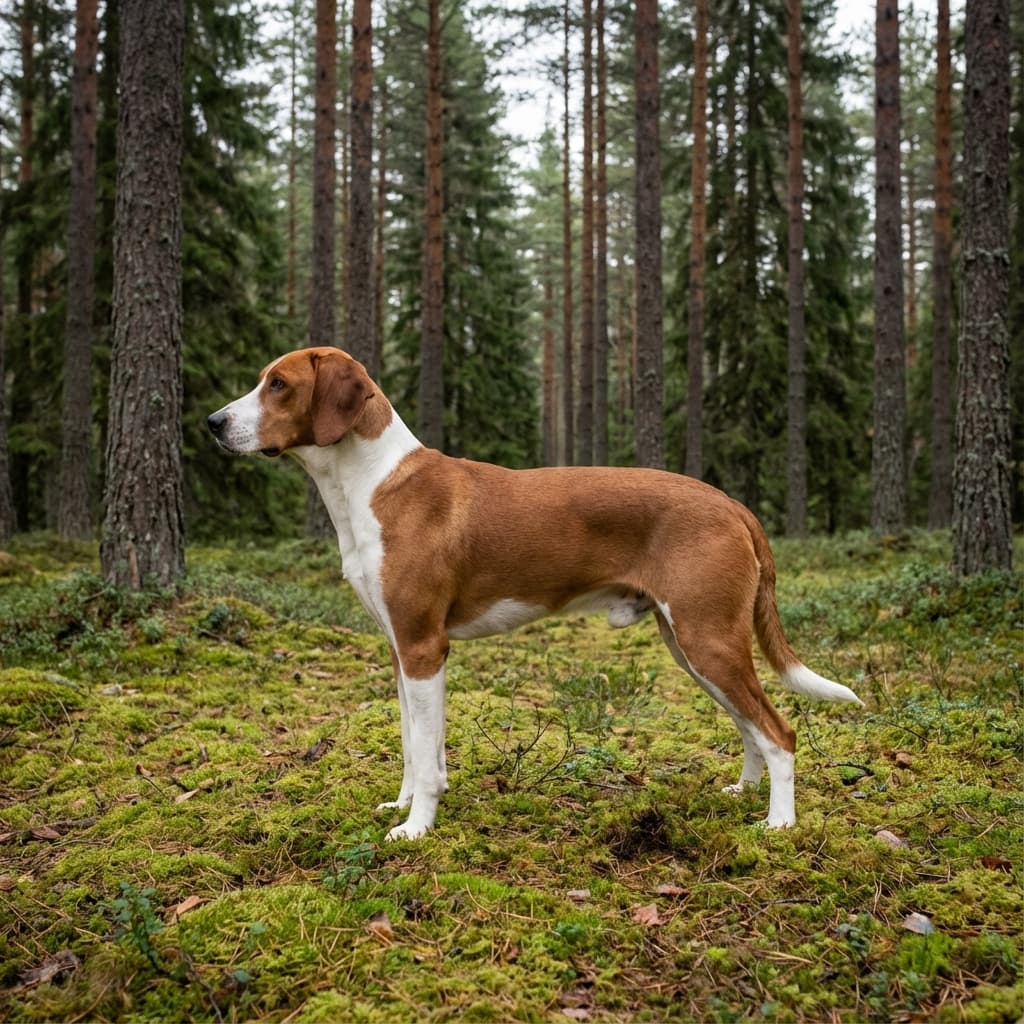
Hygenhund
FCI Group
6• FCI 266
Size
Medium
Origin Country
NO
Height
47-58 cm
Weight
20-25 kg
Lifespan
11-13 years
Temperament
Overview
The Hygenhund, also known as the Hygen Hound, is a Norwegian hunting dog breed with a rich history and exceptional hunting abilities. The breed was developed in the 19th century by Norwegian breeder Mr. Hygen, who dreamed of the perfect dog adapted to the harsh climatic conditions of Scandinavia. By crossing local hunting dogs with German Holsteiner Hounds, he created a breed that combines an incredible sense of smell, great endurance, and the ability to work in extreme Arctic conditions.
Hygenhunds stand out as specialists in hunting hares and foxes, able to effectively track game even in deep snow and freezing weather. Their endurance and agility, combined with a strong hunting instinct, make them valued among Scandinavian hunters. Despite their specialized nature, the breed remains relatively rare outside of Norway, making it a true treasure of Norwegian cynology.
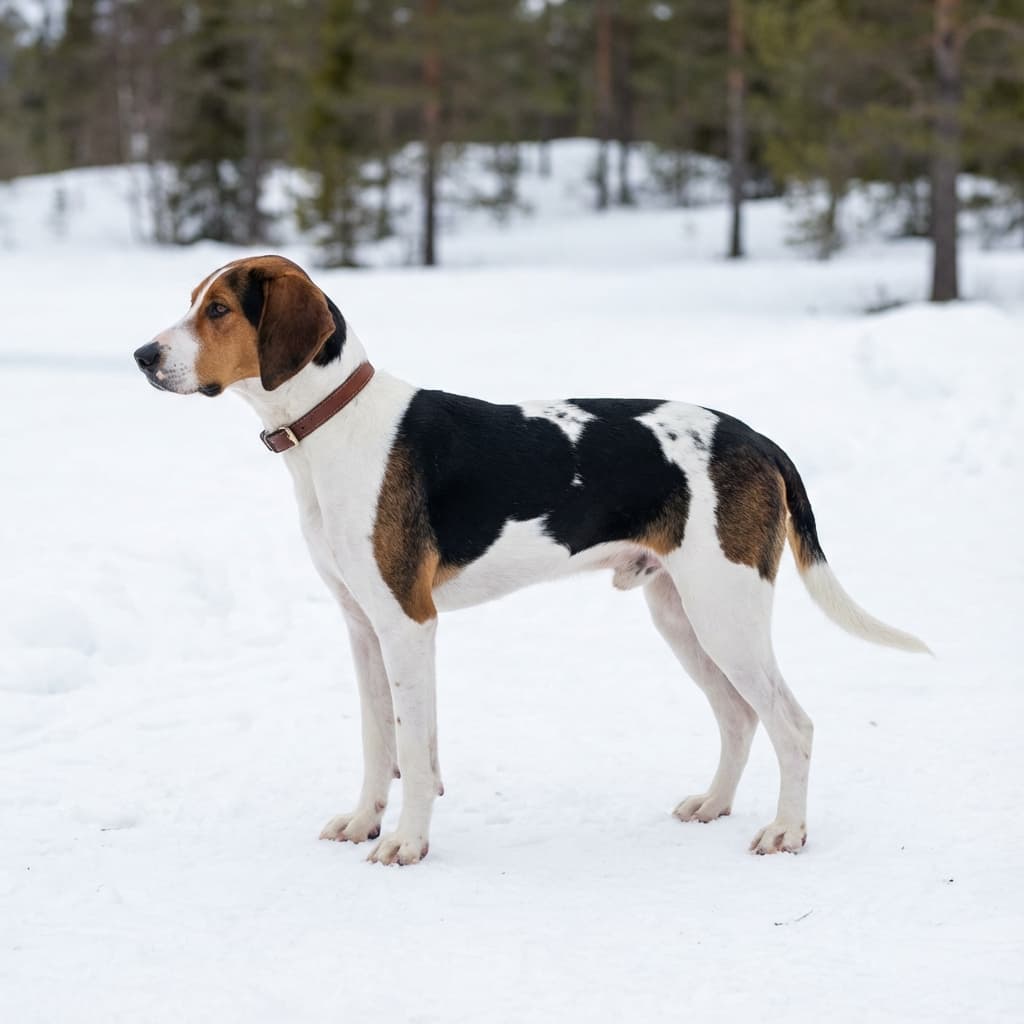
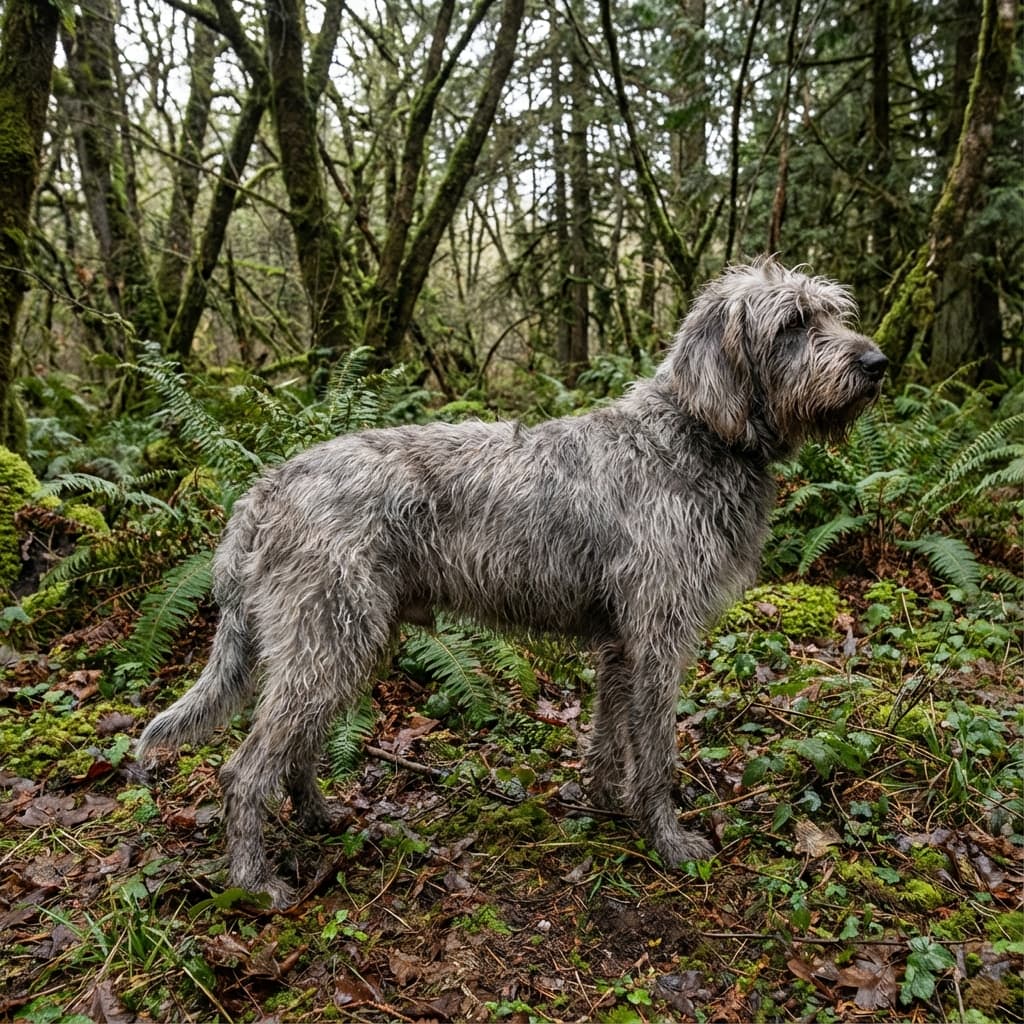
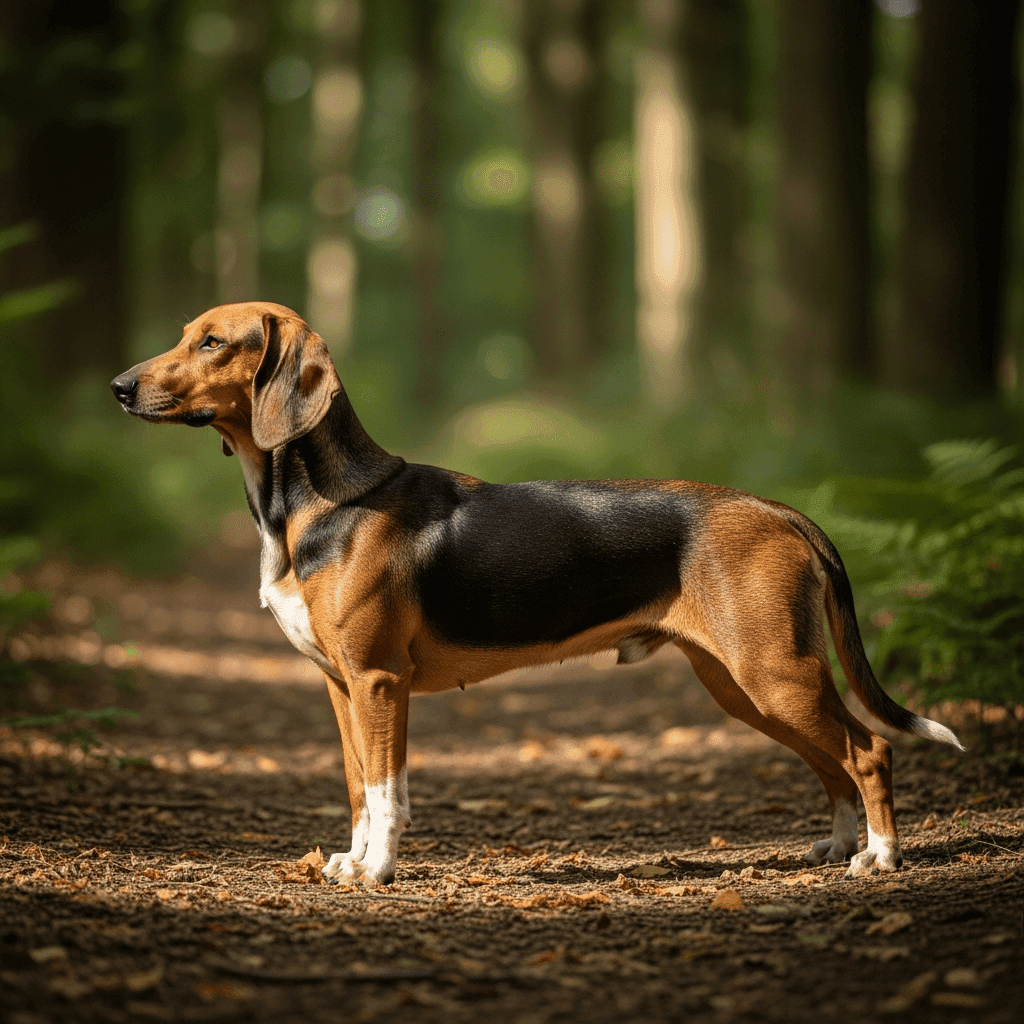
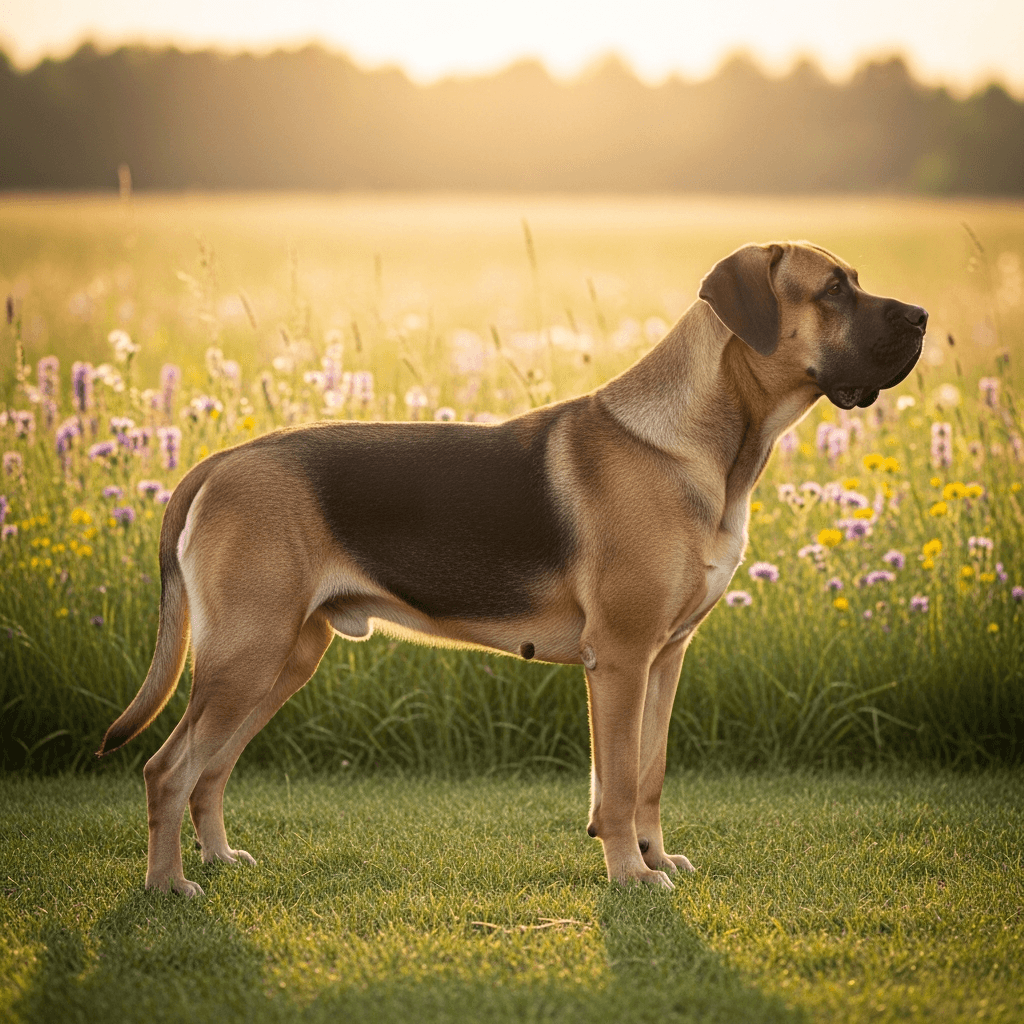
In terms of appearance, the Hygenhund presents itself as a solid, compact medium-sized dog with a straight, dense coat. The coat color can be very diverse – ranging from red-brown, through black and tan varieties, to white and red with beautiful patches. Their silhouette is characterized by a strong, straight back, a wide chest, and a harmonious body structure that exudes strength and elegance at the same time.
Although the Hygenhund was originally bred as a hunting dog, its intelligence and loyalty make it an excellent family dog as well. Properly socialized Hygenhunds thrive as life companions, showing attachment to the family and protectiveness towards children. However, they require consistent training and a sufficient amount of physical activity and mental stimulation.
In this comprehensive guide, you will find detailed information about all aspects of life with a Hygenhund – from health and grooming to physical activity and training requirements, as well as proper nutrition. You will also learn about the fascinating history of the breed, distinctive features of appearance, and typical behaviors. This will equip you with the complete knowledge needed to make an informed decision about welcoming this extraordinary Norwegian hunter into your family!
The Hygenhund is a medium-sized dog with a solid, compact body structure that perfectly reflects its hunting purpose. The height at the withers ranges from 47 to 58 cm, with males usually being larger than females, and their weight oscillates between 20 and 25 kg. The body proportions are harmonious, with a slightly elongated format, ensuring an excellent balance between strength and agility.
The head of the Hygenhund is medium-sized, moderately wide, but never heavy or massive. It has a slightly wedge-shaped appearance, though not pointed. The skull is slightly convex when viewed from the front and the side, with a barely perceptible occipital bump. The stop is clearly defined, creating a distinct transition between the skull and the muzzle.
The muzzle is clean, wide, and deep, rather short than long, with a straight nose bridge. When viewed from the side, the front part of the muzzle should be rounded, not square. The nose is always black, large, and well-developed. The lips are clean, not hanging down, evenly falling to the corners of the mouth. The jaws are strong with a correct scissor bite, and the cheeks are flat and clean.
The eyes are dark brown, medium-sized, and not protruding. The expression of the eyes is calm and serious, giving the dog an intelligent appearance. The eyelids fit well, not showing the conjunctiva. The ears are set at medium height, neither wide nor long, tapering and rounded at the tips. The skin of the ears is thin and soft, hanging slightly away from the cheeks. When pulled forward, they barely reach halfway to the nose.
The neck is of medium length, strong, without excessive throat. The body features a straight, strong back, a wide and muscular loin, and a long, wide, and slightly rounded hindquarters. The chest is well-developed, deep, and wide, with well-arched ribs. The belly is slightly tucked up.
The tail is thick at the base and gradually tapers towards the end. It is set as a natural extension of the back line and carried in a slight arc, never curled over the back. At rest, it reaches to the hock joint.
The coat is straight, dense, and fairly coarse to the touch, with a well-developed undercoat, providing excellent protection against harsh weather conditions. The coloration can be very diverse: red-brown (from light to dark shades), black with brown markings, white with red or yellow patches, as well as tricolor combinations of these shades. This color diversity adds extra charm to the breed.
The limbs are straight, strong, and parallel. The paws are compact, oval, with well-arched toes and hard pads. The movement is smooth, balanced, and energetic, with good propulsion from the rear.
Hygenhund is a breed with a complex and fascinating character, which changes depending on the context – this dog can be both a tireless hunter in the field and a calm, loyal companion at home. They are intelligent, independent, and energetic dogs that thrive in active families, provided they receive proper socialization from a young age.
In a family environment, Hygenhunds show strong attachment to their guardians and can be very loyal. Properly raised and socialized dogs get along well with children, towards whom they can show protectiveness and patience. However, it is important that contact with the youngest family members is supervised, especially in the case of young dogs that may be too energetic during playtime.
One of the characteristic traits of the Hygenhund is its independence and a certain degree of self-sufficiency in decision-making, which is typical for hunting dogs. They may tend to be possessive of their toys, bedding, or food bowls, so it is crucial to teach them early on to share and accept the presence of other animals and people near their belongings.
In relation to strangers, Hygenhunds are often reserved and cautious. Without proper socialization, they may show distrust and even defensiveness in situations they perceive as threats. Therefore, it is very important to expose the dog to various people, animals, and situations from a young age, which will help it develop a balanced temperament.
A strong hunting instinct is a defining characteristic of this breed. Hygenhunds have an extraordinary ability to track scents and can become completely absorbed in a trail, ignoring even well-trained commands. In practice, this means that off-leash walks can be risky – a dog that picks up an interesting scent may run after it without hesitation. A well-fenced area is essential for the dog's safety.
Hygenhunds can be quite vocal, especially when they do not receive enough attention, physical activity, or mental stimulation. Their voice is loud and can be used both during tracking and to express frustration or boredom. Barking and howling can be minimized by providing the dog with an adequate amount of exercise and activities.
In relationships with other dogs, Hygenhunds are usually friendly and sociable, as long as they have been properly socialized. They can function well in a dog group, although males sometimes exhibit dominance over other males. With other household pets, especially small ones (cats, rabbits), they may have difficulties due to their hunting instinct – early socialization is key here.
In summary, the Hygenhund is a smart, loyal, and energetic dog that requires consistent training, plenty of exercise, and mental stimulation. In the right hands, it becomes a wonderful companion that combines the qualities of a hunting dog and a family pet. The key to success is understanding its natural instincts and providing it with the right conditions to fulfill them in a controlled manner.
The Hygenhund is generally a healthy and resilient breed, with an average lifespan of 11 to 13 years, although many individuals can live even longer with proper care. Like all breeds, however, Hygenhunds can be prone to certain genetic and acquired conditions that owners should be aware of.
Hip dysplasia is one of the most common orthopedic conditions seen in medium-sized dogs. It is a developmental defect of the hip joint that can lead to pain, lameness, and arthritis. Symptoms may appear in young dogs or develop gradually with age. A good breeder should screen breeding parents for dysplasia to minimize the risk of its occurrence in offspring. Maintaining a proper body weight and providing adequate exercise can help manage this condition.
Sensitivity to anesthesia is another aspect that owners should pay attention to. Some dogs of this breed may exhibit unusual reactions to anesthetics used during veterinary procedures. Always inform the veterinarian about the dog's breed and any previous reactions to medications so that they can adjust the anesthesia protocol accordingly.
Allergies – both food and environmental – can occur in Hygenhunds. Symptoms may include itchy skin, redness, hair loss, chronic ear infections, or digestive problems. Identifying allergens and implementing an appropriate elimination diet or symptomatic treatment can significantly improve the quality of life for a dog suffering from allergies.
Gastric torsion (GDV – Gastric Dilatation-Volvulus) is a sudden and life-threatening situation in which the stomach fills with gas and may twist. Although it is more common in larger breeds with deep chests, Hygenhunds, due to their build, can also be at risk. Symptoms include: restlessness, unproductive vomiting, a bloated abdomen, excessive drooling, and weakness. Gastric torsion requires immediate veterinary intervention. To minimize the risk, it is recommended to feed the dog smaller portions several times a day, avoid intense exercise immediately before and after meals, and use slow-feed bowls.
Weight problems may arise, especially in dogs after finishing an active hunting career or those that do not get enough exercise. Being overweight puts additional strain on the joints, heart, and other organs, shortening the dog's lifespan and quality of life. Regular weight monitoring, adjusting food portions to the activity level, and ensuring daily exercise are crucial for maintaining proper condition.
Ear problems can be an issue in Hygenhunds due to their drooping ears, which restrict air circulation and create an environment conducive to bacterial and fungal infections. Regular checking and cleaning of the ears is an important part of grooming.
Health prevention should include regular veterinary visits (at least once a year, and every six months for older dogs), an up-to-date vaccination schedule, regular deworming, and the use of flea and tick treatments. Early detection of health issues significantly increases the chances of effective treatment.
Owners should also pay attention to oral health – regular tooth brushing and dental check-ups help prevent periodontal disease, which can lead to more serious health problems. With proper care, a healthy diet, and an active lifestyle, a Hygenhund can enjoy a long, healthy, and happy life alongside its family.
The care of the Hygenhund is relatively simple and low-maintenance, making this breed attractive to owners who do not want to spend excessive time on complicated grooming procedures. Their dense, straight coat with a coarse texture and well-developed undercoat is resistant to dirt and requires a moderate level of care.
Brushing should be done regularly, ideally 2-3 times a week, to remove dead hair, prevent matting, and keep the coat in a healthy, shiny condition. A natural bristle brush or a rubber grooming glove works well for this purpose. Regular brushing not only improves the appearance of the coat but also stimulates blood circulation in the skin and allows for early detection of potential skin issues, parasites, or tumors.
Periods of heavy shedding usually occur twice a year – in spring and autumn – when the dog sheds its undercoat to adapt to changing temperatures. During this time, brushing should be more frequent, even daily, to effectively remove loose hair and prevent it from accumulating in the home. A furminator or a special undercoat brush can be helpful during these periods.
Bathing should be done as needed, typically every 6-8 weeks or when the dog is noticeably dirty. Bathing too frequently can strip the natural oils that protect the skin and coat, leading to dryness and irritation. A mild dog shampoo should be used, and the dog should be thoroughly rinsed and dried with a towel or a low-temperature dryer.
Ears require regular inspection, preferably once a week. The drooping ear structure of the Hygenhund limits airflow, creating an environment conducive to bacterial and fungal infections. The ears should be pink and clean, without any unpleasant odor or excessive wax. Cleaning can be done using a special ear cleaning solution for dogs and cotton pads (never cotton swabs!). If redness, swelling, or an unpleasant odor is noticed, a veterinarian should be consulted.
Dental care is crucial for maintaining oral health and preventing periodontal disease, which can lead to more serious health issues. Daily brushing with a special toothbrush and toothpaste for dogs is ideal. As a supplement, special dental chews and toys that clean teeth can be used.
Nails should be regularly trimmed, typically every 3-4 weeks, or when they can be heard clicking on the floor while walking. Overgrown nails can cause discomfort, walking problems, and lead to paw deformities. If the owner does not feel confident trimming the nails, they can seek the services of a groomer or veterinarian.
Eye checks should be part of routine grooming. The eyes should be clean, without discharge or redness. Gently wiping the area around the eyes with a damp, clean cloth can help remove accumulated discharge.
Skin and coat checks during brushing allow for early detection of parasites (fleas, ticks), skin changes, lumps, or wounds. Special attention should be paid to areas under the ears, armpits, and around the belly.
In summary, the Hygenhund is a breed that is easy to care for, which maintains a healthy appearance and excellent condition with regular, basic care. Grooming is also a great opportunity to build a bond with the dog and monitor its overall health.
The Hygenhund is a highly energetic and active breed that requires a significant amount of daily exercise and stimulation, both physical and mental. As a hunting dog, it was bred for hours of work in challenging terrain, which translates into exceptional endurance and an unrelenting need for activity.
Daily exercise is absolutely essential for the physical and mental health of the Hygenhund. The minimum is 1-2 hours of active activity each day, which should include walks, runs, and playtime. A simple short walk around the block is not enough – this dog needs opportunities to run, explore, and expend its natural energy.
Ideal activities for the Hygenhund include long hikes in the woods, trail running (canicross), or walks on mountain trails. The dog loves tracking and following scents, so allowing it to explore new places and scent trails is incredibly satisfying. With its excellent endurance, it can accompany its owner on long excursions without showing signs of fatigue.
Enclosed space is crucial for the safety of the Hygenhund. Due to its strong hunting instinct, a dog that catches an interesting scent may completely ignore all commands and run after the smell. Off-leash walks should only take place in safe, enclosed areas. In the garden, the fence should be sturdy and high enough (at least 1.5 meters), as Hygenhunds can be surprisingly agile.
Mental stimulation is just as important as physical activity. The Hygenhund is an intelligent dog that needs mental challenges to avoid boredom. Great activities include:
- Obedience and trick training
- Scent and search games (hiding treats, scent toys)
- Mantrailing (tracking people by scent)
- Cynological sports such as nosework or tracking
- Interactive toys and puzzles for dogs
- Agility training (with proper preparation)
Consequences of lack of activity can be serious. A Hygenhund that does not receive enough exercise and stimulation may develop a range of behavioral problems, such as:
- Excessive barking and howling
- Destruction of furniture and household items
- Digging holes in the garden
- Attempts to escape
- Hyperactivity and difficulty calming down
- Frustration-induced aggression
- Obesity and health problems
Seasonal changes do not necessarily affect the exercise needs of the Hygenhund – their thick coat with an undercoat protects them well from the cold, so they can exercise actively all year round. However, on hot days, it is advisable to avoid intense exertion during the hottest hours and to provide access to shade and fresh water.
Adjusting activity to age:
- Puppies (up to 12 months): Shorter, more frequent activity sessions, avoiding intense jumping and running on hard surfaces (risk of damaging developing joints)
- Adult dogs (1-8 years): Full intensity – long runs, training, cynological sports
- Seniors (8+ years): Gradually adjusting intensity to fitness, continuing regular activity but considering joint limitations
In summary, the Hygenhund is a breed dedicated to active owners who lead a sporty lifestyle and can devote a significant amount of time to daily exercise. In return, they will receive a durable, energetic companion ready for any adventure. Without the right amount of exercise, this beautiful Norwegian hunter will be unhappy and may become problematic in behavior.
The training of the Hygenhund is a key element in raising this intelligent and energetic breed. These dogs have a natural desire to learn and cooperate, but their independence and strong hunting instinct require a consistent and thoughtful approach to training.
Starting early is crucial – training should begin in the first weeks of the puppy's life in its new home, ideally between 8 and 12 weeks of age. During this period, young dogs are most open to new experiences and easily absorb positive behavior patterns. Delaying training can lead to the establishment of undesirable habits that will be harder to correct later.
Socialization is absolutely fundamental for the Hygenhund. The dog should be exposed to a variety of stimuli, situations, people, and animals from a young age. Proper socialization includes:
- Contact with different people (children, elderly individuals, in various outfits)
- Meetings with other dogs in controlled conditions
- Acclimatization to various sounds (traffic, loud noises, household appliances)
- Exposure to different environments (city, forest, beach, dog-friendly stores)
- Positive experiences with car rides, visits to the vet, grooming
A well-socialized Hygenhund will be confident, balanced, and friendly, while a lack of socialization can lead to fears, aggression, and behavioral problems.
Positive reinforcement methods work best with this breed. Hygenhunds respond well to praise, treats, and play as rewards for appropriate behavior. The use of physical punishment or aggressive training methods is not only inhumane but also ineffective and can lead to a loss of the dog's trust and the development of behavioral problems. Consistency, patience, and a positive approach yield the best results.
Basic commands should be taught from the first days. Hygenhunds are intelligent and usually quickly learn new commands. The most important commands are:
- Sit – the foundation of control in various situations
- Stay/Wait – the ability to remain in place
- Come/Here – the most important command for the dog's safety
- Lie down – a relaxed position
- Leave it/No – preventing the picking up of dangerous objects
- Walking on a loose leash – the basis for comfortable walks
Recall training requires special attention due to the strong hunting instinct of the Hygenhund. The command Come should be trained in controlled conditions, gradually increasing the distance and level of distraction. Even the best-trained Hygenhund may ignore a recall when tracking an appealing scent, so off-leash walks should only take place in safe, fenced areas.
Consistency is absolutely key. All family members should use the same commands and rules to avoid confusing the dog. If a certain behavior is not allowed, it must always be prohibited, not just sometimes. Inconsistency in training leads to frustration for the dog and makes training difficult.
Training sessions should be short (10-15 minutes) but frequent (2-3 times a day). Long, exhausting sessions lead to a loss of focus and interest. Each session should end on a positive note, even if it means returning to an easier exercise that the dog already knows.
Mental stimulation through training is just as important as learning commands. Hygenhunds love mental challenges and excel in:
- Scent training (nosework, mantrailing)
- Learning tricks and advanced commands
- Canine sports (tracking, rally obedience)
- Search tasks and problem-solving
Training challenges may include a tendency to selectively listen (especially when the dog is focused on a scent), independence in decision-making, and a tendency to get bored with repetitive exercises. The solution is to diversify training, maintain high motivation, and accept a certain degree of independence characteristic of hunting dogs.
Professional help can be very valuable, especially for owners without prior experience with hunting dogs. Group classes at a dog school not only teach basic commands but also help with socialization and allow the dog to learn in the presence of distractions.
In summary, the Hygenhund is a smart and eager-to-learn dog that, with proper, consistent training based on positive reinforcement, can become an obedient and reliable companion. The key to success is an early start, patience, consistency, and understanding the breed's natural instincts. A well-trained Hygenhund is a joy and pride for its owner.
Proper nutrition for the Hygenhund is the foundation of its health, energy, and longevity. As an active medium-sized hunting dog, it requires a balanced diet that provides all the essential nutrients in the right proportions.
Basic nutrition principles:
The Hygenhund's diet should be tailored to several key factors – age, weight, level of physical activity, and health status. A dog that is actively training or used for hunting will require significantly more calories than a dog leading a more domestic lifestyle.
High-quality foods are the cornerstone of a healthy diet. It is important to choose foods labeled as complete and balanced, preferably premium or super-premium, which contain high-quality animal protein as the first ingredient (meat, poultry, fish). Good food should contain:
- High-quality animal protein (minimum 25-30% for adult dogs)
- Healthy fats (15-20%) that provide energy and support skin and coat health
- Carbohydrates from good sources (brown rice, sweet potatoes, oats)
- Vitamins and minerals in appropriate proportions
- Omega-3 and omega-6 fatty acids
- No artificial colors, preservatives, or fillers
Feeding frequency:
Adult Hygenhunds should be fed twice a day – in the morning and evening. Dividing the daily portion into two meals helps maintain stable energy levels, reduces the risk of gastric torsion (a serious condition), and facilitates digestion. Puppies require more frequent feeding: 3-4 meals a day until 6 months of age, then gradually transitioning to 2 meals.
Portion size should align with the manufacturer's recommendations but always be adjusted to the individual needs of the dog. Regularly monitor weight and body condition – the dog should have a noticeable outline of ribs (without excessive fat), a visible waist when viewed from above, and a tucked belly when seen from the side. Hygenhunds have a moderate appetite and are usually not prone to overeating, but their diet must be monitored, especially after the end of an active hunting career.
Water is absolutely crucial – the dog must have constant access to fresh, clean drinking water throughout the day. Water bowls should be regularly cleaned and refilled. Active dogs need significantly more water, especially after intense exercise or on warm days.
Preventing gastric torsion:
Due to their body structure and deeper chest, Hygenhunds may be prone to gastric torsion. To minimize the risk:
- Avoid feeding large portions – it's better to give smaller meals more frequently
- Do not allow intense exercise immediately before and after eating (minimum 1 hour break)
- Use slow-feed bowls if the dog eats too quickly
- Avoid feeding from elevated bowls
- Ensure calm conditions during meals
Nutrition at different life stages:
Puppies (up to 12 months): Puppy food for medium breeds, rich in protein and calcium for proper bone and muscle development. Avoid overfeeding, which can lead to too rapid growth and joint problems.
Adult dogs (1-7 years): Food for active adult dogs, tailored to the level of activity. Working dogs or those in intense training may require performance food with higher protein and fat content.
Seniors (7+ years): Food for older dogs with reduced calories (due to lower activity), joint support (glucosamine, chondroitin), and added antioxidants.
Special diets:
In cases of food allergies, digestive problems, or other conditions, a veterinary diet may be necessary. Always consult dietary changes with a veterinarian, especially when the dog has health issues.
Treats and snacks can be part of the diet but should not exceed 10% of the daily caloric intake. Choose healthy options – dried meat, vegetables (carrots, broccoli), fruits (apples without seeds). Avoid chocolate, grapes, onions, garlic, and other toxic foods for dogs.
Changing food should be done gradually, over 7-10 days, mixing increasing proportions of the new food with the old to avoid digestive issues.
In summary, proper nutrition for the Hygenhund is based on high-quality food tailored to age and activity, regular feeding times, weight control, and constant access to fresh water. If you have any doubts about the diet, it is always worth consulting with a veterinarian who can help choose the optimal feeding plan for your dog.
Characteristic Traits
Pros
- Exceptional sense of smell and tracking abilities
- Excellent endurance in difficult conditions
- Intelligent and quick to learn
- Loyal to the family
- Calm and balanced at home
- Gets along great with children with proper socialization.
Cons
- A strong hunting instinct makes off-leash walks difficult. It requires a lot of movement and activity. It can be possessive about food and toys. A rare breed - hard to find outside of Norway. It requires consistent training and socialization. It can be loud when bored.
Behavioral Ratings
Breed History
The history of the Hygenhund is a fascinating tale of Norwegian hunting passion and the pursuit of creating the ideal hunting dog adapted to the harsh Scandinavian conditions. This breed, although relatively unknown outside Norway, has a rich tradition dating back to the 19th century.
The origins of the breed date back to the years 1830-1840, when a Norwegian breeder and dog enthusiast, Hygen (hence the name of the breed), began an ambitious breeding program aimed at creating a dog that combined the best traits of hunting dogs. His vision was to create a dog with an excellent sense of smell, great endurance, the ability to work in harsh Arctic conditions, and a stable temperament.
The genetic foundation of the breed mainly consists of German Holsteiner Hounds (Holstenhund), which were valued for their tracking abilities and versatility in hunting work. This was complemented by the blood of local Norwegian hunting dogs, which had been adapted to life and work in the harsh climate of Scandinavia for generations. This combination of German precision and Scandinavian resilience resulted in a breed with unique characteristics.
The goal of breeding was clearly defined – the dog was to be a specialist in hunting hares and foxes in the difficult, often snowy and freezing terrain of northern Norway. Hygenhunds had to be fast enough to keep up with agile prey, durable enough to hunt for hours in extreme conditions, and possess an exceptional sense of smell that allowed for effective tracking even in deep snow.
The development and recognition of the breed progressed gradually. Throughout the 19th century, Hygenhunds gained increasing popularity among Norwegian hunters, who appreciated their reliability and versatility. These dogs excelled in both individual hunts and in groups, were loud on the trail (which facilitated location), and were calm and balanced outside of work.
Official recognition by the Fédération Cynologique Internationale (FCI) occurred much later, when the breed was classified in Group 6 (Scenthounds, Bloodhounds and Related Breeds), Section 1.2 (Medium Scenthounds) under standard number 266. The FCI standard precisely defines the appearance, proportions, character, and purpose of the breed.
The working characteristics of Hygenhunds made them invaluable in Norwegian hunting tradition. Their ability to work in temperatures well below zero, in deep snow, and on difficult, mountainous terrain made them indispensable companions for hunters. Their voice – loud and distinctive – allowed the hunter to track the dog's progress even when the dog disappeared from sight in dense forest or behind a hill.
The current situation of the breed is unfortunately quite concerning. Despite its rich history and excellent working traits, the Hygenhund remains a rare breed, even in its native Norway. The population is relatively small, and the breed is virtually unknown outside the borders of Scandinavia. The number of births each year is limited, placing the breed in the category of endangered traditional working breeds.
The reasons for the decline in popularity are multifaceted. A decrease in interest in traditional forms of hunting, competition from other, more well-known hunting breeds (such as Beagles or Foxhounds), as well as certain behavioral challenges (independence, tendency to be possessive over food and toys) have contributed to the breed not gaining widespread popularity as a family dog.
The preservation of heritage now rests in the hands of dedicated breeders and enthusiasts of the breed, mainly in Norway, who are making every effort to maintain and promote this unique part of Norwegian canine heritage. Breeding programs focus not only on preserving the characteristic appearance but primarily on maintaining working abilities and the balanced temperament that made Hygenhunds so valuable.
The cultural heritage of the Hygenhund is inextricably linked to Norwegian hunting tradition and the history of rural communities that have relied on these dogs for generations to obtain food and control fox populations threatening their livelihoods. They are a living testament to Norwegian dog breeding and constitute an important part of Nordic canine heritage.
For contemporary enthusiasts of rare and traditional working dog breeds, the Hygenhund represents authenticity and functionality – it is a dog created for a specific purpose that, despite the passage of time, has not lost its unique abilities. For those seeking a true Norwegian hunting dog with a rich history, the Hygenhund remains a fascinating, albeit hard-to-find choice.