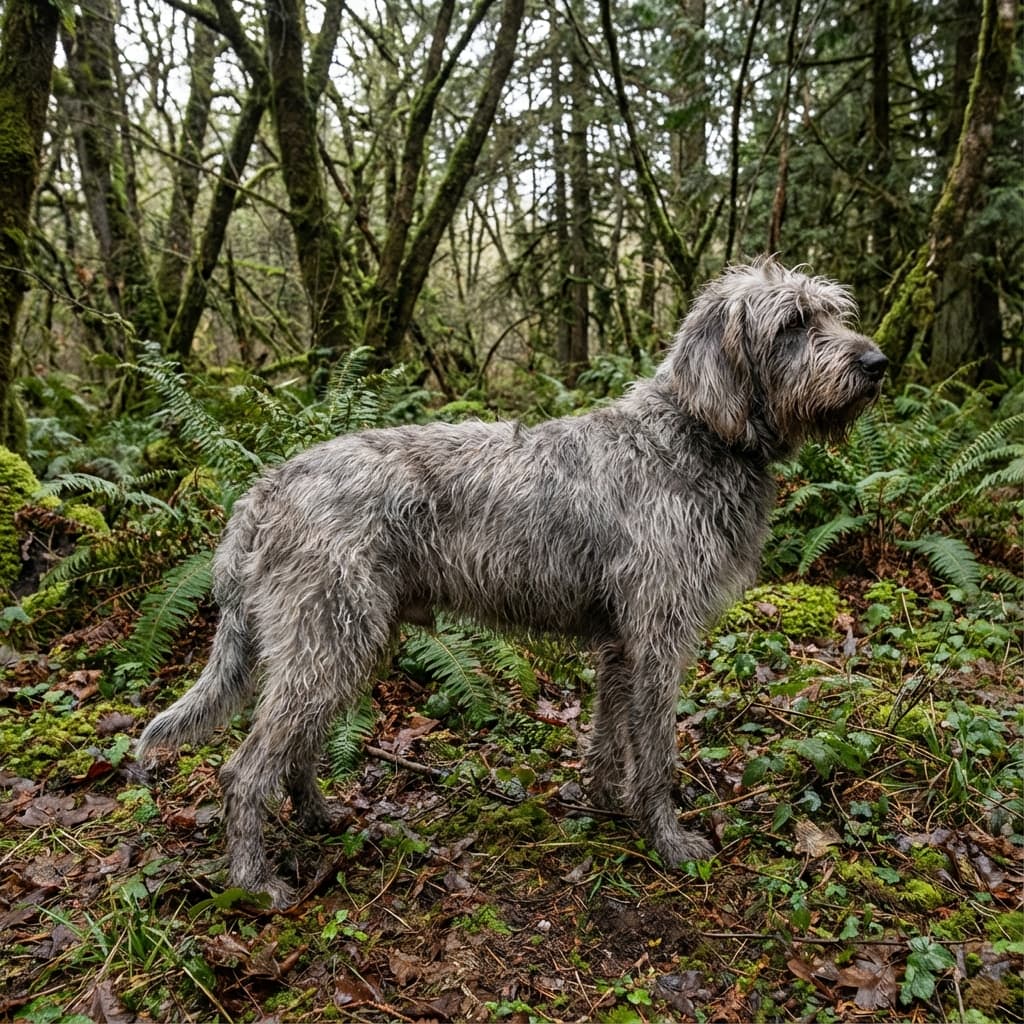
Griffon Vendéen dog
FCI Group
6• FCI 19
Size
Medium
Origin Country
FR
Height
50-55 cm
Weight
20-25 kg
Lifespan
11-13 years
Temperament
Overview
Briquet Griffon Vendéen is a fascinating breed of hunting dogs, whose roots trace back to the Vendée region in France. Known for its distinctive appearance with bushy eyebrows and dark, expressive eyes, it attracts the attention of dog lovers around the world.
The breed's history is as dramatic as its character. Once threatened with complete extinction after World War II, the breed was revived thanks to the determination and efforts of Hubert Dezamy and other enthusiasts. In 1946, in Fontenay le Comte (Vendée), the population rebuilding began, which was successful – today, the Briquet Griffon Vendéen enjoys growing popularity as both a hunting dog and a family companion.
Character and temperament are more than just a strong hunting instinct. The Briquet Griffon Vendéen is an independent and spirited companion with a large personality. Its passion for hunting and energetic temperament make it an excellent companion for hunting trips, particularly for deer, wild boar, and foxes. However, its independent nature can pose a challenge for owners – it requires consistency, patience, and experience in training.
Requirements and needs:
- Space: Needs large areas to run and explore
- Activity: Minimum of one hour of intense exercise daily
- Grooming: Regular brushing of the coat (once a week)
- Training: Consistent training with positive reinforcement methods
This breed is friendly and sociable within the family, although it may show some reserve towards strangers, making it a good guardian as well. Its coat requires regular brushing, which can be an additional responsibility but also a great opportunity to bond with your pet.
Who is this breed for? Ideal for active families and individuals with a dynamic lifestyle who appreciate dogs with a strong personality. The Briquet Griffon Vendéen brings a lot of energy, joy, and character into the home. Its intelligence and liveliness make it not a breed for novice owners – it requires experience and commitment to daily activities.
In the further sections of the guide, you will learn details about the health, grooming, exercise, training, nutrition, history, appearance, and behavior of this exceptional breed. Dive into the reading and discover why the Briquet Griffon Vendéen is winning the hearts of dog lovers around the world!
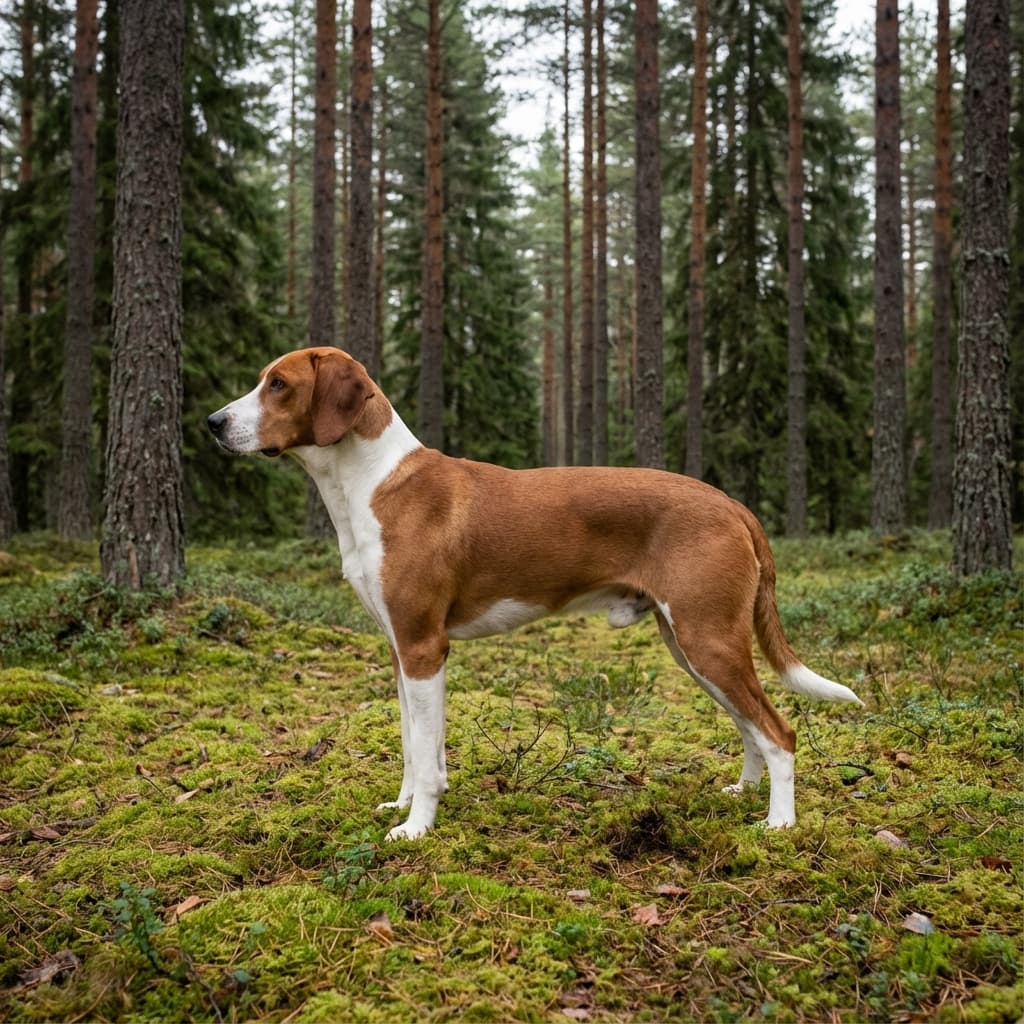
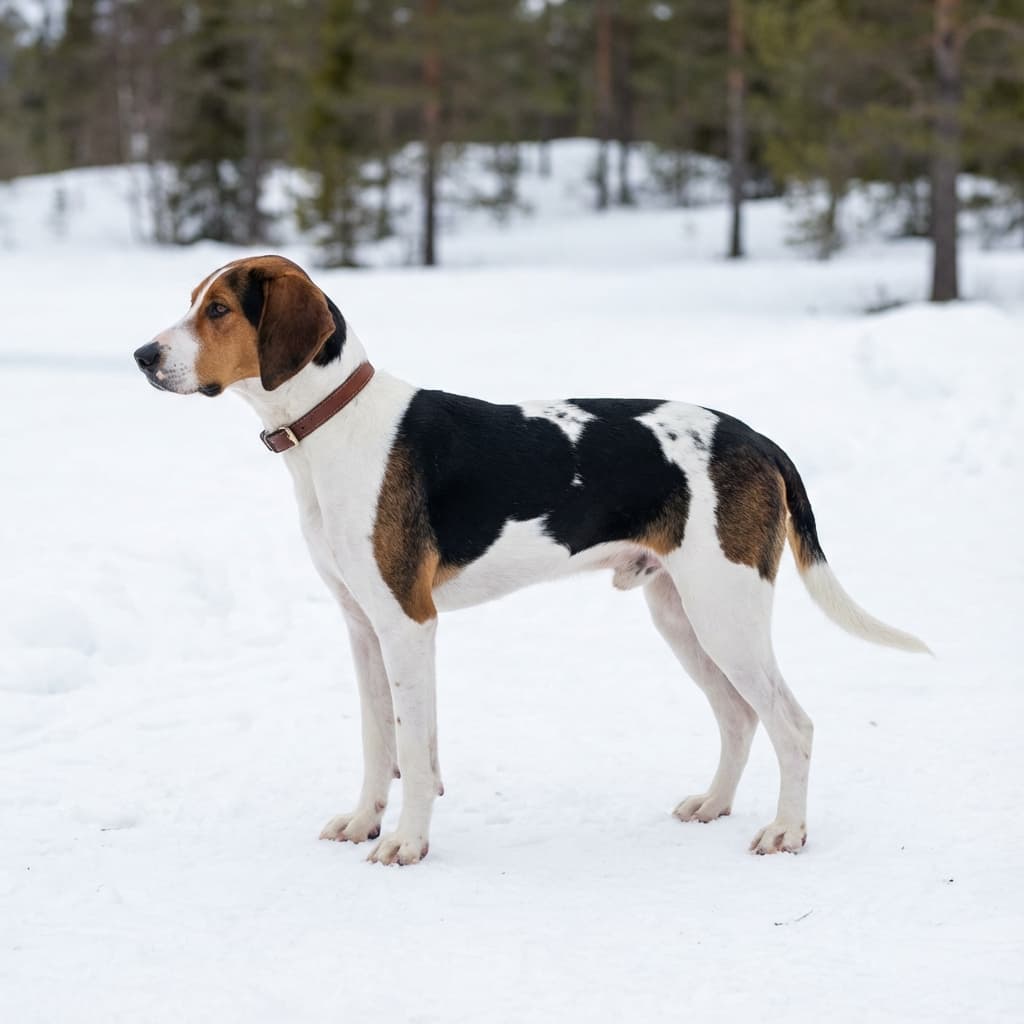
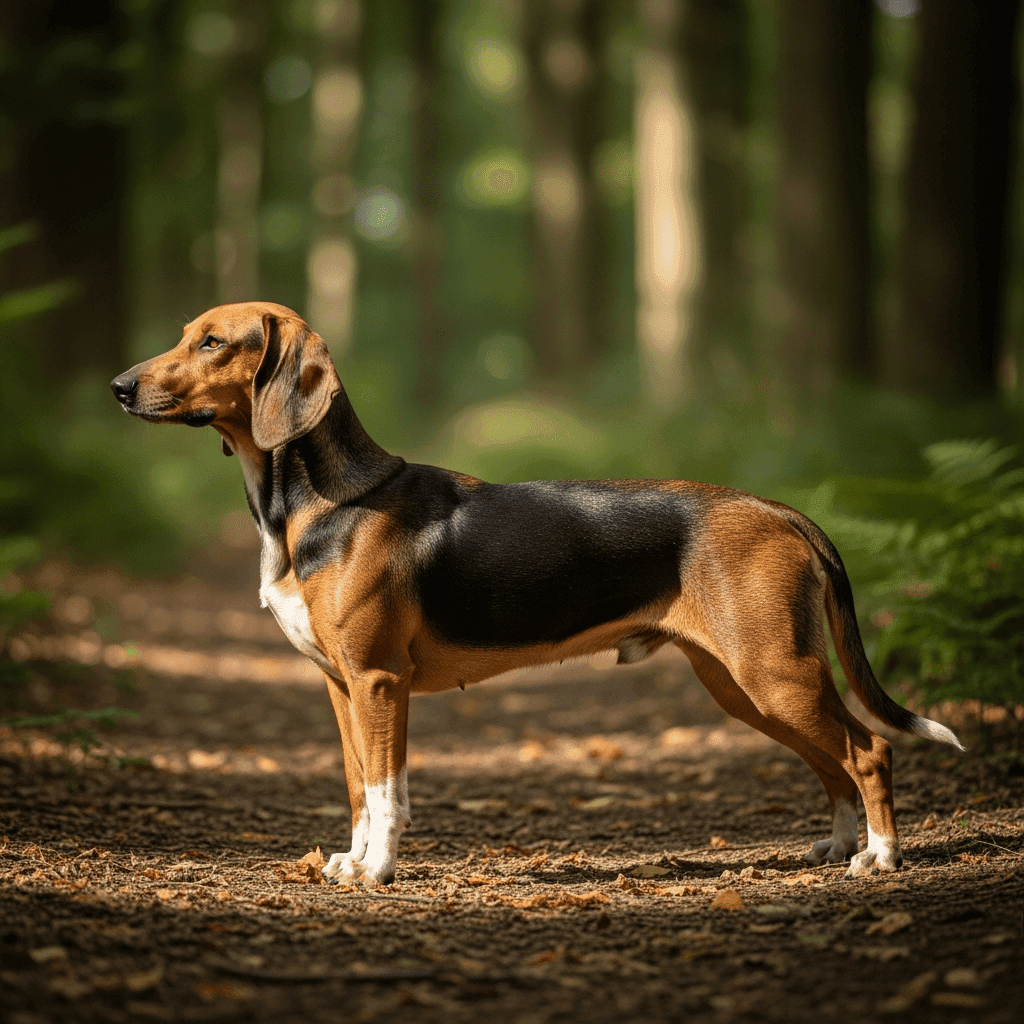
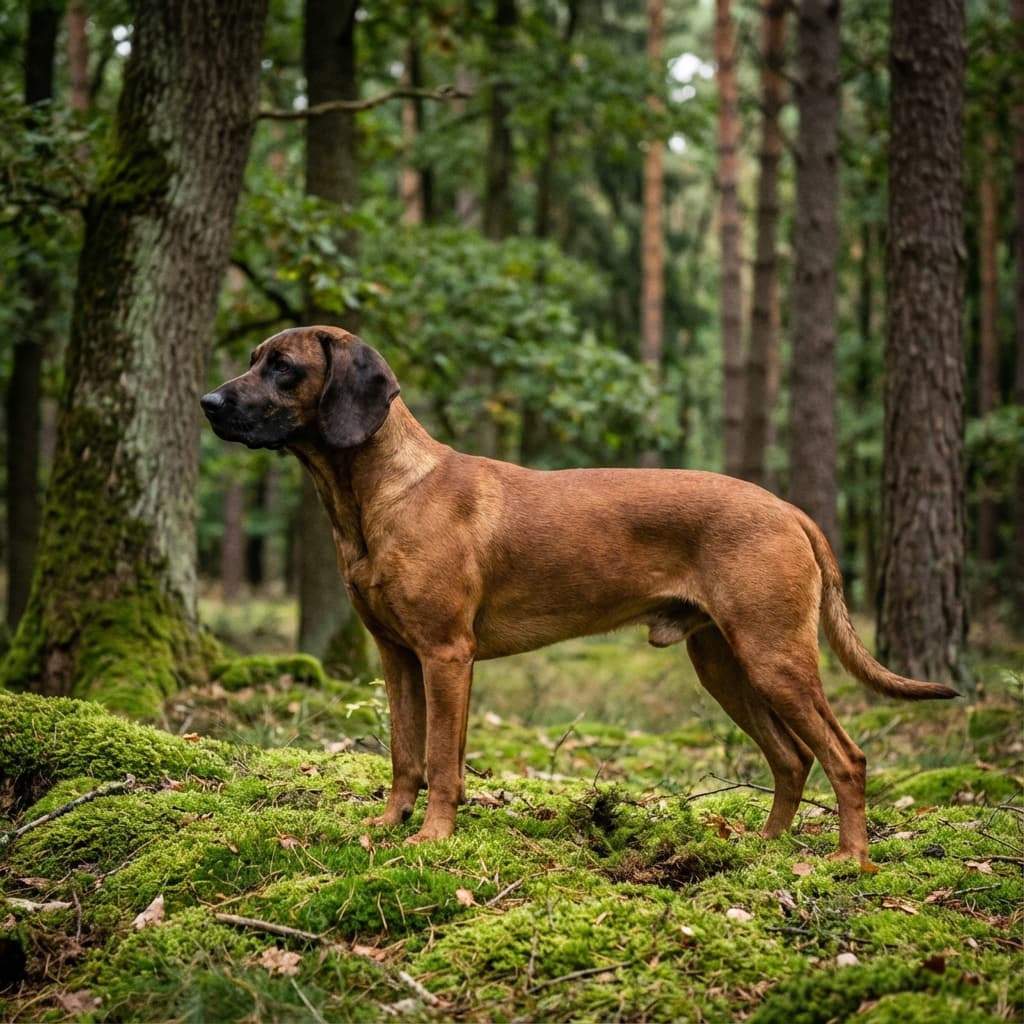
Briquet Griffon Vendéen is a medium-sized dog characterized by a harmonious and proportional body structure. It is a distinctly purebred animal, combining elegance with solid construction.
Dimensions and build:
- Height at the withers: males 50-55 cm, females 48-53 cm
- Body shape: Strong, but not heavy – allows for great agility and speed in difficult terrain
- Proportions: Rather stocky build, but harmoniously proportional
Head and expression: The skull is slightly convex, with parallel lines of the skull and muzzle, giving the dog a noble profile. Expressive eyes are dark and lively, full of intelligence and energy. The characteristic thick eyebrows add a special charm to the dog and give it a unique facial expression.
Ears: Long, soft, and covered with long, dense hair. They hang along the cheeks, giving the dog the characteristic appearance of a griffon.
Coat and color:
- Texture: Long, rough to the touch, with a well-developed undercoat
- Function: Provides excellent protection against adverse weather conditions, which is crucial for a hunting dog working in difficult terrain
- Colors: The varied color palette includes:
- Black with white spots
- Black with tan
- Various shades of fawn
- Tricolor
Tail: Thick at the base, tapering towards the end. Carried in a characteristic saber shape, which adds elegance to the dog in motion and during work. This is a typical griffon tail, held high while tracking.
The overall appearance of the Briquet Griffon Vendéen reflects its purpose – it is a dog designed for work in difficult terrain, resistant to weather conditions, agile and durable, while also full of charm and character.
The Briquet Griffon Vendéen is a dog with a complex and multi-dimensional temperament, combining seemingly contradictory character traits. This blend of friendliness and independence, gentleness and determination, makes him a dog with a unique personality.
In the family circle:
- Social and friendly – forms strong bonds with household members
- Loyal – devoted to his human family
- Energetic – full of life and enthusiasm
- Playful – loves shared activities
Hunting instinct: A strong hunting drive is a dominant trait of this breed. The Briquet was bred for hunting large game (deer, wild boar) as well as foxes and hares. He has an excellent sense of smell, enjoys working with his nose to the ground, and shows great determination in tracking. His pleasant voice and courage in dense underbrush make him a valuable hunting dog.
Towards strangers: Although naturally friendly, the Briquet Griffon Vendéen can be skeptical of strangers, making him a good watchdog. He is not an aggressive dog, but a certain reserve and alertness ensure that he will alert his owners to the presence of unfamiliar people.
Activity level and energy:
- Very high energy – requires at least an hour of intense exercise daily
- Need for stimulation – without appropriate activity, he may become destructive
- Agility – excels in difficult terrain
- Endurance – can work for many hours
Intelligence and stubbornness: The Briquet Griffon Vendéen displays great intelligence, but is often stubborn and independent in thought. He tends to make his own decisions, which can pose challenges in training. This is not a dog that blindly follows commands – he likes to think for himself, which was valuable in hunting work but requires experience from the owner.
Independence: This breed can tolerate solitude for a certain period, but requires appropriate stimulation before and after a time alone. Without sufficient exercise and engagement, he may become bored, irritated, and even destructive. This is not a dog to keep confined all day.
Who is this dog for?
- ✅ Active families with plenty of time for walks and play
- ✅ Hunters looking for a durable and determined working dog
- ✅ Experienced individuals working with independent breeds
- ✅ Owners who appreciate dogs with strong personalities and character
- ❌ Beginner dog owners
- ❌ Sedentary individuals
- ❌ Residents of small apartments without access to running areas
In summary, the Briquet Griffon Vendéen is a dog not for everyone – it requires commitment, experience, and an active lifestyle. In return, it offers an extraordinary personality, loyalty, and boundless energy that will make the owner's life much more dynamic and adventurous.
Briquet Griffon Vendéen is a breed considered to be quite healthy and resilient, especially compared to many other purebred dogs. As a hunting dog, it was bred with strength, endurance, and resilience in mind. However, like any breed, it has certain health predispositions that potential owners should be aware of.
Life expectancy: The average lifespan is 11-13 years, which is typical for medium-sized dogs. With proper care, diet, and regular activity, many individuals can live a full 13 years in good condition.
Resilience and endurance:
- Strong build – solid body structure capable of withstanding tough conditions
- Cold tolerance – dense coat with an undercoat provides excellent protection against cold and moisture
- ⚠️ Low heat tolerance – the dog does not cope well in high temperatures, which can lead to overheating. On hot days, physical activity should be limited, and access to shade and fresh water should be provided
Field injuries: Like many hunting breeds, the Briquet Griffon Vendéen is prone to injuries related to fieldwork. Running through dense underbrush, jumping over obstacles, and long hours of activity can lead to:
- Pad cuts
- Scrapes and skin wounds
- Muscle and tendon strains
- Joint injuries
Common health issues in the breed:
- Epilepsy – occurs in some breeding lines. Seizures may require pharmacological treatment
- Congenital deafness – rare but reported in the breed. Breeders should test the hearing of puppies
- Hypothyroidism – can lead to:
- Obesity
- Fatigue
- Skin problems
- Requires hormonal treatment
- Skin allergies – can be food-related or environmental. Symptoms include:
- Itching
- Redness of the skin
- Ear infections
- Hair loss
- Collie Eye Anomaly (CEA) – a congenital eye developmental defect that can lead to vision problems. Monitoring vision by a veterinary ophthalmologist is recommended
Prevention and recommendations:
- ✅ Proper diet – high-quality food tailored to the activity level
- ✅ Weight control – avoiding obesity, which burdens the joints and heart
- ✅ Regular physical activity – maintaining fitness and healthy muscle mass
- ✅ Regular veterinary visits – preventive check-ups every 6-12 months
- ✅ Genetic testing – before purchasing a puppy, it's worth checking if the breeder tests the parents for hereditary conditions
- ✅ Monitoring in heat – avoiding exertion in high temperatures
- ✅ Ear care – long, drooping ears require regular checking and cleaning to prevent infections
In summary, the Briquet Griffon Vendéen is a healthy and resilient breed that, with proper care, can enjoy a long and active life. The key is prevention, proper diet, regular activity, and awareness of potential health issues characteristic of the breed.
Grooming a Briquet Griffon Vendéen requires regular attention and commitment, although it is not a breed that demands professional grooming services. The characteristic rough coat is part of the charm of this breed, but it also requires systematic care to keep it in good condition.
Coat structure: The Briquet Griffon Vendéen has a long, rough, and dense coat with a well-developed undercoat. This is a natural protection for a hunting dog that works in difficult terrain conditions. The coat should not be excessively trimmed or styled – it is a working dog, not a show dog, so its natural appearance is its greatest asset.
Regular brushing – the foundation of grooming:
- Frequency: At least once a week, and during shedding season even 2-3 times a week
- Tools: A sturdy wire brush or a comb for rough coats
- Purpose: Removing dead hair, preventing mats, stimulating the skin
- Note: Special attention should be paid to areas prone to tangling: behind the ears, under the paws, on the belly
Shedding: The breed sheds in a moderate amount, especially during seasonal changes (spring and autumn). Regular brushing will help reduce the amount of hair in the home and keep the undercoat in good condition.
Trimming long hair:
- Face: Long hair on the face (especially around the eyes) may require careful trimming to prevent tangling and irritation of the eyes
- Paws: Hair between the paw pads should be trimmed to prevent the accumulation of mud and snow
- Ears: Hair inside the ears can be gently trimmed for better air circulation
Ear hygiene: This is a key element of grooming! Long, drooping ears covered with dense hair are prone to infections. Recommendations:
- Regularly check the ears (at least once a week)
- Gently clean with dog ear cleaning solution
- Watch for signs of infection: unpleasant odor, redness, discharge, the dog scratching its ears
- If necessary, consult a veterinarian
Oral hygiene:
- Regular tooth brushing (ideally daily, minimum 2-3 times a week)
- Use dog toothpaste
- Dental chews as a supplement to brushing
- Veterinary check-up – possible tartar cleaning
Nail trimming:
- Frequency: Every 3-4 weeks or as needed
- Importance: Overly long nails can cause discomfort, walking problems, and even paw injuries
- Tools: Nail clippers for medium-sized dogs
- Note: Avoid cutting the nerve and blood vessel in the nail
Bathing:
- Frequency: Only as needed – too frequent baths can remove the natural protective oils from the coat
- Shampoo: Mild shampoo for dogs with rough coats
- Drying: Thoroughly dry with a towel, a hairdryer on low heat can be used
Post-walk checks in the field:
- Check the paws for cuts, foreign bodies (plant thorns, stones)
- Check the skin for ticks, especially during the spring-summer period
- Remove plant debris from the coat
- Wash the paws after walks in muddy conditions
Important note: The Briquet Griffon Vendéen is not a dog for those expecting an animal that always looks perfect. It is a working dog whose natural, somewhat "unkempt" appearance is part of its character. Regular grooming is primarily aimed at the health and comfort of the dog, rather than show aesthetics.
In summary, grooming a Briquet Griffon Vendéen requires consistency and commitment, but it is also a great opportunity for building a bond with your pet and monitoring their health. Regular grooming sessions should be a pleasant ritual for both the dog and the owner.
Briquet Griffon Vendéen is a breed with very high exercise requirements. As a hunting dog bred for hours of work in difficult terrain, it needs a significant amount of physical activity to be healthy, happy, and mentally balanced.
Minimum exercise needs:
- Time: At least 1-2 hours of intense exercise daily
- Type of activity: Intense walks, running, terrain exploration
- Important: This is the MINIMUM – many representatives of the breed need even more activity
Ideal forms of activity:
- Long terrain walks (1-2 hours)
- Best in forests, fields, and varied terrains
- Allows the dog to utilize its hunting instinct and sense of smell
- The dog can explore, track scents, and investigate the area
- Running alongside a bicycle
- Excellent form of conditioning training
- Allows covering greater distances
- ⚠️ Avoid on hot days!
- Jogging with the owner
- Ideal companion for runners
- Endurance allows for long distances
- Joint activity strengthens the bond
- Games in open spaces
- Fetching, chasing a ball
- Searching for hidden objects (scent games)
- Free running in safe, fenced areas
- Dog sports:
- Agility – excellent for agile and intelligent dogs
- Nosework – utilizes natural instincts
- Canicross – running in tandem with the dog
- Mantrailing – scent tracking
- Hunting (for working dogs)
- Natural purpose of the breed
- Full utilization of instincts and abilities
- Greatest satisfaction for the dog
Strong hunting instinct – safety first:
- ⚠️ Tendency to escape: Briquet Griffon Vendéen has a very strong urge to track. When it catches an interesting scent, it may wander off and ignore calls
- 🔒 Leash mandatory in unfenced areas, especially near roads
- ✅ Safe areas: Free running only in fenced areas or places away from hazards
- 📡 GPS for the dog: Consider a collar with a GPS tracker for added safety
- 🎓 Recall training: Systematic recall training is necessary, although due to the independent nature of the breed, it will never be 100% reliable
Mental stimulation – just as important as physical:
- Scent games: Hiding treats, scent toys, scent mats
- Dog puzzles: Toys that require problem-solving
- Learning new commands: Keeps the mind active
- Changing walking routes: New scents and environments are stimulating
What happens if the dog does not get enough exercise?
- ❌ Destructive behaviors: Destroying furniture, digging, chewing
- ❌ Excessive barking from frustration
- ❌ Hyperactivity at home
- ❌ Escaping in search of adventures
- ❌ Health problems: Obesity, joint issues, poor condition
- ❌ Depression and apathy in dogs without sufficient stimulation
Special notes:
- 🌡️ Heat: The breed poorly tolerates high temperatures. On hot days:
- Walks early in the morning or evening
- Access to shade and fresh water
- Avoiding intense exertion
- Monitoring signs of overheating (heavy breathing, panting, apathy)
- ❄️ Winter: Dense fur provides excellent protection – the dog can be active even on frosty days
- 🏠 Living situation: This breed is not suitable for living in a small apartment without access to running areas. Ideally:
- A house with a large, fenced garden
- Access to forests, fields, and walking areas
- Living in the countryside or suburbs
Summary: Briquet Griffon Vendéen is a dog that requires an active owner with a significant time commitment. It is not a breed for people leading a sedentary lifestyle or spending most of the day at work. In return, the owner receives a wonderful companion for all outdoor activities – running, hiking, biking, and hunting. This is a dog made for movement, which will be a true treasure in an active family.
Training the Briquet Griffon Vendéen is a challenge even for experienced dog owners. This breed combines intelligence with a strong character, independence with stubbornness, which makes it require consistency, patience, and skill in training.
Training characteristics of the breed:
- ✅ Intelligent – learns quickly, understands commands
- ⚠️ Stubborn – often has its own opinion and likes to make independent decisions
- ⚠️ Selective in obedience – may ignore commands if something more interesting (a scent!) distracts it
- 🎯 Instinct-driven motivation – hunting drive is stronger than the desire to please the owner
- ⏰ Requires time – this is not a breed that learns quickly and listens unconditionally
Training methods – what works best:
- Positive reinforcement (R+) – the foundation of success:
- Rewarding desired behaviors (treats, praise, play)
- Ignoring or redirecting undesirable behaviors
- Building positive associations with training
- ❌ Avoid punishment and force – leads to stubbornness and loss of trust
- Short training sessions:
- 5-10 minutes per session – maintaining the dog's attention
- 2-3 sessions daily – regular repetition
- Ending on a positive note (when the dog performs the command correctly)
- Avoiding boredom and frustration
- High-value rewards:
- Strongly scented and flavored treats (pieces of chicken, cheese, liver)
- Favorite toys as rewards
- Changing rewards to maintain interest
- Rewarding immediately after the command is performed
- Consistency and patience:
- The same rules from all family members
- The same commands (do not change the words)
- Regular exercises – daily
- Not giving up at the first difficulties
Socialization – a key element of upbringing:
- Early socialization (puppies 3-14 weeks):
- Meeting different people, dogs, animals
- Different environments (city, countryside, forest, stores)
- Different stimuli (sounds, scents, surfaces)
- Positive experiences – rewarding calm behavior
- Goal of socialization:
- Building confidence
- Reducing distrust of strangers
- Learning behavior in different situations
- Preventing anxiety and aggression
Basic commands to master:
- "Sit" – basic control command
- "Down" / "Stay" – teaching self-control
- "Come" / Recall – THE MOST IMPORTANT command due to the tendency to escape. Requires intensive, prolonged training
- "Lie down" – relaxation and control
- "Leave it" – safety (not picking up dangerous objects)
- "Don't pull" – loose leash during walks
Group training – advantages:
- ✅ Learning from other dogs – observation and imitation
- ✅ Socialization – interactions with other breeds
- ✅ Motivation – competition can enhance the desire to work
- ✅ Unlearning distractions – focus despite stimuli
- ✅ Trainer support – professional help in solving problems
Specifics of training a hunting dog:
- Fieldwork: The Briquet was bred for independent work during hunts, meaning it naturally makes its own decisions while tracking
- Group work: Can be trained for both solo work and in a leash (group of hunting dogs)
- Developing instincts: Scent games, mantrailing, simulated hunting (dummy training) can satisfy breed needs
- Controlling instinct: Teaching the dog when it can and cannot chase animals is a long-term process
Common training problems and how to solve them:
- Ignoring recall during tracking:
- Training with a long line (10-15m)
- Calling only when sure the dog will listen (building success)
- Very high rewards for recall
- Never punish a dog that comes (even if it took time)
- Stubbornness when learning new commands:
- Breaking the task into small steps
- Rewarding every attempt (shaping)
- Changing the method if the current one is not working
- Taking breaks to avoid frustration
- Distractions during training:
- Training in a quiet, calm place at first
- Gradually adding distracting stimuli
- Short sessions – before the dog loses focus
- Pulling on the leash:
- Stopping when the dog pulls
- Moving only when the leash is loose
- Rewarding walking at the side
- Changing direction when the dog starts to pull
Advanced training and dog sports:
- Nosework/Mantrailing: Ideal for utilizing natural abilities
- Agility: Requires obedience but can be great fun
- Canicross: Running with the dog – perfect for active owners
- Dummy training: Simulating hunting for dogs not used for hunting
When to seek professional help:
- ❗ Aggression issues (towards people, dogs, other animals)
- ❗ Extreme fear or phobia
- ❗ Lack of progress in training despite efforts
- ❗ Destructive behaviors that do not cease despite activity
- ❗ First experience with a dog – trainer assistance from the start
Important general rules:
- ✅ Start training as early as possible (puppies 8 weeks)
- ✅ Regularity – short sessions daily are better than long ones once a week
- ✅ Patience – Briquet is not a breed that will learn everything in a week
- ✅ Understanding the nature of the breed – this is a hunting dog, it will not listen unconditionally like a shepherd
- ✅ Building a bond – a dog that trusts its owner is more willing to cooperate
- ✅ Fun in training – learning through play is the most effective
- ❌ Avoid physical punishment – leads to loss of trust and behavioral problems
- ❌ Do not give up – even the most stubborn dog can learn with the right approach
Summary: Training the Briquet Griffon Vendéen is a long-term process that requires commitment and experience. This is not a breed for novice owners who expect an unconditionally obedient dog. However, with the right approach, consistency, and patience, the Briquet can become a well-mannered and cooperative companion. The key is understanding the nature of the hunting dog and adapting training methods to its independent character rather than fighting against its instincts.
Briquet Griffon Vendéen, as an active hunting dog, requires a balanced, high-quality diet tailored to its lifestyle, age, and level of physical activity. Proper nutrition is crucial for maintaining the health, condition, and energy of this breed.
Dietary requirements:
- High-quality protein – the foundation of a working dog's diet
- 25-30% protein in food for active dogs
- Sources: meat (chicken, beef, lamb, fish)
- Supports muscle development and regeneration
- Provides energy for intense effort
- Healthy fats
- 15-20% fat in food
- Sources: fish oil, flaxseed oil, poultry fat
- Support skin and coat health
- Provide energy
- Omega-3 and Omega-6 – anti-inflammatory properties
- Carbohydrates
- Sources of long-term energy
- Best sources: brown rice, oats, sweet potatoes
- Avoid excessive grains (may cause allergies)
- Vitamins and minerals
- Support the immune system
- Bone and joint health (calcium, phosphorus)
- Best from natural sources (vegetables, fruits)
Types of food – what to choose?
- Dry food (kibble)
- ✅ Convenient, long-lasting
- ✅ Helps clean teeth
- ✅ Economical
- ⚠️ Choose high-quality premium or super-premium foods
- ⚠️ Check the ingredients – meat should be the first ingredient
- Wet food (cans, pouches)
- ✅ High water content – good hydration
- ✅ Tastier for picky dogs
- ❌ More expensive
- ❌ Does not clean teeth
- BARF diet (raw meat and bones)
- ✅ Natural diet similar to wild ancestors
- ✅ Control over ingredients
- ❌ Requires nutritional knowledge
- ❌ Time-consuming to prepare
- ⚠️ Consultation with a veterinarian recommended
- Mixed diet
- Combination of dry and wet food
- Combines the benefits of both types
- Diversity for the dog
Portion size and feeding frequency:
- Adult dogs (1-7 years):
- 2 meals a day (morning and evening)
- Portions according to the manufacturer's recommendations, adjusted for weight and activity
- On average: 250-400g of dry food daily (divided into 2 portions) for a dog weighing 20-25kg
- Puppies (2-12 months):
- 3-4 meals a day
- Food for medium breed puppies
- Gradual transition to 2 meals after 6-8 months of age
- Seniors (7+ years):
- 2 meals a day
- Food for older dogs (fewer calories, more joint-supporting ingredients)
- Weight monitoring – seniors are more prone to obesity
- Working/hunting dogs in season:
- Increased caloric needs (up to 30-50%)
- Possible 3 meals or larger portions
- High-energy food for active dogs
Weight control and obesity prevention:
- Optimal body condition score (BCS):
- Ribs felt under a thin layer of fat
- Visible waist when viewed from above
- Visible tuck in the belly from the side
- Preventing overweight:
- Measuring portions (not "by eye")
- Limiting treats (max 10% of daily caloric intake)
- Regular physical activity
- Weighing the dog every 2-3 months
- Obesity leads to:
- Joint problems
- Heart diseases
- Diabetes
- Shortened lifespan
Water – the foundation of health:
- Fresh, clean water always available
- Changing water 1-2 times a day
- More water during heat and after intense effort
- Monitoring intake – sudden increase/decrease may indicate a health problem
Food allergies – monitoring reactions:
- Common allergens: beef, chicken, wheat, soy, corn, dairy
- Symptoms of food allergies:
- Itching, scratching
- Redness of the skin
- Ear infections
- Digestive problems (diarrhea, vomiting)
- Hair loss
- Procedure:
- Elimination diet (single protein – one source of protein)
- Hypoallergenic food
- Consultation with a veterinarian
- Gradual introduction of new ingredients
Treats and supplements:
- Healthy treats:
- Dried meat (chicken, beef, fish)
- Vegetables (carrots, broccoli)
- Fruits (apple, banana – in small amounts)
- Avoid:
- Chocolate (toxic!)
- Onion and garlic (toxic!)
- Grapes and raisins (toxic!)
- Salty, fatty, and sweetened products
- Chicken bones (choking hazard)
- Supplements (after consultation with a veterinarian):
- Glucosamine and chondroitin – joint health
- Omega-3 – skin and coat health
- Probiotics – gut health
Changing food – how to do it safely:
- Gradually introducing new food over 7-10 days:
- Days 1-2: 25% new food + 75% old
- Days 3-4: 50% new + 50% old
- Days 5-6: 75% new + 25% old
- Day 7: 100% new food
- Observing reactions (stool, appetite, energy)
- In case of digestive problems – return to old food and consult a veterinarian
Special cases:
- Dogs with sensitive digestive systems: Food for dogs with sensitive stomachs (easily digestible, allergen-free)
- Dogs with allergies: Hypoallergenic food or BARF diet under veterinary supervision
- Dogs with joint problems: Food with added glucosamine and chondroitin
- Obese dogs: Light food (fewer calories), increased activity
General recommendations:
- ✅ Regularity: Feeding at consistent times
- ✅ Calmness: Allow the dog to eat peacefully (without interruption)
- ✅ Rest after eating: Minimum 1-2 hours before intense effort (risk of gastric torsion)
- ✅ Monitoring: Observing appetite, weight, condition
- ✅ Consultation with a veterinarian: For any doubts regarding diet
Summary: Proper nutrition for Briquet Griffon Vendéen is the foundation of its health, energy, and longevity. High-quality food tailored to activity, weight control, fresh water, and monitoring reactions to ingredients are key to keeping the dog in excellent condition. Remember that every dog is different – observe your pet and adjust the diet to its individual needs.
Characteristic Traits
Pros
- Friendly and sociable character
- Excellent hunting dog with a strong hunting instinct
- Intelligent and full of energy
- Good guard with a certain reserve towards strangers
- Resilient and resistant to harsh weather conditions.
Cons
- Requires regular grooming (once a week)
- Independent and stubborn character – difficult to train
- Needs at least an hour of intense exercise daily
- Not suitable for small apartments
- Tendency to escape while tracking
- Not for novice owners.
Behavioral Ratings
Breed History
The history of Briquet Griffon Vendéen is a fascinating tale of breeders' determination, dramatic twists of fate, and the revival of a breed that has twice come to the brink of total extinction.
Origins – before World War I:
Briquet Griffon Vendéen is the only dog breed bearing the name "Briquet", which in French means "medium-sized dog". This name reflects its position between the larger Grand Griffon Vendéen and the smaller Basset Griffon Vendéen.
The breed's selection began before the outbreak of World War I, thanks to the work of Count d'Elva (Comte d'Elva), a hunting enthusiast and breeder from the Vendée region. The Briquet was created as a harmonious and improved smaller version of the Grand Griffon Vendéen – retaining its hunting traits but in a more compact and stocky body structure that facilitated work in dense underbrush.
Hunting purpose: The breed was developed for hunting:
- Large game – deer, wild boar
- Fox – due to its courage and determination
- Hares – working solo or in small packs
Drama-filled times – World War I and II:
The breed's history was brutally interrupted twice by wars. Global conflicts nearly decimated the Briquet Griffon Vendéen population. Breeding kennels were abandoned, dogs perished, and breeding records were destroyed or scattered. After World War I, the breed barely survived, and after World War II, it seemed destined to disappear forever.
Revival – 1946, Fontenay le Comte:
In 1946, just a year after the end of World War II, the Briquet type re-emerged in the town of Fontenay le Comte in the Vendée region. A group of enthusiasts and breeders, determined not to let this unique breed go extinct, began the arduous task of reconstructing it.
The post-war years were difficult – the population was small, meticulous record-keeping was necessary, inbreeding had to be avoided, and the breed's characteristic traits had to be preserved. Thanks to Hubert Dezamy and other dedicated breeders, the breed not only survived but began to thrive.
Modern success – the triumph of 1995:
In 1995, a breakthrough moment in the breed's history occurred: the Briquet Griffon Vendéen team won the Trophée de France for deer hunting (Trophée de France sur chevreuil). This spectacular success drew attention to the breed and proved that the Briquet retained all its outstanding hunting abilities.
Since then:
- ✅ Increased popularity – the breed began to be recognized not only among hunters
- ✅ High-quality breeding – numerous Briquet teams work on wild boar (sanglier)
- ✅ International recognition – FCI (Fédération Cynologique Internationale) officially recognized the breed
- ✅ Breed standard – published on 09.01.1999, approved on 18.02.2000
FCI classification:
- Group 6: Hounds and related breeds
- Section 1.2: Medium-sized hounds
- With working trials (working trial)
- Standard number: 19
Modern times – Briquet today:
Currently, the Briquet Griffon Vendéen enjoys growing popularity both in France and abroad. It is valued as:
- Hunting dog – still used for hunting, especially in the Vendée region
- Family companion – active families appreciate its energy and loyalty
- Show dog – participation in breed dog shows
- Sporting dog – agility, nosework, canicross
The Vendée region – the cradle of the breed:
Vendée is a region in western France along the Atlantic, known for:
- Rich hunting traditions
- Diverse terrain (forests, fields, underbrush)
- Breeding of griffon dogs (Grand, Briquet, Basset)
Summary: The history of Briquet Griffon Vendéen is a story of survival, determination, and triumph. A breed that has twice stood on the brink of extinction, thanks to the passion of breeders and its own outstanding traits, not only survived but became a symbol of the hunting heritage of the Vendée. Today, the Briquet combines ancient tradition with modern versatility, being as valuable a working dog as it is a loving family companion.