Whippet
FCI Group
10• FCI 162
Size
Medium
Origin Country
GB
Height
44-51 cm
Weight
10-15 kg
Lifespan
12-15 years
Temperament
Overview
The Whippet, known as the English Greyhound, is a breed with a harmonious build that combines muscular power with exceptional elegance and grace. Despite their small size – reaching a height of 44-51 cm at the withers – their silhouette emanates strength and endurance, making them unique representatives of the short-haired hound group. This breed, originating from Great Britain, was originally used for hunting small game, utilizing both their excellent eyesight and impressive speed. Thanks to these traits, Whippets have become one of the most valued hunting dogs in their category.
Characteristic of this breed is their short and close-lying coat, which requires minimal grooming – a true blessing for busy owners. Moreover, the variety of coat colors in this breed is almost limitless, encompassing all possible colors and their combinations (except for merle coloring), making each whippet unique and one-of-a-kind. Their muscular yet slender silhouette is the result of years of selective breeding aimed at creating a dog built for fast running and work.
Whippets are known for their gentle temperament and exceptional affection towards their owners. Their balanced temperament and deeply rooted sociable nature attract dog lovers worldwide. Although they may seem a bit shy or reserved towards strangers, once a bond is formed, they quickly show trust and become excellent, devoted companions. Their intelligence and natural willingness to cooperate make them relatively easy to train; however, they require an approach based on positive reinforcement, understanding, and mutual respect. Owners should be prepared for regular walks and various physical activities to fully meet their innate exercise needs.
Despite their delicate, almost aristocratic appearance, Whippets are incredibly dynamic and resilient dogs. They require space to run freely, making them ideal companions for active families who value outdoor movement. Their ability to adapt to city living means they can reside in apartments, provided they have daily access to vigorous outdoor activities. The history of this breed dates back to the 17th century when they were primarily bred by English miners for fast hunting of rabbits and other small animals. Over time, they gained immense popularity as companion dogs, perfect for both families with children and older individuals seeking a calm yet active companion. We encourage you to read further to discover more about the health, daily care, training methods, and fascinating history of this extraordinary and versatile breed.
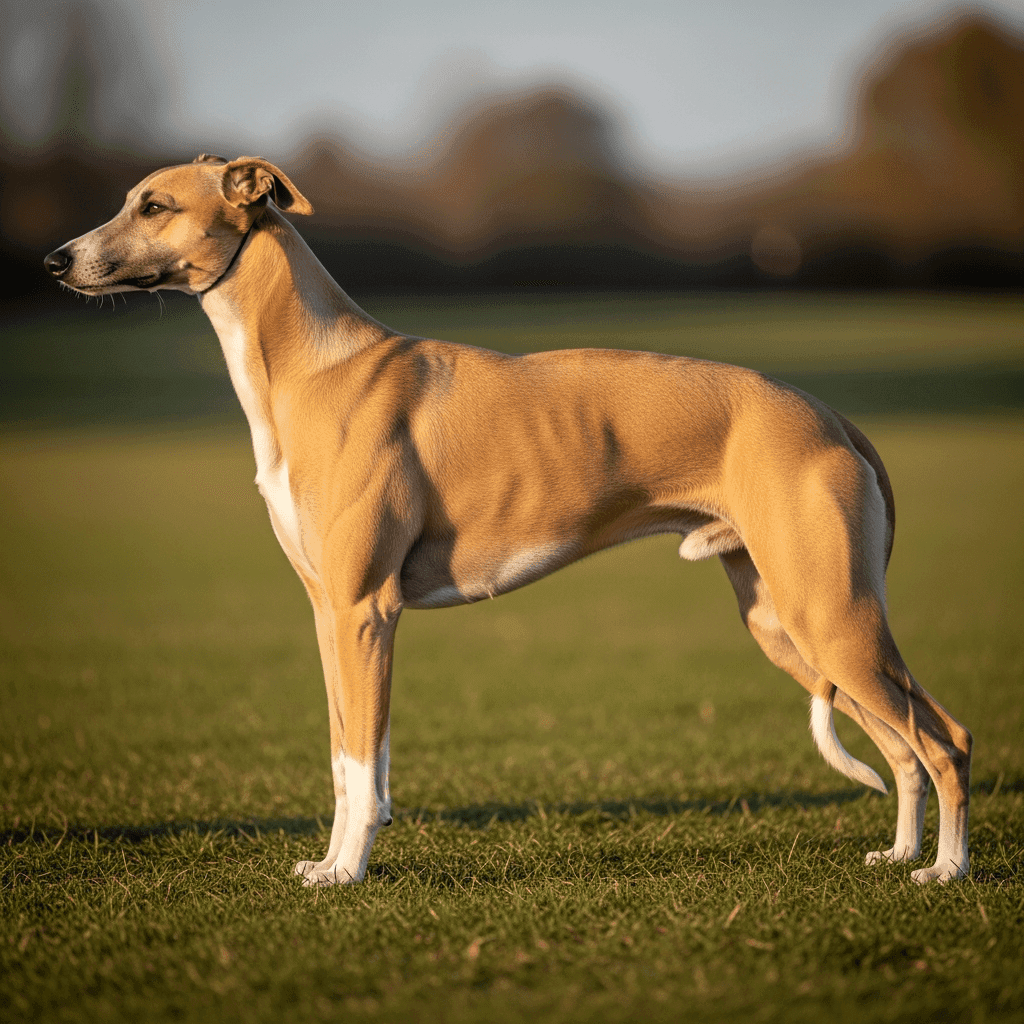
Whippets are medium-sized short-haired greyhounds with long, slender bodies that exude both elegance and undeniable physical strength. Their heads are long and narrow, with a flat skull tapering towards the muzzle and a slightly defined stop. Their eyes are oval-shaped, shiny, and full of life, with a very lively, attentive expression that reflects their natural intelligence and alertness. The nose is usually black, although a blue shade is acceptable in blue dogs, and in cream and other diluted colors, it may be brown. In the case of white or piebald dogs, a butterfly nose is permissible.
Whippets' ears are small, delicate in texture, in a characteristic rose petal shape, which adds to their unique charm and emphasizes their aristocratic appearance. The neck is long, well-muscled, and elegantly arched, further highlighting their grace. The back is wide, strongly muscled, and quite long, with a gracefully curved topline over the loins, although the dog should not give the impression of being hunchbacked. The chest is deep with a clearly defined sternum, and the ribs are well-sprung.
The whippet's tail is long, tapering towards the end, without decorative hair (feathering), and during movement, it rises gently upwards in a soft arc, but it should never be carried over the back. The coat is short, smooth, and tightly fitting to the body, making grooming extremely simple. The coloration can be virtually any – all colors and their combinations are accepted, except for the merle pattern. The overall silhouette of the whippet is a perfect harmony of muscle, elegance, and functionality, creating the image of a dog built for speed while maintaining grace and proportions.
Whippets are dogs with a gentle and exceptionally balanced temperament, making them ideal companions. They are known for their friendly, gentle disposition and deep affection towards their owners, which makes them excellent companions for whole families, including those with children. Although they may be somewhat shy or reserved towards strangers, once trust and a closer bond are established, they become incredibly sociable, loyal, and devoted.
Their high intelligence makes them relatively easy to train, and their natural willingness to cooperate allows for the development of strong, trust-based bonds with their caregivers. Whippets are also known for their moderate playfulness, especially at a young age, when they eagerly play with other dogs and engage in various activities. As they grow older, they may become more calm and balanced, but their innate need for movement and running remains unchanged throughout their lives.
Interestingly, whippets are quite quiet dogs and rarely bark without reason, making them ideal candidates for apartment living and dense housing. Their behavior towards children is usually very positive – their gentle and patient nature makes them tolerant of little ones, although, as with any breed, supervision during interactions is recommended. It is also important to remember that whippets require regular, long walks and opportunities for free running to prevent behavioral issues arising from excess accumulated energy.
Whippets are also relatively well-socialized with other pets, including cats – especially if they have been raised together from puppyhood – which makes them versatile and adaptable companions for various types of households. However, their natural hunting instincts may sometimes surface during walks, so it is wise to remain vigilant around small animals.
Whippets are generally healthy and resilient dogs, with an average lifespan of 12 to 15 years, although many individuals live even longer with proper care. Despite their delicate, slender appearance, they are relatively physically strong and resistant to many diseases; however, their short coat makes them particularly sensitive to extreme weather conditions, especially cold and moisture. On chilly days, additional thermal protection in the form of dog jackets or sweaters is strongly recommended to avoid chilling and discomfort.
Although whippets do not tend to be obese – on the contrary, their metabolism is very efficient – their physical activity should be regular and intense to maintain optimal muscle and health condition. The most common health issues that can affect this breed include piroplasmosis (tick-borne babesiosis), gastrointestinal problems (including a sensitive digestive system), and some hormonal diseases, such as uterine inflammation (pyometra) in females.
Owners should be vigilant for any symptoms of illness, such as lethargy, loss of appetite, vomiting, or difficulty urinating, and regularly consult with a veterinarian to ensure their dog has a long, healthy, and happy life. Regular preventive check-ups, vaccinations according to the schedule, and effective protection against external and internal parasites are also recommended. Whippets may also be sensitive to certain medications, especially anesthetics, due to their low percentage of body fat, so it is advisable to inform the veterinarian about the specifics of this breed.
Whippet care is extremely simple and uncomplicated, making them attractive to people who do not have much time or experience with advanced grooming procedures. Their short, smooth, and close-lying coat requires only minimal brushing – usually, brushing once a week with a soft brush or rubber glove is sufficient to remove dead hair and maintain a healthy skin appearance. During periods of heavier shedding, which occur in spring and autumn, it is advisable to increase the brushing frequency to 2-3 times a week to effectively control hair loss.
Whippets are naturally very clean dogs that often take care of their hygiene by licking themselves, which means they do not require frequent bathing. Typically, a bath every few months or as needed (e.g., after getting dirty during a walk) is completely sufficient. Overbathing can lead to dry skin and loss of natural protective oils, so it is recommended to use gentle, dedicated shampoos for dogs with sensitive skin.
Nevertheless, regular ear and eye checks are crucial to ensure proper hygiene and prevent infections. Ears should be regularly checked for redness, unpleasant odors, or excess wax, and if necessary, gently cleaned with moist wipes designed for dog ear hygiene. Owners should also pay attention to proper nail care – if they are not naturally worn down during walks, they should be regularly trimmed, as overly long nails can be uncomfortable, lead to improper gait, and even cause injuries.
Additionally, it is worth paying attention to dental hygiene – regular tooth brushing with a special toothbrush and dog toothpaste will help prevent tartar buildup and periodontal disease. Overall, whippets are among the least demanding breeds in terms of grooming, making them ideal for busy owners and those starting their journey with dogs.
Whippets are dogs that require regular and intense physical activity to be healthy, happy, and emotionally balanced. Their innate need to run and high energy levels make them ideal for an active lifestyle and for owners who enjoy spending time outdoors. Whippets definitely need at least one long walk per day, lasting a minimum of 45-60 minutes, as well as additional time for free running in a safe, enclosed environment, such as a dog park or a fenced yard.
Owners should provide them with opportunities to participate in various activities, such as biking alongside (for adult dogs), playing fetch with balls and frisbees, or regular racing. Whippets are also excellent candidates for advanced canine sports, such as lure coursing (racing after a mechanical lure), track racing, and even agility, which allow them to fully utilize their natural running skills, agility, and chasing instinct.
It is important not to ignore their exercise needs, as a lack of sufficient physical activity can lead to a range of behavioral problems (such as furniture destruction, excessive barking, or restless behavior) and health issues, including obesity and muscle weakness. Whippets tend to build up energy that must be regularly released through intense physical effort.
Owners should also remember the importance of mental stimulation, which can be achieved through interactive play, obedience training, searching for hidden treats, or advanced scent games that engage the dog both physically and mentally. The combination of physical movement and intellectual challenges makes a whippet a happy, healthy, and well-balanced dog that is a joy for the whole family.
Training whippets can be a true pleasure, but it requires patience, consistency, and a deep understanding of their delicate nature. These dogs are intelligent and can quickly absorb new commands and complex sequences of behavior; however, their sensitive character means that harsh, punitive training methods that may scare them and discourage cooperation should be strictly avoided. Instead, owners should focus on positive reinforcement, rewarding the dog with treats, verbal praise, and play for every correct behavior.
It is important to start training from a very young age, preferably during the puppy stage, establishing clear rules, boundaries, and routines to avoid the development of undesirable habits. Early socialization is crucial – the puppy should be exposed to a variety of stimuli, such as new people, other dogs, different environments, and sounds, to grow into a confident, balanced adult dog.
Whippets respond best to training based on trust and cooperation, rather than dominance or force. It is also worth investing in professional group classes for puppies, which not only teach basic commands but also help with socialization with other dogs. Regular, but short training sessions (10-15 minutes), that are fun and varied, will help maintain the dog's attention and make the learning process more effective and enjoyable for both parties.
Due to their strong chase instinct, it is particularly important to teach the whippet a solid recall (command Here or Come) before allowing it to run freely off-leash. It is also worth remembering that whippets can be slightly stubborn and independent, so consistency and repetition are key to success. With the right approach based on positive methods, a whippet becomes a well-trained, obedient, and joyful companion.
The diet of whippets should be well-balanced, nutritious, and carefully tailored to their level of physical activity, age, health status, and individual metabolic needs. Dogs of this breed tend to be naturally slim, with a low percentage of body fat and well-defined musculature, so it is extremely important that their diet provides all the essential nutrients needed to keep them in optimal health and physical condition.
Owners should choose high-quality commercial dog food (dry or wet) that contains an appropriate amount of animal protein (at least 25-30% for adult dogs), healthy fats (10-15%), and carbohydrates from whole grains, vegetables, and fruits. Typically, the diet for an adult whippet should be based on high-quality animal protein sourced from meat (chicken, turkey, beef, fish), which is crucial for muscle building and repair, as well as healthy fats that provide the energy necessary for their active lifestyle.
It is important to avoid obesity, which, although rare in this breed, can burden the joints and lead to health problems. Owners should regularly monitor their dog's weight and condition by visually assessing and feeling the ribs – they should be palpable but not overly visible. The amount of food should be adjusted according to the level of activity – active sporting dogs will require larger portions than dogs with a less active lifestyle.
Water should always be available, fresh and in a clean bowl, especially after intense physical exertion. Additional treats, such as dried meat, vegetables (carrots, cucumbers), or special dog treats, can be used as rewards during training or play, but should not make up more than 10% of the daily calorie intake. It is imperative to avoid feeding the dog table scraps, sweets, chocolate, onions, garlic, and other products toxic to dogs, as this can lead to serious digestive issues, poisoning, or even life-threatening situations.
For puppies and young dogs, it is recommended to use puppy food for medium breeds, which supports proper development of bones, joints, and muscles. Older whippets may require senior food, tailored to their slower metabolism and changing health needs.
Characteristic Traits
Pros
- Gentle and balanced temperament
- Minimal grooming needs
- High intelligence and ease of training
- Excellent companion for active families
- Quiet and rarely barks
- Friendly towards children and other animals.
Cons
- Requires a lot of movement and space to run
- May be shy around strangers
- Sensitive to cold and extreme weather conditions
- Strong instinct to chase small animals
- Requires a safe
- fenced area.
Behavioral Ratings
Breed History
The history of whippets dates back to the 17th century, when these dogs began to be bred in northern England, particularly in the counties of Yorkshire and Lancashire. Initially, they were used by English miners and workers for quick hunting of rabbits and other small animals, serving as both an additional source of food and a form of entertainment and sport. Their impressive speed, agility, and instinct to chase made them extremely popular among the working class, who organized illegal dog races on parish fields and closed streets.
In the 19th century, whippets gained even greater popularity as racing dogs, participating in competitions where they chased mechanical hares or rags. These races were called snap dog racing or rag racing and were hugely popular among the English working class. In 1891, the first official Whippet Club was established, and in 1900, the whippet was officially recognized by the British Kennel Club as a distinct breed, which contributed to their further popularity and spread around the world.
This breed likely originated from the crossing of several breeds, including greyhounds, Italian greyhounds, terriers (such as Manchester terrier, fox terrier, or bull terrier), and possibly other small hounds. The aim was to create a dog smaller than a greyhound but equally fast and agile, capable of hunting in more challenging terrain and fitting more easily into small working-class homes. Their name most likely derives from the English expressions whip up or whip it, which mean quick movement or urging – a perfect description for a dog as swift as the whippet.
Whippets were used not only for hunting and racing but also as companion dogs, which contributed to their success in various canine disciplines. In the 20th century, their popularity crossed the borders of the United Kingdom, reaching the United States, continental Europe, and other parts of the world. Today, whippets are valued not only for their legendary running skills and elegance but also for their gentle, balanced temperament, ability to form strong, deep bonds with their owners, and versatility, which makes them ideal family dogs, sporting companions, and participants in breed shows. They are an excellent example of a breed that has transformed from purely utilitarian roots into a beloved companion for millions of people around the world.