Persian Chart - Saluki
FCI Group
10• FCI 269
Size
Medium
Origin Country
XX
Height
58-71 cm
Weight
15-25 kg
Lifespan
12-14 years
Temperament
Overview
Persian Greyhound - Saluki is one of the oldest and most fascinating dog breeds in the world, with a history that spans thousands of years. Originating from the vast regions of the Middle East, the Saluki gained fame as the dog of the pharaohs - its images adorn the paintings of Egyptian tombs dating back over 4000 years B.C. This noble breed combines extraordinary elegance with stunning speed, making it an excellent hunter capable of chasing the fastest animals of the desert.
This breed captivates not only with its history but also with its functionality and beauty. The Saluki is characterized by a slim, athletic build, long, elegant legs, and expressive eyes full of intelligence. Its appearance naturally draws attention, and the varied coat colors - from pure white, through delicate shades of gold and cream, to deep black with tan markings - adds to its unique charm. The breed standard accepts both short-haired and long-haired varieties with distinctive silky fringes, allowing everyone to find a Saluki that matches their aesthetic preferences.
The character of the Saluki is as interesting as its majestic appearance. Despite its natural independence and a certain reserve towards strangers, this dog forms a deep emotional bond with its owner. It is a breed with a calm, balanced temperament that requires understanding of its specific needs. The Saluki needs regular, intense physical activity to feel happy and balanced. Its calm nature and dignified behavior make it an ideal companion for those who value harmony and elegance in life.
If you are interested in delving deeper into this extraordinary breed, we encourage you to read the following sections of our comprehensive guide carefully. You will find detailed information regarding health, grooming, exercise needs, training, nutrition, rich history, appearance, and characteristic behavioral traits. With this guide, you will better understand why the Persian Greyhound - Saluki is so unique and what makes it win the hearts of people around the world for thousands of years, maintaining its status as one of the most noble dog breeds.
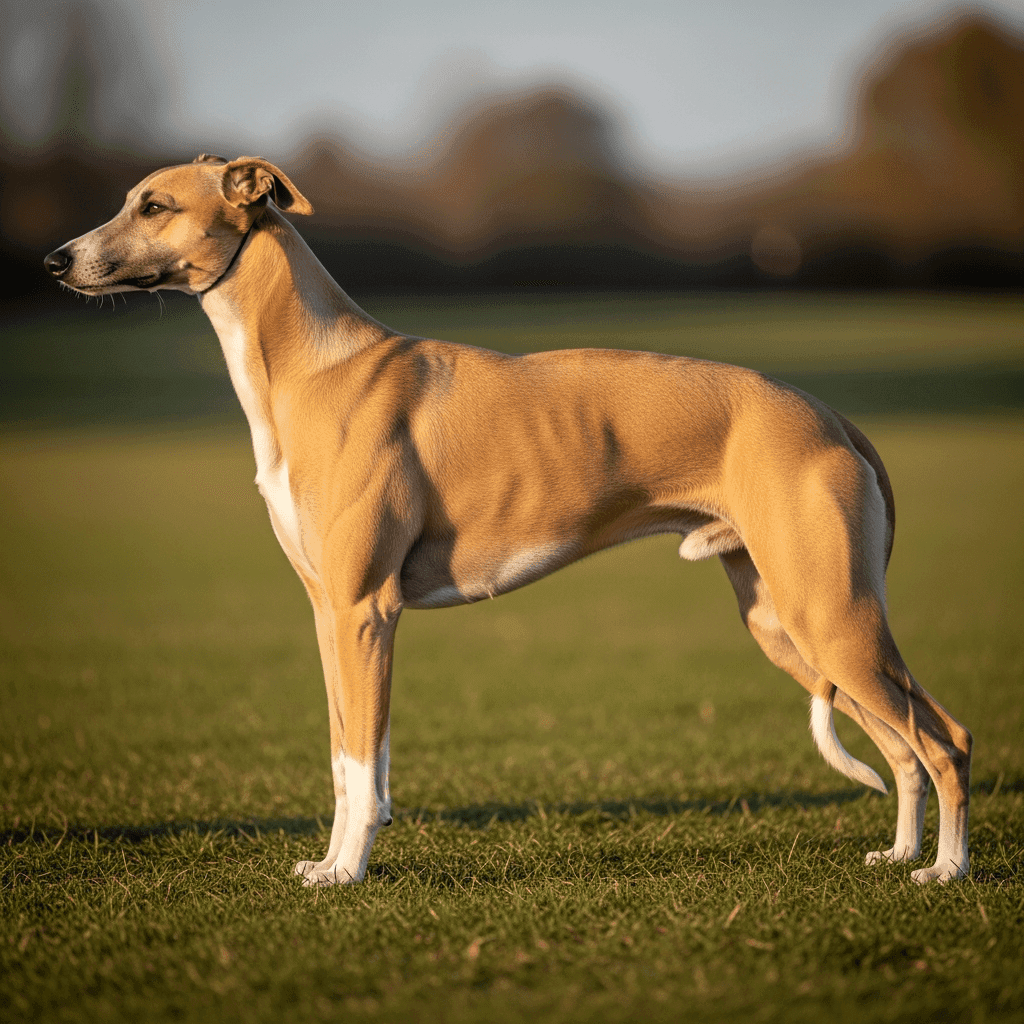
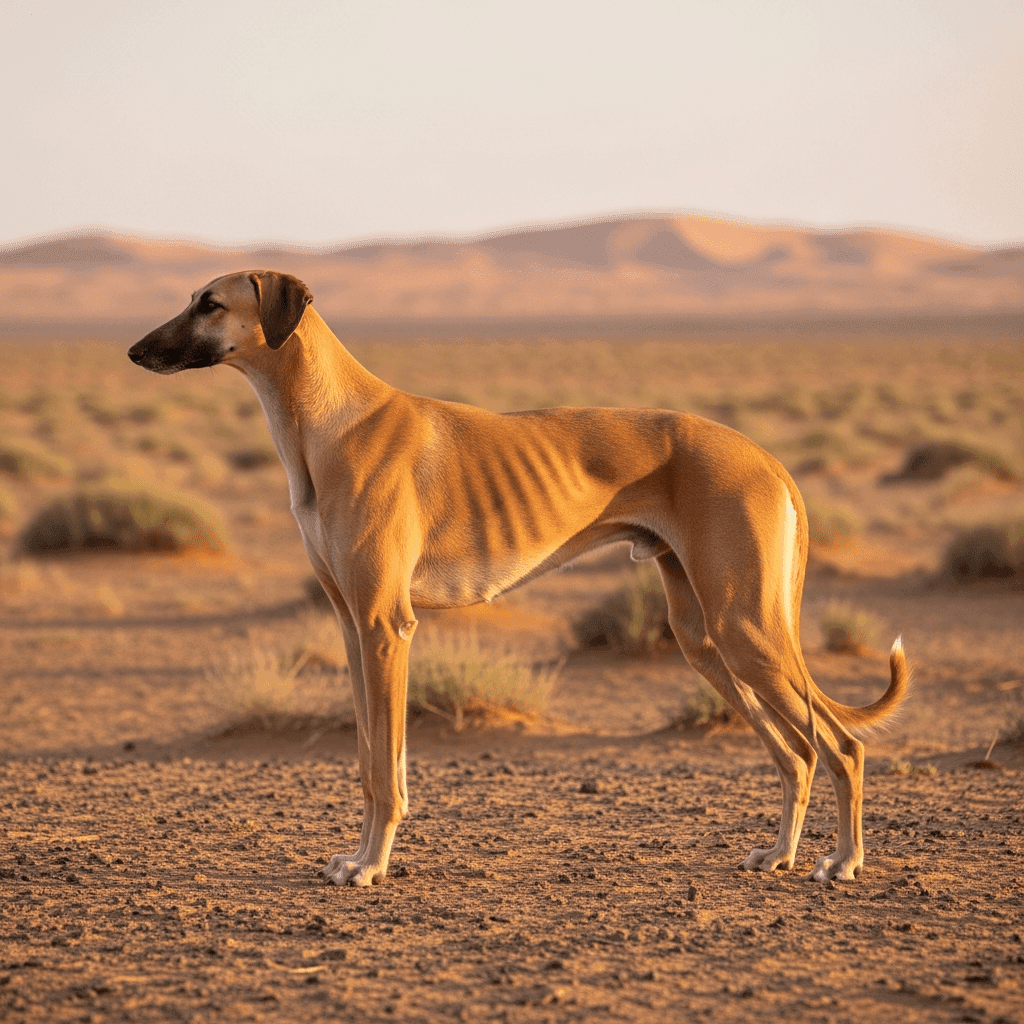
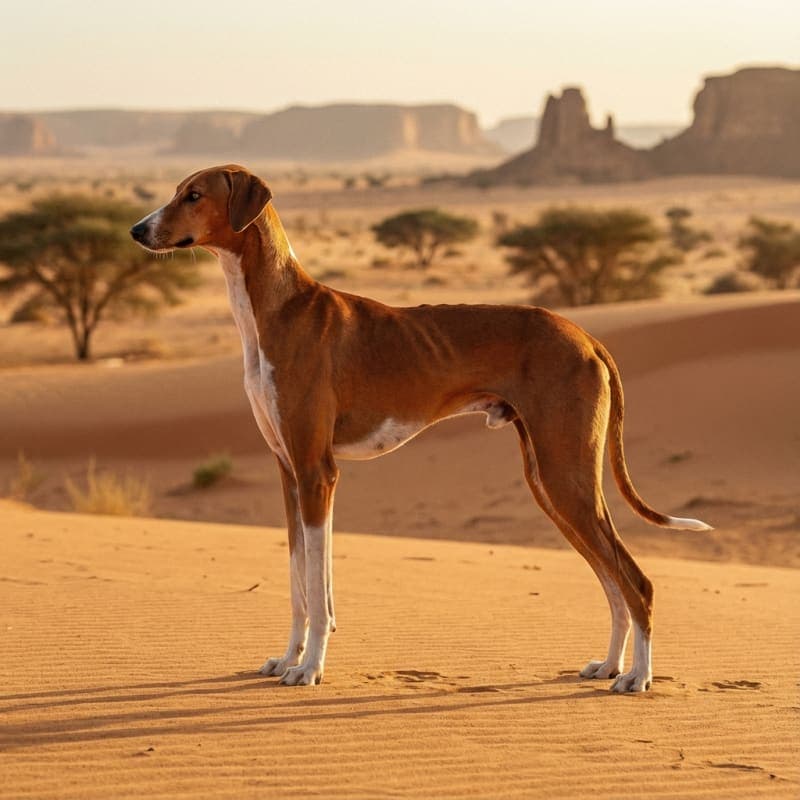
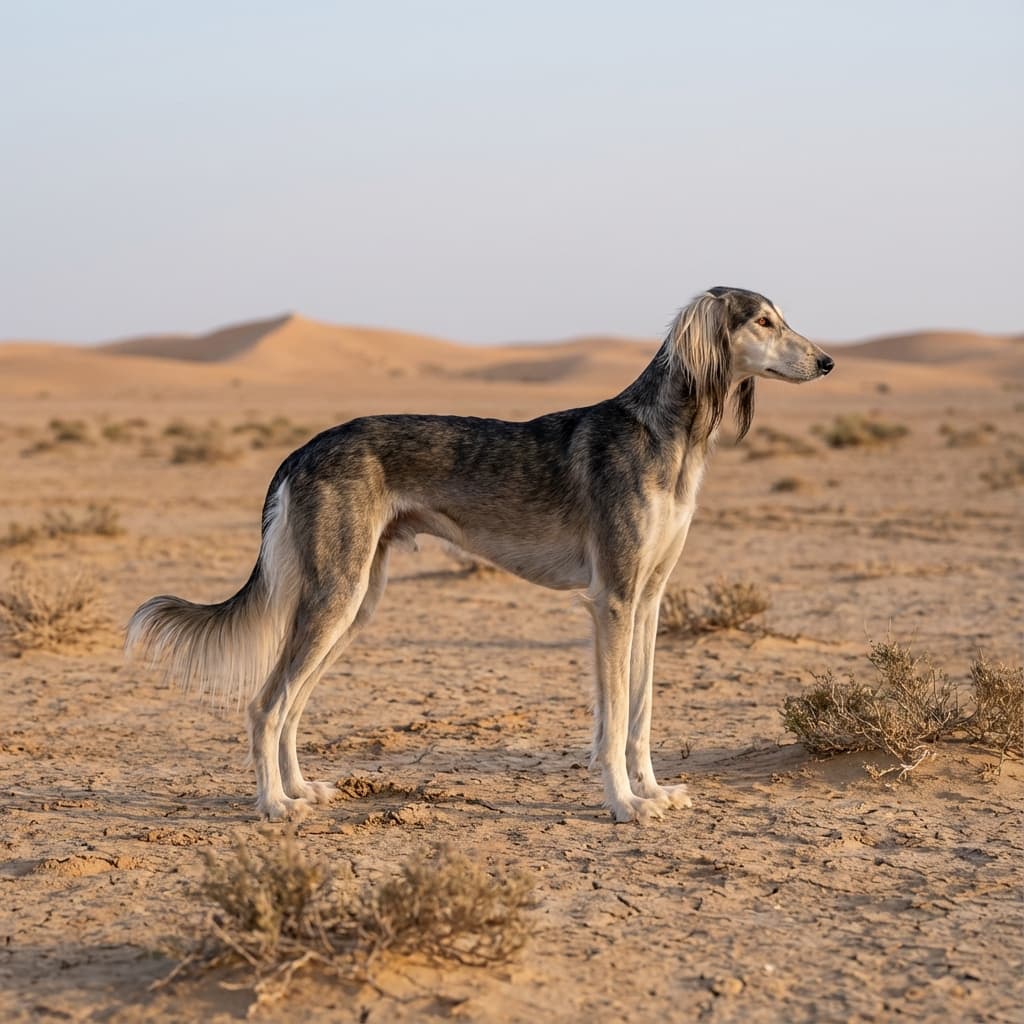
Saluki is a dog with an incredibly elegant and harmonious appearance, which is a direct reflection of its exceptional ability to achieve high speeds. The silhouette of this breed is elongated and slender, with a deep chest providing excellent respiratory capacity and a narrow, muscular body, allowing it to reach speeds of up to 64 km/h during a chase.
The head of the Saluki is long and narrow, with a distinct yet gentle stop, giving it a noble, aristocratic appearance characteristic of sighthounds. The eyes are large, oval, and extremely expressive, in dark brown or hazel, giving the dog a gentle yet intelligent expression. The ears are long, set quite high, covered with silky hair, and elegantly fall to the sides of the head, emphasizing the dignified character of this breed.
The coat of the Saluki is smooth, soft, and silky to the touch, with distinctive long fringes on the back of the limbs, under the throat, and on the tail. Possible coat colors include a wide range: pure white, various shades of gold, cream, red, black, black with tan, white and black, tricolor, and grizzle (bristly). According to the FCI standard, the height at the withers ranges from 58 to 71 cm, with males typically measuring 58-71 cm and females 58-69 cm. The weight ranges from 15-25 kg, making the Saluki a medium-sized dog with a light yet durable build.
The overall appearance of the Saluki exudes grace, strength, and speed - this combination of beauty and functionality makes this breed both a wonderful hunting dog and an extremely attractive companion.
Saluki is a breed of dog with a very balanced, calm, and dignified temperament, making them excellent companions for families that value harmony. Their character combines intelligence, independence, and a deep attachment to their loved ones.
In relation to strangers, Saluki can be somewhat reserved and cautious, but they are never aggressive or overly fearful. Their nature is dignified and intelligent, and their natural independence means they enjoy moments of solitude, yet they are very attached to their owner and family members. A well-socialized Saluki can form friendly relationships with other dogs and pets, although their strong hunting instinct may manifest in the presence of small, fast-moving animals.
Saluki is a dog that needs a lot of exercise, physical activity, and space to run freely. Their natural tendency to chase and hunt means they require safe, enclosed areas where they can fulfill their instincts without risk. Although they can be somewhat shy around new people, proper socialization from a puppy age helps them develop confidence.
This breed does not tolerate prolonged periods of solitude and thrives best in the company of people who can dedicate time and attention to them. Saluki is a dog that not only captivates with its majestic appearance but also makes life with them full of joy, activity, and an extraordinary emotional bond. They are an ideal choice for experienced owners who understand and respect their natural needs and independent character.
Saluki is a breed that generally enjoys very good health and great endurance, with a predicted lifespan of 12 to 14 years. They are dogs of great strength and vitality, making them excellent hunting dogs and companions for active individuals.
Despite their delicate, elegant appearance, Saluki are resistant to many diseases and belong to breeds with relatively few health problems. However, like any breed, they can be prone to certain conditions. The most common health issues include:
- Sensitivity to anesthesia - due to their low body fat content, Salukis may react atypically to some anesthetics
- Hemangiosarcoma - a rare but aggressive cancer of the blood vessels
- Cardiomyopathy - a condition affecting the heart muscle
- Hypothyroidism - hormonal disorders affecting metabolism
- Eye problems - some lines may be prone to progressive retinal atrophy (PRA)
Saluki are dogs that do not tolerate extreme weather conditions well - both intense heat and freezing winters. It is important to provide them with comfortable conditions at home and a suitable place to rest, protecting them from excessive temperatures. Due to their high activity level and natural need for exercise, Salukis do not tend to become obese, which is beneficial for their overall health and longevity.
Regular veterinary visits, appropriate preventive care, a balanced diet, and ensuring the right amount of exercise are crucial for keeping Saluki in excellent health for many years.
The grooming of Salukis is relatively simple and not very time-consuming, which makes them considered dogs with low to moderate grooming needs. Their coat is smooth, soft, and silky, with characteristic long hair, known as fringes, located on the back of the limbs, under the throat, and on the tail.
Regular brushing, at least once or twice a week, will help control natural shedding and keep the coat in excellent condition, giving it a healthy shine. In spring and autumn, Salukis may shed more hair during seasonal coat changes, so it is advisable to increase the frequency of brushing during these periods. A soft brush or rubber glove is best for grooming, as they effectively remove dead hair without damaging the delicate skin.
Baths should be given as needed - if the dog often plays outside or gets dirty, it may require a bath to remove dirt from the coat. It is recommended to use gentle shampoos designed for dogs with sensitive skin. After bathing, it is important to thoroughly dry the coat, especially the long fringes, to avoid skin problems.
Additional grooming elements include:
- Regular ear cleaning - especially important due to the long, drooping ears
- Trimming nails every 2-3 weeks if they do not wear down naturally
- Brushing teeth several times a week to prevent dental issues
- Checking and cleaning eyes as needed
It is worth getting the Saluki accustomed to all grooming procedures from a puppy age, which will greatly facilitate later regular routines and make the dog accept them calmly.
Saluki is a dog with very high exercise needs, who loves to run, sprint, and spend time outdoors in full activity. Their natural running abilities are impressive - they can reach speeds of up to 64 km/h, making them one of the fastest dogs in the world, just behind the English Greyhound.
They are ideally suited for various physical activities, such as:
- Running - long running sessions with the owner
- Coursing - chasing mechanical prey, excellent for this breed
- Fetching - although not as instinctive as with retrievers, it can be an enjoyable game
- Free running in safe, fenced areas
- Agility - for dogs that enjoy this type of activity
Saluki requires at least one long session of intense exercise per day (minimum 60-90 minutes) to burn off their natural energy and remain in excellent physical and mental condition. Without sufficient exercise, they can become hyperactive, bored, frustrated, or exhibit undesirable behaviors.
Owners of Saluki must absolutely provide them with safe, well-fenced areas to run, as their strong hunting instinct may cause them to chase small animals, disregarding dangers. When walking in unfenced areas, it is recommended to keep the dog on a leash or use a long training line.
The right amount of exercise and physical stimulation is absolutely crucial for the physical health, emotional balance, and overall well-being of Saluki. This is not a breed for people leading a sedentary lifestyle - it requires an active, engaged owner.
Training Saluki requires patience, gentleness, and an understanding of the specifics of this breed, as they are extremely intelligent dogs, yet sensitive and independent. Due to their independent nature and natural reserve, they require positive reinforcement, a gentle approach, and consistency without harshness.
Overly harsh, dominant, or punitive training methods can lead to complete resistance from the dog or even a loss of trust in the owner. Saluki respond best to training based on rewards, play, and positive experiences, which makes them more willing to cooperate and quicker to learn new skills.
Key aspects of Saluki training:
- Early socialization - exposure to various people, animals, places, and situations from puppyhood
- Basic commands - Sit, Stay, Come, Lie down - taught with patience and consistency
- Recall training - absolutely crucial due to their strong hunting instinct
- Positive reinforcement - rewarding with treats, praise, and play
- Short training sessions - 10-15 minutes to maintain the dog's engagement
Saluki are natural hunters with a very strong chasing instinct, which means they can suddenly take off in pursuit of small, fast-moving animals. Therefore, it is extremely important to teach them a solid recall and obedience skills, although it should be noted that instinct can sometimes outweigh training.
Socialization with other dogs and people from an early age is essential to reduce their natural shyness towards strangers and to develop confidence. Owners should be consistent, patient, and regularly repeat exercises, understanding that Saluki will never be as unconditionally obedient as some herding breeds, but can be a wonderful, well-mannered companion with the right approach.
The Saluki diet should be carefully balanced and tailored to their high energy needs as active, fast, and endurance dogs. Proper nutrition is crucial for maintaining their slim, muscular physique and excellent physical condition.
As dogs with intense physical activity, Saluki require food rich in high-quality protein (25-30% in dry food) and healthy fats (12-18%), which support their muscles, provide energy, and maintain a healthy coat. High-quality food for active dogs or sporting breeds should form the basis of their diet.
Feeding recommendations:
- High-quality protein - from chicken, turkey, fish, beef, or lamb
- Healthy fats - fish oil, flaxseed oil for omega-3 and omega-6
- Complex carbohydrates - brown rice, sweet potatoes, vegetables
- Fresh additions - carrots, broccoli, apples as healthy treats
- Avoiding table scraps - can lead to digestive issues and obesity
It is worth noting that Saluki do not tend to be obese due to their natural activity and metabolism; however, it is important to regularly monitor their weight and body condition, adjusting portions to their activity level. Visible ribs are not concerning in this breed - Saluki naturally have a very slim build.
Feeding frequency:
- Puppies (2-6 months): 3-4 meals a day
- Young dogs (6-12 months): 2-3 meals a day
- Adult dogs (over 12 months): 2 meals a day
Drinking fresh, clean water is absolutely essential, especially after intense physical exertion or on warm days. Water should always be available. Regular meals at consistent times and the appropriate amount of high-quality food will help keep Saluki in excellent health for many years.
Characteristic Traits
Pros
- Elegant and majestic appearance
- Exceptional speed and agility
- Deep bond with the owner
- Calm and balanced temperament
- Generally healthy breed
- Low tendency to obesity.
Cons
- Requires a lot of movement and space
- Strong hunting instinct
- Independent character that demands patience
- Does not tolerate long periods of solitude
- Reserved towards strangers
- Sensitive to anesthesia.
Behavioral Ratings
Breed History
The history of the Saluki breed is incredibly long, fascinating, and shrouded in an aura of mystery, making this breed one of the oldest domestic dog breeds in the world. The roots of the Saluki trace back to ancient times, with their origins going back as far as 7000-8000 years, to the times of Mesopotamian civilization.
This breed was known and valued in ancient Egypt, where it served pharaohs in hunting gazelles, antelopes, and other fast desert wildlife. In Egypt, the Saluki was regarded as a royal and sacred dog - its images adorn tomb paintings from over 4000 years B.C., and Saluki mummies have been found in graves alongside their owners, indicating the deep respect and attachment it enjoyed at that time.
In Arab and Muslim tradition, the Saluki held a unique place - while most dogs were considered unclean, the Saluki was treated as a gift from Allah and called El Hor (Noble). It was a symbol of prestige, honor, and social status. According to Bedouin tradition, Salukis were not bought or sold, but were only given as valuable honorary gifts between tribes and clans.
As thousands of years passed, various regions of the vast Middle East - from Egypt through Saudi Arabia, Iran, Iraq, Syria, to Afghanistan - contributed to the development of different types of Saluki. Each tribe bred Salukis best suited for hunting specific game in their region - hence today's natural diversity within the breed (different sizes, coat types, builds), which is desired and accepted by the standard.
The Saluki arrived in Europe relatively late, only in the 19th century, when British travelers and colonial officers brought the first specimens from the Middle East. The breed's popularity significantly increased after World War I, when soldiers returning from campaigns in the Middle East brought these magnificent dogs with them. The first official European breed standard was developed in the UK in 1923 and was created to encompass all original types of Saluki from various regions.
Today, the Saluki is valued worldwide both as an excellent hunting dog, a participant in coursing competitions, and as a wonderful companion for active, experienced owners. Its rich, millennia-old history makes it a living monument to ancient civilizations and one of the noblest dog breeds in the history of humanity.