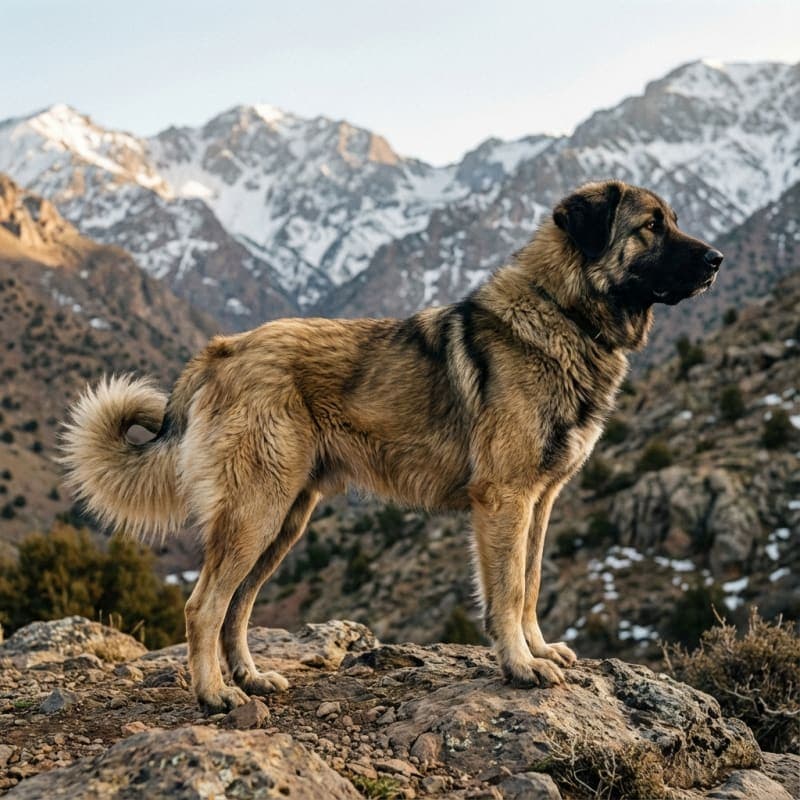
Aidi
FCI Group
2• FCI 247
Size
Medium
Origin Country
XX
Height
52-62 cm
Weight
23-30 kg
Lifespan
12-13 years
Temperament
Overview
Aïdi, also known as Chien de Montagne de l'Atlas, fascinates with its extraordinary history and character. This dog breed originates from North Africa, with roots tracing back to the majestic Atlas Mountains in Morocco. Aïdi is a medium-sized dog whose original task was guarding. This has earned it a reputation as a reliable protector, safeguarding property and livestock from predators. It is worth noting that Aïdi is not a typical herding dog, but rather a guardian, effectively deterring wolves and jackals.
A characteristic feature of this breed is its dense, coarse coat, which provides excellent protection against both cold and heat. Therefore, Aïdi thrive in harsh mountain conditions. Their guarding instinct is incredibly strong, making them very useful in watching over homes and farms. However, they are not just defensive dogs; they are also known for their immense loyalty and attachment to their owners. This combination of vigilance and devotion makes Aïdi excellent guard dogs.
Their intelligence and need for closeness with people make Aïdi ideal for individuals willing to dedicate time to their training and social engagement. Although they may be somewhat shy towards strangers, they show great loyalty and devotion to their family. Aïdi adapt well to both living in a home and in the countryside, as long as they have enough space to run and play.
Their temperament indicates a need for regular physical activity and mental stimulation. Therefore, owners should be aware of the necessity to provide them with appropriate conditions to avoid behavioral problems. These are dogs with strong character that require attention and care to lead a happy and healthy life. In the following sections of our guide, you will learn more about the health, grooming, exercise, training, nutrition, history, appearance, and behavior of this amazing breed.
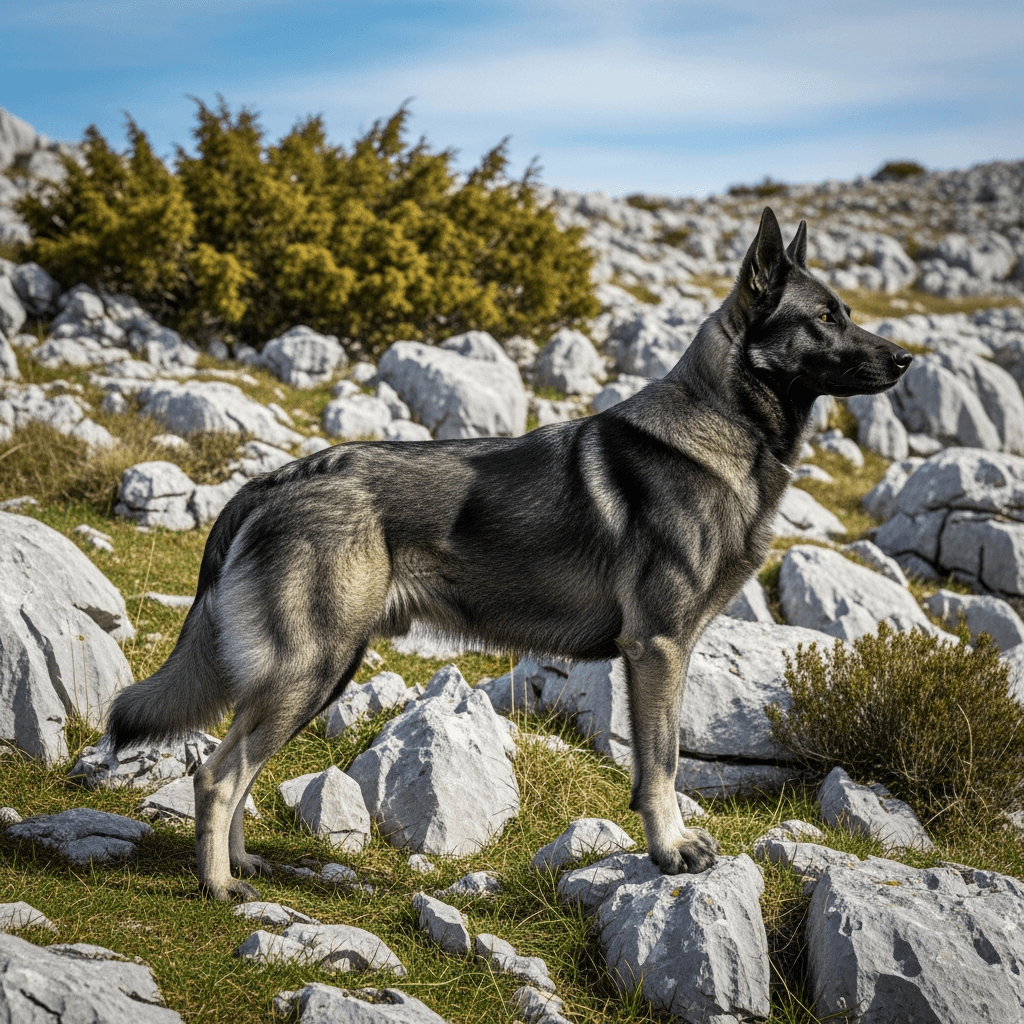
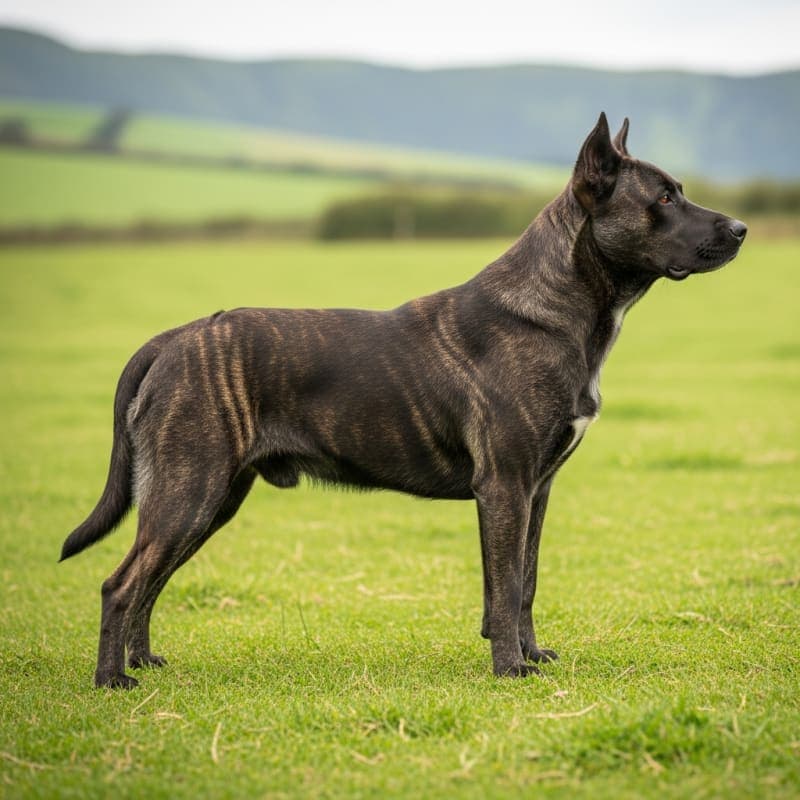
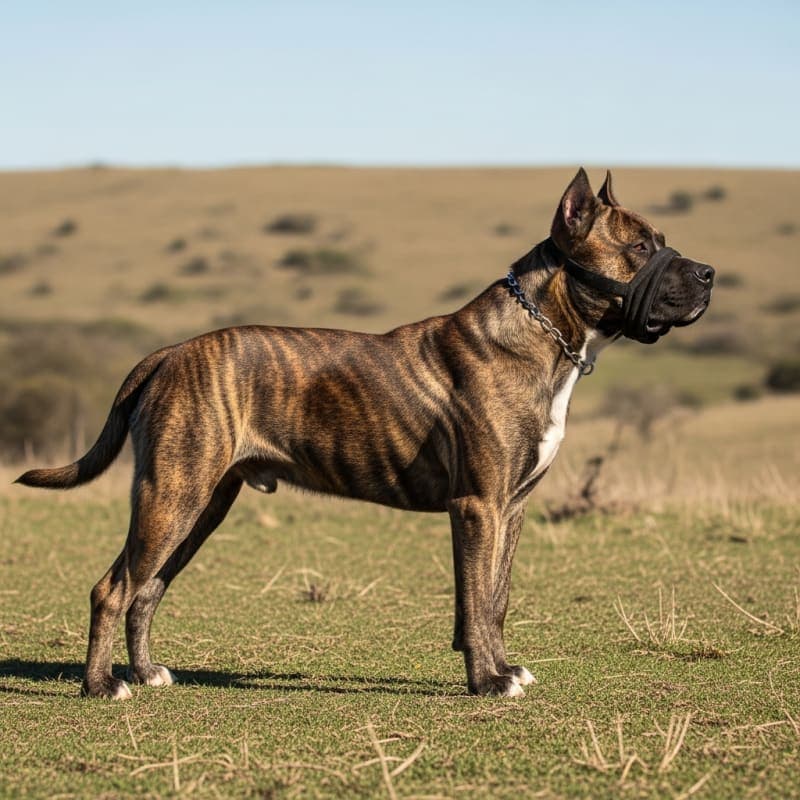
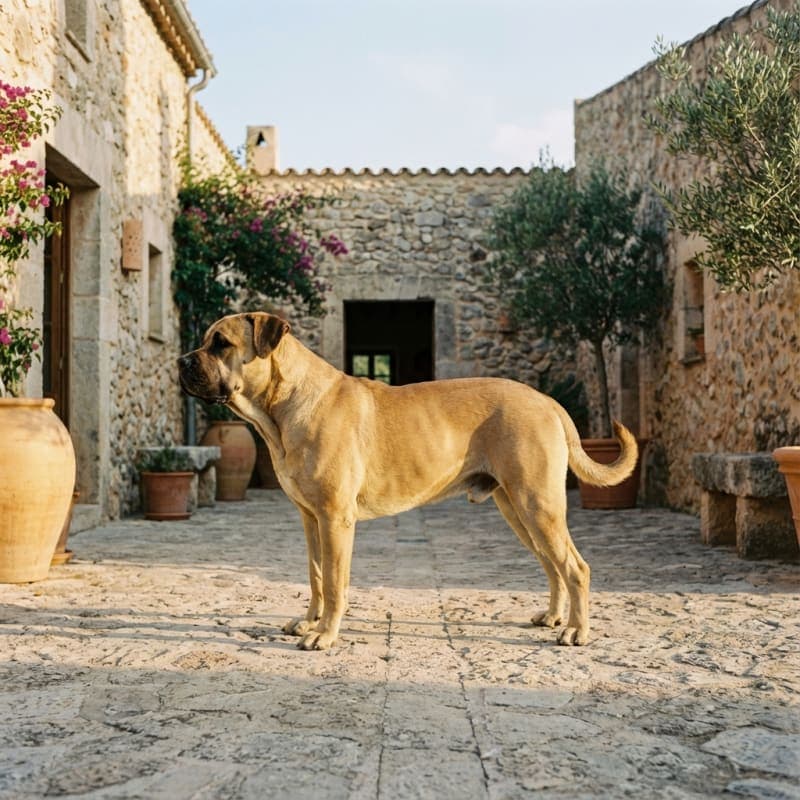
The Aïdi is a strong and well-muscled medium-sized dog, reaching a height of 52 to 62 cm at the withers. Their head is broad and conical, with a strong jaw and well-muscled neck. The Aïdi's eyes are medium-sized, dark, in shades of amber to golden brown, giving them a vigilant and focused expression. The ears are of medium length, slightly rounded at the tips, and lie close to the head. The Aïdi's coat is dense, rough, and medium-length, with the longest hair found on the neck, forming a characteristic mane. The coat colors of the Aïdi are very diverse and can include shades from fawn, through chocolate, to black, with the possibility of white markings. Aïdis have strong limbs that are well-muscled, allowing them to move quickly and agilely in difficult mountainous terrain. Their tail is long, reaching at least to the hock, richly feathered, carried low at rest but much more cheerfully in motion. It is worth noting that Aïdis are well adapted to living in harsh conditions, and their coat protects them from both cold and heat.
Aïdi are dogs with a strong instinct for guarding and protection. They are very attached to their owners and families, which makes them excellent guard dogs. Their alertness and natural tendency to assess threats make them very cautious around strangers. Although they are friendly with their owners, they can be wary of new people and need time to accept visitors. Aïdi are also known for their intelligence, which makes them easy to train, but they require a patient and consistent approach. Their sensitivity means they may react poorly to harsh training methods, which can lead to behavioral issues. Aïdi are also moderately active, needing regular exercise and mental stimulation to remain happy and balanced. They can be territorial and reluctant to share space with other dogs, but they are generally good with children, as long as they are not subjected to overly intense play. Their tendency to destroy property when bored highlights the need to provide them with an appropriate level of activity and stimulation.
Aïdi is generally a healthy dog breed, with an average lifespan of 12 to 13 years. This breed is known for its resilience and quick recovery from injuries. However, like any breed, they can be prone to certain health issues. In the case of Aïdi, the most common health problems are hip and elbow dysplasia, as well as vision problems. Aïdi are also known for their heat tolerance, which makes them resistant to high temperatures, but it is important to ensure they have access to fresh water. On the other hand, Aïdi do not tolerate cold and damp weather well, which can lead to health issues if they are not properly protected. Owners should also pay attention to their dogs' weight, as Aïdi can easily gain weight if not exercised regularly and fed improperly.
The Aïdi's grooming requires regular attention to keep their coat in good condition. Their dense, coarse coat should be brushed at least twice a week to remove dead hair and minimize shedding. During shedding season, more frequent brushing may be necessary. Baths should only be given as needed, using a mild dog shampoo. It is important to avoid excessive washing, as this can lead to the removal of natural oils from the skin, which may result in irritation. Aïdi also tend to accumulate dirt in their ears, so regular checking and cleaning of the ears is recommended. Additionally, nails should be regularly trimmed to avoid discomfort and walking issues.
The Aïdi is a breed that requires a lot of exercise to remain healthy and balanced. Ideally, they should have daily walks or runs that can total between 10 to 12 miles per week. Owners should strive to provide them with a variety of activities, such as fetch games or running in open areas. Without the proper amount of exercise, the Aïdi can become restless, which may lead to behavioral issues such as property destruction or excessive barking. This breed is also very intelligent, meaning they need mental stimulation through play and training. For this reason, taking the Aïdi on trips, hikes, or to a dog park can be an excellent way to provide them with both physical and mental exercise. Owners should be prepared for an active lifestyle to meet the needs of this energetic breed.
Training an Aïdi requires patience and consistency. They are intelligent dogs that can easily get bored, so it is important for the training to be interesting and varied. Owners should use positive reinforcement, such as treats and praise, to motivate their dogs to learn. Too harsh training methods can lead to shyness and behavioral issues, so it is crucial that the training approach is based on trust and mutual respect. Aïdis are very attached to their owners, which makes them respond well to training, but they also need strong leadership to feel secure. Regular training sessions should be short and engaging to maintain their interest. It is also beneficial to introduce new commands and tricks to stimulate their minds. Since Aïdis can be wary of strangers, it is important to gradually expose them to different social situations to teach them positive interactions with other people and dogs.
Proper nutrition for the Aïdi is crucial for their health and well-being. Due to their active lifestyle, they require high-quality food that provides the right amount of protein and nutrients. It is important to avoid feeding them table scraps, as this can lead to digestive issues and obesity. Owners should pay special attention to the ingredients of the food and avoid low-quality products that may contain artificial additives. Regular meals, preferably twice a day, will help maintain a stable weight and health for the Aïdi. It is also essential to ensure access to fresh water at all times. Aïdi, like other breeds, may have a sensitive digestive system, so any changes in diet should be introduced gradually to avoid stomach problems. A well-balanced diet, tailored to the dog's activity level, is key to their health and longevity.
Characteristic Traits
Pros
- Strong guarding instinct
- Loyalty to family
- Adaptability to difficult conditions
- Intelligence and need for closeness.
Cons
- Can be shy around strangers
- Requires a lot of physical activity
- Strong character that demands an experienced owner.
Behavioral Ratings
Breed History
The history of the Aïdi breed dates back to ancient times when these dogs were used by nomadic tribes in North Africa, especially in the Atlas Mountains region. Their main purpose was to guard herds and protect property from predators. Aïdi were not used for herding sheep or cattle like other herding breeds, but served as defenders, making them key companions for people in harsh mountainous conditions. Over time, Aïdi became not only guard dogs but also valued companions. Their popularity in Morocco and other North African countries increased, and their role as a guard dog was appreciated by farmers and cattle owners. In recent years, Aïdi have begun to gain popularity beyond the borders of Africa, especially in Europe and North America, where they are increasingly seen as wonderful family dogs that combine the traits of a protector and a loyal companion. This breed has been recognized by the FCI and gained official status, which has helped in its popularization and protection. Today, Aïdi are sought after not only for their defensive skills but also for their loyalty and devotion to family.