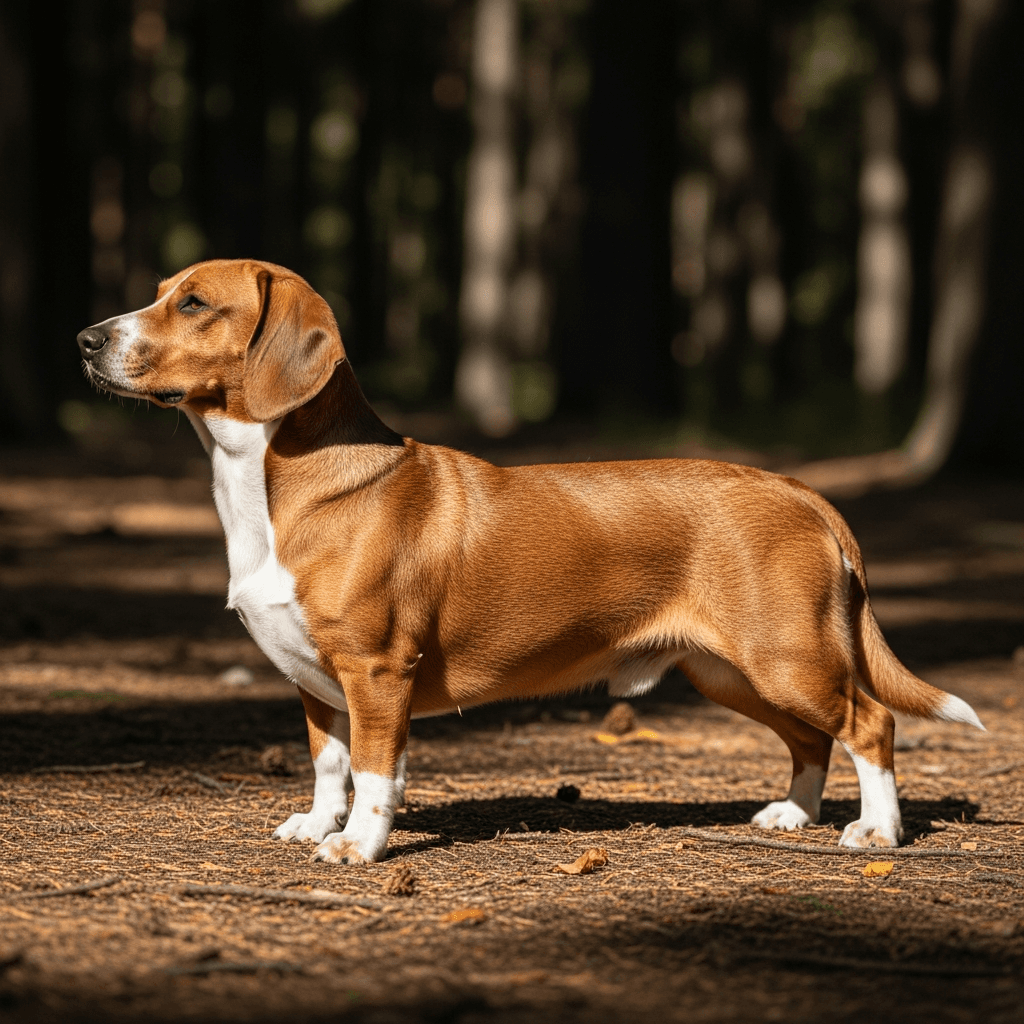
Alpine Dachsbracke
FCI Group
6• FCI 254
Size
Medium
Origin Country
AT
Height
34-42 cm
Weight
15-18 kg
Lifespan
11-13 years
Temperament
Overview
The Alpine Dachsbracke, also known as the Alpine Basset Hound, is a breed of hunting dog originating from the picturesque Austrian Alps. It is characterized by short legs and a strong, muscular build, making it ideal for hunting in challenging mountainous terrain. Its history dates back to the 19th century when Archduke Rudolf, the son of Emperor Franz Joseph I, commissioned the breeding of a dog with exceptional agility, resilience, and compact size to accompany hunters on expeditions in the Alps. The Alpine Dachsbracke met all these requirements, gaining recognition for its phenomenal scent-tracking ability — it became an indispensable assistant during hunts for deer, wild boar, hares, and foxes.
This intelligent dog with a friendly gaze is distinguished by its uncompromising courage and confident demeanor. Its energy and zest for life make it an extremely active companion — which, however, comes with the necessity of providing it with ample exercise and stimulation. Without adequate activity, behavioral issues such as destruction of objects or excessive barking may arise. Its moderate intelligence allows for the learning of many commands, but this requires a patient, consistent handler who can guide its natural hunting instincts. It has a dense, double coat that protects it from the cold alpine climate — further emphasizing its readiness to work in the most demanding conditions.
The Alpine Dachsbracke is a medium-sized dog, standing between 34 to 42 cm at the withers and weighing between 15 to 18 kg. Its distinctive coat features dark red with black hairs or black with clear brown-red markings, giving it an elegant, noble appearance. We encourage you to explore the following sections of our guide, which detail the health, grooming, physical activity, training, nutrition, history, appearance, and behavior of this fascinating breed. Get to know the Alpine Dachsbracke better and find out if this exceptional companion will be the perfect addition to your family!
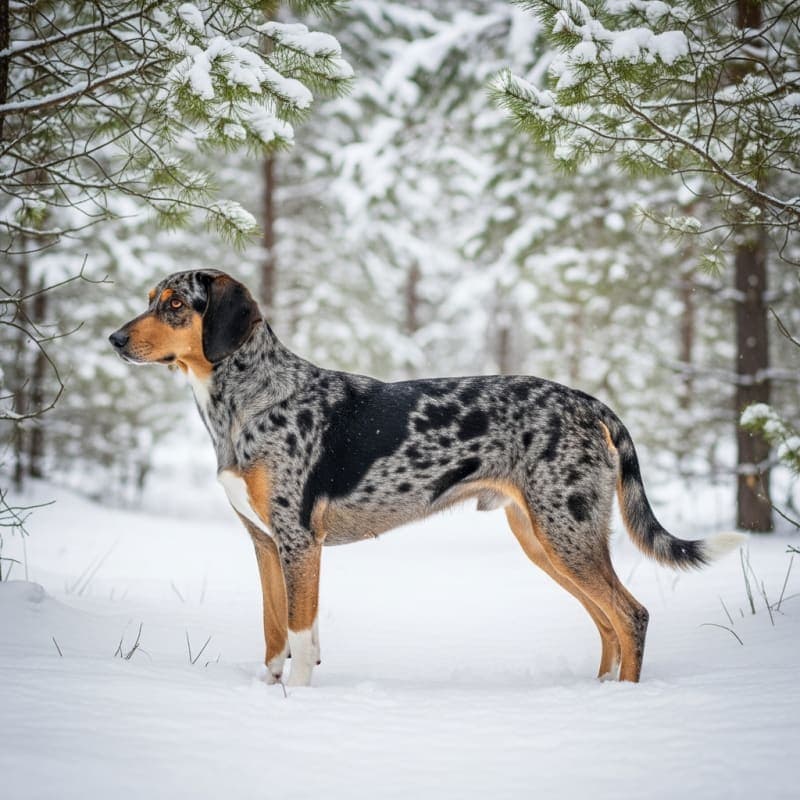
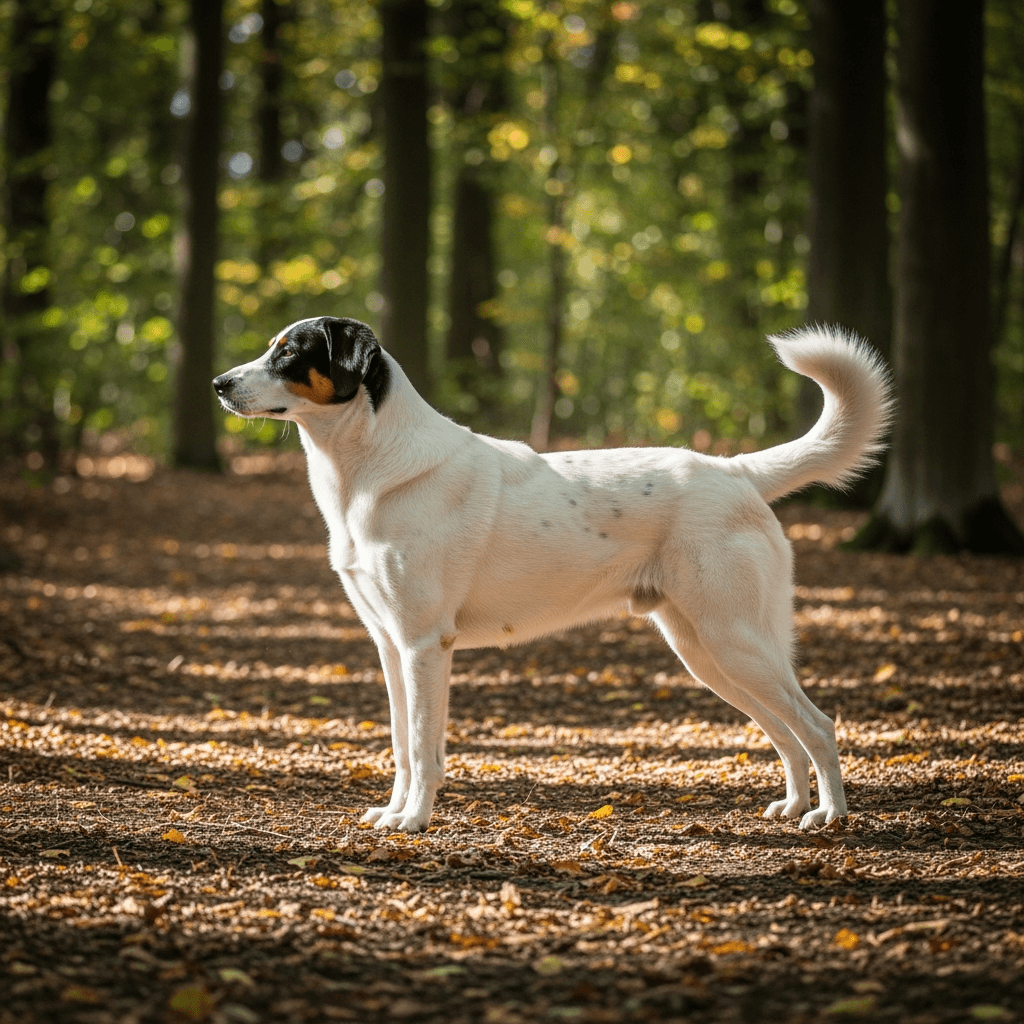
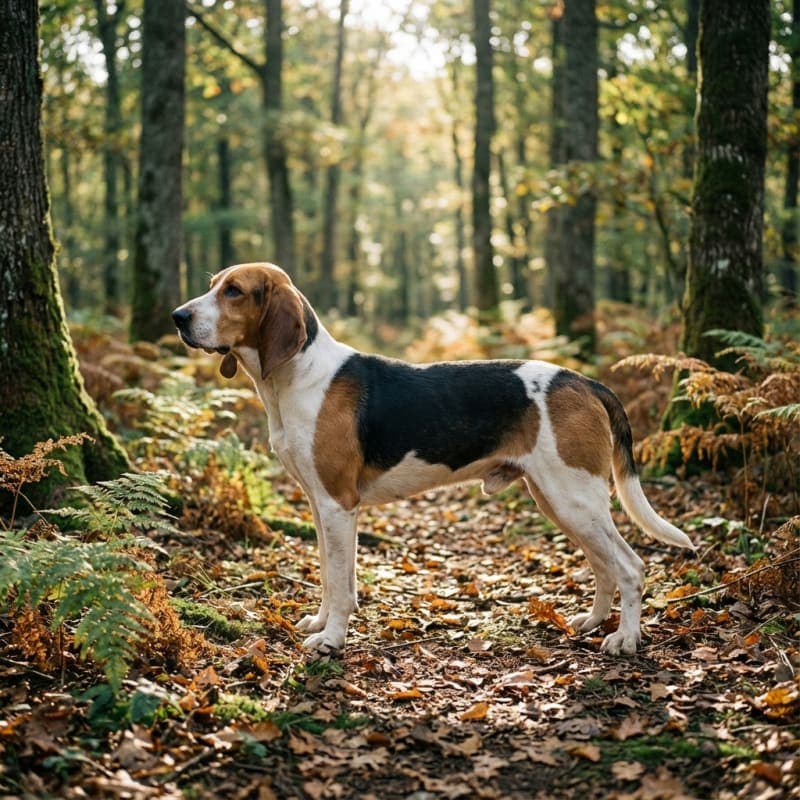
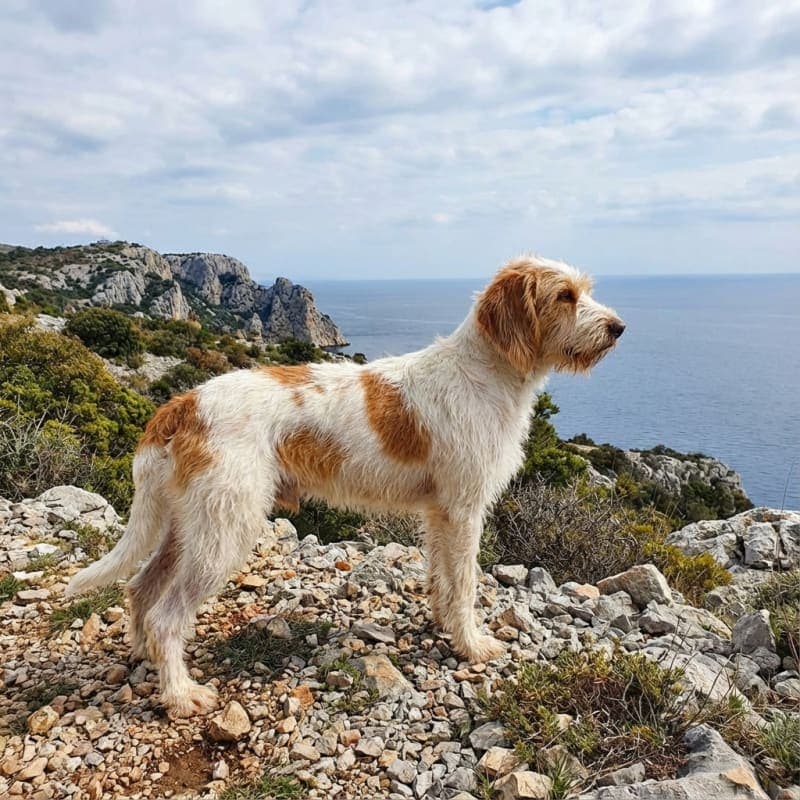
The Alpine Dachsbracke is a dog with a strong, compact body structure and impressive musculature. Its height at the withers ranges from 34 to 42 cm, classifying it as a medium-sized breed. The ideal height for dogs of this breed is 37–38 cm for males and 36–37 cm for females. It is characterized by a proportional head with a slightly rounded skull and a well-defined stop (the transition from forehead to muzzle). The nose is black, the jaws are strong, with teeth arranged in a scissor bite, ensuring proper chewing function. The eyes are dark brown, with well-fitting eyelids that give it a vigilant, friendly expression. The ears are of medium length, wide at the base and gently rounded at the tips, hanging down without folds — which is characteristic of hunting dogs.
The coat of the Alpine Dachsbracke is dense and double, providing natural protection against the cold alpine climate. The ideal coloration is dark red (dark deer) with black hairs or black with distinct brown-red markings on the muzzle, chest, legs, paws, and under the tail. A white star on the chest is allowed.
The chest is deep and well-developed, providing adequate lung capacity for prolonged exertion. The limbs are strong, well-muscled, ending in compact paws with hard pads, enabling sure-footed movement in difficult, mountainous terrain. The tail is set high, carried in line with the back or slightly raised. The ratio of height at the withers to body length is 2:3, emphasizing the compact, balanced build of this breed.
The Alpine Dachsbracke is a dog with a friendly, intelligent character, yet equipped with a strong hunting instinct, which is the foundation of its personality. It exhibits confidence, courage, and determination, making it a dog that is uncompromising in the face of terrain challenges, while also being friendly and loyal to its family. This breed is known for its moderate distrust of strangers, which allows it to serve as a vigilant guardian, although it is not aggressive. Proper socialization from a young age is crucial to develop balanced behavior and reduce anxiety in new situations.
The Alpine Dachsbracke is a very active dog that requires regular, intense exercise to avoid behavioral problems such as destroying objects, excessive barking, or hyperactivity. Its high hunting instinct often leads it to follow scents, ignoring the owner's calls — therefore, solid training in recall is absolutely necessary to ensure the dog's safety during walks. This breed shows moderate ease in training but requires consistency, patience, and confidence from the owner, who must clearly define the rules.
The Alpine Dachsbracke gets along well with children and can tolerate their energetic play, but interactions with younger children should be supervised to avoid accidental injuries. It is generally moderately compatible with other dogs, although males may display a dominant attitude towards other males. This breed is not very tolerant of small animals (cats, rabbits, rodents), so it is not recommended for households with such pets. Its natural hunting instinct may outweigh socialization, making this breed the best choice for experienced owners who understand the needs of a hunting dog.
The Alpine Dachsbracke is a breed of dog known for its exceptional toughness, resilience, and solid health. The average lifespan of these dogs ranges from 11 to 13 years, although with proper care, a balanced diet, and regular physical activity, they can live even longer. This breed does not suffer from any serious hereditary conditions, making it relatively healthy compared to many other breeds. However, like any dog, it may be susceptible to certain health issues that require the owner's attention.
Their drooping ears require special care, as they can be prone to bacterial or fungal infections, especially if the dog often moves in damp, wooded areas. Regular checking and cleaning of the ears (at least once a week) is essential to prevent the buildup of wax, moisture, and debris that can lead to ear infections. Additionally, while the Alpine Dachsbracke is resistant to cold due to its dense, double coat, it may be sensitive to high temperatures. Owners should avoid exposing the dog to heat by providing access to shade, fresh water, and limiting intense exercise on hot days.
It is important to provide these dogs with a balanced diet tailored to their activity level and an appropriate amount of exercise to prevent obesity — which can lead to joint problems, heart disease, and diabetes. Regular veterinary visits (at least once a year), vaccinations, deworming, and prevention against external parasites (ticks, fleas) are crucial for maintaining the dog's health. The Alpine Dachsbracke, with proper care, is an incredibly resilient dog that enjoys life to the fullest for many years.
The Alpine Dachsbracke does not require intensive grooming, making it a relatively easy breed to maintain in terms of aesthetics. Its coat is dense and double, consisting of a hard outer layer and a soft, insulating undercoat, which makes it naturally resistant to changing weather conditions, including rain, snow, and mud. To keep the coat in excellent condition, regular brushing two to three times a week with a natural bristle brush or a rake is sufficient to remove dirt, dead hair, and debris.
During shedding periods (in spring and autumn), it is advisable to increase the brushing frequency to daily to help the dog get rid of excess dead hair. Baths should be given only when absolutely necessary, usually once a month or less, to avoid disrupting the natural protective layer of the coat. Excessive bathing can lead to dry skin and loss of natural oils that protect the dog from moisture.
It is also important to regularly check the ears (at least once a week) to avoid infections—especially after walks in the woods or damp areas. The inner part of the ear should be clean and free of unpleasant odors. Nail care is equally important—nails should be trimmed every 3–4 weeks to prevent overgrowth, which can lead to pain, breakage, or walking problems. Regular dental checks and the use of dental chews will help prevent tartar buildup and periodontal disease. Proper grooming not only enhances the dog's appearance but also affects its health, well-being, and quality of life.
The Alpine Dachsbracke is a breed that requires a large amount of movement and physical activity, which stems directly from its hunting heritage. These dogs were bred to work in difficult alpine terrain, where they had to cover many kilometers daily, track game, and navigate steep, mountainous paths. Therefore, their exercise needs are significant and cannot be ignored. Daily walks should be long, intense, and varied to meet both the physical and mental needs of the dog. A minimum of two hours of activity per day is required, including intense walks, running, playing fetch, or exploring the terrain.
The Alpine Dachsbracke is perfectly suited for an active lifestyle, where it can run, hike on forest trails, explore new scents, and engage in various forms of outdoor activity. Without proper exercise, this dog may become hyperactive, frustrated, and prone to behavioral problems such as destroying furniture, excessive barking, digging, or escaping. Owners should also consider additional activities such as running with the dog, biking (with the dog on a leash beside), agility, mantrailing (tracking scents), or obedience training to provide the dog with adequate physical and mental stimulation.
Their natural instinct for tracking can be well utilized in games involving searching for hidden objects or scents (e.g., nosework training), which further satisfies their inherent need for work and mental stimulation. It is important that exercises are tailored to the dog's age, condition, and health — young puppies should not be overburdened with intense effort to avoid damage to their still-developing joints and bones. Adult dogs in good condition can enjoy long mountain hikes, which are their natural environment and source of happiness.
The Alpine Dachsbracke requires consistent, patient, and confident training that takes into account its natural hunting instinct and moderate intelligence. Dogs of this breed can learn many commands and behaviors, but they may also try to take control during training, testing the boundaries set by the owner. Therefore, the key to effective training is consistency, clearly defined rules, and positive reinforcement (rewards, praise, play) that motivate the dog to cooperate. Owners should avoid harsh, punitive methods, as they can lead to fear, aggression, or loss of trust in the handler.
Training should be fun, engaging, and tailored to the dog's natural predispositions — the Alpine Dachsbracke loves tasks involving scent tracking, searching for hidden objects, and activities that engage its mind. Socialization is absolutely crucial to ensure that the dog will be well-balanced, confident, and able to cope in various situations. Early exposure to different people, animals, sounds, environments, and stimuli will help build the dog's confidence and minimize fear of strangers and unfamiliar situations. Puppies should participate in socialization classes (puppy kindergarten) to learn appropriate behaviors towards other dogs.
Due to its high hunting instinct, it is also important to teach the Alpine Dachsbracke a solid recall (command Here or Come), so it can be easily controlled when around other animals or scents that may distract it. Recall training should be conducted systematically, using a long training leash, in controlled conditions, gradually increasing the level of distraction. Basic commands such as Sit, Stay, Lie Down, Leave It should be mastered in the first months of the puppy's life. The Alpine Dachsbracke is a dog that performs best in the hands of an experienced owner who understands the needs of a hunting breed and can provide appropriate training, consistency, and stimulation.
The Alpine Dachsbracke requires a well-balanced, high-quality diet that ensures optimal health, energy, and vitality. Its nutritional needs are closely related to the level of physical activity, so the amount of food should be adjusted to the dog's lifestyle. Very active dogs that regularly participate in hunting, long hikes, or intense training require more calories than dogs with a moderate level of activity. It is generally recommended to feed two meals a day (in the morning and evening) to prevent stomach issues, such as bloat, which can occur in medium-sized dogs.
The food should be of high quality, rich in animal protein (a minimum of 25–30% of the composition), which supports the development and maintenance of muscle mass. Protein sources should come from meat (chicken, turkey, beef, lamb, fish) rather than plant by-products. The food should also contain healthy fats (omega-3 and omega-6) that support skin and coat condition as well as cognitive functions. Carbohydrates should come from easily digestible sources, such as rice, oats, sweet potatoes, and not from cheap fillers (wheat, corn, soy) that can cause food allergies.
It is important to avoid overfeeding as the Alpine Dachsbracke tends to gain weight if not properly exercised. Regularly monitoring the dog's weight, checking body condition (visible waist, palpable ribs), and adjusting the diet based on energy needs are crucial for maintaining a healthy weight. Owners should also ensure the dog has constant access to fresh, clean water to prevent dehydration—especially on warmer days or after intense physical activity. It is also recommended to avoid giving table scraps, sweets, or fatty foods that can lead to health issues such as obesity, pancreatitis, or digestive problems.
Characteristic Traits
Pros
- Agile and resilient in tough conditions
- Excellent sense of smell and tracking skills
- Friendly and confident
- Great companion for hunting and an active lifestyle
- Easy to care for.
Cons
- Requires a lot of movement and activity
- Needs a consistent
- experienced handler
- Strong hunting instinct can be problematic
- May have behavioral issues without proper exercise.
Behavioral Ratings
Breed History
The Alpine Dachsbracke has a rich, fascinating history that dates back to the time of Emperor Franz Joseph I and the Austrian aristocracy of the late 19th century. This breed was created in response to the need for a versatile, resilient hunting dog of compact size, which would be small enough to navigate effectively through dense alpine forests, yet strong and durable enough to track wounded game in challenging mountainous terrain. Archduke Rudolf, the son of Emperor Franz Joseph I, was an avid hunter and dog lover who commissioned his court hunters from Mursteg and Ischl to develop a breed that met these requirements.
The Alpine Dachsbracke demonstrated excellent tracking skills, which contributed to its rapid popularity among Austrian and Bavarian hunters. These dogs accompanied Archduke Rudolf on numerous hunting expeditions, including exotic hunts in Turkey (1881) and Egypt (1885), where they showcased their versatility and ability to work in various climatic conditions. In 1932, this breed was officially recognized by Austrian cynological organizations as the third breed of hounds from Austria, alongside the Austrian Black and Tan Hound and the Styrian Wire-Haired Hound.
In 1975, the breed's name was changed from Alpine-Erzgebirgs-Dachsbracke to the current Alpenländische Dachsbracke, and Austria was officially recognized by the Fédération Cynologique Internationale (FCI) as the country of origin of the breed. In 1991, the Alpine Dachsbracke was included in the FCI nomenclature in Group 6 (Hounds and Related Breeds), Section 2 (Tracking Hounds), confirming its status as a recognized hunting breed internationally. This breed continues to be valued among hunters for its exceptional tracking skills, loyalty, courage, and dedication. Although it remains a relatively rare breed outside of Austria and neighboring alpine countries, it is gaining increasing recognition among hunting dog enthusiasts worldwide.