Dunker
FCI Group
6• FCI 203
Size
Medium
Origin Country
NO
Height
47-58 cm
Weight
20-25 kg
Lifespan
11-13 years
Temperament
Overview
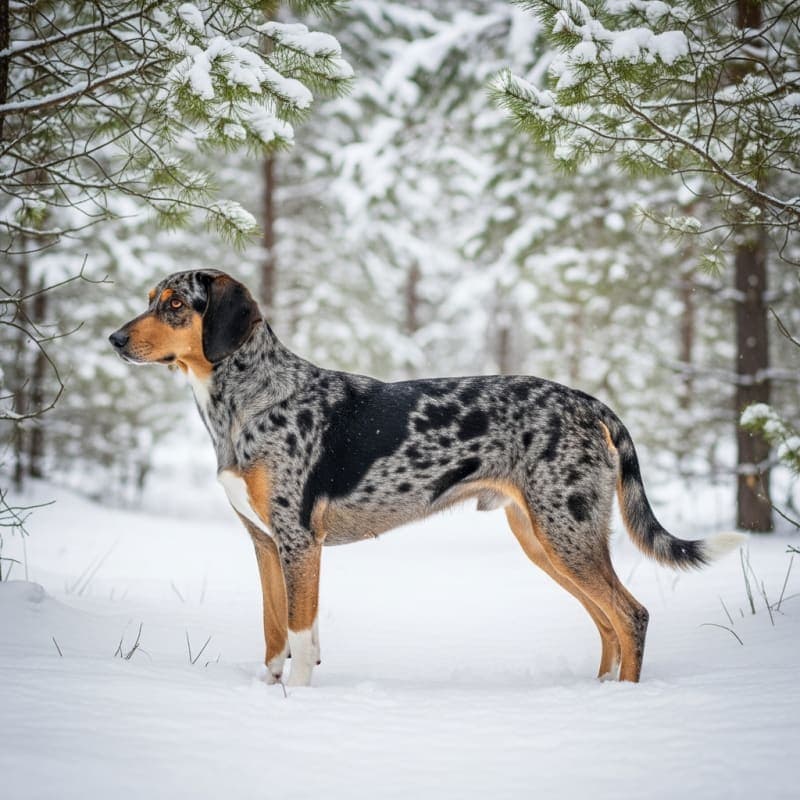
Dunker, also known as the Norwegian Hound, is a unique hunting dog breed with a fascinating history dating back to the early 19th century. Bred by Captain Wilhelm Conrad Dunker, who through skillful crossbreeding of various hound breeds created a dog perfectly adapted for hunting hares in the challenging Norwegian terrain. Dunker captivates with its distinctive blue-marbled merle coat and an extraordinary temperament that combines the gentleness of a companion with the unwavering determination of a hunter.
This medium-sized breed is characterized by a strong, rectangular build and exceptionally developed senses, especially smell. Dunker is a dog with a clearly defined, strong structure that does not give an impression of heaviness. Its proportional body construction allows for prolonged work in the field, even in the most difficult weather conditions. Beautiful appearance is not the only advantage of this breed – Dunker is also distinguished by extraordinary loyalty, friendliness towards people, and a calm, balanced character, making it not only an excellent hunter but also a wonderful companion for the whole family.
This Norwegian hound, valued for its outstanding tracking abilities, particularly excels in tracking hares and other small forest game. It is highly regarded in Norway, where it is traditionally used during wild game hunts. Due to its intelligence, willingness to cooperate, and strong motivation to learn, Dunker is relatively easy to train for an experienced handler. Its natural patience, calmness, and emotional balance make it perfectly suited for family life with children, provided that adequate physical activity and mental stimulation are ensured.
We encourage you to explore the next chapters of our comprehensive guide, where you will find detailed information about health, grooming, exercise requirements, training principles, proper nutrition, rich history, and a detailed description of the appearance and behavior of the Dunker. Each of these aspects will bring you closer to a full understanding of this extraordinary, though currently rare, dog breed. If you are looking for a dog that impresses not only with its unique appearance and rare merle coat but also with an exceptional character that combines calmness with energy, Dunker may be the perfect choice for your family.
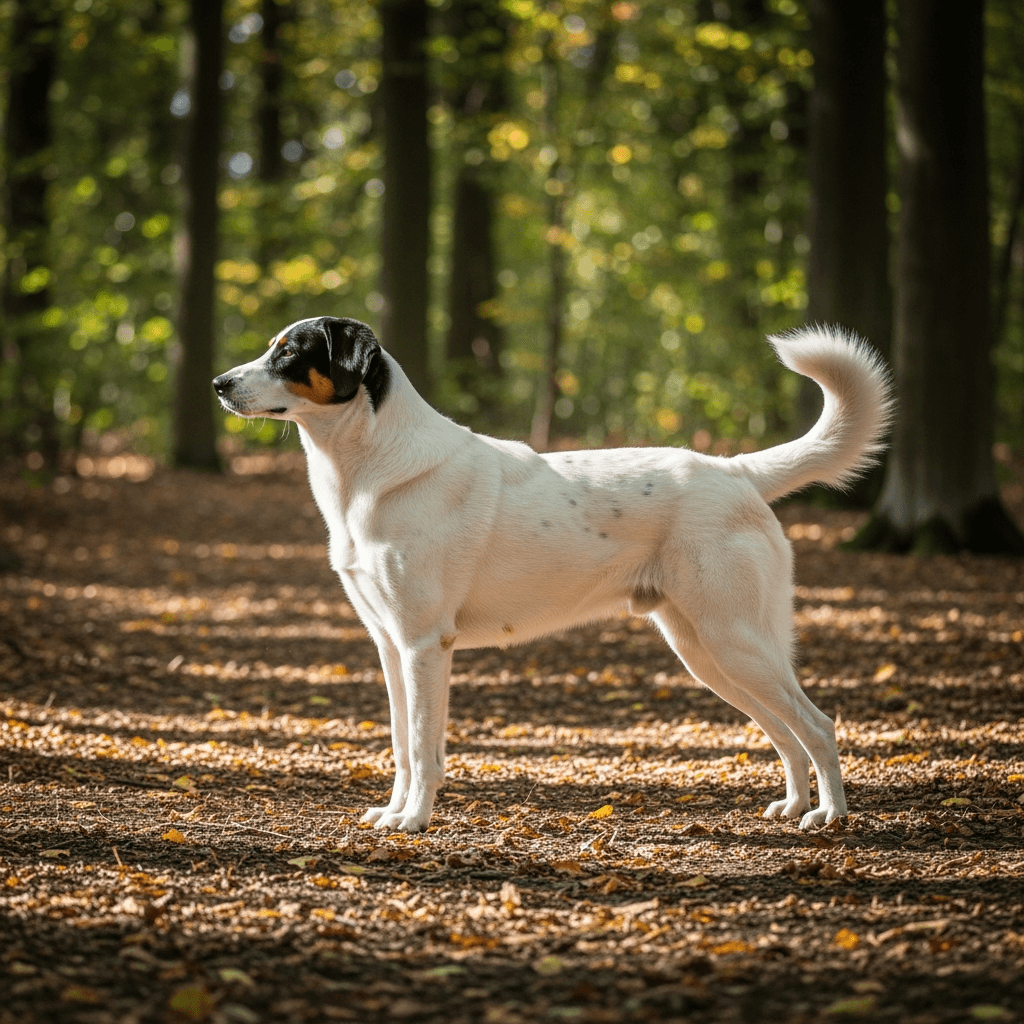
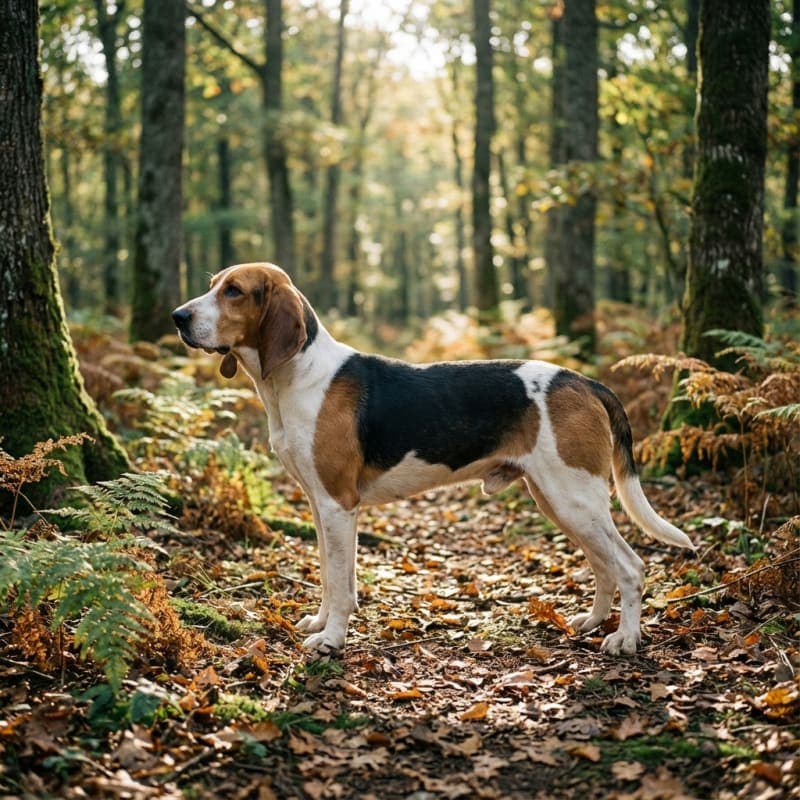
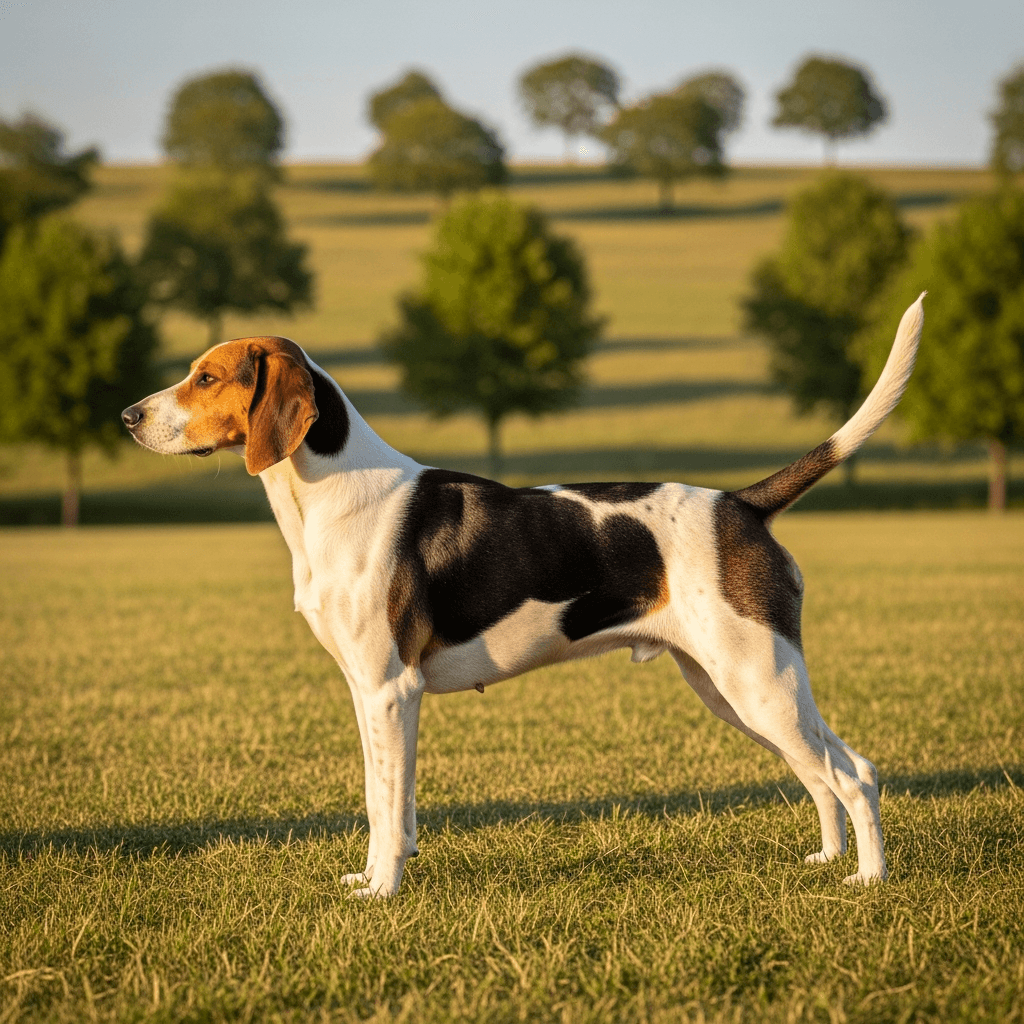
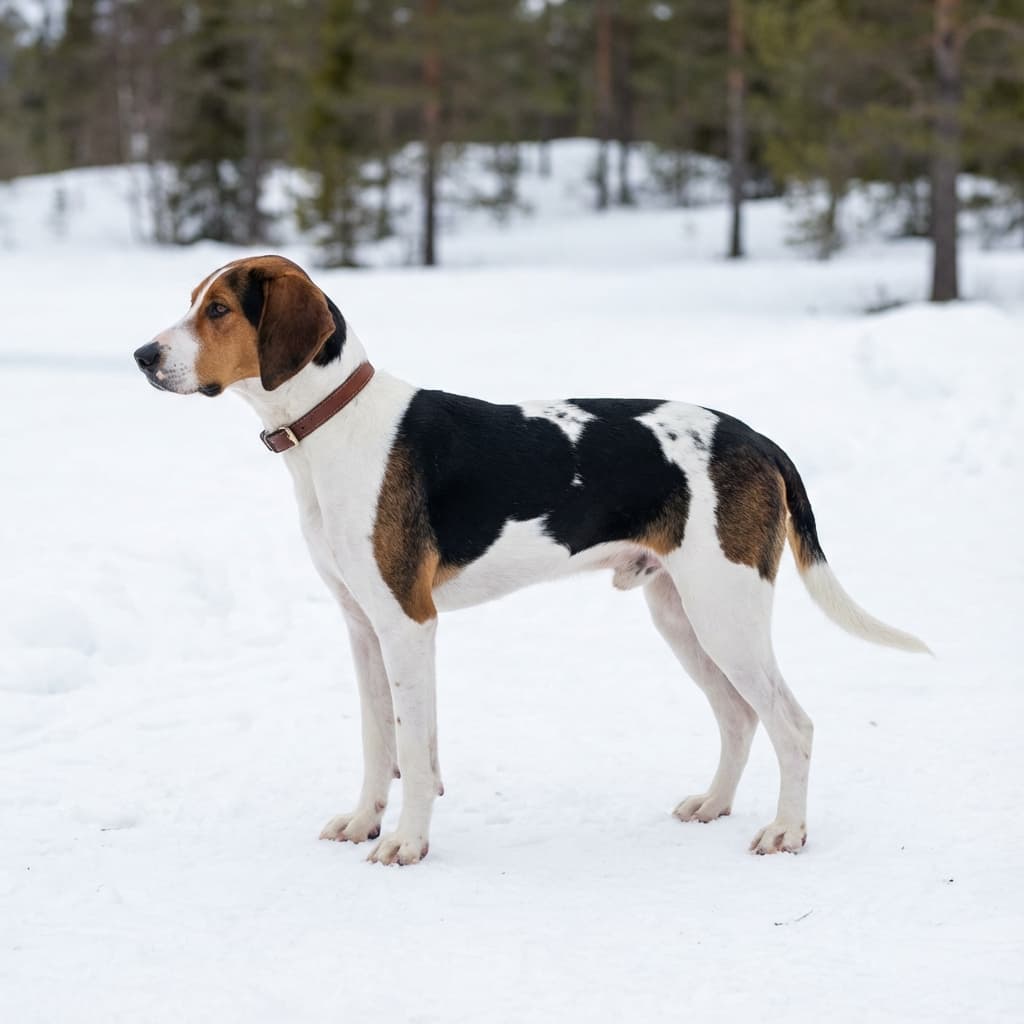
Dunker is a medium-sized dog that stands out with its characteristic, strong body structure while maintaining harmonious proportions. It has a distinctly rectangular silhouette that emphasizes its endurance, strength, and ability to work for long periods in the field. The height at the withers for males ranges from 50 to 58 cm, while for females, it ranges from 47 to 54 cm. The weight of representatives of this breed oscillates between 20-25 kg, making it a medium-heavy dog with an athletic build.
The Dunker's coat is short, extremely dense, and rough to the touch, providing excellent protection against unfavorable weather conditions, moisture, and the cold typical of the Norwegian climate. The most characteristic feature of the breed is its coloration – the predominant colors are black with light, usually white or cream markings, and the particularly valued blue-marbled (merle) shade with light markings. Some individuals also exhibit the merle gene – light or blue eyes, which are a consequence of the merle gene.
The Dunker is characterized by a distinctly outlined, noble head with a straight profile. The nose is wide, well-developed, and always black in dogs with dark coloration, which ensures excellent olfactory abilities necessary for tracking work. The eyes are dark, round, with a calm and intelligent expression, although in merle dogs, they may be lighter or blue. The ears are medium-sized, hanging, set at medium height, with a gentle rounding at the tips, giving the dog a friendly, gentle expression.
The Dunker's neck is relatively long and strong, without excess loose skin, which supports its strong, straight back line. The chest is well-developed, deep, and spacious, indicating excellent respiratory efficiency necessary for prolonged work in the field. The belly is slightly tucked, emphasizing the dog's athletic silhouette. The tail has a thick, strong base and gradually tapers towards the end. It is carried in a slight arc or horizontally during work, reaching to the hock, never curled over the back.
Overall, Dunker is a dog with a very attractive and perfectly balanced build that exudes both the strength and endurance necessary for hunting work as well as the elegance of a pedigree hound. Its characteristic merle coloration and harmonious body proportions make it one of the most recognizable and unique breeds of hounds of Scandinavian origin.
Dunker is a dog with an exceptional temperament, harmoniously combining the traits of a specialized hunting dog and a loyal, family-oriented companion. This breed is known for its highly developed sociability and natural trust in people, making it an excellent choice for families with children. Dunkers are usually incredibly friendly, intelligent, and full of life energy, which means they require regular physical activity and mental stimulation. Younger individuals are particularly lively, playful, and can entertain themselves for hours, which demands time and commitment from the owner.
Dunker also features a very strong hunting instinct, which means a natural tendency to track and chase small game. Without proper training and consistent guidance, they may show a tendency to follow scents independently, requiring special attention during walks in wooded areas. This breed absolutely requires consistent training from a young age and careful socialization to develop proper social behaviors and avoid behavioral problems in adulthood.
Dunkers are generally very tolerant and friendly towards other dogs, especially if they have been properly socialized at a young age through interactions with various breeds and individuals. Older dogs that have not undergone prior socialization may sometimes exhibit some territoriality or excessive protection towards their owners. Towards strangers, Dunker is usually not overly sensitive, although they may show some caution and reserve towards unfamiliar people, highlighting the importance of early and comprehensive socialization.
This breed stands out for its above-average intelligence and quick learning of new commands and tricks, making training a satisfying experience. At the same time, Dunkers may exhibit some independence of thought and stubbornness typical of hounds, requiring a patient, consistent, and positive approach during training. The owner should have experience in handling dogs with strong personalities and an understanding of the specifics of hunting breeds.
Overall, Dunker is a dog with a balanced, friendly character, combining the traits of a loyal family companion and a talented, specialized hunting dog. This combination of traits makes it an incredibly interesting breed, but it requires the owner to be adequately prepared, committed, and understanding of its natural needs and instincts.
The Dunker enjoys generally very good health and endurance characteristic of hound breeds bred to work in difficult terrain conditions. The average lifespan of this breed is between 11 to 13 years, although with proper veterinary care, proper nutrition, and regular physical activity, many individuals can live significantly longer. These dogs are known for their natural strength, resilience, and excellent physical condition, making them wonderful companions for active owners who prefer spending time outdoors.
However, like any breed, the Dunker can also be prone to certain specific health issues. Among the most common ailments occurring in this breed are chronic ear infections related to the hanging structure of the ear flaps, which hinder the natural ventilation of the ear canals. Regular weekly checks and cleaning of the ears can significantly reduce the risk of developing bacterial or fungal infections.
Some breeding lines may also show a predisposition to kidney problems, including chronic kidney failure, which requires periodic diagnostic tests, especially in older individuals. Another condition found in the breed is progressive retinal atrophy (PRA), a hereditary eye disease that gradually leads to vision loss. Responsible breeders conduct genetic testing of the parents before breeding to minimize the risk of this disease occurring in the offspring.
It is very important to regularly monitor the dog's health through annual check-ups with the veterinarian, performing basic diagnostic tests (blood count, urinalysis), and maintaining an up-to-date vaccination and deworming schedule. The Dunker is not particularly prone to obesity due to its natural activity; however, as it ages, energy levels may decrease, requiring adjustments to food portions and maintaining regular physical activity to prevent overweight.
This breed is well adapted to cold climates thanks to its dense, double coat that provides effective thermal insulation even in harsh Norwegian winters. Although the Dunker tolerates moderate temperatures well, during periods of intense heat, it should have access to shade and fresh water, limiting physical activity to cooler parts of the day. Owners should also remember to provide particularly intensive grooming during the spring and autumn shedding periods when the dog loses a significant amount of undercoat.
In summary, Dunker owners should be aware of the specific health needs of this breed and provide their dogs with regular veterinary care, a balanced high-quality diet, and an appropriate amount of exercise and mental stimulation, which will help keep them in excellent physical and mental condition for many happy, healthy years.
The care of a Dunker is relatively simple and not very time-consuming, which makes this breed attractive for owners who do not have excess time for complicated grooming procedures. However, it requires regularity and consistency to maintain a healthy, shiny coat and overall hygiene of the dog at an appropriate level. The Dunker has a short but very dense and coarse double coat that provides excellent protection against moisture, cold, and various weather conditions typical of the Norwegian climate.
To maintain the proper protective properties of the coat and its natural shine, it is recommended to brush at least 2-3 times a week using a natural bristle brush or a rubber massage glove. Particularly intensive grooming is required during seasonal shedding periods, which occur twice a year – in spring and autumn. During these times, the Dunker may lose a significant amount of undercoat, so daily, thorough brushing is recommended to help remove dead hair, minimize the amount of fur in the house, and speed up the process of coat replacement.
Special attention should be paid to ear care, as their hanging structure makes them particularly susceptible to the development of bacterial and fungal infections. It is recommended to check the inside of the ear flaps weekly and gently clean them using special dog ear care solutions available in pet stores or from a veterinarian. Cotton swabs should never be used to clean a dog's ears, as this can damage the delicate structures of the ear canal.
Regular check-ups and tooth care are equally important for maintaining the oral health of a Dunker. Daily brushing of teeth with a specialized dog toothpaste and a toothbrush suitable for the size of the muzzle is recommended, as this helps prevent the formation of tartar, periodontal disease, and bad breath. Alternatively, dental treats and toys that support mechanical tooth cleaning can be used.
The Dunker does not require frequent baths – a bath 3-4 times a year or when visibly dirty, for example, after intense walks in muddy, forested areas, is sufficient. Bathing too often can lead to dry skin, removal of the natural protective layer of sebum, and skin irritations. Only high-quality shampoos specifically designed for dogs that do not disrupt the natural pH of the skin should be used during baths. After bathing, the dog should be thoroughly dried with a towel, especially around the ears, to prevent the development of infections.
The nails of a Dunker require regular trimming every 4-6 weeks, especially if the dog does not spend enough time on hard surfaces that naturally wear down the nails. Overly long nails can cause discomfort while walking, posture problems, and painful cracks. Nail trimming should be done using specialized guillotine clippers or electric grinders, with caution taken to avoid damaging the living part of the nail that contains blood vessels and nerves.
In summary, the Dunker is a breed with moderate grooming requirements, whose healthy coat and skin only need regular, consistent care from the owner. Systematic grooming not only keeps the dog in excellent aesthetic condition but also allows for the early detection of potential health issues, such as lumps, skin changes, or infections, which significantly increases the chances of effective treatment.
Dunker is a dog with very high exercise requirements, who absolutely needs a large amount of intense physical exercise and varied mental stimulation to remain happy, healthy, and mentally balanced. This breed was specifically developed for long-lasting, strenuous work in difficult Norwegian terrain, which means exceptional endurance, almost unlimited energy, and a strong motivation for physical activity. Daily, properly planned activity is absolutely essential for maintaining Dunker's physical and mental well-being.
It is recommended that Dunker has at least 90-120 minutes of intense physical effort each day, spread over several training sessions. This can include long, brisk walks in varied terrain, running alongside a bicycle (after reaching at least 12 months of age, when the skeletal system is fully developed), free running in safe, fenced areas, as well as various games that stimulate both the body and mind of the dog. Activities that utilize the natural tracking instinct, such as searching for hidden objects (nosework), mantrailing exercises, or simulated tracking hunts, are particularly recommended.
Dunker does very well on a leash during walks, provided he has received proper training from a puppy age. However, it is equally important to give him regular time for free, unrestricted running and exploration of the surrounding environment, which allows for the natural expression of instinctual breed behaviors. Owners should be aware that Dunker has a particularly strong hunting instinct, which means a natural tendency to independently follow the scent of game if he detects an interesting smell. Therefore, it is extremely important to provide the dog with a safe, securely fenced area for free activities, where he can let off steam without the risk of escaping.
In addition to physical exercise, Dunker also requires intense mental stimulation, which prevents boredom, frustration, and the development of destructive compensatory behaviors. Interactive strategic toys, dog puzzles, scent games, obedience training at increasingly advanced levels, as well as canine sports such as agility, rally obedience, or tracking work exceptionally well. Regular mental work not only tires the dog in a constructive way but also strengthens the bond between the dog and the owner and improves overall obedience.
Dunker is an ideal breed for active, sporty families and individuals who regularly engage in outdoor activities such as running, Nordic walking, mountain trekking, cycling, or cross-country skiing. This dog happily accompanies the owner during various outdoor activities, regardless of weather conditions. He is perfectly adapted to work in rain, snow, and low temperatures, making him a wonderful companion all year round.
It is very important not to neglect daily exercise, as a Dunker deprived of the appropriate amount of movement and stimulation can develop various behavioral problems, such as excessive barking, destroying items in the home, hyperactivity, difficulty concentrating, or even frustration-induced aggression. Regular exercise is the foundation of a happy and balanced life for this breed, which absolutely does not suit living in an apartment without daily access to intense physical and mental activity.
Dunker training can be an interesting challenge, but with the right approach, consistency, and experience in handling hound breeds, it can also be an extremely rewarding and fruitful experience for both the dog and the owner. This breed is characterized by above-average intelligence and a strong, independent personality typical of hunting dogs that work autonomously in the field, which means it requires an experienced handler who knows and understands positive training methods for strong-willed dogs.
The Dunker is a dog that can show some stubbornness and independent thinking, especially when it senses an interesting trail or when its hunting instinct is stimulated. Therefore, it is absolutely crucial to start systematic, consistent training as early as possible, ideally from 8-10 weeks of age, when the young dog is most receptive to learning, eager, and open to new experiences. Early socialization and basic obedience training create a solid foundation for the dog's further development.
It is extremely important to use only positive training methods, based on a system of rewards, positive reinforcements, and verbal praise, which effectively motivates the Dunker to cooperate and builds positive associations with the learning process. This breed reacts very poorly to coercive methods, physical punishment, yelling, or aggressive corrections, which can lead to a loss of trust in the handler, increased anxiety, and the development of behavioral problems. The Dunker learns best in an atmosphere of fun, positive competition, and clearly defined, consistent rules.
Due to its natural tendency towards independence, the Dunker requires its owner to have particular consistency, patience, and the ability to maintain a leadership position by clearly communicating expectations and fairly but firmly enforcing rules. The owner should be a trustworthy and admirable authority for the dog, not a despot that instills fear. The key to success is finding the right balance between assertiveness and empathy, between demanding obedience and respecting the natural need for autonomy characteristic of hound breeds.
The Dunker responds excellently to various forms of mental stimulation and intellectual challenges, such as advanced obedience training, canine sports (agility, rally obedience, tracking), intensive scent games utilizing its exceptional tracking abilities, and various tricks requiring logical thinking. Introducing elements of novelty, variety, and gradually increasing the difficulty level of tasks keeps the dog engaged, prevents boredom, and develops its cognitive abilities.
Particularly important is focusing on recall training (the command Here or Come), which can prove to be the biggest challenge in training the Dunker due to its strong tracking instinct. A reliable recall can save the dog's life in a dangerous situation, so it is essential to spend ample time systematically practicing this command in various conditions, with gradually increasing distractions and at greater distances. Using high-value rewards for the dog (e.g., favorite treats, toys) significantly enhances the effectiveness of recall training.
Owners should also systematically work on socializing the Dunker through regular, controlled interactions with other dogs of different breeds, sizes, and temperaments, as well as with various people, animals, and environmental situations (public places, street noise, travel). A well-socialized Dunker grows into a confident, emotionally balanced dog that feels comfortable in various life situations and does not react with fear or aggression to new stimuli.
In summary, training a Dunker requires commitment, knowledge, and patience, but it yields wonderful results in the form of an intelligent, obedient, and mentally balanced companion. Systematic training not only strengthens the emotional bond between the dog and the owner but also helps shape positive social behaviors, making the Dunker a happier, more fulfilled, and pleasant dog to live with daily.
The Dunker diet should be carefully balanced and precisely tailored to its individual age, level of daily physical activity, health status, and any special dietary needs arising from allergies or food intolerances. It is strongly recommended to choose only high-quality complete feeds that contain all the essential nutrients in appropriate proportions, including high-quality animal protein, healthy fats, low glycemic index carbohydrates, vitamins, minerals, and trace elements that support the proper functioning of the body.
The Dunker, as an active hunting dog with a high energy level, requires a diet particularly rich in high-quality animal protein (a minimum of 25-30% in the dry matter of the food), which supports muscle recovery, maintenance of proper muscle mass, and provides long-lasting energy necessary during intense physical exercises and work in the field. The best sources of protein are fresh or dried meats (poultry, beef, lamb, game, fish), which should be listed first in the food composition.
The size of food portions should be precisely adjusted to the dog's activity level – very active individuals working in the field or regularly engaging in canine sports will require larger portions and a higher caloric diet than dogs leading a less active lifestyle. Puppies and young dogs during the growth period (up to 12-18 months of age) have completely different, significantly higher nutritional needs than adult individuals, so they require special puppy food for medium breeds that supports the proper development of the musculoskeletal system and prevents too rapid growth that can lead to orthopedic problems.
It is very important to avoid overweight and obesity, which can lead to serious health problems such as diabetes, heart diseases, excessive joint strain, and a shortened lifespan. Overweight can be effectively prevented by closely monitoring portion sizes, regularly weighing the dog, assessing body condition according to the BCS (Body Condition Score) scale, and ensuring daily, appropriately intense physical activity. The Dunker is a food-loving dog that eagerly accepts treats, so the tasty rewards used during training should be used in moderation and always counted towards the daily caloric limit to avoid overfeeding.
In addition to high-quality dry or wet complete food, the Dunker can also derive significant health benefits from moderate additions of fresh, raw, or lightly cooked vegetables (carrots, broccoli, spinach, pumpkin) and low-sugar fruits (apples, blueberries, strawberries), which are naturally rich in vitamins, antioxidants, and fiber that support the proper functioning of the digestive system. However, toxic products for dogs, such as grapes, raisins, chocolate, onions, garlic, or avocados, should be avoided.
It is also worth considering diet supplementation with specialized preparations that support joint health (glucosamine, chondroitin, MSM, omega-3 fatty acids), especially in older individuals or dogs working intensively in the field, exposed to increased strain on the musculoskeletal system. Supplements supporting eye health containing lutein, astaxanthin, and vitamins A and E can be particularly valuable for a breed predisposed to vision problems, such as progressive retinal atrophy.
Owners should always remember to provide the dog with constant, unlimited access to fresh, clean drinking water, especially during intense physical activity, on warm days, or when feeding only dry food. Proper hydration is absolutely crucial for all physiological processes in the body, thermoregulation, and the overall health of the dog. Water and food bowls should be regularly washed and disinfected to prevent the growth of bacteria and fungi.
Characteristic Traits
Pros
- Excellent sense of smell and tracking abilities
- Loyal and attached to family
- Friendly towards people and children
- Resilient to harsh weather conditions
- Intelligent and eager to learn.
Cons
- Very high exercise requirements
- Strong hunting instinct – tendency to escape
- Requires an experienced owner
- Predisposition to vision problems
- Small population – difficulty in finding a breeder.
Behavioral Ratings
Breed History
Dunker, also known as the Norwegian Hound, has an incredibly rich and fascinating history that dates back to the early 19th century and is inextricably linked to the tradition of hunting in the rugged, mountainous regions of Norway. This breed was created by Captain Wilhelm Conrad Dunker, a military officer and hunting enthusiast, who through systematic, thoughtful crossbreeding of various breeds of hounds developed a dog perfectly adapted to the specific conditions of Norwegian hunting for hares and other small game.
In the first half of the 19th century, there were many local varieties of hunting dogs in Norway that differed in size, build, coat color, and working style, which developed in isolation in different regions of the country. All these local varieties, collectively referred to as Norwegian Hare Hounds, contributed to the development of the modern Dunker to a greater or lesser extent. Captain Dunker conducted selective breeding, focusing on selecting dogs with an excellent sense of smell, appropriate body structure, endurance, and a specific blue merle coat color, which became one of the most characteristic features of this breed.
A characteristic feature of the Norwegian Hound has always been the blue merle coat color and the presence of "wall eyes" – light or blue eyes resulting from the merle gene. Although the modern breed standard also allows for other coat colors, such as black with white markings or tricolor, it is the merle individuals that are most valued and recognized. For many decades in the 19th century, the Dunker systematically gained popularity among Norwegian hunters, who appreciated its outstanding tracking abilities, reliability, and endurance in difficult terrain conditions.
Unfortunately, during World War II, the Dunker population drastically decreased due to economic difficulties, food shortages, and the general chaos of war, which made planned breeding impossible. Many valuable bloodlines were irretrievably lost, and the breed was on the brink of extinction. However, after the war, interest in the breed gradually increased, peaking in the 1960s and 1970s when intensive breeding was conducted to rebuild the population and solidify the desired breed traits.
After a period of increased popularity, in the 1980s, the number of the breed began to decline again, which was associated with changes in the lifestyle of Norwegians, decreasing interest in traditional hunting, and the rising popularity of other breeds of hunting and companion dogs. During this period, the Dunker became a genetically very homogeneous breed, with well-established hunting skills but also heavily burdened by inbreeding. Most dogs were too closely related, leading to increasing health problems, reduced fertility, and a general weakening of the genetic vigor of the population.
In response to these threats, in the 1990s, Norwegian cynological organizations decided to introduce fresh blood through controlled, carefully planned crossbreeding with selected individuals from other hound breeds with similar morphology and working style. After several rounds of applications and detailed consultations with geneticists and breeding experts, permission was obtained to implement an outcrossing program, which resulted in a significant improvement in genetic diversity, overall health, and vitality of the breed while preserving all the typical and positive traits characteristic of the Dunker, such as exceptional scenting ability, appropriate build, and specific temperament.
Despite the breeding efforts made, the Dunker population remains relatively small, and the breed is considered endangered not only in Norway but also internationally. The Dunker is very rarely seen outside Norway, where it remains a niche breed, cultivated mainly by enthusiasts of traditional hunting and lovers of Scandinavian hound breeds. Modern breeders are making every effort to preserve the unique character, distinctive features, and rich history of this exceptional breed for future generations.
The breed was officially recognized by the FCI (Fédération Cynologique Internationale) and classified in Group 6 – Hounds and Related Breeds, Section 1.2 – Medium-sized Hounds, with working trials. The current FCI breed standard number 203 has been in effect since April 4, 2016. The Dunker remains a living heritage of Norwegian hunting culture and a testament to the skills and determination of Captain Wilhelm Conrad Dunker, whose vision and passion gave rise to this extraordinary, albeit unfortunately now rare, breed.