Artois Hound
FCI Group
6• FCI 28
Size
Medium
Origin Country
FR
Height
53-58 cm
Weight
28-30 kg
Lifespan
11-13 years
Temperament
Overview
Chien d'Artois, also known as the Artois Hound, is a French breed of hunting dogs that has fascinated hunting enthusiasts and hunting dogs lovers for over five centuries. Originating from the Artois region in northern France, this breed possesses extraordinary tracking abilities, making it a favorite companion for the hunting of the French aristocracy as far back as the times of Henry IV and Louis XIII.
Its origins trace back to the crossbreeding of local hounds with English bloodhounds, which has given the Chien d'Artois an exceptionally keen sense of smell and tenacity in tracking. These traits made this dog a reliable companion during hunts for hares, deer, and wild boar, even in challenging forest terrain.
In the 17th and 18th centuries, the Chien d'Artois reached the peak of its popularity, attracting attention with its harmonious body, distinctive tricolor coat, and balanced temperament. Unfortunately, both World Wars brought the breed to the brink of extinction – by the end of World War I, only a few individuals remained.
Thanks to the determination of breeder Ernest Levesque, who started a breed revival program in the 1920s, the Chien d'Artois returned from the edge of oblivion. Today, we are witnessing a gradual increase in the number of registered individuals, although the breed still remains relatively rare outside of France.
The Chien d'Artois stands out not only for its physical attributes and hunting skills. It is a breed known for its loyalty, cheerful disposition, and attachment to its owner. It gets along well with other dogs, making it an excellent choice for those who lead hunting packs or already have other pets. However, it is important to remember that this dog requires a lot of attention, consistent training, and regular, intense physical activity.
Our guide will allow you to thoroughly understand all aspects related to the Chien d'Artois – from health and grooming to activity and training, as well as nutrition, history, appearance, and the characteristic behavioral traits of this exceptional breed.
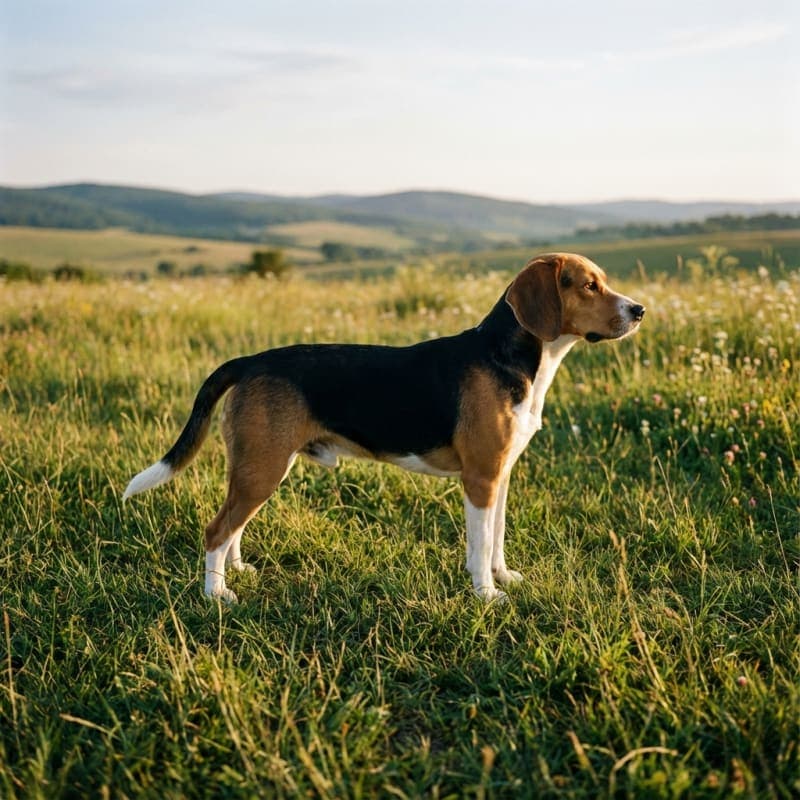
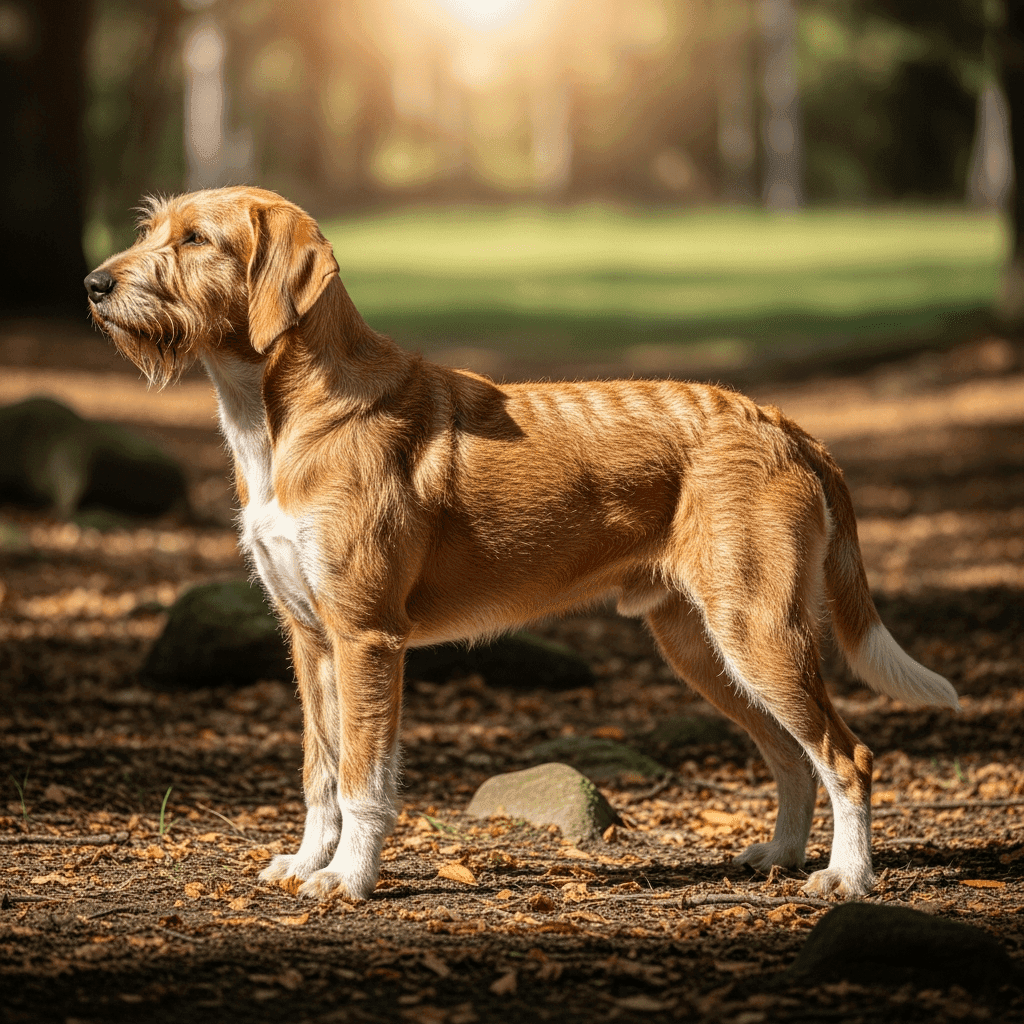
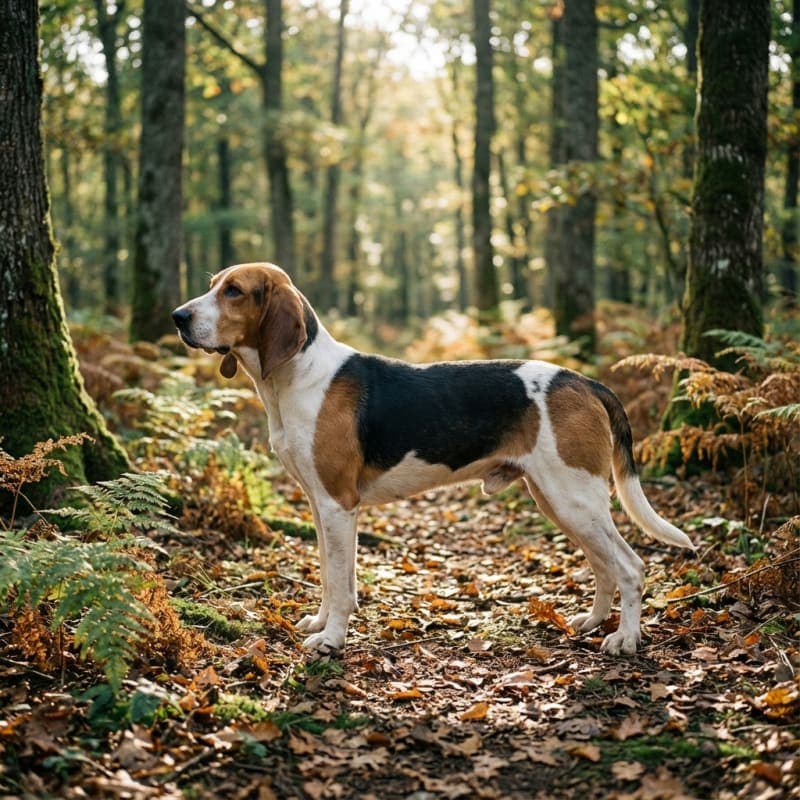
Chien d'Artois is a medium-sized dog with a harmonious, muscular build that combines elegance with the physical strength necessary for long days of hunting. The height at the withers ranges from 53 to 58 cm, and the weight hovers around 28–30 kg, classifying it as a representative of the medium hound group (Briquet).
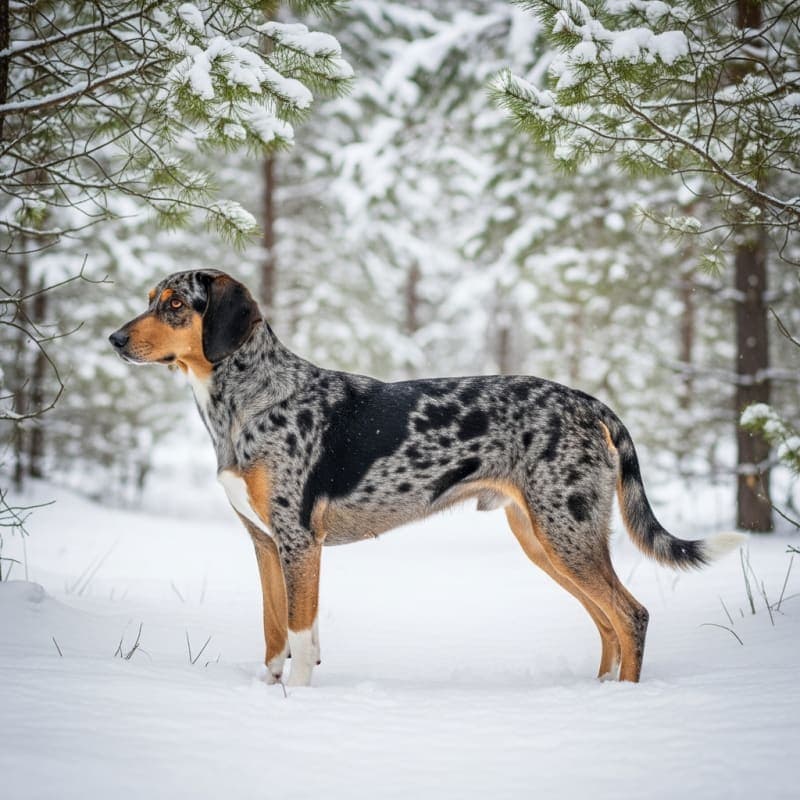
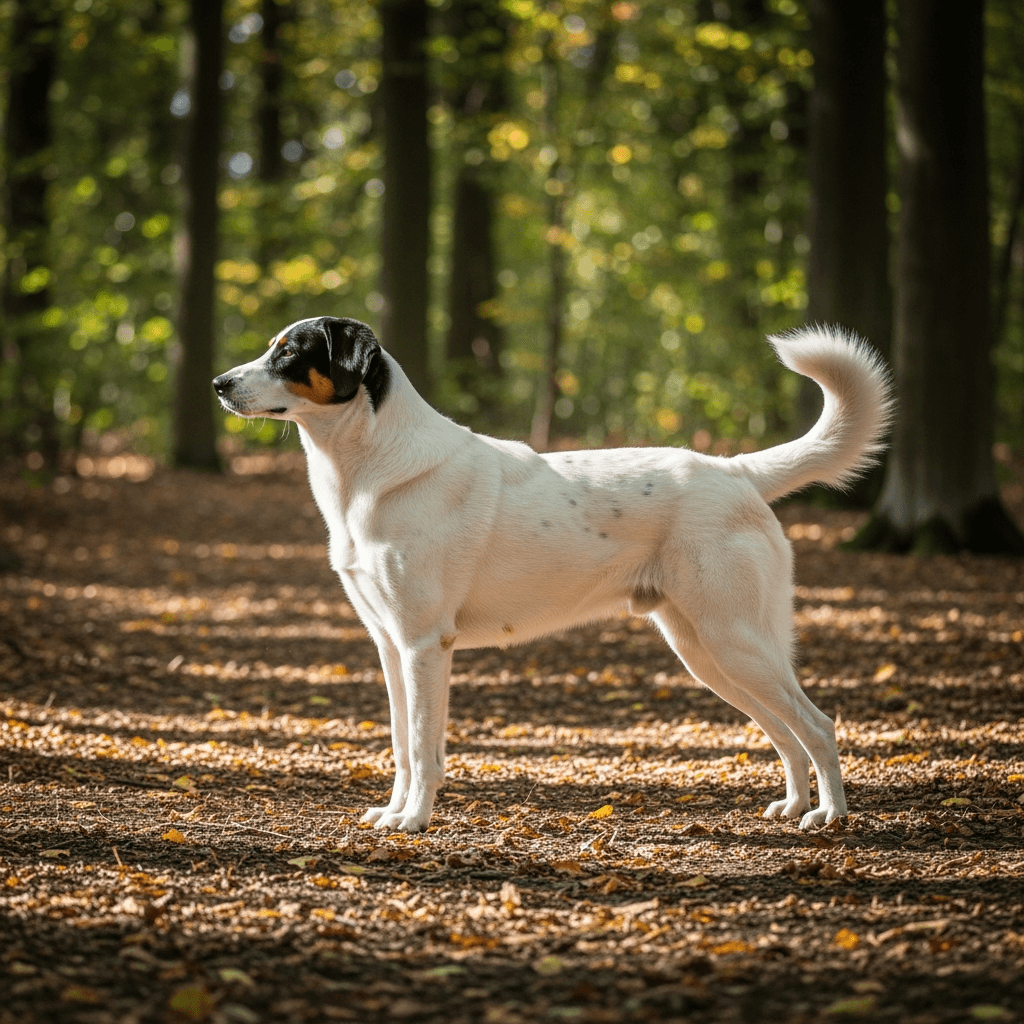
Coat and color: The coat is short, dense, and perfectly adheres to the body, providing protection against adverse weather conditions and thorny underbrush. The Chien d'Artois has a characteristic tricolor coat – on a white background, there are black patches and fawn (fauve) markings, particularly visible on the head and limbs.
Head and senses: The head is strong, well-shaped, with a broad skull and a gently defined stop. The nose is black, wide, with well-developed nostrils – a guarantee of excellent scenting ability. The ears are long, wide, gently twisted, and rounded at the tips, set at eye level, giving it a typical hound appearance. The eyes are round, dark brown, with a gentle and melancholic expression that contrasts with the dog's energetic character.
Build and movement: The body is strong, with a deep chest, straight back, and well-muscled limbs that provide great endurance and agility in the field. The paws are strong, compact, with hard pads. The tail is of medium length, thick at the base, tapering towards the end, carried in a sickle shape – it is never curled over the back.
Overall, the Chien d'Artois is a dog that exudes strength, vitality, and class, making it appealing both as an efficient hunting dog and an elegant companion.
Chien d'Artois is a dog with a balanced temperament, combining a cheerful disposition with the characteristic stubbornness and determination of hounds. This breed is extremely friendly towards people, loyal, and devoted to its owner, with whom it forms a strong emotional bond.
Character at home: In a home environment, Chien d'Artois is a calm, balanced companion that enjoys being close to the family. It tolerates the presence of children well, as long as they are properly raised and respect the dog's boundaries. This breed is very social with other dogs – its natural working conditions in a pack have made it excel in canine company and it rarely shows interspecies aggression.
Hunting instincts: In the field, strong tracking instincts are evident – Chien d'Artois can work independently or in a group, consistently following a trail for many hours. It has a distinctive, loud hunting voice (haute voix), which it uses to signal to the owner progress in tracking. This trait can make it quite loud, which is not always desirable in an urban environment or with neighbors sensitive to noise.
Training challenges: Chien d'Artois can be somewhat independent and stubborn, which is typical for hounds. It requires patience, consistency, and positive motivation methods during training. This breed is not prone to absolute obedience – it maintains a certain degree of autonomy, which is an advantage in hunting situations, but requires skilled handling in everyday life.
Overall, Chien d'Artois is a dog that needs an experienced owner, plenty of activity, and clear rules, but in return offers unlimited devotion, joy of life, and genuine friendship.
The Chien d'Artois is a breed that enjoys generally good health and is characterized by the resilience typical of working dogs. The average lifespan of this breed ranges from 11 to 13 years, which is typical for medium-sized dogs.
Endurance and condition: These dogs are incredibly resilient and well-built, allowing them to function in difficult conditions – both during intense hunting in varied terrain and in different weather conditions. Their physical condition, if properly maintained, remains high throughout most of their lives.
Common health issues:
- Hip dysplasia – as with most medium and large dogs, this condition may occur, so screening by breeders is recommended.
- Ear infections – due to their long, droopy ears that restrict airflow, these dogs may be prone to ear canal inflammation. Regular cleaning and ear checks are essential.
- Obesity – although the Chien d'Artois does not naturally tend to be overweight, a lack of proper activity and an improper diet can lead to weight gain, which burdens the joints and heart.
Resistance to environmental conditions: The Chien d'Artois does well in a temperate climate. Due to its short coat, it may require additional protection against frost in extreme winter conditions – especially during long stays in the cold. On warm days, it tolerates exertion well, but access to water and shade should be provided.
Preventive recommendations: Regular visits to the veterinarian, vaccinations, deworming, and prevention against ticks and fleas are fundamental. Periodic joint examinations and monitoring of ear conditions are also recommended to prevent infections.
With proper care, activity, and a balanced diet, the Chien d'Artois remains a healthy, energetic companion for many years.
The Chien d'Artois has a short, dense coat that lies close to the body, making the grooming of this dog relatively simple and low-maintenance. Unlike breeds with long or curly hair that require regular visits to the groomer, the Chien d'Artois can be kept in excellent condition with basic at-home care.
Brushing the coat: It is sufficient to brush the dog once a week using a natural bristle brush or a grooming glove to remove dead hair, dirt, and stimulate blood circulation in the skin. During heavier shedding periods (spring, autumn), it is advisable to increase the frequency to 2–3 times a week.
Bathing: Regular baths are recommended only when the dog is visibly dirty, muddy, or has an unpleasant odor. Excessive bathing can weaken the skin's natural protective oil layer. A bath every 2–3 months or as needed is sufficient. Mild shampoos designed for dogs should be used.
Ear care: Due to their long, floppy ears, regular checking and cleaning of the ears is essential to prevent the development of bacteria and yeast that can lead to infections. It is advisable to gently clean the ears with a special dog ear cleaning solution once a week. If there is an unpleasant odor, discharge, or frequent head shaking, a veterinarian should be consulted.
Nails and teeth: Nails should be trimmed regularly – usually once a month, unless they wear down naturally during activities on hard surfaces. Dental care is equally important – brushing teeth 2–3 times a week helps prevent tartar buildup and periodontal disease. Special toys and treats that support oral hygiene can also be used.
Overall, the Chien d'Artois is a low-maintenance breed, making it a good choice for those who prefer dogs that are easy to care for aesthetically.
Chien d'Artois is a breed of dogs that requires a large amount of regular physical activity to be healthy, balanced, and happy. These energetic dogs were bred to work in the field for many hours, which is why their need for movement is significantly greater than that of typical companion dogs.
Daily activity requirement: Chien d'Artois needs a minimum of 90–120 minutes of intense exercise daily, which should include:
- Long walks – at least 2–3 walks a day, including one longer walk (45–60 minutes)
- Free running – access to a safe, fenced area where the dog can run off-leash
- Tracking and scenting – games that engage the sense of smell (hiding treats, scent trails, nosework)
- Interaction with other dogs – if possible, contact with other dogs during walks or in dog parks
Environmental requirements: Due to their strong hunting instinct, it is essential to allow Chien d'Artois to explore their surroundings and utilize their natural tracking skills. They feel best in open areas – forests, meadows, fields – where they can run, sniff, and expend their energy in a natural way.
Notes for apartment owners: It is advisable to avoid keeping Chien d'Artois in small apartments without access to a garden or nearby green spaces. Lack of sufficient activity leads to frustration, destructive behaviors (chewing, barking), and health problems (obesity, joint issues).
Additional activities: Besides standard walks, it is worth considering:
- Mantrailing or nosework – ideal for scent hounds
- Canicross – running with the dog in a harness
- Long mountain or forest hikes
- Manworking activities (tracking work)
Owners should be prepared for an active lifestyle and long hours spent outdoors to meet the physical and mental needs of their Chien d'Artois.
Training the Chien d'Artois requires patience, consistency, and a positive attitude, as this breed is characterized by an independent nature typical of hounds. Although they are intelligent and eager to work, they are not as prone to unquestioning obedience as herding dogs or retrievers.
Basic training principles:
- Positive reinforcement – rewarding desired behaviors (treats, play, praise) works much better than punishment or coercion
- Consistency – clear, consistent rules and repetition of exercises are key; Chien d'Artois will quickly pick up on inconsistencies and exploit them
- Diversity – these dogs quickly get bored with monotony, so it's worth varying exercises, locations, and activities
- Short sessions – 10–15 minutes of intense training yields better results than long, exhausting sessions
Key commands: Training basic commands (sit, stay, come, lie down, wait) should start as early as possible, ideally at puppy age (8–12 weeks). It is particularly important to train the recall command – due to their strong tracking instinct, Chien d'Artois may forget their surroundings when they catch a scent.
Socialization: Early and intensive socialization is absolutely essential. Puppies should be exposed from a young age (from 8 weeks old) to:
- Diverse environments (city, forest, crowds of people, street traffic)
- Contact with other dogs, animals (cats, birds), and various people
- Diverse sounds, surfaces, stimuli
Training activities for Chien d'Artois:
- Nosework / Mantrailing – ideal for hounds, engages their natural tracking instinct
- Agility – a great way to improve obedience and physical fitness
- Hunting training – if the dog is to work in the field, it is worth utilizing professional tracking training
Challenges: Chien d'Artois can be stubborn and independent. In situations where the dog sees no sense in following a command, they may ignore it. The key is building motivation and a bond with the dog so that they want to cooperate with the owner.
With a consistent and positive approach to training, the Chien d'Artois can become a obedient, balanced, and reliable companion who will enjoy working with their family.
The Chien d'Artois diet should be well-balanced and tailored to the dog's activity level, age, health status, and individual needs. Dogs of this breed tend to maintain a healthy weight with appropriate activity; however, the quality of food is crucial for their condition, energy, and longevity.
Basic nutrition principles:
- High-quality protein – as a working dog, the Chien d'Artois needs a lot of animal protein (meat, fish) to maintain muscle mass and energy. The food should contain at least 25–30% protein.
- Healthy fats – a source of energy and support for healthy skin and coat; omega-3 and omega-6 fatty acids are key.
- Low glycemic index carbohydrates – brown rice, sweet potatoes, vegetables provide stable energy levels.
- Vitamins and minerals – especially calcium, phosphorus (for bone and joint health), and antioxidants.
Types of food:
- Dry food (kibble) – convenient, helps maintain dental hygiene, easy to store. Choose premium or super-premium foods for active dogs.
- Wet food (canned) – more palatable, contains more water, but is less calorie-dense by volume.
- BARF diet (raw meat and bones) – a natural option for working dogs, but requires knowledge and care in meal preparation.
- Home-cooked food – an option for owners who want full control over the ingredients; a consultation with a veterinarian or animal nutritionist is necessary.
Feeding frequency and portions: An adult Chien d'Artois should receive 2 meals a day (morning and evening) to avoid the risk of bloat. Puppies (up to 6 months old) require 3–4 meals a day. Portions should be adjusted according to weight, age, and activity level – the food manufacturer usually provides recommendations on the packaging.
Hydration: Access to fresh, clean water is absolutely crucial, especially after intense physical activity or on warm days. Active dogs may need more water than average dogs.
Supplementation: For working or older dogs, consider supplementation:
- Glucosamine and chondroitin – joint support
- Omega-3 – skin and coat health, immune system support
- Probiotics – gut health
What to avoid:
- Low-quality foods with a lot of grains, fillers, artificial colors
- Excessive treats (no more than 10% of daily caloric intake)
- Table scraps, which can lead to obesity and an unbalanced diet
- Toxic products: chocolate, onions, garlic, grapes, avocados, xylitol
If in doubt about the diet, it is advisable to consult a veterinarian or animal nutritionist who can help choose the optimal food for the Chien d'Artois, taking into account its individual needs.
Characteristic Traits
Pros
- Excellent sense of smell and tracking
- Durable and physically resilient
- Friendly and loyal to the family
- Gets along well with other dogs
- Low grooming requirements
- Ideal for active owners and hunters.
Cons
- Requires a lot of physical activity
- Strong tracking instinct – can be difficult to recall
- Loud – characteristic hound voice
- Stubborn and independent – harder to train
- Rare breed – hard to find outside of France
- Not suitable for apartment living.
Behavioral Ratings
Breed History
The Chien d'Artois breed, also known as the Artois hound, has a rich and fascinating history that dates back over five centuries. It originated in the Artois region of northern France, around the towns of Arras and Béthune, as a result of the selection of local hounds used by the French aristocracy for hunting small game.
The beginnings of the breed (15th–17th century): The first mentions of the Artois hounds appear as early as the 15th century. During this period, they were known by the name Chien de Picardie. The breed was particularly valued by King of France Henry IV (1553–1610) and his successor Louis XIII (1601–1643), who maintained packs of these dogs for hunting hares and foxes in the forests of Picardy and Artois.
According to historical sources, in the 16th century, local hounds were crossed with bloodhounds imported from England, which enhanced their sense of smell and increased the dogs' endurance. These traits became the hallmark of the Chien d'Artois.
The golden age (17th–18th century): In the 17th century, the Chien d'Artois reached the peak of its popularity. These dogs were described in hunting literature as the best hounds for hunting hares – their stubborn character, excellent sense of smell, and distinctive loud voice made them ideal for working in packs. The famous hunter and writer Jacques du Fouilloux mentioned them in his treatises as dogs with exceptional abilities.
The decline of the breed (19th–20th century): Unfortunately, the 19th century brought a sharp decline in the popularity of the Chien d'Artois. Social changes (the decline of the aristocracy after the French Revolution), urban development, and the evolution of hunting methods led to a significant reduction in the number of breeders. World War I proved catastrophic for the breed – the Artois region found itself at the center of military actions, leading to the near-total extinction of the dogs.
Recreation of the breed (1920s): After the war, only a few individuals remained. Thanks to the determination of breeder Ernest Levesque, who initiated a systematic program to recreate the breed in the 1920s, the Chien d'Artois returned from the brink of oblivion. Levesque found the last dogs resembling the old Chien d'Artois and began controlled breeding, crossing them with other French hounds of similar morphology and character.
Modern times: In 1996, the International Canine Federation (FCI) officially approved the breed standard for the Chien d'Artois (FCI no. 28, group 6, section 1.2). Today, the breed remains relatively rare – the population is mainly concentrated in France, where it is valued by hunters as an effective medium-sized hound (Briquet) for hunting hares, foxes, and deer.
The Chien d'Artois remains a living testament to the rich hunting tradition of France and proof that even breeds on the brink of oblivion can return thanks to the determination of enthusiasts. Although it is not a mass-popular dog, its unique traits and historical heritage make it a valuable part of the world's canine heritage.