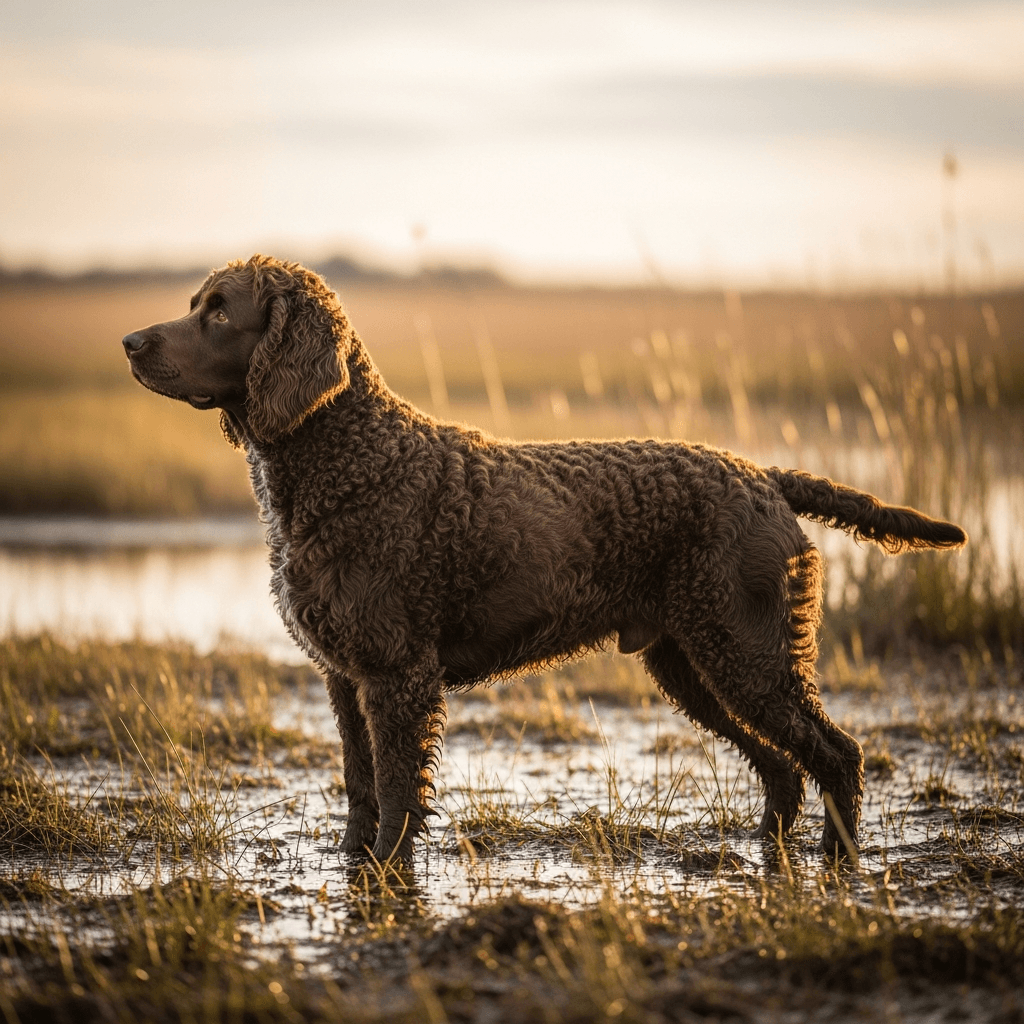
American Water Spaniel
FCI Group
8• FCI 301
Size
Medium
Origin Country
XX
Height
38-48 cm
Weight
11-20 kg
Lifespan
12-14 years
Temperament
Overview
American Water Spaniel is a fascinating hunting dog breed with roots dating back to the 19th century in the Fox River valley of Wisconsin. It was developed through careful crossbreeding of the English Water Spaniel with other retrieving dogs, such as the poodle and curly-coated retriever. This versatile dog is valued primarily for its exceptional skills in water work and its ability to retrieve in the most challenging terrain and weather conditions. Its characteristic medium-length, wavy or curly coat provides natural protection against cold water and adverse weather conditions, making it an ideal companion for hunters working near lakes and rivers.
Its strong, compact body structure and active, energetic temperament make it not only an excellent hunting assistant but also a wonderful companion for active families. The intelligence of the American Water Spaniel allows for quick learning of new commands and tasks, significantly easing the training process. Dogs of this breed also show a great willingness to cooperate with humans and an unwavering readiness to work. Although the coat requires regular grooming, its friendly, devoted disposition and joyful nature fully compensate for any challenges associated with maintenance.
The history of this breed is incredibly interesting – during the industrialization period in the United States, the American Water Spaniel was on the brink of extinction. Thanks to the extraordinary efforts of Dr. Fred Pfeifer, who dedicated his life to saving and promoting this breed, it was successfully revived. In 1985, the American Water Spaniel was awarded the honorary title of Wisconsin's state dog, which significantly contributed to its recognition and popularity among dog lovers across the United States.
Despite the growing interest, this breed remains relatively rare – the population in the USA is less than 3000 individuals, making each owner part of a unique community dedicated to the future of this exceptional breed. The American Water Spaniel is a dog that combines the traits of an extraordinary hunter and a loyal family companion, excelling in various roles – from fieldwork to life in the comfort of home.
We encourage you to continue reading to learn detailed information about the health, grooming, physical activity requirements, training, nutrition, history, appearance, and behavior of this remarkable breed. Every aspect of the American Water Spaniel's life deserves attention, and its versatile qualities make it a dog truly worth getting to know and love.
American Water Spaniel is a medium-sized dog with a strong, harmonious, and well-balanced body structure. Its height at the withers ranges from 38 to 46 cm for females and from 38 to 48 cm for males. The weight varies from 11 to 18 kg for females and from 13 to 20 kg for males, making it a dog with a compact yet muscular build.
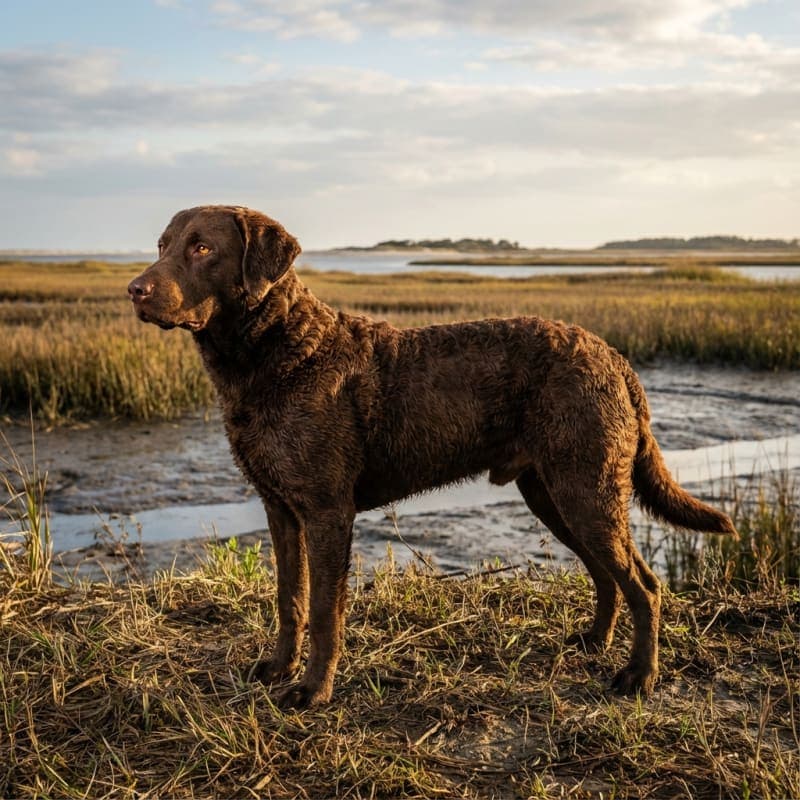
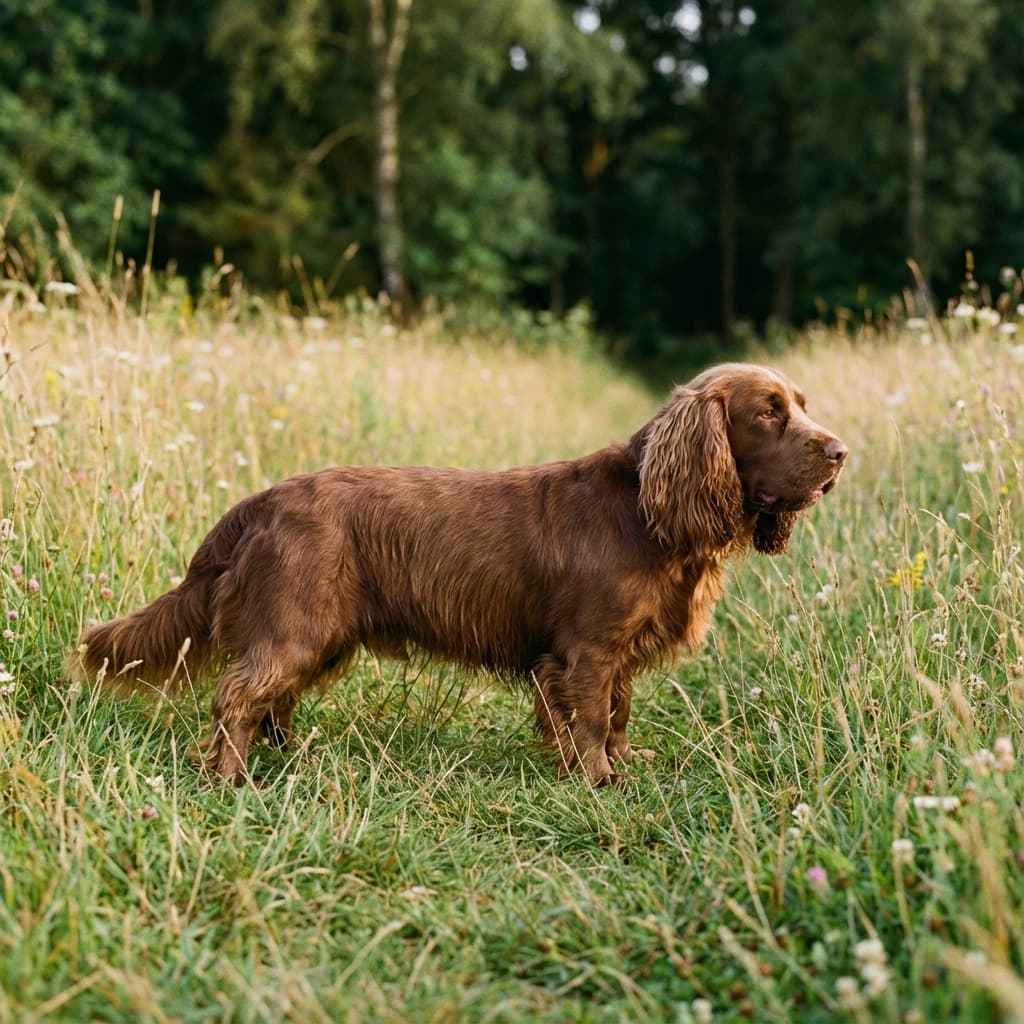
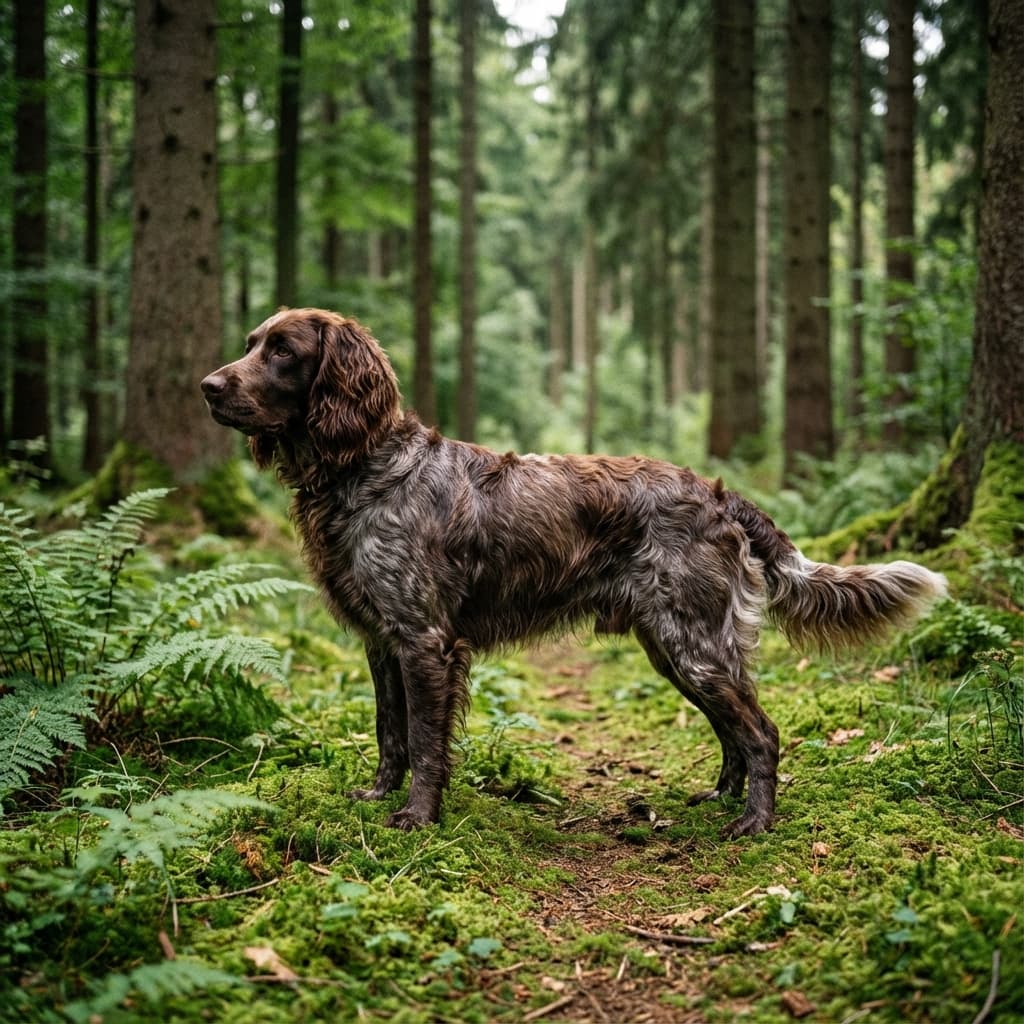
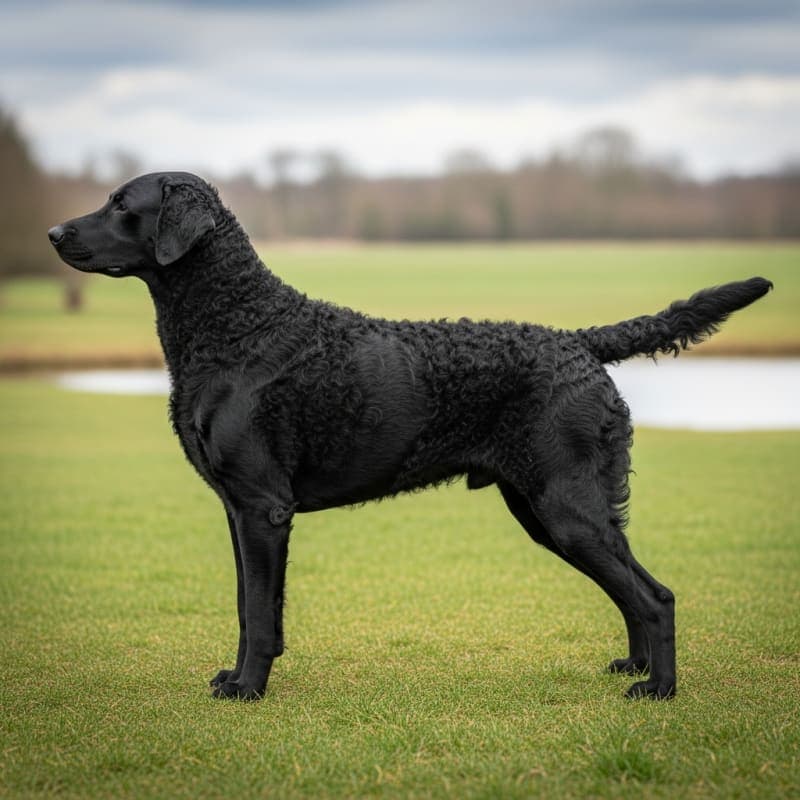
The most characteristic feature of this breed is its dense, wavy or curly coat, which perfectly protects the dog from cold water and harsh weather conditions. The coat has an oily texture, which increases its water resistance – a key trait for a dog working in water. The coloration is solid and most commonly found in shades of liver, dark chocolate, or brown. Small white spots on the toes and chest are permissible, but larger white areas are undesirable in the breed standard.
The head of the American Water Spaniel is proportional to the entire body, with a broad, slightly rounded skull. The nose is large, dark, well-developed, and colored to match the dog's coat. The eyes are medium-sized, widely spaced, in shades ranging from light brown to dark brown, harmonizing with the coat color. The gaze is intelligent, attentive, and expressive.
The ears are long, wide, and rounded at the tips, set slightly above the eye line. They are covered with characteristic curls that add charm to the dog and emphasize its spaniel heritage. The tail is of medium length, slightly curved in a C-shape, covered with fur that forms a delicate plume – it acts as a rudder while swimming.
The limbs are straight, strong, and well-muscled, ending in compact, webbed paws with thick pads that provide good traction both on land and in water. The overall body structure emphasizes strength, agility, and endurance – essential traits for a hunting dog working in demanding conditions.
American Water Spaniel is a dog with an exceptionally friendly, sociable, and devoted temperament. This breed is characterized by a temperament that harmoniously combines activity, intelligence, willingness to cooperate, and a strong work instinct. This dog exhibits a natural, deeply rooted retrieving instinct and loves to spend time engaged in various outdoor activities, especially those related to water.
It is extremely loyal to its family and forms strong emotional bonds with household members. It gets along wonderfully with children, showing patience and gentleness in interactions with the youngest family members, making it an ideal companion for families with children of all ages. The American Water Spaniel is also friendly towards other pets, including cats, making it suitable for multi-pet households.
However, it is important to remember that dogs of this breed are quite emotionally sensitive and do not tolerate prolonged periods of solitude. Lack of contact with the family can lead to behavioral problems such as separation anxiety, excessive barking, or destructive behaviors. The American Water Spaniel needs constant interaction with people and regular doses of attention and engagement from its owner.
This breed does not exhibit aggression and is not considered a good guard dog, as it has a friendly disposition even towards strangers. It may at most alert with barking about the arrival of guests, but it will not chase them away. This is a dog that prefers to play rather than guard, making it a wonderful social companion, but not necessarily a home protector.
In summary, the American Water Spaniel is a smart, energetic, and extremely devoted companion that needs an active family ready to provide it with the right amount of exercise, mental stimulation, and emotional closeness. In return, it offers unconditional love, joy, and unforgettable moments of shared adventures.
The American Water Spaniel is considered a relatively healthy and resilient breed with an average lifespan of 12 to 15 years. With proper veterinary care, a balanced diet, and regular physical activity, dogs of this breed can enjoy a long and active life.
As with most purebred breeds, the American Water Spaniel may also have certain predispositions to health problems. The most commonly encountered conditions include hip dysplasia, which can lead to pain, stiffness, and limited mobility, especially in older age. Regular orthopedic examinations and weight management help minimize the risk and severity of symptoms.
Dogs of this breed are also prone to cataracts and progressive retinal atrophy (PRA), eye conditions that can lead to vision loss. Early diagnosis allows for proper management of the disease. Additionally, some individuals may develop epilepsy, a neurological disorder requiring ongoing veterinary monitoring and sometimes pharmacotherapy.
Thyroid problems, mainly hypothyroidism, are also among the conditions observed in this breed. They can lead to a slowed metabolism, weight gain, lethargy, and skin issues. Regular hormonal testing allows for early detection of disorders and the implementation of appropriate treatment.
Owners should ensure regular veterinary check-ups, vaccinations, deworming, and preventive measures against external parasites. It is also important to closely monitor the dog's weight, as obesity can exacerbate joint problems and strain the cardiovascular system.
Thanks to its sturdy build and natural adaptation to working in challenging conditions, the American Water Spaniel performs well in both warm and cool climates. Its waterproof coat provides protection against the cold; however, on hot days, it is essential to provide the dog with access to shade and fresh water.
In summary, responsible breeding, regular veterinary care, and a healthy lifestyle are the keys to a long and happy life for the American Water Spaniel.
Grooming the American Water Spaniel is not overly complicated, but it does require consistency and a sufficient amount of time. This dog's coat is medium-length, wavy or curly, dense and oily, which protects it from water, but at the same time requires regular care to maintain a healthy appearance and avoid matting.
Brushing should be done at least 2-3 times a week, and during shedding periods even daily. Using a brush with wire bristles tipped with balls and a wide-toothed comb will help remove dead hair, prevent matting, and distribute natural oils throughout the coat. Regular combing also improves skin circulation and gives the coat a healthy shine.
Bathing should be done as needed, usually every 6-8 weeks or after intense play in mud or water. Gentle, dog-specific shampoos that do not damage the natural protective layer of the coat should be used. After bathing, it is important to thoroughly dry the dog, especially around the ears, to prevent infections.
Due to its long, drooping ears, the American Water Spaniel is prone to ear infections. Ears should be checked regularly, at least once a week, for redness, unpleasant odor, or excessive wax buildup. Cleaning the ears with special veterinary products and cotton balls helps maintain hygiene and prevent inflammation.
Maintaining oral hygiene is equally important – teeth should be brushed 2-3 times a week using dog toothpaste. This prevents tartar buildup, gum disease, and bad breath. Nails should be trimmed regularly, usually once a month, unless they wear down naturally during walks.
After any water activity, especially in lakes or rivers, the coat should be thoroughly rinsed with clean water and dried to remove chlorine, mineral salts, or organic contaminants that can irritate the skin. It is also advisable to check the dog's body for ticks, wounds, or abrasions.
Although regular trimming is not required, some owners choose to do cosmetic trimming of the coat around the paws, ears, and sanitary areas, which makes it easier to maintain cleanliness. A professional groomer can also help maintain the appropriate appearance according to breed standards.
In summary, systematic grooming of the American Water Spaniel ensures its health, comfort, and beautiful appearance for many years.
American Water Spaniel is a dog with a high energy level and a need for intense physical activity. As a breed developed for demanding hunting work in challenging terrain, it requires daily exercise to burn off excess energy and maintain proper physical and mental condition.
It is recommended that the dog receives at least 90-120 minutes of exercise daily, preferably divided into two or three sessions – a morning walk, a longer evening stroll, and a session of intense play during the day. The activity should be varied, combining walks, running, ball games, and, most importantly, swimming.
The American Water Spaniel loves water – it is its natural element. Regular visits to lakes, rivers, or safe bodies of water are not only a source of joy for it but also an excellent form of exercise that engages the whole body without excessive strain on the joints. Swimming strengthens muscles, improves cardiovascular fitness, and satisfies the breed's natural instincts.
This dog has a strong, innate retrieving instinct, so games involving retrieving balls, artificial ducks, or frisbees are an ideal way to spend active time. Such activities develop not only physical fitness but also intelligence and the bond with the owner. The American Water Spaniel enjoys working with humans during play, making it an excellent candidate for dog sports such as agility, obedience, or flyball.
Due to its friendly, sociable nature, this dog is great for playing with children and other dogs. Visits to dog parks or dog runs allow it to socialize and burn off energy in a group of peers.
However, it is important to remember that lack of sufficient physical activity can lead to behavioral problems such as hyperactivity, destructive behaviors (chewing furniture, destroying objects), excessive barking, or difficulty concentrating. A bored American Water Spaniel can become a challenging dog to manage, so owners must be prepared for daily, active engagement.
In addition to physical exercise, this breed also requires mental stimulation – scent games, interactive toys, learning new tricks, or obedience training work well as a complement to physical activity. Combining movement and intellectual challenges is the key to a happy, balanced American Water Spaniel.
American Water Spaniel is an intelligent, eager-to-please, and obedient dog, which makes it relatively easy to train. However, it requires a patient, consistent approach and the use of positive reinforcement methods.
Early socialization and training are absolutely crucial for the proper emotional and behavioral development of the dog. Puppies should be exposed to a variety of stimuli from the youngest weeks of life – new people, children, other animals, different sounds, smells, and environments. This helps shape a confident, balanced dog that does not exhibit fear or aggression in new situations.
Training should be based on positive reinforcement – rewarding desired behaviors with treats, praise, play, or petting. The American Water Spaniel responds very well to positive motivation and is eager to follow commands when it sees the benefit and joy for the owner. Physical punishment, yelling, or aggression should be avoided, as they can harm the delicate, sensitive nature of this dog.
Young dogs may have concentration problems, so training sessions should be short (10-15 minutes), intense, and full of fun. Repetition, consistency, and patience are the foundations of effective training. It is important that every family member uses the same commands and rules to prevent confusion for the dog.
The American Water Spaniel has a natural desire to work and a strong retrieving instinct, which can be utilized in training. It particularly enjoys commands related to fetching objects, playing in water, or tracking. This breed is an excellent candidate for hunting training, as well as for canine sports such as obedience, agility, or scent work.
Owners should strive to introduce a variety of exercises that develop both the dog's intelligence and physical abilities. Learning new commands, tricks, mental games (puzzles, scents, hidden objects), and engaging in activities together build a strong bond and prevent boredom.
Since this breed is emotionally sensitive, it is crucial to build trust and a sense of security. The dog must know that the owner is a stable, predictable leader that it can always rely on. Training based on mutual respect and understanding yields the best results.
With proper, consistent training, the American Water Spaniel can become a wonderful, obedient companion both in everyday family life and in fieldwork or canine sports.
The diet of the American Water Spaniel should be carefully balanced to meet its high energy demands resulting from an active lifestyle and intense physical activity. Proper nutrition directly affects the dog's health, condition, coat quality, and overall vitality.
Dogs of this breed are known for being greedy and having a good appetite, which can lead to rapid weight gain if owners do not control the amount of food given. Obesity in the American Water Spaniel is a serious problem that increases the risk of hip dysplasia, heart disease, diabetes, and shortens lifespan. Therefore, regular monitoring of weight and body condition is crucial.
The food should be of high quality, rich in animal protein (poultry, beef, fish), healthy fats (omega-3 and omega-6 for skin and coat health), and low glycemic index carbohydrates (sweet potatoes, brown rice, vegetables). Vitamins, minerals, and trace elements support the proper functioning of the immune, skeletal, and nervous systems.
Adult dogs should receive two meals a day – in the morning and evening – to avoid overeating and ensure a stable energy level throughout the day. The amount of food should be adjusted according to the dog's age, weight, activity level, and individual metabolism. Puppies require more frequent meals (3-4 times a day) and food specifically formulated for medium breed puppies.
Owners should avoid giving table scraps and high-calorie snacks, fatty products, sugar, chocolate, onions, garlic, and other foods harmful to dogs. Treats used in training should make up no more than 10% of the daily caloric intake.
It is essential to provide the dog with constant access to fresh, clean water, especially after intense outdoor play or swimming. Hydration is crucial for the proper functioning of the body, temperature regulation, and digestion.
For older, less active dogs or those prone to weight gain, it is worth considering lower-calorie food (light, senior) that provides satiety with fewer calories. Dogs with health issues, such as food allergies, thyroid problems, or kidney diseases, may require specialized veterinary diets.
Regular veterinary check-ups and consultations with a pet nutritionist will help optimize the diet and prevent health problems related to improper nutrition. A healthy, balanced diet is the foundation of a long, happy life for the American Water Spaniel.
Characteristic Traits
Pros
- Versatile hunting dog
- Excellent swimmer and retriever
- Intelligent and easy to train
- Friendly and loyal to the family
- Gets along well with children and other animals
- Adaptable to various climatic conditions.
Cons
- Requires regular
- systematic grooming of the coat
- High energy level - needs a lot of activity
- Can be difficult to find - rare breed
- Emotionally sensitive - does not tolerate loneliness
- May have a tendency to gain weight
- Prone to ear infections.
Behavioral Ratings
Breed History
American Water Spaniel was developed in the 19th century in the Fox River Valley in Wisconsin, an area rich in lakes, rivers, and wetlands – an ideal environment for a hunting dog specializing in water work. This breed was created out of the need for a versatile, durable dog that could effectively retrieve wild ducks and other waterfowl while working in challenging, variable terrain and weather conditions.
The exact origin of the American Water Spaniel is not fully documented, but breed historians believe it was developed through careful crossbreeding of the English Water Spaniel (now an extinct breed) with other retrieving dogs, such as the Irish Water Spaniel, curly-coated retriever, and poodle. It is also possible that local, non-purebred hunting dogs used by settlers around the Great Lakes contributed to its development. The result was a breed with exceptional swimming abilities, cold resistance, and a strong instinct to retrieve.
For decades, the American Water Spaniel was a valued companion of hunters in the Midwestern United States. Its compact build allowed it to work from small boats and canoes, where larger retrievers would be too cumbersome. Thanks to its versatility, this dog could work both in water and on land, making it an extremely valued assistant.
As industrialization progressed and hunting methods changed, the popularity of the breed began to decline sharply. In the early 20th century, the American Water Spaniel was on the brink of extinction. Thanks to the heroic efforts of Dr. Fred J. Pfiefer, a physician from New London, Wisconsin, and dedicated breeders, the breed was saved. Dr. Pfiefer dedicated a significant portion of his life to promoting the breed, founding the first breed club and developing the breed standard.
In 1920, the American Water Spaniel was officially recognized by the United Kennel Club (UKC), and in 1940 by the American Kennel Club (AKC). This recognition helped stabilize the breed and increase its visibility in the United States.
The year 1985 was a turning point – the American Water Spaniel received the honorary title of official state dog of Wisconsin, which recognized its historical contribution to the hunting culture of the region. This event significantly contributed to the breed's rising popularity and increased interest in breeding.
Despite growing recognition, the American Water Spaniel remains a relatively rare breed. The population in the United States is around 3,000 individuals, making it one of the less popular hunting breeds. In Europe, the breed is even rarer, although it is slowly gaining recognition among enthusiasts of water dogs and canine sports.
Today, the American Water Spaniel is valued not only as a hunting dog but also as a wonderful family companion for active individuals who appreciate its intelligence, loyalty, and cheerful nature. Every owner of this dog becomes part of the historical mission to protect and promote this unique American breed.