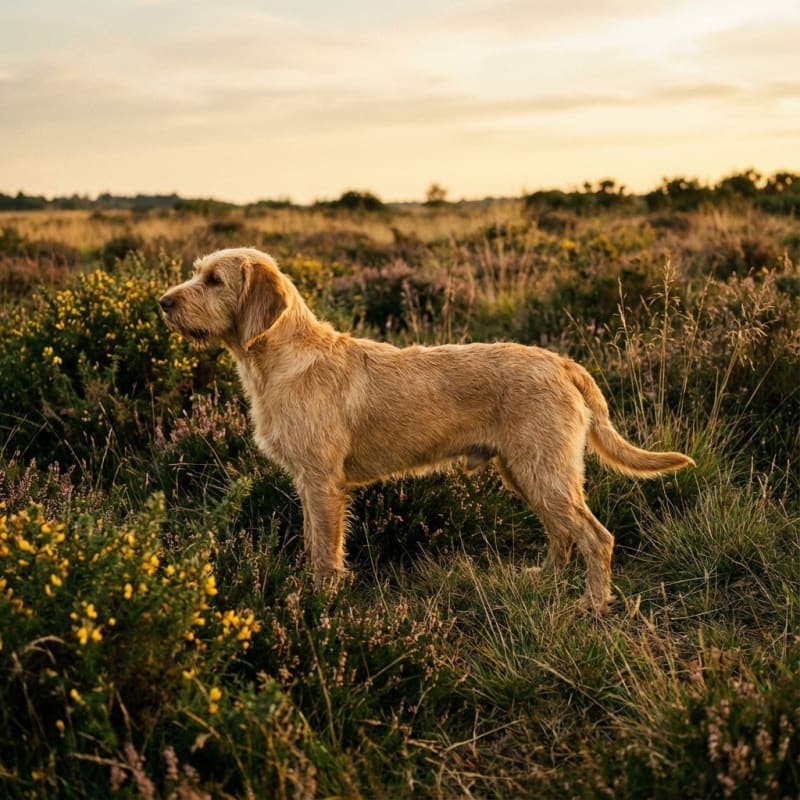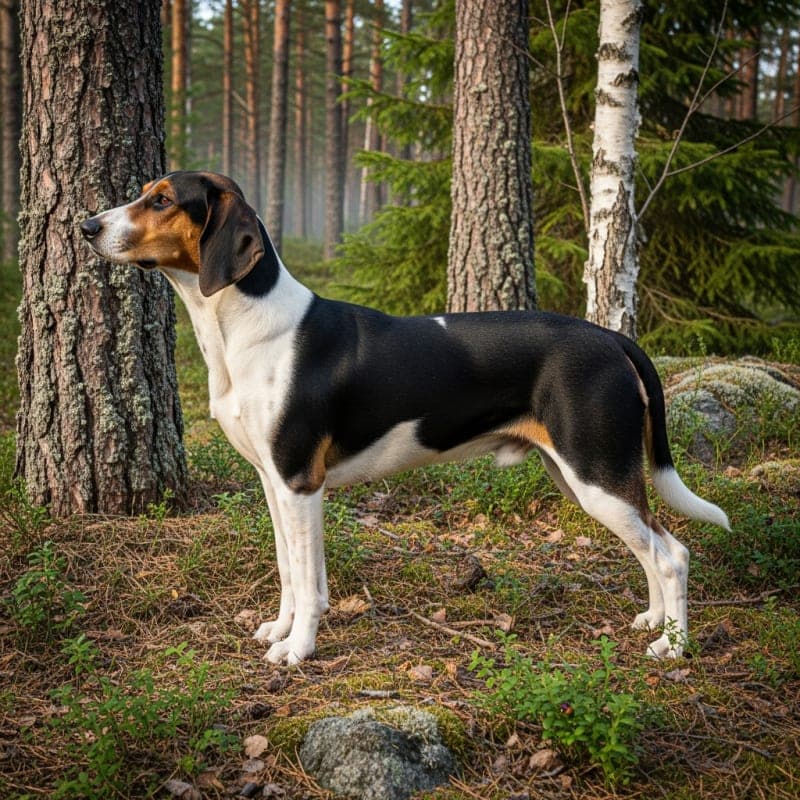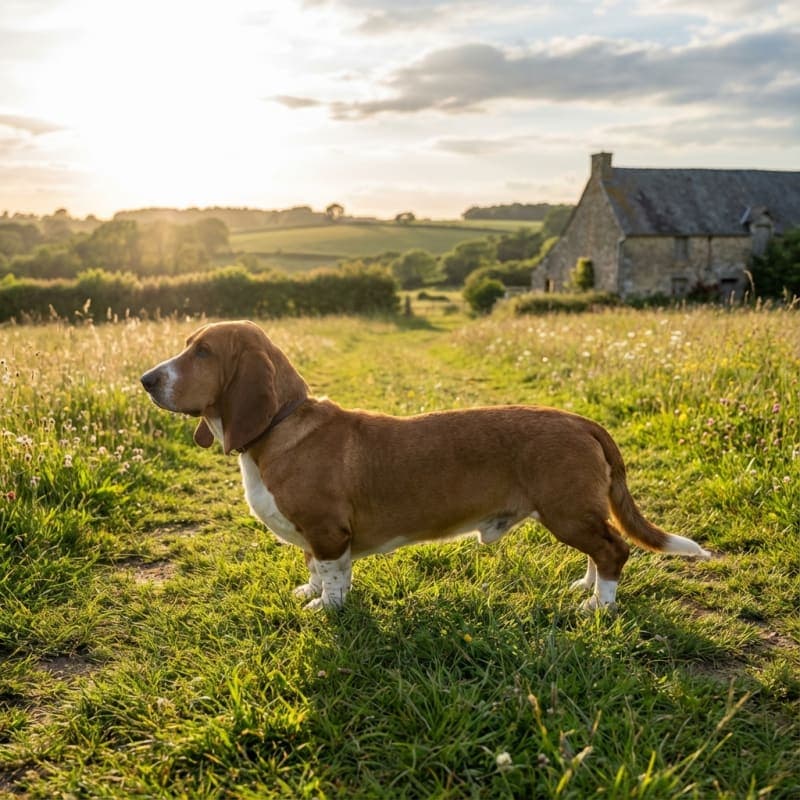
Artois-Norman Basset
FCI Group
6• FCI 34
Size
Small
Origin Country
FR
Height
30-36 cm
Weight
15-20 kg
Lifespan
14-16 years
Temperament
Overview
The Artois-Normandy Basset is not only a hunting dog but also a wonderful family companion that has gained popularity due to its remarkable versatility and charming appearance. This breed, with roots tracing back to France, is characterized by its exceptional sense of smell, making it an unmatched hunter of small game such as rabbits and hares.
Key breed characteristics:
- Long, harmonious body with excellent proportions
- Noble head with a gentle expression in the eyes
- Short legs allowing penetration through dense underbrush
- Melodious voice audible even in the thickest thickets
Although these dogs have short legs, they are very agile and can easily navigate through dense bushes, which is invaluable during hunting. Their specific build allows them to reach places where larger dogs cannot access, making them indispensable helpers for hunters.
The history of this breed is both fascinating and full of twists. In the 19th century, thanks to the efforts of Prince Le Couteulx de Canteleu and Louis Lane, two lines of bassets were created: Artois (with straight legs) and Normandy (with crooked legs), which eventually merged to form the Artois-Normandy Basset. It was not until 1924 that the current name was adopted, reflecting both their heritage and unique characteristics.
The temperament of these dogs is balanced, making them ideal companions in everyday life. They are animals that adapt well to hunting alone or in a pack, and their friendly disposition makes them great with children and other dogs. Their average lifespan is between 14 to 16 years, meaning they can accompany their owners for many years, becoming an integral part of the family.
It is important to remember that the Artois-Normandy Basset requires proper socialization and regular physical activity. This way, they will maintain their health and well-being. Although they are not the fastest, their endurance in hunting is admirable, and their ability to track a scent with persistence and determination will surely interest hunting enthusiasts. In the further part of our guide, you will find detailed information about the health, grooming, training, and history of this remarkable breed. Discover how the Artois-Normandy Basset can become an inseparable member of your family and what benefits come from owning this unique, loyal, and devoted dog.
The Artois-Norman Basset is a dog with a distinctive appearance that attracts attention with its long silhouette and noble head. This breed is characterized by harmonious body proportions that combine hunting functionality with aesthetic appearance.
Dimensions and body proportions:
- Height at the withers: 30-36 cm
- Body weight: 15-20 kg
- Body: long, harmonious, well-muscled
- Proportions: perfectly balanced
Characteristic features of the head:
The head of the Artois-Norman Basset is dry and noble, with a rounded skull and a distinct nuchal crest. The eyes are large, oval, and dark, giving the dog a gentle and serious expression. Long, drooping ears are set low and have a narrow shape at the base, adding a characteristic charm to the dog. These are typical features for hounds, which help in tracking by directing scents towards the nose.
Coat and color:
The coat of the Artois-Norman Basset is short, smooth, and dense, which makes grooming easy. It comes in various colors:
- Fawn with a black coat (saddle)
- Tricolor (black-white-fawn)
- White with orange markings
- All with characteristic white markings
Tail and limbs:
The tail is quite long, thick at the base, and tapering towards the end, carried in a way that does not touch the ground but is also not curled over the back. It extends the line of the back and is characteristically curved in a sabre shape.
The front limbs are short, strongly muscled, and distinctly bowed, which is typical for this breed and a result of selective breeding. This feature, although it may seem unusual, is functional and desirable in the breed standard, allowing the dog to move in difficult terrain.
The breed standard places great emphasis on harmony and body proportions, which makes the Artois-Norman Basset not only a beautiful but also a functional hunting dog. Its build perfectly corresponds to the tasks it must perform while hunting in dense underbrush and challenging terrain.
The Basset Artésien Normand is a dog with a balanced temperament, who, despite its hunting heritage, is friendly and devoted. This breed combines the qualities of an excellent hunting dog with the character of a wonderful family companion.
Character traits:
- Sociality: feels great in the presence of other dogs and children
- Devotion: strongly attaches to the family
- Balance: calm and patient in daily life
- Affection: gentle and tender in interactions
- Cheerfulness: cheerful disposition and eagerness to interact
Hunting skills:
The Basset Artésien Normand is known for its excellent sense of smell and melodic voice, making it an ideal companion for hunting. Its characteristic music while tracking is clear and carries far, allowing the hunter to follow the course of the hunt. This dog can work both independently and in a pack, with determination and perseverance while tracking game.
Challenges in training:
These dogs can be quite stubborn, which can pose a challenge during training. Owners should demonstrate patience and use positive training methods to effectively teach their dog. The Basset Artésien Normand has its own opinions and sometimes prefers to act on its own accord, which is typical for hounds that need to make independent decisions while tracking.
Social needs:
The Basset Artésien Normand cannot stand being left alone for long periods, which can lead to destructive behaviors or excessive barking. Therefore, it is important to provide it with appropriate companionship and activity. These are pack dogs that need contact with the family and should not be left alone for long hours.
Hunting instinct:
This breed has a strong hunting instinct, which means it may chase scents that attract its attention. For this reason, during walks in open areas, the dog should always be on a leash or in a safe, fenced area. When the Basset Artésien Normand picks up a scent, its concentration on the smell is so strong that it may stop responding to the owner's call.
The Basset Artésien Normand is a dog that thrives in family life, being affectionate and devoted, making it an excellent companion for people of all ages. Their cheerful disposition and eagerness to interact with people make them a popular choice as companion dogs, and their personal charm and extraordinary beauty make them favorites of many families. These dogs can be both calm homebodies and energetic playmates.
The Basset Artesian-Normand is a breed that enjoys relatively good health, but like any other, it can be prone to certain conditions. Awareness of potential health issues allows owners to diagnose early and implement appropriate preventive measures.
Life expectancy:
The average lifespan of these dogs is between 14 and 16 years, which is quite favorable compared to other breeds. With proper care, a balanced diet, and regular activity, many individuals reach the upper limit of this range, and some live even longer.
Typical health problems:
- Hip dysplasia: a genetic condition affecting the proper structure of the joints
- Intervertebral disc diseases: resulting from an elongated spine and short build
- Ear infections: long, drooping ears are prone to infections and inflammations
- Spinal problems: short legs increase the burden on the spine
- Obesity: a tendency to gain weight with an improper diet
Weight management:
It is particularly important to manage the dog's weight, as the Basset Artesian-Normand is more prone to obesity than many other breeds. Extra pounds can lead to serious health issues:
- Increased burden on the spine and joints
- Heart and circulatory diseases
- Type II diabetes
- Breathing problems
- Shortened lifespan
Diet and nutrition:
Owners should pay special attention to the diet of their dog to ensure it receives the right amount of nutrients while avoiding overweight. It is important to:
- Provide high-quality food tailored to age and activity level
- Control portion sizes and avoid overfeeding
- Limit treats to a maximum of 10% of daily caloric intake
- Avoid giving table scraps
- Ensure constant access to fresh water
Prevention and check-ups:
Regular veterinary visits and routine health check-ups will help in the early detection of potential health problems, contributing to a longer and healthier life for the Basset Artesian-Normand. It is recommended to:
- Annual check-ups with a condition assessment
- Vaccinations according to schedule
- Regular deworming and parasite protection
- Check the condition of ears and teeth
- Monitor weight and physical condition
Owners should be vigilant and observe any changes in their dog's behavior, appetite, or activity. Early intervention in case of health problems significantly increases the chances of successful treatment and maintaining a good quality of life for the dog for many years.
The Basset Hound has a short, smooth coat, which makes grooming not time-consuming. Nevertheless, regular attention to the cleanliness and condition of the dog is crucial for maintaining its health and well-being.
Coat Care:
Regular brushing is recommended to remove dead hair and minimize shedding. It is best to use a rubber brush, which effectively collects hair while also massaging the dog's skin, contributing to its health and stimulating blood circulation. The recommended frequency is:
- Daily: during heavy shedding periods (spring, autumn)
- 2-3 times a week: during the rest of the year
- After walks: check and remove dirt
Ear Care (CRITICAL):
Keeping the ears clean is extremely important, as the Basset Hound has long, drooping ears that can be prone to infections. Limited air circulation inside the ear canal promotes the growth of bacteria and fungi. Owners should:
- Regularly check the ears for signs of infection
- Pay attention to: redness, unpleasant odor, excess wax, discharge
- Clean the ears with specialized ear cleaning solutions for dogs
- Gently dry the ears after bathing or swimming
- Consult a veterinarian at the first signs of a problem
Nail Care:
Trimming the nails is another important aspect of grooming to avoid discomfort while walking. Overgrown nails can:
- Cause pain and discomfort when walking
- Lead to improper paw positioning
- Increase the risk of fractures and injuries
- Impact the dog's posture and gait
Nails should be trimmed regularly, every 3-4 weeks, or when a characteristic clicking sound is heard while walking on a hard surface.
Oral Hygiene:
It is also worth remembering to regularly brush the teeth, which will help maintain oral health and prevent:
- Tartar and plaque
- Gingivitis
- Periodontal diseases
- Unpleasant breath
- Tooth loss in older age
Ideally, teeth should be brushed daily or at least 3-4 times a week, using a specialized toothbrush and toothpaste for dogs.
Bathing:
The Basset Hound does not require frequent baths. It is recommended to bathe:
- Every 2-3 months: under normal conditions
- As needed: when heavily soiled or having an unpleasant odor
- Using gentle dog shampoos
- Thoroughly drying the dog, especially the ears
Overall, the Basset Hound does not require complicated grooming, but regular attention to its coat, ears, nails, and oral health will help keep the dog in good condition and prevent many health problems. Systematic grooming is also an excellent opportunity to check the dog's health and build a bond with the four-legged friend.
The Basset Artésien Normand is a breed that requires a moderate amount of exercise each day. Despite their short stature, these dogs are energetic and need regular physical activity to maintain their health and well-being.
Daily exercise needs:
Long walks are ideal for this breed, and owners should strive to provide their dogs with at least 30-60 minutes of activity every day. It is optimal to spread this time out as follows:
- In the morning: 20-30 minutes of walking
- In the evening: 20-30 minutes of walking
- During the day: shorter outings for physiological needs
- Additionally: playtime and mental stimulation
Exploration and sniffing:
The Basset Artésien Normand loves to explore its surroundings, so it is worth taking it for walks in parks or forests where it can sniff and discover various scents. For these dogs, scent exploration is just as important as physical movement – it is a form of mental stimulation that satisfies their natural instincts. During walks:
- Allow the dog to sniff freely in safe areas
- Change walking routes to provide new stimuli
- Avoid monotony – new terrains are fascinating for the dog
- Adjust the pace to the dog's capabilities (do not push the pace)
Safety during walks:
Because these dogs have a strong hunting instinct, it is important to be vigilant during walks to prevent them from chasing after wildlife. When a Basset Artésien Normand picks up a scent, its concentration on the smell is so strong that it may stop responding to calls. Therefore:
- Use a leash in open areas and near roads
- Let the dog off-leash only in safe, fenced areas
- Work on recall commands from a young age
- Be alert to the presence of wild animals
Protection against overheating:
It is important to not overexert the dog, especially on hot days, as the Basset Artésien Normand is sensitive to high temperatures and can easily overheat. Its low build makes it closer to the hot ground, which increases the risk of heatstroke. Tips for hot weather:
- Walk during cooler times of the day (early morning, late evening)
- Avoid walks between 11:00 AM and 4:00 PM
- Ensure access to fresh water
- Seek shade during longer outings
- Watch for signs of overheating (heavy panting, weakness)
Mental activity:
In addition to walks, it is also worth incorporating interactive play into the daily routine, which will stimulate the dog's mind and make it happier. Scent toys, frisbees, or balls are excellent ways to engage in physical and mental activity. Recommended activities:
- Scent games: hiding treats, scent mats
- Obedience training: learning new commands
- Fetch games: in a controlled manner
- Dog puzzles: interactive toys
- Nosework training: tracking scents
Adjusting to age:
Exercise needs change depending on age:
- Puppies (up to 12 months): short, frequent sessions (5-10 minutes 3-4 times a day)
- Young adults (1-7 years): full activity 60 minutes a day
- Seniors (7+ years): calmer, shorter walks adjusted to fitness
Maintaining the Basset Artésien Normand in good physical condition is crucial for its health, preventing obesity and joint problems, so regular exercise is essential. Remember that a tired dog is a happy dog – the right amount of movement and mental stimulation translates to calm behavior at home and a better quality of life.
Training the Basset Artésien Normand can be a challenge because these dogs are known for their stubbornness and tendency to get distracted easily. Their independent nature, stemming from their hunting heritage, makes them prefer to make their own decisions. However, with the right approach, it is possible to raise a well-behaved and happy companion.
Basic training principles:
Owners should use consistent and positive training methods to effectively teach their dog basic commands and behaviors. Key elements include:
- Consistency: all family members apply the same rules
- Positive reinforcement: rewards instead of punishments
- Patience: acceptance of the dog's learning pace
- Short sessions: 5-10 minutes several times a day
- Timeliness of rewards: immediate reinforcement after desired behavior
Early socialization:
It is important to start training at a young age to ensure proper socialization and teach the dog to interact with other dogs and people. Basset Artésien Normand puppies should be exposed to:
- Different environments: city, park, forest, pet stores
- Different people: children, adults, seniors, people in hats, glasses
- Other animals: dogs, cats, small animals (under control)
- Various stimuli: sounds, vehicles, crowds
- Positive experiences: everything should be pleasant and safe
Motivational methods:
Treats and praise are effective motivators that will aid in training. The Basset Artésien Normand is a dog that responds well to:
- Treats: small, soft bites with a strong scent
- Verbal praise: enthusiastic, cheerful tone
- Petting: physical contact as a reward
- Play: favorite toy as a motivator
Scent training:
It is worth remembering that the Basset Artésien Normand has a strong sense of smell, so scent-related training can be particularly appealing to him. Such activities not only allow for skill development but also provide the dog with a proper dose of mental activity. Recommended forms of scent training include:
- Nosework: professional scent detection training
- Mantrailing: tracking human scent trails
- Hiding treats: simple home exercises
- Scent mats: toys that stimulate the sense of smell
- Field games: searching for hidden objects in the field
Diversifying training:
Training should also be varied to avoid boredom, which can lead to undesirable behaviors. The Basset Artésien Normand quickly gets bored with monotonous tasks. It is advisable to:
- Change training locations (home, garden, park)
- Introduce new commands gradually
- Combine different forms of activity (obedience, scent work, play)
- Use various rewards depending on the situation
- End sessions on a positive note, while the dog is still engaged
Outdoor training:
Outdoor training can also be helpful, where the dog has the opportunity to explore and discover new scents. The natural environment is the most stimulating for the Basset Artésien Normand and allows for:
- Utilization of natural instincts
- Working in distracting surroundings (higher difficulty level)
- Learning behaviors useful in real-life situations
- Building the dog's confidence
Typical challenges:
Owners should demonstrate patience as the Basset Artésien Normand may need more time to grasp new skills than breeds with a stronger desire to please humans. Typical difficulties include:
- Selective deafness: ignoring commands when the dog is on a scent
- Stubbornness: doing things their own way despite knowing the command
- Distraction: difficulties concentrating when interesting scents are present
- Slowness: slower pace in executing commands
Ultimately, with the right approach and consistency, the Basset Artésien Normand can become a well-trained and obedient companion. The key is to understand the nature of this breed, adapt methods to its specifics, and enjoy the process of building a relationship with this intelligent, albeit independent dog. Remember, training is a marathon, not a sprint – results come over time and require regularity.
The diet of the Basset Artesian-Normand should be carefully balanced to provide all the necessary nutrients and maintain a proper weight. These dogs tend to gain weight, so monitoring their nutrition is crucial for their health and longevity.
Basic nutrition guidelines:
It is important not to overfeed the dog and to provide high-quality food. Owners should look for food that is tailored to:
- Age: puppy, adult, senior
- Weight: current body mass of the dog
- Activity level: low, medium, high
- Health status: special dietary needs
- Breed: food for medium breeds with a tendency for joint problems
Nutrients:
A well-balanced diet should contain the right amount of protein, fats, and carbohydrates. The basic components are:
- Protein (22-26%): meat, fish as the main source
- Fats (12-16%): for energy and a healthy coat
- Carbohydrates: source of energy, fiber for digestion
- Vitamins and minerals: for overall health
- Glucosamine and chondroitin: for joint health
- Omega-3 and omega-6 fatty acids: for healthy skin and coat
Meal frequency:
It is often recommended to split the daily portion into two meals, which helps avoid digestive issues. The recommended feeding schedule is:
- Puppies (2-6 months): 3-4 meals a day
- Young dogs (6-12 months): 2-3 meals a day
- Adult dogs (1-7 years): 2 meals a day
- Seniors (7+ years): 2 meals a day, adjusted to condition
Feeding at regular times will help regulate digestion and establish a routine.
What to avoid:
It is advisable to avoid giving the dog table scraps, as they may contain ingredients that are harmful to its health. Prohibited products include:
- Chocolate and cocoa: toxic to dogs
- Onion and garlic: damage red blood cells
- Grapes and raisins: can cause kidney failure
- Avocado: contains toxic persin
- Sweets and xylitol: cause hypoglycemia
- Fatty and spicy food: digestive issues
- Poultry bones: risk of choking and intestinal perforation
Hydration:
Water should always be available to ensure proper hydration. Fresh water is essential for the dog's health. Tips:
- Change the water at least once a day
- Wash the bowl regularly to prevent bacterial growth
- Provide additional sources of water on hot days
- Monitor whether the dog drinks an appropriate amount (not too much or too little)
Weight control:
Regular veterinary visits will help monitor the dog's weight and health status, which is crucial for maintaining its good condition. Indicators of proper weight:
- Ribs: should be felt under the fingers but not visible
- Waist: visible from above, slight narrowing behind the ribs
- Abdomen: tucked up, not sagging
- Mobility: the dog moves freely, without panting after light exertion
Adjusting the diet:
In case of any changes in appetite or weight, it is advisable to consult a veterinarian to adjust the diet to the dog's needs. Signals requiring consultation:
- Sudden weight loss or gain
- Lack of appetite for more than 24 hours
- Vomiting or diarrhea
- Change in the amount of water consumed
- Food allergies (itching, hair loss)
Treats and rewards:
If you use treats during training, remember that they should not exceed 10% of the daily caloric intake. Healthier alternatives include:
- Small pieces of cooked chicken or turkey
- Carrot, seedless apple (in small amounts)
- Low-calorie training treats
- Dry piece of food as a reward
Proper nutrition for the Basset Artesian-Normand will contribute to its healthy and long life, maintenance of proper weight, and good physical condition. Investing in high-quality food and portion control are key elements of responsible ownership that will result in years of shared joy with this wonderful dog.
Characteristic Traits
Pros
- Wonderful sense of smell
- perfect for hunting
- Balanced temperament
- good family companion
- Gets along well with children and other dogs
- Longevity of 14-16 years
- Easy maintenance due to short coat.
Cons
- Requires regular physical activity of 30-60 minutes daily
- Necessity of proper socialization from puppyhood
- Tendency to stubbornness during training
- Strong hunting instinct may lead to chasing scents
- Susceptibility to obesity requires diet control.
Behavioral Ratings
Breed History
The Basset Artésien Normand has a fascinating history that dates back to the late 19th century and is inextricably linked to the tradition of French hunting. The planned breeding of this breed began in the 1870s when a uniform line of hunting dogs with a specific low build was started in northern France.
Origins of the breed:
A key figure in this breeding was Prince Le Couteulx de Canteleu, a hunting and dog breeding enthusiast who developed dogs with straight legs, known as Artésien Basset. His goal was to create a hunting dog with an excellent sense of smell that could work in the dense underbrush of Artois, where its short legs would be an asset, not a hindrance.
At the same time, another breeder, Louis Lane, was developing a parallel breeding line, creating dogs with crooked legs that were named Normand Basset. This line was characterized by a more spectacular appearance and was popular among the aristocracy as a decoration for estates and a hunting companion.
Combination of lines:
Both of these lines had a common ancestry and descended from traditional French hounds, which were systematically miniaturized through selection. Their combination led to the creation of the Basset Artésien Normand, which combined the best traits of both lines: the functionality of the Artésien and the beauty of the Normand.
Official recognition:
This breed was officially recognized in 1924, when the name Basset Artésien Normand was adopted, reflecting the heritage of both breeding lines. The breed standards were established by the Société de Vénerie (French Hunting Society), an organization responsible for the development and protection of French hunting dog breeds.
The role of Léon Verrier:
A key figure in solidifying the breed's character was Leon Verrier, who took over the breed club leadership in 1927 at the age of 77. Under his guidance, the breed took on a more uniform character, with an emphasis on Normand traits – a more spectacular appearance and crooked front limbs. In the 1930 hunting dog standards book, where both breeds were already listed separately (Basset d'Artois and Basset Artésien-Normand), there are numerous references to breeding goals and the desired type.
Purpose and use:
The Basset Artésien Normand was used for hunting small game, primarily rabbits, hares, and sometimes even deer and stags. Its low stature and excellent sense of smell made it an ideal companion for hunters working in the dense underbrush of northern France. These dogs were able to:
- Penetrate the densest underbrush, where larger dogs could not access
- Track game with incredible perseverance
- Work both independently and in packs
- Inform the hunter with a melodic voice while tracking
- Lead the game slowly, but with determination and consistency
Popularity and distribution:
Over the years, this breed has gained significant popularity among hunters in France, becoming one of the most valued breeds for hunting small game. The Basset Artésien Normand has become a symbol of traditional French hunting and is eagerly chosen by professional hunters and amateurs alike. Its ability to work in difficult terrain and reliability in hunting have made it indispensable.
However, outside the country's borders, the breed is relatively unknown. While in France the Basset Artésien Normand remains popular, it is rarely seen in other European countries and around the world. Its cousin, the Basset Hound, which was developed in England and has a more massive build and longer ears, has gained significantly greater international popularity.
Heritage and modernity:
The Basset Artésien Normand remains one of the favorite hunting dog breeds in France, and their attachment to owners and devotion make them excellent companions in everyday life as well. Today, the breed retains its traditional traits and standards, and breeders strive to maintain both hunting skills and distinctive appearance.
This breed is currently rarely found outside its native France, but its unique traits and balanced temperament are gaining recognition among dog lovers worldwide. The International Cynological Federation (FCI) recognizes the Basset Artésien Normand and classifies it in group 6 (scent hounds and related breeds), section 1.3 (small hounds), confirming its status as an acknowledged international breed, although still niche outside of France.
With its rich history, unique character, and versatility, the Basset Artésien Normand remains a living testament to the tradition of French hunting and dog breeding. It is a breed that combines centuries-old heritage with modern expectations of a family dog, offering owners loyalty, companionship, and unforgettable experiences both in hunting and in daily life.