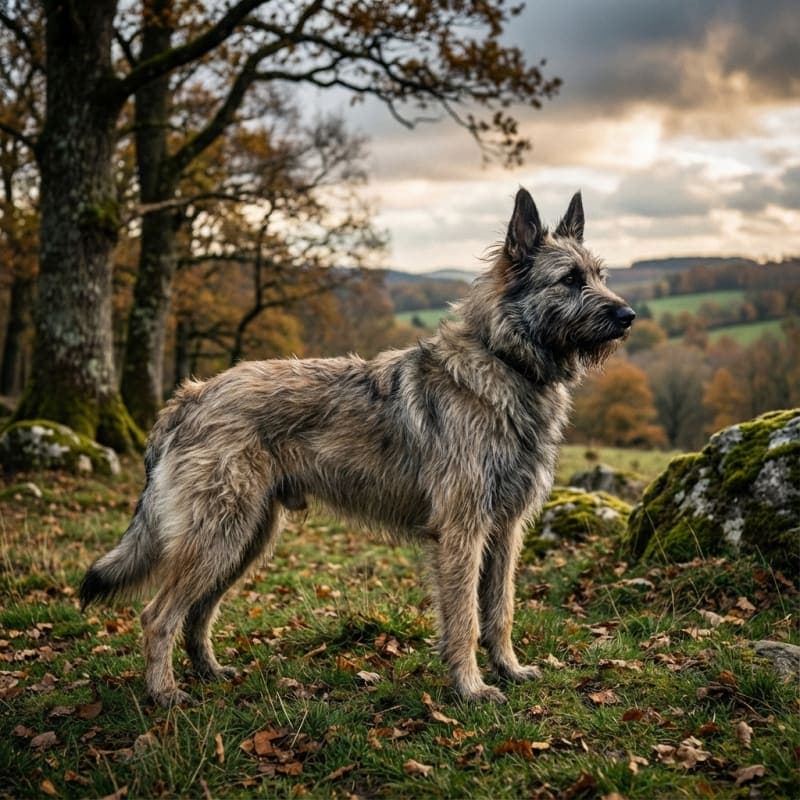
Bouvier des Ardennes
FCI Group
1• FCI 171
Size
Large
Origin Country
BE
Height
52-62 cm
Weight
22-35 kg
Lifespan
11-13 years
Temperament
Overview
Bouvier des Ardennes, also known as the Ardennes Cattle Dog, is a breed with a rich history and remarkable character traits, originating from the picturesque Belgian Ardennes region. These dogs were originally bred for herding and guarding cattle, and their exceptional working abilities quickly gained recognition among farmers and shepherds in the 19th century.
Physical characteristics: The Bouvier des Ardennes is distinguished by its strong, stocky build and solid bone structure, which allow it to work in the most challenging weather conditions. Its tough, tousled coat provides excellent protection against rain, wind, and cold, making it an exceptionally resilient working dog. This breed exudes strength and determination while maintaining the agility necessary for herding work.
Temperament and behavior: Dogs of this breed are characterized by a balanced temperament, combining energy, loyalty, and intelligence. They are eager working dogs that require plenty of exercise and physical activity. Their alertness and slightly territorial nature make them excellent guardians of property. At the same time, they are extremely sociable and value close contact with their family, forming a strong emotional bond with their owner.
Abilities and applications: Due to their intelligence and willingness to cooperate, the Bouvier des Ardennes is relatively easy to train. These dogs excel not only in herding work but also in dog sports, as family pets, and in guarding roles. Their versatility and adaptability allow them to find applications in a variety of tasks—from traditional fieldwork to modern sports such as agility and obedience.
In the remaining sections of our comprehensive guide, you will find detailed information about the appearance, health, grooming, training, and fascinating history of this exceptional Belgian herding breed.
General body structure: The Bouvier des Ardennes is a dog with a strong, compact body structure that exudes strength, endurance, and determination. Its height at the withers ranges from 56 to 62 cm for males and from 52 to 56 cm for females, with a weight ranging from 22 to 35 kg. The body proportions are balanced - the length of the torso slightly exceeds the height at the withers, giving the dog a compact, sturdy appearance characteristic of herding breeds.
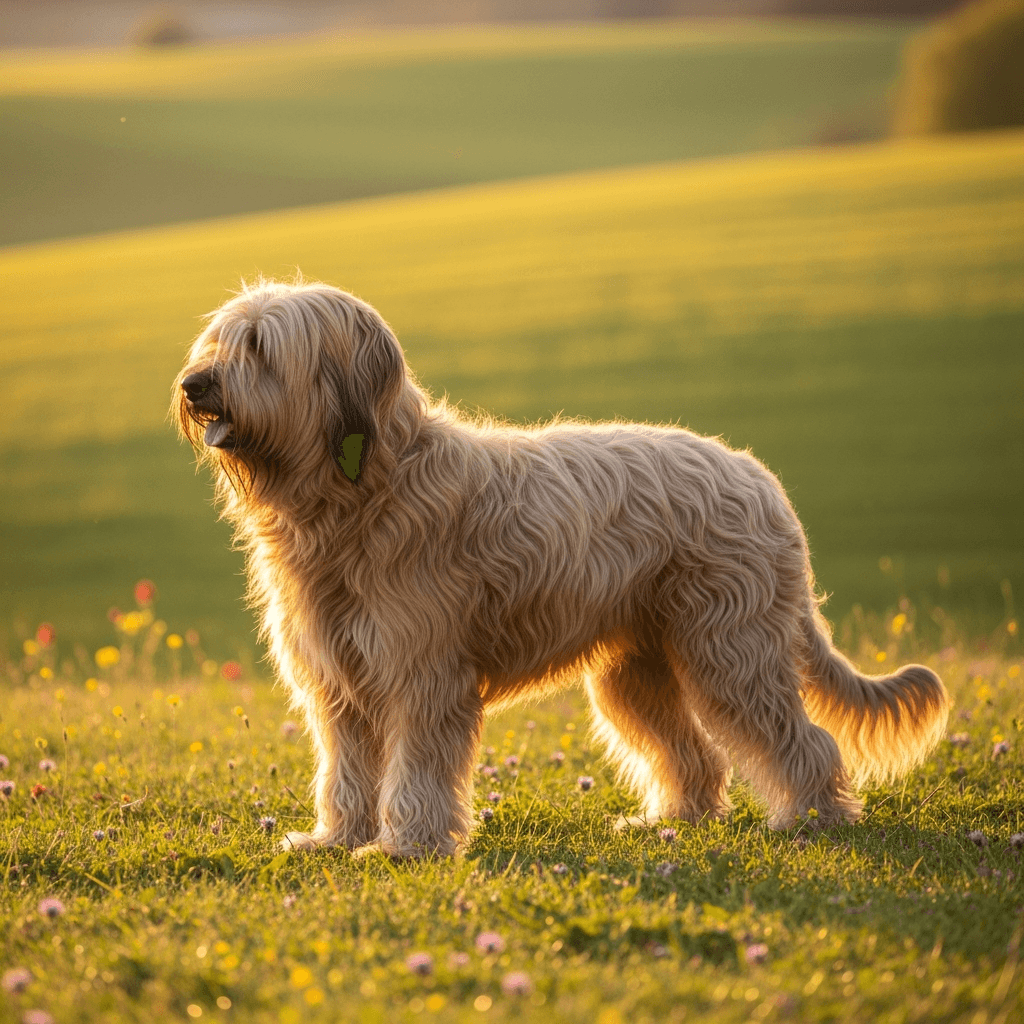
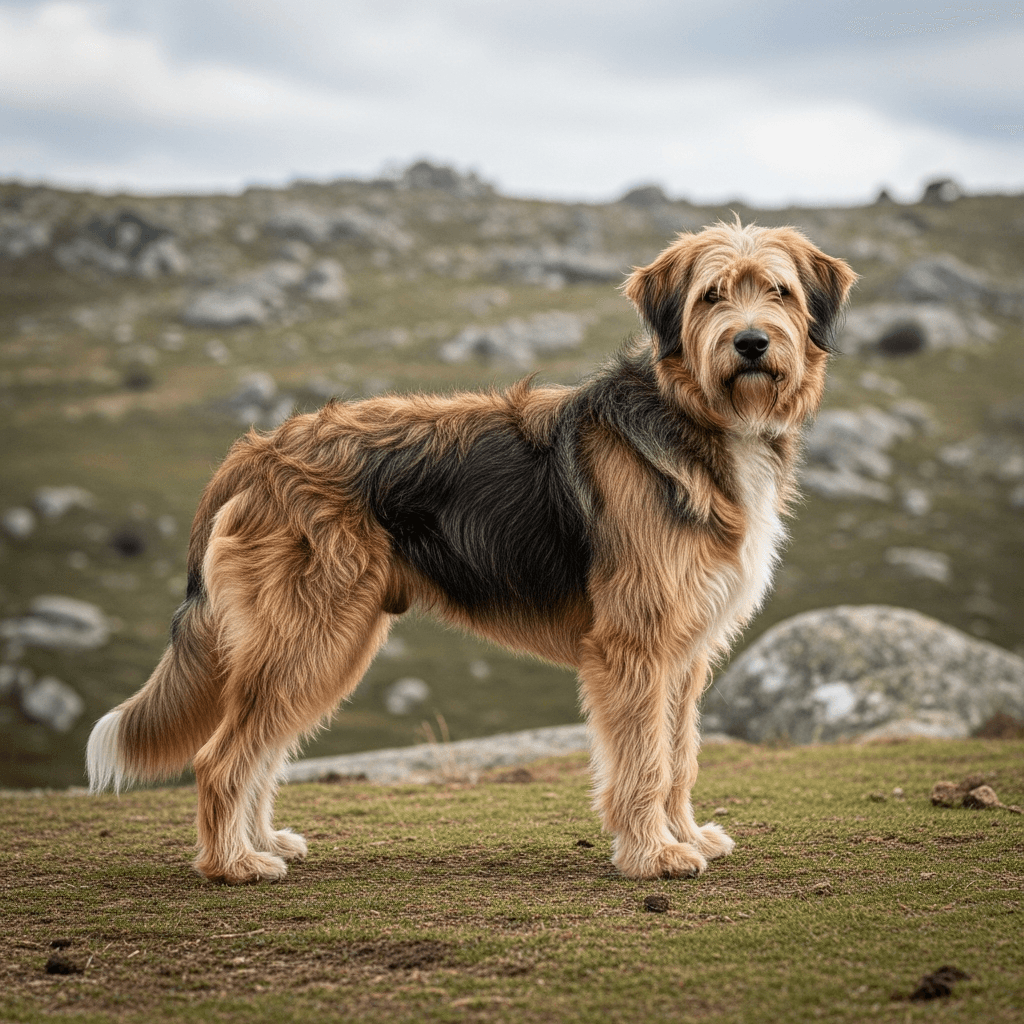
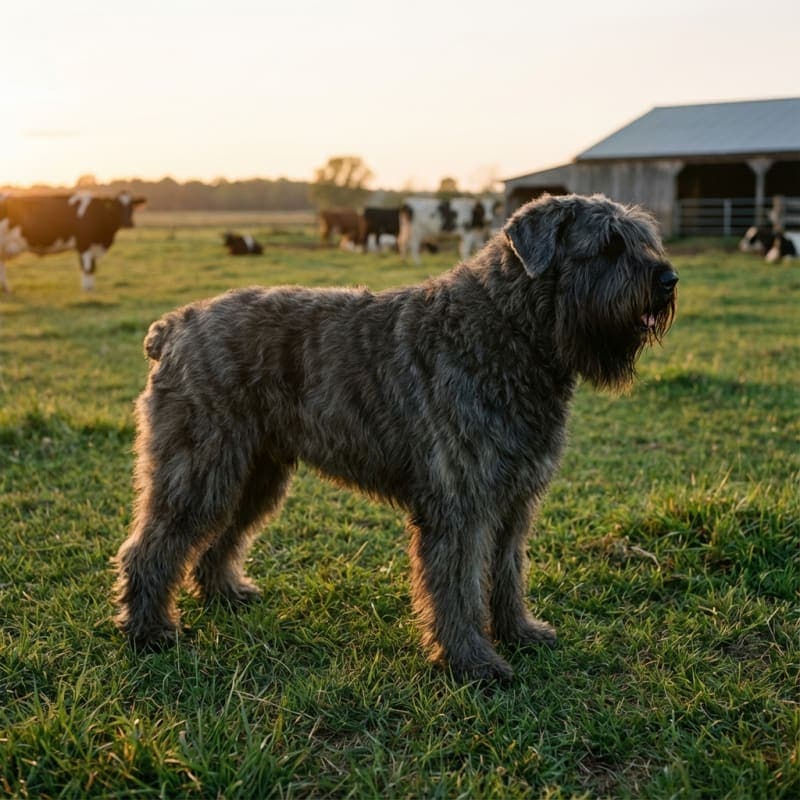
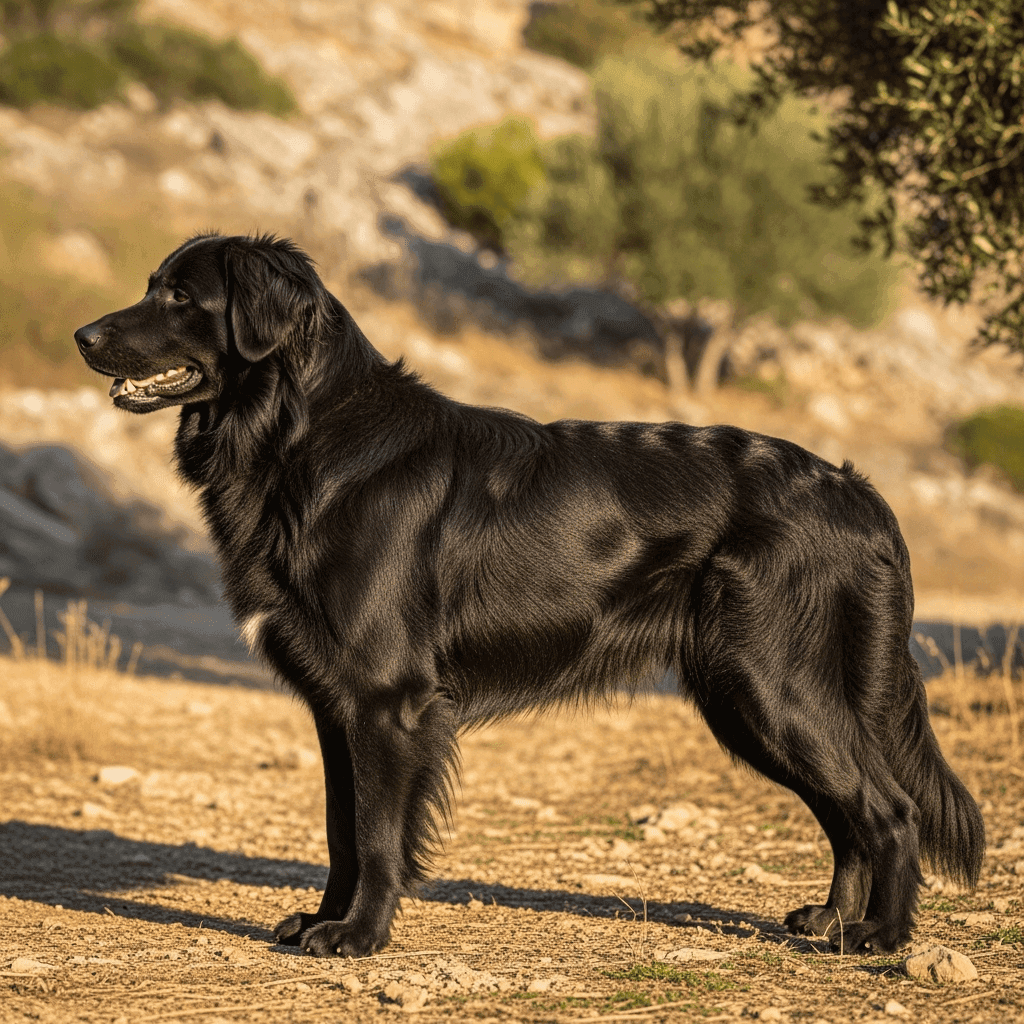
Coat and color: The most distinctive feature of the breed is its coarse, tousled coat, approximately 5-6 cm long, which provides excellent protection against adverse weather conditions. The undercoat is dense and well-developed, enhancing the insulating properties of the coat. The coat can come in various colors - from gray-black, through fawn and red-brown, to brindle. Solid colors and white markings on the chest and paws are also acceptable. The guard hair is rough to the touch, providing natural protection against moisture and dirt.
Head and expression: The head is strong and massive in proportion to the entire silhouette, with a well-defined bone structure. The skull is relatively wide and slightly convex. The muzzle is distinctly shorter than the length of the skull, wide and deep, ending with a black nose with well-developed nostrils. The eyes are medium-sized, oval, set wide apart, dark-colored - their expression is alert, intelligent, and attentive. The ears are triangular, set high, and can be either erect or semi-erect with slightly bent tips, giving the dog a characteristic, alert appearance.
Body and limbs: The neck is strong, well-muscled, and of medium length, smoothly transitioning into the withers. The back line is straight and strong, short and solid. The chest is deep and wide, with well-arched ribs. The front limbs are straight, parallel, with a strong bone structure. The hind limbs are heavily muscled, with proportionately angled joints. The paws are round, compact, with strong pads. The tail is naturally short or docked (in countries where this is allowed), thick at the base, set high, forming a natural extension of the back line.
Basic temperament: The Bouvier des Ardennes is a dog with a balanced, stable temperament that harmoniously combines traits such as energy, loyalty, intelligence, and courage. This breed is characterized by a strong bond with family and owner - these dogs are extremely devoted to their guardians and prefer constant contact with them. Despite their friendly disposition towards familiar people, they exhibit natural reserve and alertness towards strangers, making them excellent guard dogs without excessive aggression.
Character traits: They are very sociable dogs that love to participate in all family activities. Their natural curiosity about the world and eagerness to act make them excellent companions for active people leading a sporty lifestyle. The Bouvier des Ardennes may exhibit a certain degree of territoriality, which is a remnant of its herding heritage - it will reliably guard the space entrusted to it and protect the family. This trait, combined with their natural alertness, makes them excellent watchdogs who will always alert the owner to concerning situations.
Social relationships: In relationships with children, the Bouvier des Ardennes is usually very patient, caring, and tolerant; however, due to its energy and strength, it may be too dynamic for small children - supervision during interactions is therefore recommended. Towards other dogs, it may show tendencies towards dominance, especially males towards males, so early and consistent socialization is crucial for proper social development. A properly socialized Bouvier can live harmoniously with other pets, although its herding instinct may lead to attempts to herd or organize other animals.
Mental and physical needs: Dogs of this breed are very intelligent and learn quickly, which makes them respond well to consistent training based on positive methods. Their natural desire to work and please their owner makes them wonderful students. However, they require a significant amount of stimulation both physically and mentally - boredom and lack of activity can lead to behavioral problems such as excessive barking, destructive behaviors, or attempts to escape. Therefore, it is essential to provide them with regular tasks, training, and intellectual challenges.
General health status: Bouvier des Ardennes is a breed that generally enjoys good health and resilience, which is a result of many years of natural selection in the harsh climatic conditions of the Ardennes. However, like most medium-sized dogs with a strong build, they may be prone to certain conditions characteristic of their constitutional type. The average lifespan of representatives of this breed ranges from 11 to 13 years, with proper care, a healthy diet, and adequate exercise significantly contributing to a long and active life.
Typical orthopedic problems: The most commonly encountered health issues include hip dysplasia (HD) and elbow dysplasia (ED), which are prevalent among medium and large breed dogs. Dysplasia can lead to pain, limited mobility, and in advanced cases, lameness. Therefore, it is crucial to acquire puppies from responsible breeders who conduct X-ray examinations of the joints in dogs intended for breeding. It is also important to monitor the dog's weight, as excessive body mass increases the strain on the joints and can exacerbate dysplasia symptoms.
Other conditions: Bouvier des Ardennes may also be susceptible to ophthalmic problems, including progressive retinal atrophy (PRA) and cataracts, which can lead to deteriorating vision or blindness. Regular check-ups with a veterinary ophthalmologist can help in the early detection of these conditions. It is also worth mentioning the risk of gastric torsion (bloat, GDV - Gastric Dilatation-Volvulus), which is a life-threatening condition. Gastric torsion occurs more frequently in dogs with deep chests and can be caused by eating too quickly, large meals, or intense exercise immediately after feeding.
Prevention and care: To keep a Bouvier des Ardennes in good health, regular check-ups with a veterinarian (at least once a year, and every 6 months for older dogs) are essential, along with up-to-date vaccinations, deworming, and prevention against external parasites. A properly balanced diet tailored to the dog's age, activity level, and health status is crucial. It is also important to provide adequate exercise without overloading the joints, especially in young, developing dogs and seniors. Owners should also be vigilant about any changes in their dog's behavior, appetite, or mobility and consult with a veterinarian.
Coat care: The coat of the Bouvier des Ardennes is coarse, tousled, and of medium length, which means it requires regular, though not overly time-consuming, grooming. The most important element in maintaining the coat in good condition is systematic brushing - at least once a week using a stiff-bristled brush or a comb with wide teeth. Regular brushing helps remove dead hair, prevents the formation of tangles and mats, and distributes natural skin oils, giving the coat a healthy appearance.
Seasonal grooming: The Bouvier des Ardennes has a double coat with a dense undercoat that provides thermal regulation throughout the year. During periods of increased shedding, which usually occur in spring and autumn, the intensity of grooming should be increased to 2-3 times a week to effectively remove dead undercoat and minimize the amount of shedding in the home. During this time, special tools like a furminator or rake can be helpful, as they effectively remove loose undercoat without damaging the top coat.
Bathing and hygiene: The Bouvier des Ardennes does not require frequent baths - usually, a bath every 2-3 months or as needed when the dog gets dirty is sufficient. Too frequent bathing can disrupt the natural protective layer of the skin and lead to dermatological issues. A high-quality shampoo for dogs with coarse coats should be used, which does not weaken its natural texture. After bathing, the dog should be thoroughly dried, paying special attention to the undercoat, which can remain damp for a long time.
Other grooming aspects: The ears of the Bouvier des Ardennes should be regularly checked and cleaned, especially if they are semi-erect, as they may be more prone to dirt and moisture accumulation leading to infections. Ear cleaning should occur every 1-2 weeks using a special dog ear cleaning solution. Oral hygiene is also important - brushing teeth at least 2-3 times a week will help prevent tartar buildup and periodontal disease. Nails should be trimmed regularly when they become too long - usually every 3-4 weeks, although active dogs naturally wear them down while moving on hard surfaces. Regular grooming is also an excellent opportunity to strengthen the bond between the dog and the owner and to check the condition of the skin, eyes, and overall health of the animal.
Exercise needs: The Bouvier des Ardennes is a breed with high physical activity requirements, stemming directly from its pastoral origins. These dogs were bred for all-day work in the field, guarding and herding livestock, which is why they retain a natural need for intense movement. It is recommended to provide them with at least 1.5-2 hours of activity daily, encompassing various forms of exercise - from walks to runs to dynamic play. Insufficient exercise can lead to behavioral problems, obesity, and frustration.
Types of activities: The Bouvier des Ardennes excels in various forms of physical activity. Ideal activities include long walks and hikes in diverse terrain, running alongside a bike (for adult, fully developed dogs), swimming, playing with a ball or frisbee. This breed shows natural predispositions for dog sports such as agility, obedience, flyball, treibball (soccer for dogs), as well as for herding work and training with elements of practical tasks. These forms of activity not only satisfy physical needs but also provide mental stimulation, which is equally important for the intelligent dogs of this breed.
Social aspects: The Bouvier des Ardennes is a social dog that requires not only exercise but also social interactions. Regular visits to dog parks, where it can play with other dogs, are very beneficial for its social development and mental well-being. However, due to the potential for dominant behavior towards other dogs, especially of the same sex, it is important for the owner to control such interactions and ensure they occur in a safe and positive manner. The dog should also participate in family activities - outings, walks, outdoor play.
Age adaptation: The intensity and type of activity should be adapted to the age and physical condition of the dog. Young puppies and junior dogs (up to 12-18 months) should not be subjected to excessive exertion or prolonged runs, as their joints and bones are still growing. During this period, shorter play and walk sessions spread throughout the day are better. Adult dogs can participate in a full range of activities. Seniors, on the other hand, need gentler forms of movement suited to their capabilities - calmer walks, swimming, or gentle play that will keep them in good condition without overloading their joints.
Learning abilities: The Bouvier des Ardennes is an intelligent and sharp breed that shows natural learning abilities and is eager to cooperate with humans. Their herding heritage makes them independent thinkers capable of making their own decisions, yet they are strongly owner-oriented and eager to please. This combination of traits means that with the right approach, the Bouvier des Ardennes can achieve excellent results in training, but it requires some knowledge and experience from the trainer.
Training methods: The most effective training methods for this breed are positive reinforcement-based techniques—rewarding desired behaviors with treats, verbal praise, play, or other things that are valuable to the dog. The Bouvier des Ardennes reacts poorly to harsh, authoritarian methods or physical punishment, which can lead to a loss of trust, fear, or defensive behaviors. Consistency in training is key—clear rules and adherence to them by all family members. Training sessions should be short (10-15 minutes), intense, and varied to maintain the dog's interest.
Early socialization: Due to their natural reserve towards strangers and the potential for territorial and dominant behaviors, early and extensive socialization is absolutely crucial for the Bouvier des Ardennes. Puppies should be exposed to a variety of stimuli from the youngest weeks (after vaccinations)—meeting different people (children, elderly individuals, in various outfits), other dogs of different breeds and sizes, different environments (city, countryside, noise, traffic), objects, and situations. Proper socialization prevents the development of fears, phobias, or aggressive defensive reactions in adulthood.
Basic obedience and tasks: Basic obedience training should start as early as possible. Key commands include: Sit, Down, Stay, Come, and walking on a loose leash. These skills are the foundation for the dog's safe functioning in society. Due to their strong herding instinct and need for work, the Bouvier des Ardennes excels in task training—they can learn advanced tricks, scent work (mantrailing, tracking), practical tasks, or work in dog sports. Regularly presenting the dog with new intellectual challenges is just as important as physical activity.
Patience and consistency: Although the Bouvier des Ardennes is intelligent and learns quickly, they may sometimes display the stubbornness characteristic of herding dogs. The owner should be patient yet firm—a leader who commands respect without using fear. It is important for the owner to be consistent in enforcing rules and not allowing undesirable behaviors. At the same time, training should be based on mutual respect and building a strong bond. A well-trained Bouvier des Ardennes is a wonderful, reliable companion that will function excellently in various life situations.
Basic nutritional requirements: The Bouvier des Ardennes is a medium-sized, active breed with well-developed musculature, which means it needs a high-quality diet rich in animal protein, appropriate fats, as well as vitamins and minerals. A well-balanced food should contain a minimum of 22-28% protein (depending on the level of activity) and 12-18% fat. The protein source should be high-quality meat (chicken, beef, lamb, fish), not by-products or low-nutritional-value plant fillers.
Choosing food: Owners can choose between dry food (kibble), wet food (canned), or a homemade diet or BARF (Biologically Appropriate Raw Food - raw meat and bones). High-quality dry food is convenient, helps mechanically clean teeth, and is economical. Wet food is tastier and contains more water, which supports hydration. A homemade diet or BARF requires nutritional knowledge to ensure all essential nutrients are provided, but it can be an excellent option when properly balanced. Regardless of the choice, it is crucial to select high-quality products without artificial additives, preservatives, and fillers.
Feeding schedule: It is recommended to feed Bouvier des Ardennes in two portions a day (morning and evening), instead of one large meal. This feeding schedule reduces the risk of gastric torsion (bloat), which is a serious threat in dogs with deep chests. The portion size should be adjusted to the age, weight, activity level, and individual metabolism of the dog - the manufacturer's recommendations are a starting point but may require modification. After a meal, the dog should have time to rest (at least 1-2 hours) before engaging in intense physical activity.
Water and weight control: Fresh, clean drinking water should always be available for the dog, especially after meals and physical activity. Proper hydration is crucial for the body's proper functioning. It is also important to regularly monitor the dog's weight and body condition. Although the Bouvier des Ardennes is active, it may have a tendency to gain weight if its diet is not properly balanced or if it receives too many treats and table scraps. Being overweight increases the risk of orthopedic and cardiovascular problems and shortens lifespan. The dog's body condition should be regularly assessed - ribs should be palpable under light pressure, with a visible waist and abdominal tuck.
Special nutritional needs: The dog's nutritional needs change at different stages of life. Puppies require food richer in protein and calories to support rapid growth. Puppy food for large and medium breeds is specially formulated to support proper bone and joint development. Adult dogs should receive food tailored to their activity level. Seniors often need food with reduced calories but richer in ingredients that support joints and cognitive functions. Dogs with health issues (allergies, digestive problems, kidney diseases) may require veterinary diets. Any changes in diet should be introduced gradually over 7-10 days to avoid digestive problems. Consulting a veterinarian will help determine the optimal nutritional needs for the individual dog.
Characteristic Traits
Pros
- Intelligent and easy to train
- Strong bond with family and loyalty
- Sturdy build resistant to harsh conditions
- Excellent guard dog
- Versatile - suitable for many tasks.
Cons
- Requires a lot of movement and physical activity
- May show territoriality and dominance
- Needs consistent training
- Requires regular coat grooming
- Rare breed - difficult to obtain.
Behavioral Ratings
Breed History
Origin and beginnings of the breed: The history of the Bouvier des Ardennes dates back to the 19th century and is inextricably linked to the Belgian region of the Ardennes - a densely forested, mountainous area with a harsh climate, stretching across the borders of Belgium, France, and Luxembourg. It was in this challenging, demanding terrain that this resilient breed of herding dogs developed. The Bouvier des Ardennes was originally a working dog used by local farmers and shepherds for herding, guarding, and driving dairy cattle, sheep, as well as pigs and horses. The name of the breed comes from the French word bouvier, which means cattle herder or shepherd.
Development and working characteristics: Unlike many other breeds that were selected mainly for appearance, the Bouvier des Ardennes was bred primarily for its working abilities. Character, resilience, endurance, and efficiency in work were the most important factors, rather than a uniform morphological type. It was the harsh climatic conditions, difficult mountainous terrain, and hard work requiring endurance that shaped the physicality and temperament of this breed. Only the strongest, most intelligent, and hardest-working individuals were used for breeding, resulting in dogs with exceptional working abilities and incredible resilience.
Versatility of use: Over time, the range of tasks for the Bouvier des Ardennes expanded. In the 19th century, these dogs began to be used for hunting as well - especially for tracking and driving wild boars and deer. Their excellent sense of smell, courage, and endurance made them valuable assistants to hunters in the dense forests of the Ardennes. During both World Wars, particularly during World War I, when the Ardennes region was the site of heavy fighting, the Bouvier des Ardennes served as a military dog, messenger, and also accompanied poachers. Unfortunately, the dramatic war destruction led to the near-total extinction of the breed - their population was decimated by warfare, famine, and the loss of farms where they were bred.
Revival of the breed: After World War II, the Bouvier des Ardennes breed was on the brink of extinction - only a few individuals remained. It was not until the 1980s and 1990s that a group of enthusiasts and breeders undertook heroic efforts to revive the breed. The rebuilding program was based on carefully searching for remaining pure lines and thoughtful crossbreeding with dogs of similar type and character. In 1963, the breed was officially recognized by the Belgian kennel club, and in 1985 it received full recognition from the FCI (Fédération Cynologique Internationale) and was classified in group 1, section 2 - herding dogs (cattle herders).
Modern times: Today, the Bouvier des Ardennes remains a relatively rare breed, even in its homeland. It is valued by connoisseurs of herding breeds for its authentic working traits, versatility, and loyalty. Although it is still encountered in herding work, it increasingly serves as a family dog, a companion in dog sports (agility, obedience, treibball), and a guard dog. Breeders strive to maintain the original working character of the breed, rather than transforming it into a show dog. The history of the Bouvier des Ardennes is a testament to perseverance, adaptation, and the deep bond between humans and working dogs, shaped by centuries of shared life and work in challenging conditions.