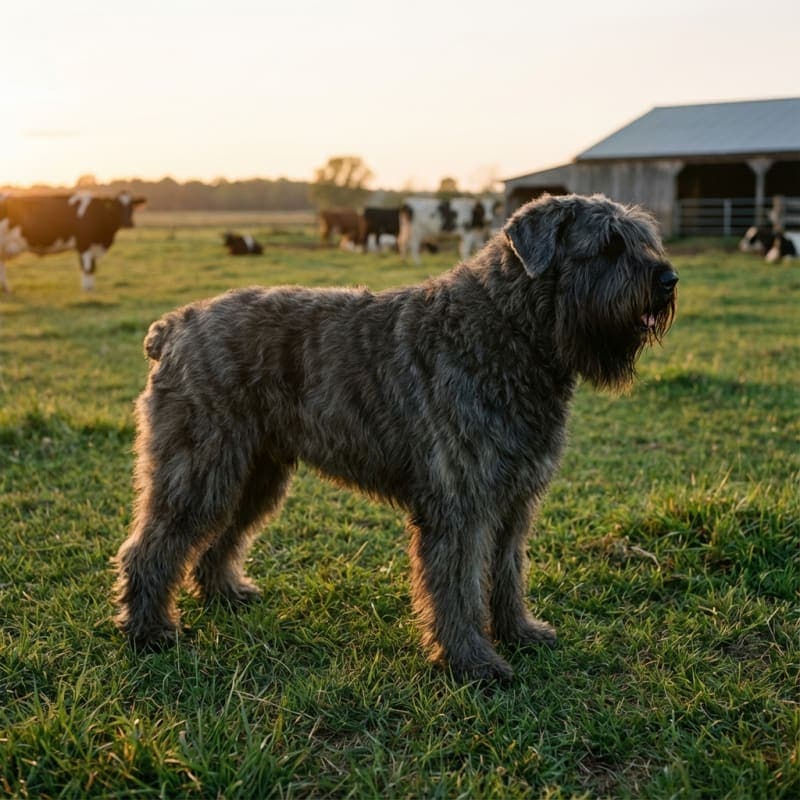
Bouvier des Flandres / Flemish Cattle Dog
FCI Group
1• FCI 191
Size
Large
Origin Country
XX
Height
59-68 cm
Weight
35-40 kg
Lifespan
10-12 years
Temperament
Overview
The Bouvier des Flandres, also known as the Vlaamse Koehond, is an incredibly interesting breed with a rich history and multifaceted abilities. Originating from Belgium and France, these dogs initially served as herding and draft dogs. However, over time, their roles changed, contributing to their versatility and popularity in various fields.
Today, the Bouvier des Flandres is valued primarily for its guarding abilities and as a service dog, particularly in police work and security. Their intelligence and independence make them excellent trackers, as well as invaluable helpers in many professions. Their characteristic balanced temperament makes Bouviers calm yet brave in the face of threats. These traits make them ideal guardians and companions.
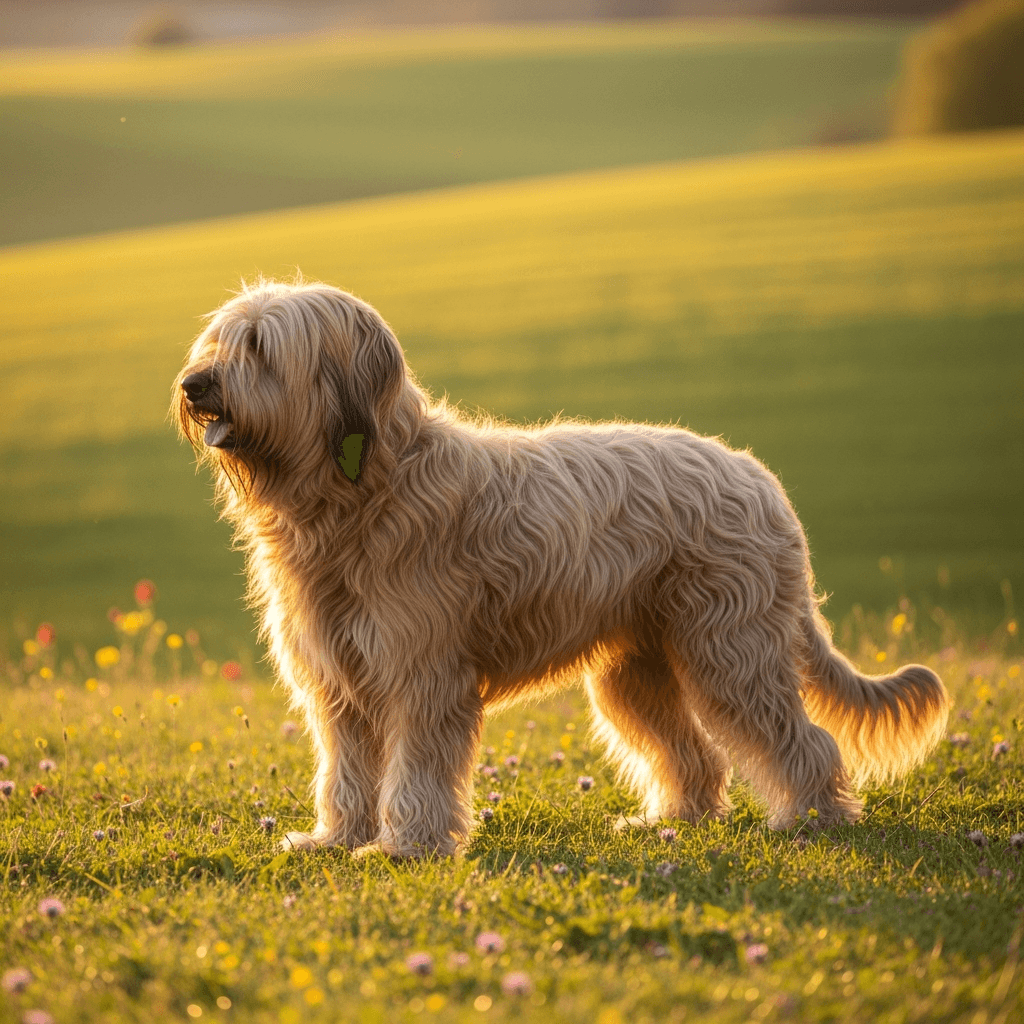
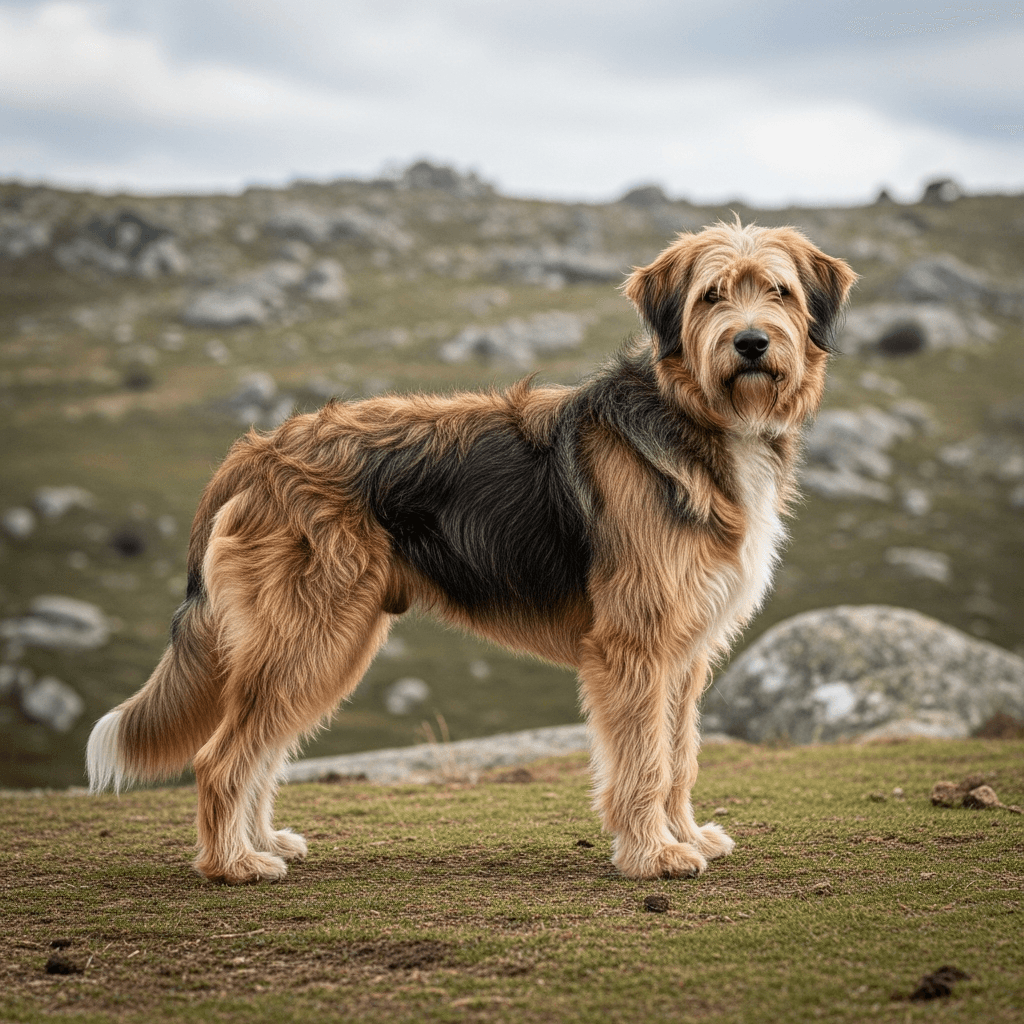
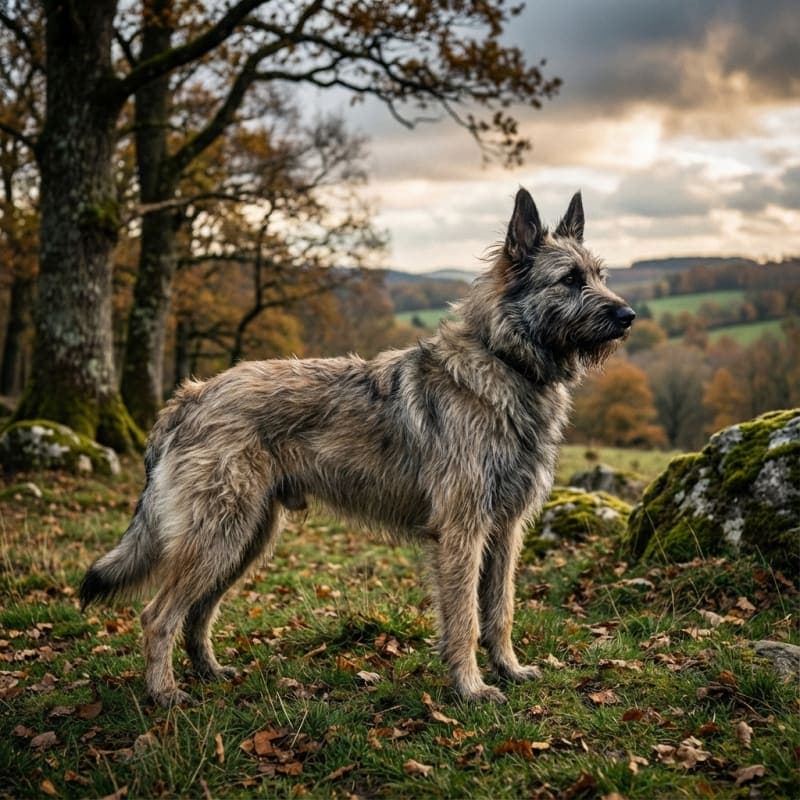
The appearance of the Bouvier des Flandres is impressive: their massive build and strong muscles give them a majestic look. Males reach a height of 62 to 68 cm, and their weight ranges from 35 to 40 kg. Females, slightly smaller, measure from 59 to 65 cm and weigh between 27 and 35 kg. Their coat is thick, coarse, and waterproof, which allows them to thrive in harsh weather conditions. The most commonly seen coat colors are gray or brindle, with a mix of black, but other colors such as black or blonde are also acceptable.
The history of this breed dates back to when shepherds and cattle traders bred them for herding tasks. During both World Wars, Bouvier des Flandres were used as service dogs. Nowadays, they have gained status as family dogs, which reflects their adaptive abilities and friendly disposition. Although they require proper treatment and training, their potential is enormous, making them indispensable companions both in everyday life and in various professions.
The Bouvier des Flandres is a dog with an impressive appearance, attracting attention with its solid build and distinctive coat. This breed is characterized by a strong, short, and compact body, which gives the impression of being powerful but not cumbersome.
Breed dimensions:
- Males: height 62-68 cm at the withers
- Females: height 59-65 cm at the withers
- Proportional body structure
The head of the Bouvier is massive, with a well-developed skull and a wide muzzle. The eyes are dark, slightly oval, giving the dog a sharp and intelligent expression. The ears, trimmed in a triangular shape, are set high and very mobile.
Characteristic coat:
- Dense, hard, and waterproof structure
- Excellent protection against various weather conditions
- Color: most often gray or brindled with a mix of black
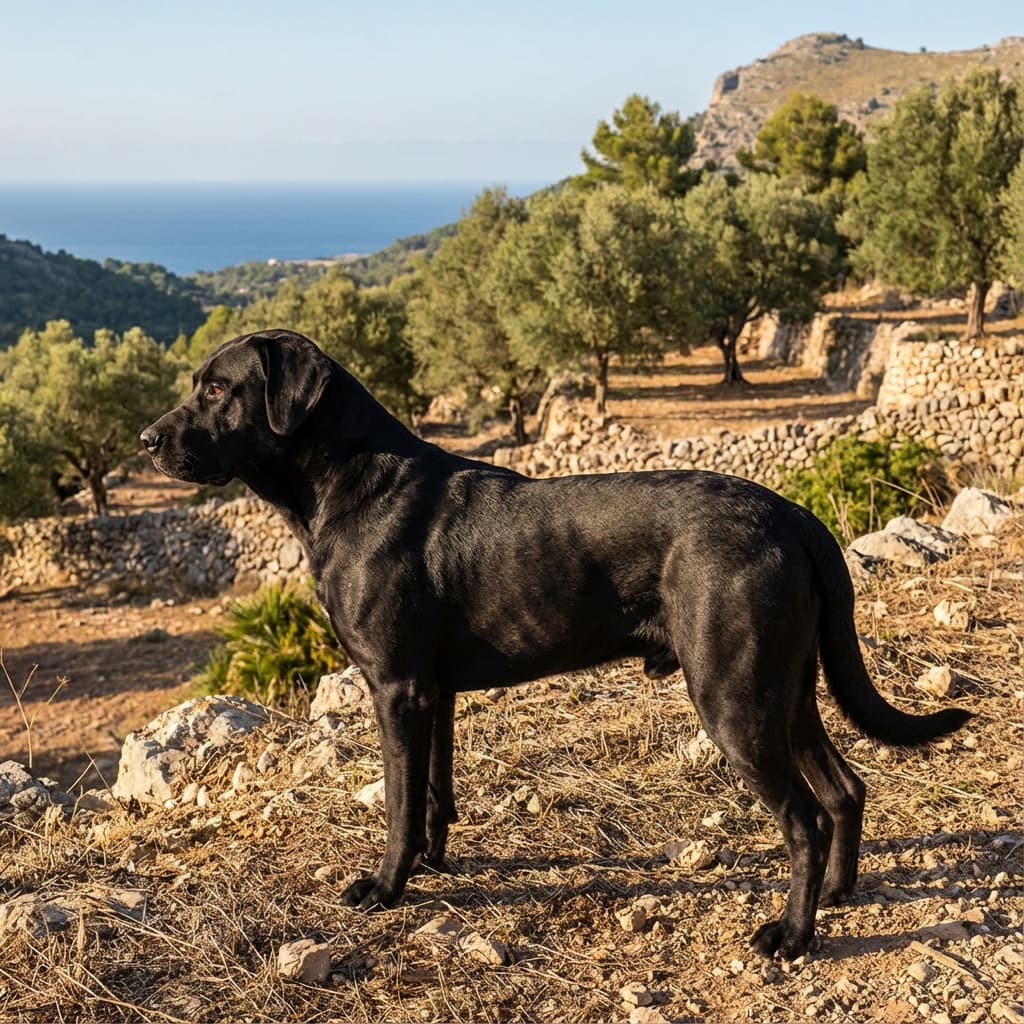
- Acceptable colors: black, blonde, and others
The Bouvier des Flandres has strong limbs that are well-muscled, providing excellent stability and endurance. Its tail, set high, is often docked, giving it a distinctive appearance. The Bouvier des Flandres is a dog that requires regular grooming to keep its coat in good condition and its appearance eye-catching. This breed is not only beautiful but also functional, making it an excellent companion.
The Bouvier des Flandres is a dog with a balanced character, possessing many positive behavioral traits. This breed is intelligent, loyal, and devoted to its family, making it an excellent companion for life. The Bouvier is a dog that needs closeness and interaction with people, which is why it does not cope well with long periods of solitude.
Temperament:
- Calm in everyday situations
- Brave in the face of danger
- Great guard dog
- Somewhat distrustful of strangers
- Rarely shows aggression
When it comes to strangers, the Bouvier des Flandres may be somewhat distrustful, but it rarely shows aggression. It gets along well with children, but due to its large weight and energy, caution should be exercised around small children. The Bouvier is not a very noisy dog, but it can alert the owner in case of danger.
This breed may have a tendency towards dominance, so it is important for the owner to be consistent in upbringing and training. A well-socialized Bouvier des Flandres can establish good relationships with other dogs, although it may sometimes try to herd them. Owners should remember that the Bouvier is a dog that needs plenty of exercise and mental activity to avoid behavioral problems.
In the right conditions, the Bouvier des Flandres becomes a wonderful, loving family companion that brings a lot of joy to life.
The Bouvier des Flandres is a breed that enjoys relatively good health; however, like any breed, it can be prone to certain conditions. The average lifespan of a Bouvier is between 10 to 12 years.
Typical health issues:
- Hip dysplasia
- Cataracts
- Entropion (inward rolling of the eyelid)
It is important to have regular veterinary check-ups to detect any potential health problems early. The Bouvier des Flandres is quite resilient, rarely showing pain and often hiding symptoms of illness, which makes careful observation particularly important.
Despite its sturdy build, this breed does not tolerate extreme temperatures well, both hot and cold, so it is worth adjusting living conditions to meet its needs. Due to its activity level, the Bouvier may sometimes tend to be overweight, so monitoring its diet and the amount of treats given is essential.
Proper nutrition and regular physical activity are crucial for maintaining the Bouvier's good health condition.
Grooming a Bouvier des Flandres is an essential element of caring for its health and well-being. This breed has a dense, double coat that requires regular brushing to remove dead hair and prevent matting.
Basic grooming:
- Brushing at least once a week
- More frequent brushing during shedding season
- Trimming the coat several times a year
- Optimal coat length: about 6 cm
During grooming, special attention should be paid to areas where the coat is longer, such as the beard and whiskers, which may require additional trimming. Regular baths are recommended only when necessary to avoid stripping the coat of its natural oils.
Note: After bathing, it is important to thoroughly dry the coat, especially during the cooler months, to prevent colds. Taking care of the skin and coat health of the Bouvier des Flandres contributes to its overall well-being.
The Bouvier des Flandres is a dog breed with high energy that requires a lot of physical activity to maintain health and well-being. It is ideally suited for long walks, running, and outdoor play.
Minimum requirements:
- At least 60-90 minutes of activity daily
- Long walks and runs
- Outdoor play
Recommended dog sports:
- Agility
- Obedience
- Frisbee
- Obedience training
It is extremely important to avoid boring the Bouvier, as this can lead to behavioral problems such as excessive barking or destroying items in the house. It is also beneficial to engage the Bouvier in various mental activities, which helps stimulate its intelligence.
Temperature considerations:
- Does not tolerate high temperatures
- Avoid intense exertion on hot days
- Thrives in cooler months
- Long walks in winter scenery are a pleasure
Regular physical activity is the key to a healthy and happy life for the Bouvier.
The training of the Bouvier des Flandres can be both rewarding and challenging. This breed is intelligent and learns new commands quickly, but due to its independence, it can also be stubborn.
Key training principles:
- Consistency in approach
- Patience and perseverance
- Positive reinforcement (rewards)
- Using treats, praise, and toys
The Bouvier des Flandres responds best to rewards such as treats, praise, or toys, making training enjoyable for both the dog and the owner. Early socialization is crucial for the Bouvier to learn proper behavior in various situations and among different people.
This breed can be somewhat wary of strangers, so it is important to acclimate the dog from a young age to:
- Various stimuli and sounds
- Contact with other animals
- Meetings with different people
- New environments and situations
In case of behavioral issues such as excessive dominance or fearfulness, it is advisable to consult a professional trainer to provide the Bouvier with appropriate support. Owners should remember that training is an ongoing process that requires time and commitment, but the results in the form of an obedient and balanced dog are undoubtedly rewarding.
Proper nutrition for the Bouvier des Flandres is crucial for its health and well-being. This breed has a tendency to gain weight, so it is important to provide the dog with high-quality food rich in protein and essential nutrients.
Principles of proper nutrition:
- Food tailored to size, age, and activity level
- Two to three meals a day for adult dogs
- Avoiding table scraps
- Constant access to fresh water
Typically, adult dogs of this breed should receive two to three meals a day to avoid developing gastrointestinal issues such as gastric torsion. Additionally, it is advisable to avoid giving the dog table scraps, which can be harmful to its health.
Weight monitoring:
- Regularly weighing the dog
- Adjusting the amount of food to the activity level
- Monitoring the number of treats
- Being vigilant against overfeeding
The Bouvier des Flandres is a dog that loves to eat, so it is important to be vigilant not to overfeed it, as this can lead to obesity and related health problems. If there are any doubts regarding diet and nutrition, it is advisable to consult a veterinarian who can help develop an appropriate feeding plan for our pet.
Characteristic Traits
Pros
- Intelligence and independence
- Excellent guarding abilities
- Versatility in work
- Friendly and loyal disposition.
Cons
- Requires intensive and consistent training
- Needs a lot of movement and activity
- Dense coat requires regular grooming.
Behavioral Ratings
Breed History
The Bouvier des Flandres has a rich and interesting history that dates back to the Middle Ages. This breed originates from the region of Flanders, which is now located in Belgium and France.
Original functions:
- Herding dog for driving cattle
- Draft dog for pulling carts
- Assistance in farm work
As agriculture modernized, the original functions of the Bouvier began to decline, and this dog gained new uses. During both World Wars, the Bouvier des Flandres was used as a service dog, and its tracking skills and defensive abilities were highly valued.
Key dates in the breed's history:
- 1912 - official recognition of the breed in Europe
- 2000 - publication of the current FCI standard
The Bouvier des Flandres is a breed that has stood the test of time, and its traits, such as intelligence, endurance, and loyalty, make it a popular choice as a family and guard dog. Today, the Bouvier des Flandres is appreciated not only in agriculture but also as a working dog, including in police and security services.