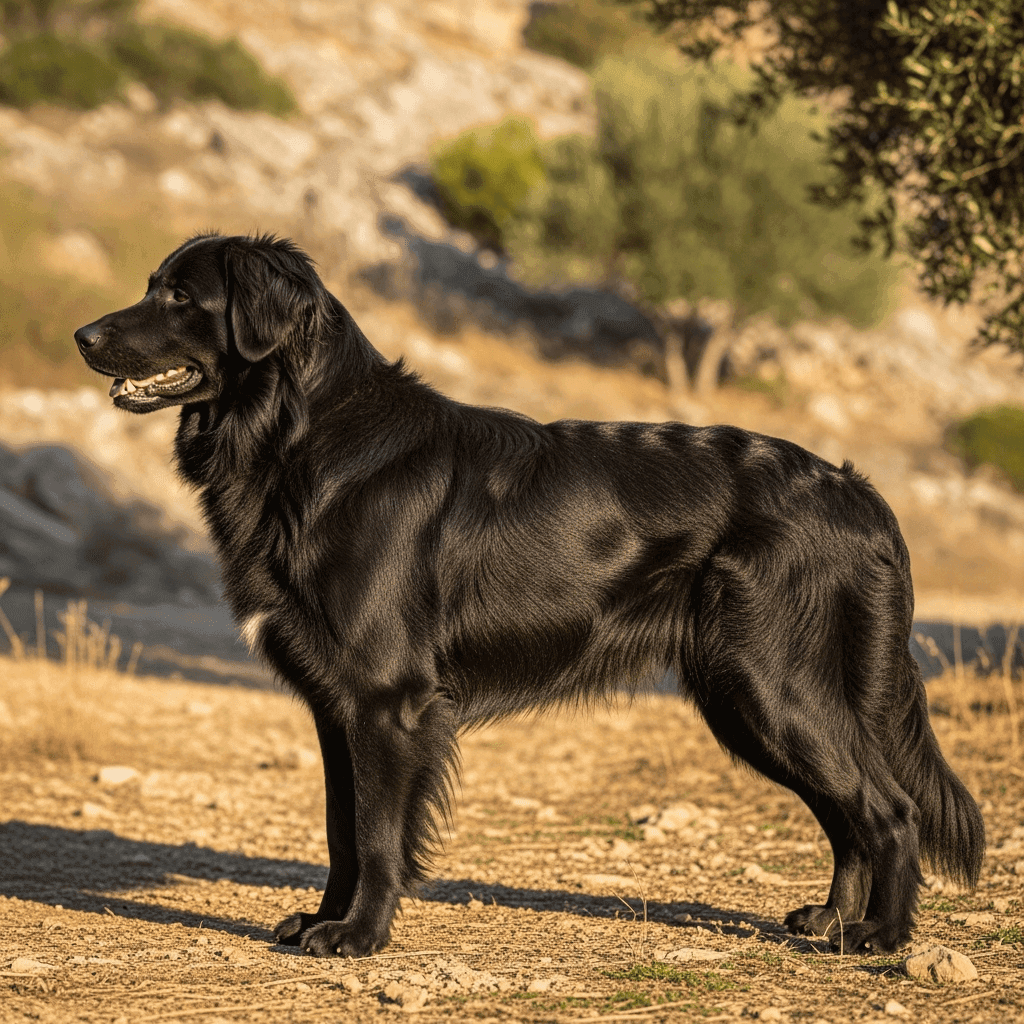
Long-haired Shepherd from Mallorca
FCI Group
1• FCI 321A
Size
Large
Origin Country
ES
Height
62-73 cm
Weight
30-50 kg
Lifespan
12-14 years
Temperament
Overview
The long-haired Majorca Shepherd, also known as Ca de Bestiar, is a fascinating breed of herding dogs originating from the picturesque island of Majorca in Spain. It was officially recognized by the FCI in 1982, highlighting its significance and growing popularity in the canine world. This impressive breed is characterized by a large yet harmonious stature and extraordinary physical and mental strength.
The intelligence and sharpness of mind of the Long-haired Majorca Shepherd make it not only a visually beautiful dog but also extremely functional in various tasks. Its ability to make independent decisions and learn quickly makes it an ideal working dog.
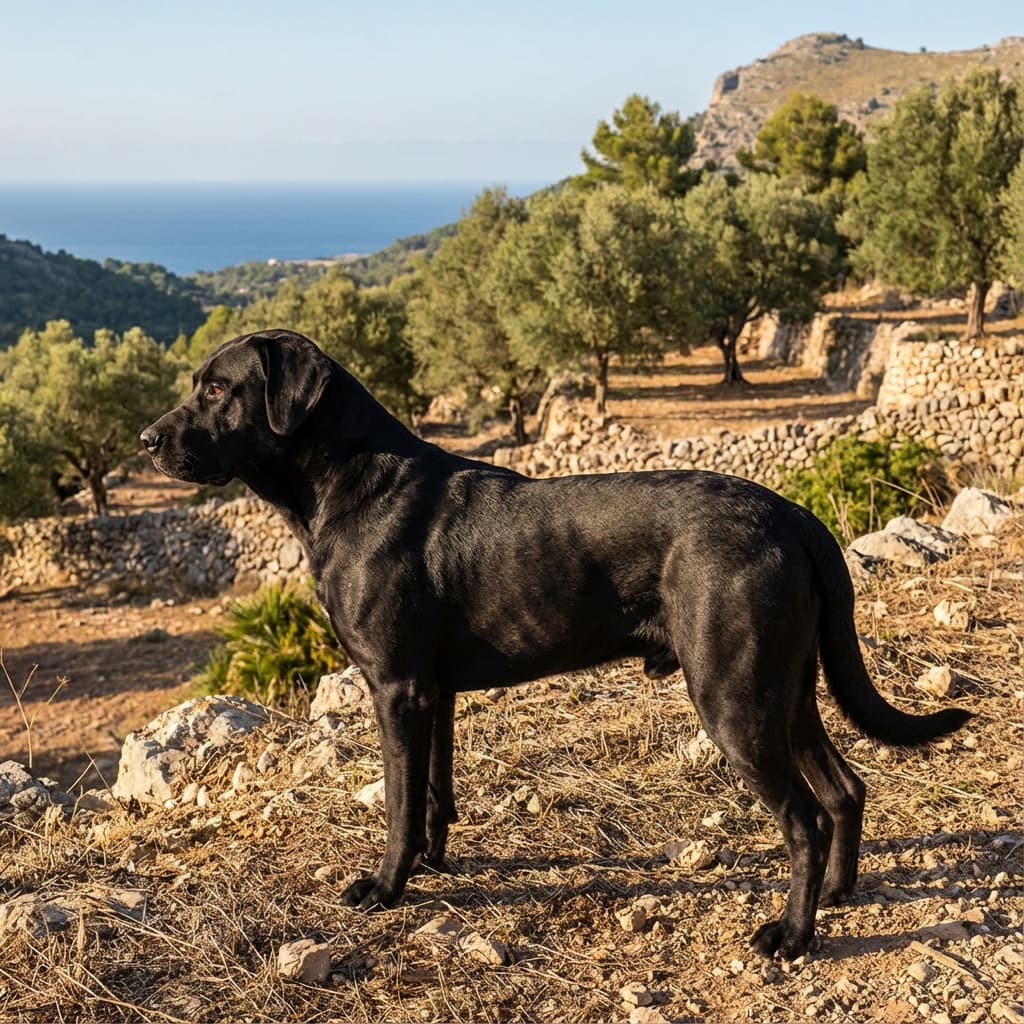
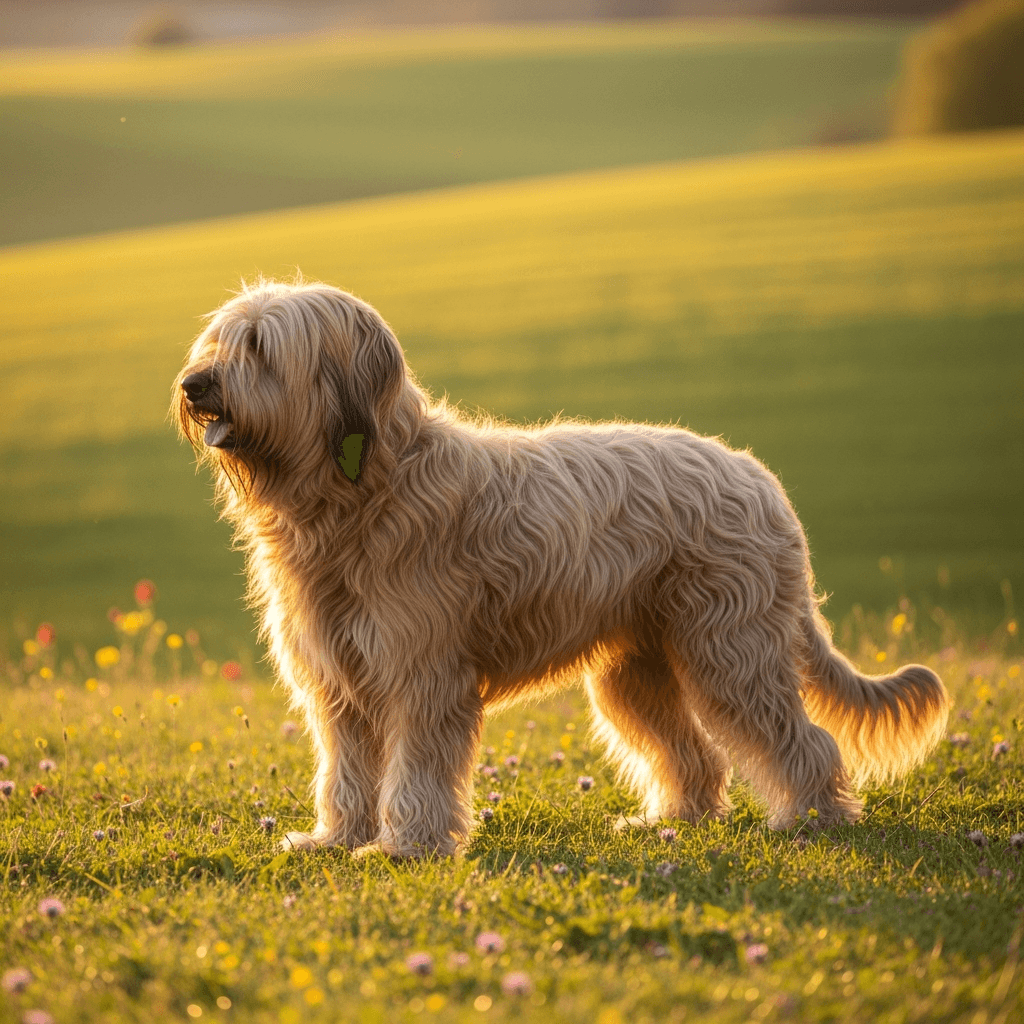
The appearance of this breed is extremely distinctive and recognizable. It typically has a black coat with clear white patches on the chest, giving it a unique and elegant look. In the long-haired variety, the fur is soft, shiny, and gently wavy, further emphasizing its exceptional elegance and nobility. This is a dog that not only catches the eye but also wins the hearts of all dog lovers.
The history of this breed is closely linked to work on farms and in households, where for centuries it has served as a herding and guarding dog. Its steadfastness, courage, and loyalty are legendary, making it an ideal companion for those in need of a reliable protector and helper. Its instinct for vigilance and strong defensive drive make it deeply devoted to its family and the territory it protects with remarkable determination.
The high intelligence of the long-haired Majorca Shepherd allows it to quickly acquire new skills and excel at various, often complex tasks. However, this requires appropriate, consistent training and early socialization from puppyhood, so that its natural talents and predispositions can be fully utilized and developed.
This is a dog that needs a confident, experienced, and consistent owner, who uses only positive training methods based on rewards and reinforcements. It is also worth emphasizing that the long-haired Majorca Shepherd has specific and high requirements regarding physical activity and mental stimulation. Regular, intense exercise is absolutely essential to ensure optimal health and mental well-being.
Although its strong, independent character may pose a challenge for inexperienced owners, for well-prepared and engaged owners, it will be an invaluable, loyal companion for many years. We encourage you to thoroughly familiarize yourself with the sections on health, grooming, training, nutrition, and the history of this extraordinary and fascinating breed.
The Majorcan Shepherd is a dog with an impressive, athletic appearance that immediately attracts attention with its strong, muscular, and proportional body structure. Adult males stand between 66 to 73 cm at the withers, while females are slightly smaller, measuring from 62 to 68 cm. The weight of adult individuals ranges from 30 to 50 kg, making them large and powerful dogs. Their silhouette is stocky, massive, and perfectly muscled, clearly highlighting their strength, endurance, and predisposition for hard work.
The head of the Majorcan Shepherd has a distinctive, slightly triangular shape, and the skull is wide and strong, giving the entire head an intelligent, confident, and determined expression. The eyes are medium-sized, elegantly almond-shaped, with colors ranging from honey to deep, dark brown. The gaze is attentive, penetrating, and full of intelligence.
The ears are triangular, floppy, and slightly protruding from the head, which further adds character to the dog and enhances its alert facial expression. The coat of the Majorcan Shepherd comes in two varieties – short or long – with the dominant color being primarily deep black with distinct white markings on the chest, sometimes also on the legs.
In the case of the long-haired variety, the hair may be slightly wavy and longer, especially on the tail, ears, and back parts of the legs, which adds extra charm and nobility to the dog. Regardless of the length, the coat is always smooth, hard, and perfectly adhering to the body, providing protection against weather conditions.
The tail is set at medium height, has a round cross-section, and is carried low at rest, while in motion it rises higher, emphasizing the strong build and balance of the body. The Majorcan Shepherd moves with natural grace, flexibility, and strength, making its movements both elegant and decisive, full of confidence.
The overall impression that this breed gives is one of strength, courage, resilience, and nobility, making the Majorcan Shepherd not only a wonderful working dog but also an extremely attractive and admired companion.
The Mallorcan Shepherd is a dog with a particularly strong, independent character, which requires its owner to have a high level of self-confidence, experience, and consistency in training and daily management. This breed is extremely intelligent, brave, loyal, and devoted, making it an excellent, reliable guardian and protector of its territory and family.
Mallorcan Shepherds are naturally distrustful and reserved towards strangers, which makes them excellent guard dogs, always alert and ready to defend. Their defensive and territorial instincts are very strong, which can lead to suspicious or even aggressive behavior towards intruders or unfamiliar people if the dog has not been properly trained and socialized from a young age.
Owners should invest a significant amount of time and effort in socializing their dog to teach it acceptance towards new people, animals, sounds, and various situations. Although they are independent and self-reliant in thinking, they can also form deep, strong emotional bonds with their families.
They often become particularly attached to one main caregiver, which makes them extremely loyal, devoted, and protective towards that person. Their temperament is generally balanced and stable, but they can also be very reactive and quick to act when they perceive their territory or family to be threatened.
Mallorcan Shepherds are also very active and full of energy, which means they require regular, intense stimulation both physically and mentally. They quickly become bored and frustrated, so it is crucial to provide them with a variety of activities, challenges, and tasks to perform.
Owners should be fully aware and prepared that the Mallorcan Shepherd may exhibit strong tendencies towards dominance, especially towards other dogs of the same sex, so it is advisable to introduce them to interactions with other animals gradually, under control and with appropriate supervision.
This breed is not the best choice for families with small children, as their strong, dominant character and high energy levels can lead to misunderstandings and potentially dangerous situations if the dog is not properly socialized, trained, and supervised.
Overall, the Mallorcan Shepherd is a dog with a distinct, determined temperament that absolutely requires an experienced, self-assured owner with strong leadership, but in return offers devotion, loyalty, courage, and protection that are absolutely unmatched and invaluable.
The Mallorcan Shepherd is a breed of dogs that generally enjoys good, stable health and resilience. The average lifespan of this breed ranges from 12 to 14 years, which is a very favorable result compared to many other large dog breeds. Thanks to its strong, natural body structure and functionality-focused selection, the Mallorcan Shepherd is resistant to many common health issues affecting other breeds.
However, as with any breed, there may be certain predispositions to specific conditions that owners should pay particular attention to. The most common include hip and elbow dysplasia, which is a problem affecting many large dog breeds with a strong build. Regular orthopedic examinations and weight management can significantly reduce the risk of developing this condition.
Moreover, due to their very active lifestyle and deep chest, gastrointestinal issues may occur, such as stomach bloating or gastric torsion, which are emergencies requiring immediate veterinary intervention. Owners should feed their dogs smaller portions several times a day and avoid intense activity immediately after meals.
Owners should also be aware of ear infections, which are quite common in medium-sized dogs with droopy ears, such as the Ca de Bestiar. Regular check-ups and ear cleaning can prevent the development of bacterial and fungal infections.
Regular health checks with a trusted veterinarian, an appropriate, balanced diet, and daily, intense physical activity are absolutely crucial for maintaining the Mallorcan Shepherd's health at the highest level throughout its life. Taking care of their excellent physical condition and appropriate body weight will help effectively minimize the risk of obesity, which can lead to a whole range of further serious health problems.
Owners should also be particularly aware that dogs with dark, black coats, such as the Mallorcan Shepherd, may be significantly more susceptible to overheating and heatstroke on hot, sunny days. Therefore, it is essential to avoid excessive exposure to high temperatures, ensure constant access to shade and fresh water, and limit intense activity during hot hours.
Overall, the Mallorcan Shepherd is a relatively healthy and resilient breed, but it requires proper, regular care, attention, and a proactive approach from its responsible and engaged owners.
The Mallorcan Shepherd is characterized by moderate grooming requirements, which are well-suited to its active lifestyle and working dog functions. This breed comes in two coat varieties – short or long – and its grooming differs slightly depending on the hair length.
For dogs with long hair, it is recommended to brush regularly at least two to three times a week to effectively remove dead hair, dust, and prevent the formation of troublesome mats and tangles, especially in areas with longer hair, such as the ears, tail, and hind legs. Brushing not only keeps the coat in excellent condition but also stimulates the skin and improves blood circulation.
For the short-haired variety, brushing once a week is sufficient to keep the fur in perfect condition and give it a natural, healthy shine. It is also important to regularly pay special attention to cleaning the ears, as Mallorcan Shepherds, due to their ear structure, can be prone to ear infections, especially after baths or swimming.
Regularly checking the ears – at least once a week – and gently cleaning them with a damp, clean cloth or a special ear cleaning solution will help keep them clean and prevent the development of bacteria and fungi. Baths should not be performed too often, as this can lead to the drying out of natural skin oils and skin irritation.
A bath should only be given when truly necessary, for example, after returning from intense outdoor activities when the dog is heavily soiled or dirty. It is recommended to use mild, dog-specific shampoos that do not disrupt the natural protective barrier of the skin.
It is also worth regularly paying attention to nail trimming, especially for less active dogs or those mainly moving on soft surfaces, to ensure their proper condition, walking comfort, and to prevent joint and posture problems. Nails should be trimmed every 3-4 weeks or as needed.
The Mallorcan Shepherd is a dog that naturally takes care of the cleanliness of its coat thanks to the production of natural oils that protect the fur and skin from moisture and dirt. Therefore, with proper, systematic grooming, this breed will be healthy, comfortable, and very visually appealing.
Owners should be fully aware that regular, thoughtful grooming is absolutely crucial not only for their pet's comfort and health but also for maintaining the excellent appearance of the coat, skin, and the overall well-being and hygiene of the dog.
The Mallorcan Shepherd is a dog that has very high, demanding physical activity and mental stimulation needs. This breed was created and has been selectively bred for centuries specifically for hard work on farms and estates, where it had to be able to perform various, often demanding tasks such as guarding and herding sheep, protecting property, and defending territory against intruders and predators.
Therefore, to ensure these dogs have optimal physical and mental health and well-being, it is absolutely essential to provide them with daily, ample portions of intense exercise and activity. It is recommended that the Mallorcan Shepherd has at least one and a half to two hours of intense physical activity every day, divided into several sessions.
This can include long, vigorous walks, running in the field, intense games of fetch with a ball or frisbee, obedience training, agility, or other forms of dog sports that allow the dog to fully utilize its immense energy and innate desire to work. Additionally, these shepherds love to explore new areas, sniff around, and patrol, so long, varied walks in diverse, interesting locations such as parks, forests, fields, or mountainous terrains are ideal.
It is extremely important not to confine these dogs solely to being indoors or in small, restricted spaces, as this can quickly lead to boredom, frustration, stress, and a range of behavioral problems such as destructive behaviors, excessive barking, or aggression.
The Mallorcan Shepherd is a dog that needs not only intense physical activity but also regular, challenging mental stimulation. Owners should actively engage their dogs in various intelligence games, strategic play, and cognitive exercises that effectively stimulate their sharpness and intelligence.
This can be done through teaching new, advanced tricks and commands, playing hide-and-seek with hidden objects or treats (nosework), and regularly participating in obedience classes, agility training, rally obedience, or other dog sports that require cooperation between the dog and handler.
Regular, daily physical activity and systematic mental stimulation are absolutely crucial for maintaining the full physical and mental health, excellent well-being of the Mallorcan Shepherd, as well as for effectively preventing serious behavioral and emotional problems that often arise from chronic lack of adequate exercise, boredom, and unutilized energy.
The Majorcan Shepherd training can be a serious challenge even for experienced owners, due to its exceptionally strong, independent character and natural tendency towards dominance and making decisions on its own. This breed is extremely intelligent, sharp, and quick-witted, which allows it to learn new commands and skills very quickly, but at the same time, it can be quite stubborn, independent, and prone to questioning authority.
Owners should be absolutely confident, consistent, and decisive in their approach to training and daily management of the dog. The best results will be achieved by those who have extensive experience working with herding, guarding, or other strong, independent breeds that require firm but fair leadership.
It is absolutely crucial to use only positive training methods based on rewards, positive reinforcements, and building motivation that encourages the dog to learn and cooperate through treats, praise, play, and other forms of positive reinforcement. The Majorcan Shepherd does not respond well to aggressive methods, coercion, punishment, or physical corrections, which can quickly lead to strong resistance, loss of trust, behavioral problems, and even defensive aggression.
It is worth starting training as early as possible, from 8-10 weeks of the puppy's age, beginning with basic obedience commands such as Sit, Lie Down, Stay, Come, Leave It, and then gradually moving on to more advanced commands and tasks that require greater concentration and self-control.
Regular training sessions that are short (10-15 minutes), intense, and maximally varied will help effectively maintain the dog's attention, prevent boredom, and make learning a pleasure rather than a chore or stress. It is also very important to end each training session on a positive note when the dog has performed something well.
Moreover, early and intensive socialization is absolutely critical and essential for this breed. Owners should actively and regularly seek to expose their young dog to as many diverse life situations as possible, such as controlled meetings with other friendly animals, people of different ages, children, as well as various sounds, environments, and surroundings.
This is fundamental for helping the dog adapt to life in society and preventing the development of undesirable behaviors such as excessive distrust, fear, or aggression towards unfamiliar people or animals. Socialization should be conducted systematically and positively, without forcing the dog into situations that cause strong stress or anxiety.
Regular, systematic training and deep, multifaceted socialization are absolutely key to ensuring that the Majorcan Shepherd will be well-adjusted, emotionally balanced, confident, and safe in family life, and will not exhibit undesirable, aggressive, or anxious behaviors towards strangers or animals.
The diet of the Majorcan Shepherd should be very carefully balanced and appropriately composed to provide sufficient energy, nutrients, and calories to support its daily, intense activities and maintain excellent physical condition. As a breed with a large, strong body structure and a very high level of energy and activity, these dogs require a diet particularly rich in high-quality animal protein and healthy fats.
Owners should choose only high-quality premium or super-premium foods that are specially tailored to the needs of active, working, or sporting dogs. The food should primarily contain natural, easily digestible ingredients such as meat, fish, vegetables, and fruits, while definitely avoiding artificial additives, preservatives, colorings, and cheap fillers like grains or by-products.
It is also worth paying very close attention to the amount of calories provided in the diet and regularly monitoring the dog's weight and condition to effectively prevent obesity, which can lead to serious health problems in the future, including joint dysplasia, heart disease, or diabetes.
Typically, adult Majorcan Shepherds require one large daily portion of food, which is strongly recommended to be divided into two smaller meals – one in the morning and one in the evening – to minimize the risk of dangerous gastric bloat or torsion, which is a serious life-threatening condition.
Owners should also ensure constant access to fresh, clean water throughout the day and night to maintain proper hydration, especially after intense physical activity or on hot days. Additionally, healthy, natural treats such as dried meat, vegetables, or fruits can be cautiously introduced into the diet, but they should make up no more than 10% of the daily caloric intake.
Treats should be healthy, low-calorie, and natural to avoid negatively impacting the dog's overall energy balance and leading to overweight. Feeding the dog leftovers from the table, sweets, chocolate, onions, garlic, and other harmful products for dogs should be strictly avoided.
Regular veterinary check-ups, including assessments of weight, condition, and overall health, will allow for ongoing monitoring of the Majorcan Shepherd's health condition and appropriate, flexible adjustments to the diet based on its individual, changing needs, age, activity level, and any potential health issues.
Overall, a well-balanced, high-quality diet, precisely tailored to the level of physical activity, age, and health status of the dog, is absolutely crucial for its long-term health, excellent physical condition, proper functioning of the body, and overall well-being and quality of life.
Characteristic Traits
Pros
- High intelligence and sharpness
- Reliable defender and guardian
- Elegant and noble appearance
- Deep bond and loyalty to the owner
- Endurance and physical strength.
Cons
- Requires an experienced owner
- Strong character and tendency to dominate
- Very high physical activity needs
- Distrustful of strangers
- Not suitable for families with small children.
Behavioral Ratings
Breed History
The Majorca Shepherd, also known as Ca de Bestiar (which in Catalan means cattle dog), has a long, rich, and fascinating history dating back to the 13th century. This breed was most likely introduced to the picturesque island of Majorca by James I of Aragon, the famous king who arrived on the island in 1229 to conquer it and annex it to the Kingdom of Aragon.
Initially, Ca de Bestiar was used almost exclusively as a herding and working dog, assisting local farmers and shepherds in the daily management of flocks of sheep, goats, and other livestock that grazed freely on the rocky, mountainous terrain of the island. Thanks to its exceptional intelligence, independence, strong herding and guarding instincts, and remarkable endurance, this breed quickly gained immense recognition as an indispensable helper to farmers and shepherds.
As the centuries passed, the Majorca Shepherd also became extremely popular as a guard and protective dog, safeguarding farms, homes, and properties from intruders, predators, and thieves. Its alertness, courage, and unwavering loyalty to its owner and territory made it an ideal guardian.
This breed remained relatively unknown and unpopular outside its native region for many centuries, functioning mainly as a local working dog in the Balearics. The first official breed standard was developed only in the 1980s when Spanish cynologists and breeders undertook systematic efforts to preserve and promote this unique, indigenous breed.
In 2006, the breed was officially recognized by the UK Kennel Club and entered into the prestigious category of herding dogs, significantly increasing its international recognition and prestige. It is worth noting that the Majorca Shepherd is rarely kept as a typical companion dog, as its natural predispositions, strong working drives, and very demanding character make it best suited for an actively working role.
This breed is still actively used for work on farms, ranches, and agricultural holdings in the Balearics and mainland Spain, as well as as a guard and protective dog in places where effective property and safety protection is needed. The Majorca Shepherd is a true symbol of the culture, traditions, and heritage of Majorca, and its history is inextricably and deeply linked to the life, work, and traditions of the inhabitants of this beautiful, sunny island.
Modern Majorca Shepherds are valued not only for their exceptional working skills, such as herding, guarding, and protection, but also for their absolute loyalty, unwavering courage, and deep devotion to their owners, making them excellent, reliable companions for many years for appropriately experienced and dedicated caretakers.