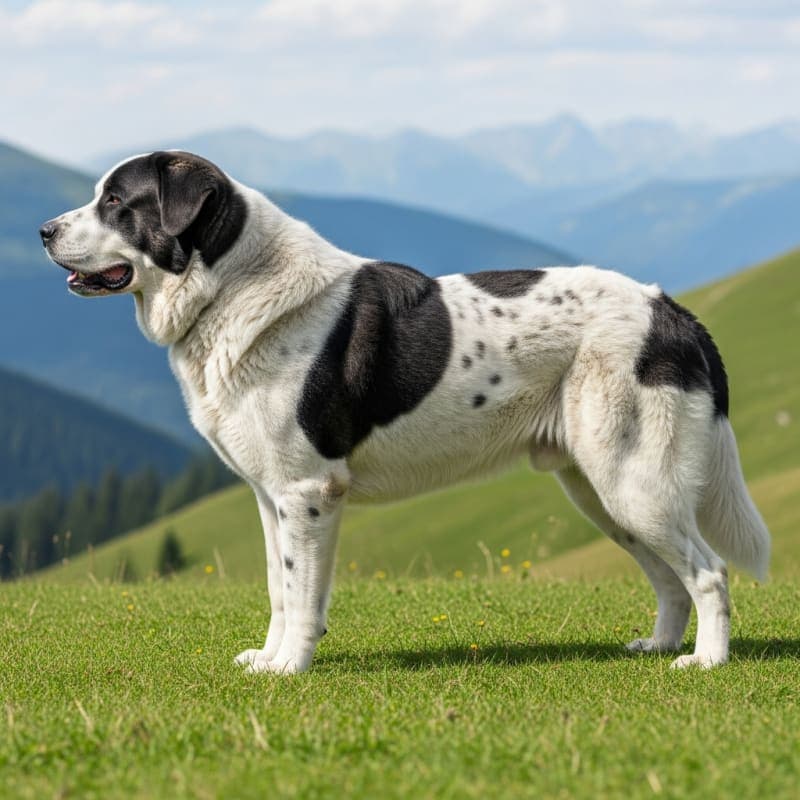
Romanian Bucovina Shepherd Dog
FCI Group
2• FCI 357
Size
Large
Origin Country
XX
Height
64-78 cm
Weight
30-45 kg
Lifespan
10-12 years
Temperament
Overview
The Ciobanesc Românesc de Bucovina, also known as the Bucovina Shepherd Dog, is a unique pastoral breed whose roots trace back to the Carpathian region of Romania. For ages, these impressive, majestic guardians have accompanied shepherds in Bukovina, effectively protecting flocks from predators such as bears, wolves, and lynxes. Their courage, loyalty, and reliability have made them not only valuable working dogs but also faithful companions to families living in this mountainous region.
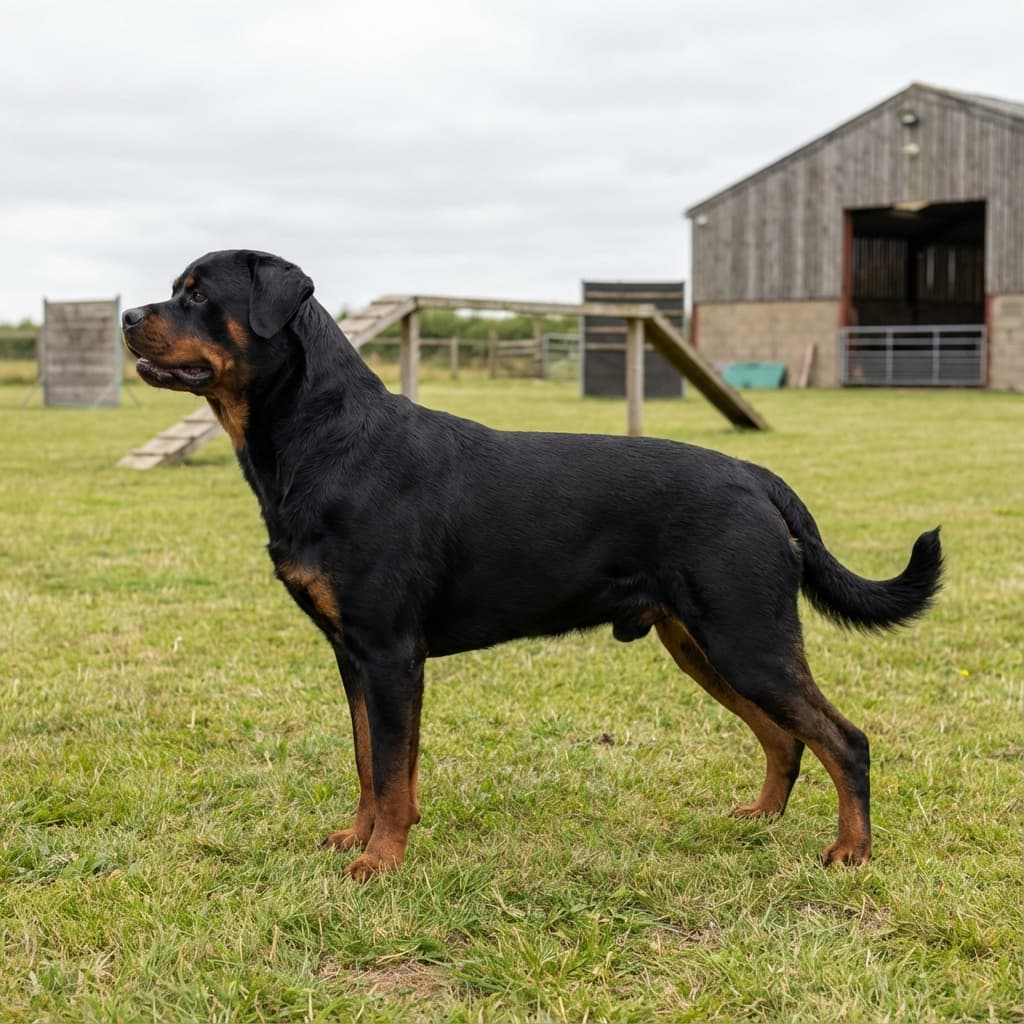
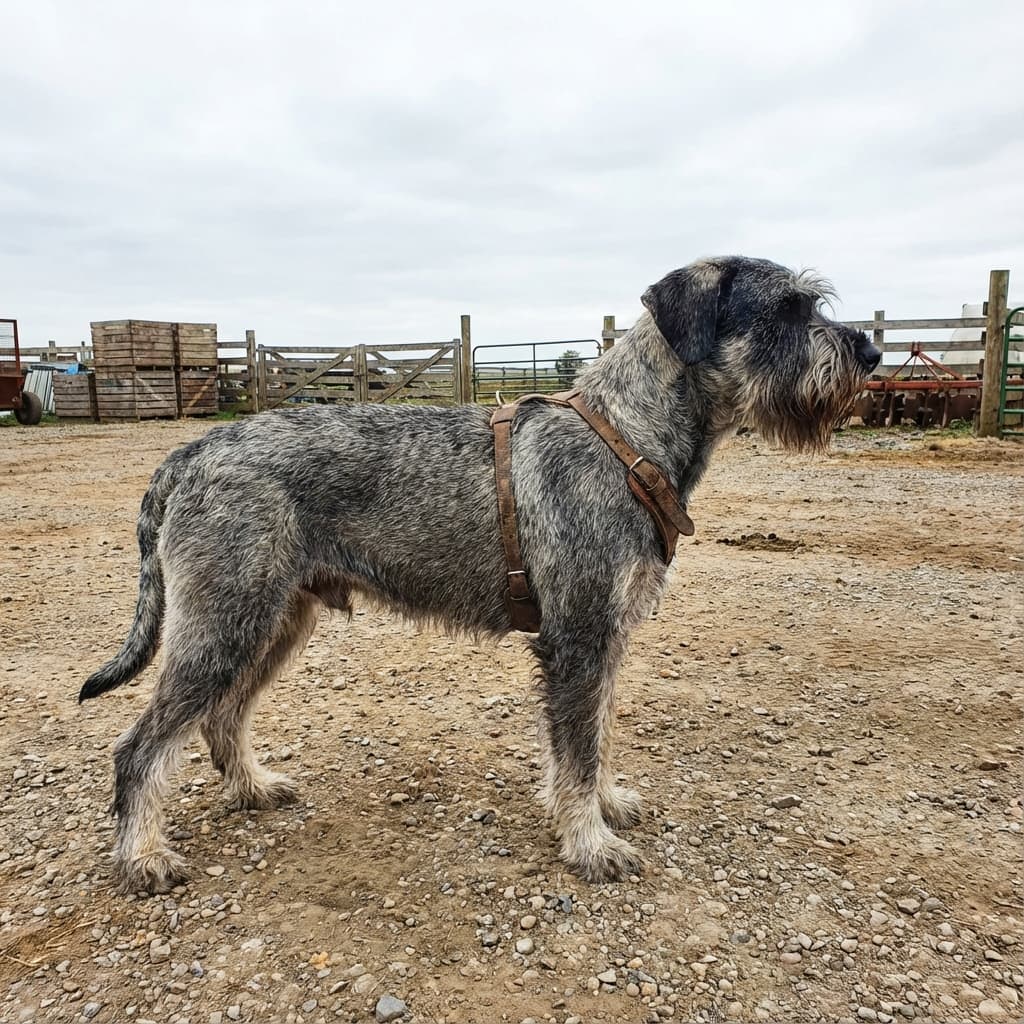
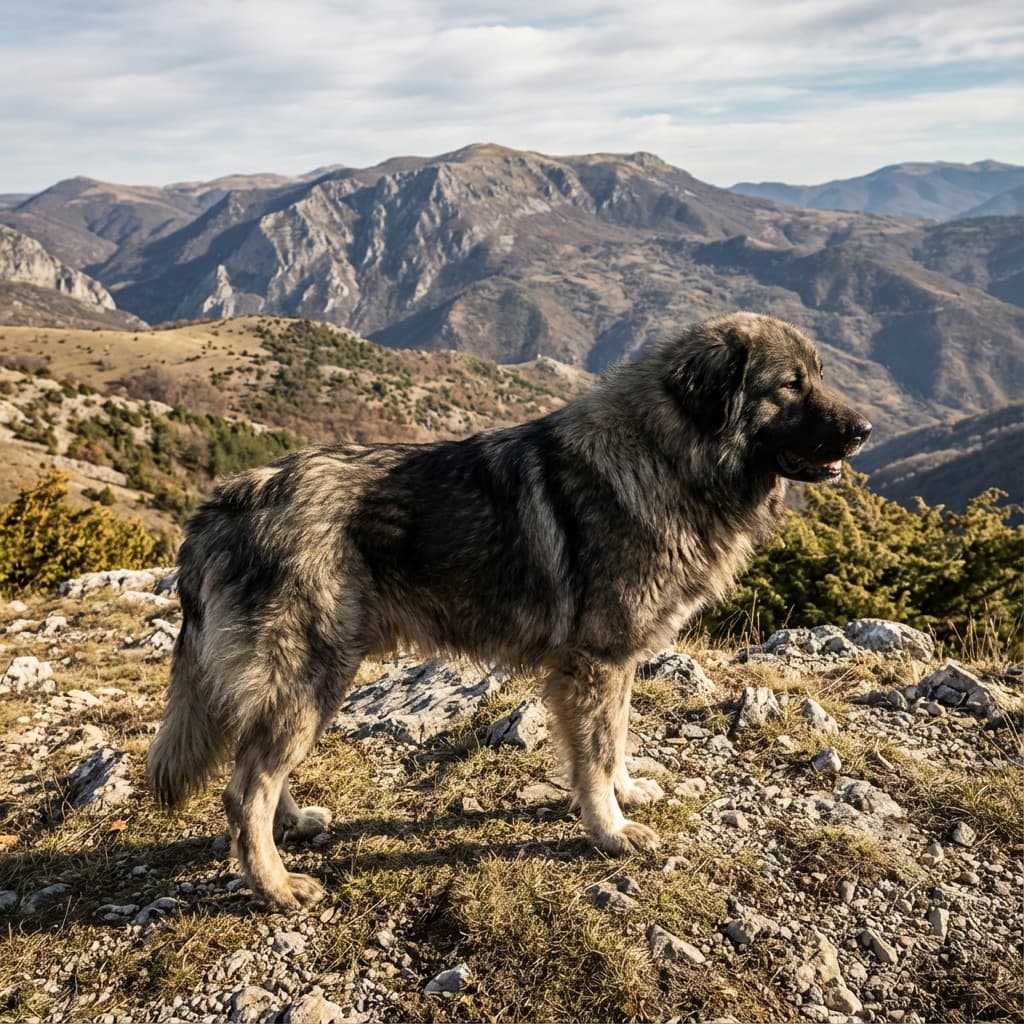
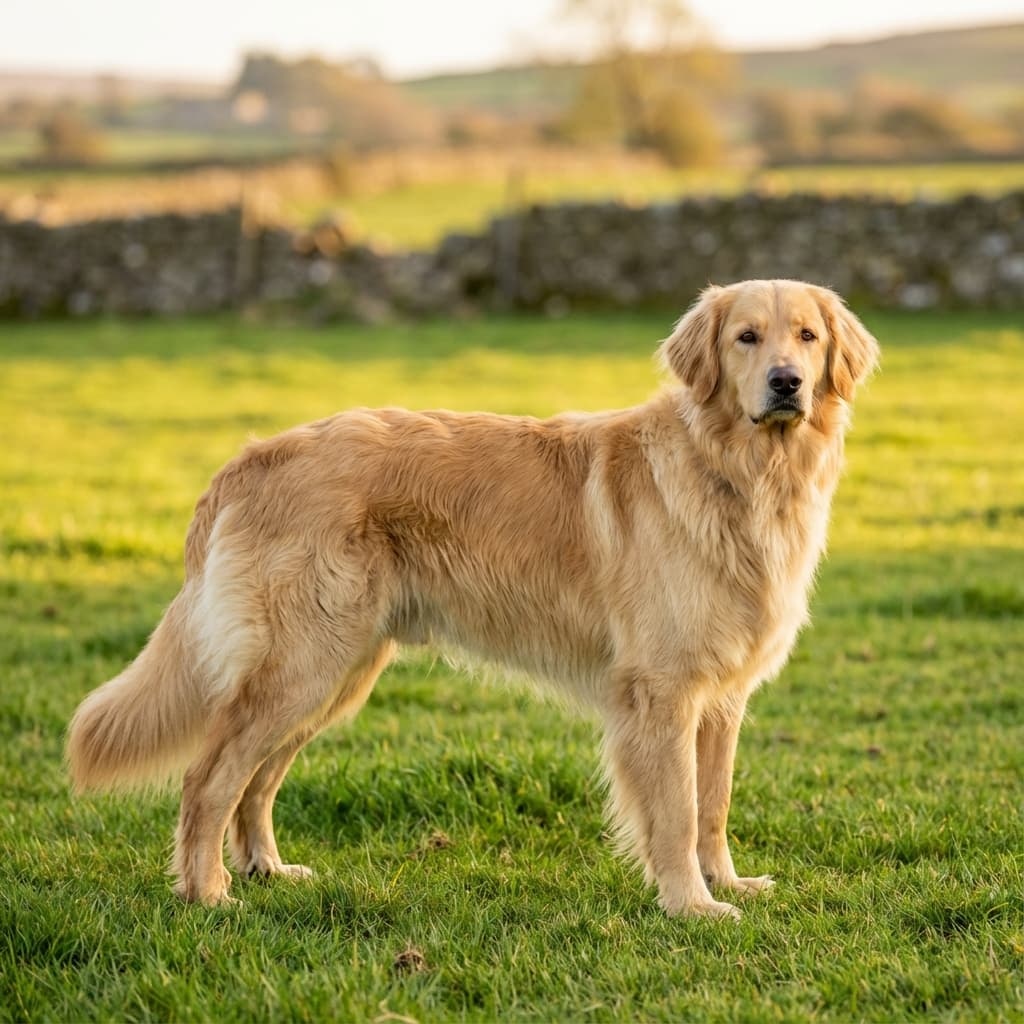
The distinctive appearance of this breed attracts the attention of every dog lover. The Ciobanesc Românesc de Bucovina is a large dog with a solid, muscular build. It has a massive, yet not heavy, head with a moderately wide skull and a strong muzzle, giving it a dignified look. Its V-shaped ears and dense, rough coat further emphasize its majestic stature. The coat color of this breed is diverse – ranging from white, through beige, to gray-black combinations, making each representative of this breed unique.
It is worth noting that the Ciobanesc Românesc de Bucovina stands out for its high intelligence and quick learning ability. However, its strong, independent character requires consistent, confident guidance. Training should be based on positive reinforcement, which will allow the full potential of this breed to be realized. With its balanced temperament, the Ciobanesc excels both in pastoral work and as a family dog, being a gentle and patient companion for children.
In terms of health, the Ciobanesc Românesc de Bucovina is a relatively resilient breed, although like all large dogs, it may be prone to hip and elbow dysplasia. Regular veterinary visits, a proper diet rich in nutrients, and physical activity are crucial for maintaining its health and condition. Grooming primarily involves regular brushing of the dense coat, care for ear and dental hygiene, and nail control.
In summary, the Ciobanesc Românesc de Bucovina is a wonderful breed that combines defensive and pastoral traits with friendliness towards family. Its fascinating history, rooted in the Romanian Carpathians, and unique appearance make it an extremely interesting dog for both experienced breeders and working breed enthusiasts. We encourage you to explore the complete guide to discover all aspects of this impressive breed from Bukovina.
The appearance of the Ciobănesc Românesc de Bucovina is impressive and distinctive. It is a large dog with a majestic, dignified stance and a strong, muscular build. According to the FCI standard, the height at the withers ranges from 68 to 78 cm for males and from 64 to 72 cm for females, making it one of the larger pastoral breeds. The body length is slightly greater than the height at the withers, giving the silhouette a proportional appearance.
The head of the Ciobănesc is massive but not heavy, carried slightly higher than the line of the back. The skull is moderately wide and slightly domed, with the length of the skull equal to the length of the muzzle. The muzzle is strong and well-developed. The ears are set relatively high, shaped like a V, and hang down along the cheeks. The eyes are medium-sized, almond-shaped, usually dark brown, expressing intelligence and alertness.
The coat of the Ciobănesc Românesc de Bucovina is thick, rough, and abundant, providing excellent protection against the harsh weather conditions found in the mountains. The undercoat is also dense and soft. The length of the outer coat is medium, although it may be slightly longer on the neck, shoulders, and tail, forming a characteristic mane.
The coloration is diverse, but the most commonly seen combinations are:
- White with beige, gray, or black patches
- Beige with gray and black markings
- Gray-black combinations
The tail is set at medium height, resting naturally, and during movement, it raises to the level of the back or slightly higher, but it never curls over the back. The limbs are strong, straight, and well-muscled, indicating the dog's strength and endurance. The movements are harmonious, flexible, and free – typical of a pastoral dog accustomed to patrolling vast mountainous areas. The Ciobănesc Românesc de Bucovina is a dog that attracts attention with its silhouette, dignity, and presence, while also being an excellent guardian and a beautiful companion.
The Ciobanesc Românesc de Bucovina is characterized by a balanced, calm, and loyal temperament. It is a dog with a strong character, brave and alert, making it an excellent guardian for both the herd and the home. Its most distinctive feature is its deep loyalty to the family and extraordinary patience and gentleness in interactions with children. This makes the Ciobanesc an ideal companion for families looking for a reliable and caring dog.
Despite its strength and defensive potential, the Ciobanesc Românesc de Bucovina is also a sensitive dog that needs close contact with its owner and family members. This breed exhibits a strong territorial and protective instinct, which means it may be reserved and even distrustful of strangers and other animals. When it notices an approaching intruder, its barking is very loud, with a low, deep tone – intended to deter potential attackers. At night, the Ciobanesc naturally patrols the area around the house or herd, serving as a vigilant guardian.
In relation to family members, the Ciobanesc is friendly, gentle, and calm. It handles various situations well but requires proper early socialization to avoid behavioral problems arising from excessive suspicion of strangers. Its intelligence and natural willingness to cooperate make it an excellent partner in various activities, both in herding work and family play.
Owners should be aware that a lack of proper physical activity and mental stimulation can lead to behavioral problems such as:
- Excessive alertness and barking
- Destructive behavior due to boredom
- Difficulties in controlling territorial instincts
Properly meeting the physical and mental needs is crucial for the overall well-being of the Ciobanesc Românesc de Bucovina. Its presence in the family life brings much joy, satisfaction, and a sense of security, provided it receives the appropriate attention, training, and activity.
The Ciobanesc Românesc de Bucovina is a relatively healthy and resilient breed, owing to its origins in mountainous regions where natural selection favored strong and durable individuals. Despite its solid build and endurance, like all large pastoral breeds, it can be prone to certain health issues that owners should be aware of.
The most common health problems include:
- Hip Dysplasia (HD) – a genetic condition leading to improper development of the hip joint, which can cause pain, limping, and limited movement
- Elbow Dysplasia (ED) – a similar condition affecting the elbow joints, often seen in large breed dogs
- Skin Problems – the dense coat can promote skin infections if not properly maintained
- Obesity – without adequate exercise and diet control, dogs of this breed may tend to gain weight
Regular veterinary visits are crucial for early detection of potential health problems. Periodic check-ups, especially concerning the joints, are recommended to diagnose dysplasia at an early stage. Proper skin and coat care is also important – the dense, rough coat of the Ciobanesc requires regular brushing to avoid skin issues, irritations, and infections.
Owners should also pay attention to oral hygiene of their dog to prevent dental and gum diseases that can lead to more serious health problems. A proper diet, tailored to the dog's age, weight, and activity level, is key to maintaining its health. High-quality food for large breeds with appropriate levels of protein, fats, and nutrients will help maintain a healthy weight and prevent obesity.
Ensuring the dog gets an adequate amount of exercise is essential not only for its physical condition but also for its mental health. Physical activity strengthens muscles and joints, improves circulation, and positively affects overall health. Owners should remember that the Ciobanesc Românesc de Bucovina is an active breed that needs daily walks, playtime, and tasks to stay healthy and happy.
Grooming the Ciobanesc Românesc de Bucovina is a key element in caring for its health and appearance. This breed has a thick, coarse, and abundant coat with a dense undercoat, which requires regular and systematic grooming to keep the coat in good condition and to prevent matting and skin problems.
The basic grooming tasks include:
- Brushing – it is recommended to brush at least once a week using stiff-bristled brushes or combs that effectively remove dead hair and detangle the coat. During the shedding period, which occurs twice a year (in spring and autumn), brushing should be much more frequent, preferably daily, to minimize the amount of hair falling in the house and to prevent matting.
- Bathing – should be done only when necessary, usually a few times a year, to avoid removing the natural skin oils that protect the coat and skin. A shampoo designed for dogs with thick fur should be used.
- Ear inspection – ears should be regularly checked and cleaned to prevent infections, especially in dogs that spend a lot of time outdoors.
- Oral hygiene – teeth should be regularly checked and cleaned to prevent gum disease and tartar buildup. Dog toothbrushes and toothpaste or dedicated cleaning treats can be used.
- Nail trimming – regular checking and trimming of nails is important to avoid overgrowth, which can lead to discomfort, pain, and mobility issues.
It is worth remembering that the Ciobanesc Românesc de Bucovina is a dog that often spends time outdoors, especially if it serves as a herding or guarding dog. Therefore, regularly checking the coat for ticks, fleas, and other parasites is essential, especially in the spring and summer seasons. Appropriate protective products recommended by a veterinarian should be used.
Proper grooming not only affects the dog's physical health but also its well-being and comfort. Regular grooming sessions are also an excellent opportunity to strengthen the bond with the dog and to check for any concerning changes in the skin, body, or behavior of the animal.
The Bucovina Shepherd Dog has high exercise needs, making it an ideal partner for active owners who lead a dynamic lifestyle. This breed was developed for hard herding work in challenging mountain conditions, so it requires a large amount of physical activity and tasks to be performed daily to remain healthy, happy, and mentally balanced.
It is ideally suited for work on a farm or in a homestead, where it can fulfill its natural role as a herding dog, guarding the flock or territory. However, even as a companion dog, the Bucovina requires regular, long walks in diverse terrain – preferably in forests, fields, or mountains, where it can move freely and explore its surroundings.
Recommended forms of physical activity include:
- Long walks – a minimum of 60-90 minutes daily, divided into several sessions
- Free running – the opportunity to run in a fenced area or a safe place
- Herding work – if possible, this satisfies the breed's natural instincts
- Obedience training – helps with mental stimulation and strengthening the bond with the owner
- Dog sports – such as obedience, agility, rally obedience, or scent training
A lack of adequate physical activity can lead to serious behavioral problems, including:
- Excessive alertness and barking
- Destructive behavior (destroying furniture, digging)
- Frustration and aggression
- Concentration problems during training
The Bucovina Shepherd Dog is also a dog that enjoys intellectual challenges, so it is worth introducing various mental games, such as searching for treats, scent training, performing tricks, or solving interactive toys. These forms of activity help stimulate the dog's mind and prevent boredom.
Properly meeting the physical and mental needs is absolutely crucial for the overall well-being of the Bucovina Shepherd Dog. A dog of this breed that receives the right amount of exercise, tasks, and attention will be a balanced, happy, and loyal companion for many years.
The Bucovina Shepherd Dog training should be consistent, patient, and based on positive reinforcement. This breed is intelligent and quickly learns new commands and tricks, making it relatively easy for them to grasp basic commands. However, due to their strong, independent character and natural guarding instincts, the Shepherd needs a confident, experienced handler who can establish clear rules and boundaries from the very first days.
Key training principles for the Shepherd:
- Early socialization – puppies should be exposed to a variety of stimuli, people, animals, and situations to develop confidence and learn appropriate behavior in different contexts
- Positive reinforcement – rewarding good behavior (treats, praise, play) is much more effective than methods based on punishment or coercion
- Consistency – all rules and commands should be applied consistently by all family members
- Patience – although intelligent, the Shepherd can sometimes show stubbornness typical of herding breeds, so training requires patience and perseverance
Training should include both basic commands (Sit, Lie Down, Stay, Come, No) and more advanced skills that will help in daily life and controlling their strong guarding instinct. It is particularly important to teach the dog to control barking and to behave appropriately towards strangers and other animals.
Owners should also dedicate a lot of time to socializing their dog, especially during the puppy and adolescent stages. Socialization is crucial for building the dog's confidence and for avoiding behavioral problems such as excessive distrust, defensive aggression, or fear of new situations.
It is also worthwhile to introduce various forms of training activities, such as:
- Obedience training
- Scent work and tracking
- Trick training
- Agility or rally obedience
- Fetch and search games
These forms of activity help maintain the dog's interest, prevent boredom, and strengthen the bond between the dog and the owner. The Bucovina Shepherd Dog is a breed that values time spent with the owner in various forms of activity, which significantly contributes to strengthening mutual trust and relationships.
The Bucovina Shepherd Dog's diet should be rich in high-quality protein and well-balanced in terms of macro- and micronutrients to support its active lifestyle and maintain the health of joints, muscles, and coat. Owners should choose high-quality foods designed for large breeds with high activity levels, tailored to the dog's needs based on its age, weight, condition, and level of physical activity.
Basic nutrition guidelines for the Bucovina Shepherd:
- High-quality food – premium or super premium foods for large breeds should be chosen, containing appropriate proportions of protein (minimum 22-28%), fats (10-15%), and carbohydrates
- Regular meals – adult dogs should receive 2 meals a day, which helps control weight and prevents digestive issues. Puppies require more frequent feeding (3-4 times a day)
- Access to fresh water – the dog should have constant access to clean, fresh drinking water
- Portion control – it is important not to overfeed the dog, as the Bucovina Shepherd may have a tendency to obesity without adequate activity
The Bucovina Shepherd Dog is a breed that may be prone to obesity, especially when the level of physical activity is insufficient. Therefore, it is extremely important to monitor the dog's weight and adjust food portions to its actual energy needs. Obesity in large breeds leads to an increased risk of joint dysplasia, heart diseases, and a shortened lifespan.
Owners should avoid feeding the dog human food, as this can lead to health problems such as obesity, food allergies, digestive issues, or poisoning (e.g., chocolate, onions, garlic). Treats can be used to reward the dog during training, but they should be healthy, low-calorie, and make up no more than 10% of the daily caloric intake.
It is also important to adjust the dog's diet to its level of activity:
- On more active days (e.g., long hikes, herding work) – increase the amount of food by 10-20%
- On less active or rest days – reduce the portion to avoid excess calories
- For working or very active dogs – consider food with increased protein and fat content
For older dogs or those with joint problems, it is worth considering foods containing supplements that support joint health, such as glucosamine, chondroitin, or Omega-3 fatty acids. It is always advisable to consult a veterinarian regarding the optimal diet tailored to the individual needs of a specific dog.
Characteristic Traits
Pros
- Loyal and devoted to the owner
- Excellent guard and defender
- Intelligent and quick to learn
- Friendly and gentle with the family
- Patient with children.
Cons
- It requires consistent and experienced guidance
- may be distrustful and reserved towards strangers
- needs plenty of exercise and physical activity
- and has a strong territorial instinct that necessitates socialization.
Behavioral Ratings
Breed History
The history of the Ciobanesc Românesc de Bucovina is deeply rooted in the pastoral tradition of the Carpathian region in Romania. It is a natural breed whose origins trace back to the mountainous areas of northeastern Romania, including the famous province of Bukovina – a region known since time immemorial for transhumance, or the seasonal migrations of shepherds with their flocks of sheep and cattle.
This breed has developed over centuries through natural selection in harsh mountainous conditions, where shepherds needed strong, brave, and resilient dogs capable of defending flocks against predators such as bears, wolves, and lynxes. The Ciobanesc Românesc de Bucovina had to be not only an excellent guardian but also a dog that was persistent, resistant to harsh weather conditions, and capable of making independent decisions in threatening situations.
Through intentional selection and refinement, the Ciobanesc has acquired all the traits that make it an ideal herding and guarding dog. For centuries, these dogs have been invaluable companions to Romanian shepherds, protecting flocks day and night, patrolling vast mountainous areas, and ensuring safety for both animals and humans. Their strength, courage, and loyalty have made them a symbol of the pastoral tradition of Bukovina.
Today, the Ciobanesc Românesc de Bucovina is successfully used for both the protection of flocks and herds, as well as a guard dog for farms in the mountainous regions of Romania. This breed is also gaining increasing popularity beyond the borders of its country of origin, appreciated by lovers of large herding breeds for its exceptional defensive abilities, intelligence, and loyalty.
In recent decades, the Ciobanesc has been officially recognized by the Fédération Cynologique Internationale (FCI) under standard number 357, in group 2 (Pinschers and Schnauzers, Molossers, Swiss Mountain Dogs), section 2.2 (Mountain-type Molossers). The FCI standard for this breed was published in 2023, confirming its growing significance in international cynology.
Today, the Ciobanesc Românesc de Bucovina is becoming increasingly popular not only as a working dog but also as a companion and family dog for those who value large, loyal, and protective breeds. Its presence in people's lives is becoming more and more visible, and the history of this breed reminds us of the deep bonds between humans and dogs that have developed over hundreds of years in the challenging mountainous conditions of Romania.