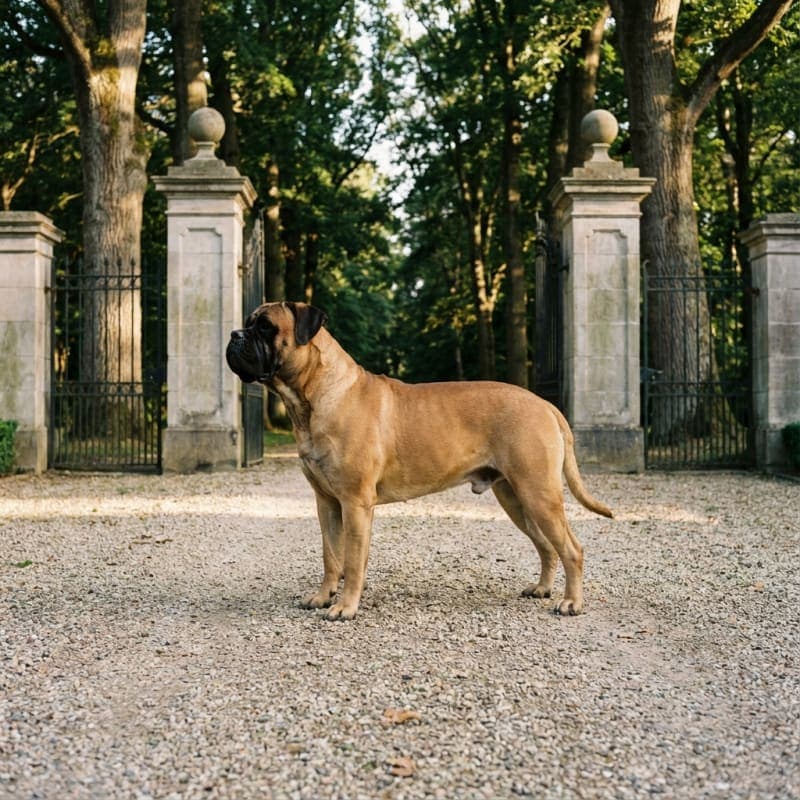
Bullmastiff
FCI Group
2• FCI 157
Size
Large
Origin Country
GB
Height
61-69 cm
Weight
41-59 kg
Lifespan
10-11 years
Temperament
Overview
Bullmastiff is a fascinating breed of dog with roots tracing back to 19th century Britain. It was created through the intentional crossing of powerful English mastiffs with brave bulldogs, resulting in a dog of exceptional strength, agility, and determination. Initially, the bullmastiff was used by gamekeepers to protect estates from poachers. Its task was to silently track intruders and then bring them down without causing injury – hence the term night watchman of the gamekeeper.
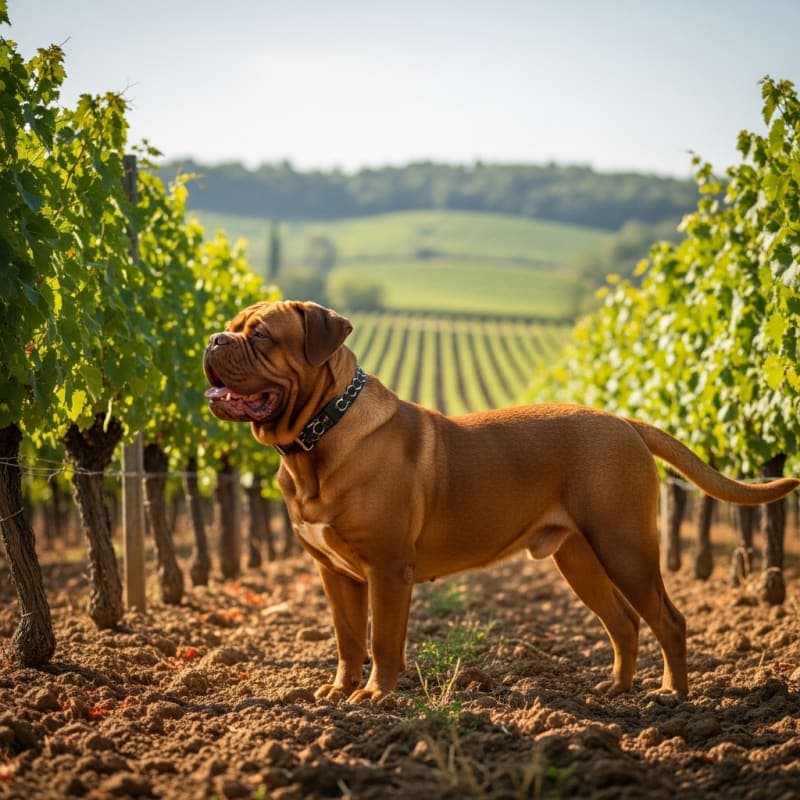
The modern bullmastiff is a dog with an impressive, muscular build that combines the strength of mastiffs with the determination of bulldogs. It is characterized by a massive, square head with a broad skull and a short muzzle, giving it a unique, noble expression. The body is well-muscled, with a strong back and deep chest. The short, smooth coat comes in three basic colors: fawn, brindle, and red, always with a distinctive black mask on the face. It is a harmonious and balanced dog that, despite its powerful build, does not appear clumsy.
The character of the bullmastiff is one of its greatest assets. Despite its impressive size, it is a gentle, patient dog that is extremely devoted to its family. Its loyalty to its owners knows no bounds – the bullmastiff naturally seeks to protect its loved ones, but does so with caution and intelligence, showing no unnecessary aggression. It is alert and perceptive, able to quickly assess a situation and respond appropriately to the level of threat. In contact with children, it displays exceptional gentleness and patience, making it an excellent family dog.
When deciding to get a bullmastiff, it is important to remember the specific requirements of this breed. It requires consistent training from a young age and an owner who can be firm yet gentle in their approach. The bullmastiff is not a dog for beginners – its strength and independent character require experience in handling large dogs. This breed needs moderate physical activity and living space, although it is not as demanding as typical working breeds. Due to health predispositions, such as hip dysplasia or heart problems, regular veterinary check-ups and a properly balanced diet are crucial. For those who understand its nature and needs, the bullmastiff will become a wonderful, devoted companion for life.
Bullmastiff is a dog with an impressive, powerful physique that exudes confidence and nobility. It is a breed of large dogs with a massive, well-balanced build. According to the FCI standard, the height at the withers is 64-69 cm for males and 61-66 cm for females, with weights of 50-59 kg (males) and 41-50 kg (females) respectively. A characteristic feature of the bullmastiff is its powerful, symmetrical silhouette, which combines strength with harmony – the dog does not appear clumsy or heavy, but is agile and active.
The head is the breed's hallmark – it is large, wide, and square, with a distinct stop and well-filled cheeks. The nose is broad, with well-opened nostrils, allowing for excellent ventilation. The muzzle is short and wide, making up about one third of the total length of the head (measured from the tip of the nose to the occiput), giving the dog a distinctive, tough expression. The lips do not hang below the line of the lower jaw. The eyes are medium-sized, dark hazel or dark, widely spaced, expressing intelligence and alertness. The ears are V-shaped, set high and wide, relatively small, and lie close to the cheeks, further emphasizing the square shape of the skull.
The body of the bullmastiff is compact and muscular. The neck is strongly muscled, arched, of moderate length, highlighting the dog's strength. The back is short and straight, leading to a wide and deep chest that provides excellent lung and heart capacity. The shoulder blades are well-retracted, and the front limbs are straight, with a strong bone structure. The hind limbs are strong and well-muscled, with clearly defined joint angles. The tail is set high, thick at the base and tapering towards the end, carried straight or with a slight curve, and should never be raised above the line of the back.
Coat and color: The bullmastiff has a short, hard, and smoothly fitting coat that provides natural protection against weather conditions. Three basic colors are acceptable:
- Fawn – from light beige to deep deer shade
- Brindle – dark stripes on a fawn background
- Red – from light red to deep mahogany tone
Regardless of the coat color, the bullmastiff should always have a distinctive black mask on its muzzle, which extends around the eyes and nose, giving the dog a unique, noble appearance. The chest may have a small white marking, but it is undesirable in breeding shows.
The temperament of the bullmastiff is a harmonious combination of strength, courage, and gentleness. Despite its impressive size and history as a guard dog, the modern bullmastiff is a calm, balanced, and extremely devoted family companion. It is characterized by high intelligence and perceptiveness – it can quickly assess a situation and respond appropriately to the level of threat. Its courage and determination in defending the family are legendary, but at the same time, the bullmastiff does not exhibit unnecessary aggression and acts with caution.
In contact with the family, the bullmastiff is incredibly gentle, patient, and caring. It forms a deep emotional bond with household members and seeks to be in their company at all times. In relationships with children, it shows exceptional patience and tolerance, making it an excellent dog for families. However, it is important to remember that due to its size and strength, the bullmastiff should be supervised during play with small children to avoid accidentally knocking them over.
Towards strangers, the bullmastiff maintains a natural reserve and vigilance, but it is not unjustifiably suspicious or aggressive. Its presence alone acts as a deterrent to potential intruders – it is a dog that prefers to intimidate through its impressive appearance and confident demeanor rather than through barking or displays of aggression. The guarding instinct is deeply ingrained in it and operates almost automatically – the bullmastiff naturally protects its territory and family without requiring special training in this regard.
Socialization from a young age is crucial for the proper development of behavior. Young bullmastiffs should be gradually introduced to various people, animals, sounds, and situations to learn appropriate responses. A well-socialized bullmastiff can function calmly in different environments and does not react excessively to external stimuli.
Relationships with other animals: The bullmastiff can coexist with other dogs, provided it has been properly socialized. Males may exhibit dominance over other males, so early acclimatization to the presence of other quadrupeds is essential. It usually gets along well with cats and other household pets, especially if it grows up with them from puppyhood.
Emotional requirements: The bullmastiff is an emotionally sensitive breed that does not tolerate prolonged solitude or isolation. It needs close contact with the family and may suffer from separation anxiety if left alone for long hours. Due to its strength and size, it requires an experienced, assertive owner who is also gentle and consistent in handling. This is not a dog for individuals who cannot establish clear boundaries and rules.
Bullmastiff, despite its impressive physique and strength, is a breed prone to a number of health issues that potential owners should be aware of before deciding to adopt. The average lifespan is 8-10 years, which is typical for giant breeds. The key to ensuring health and well-being is prevention, regular veterinary check-ups, and a conscious choice of a breeder who conducts appropriate genetic testing on their breeding dogs.
Orthopedic problems: Due to their large body mass and rapid growth rate, bullmastiffs are particularly susceptible to musculoskeletal disorders:
- Hip dysplasia (HD) – a developmental defect of the hip joint, leading to pain, lameness, and arthritis
- Elbow dysplasia (ED) – abnormal development of the elbow joint, causing lameness and discomfort
- Cranial cruciate ligament injuries – rupture of the cranial cruciate ligament in the knee joint
- Osteochondrosis (OCD) – developmental disorders of the articular cartilage, particularly in young, rapidly growing individuals
Puppies and young dogs (up to 18-24 months of age) require special caution – intense jumping, running on hard surfaces, and excessive joint loads should be avoided.
Cardiological problems: Bullmastiffs are prone to heart diseases that can significantly affect their quality and lifespan:
- Dilated cardiomyopathy (DCM) – weakening of the heart muscle, leading to heart failure
- Aortic valve stenosis – a congenital heart defect that impedes blood flow
Regular cardiological examinations, including echocardiograms, are recommended, especially for breeding dogs and older individuals.
Gastric torsion (GDV) – a life-threatening condition in which the stomach fills with gas and rotates on its axis, compressing blood vessels. Bullmastiffs, due to their deep chest, are a high-risk breed. Symptoms include: restlessness, unsuccessful attempts to vomit, a bloated abdomen, excessive drooling. Immediate veterinary intervention is required. Prevention: feeding smaller portions 2-3 times a day, avoiding intense exercise immediately after meals.
Cancers: Bullmastiffs, like other large breeds, are susceptible to various types of cancers:
- Osteosarcoma – an aggressive bone cancer, most commonly affecting the limbs
- Mast cell tumor – a tumor of the skin's mast cells
- Lymphomas – tumors of the lymphatic system
Ophthalmic problems:
- Entropion – inward rolling of the eyelid, causing irritation of the cornea
- Ectropion – outward rolling of the eyelid, leading to dry eye
- Progressive retinal atrophy (PRA) – degeneration of the retina leading to blindness
Kidney diseases:
- Cystinuria – a genetic metabolic disorder leading to the formation of kidney stones from cystine
Dermatological problems: Short hair and skin folds (especially on the face) may predispose to bacterial and fungal infections. Regular cleaning of the folds is crucial.
Temperature tolerance: Bullmastiffs do not tolerate extreme weather conditions well. In hot weather, they are at risk of overheating due to their short muzzle (brachycephaly), which makes effective cooling difficult. They require access to shade, fresh water, and air-conditioned spaces. In winter, despite having denser fur, they should have a warm place to rest inside the building.
Preventive recommendations:
- Choosing puppies from responsible breeders who conduct genetic testing (HD, ED, cardiological and ophthalmological examinations)
- Regular veterinary check-ups (every 6-12 months)
- Properly balanced diet tailored to age and health status
- Monitoring body weight – avoiding obesity, which burdens the joints and heart
- Moderate physical activity tailored to age and condition
Care of the bullmastiff is relatively simple and low-maintenance, which is one of the advantages of this breed for owners who value functionality. The short, smooth coat does not require intensive care, but regular grooming is essential for maintaining skin health and the overall comfort of the dog.
Brushing the coat: Due to the short, close-lying coat, brushing once a week is sufficient using a rubber grooming glove or a brush with natural bristles. Regular brushing removes dead hair, stimulates blood circulation in the skin, and distributes natural skin oils, giving the coat a healthy shine. During shedding periods (spring and autumn), it is advisable to increase the brushing frequency to 2-3 times a week or even daily to control the amount of hair shed in the house.
Bathing: The bullmastiff does not require frequent baths – a bath every 2-3 months or as needed (when the dog gets dirty) is sufficient. Bathing too often can strip the skin of its natural lipid protection and lead to dryness. It is important to use gentle shampoos designed for dogs, avoiding human products that can disrupt the dog's skin pH.
Cleaning skin folds: The folds on the muzzle and head require regular checking and cleaning, especially after meals. Moisture and food residues that can accumulate in the folds create an ideal environment for the development of bacteria and fungi, which can lead to infections and unpleasant odors. The folds should be gently cleaned with damp wipes or a soft cloth moistened with water, and then thoroughly dried.
Eye and ear hygiene:
- Eyes: The eyes should be regularly checked, and any discharge from the corners should be removed with a soft, damp cotton pad. In case of excessive tearing, redness, or swelling – consult a veterinarian.
- Ears: The V-shaped ears that lie close to the head require checking once a week. It is important to check for any unpleasant odors, redness, or excessive wax buildup. Clean with a special ear solution for dogs applied to a cotton pad (NEVER insert cotton swabs into the ear canal!).
Nail care: The bullmastiff's nails grow quite quickly and require regular trimming every 3-4 weeks. Nails that are too long can cause discomfort while walking, change the way the paws are placed, and lead to orthopedic problems. If you can hear the nails clicking on the floor while the dog is walking, it means they are too long. Use sturdy clippers or a guillotine-style nail trimmer, being careful not to cut into the living part (which contains blood vessels and nerves). If in doubt, it is better to seek the services of a groomer or veterinarian.
Oral hygiene: Regular tooth brushing (ideally 2-3 times a week, ideally daily) prevents the formation of tartar, gum disease, and bad breath. Use toothpaste designed for dogs and a special toothbrush. Additionally, dental chews and toys that clean teeth can be used.
Salivation: The bullmastiff, like other molosser breeds, has a tendency to moderate salivation, especially after drinking water or in stressful situations. It is advisable to have a towel handy for wiping the muzzle and to protect furniture and floors in areas where the dog spends the most time.
Skin check: During brushing and grooming, it is worth regularly checking the skin for:
- Growths, lumps, skin changes
- Fleas, ticks, and other external parasites
- Irritations, rashes, redness
- Unusual odors
Summary: Although the bullmastiff does not require intensive grooming, regular care is crucial for its health and comfort. Systematic brushing, checking ears, eyes, nails, and oral hygiene will help keep the dog in excellent condition and detect any potential health issues early.
The exercise needs of the bullmastiff are moderate, which may be surprising considering its impressive size and musculature. This is a breed that does not require intense, hours-long training like herding or hunting dogs. The bullmastiff is a calm household companion that values a balance between physical activity and relaxation in the company of family.
Puppies and young dogs (0-18 months): This is the most critical period, requiring special attention from the owner. Due to the rapid growth rate and intense development of the skeletal system, young bullmastiffs SHOULD NOT be subjected to intense physical exertion. Excessive strain can lead to:
- Damage to growth plates in bones
- Development of hip and elbow dysplasia
- Problems with ligaments and tendons
- Premature wear of joints
Recommendations for puppies:
- Short walks – 2-3 times a day, for 10-15 minutes (rule: 5 minutes of walking for each month of age, maximum 30 minutes for a 6-month-old puppy)
- AVOID: running on hard surfaces (asphalt, concrete), jumping, climbing stairs, intense play with adult dogs
- Prefer soft surfaces: grass, sand, forest paths
- Free play in the garden under supervision
- Socialization with other dogs in controlled conditions
Adult bullmastiffs (from 18-24 months): After the end of intense growth, an adult bullmastiff requires regular but moderate activity to maintain proper body weight, muscle condition, and mental health.
Recommended daily routine:
- Walks: 2 walks a day, each lasting 30-45 minutes, at a moderate pace
- Play: 15-30 minutes of active play (fetching, searching, scent games)
- Mental training: 10-15 minutes of obedience training or mental exercises
Types of activities suitable for bullmastiffs:
- Recreational walks – the basic form of activity, ideally in various environments (park, forest, green areas)
- Hiking – longer walks in natural areas (avoid extreme heat!)
- Swimming – an excellent form of exercise, gentle on the joints, especially recommended for dogs with orthopedic issues
- Scent games – searching for treats, scent trails, nose work
- Fetching – at a moderate pace, without intense jumping
- Obedience training – engages the mind and provides mental stimulation
Activities NOT recommended:
- Intense jogging or running alongside a bike for extended periods
- Sports requiring jumping and sudden turns (agility in standard form)
- Long runs on hard surfaces
- Activity in extreme temperatures (heat above 25°C, frost below -10°C)
Mental stimulation: Just as important as physical activity! The bullmastiff is an intelligent dog that needs mental challenges:
- Obedience and trick training
- Interactive toys and puzzles for dogs
- Scent games and searching
- Novelty and variety in walking routes
Weather conditions:
- Heat: Due to its short muzzle (brachycephaly), the bullmastiff has a limited ability to cool its body. On hot days, walks should take place early in the morning or late in the evening, in the shade, with access to water. AVOID activities during peak sun hours!
- Cold: Tolerates cold better than heat, but in freezing temperatures, it is advisable to shorten walks and provide a warm place to rest.
Weight control: Due to the predisposition to overweight, regular activity is crucial. Obesity puts strain on joints, the heart, and shortens life. The owner should regularly monitor the dog's condition and adjust the amount of exercise and food portions.
Individual needs: Every bullmastiff is different – some individuals are more active and energetic, while others prefer a calmer lifestyle. The key is observing the dog's behavior and adjusting the level of activity to its individual needs, age, health condition, and preferences.
Training a bullmastiff is a process that requires experience, consistency, and patience. This breed is intelligent and observant, but at the same time independent and sometimes stubborn, which can pose a challenge for novice owners. A bullmastiff is not a golden retriever – it will not mindlessly follow commands just to please its owner. It requires an understanding of the meaning of commands and respect for its intelligence.
Key principles of effective training:
- Early start – training should begin from the first day the puppy arrives home (from 8 weeks of age)
- Positive reinforcement – rewards (treats, praise, play) instead of punishment and coercion
- Consistency – clear, unchanging rules applied by all household members
- Assertiveness without aggression – a firm but gentle approach; a bullmastiff respects a confident leader but does not tolerate brutality
- Short sessions – 5-10 minutes several times a day to avoid boredom
- Patience – a bullmastiff learns at its own pace; forcing can have the opposite effect
Socialization (0-16 weeks – CRITICAL period!):
Proper socialization is the foundation of a balanced character in an adult bullmastiff. During this period, the puppy should be gradually and positively introduced to:
- Different people (children, elderly individuals, in various outfits, with strollers, on bicycles)
- Other dogs and animals
- Diverse environments (city, park, forest, pet stores)
- Sounds (traffic, thunder, fireworks, household noises)
- Different surfaces (grass, asphalt, metal grates, stairs)
- Cars, public transport
NOTE: Socialization does NOT mean exposing the puppy to stress! All experiences should be positive and controlled.
Basic commands (from 8-10 weeks of age):
- Recall (Come, To me) – the most important command for the dog's safety
- Sit – the basis of obedience and control
- Lie down – a calming command useful in stressful situations
- Stay – teaches self-control and patience
- Leave it / No – prevents picking up dangerous objects
- Walking on a loose leash – crucial due to the strength of an adult bullmastiff!
Leash walking – PRIORITY:
Due to the weight and strength of an adult bullmastiff (50-60 kg), teaching loose leash walking is absolutely essential and should start from puppyhood. An adult, untrained bullmastiff pulling on the leash can be dangerous and impossible to control. Methods:
- Stop and go – when the dog pulls, stop; only move when the leash is loose
- Rewarding for walking by your side
- Changing direction when the dog starts to pull
- Using a non-pull harness for training (DO NOT use choke collars or prong collars!)
Resource control and dominant behavior:
A bullmastiff may show tendencies to guard resources (food, toys, space). From puppyhood, it should be taught:
- Calmly giving up toys in exchange for a reward
- Accepting the presence of people while eating (systematically approaching and adding treats to the bowl)
- Giving up space on command
Obedience training – recommended professional help:
Due to the specifics of the breed, participation in professional training classes under the guidance of an experienced trainer familiar with molosser breeds is recommended. When choosing a school, pay attention to:
- Methods based on positive reinforcement (NOT dominance and coercion!)
- Experience working with large breeds
- Small groups (max 6-8 dogs)
- Possibility of individual consultations
What to AVOID in training a bullmastiff:
- Methods based on dominance and fear – lead to stubbornness, lack of trust, or defensive aggression
- Brutality, shouting, physical punishment – destroy the bond and can provoke aggression
- Prong collars, electric collars – cruel and ineffective
- Monotonous, long sessions – lead to boredom and lack of engagement
- Inconsistency – a bullmastiff will quickly exploit weaknesses in the rules
Characteristic challenges in training:
- Independence and stubbornness – a bullmastiff can ignore a command if it does not see the point; it requires creativity and motivation
- Delayed maturity – a bullmastiff reaches full emotional maturity around 2-3 years of age; adolescence (6-18 months) is a period of testing boundaries
- Strength and mass – mistakes in training a puppy translate into serious problems with an adult dog
Additional activities:
A bullmastiff can participate in various activities beyond basic obedience:
- Nose work – natural use of tracking abilities
- Rally obedience – a gentler form of competitive obedience
- Therapy dog – some bullmastiffs excel as therapy dogs
Summary: The bullmastiff is a breed for experienced owners who can be leaders without resorting to violence. Consistency, positive reinforcement, and early socialization are the keys to success. A properly trained bullmastiff is a reliable, obedient, and balanced companion, but it requires time, patience, and commitment.
The bullmastiff diet plays a crucial role in maintaining the health, proper body weight, and condition of this powerful breed. Due to its large body mass, predisposition to orthopedic and metabolic problems, and rapid growth rate in puppies, the nutrition of a bullmastiff requires special attention and adjustment to individual needs.
Puppies (8 weeks – 18 months):
The growth period is the most important nutritional stage. Too rapid growth and excessive body weight can lead to joint dysplasia, skeletal problems, and permanent damage to the locomotor system. Key principles:
- Large breed puppy food – a special formula with controlled amounts of calcium and phosphorus to prevent too rapid growth
- DO NOT supplement with calcium – it can lead to skeletal problems! Good quality food contains all necessary ingredients
- Body weight control – the puppy should be slim, with visible ribs upon light touch (but not protruding!)
- Feeding frequency:
- 8-12 weeks: 4 meals a day
- 3-6 months: 3 meals a day
- 6-12 months: 2-3 meals a day
- Over 12 months: 2 meals a day
- Gradual transition to adult food – around 12-18 months of age (consultation with a veterinarian)
Adult dogs (from 18 months):
An adult bullmastiff requires a high-quality diet rich in animal protein, healthy fats, and a moderate amount of carbohydrates. Recommendations:
- Large breed food – tailored to energy and metabolic needs
- Protein – minimum 22-26% (sources: meat, fish, poultry)
- Fats – 12-16% (omega-3 and omega-6 fatty acids for joint and coat health)
- Joint-supporting ingredients – glucosamine, chondroitin, MSM (especially important for breeds predisposed to dysplasia)
- Antioxidants – vitamins E, C, selenium for immune system support
Portions and frequency:
- 2 meals a day – in the morning and evening (CRITICAL for preventing gastric torsion!)
- Amount: Dependent on body weight, age, and activity level. Typically 600-800g of dry food daily (divided into 2 meals) for an adult dog weighing 50-60 kg. ALWAYS follow the manufacturer's recommendations and adjust individually.
- Body weight control: Regular weighing (once a month) and condition assessment (Body Condition Score)
Prevention of gastric torsion (GDV) – CRITICAL:
The bullmastiff is a high-risk breed. Feeding rules to prevent torsion:
- 2-3 smaller meals instead of one large one
- Feed at floor level (NOT on a stand!) – recent studies indicate that elevated bowls may increase risk
- Avoid intense exercise 1-2 hours before and after meals
- Ensure calm during eating – the dog should not eat in a hurry
- Limit water intake immediately after meals – access to water, but not large amounts at once
- Moisten dry food before serving (optional)
- Avoid foods containing animal fats in the first four ingredients
Types of feeding:
- Dry food (kibble) – convenient, nutritionally complete, requires access to fresh water
- Wet food (cans) – tastier, easier to digest, more expensive
- Mixed (dry + wet) – combines the benefits of both
- B.A.R.F. diet (raw meat and bones) – requires nutritional knowledge, consultation with a veterinarian specializing in nutrition; risk of deficiencies and bacterial infections
- Home-cooked diet – requires precise balancing of nutrients with the help of a nutrition veterinarian
What to AVOID in the diet:
- Human food: spices, salt, sugar, fatty meat, table scraps
- Toxic products: chocolate, grapes, raisins, onions, garlic, avocado, xylitol (sweetener), alcohol, caffeine
- Cooked bones – can splinter and cause choking or intestinal perforation
- Excessive treats – a maximum of 10% of daily calorie intake
- Sudden diet changes – lead to gastrointestinal problems; changes should be introduced gradually over 7-10 days
Senior dogs (7+ years):
As dogs age, metabolism slows down, and activity decreases. Recommendations:
- Senior large breed food – fewer calories, more fiber, joint support
- Easy-to-digest protein – to support aging kidneys
- Supplementation – glucosamine, chondroitin, omega-3 for joints
- Portion reduction – adjust to lower activity levels
- Weight control – avoid obesity, which burdens the heart and joints
Water:
- Constant access to fresh, clean water – crucial for kidney health and thermoregulation
- Change water twice a day
- Clean bowls daily
- More water in hot weather – bullmastiffs do not tolerate heat well
Supplementation (only after consultation with a veterinarian!):
- Glucosamine and chondroitin – joint support (especially for dogs with dysplasia)
- Omega-3 (fish oil) – anti-inflammatory, supports joints, heart, skin
- Probiotics – support digestion and intestinal microflora
- Vitamins and minerals – ONLY if the food does not provide adequate amounts
Body Condition Score assessment:
An ideal bullmastiff should:
- Have ribs that are felt with light touch (but not visible to the naked eye)
- Have a visible waist when viewed from above
- Have a slight belly tuck when viewed from the side
Obesity leads to: joint overload, heart problems, diabetes, shortened lifespan.
Final recommendations:
- Choose high-quality food with meat as the first ingredient
- Consult a veterinarian when selecting a diet
- Regularly monitor body weight and condition
- Adjust diet according to age, activity, and health status
- Prevent gastric torsion through proper feeding practices
Characteristic Traits
Pros
- An excellent guard dog with a natural protective instinct
- Extremely loyal and devoted to the family
- Gentle and patient with children
- Intelligent and observant
- Moderate exercise requirements
- Short coat that does not require intensive grooming.
Cons
- Requires an experienced owner due to strength and independent character
- predisposition to serious health problems (dysplasia
- heart diseases
- tumors)
- short average lifespan (8-10 years)
- poorly tolerates heat due to a short muzzle
- tendency to drool
- requires living space and is not suitable for small apartments
- high veterinary care and feeding costs.
Behavioral Ratings
Breed History
The history of the bullmastiff is a fascinating tale of the deliberate breeding of a breed perfectly adapted to specific needs – protecting estates from poachers in 19th-century England. Unlike many ancient breeds whose origins are lost in the mists of time, the bullmastiff has a relatively young and well-documented history dating back to around 1860.
The breed's origin – the fight against poaching:
In the 19th century, poaching was a serious problem for British landowners and their gamekeepers. Poachers operated under the cover of night, often armed and dangerous, and enforcing hunting laws was difficult and risky. Existing dog breeds did not meet all the requirements – mastiffs were powerful but too slow and clumsy, while bulldogs were brave and agile but too small to effectively take down an adult man.
Gamekeepers needed a dog that combined:
- Strength and mass of the mastiff – to take down an intruder
- Courage and determination of the bulldog – for fearless confrontation
- Speed and agility – for silent tracking and quick attack
- Dark coloring – for camouflage at night
- Controlled aggression – the dog was to restrain, not kill, the poacher
The creation of the breed – crossing mastiffs with bulldogs:
In response to these needs, English breeders began systematically crossing Old English Mastiffs with Bulldogs in proportions of about 60% mastiff / 40% bulldog. The result was a breed called Gamekeeper's Night Dog or simply bullmastiff. The name perfectly reflects its origin: bull (bulldog) + mastiff (mastiff).
Initially, dark brindle coloring was preferred, which best concealed the dogs during night patrols. Bullmastiffs would track poachers silently, attack on command, and hold them down without causing serious injury until the gamekeeper arrived. This ability for controlled aggression was crucial – the dog was to be a tool for law enforcement, not a killer.
Development and standardization (1860-1924):
For decades, bullmastiffs were bred primarily for functionality, not for show appearance. However, as poaching declined with the development of law and civilization, the role of the dog began to evolve. Bullmastiffs started to serve as guard dogs for estates, factories, and mines, as well as family companion dogs.
In 1901, breeder Mr. Burton of Thorneywood Kennels presented the first bullmastiff at a dog show. In 1924, The Kennel Club (UK) officially recognized the bullmastiff as a distinct breed and published the first breed standard. During the same period, the American Kennel Club (AKC) also recognized the breed (1933), solidifying its status worldwide.
Mossy and Farcroft Kennels – icons of the breed:
One of the most famous early bullmastiffs was a dog named Mossy, owned by Mr. Burton. Mossy was described as the ideal example of the breed – powerful, brave, yet gentle with family. The breeding of Farcroft Kennels, founded by Mr. Moseley, had a tremendous impact on the breed's development, establishing many traits that define the modern bullmastiff.
Bullmastiff in service:
Bullmastiffs served not only as private dogs but also:
- In the British Army – during both world wars as guard and tracking dogs
- In police forces – in several countries as patrol dogs
- In security – guarding factories, warehouses, estates
- In South Africa – protecting diamond mines from theft (De Beers Diamond Company)
The evolution of character and appearance:
Over time, breeders began to place greater emphasis on gentler temperament and more family-oriented character, while still maintaining the guarding instinct. The modern bullmastiff is a much calmer and more sociable dog than its ancestors, though it still retains courage and alertness.
The appearance has also changed – the modern bullmastiff has a slightly bulkier head and a more square silhouette than early individuals. The accepted coat colors have also expanded – in addition to brindle, fawn and red are now allowed, although a black mask remains mandatory.
Bullmastiff today:
The modern bullmastiff is a valued family dog and companion that has retained its roots as a guardian. The breed enjoys popularity worldwide, especially in:
- Great Britain (the breed's cradle)
- The United States
- Canada
- Australia
- Continental Europe
The bullmastiff has also appeared in popular culture – the most recognizable representative of the breed was Butkus, Sylvester Stallone's bullmastiff, who appeared in the film Rocky (1976). Stallone himself owned a bullmastiff in real life and introduced it into the film, contributing to the breed's rise in popularity in the USA.
Legacy:
The history of the bullmastiff is an excellent example of purposeful functional breeding, where people created a breed perfectly adapted to specific tasks. From a night tracker of poachers, to a military and police dog, to a modern family companion – the bullmastiff has undergone a fascinating evolution while retaining its essence: courage, loyalty, and reliability. It is a living testament to British canine tradition and remains one of the noblest and most devoted breeds in the world.