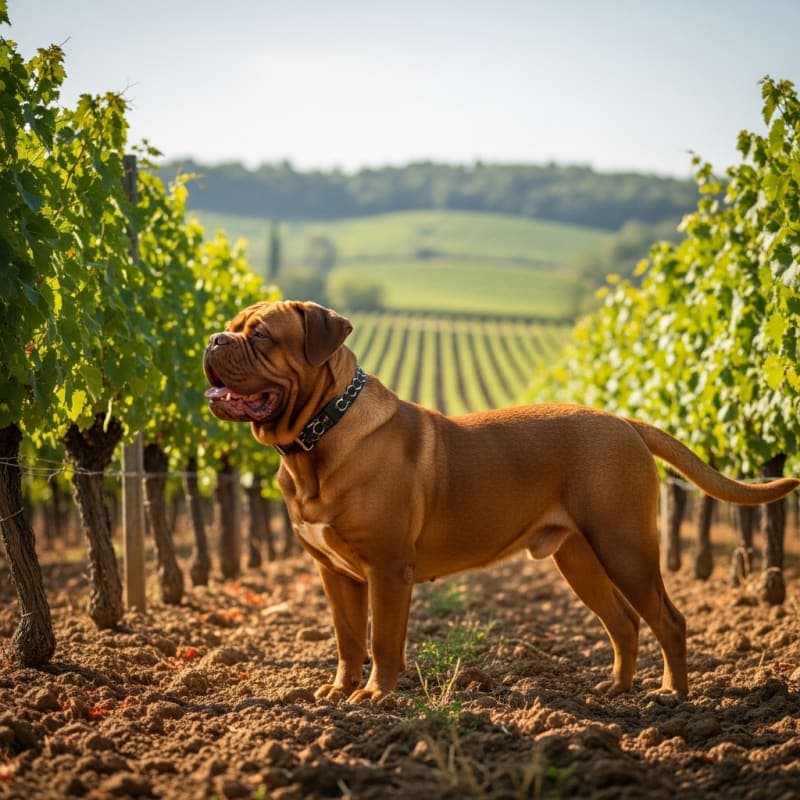
Dogue de Bordeaux - Bordeaux Dog
FCI Group
2• FCI 116
Size
Large
Origin Country
FR
Height
58-68 cm
Weight
45-90 kg
Lifespan
10-12 years
Temperament
Overview
Dogue de Bordeaux, also known as Bordeaux mastiff or French mastiff, is one of the oldest and most majestic dog breeds originating from France, with a history that dates back deep into the Middle Ages. It is a powerful French molosser that has served various roles over the centuries – from a war dog to a hunter and guardian of property and livestock. It likely descends from ancient dogs known as Alans, particularly the Alan Vautre, which Gaston Phébus, Count of Foix, wrote about in the 14th century in his famous work Livre de Chasse, stating that it has a grip stronger than three greyhounds combined.
Despite its fierce, impressive appearance and history as a war dog, the Dogue de Bordeaux stands out for its surprisingly gentle temperament, deep loyalty, and boundless devotion to its owners and family. It is a dog with a balanced, calm character that combines physical strength with emotional tenderness, making it an excellent family companion and home guardian.
Its calm yet alert nature makes it an excellent watchdog and protector. The Dogue de Bordeaux has a high threshold for excitement and does not react impulsively to stimuli, meaning it can remain calm and assess situations in stressful moments before taking action. This trait makes it an ideal companion for families, even those with children, although due to its massive build and considerable weight, it should be supervised around the youngest family members.
As it matures, the dog becomes increasingly attached to its owner and family, forming a deep emotional bond. It does not tolerate prolonged solitude and needs close contact with its caregivers. This makes it a wonderful, devoted companion for everyday life, eager to participate in family activities and be close to its people.
The Dogue de Bordeaux has moderate physical activity needs, making it a suitable choice even for apartment dwellers, provided it receives regular daily walks and opportunities for physical exertion. It does not require intense, exhausting workouts typical of working breeds, but regular activity is absolutely essential to maintain a healthy body weight, muscle condition, joint mobility, and mental well-being.
With its intelligent and eager-to-please nature, as long as training is conducted consistently, patiently, and using positive reinforcement methods, the Dogue de Bordeaux learns relatively quickly and becomes obedient. However, it requires an experienced owner who can be a calm, confident leader for such a large and strong dog.
It is important to note that due to its brachycephalic structure (short muzzle and flat face), this breed has certain specific health needs and requires special attention on hot days. Nevertheless, with proper care, love, and commitment from its owner, the Dogue de Bordeaux will be a loyal, devoted, and loving family member for many years.
We invite you to further explore the fascinating, noble breed – its rich history, detailed appearance, complex character, health requirements, grooming, nutritional, and training needs in the upcoming sections of our comprehensive guide. Dogue de Bordeaux is more than just a dog; it is a true, faithful friend, a vigilant guardian, and an inseparable family companion.
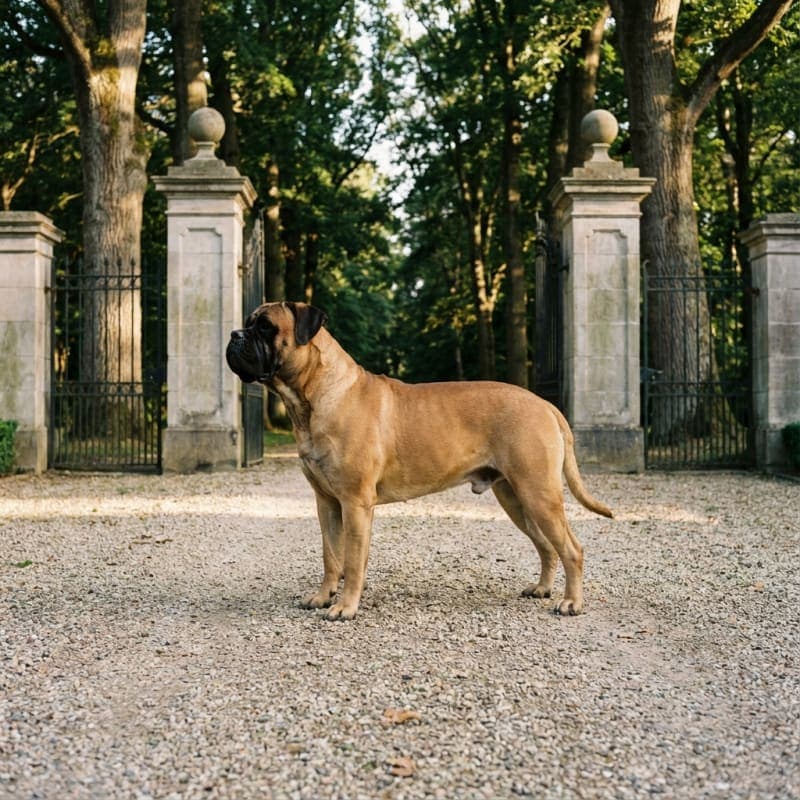
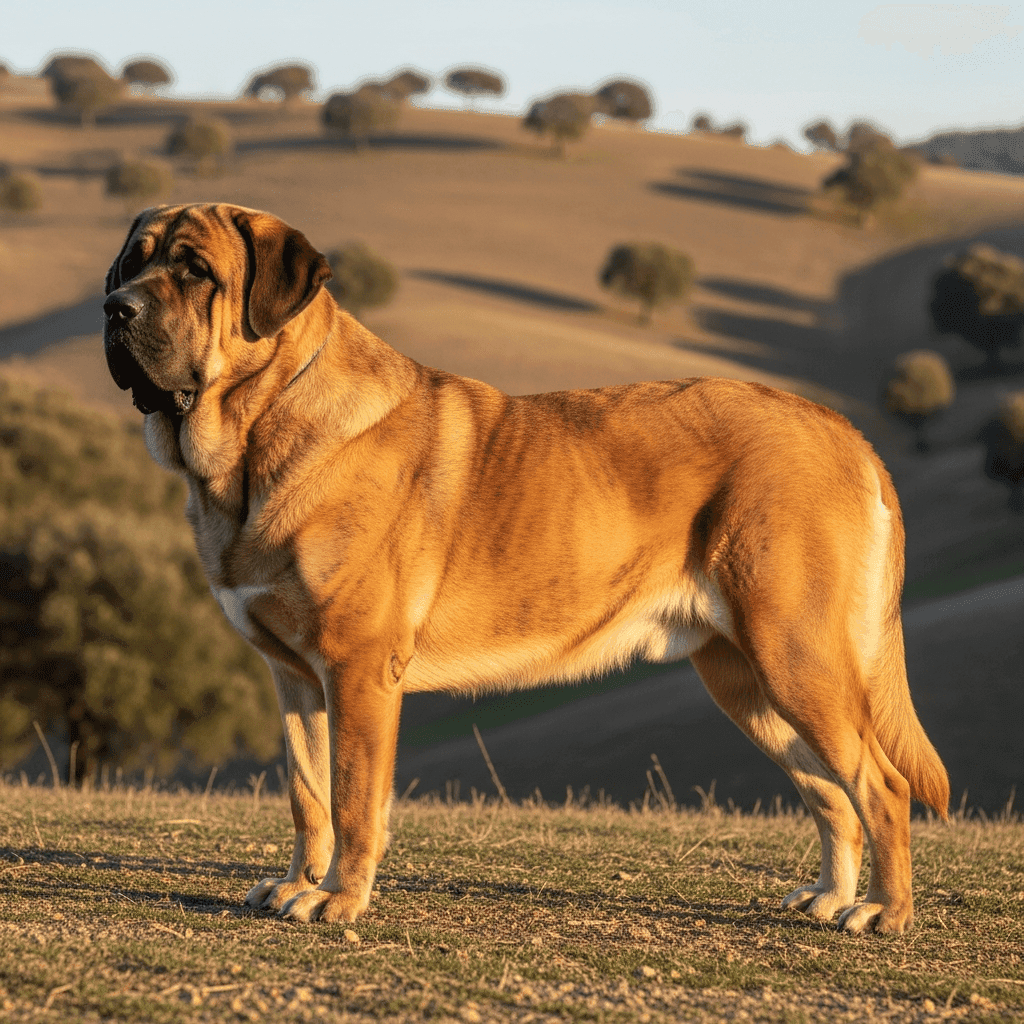
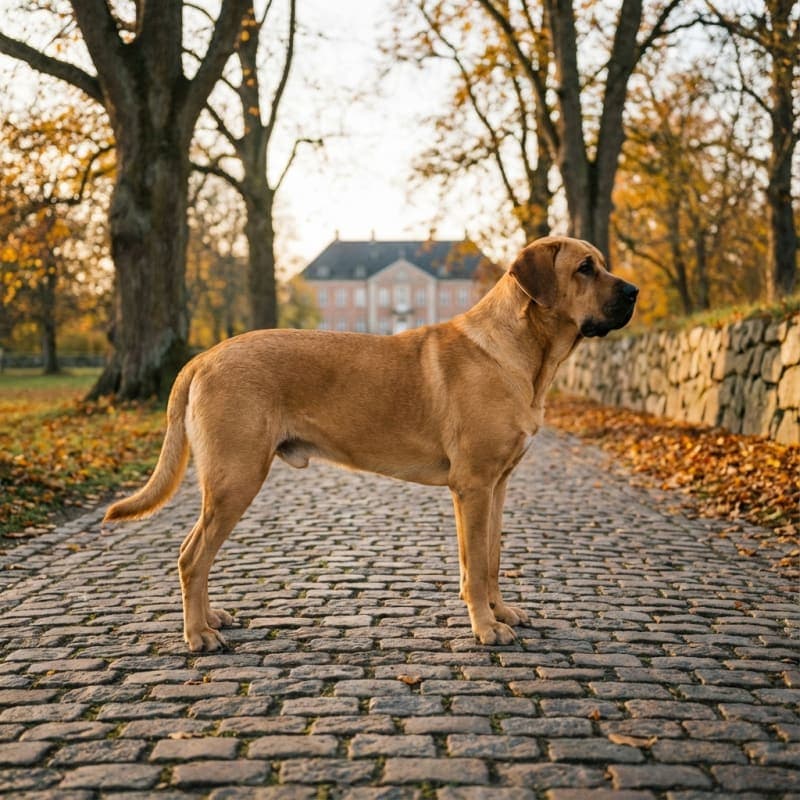
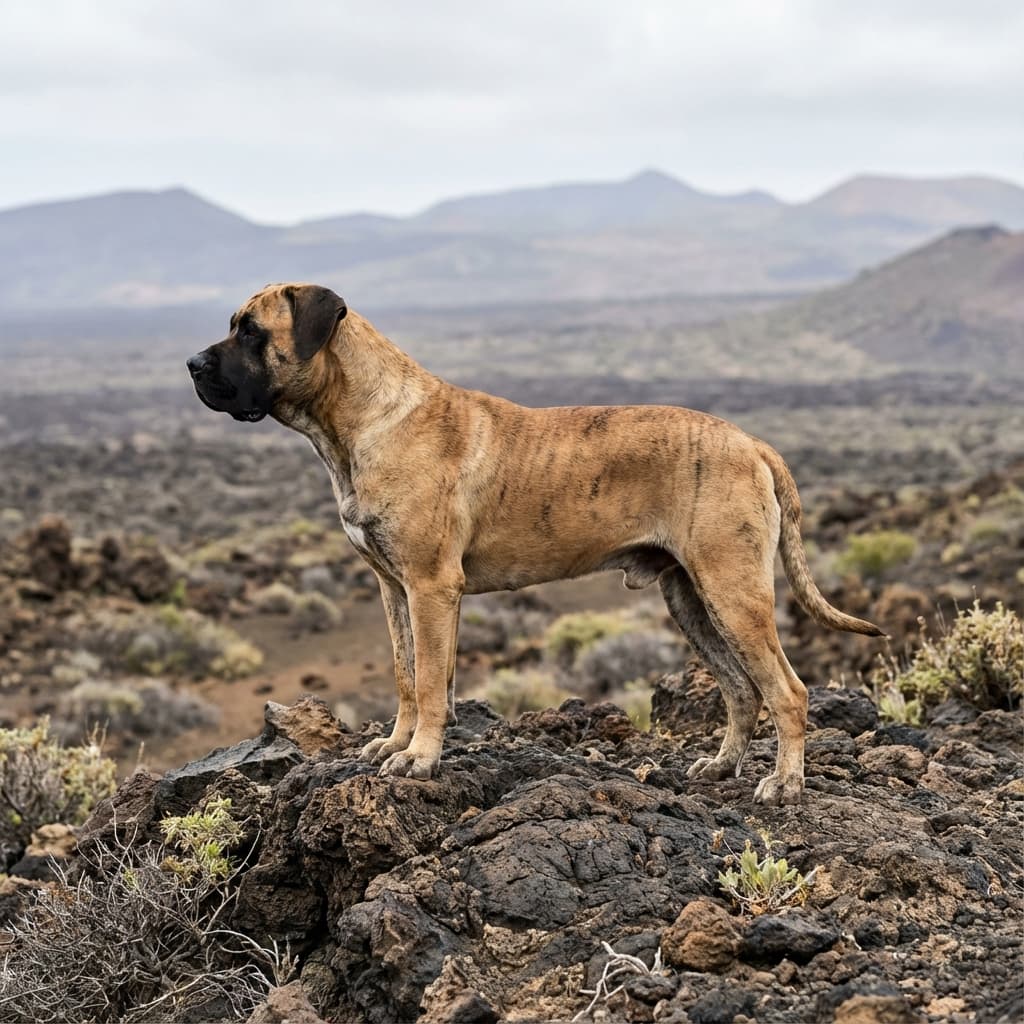
The Dogue de Bordeaux is a dog with a powerful, massive, and extremely impressive body structure, which makes an impression on everyone who has the opportunity to see it. It is a typical molosser with a low silhouette, strong bone structure, and a muscular, athletic build. According to the FCI standard, the height at the withers ranges from 60 to 68 cm for males (dogs) and from 58 to 66 cm for females, with a tolerance of ±1 cm. The weight for males is a minimum of 50 kg, and for females, a minimum of 45 kg, although many individuals reach significantly greater body mass – even 60-90 kg depending on build and condition.
The head is the most characteristic feature of the breed – it is huge, wide, square, quite short, and trapezoidal when viewed from above and in front. It is one of the largest heads among all dog breeds in proportion to body size. The skull is very wide with clearly defined, deep symmetrical wrinkles on both sides of the central groove, which give the breed its distinctive, unique expression. These wrinkles are movable and deepen when the dog is alert or excited.
The muzzle is very short, wide, and strong (about 1/3 of the total head length), with a very distinct, deep mask (darker coloring around the nose and muzzle). The stop is very pronounced, almost forming a right angle with the skull. The nose is wide with well-opened nostrils, always darkly pigmented (brown or black depending on the color of the mask).
The eyes are oval, widely set, placed quite far apart from each other and from the nose, with a color ranging from hazel to dark brown (darker preferred). The gaze is sincere, open, expressing dignity, gentleness, and alertness at the same time. The eyelids may show slight drooping (haw), but not excessive.
The ears are relatively small in proportion to the size of the head, slightly rounded at the tips, set quite high, and hanging along the cheeks, slightly lifting when the dog is alert. Their color is a shade darker than the base color of the coat.
The coat is short (though slightly longer than that of a boxer or bulldog), soft, smooth, and gentle to the touch, closely adhering to the body. There is no undercoat. It comes in various shades of fawn (fauve, fawn):
Mahogany (acajou) – deep reddish-brown, most desired. Golden fawn – light, golden shade. Isabella (isabelle) – light, sandy, cream shade.
Small white markings on the chest and tips of the toes are acceptable, although they should be minimal. The mask can be black (most typical and desired), brown (brown/liver, acceptable), or without a mask (acceptable, though less preferred). The mask should not extend onto the skull. Small white spots on the chest and toes are permissible.
The body structure is strong, stocky, and low-set. The neck is very strong, muscular, cylindrical, with loose skin forming a slight dewlap. The torso is strong with a well-developed chest reaching below the elbows. The back is wide and muscular, the loins are wide and short, and the croup is slightly sloping. The chest circumference should be 25-35 cm larger than the height at the withers.
The limbs are strong, muscular, well-angled with very strong bone structure. The front limbs are straight and parallel, the hind limbs are widely spaced with well-muscled thighs. The paws are strong, compact with thick, curved claws. The paw pads are well-developed and elastic.
The tail is very thick at the base, set quite low, reaching at least to the hock joint. Carried low at rest, rising at 90-120 degrees during movement or excitement, never curled over the back or tucked under.
The overall silhouette presents itself as powerful, majestic, and dignified. The movement is flexible and free despite the massive build, with good propulsion from the hind limbs. During movement, the head is carried low, almost at the level of the back line, which is typical for French molossers.
The Dogue de Bordeaux is a dog that uniquely combines physical strength with emotional gentleness. Its temperament is calm, balanced, patient, and dignified, making it an excellent companion dog for families that value large breeds with a gentle disposition. According to the FCI standard, this breed has a high threshold of excitability, which means it is not nervous, fearful, or impulsive in its reactions.
This breed is known for its strong, natural guarding and protective instincts, which often makes it suspicious, cautious, and reserved towards strangers approaching the home or family. It will watch unknown individuals attentively and assess the situation, but usually does not show aggression without reason. Its mere presence and impressive appearance are sufficient deterrents for potential intruders. With proper socialization from a young age, it can distinguish real threats from normal social situations.
The Dogue de Bordeaux is extremely attached and loyal to its owner and family, forming a deep, lasting emotional bond. It desires close physical and emotional contact with its people and does not like to be left alone for long periods. Prolonged solitude can lead to separation anxiety, destructive behaviors, excessive drooling, or even depression. This is a dog for people who can spend most of their time with it or provide companionship.
It gets along wonderfully with children and is exceptionally patient, gentle, and protective towards them. Its high pain threshold and tolerance allow it to endure unintentional pulling or bumping during play. However, due to its (50-90 kg), it is important to supervise interactions with small children who may be accidentally knocked over or crushed during play. Older, responsible children (6+) will make excellent playmates.
The Dogue de Bordeaux has moderate intelligence and willingness to cooperate, which means it responds well to training as long as it is conducted in a consistent, patient manner using positive reinforcement methods. However, it may exhibit some independence and stubbornness, especially males, which requires the owner to be a calm, confident leader. Harsh methods or physical violence are completely inappropriate and harmful to this emotionally sensitive breed.
This breed has a low to moderate hunting instinct, meaning it is unlikely to chase small animals or cats intensely. Instead, it prefers to spend time in the company of its owner, resting at their feet or observing the surroundings. With proper socialization, it can accept cats and other pets living in the same household.
In relationships with other dogs, the Dogue de Bordeaux can be dominant and confident, especially males towards other males. Early, intensive socialization with a variety of dogs is crucial for developing appropriate social skills. Most individuals tolerate other dogs as long as they are not provoked into confrontation.
It is worth noting that the Dogue de Bordeaux can be prone to destruction, especially as a young dog left alone at home for long periods without appropriate toys or stimulation. Boredom and loneliness can lead to chewing furniture, cushions, or other items. Therefore, it is essential to provide it with adequate activity, toys, and, most importantly, companionship.
Characteristic behaviors of the breed include snoring and loud breathing (typical for brachycephalic breeds), drooling (especially after drinking water or during hot weather), lounging and long naps (they can sleep up to 14-16 hours a day), following their owner around the house, leaning against their legs, or sitting on their owner's feet.
In summary, the Dogue de Bordeaux is a gentle giant that combines physical strength with emotional tenderness, creating a unique, devoted companion for experienced owners of large breeds who can provide it with love, structure, socialization, and, above all, the time and companionship it so desperately needs.
The Dogue de Bordeaux, despite its solid, massive build, is not one of the healthiest breeds and may be prone to various health issues characteristic of large molossers and brachycephalic breeds. The average lifespan is unfortunately only 8 to 10 years, although with exceptionally good care, genetics, and luck, some individuals may live to be 11-12 years old. This is a relatively short lifespan even for large breeds.
The most common health issues in the Dogue de Bordeaux include hip dysplasia (Hip Dysplasia, HD) – a developmental defect leading to pain, lameness, and degenerative changes (checking parents before breeding is crucial), elbow dysplasia (Elbow Dysplasia, ED) – a similar condition affecting the elbow joints, ophthalmic problems (entropion, ectropion, cataracts, corneal dystrophy), dilated cardiomyopathy (Dilated Cardiomyopathy, DCM) – a serious heart disease leading to heart failure and premature death, aortic stenosis (Aortic Stenosis) – narrowing of the aorta hindering blood flow, gastric dilatation-volvulus (Gastric Dilatation-Volvulus, GDV) – a life-threatening sudden expansion and twisting of the stomach, brachycephalic syndrome (Brachycephalic Syndrome) – breathing problems resulting from a short muzzle, elongated soft palate, and narrow nostrils, tumors (especially mast cell tumors, lymphoma, bone tumors), hyperkeratosis – excessive keratinization of the paw pads and nose, epilepsy – seizures, and hypothyroidism (Hypothyroidism).
Due to its brachycephalic structure (short muzzle, flat face, narrow nostrils), the Dogue de Bordeaux has serious difficulties regulating its body temperature and is particularly susceptible to overheating, heat strokes, and breathing problems, especially on hot, humid days or during physical exertion.
Owners must be extremely cautious and ensure constant access to cool, fresh water, shade, and air-conditioned spaces on hot days, walks in the early morning or late evening (avoiding the heat), short training sessions without excessive exertion, and monitoring for signs of overheating (heavy panting, excessive drooling, weakness, red tongue, balance disorders). Immediate veterinary assistance is essential if heat stroke is suspected.
This breed does better in cooler conditions, but extreme temperatures – both hot and very cold – can be harmful to it. In winter, the short coat without an undercoat does not provide sufficient protection against frost, so the dog should have access to warm shelter.
The Dogue de Bordeaux also has a strong tendency to gain weight and obesity, especially with insufficient activity or overfeeding. Being overweight leads to serious problems: increased strain on joints and accelerated arthritis, cardiovascular and respiratory issues, diabetes, increased risk of gastric dilatation, and significant shortening of lifespan (by up to 2-3 years).
Therefore, it is extremely important that its diet is properly balanced, portions are carefully measured, and treats are given in very moderate amounts. Regular monitoring of weight and body condition is crucial.
Health prevention should include regular veterinary visits (at least twice a year), genetic testing of parents before breeding (HD, ED, heart issues), up-to-date vaccinations and deworming, weight and body condition monitoring, cardiological examinations (heart ECHO, ECG), eye checks by a veterinary ophthalmologist, appropriate diet and physical activity, and prevention of bloat (small portions, rest after meals).
With proper, careful veterinary care, a healthy diet tailored to its needs, regular (but not excessive) physical activity, and love from its owner, the Dogue de Bordeaux can enjoy the longest possible life as a devoted family companion. However, potential owners must be aware of the relatively short lifespan of this breed and be emotionally and financially prepared for veterinary care costs.
The care of the Dogue de Bordeaux is relatively simple compared to long-haired breeds, but it requires regularity and attention to certain specific areas characteristic of molossers. Proper grooming affects not only appearance but, above all, the health and comfort of the dog.
Brushing the coat: The Dogue de Bordeaux has a short, smooth coat that does not require intensive grooming. Regular brushing once or twice a week with a soft natural bristle brush or rubber glove will help remove dead hair and stimulate the skin, distribute natural skin oils for a healthy shine, reduce the amount of hair in the home, and create an opportunity to check the skin for problems.
During shedding periods (spring and autumn), it is advisable to increase the brushing frequency to 3-4 times a week to minimize the amount of shedding hair in the home.
Care of skin folds is absolutely crucial and specific to this breed. Owners should pay special attention to the numerous deep skin folds on the face, which can accumulate dirt, dust and debris, moisture (after drinking water, in humid weather), food residues, as well as saliva and secretions.
This environment promotes the growth of bacteria, fungi, and yeast, which can lead to painful skin infections, unpleasant odors, and irritations. Cleaning the folds should be done daily or every other day: gently separate each fold, wipe with a damp, soft cloth or special dog wipes, thoroughly dry with a clean, dry cloth or gauze, check for redness, rashes, unpleasant odors, and if necessary, use a specialized powder for skin folds.
Ear care: Ears require regular checking and cleaning once a week with a specialized dog ear cleaning solution. Droopy ears can accumulate moisture and dirt, leading to infections. In case of unpleasant odors, redness, excessive discharge, or the dog scratching its ears – consult a veterinarian immediately.
Eye care: You should check and gently wipe the corners of the eyes daily with a soft, damp gauze, removing any discharge. Due to the structure of the eyelids (possible ectropion or entropion), the eyes may be prone to irritation and infections.
Oral hygiene: Brushing teeth 2-3 times a week (preferably daily) with a special dog toothpaste and toothbrush will prevent tartar buildup, gum disease, bad breath, painful gum inflammation, and tooth loss in older age. Dental chews and specialized treats that support dental hygiene can also be used.
Nail care: Nails should be trimmed every 3-4 weeks or when you can hear them clicking on a hard floor. Overgrown nails can cause discomfort and pain while walking, deformities of the paws and joints, balance problems, and ingrown nails into the paw pads.
If the dog is regularly walked on hard surfaces (asphalt, concrete), the nails may wear down naturally to some extent, but they still require checking and possible trimming.
Bathing: The Dogue de Bordeaux does not require frequent baths. It is sufficient to bathe him once every 2-3 months or when he is truly dirty, smells, or after contact with unpleasant substances. Bathing too often can disrupt the skin's natural lipid protection, dry out the skin, lead to irritations, and weaken the natural protective barrier.
Use mild shampoos designed for dogs with sensitive skin. After bathing, it is crucial to thoroughly dry the dog, especially the skin folds, to prevent fungal infections.
Salivation control: The Dogue de Bordeaux naturally drools due to loose lips (flews). Owners should have towels on hand to wipe the dog's mouth, especially after drinking water or on hot days.
Regular, proper grooming is not only about aesthetics but, above all, about the health, comfort, and quality of life of the Dogue de Bordeaux. Neglecting grooming, especially of the skin folds, can lead to serious, painful infections requiring veterinary treatment.
Despite its massive, powerful build, the Dogue de Bordeaux has relatively moderate physical activity needs, making it a suitable choice even for less active owners, as long as they provide regular exercise. This breed does not require the intense, exhausting workouts typical of working or sporting breeds.
Minimum activity requirements: 40-60 minutes per day, divided into 2-3 sessions. Two walks a day (in the morning and evening) are usually sufficient. The pace of the walks should be adjusted to the dog's fitness level. It is important to allow for sniffing, exploration, and relieving itself.
Regular walks are beneficial not only for physical fitness (maintaining a healthy body weight, joint and muscle health) but also for the dog's mental health and preventing boredom, providing mental stimulation through new scents and stimuli, socialization with other dogs and people, strengthening the bond between the dog and owner, and preventing behavioral problems resulting from boredom.
Important exercise limitations: Excessive exertion should be avoided, as the Dogue de Bordeaux is not built for intense running, jumping, or long hikes. Overexertion can lead to joint and ligament injuries, overheating and heatstroke, breathing problems (brachycephalic syndrome), as well as exhaustion and reluctance to be active.
Particular caution on hot days is necessary due to its brachycephalic structure – the breed has significant difficulties regulating temperature. Walks should only take place early in the morning (before 8:00 AM) or late in the evening (after 8:00 PM). Avoid exertion between 10:00 AM and 6:00 PM. Always bring water on walks and monitor for signs of overheating (heavy panting, red tongue, weakness). Choose shaded areas for walks and avoid hot asphalt.
Caution with puppies and young dogs up to 12-18 months is essential. Avoid jumping, long runs, and intense play. Do not allow them to go up and down stairs (risk of joint damage). Short, frequent walks are better than long ones. Be cautious during play with other dogs (risk of injury).
Appropriate forms of activity include calm, leisurely walks in the park or forest, short fetch play sessions (5-10 minutes), scent and intellectual games (hiding treats), short obedience training sessions (mental stimulation), swimming for dogs that enjoy water (excellent exercise without stressing the joints), and socializing with other dogs in a dog park.
Owners should avoid running alongside a bicycle (too intense), long mountain hikes, agility, and sports that require jumping, intense tug-of-war games (risk of neck injury), and leaving the dog unsupervised in the yard on hot days.
The Dogue de Bordeaux also enjoys spending time with its owner without physical activity – lounging on the couch, napping, and observing the surroundings. This is a natural part of its character, and it should not be forced into excessive activity.
It is worth incorporating elements of mental stimulation into daily activities, which will help tire the dog without excessive physical exertion, prevent boredom and behavioral problems, strengthen the bond with the owner, and keep the mind in good condition.
Remember that every dog is individual – some may be more active, while others are lazier. Adjust the amount and intensity of activity to the age, health condition, temperature, and individual needs of your Dogue de Bordeaux. Observe your dog and its reactions to find the optimal balance between activity and rest.
Training a Dogue de Bordeaux should start from a young age – ideally from 8-10 weeks of life when the puppy comes to a new home. Early training and socialization are absolutely crucial to prevent behavioral problems in the future, especially in such a large and strong dog.
This breed is intelligent and generally eager to cooperate with its owner, but requires a consistent, patient approach to training. Owners must be calm, confident leaders who can establish clear rules and boundaries without using violence or harsh punishment.
Key training principles for Dogue de Bordeaux: Only positive reinforcement – rewards (treats, praise, play) are much more effective than punishment or coercion. This breed reacts poorly to harsh methods that can provoke fear, stubbornness, or defensive aggression. Consistency and patience – all commands must be consistently applied by all family members. Inconsistency leads to confusion and problems. Short, frequent sessions – 10-15 minutes 2-3 times a day is better than one long, exhausting session. Dogue de Bordeaux can quickly become bored or tired. Firmness without aggression – the owner must be confident and assertive, but never aggressive or brutal. Temperature adjustment – avoid training on hot days (risk of overheating).
Basic life commands to teach first: Sit (basic obedience command, dog control), Stay (impulse control, safety, patience), Come (key life command, especially important for safety), Lie down (calming, relaxation, control), No/Leave it (prevents dangerous behaviors, picking up harmful objects), Go to your place (teaching to go to the bed and stay there), Heel (walking by the side without pulling the leash, especially important for such a strong dog) and Quiet (controlling barking).
Leash walking is particularly important for the Dogue de Bordeaux. A dog weighing 60-90 kg pulling on a leash can be dangerous and impossible to control. Training should start from puppy age, using the right equipment (harness or wide collar, strong leash), rewarding walking by the side without pulling, stopping when the dog pulls (not rewarding pulling by moving forward), and being consistent on every walk.
Early socialization is absolutely crucial for the proper development of a Dogue de Bordeaux. The puppy should be gradually and positively introduced to various people (different ages, genders, appearances, behaviors – children, adults, seniors, people in hats, glasses, with canes, in wheelchairs), other dogs (different breeds, sizes, temperaments, and regular, controlled meetings with well-behaved dogs), different environments (city, forest, beach, stores where dogs are allowed, means of transport, visits to the vet and groomer), various sounds (traffic, thunder, fireworks, crying children, construction noise), different surfaces (metal, glass, stairs – carefully!, elevators, different pavements) and body handling (touching paws, ears, muzzle, tail – preparing for vet visits and grooming).
A well-socialized Dogue de Bordeaux is confident, balanced, and friendly in various situations, maintaining natural alertness towards strangers, but without excessive distrust, fear, or aggression.
The Dogue de Bordeaux can be somewhat stubborn, especially males during adolescence (12-24 months). At such times, it is particularly important for the owner to be patient, assertive, and consistent, not giving up on established rules. Stubbornness should not be punished but ignored – we reward only desired behaviors.
What to avoid in training: Yelling, physical punishment, yanking on the leash, long, exhausting training sessions, training on hot days, excessive repetitions leading to boredom, inconsistency in applying rules, and aggressive methods based on dominance.
Advanced training: After mastering basic commands, one can consider advanced obedience, scent work (nosework), trick training (learning tricks), or therapy dog training (for dogs with the appropriate temperament).
The Dogue de Bordeaux is not suitable for intense dog sports requiring speed and agility (agility, flyball) due to its body structure and breathing problems.
With proper, consistent training based on positive methods, patience, and love, the Dogue de Bordeaux can become a well-mannered, obedient, and pleasant companion who is safe, predictable, and comfortable both at home and in various social situations. The key is an early start, consistency, a positive attitude, and treating training as a form of bonding rather than an unpleasant obligation.
The Dogue de Bordeaux diet should be carefully balanced, high-quality, and closely tailored to its large size, activity level, age, and individual metabolic needs. Proper nutrition is the foundation of a long life and good health for this breed.
Feeding recommendations: Animal protein – 22-26% for adult dogs (source: meat, poultry, fish) builds and maintains muscle mass. Fats – 12-16% for energy supply and support for healthy skin. Carbohydrates – rice, oats, sweet potatoes as an energy source. Glucosamine and chondroitin for joint protection (minimum 400mg/kg and 300mg/kg). Omega-3 fatty acids to counteract inflammation and support heart health. L-carnitine and taurine for heart function support. Antioxidants – vitamins E and C for immune system support.
Feeding schedule by age: Puppies (2-6 months) – 3-4 meals a day, puppy food for large/giant breeds with controlled calcium content (to prevent joint problems). Young dogs (6-18 months) – 2-3 meals a day, Junior food for large breeds. Adult dogs (18 months - 7 years) – 2 meals a day, adult food for large breeds. Senior dogs (over 7-8 years) – 2 meals, senior food with lower calories, higher content of joint and heart-supporting ingredients.
Weight control and obesity prevention are crucial! Due to the strong tendency to gain weight, owners must carefully measure portions according to the manufacturer's recommendations, adjust the amount of food to the activity level, regularly monitor weight and body condition (rib test), limit treats to a maximum of 10% of the daily calorie intake, avoid giving table scraps, and ignore begging looks (even if they are very convincing!).
Obesity in Dogue de Bordeaux leads to dramatic consequences: increased joint strain, accelerated osteoarthritis, cardiovascular problems, worsened breathing issues (brachycephalic syndrome), diabetes, significantly increased risk of gastric torsion, and a reduction in lifespan by up to 2-3 years.
Prevention of gastric torsion (GDV) – a life-threatening condition typical for large and deep-chested breeds: Divide the daily portion into 2-3 smaller meals. Absolutely avoid exertion 1-2 hours before and after meals. Feeding from an elevated bowl (controversial – consult a veterinarian). Using a slow feeder bowl (prevents gulping). Minimizing stress during meals. Preventing drinking large amounts of water immediately after eating. Monitoring symptoms: ineffective vomiting, bloated abdomen, restlessness, heavy panting. Immediate veterinary assistance if GDV is suspected!
Healthy, natural snacks: Fresh carrots (clean teeth, low calorie), seedless apples, cucumbers, cooked meat without seasoning, and fish (salmon – source of Omega-3).
TOXIC foods – NEVER feed: Chocolate, cocoa (deadly!), xylitol – artificial sweetener (deadly!), grapes, raisins (damage kidneys), onions, garlic (destroy red blood cells), avocados, macadamia nuts, alcohol, caffeine, cooked bones (can splinter), and foods high in fat and salt.
Access to fresh water: It is essential to always provide constant access to fresh, clean water, especially since the Dogue de Bordeaux, due to its brachycephalic structure, has difficulty regulating temperature and needs proper hydration. Water should be changed daily, and the bowl should be regularly cleaned.
Types of diets: Premium dry food (convenient, economical, well-balanced), wet food (more palatable, easier to digest), BARF diet (requires knowledge and consultation with a nutritionist), and veterinary food (for dogs with health problems).
If there are doubts, food allergies (symptoms: skin itching, digestive issues, hair loss), special dietary needs, or health problems (heart, joint diseases), it is advisable to consult a veterinarian or animal nutritionist to choose the optimal diet.
Proper, balanced nutrition combined with weight control, appropriate activity, and veterinary care is the foundation for the longest possible, healthy life of the Dogue de Bordeaux.
Characteristic Traits
Pros
- Gentle and loyal family companion
- Wonderful guard and protective dog
- Relatively easy to train with the right approach
- Adapts well to apartment living with regular walks
- Patient and gentle with children
- Moderate physical activity needs
- Short coat that is easy to care for
- Majestic and impressive appearance.
Cons
- Very short lifespan (8-10 years)
- Requires supervision around small children due to weight
- Prone to overheating and breathing problems
- Strong tendency towards obesity
- High veterinary care costs
- Massive build and large weight (50-90 kg)
- Drooling
- Does not tolerate prolonged solitude.
Behavioral Ratings
Breed History
The Dogue de Bordeaux is one of the oldest dog breeds in France, with a history that dates back deep into the Middle Ages and possibly even further into the past. It is believed that its ancestors were ancient molossoid dogs brought to Europe by various migrating peoples – the Phoenicians, Greeks, Romans, and barbarian tribes.
The most likely direct ancestor of the breed is the Alano (Alans), which were bred by the Alans – a nomadic people of Iranian origin who reached Western Europe, including Gaul (modern-day France), during the Migration Period (4th-5th century AD). The Alans bred various types of fighting and hunting dogs, the most famous being the Alan Gentil (a fast hunting dog for deer) and the Alan Vautre (a heavy, powerful dog for hunting big game – boars, bears – and as a fighting dog).
It is the Alan Vautre that is the most likely ancestor of the Dogue de Bordeaux. Gaston Phébus (or Fébus), the Count of Foix, described the Alan Vautre in his famous book Livre de Chasse (Book of Hunting) from the 14th century as a dog that has a grip stronger than three greyhounds combined, emphasizing its extraordinary jaw strength and determination.
The very name Dogue appeared in the late 14th century and likely comes from the English word dog or the Old French dogue, meaning a powerful, strong dog. For centuries, various types of massive dogs in France were referred to as dogue, but they were not yet standardized as separate breeds.
In the Middle Ages and Renaissance, the Dogue de Bordeaux was used for hunting large game (boars, bears, wolves), dog fighting (often codified and legal at the time), bull-baiting and other animal fights, guarding households, castles, and herds, assisting butchers (driving cattle to slaughter), and as a war dog and guard.
By the mid-19th century, these ancient dogues were poorly known outside the region of Aquitaine in southwestern France, where they were particularly popular. There were various regional types: the Toulouse type, the Paris type, and the Bordeaux type – it was this type that became the foundation of the modern breed.
In 1863, the first French dog show was held in Paris at the Jardin d'Acclimatation (Acclimatization Garden). The Dogue de Bordeaux was exhibited for the first time under its current name, marking a milestone in the breed's standardization process.
In 1896, French Professor Pierre Mégnin published the first detailed breed standard, which defined the characteristic features, appearance, and temperament of the Dogue de Bordeaux. At this time, systematic, planned breeding began according to breeding books.
Unfortunately, during both world wars (1914-1918 and 1939-1945), the breed suffered drastically and nearly became extinct. Many dogs were killed or abandoned during the war efforts, and breeding was completely halted. After World War II, the Dogue de Bordeaux was on the brink of extinction with only a few dozen living individuals.
Thanks to the heroic efforts of enthusiasts and breeders – particularly Professor Raymond Triquet and his associates – the breed was successfully rebuilt from the surviving dogs. This was an extremely difficult task requiring careful selection, crossbreeding, and years of work to restore typical breed characteristics while maintaining genetic health.
In the 1970s and 1980s, the breed gradually regained popularity in France, and in 1989, the American film Turner and Hooch starring Tom Hanks, in which a Dogue de Bordeaux named Hooch played a leading role alongside the actor, brought the breed international fame and sparked a wave of interest worldwide, particularly in the United States.
International recognition: The Fédération Cynologique Internationale (FCI) recognized the breed and classified it in Group 2 (Molossoids), Section 2.1 (Molossoid type mastiffs). The American Kennel Club (AKC) recognized the breed in 2008. The Kennel Club (UK) recognized the breed in 1997. The FCI standard was last updated in 2009.
Today, the Dogue de Bordeaux is valued worldwide as a wonderful family companion for experienced owners of large breeds, a guard and protective dog, a show dog, and a symbol of French canine heritage.
Despite its tumultuous history as a fighting and hunting dog, the modern Dogue de Bordeaux is a gentle giant that has retained its protective instinct but has primarily become a loving, devoted family companion. Its long, fascinating history from ancient military dogs through medieval hunters to modern companion dogs makes it one of the most unique and noble breeds in French and world cynology.