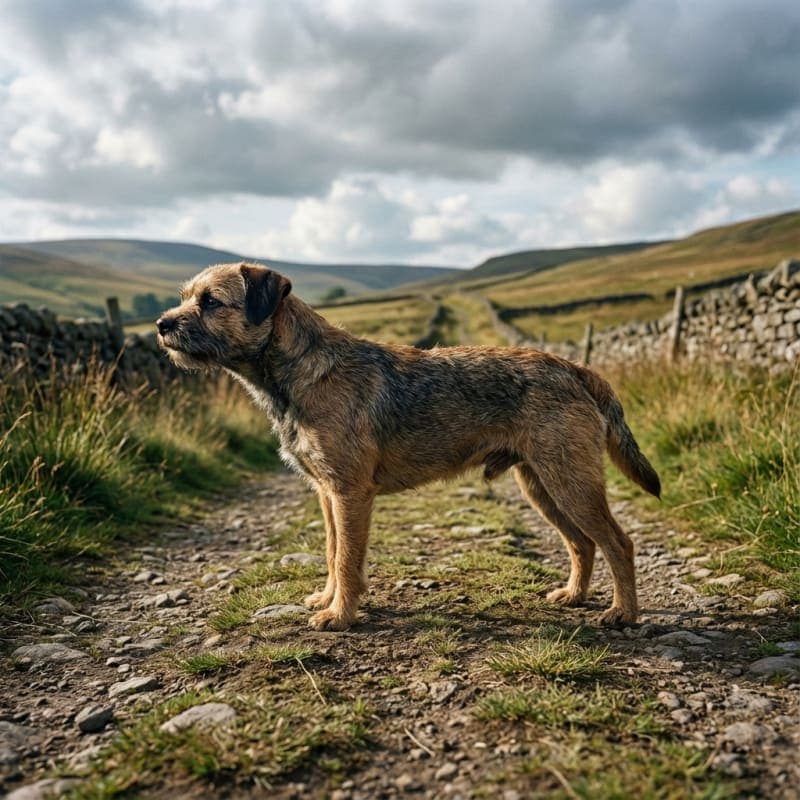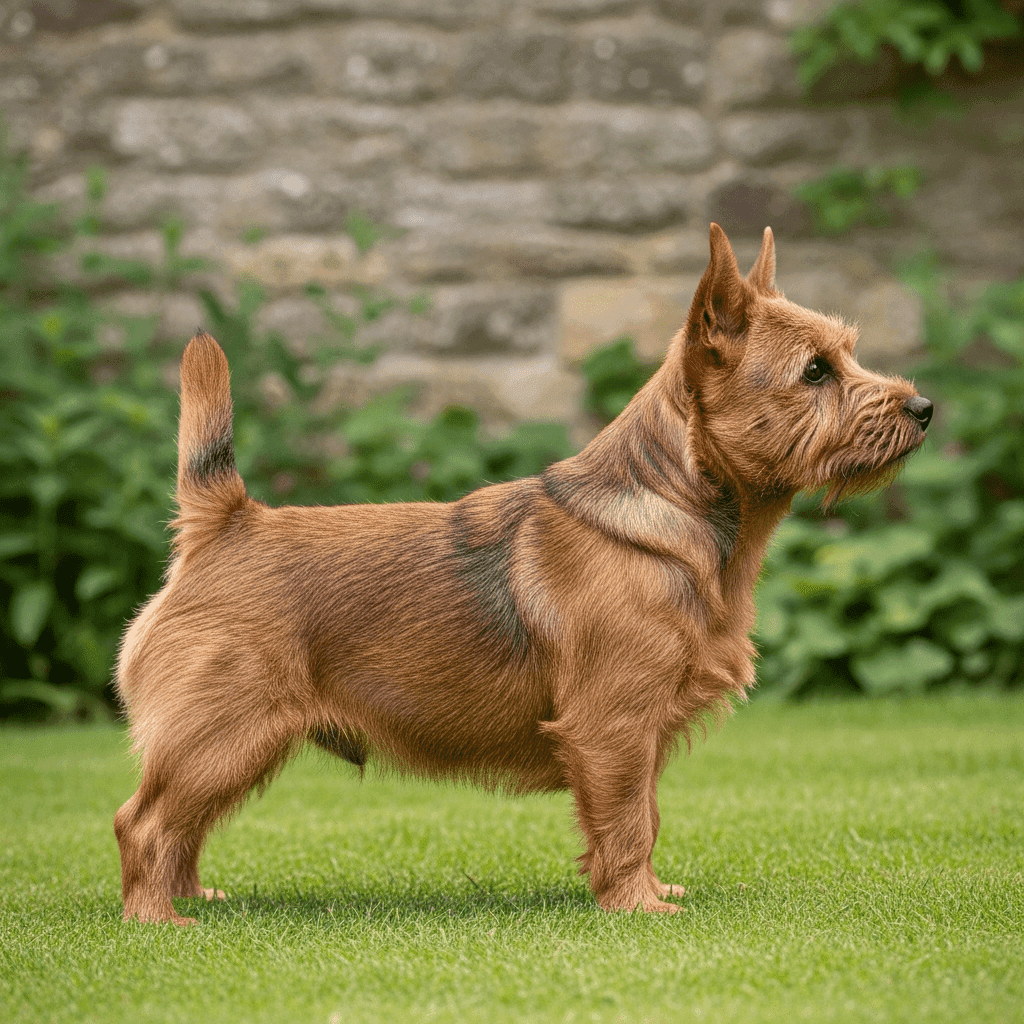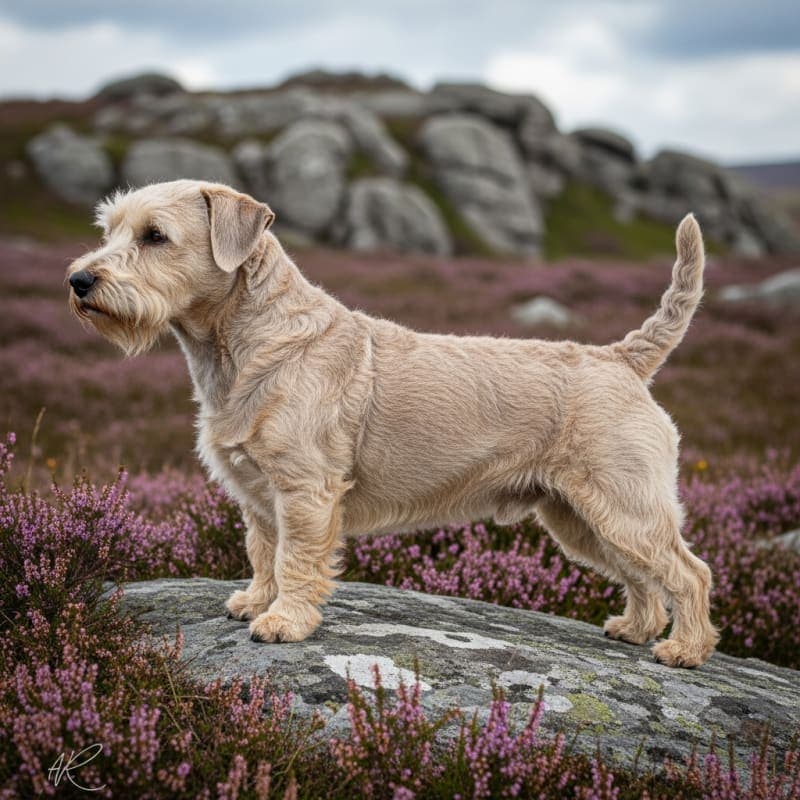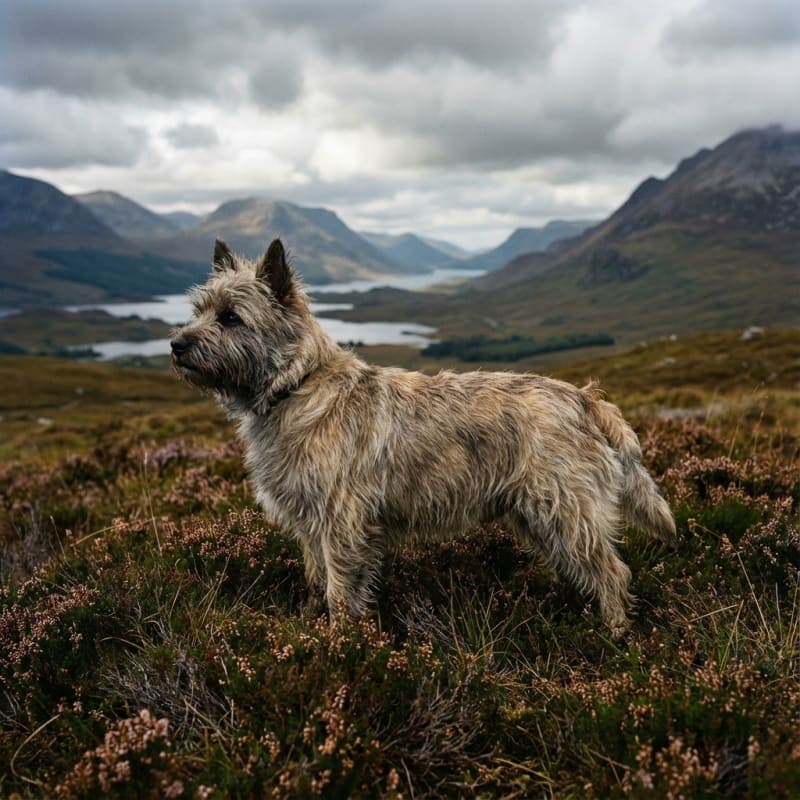
Cairn Terrier
FCI Group
3• FCI 4
Size
Small
Origin Country
GB
Height
28-31 cm
Weight
6-7.5 kg
Lifespan
12-16 years
Temperament
Overview
Cairn Terrier, often referred to as the "little Scottish warrior," is a dog breed with a remarkable history and extraordinary character. Originating from the picturesque Hebrides in northwestern Scotland, this small terrier was originally bred in the 16th century as an invaluable assistant to hunters in the challenging, rocky terrain of the Scottish Highlands. Its name comes from the Scottish word "cairn" (pronounced "kern"), meaning a pile of stones or a stone heap – it was in such places that the Cairn Terrier excelled at flushing out foxes, badgers, otters, and other small animals from their dens.
Unique features of the Cairn Terrier:
- One of the oldest Scottish terrier breeds – over 500 years of history
- The famous "Toto" from the movie "The Wizard of Oz" (1939) – the most well-known Cairn Terrier in the world
- Double, waterproof coat – natural protection against rain and cold
- Small size (28-31 cm, 6-7.5 kg) – ideal for city living
- Character of a "big dog in a small body" – brave, confident, independent
- Non-shedding coat – requires hand stripping, not machine clipping
- Bright, dark hazel eyes with "bushy" eyebrows – characteristic "clever" expression
Despite its small stature, the Cairn Terrier is a dog full of energy, vigor, and courage. Its temperament combines the traits of a true terrier – it is lively, alert, curious about the world, yet maintains extraordinary loyalty and attachment to family. Unlike some terrier breeds, the Cairn is not overly nervous or hysterical – it retains common sense and emotional stability, making it an excellent family dog.
Cairn Terrier in the family:
- With children: A great playmate, durable and patient (recommended for children over 6 years old)
- With other dogs: Usually friendly, but may dominate same-sex dogs
- With cats: Possible socialization from puppyhood, but strong hunting instinct may lead to chasing
- For seniors: A good choice – moderate exercise needs, but requires consistent training
- For beginners: Suitable if time is dedicated to learning and socialization
Their intelligence and willingness to cooperate make Cairn Terriers relatively easy to train, although they require consistent, positive reinforcement. Like most terriers, they have strong personalities and can be stubborn, so the owner should demonstrate patience and firmness. Cairns do not respond to authoritarian, harsh training methods – they respond best to positive reinforcement, rewards, and play.
Is the Cairn Terrier right for you? This breed will be ideal if:
- You lead an active lifestyle and can dedicate 60-90 minutes daily for walks and play
- You are looking for a small dog with a big personality and character
- You appreciate independence and "terrier traits" (stubbornness, determination, courage)
- You don't mind occasional loud barking (Cairn is an excellent watchdog)
- You are ready for regular grooming (brushing + stripping every 3-4 months)
- You have experience with dogs or a willingness to learn the basics of terrier training
The Cairn Terrier may not be suitable if:
- You expect absolute obedience and unquestioning submission
- You live in a place where barking is strictly prohibited (e.g., an apartment with quiet neighbors)
- You do not have time for daily walks and physical activity
- You expect a dog that will lie on the couch all day
- You cannot afford professional grooming every few months
The Cairn Terrier is a breed with an extraordinary history that has survived the centuries due to its versatility, resilience, and character. From the Scottish hills, through the salons of aristocracy, to Hollywood film sets – the Cairn has proven that a great heart of a true terrier resides in a small body. Today, this breed enjoys popularity worldwide as a loyal, cheerful, and lively family companion.
We invite you to continue exploring the fascinating world of Cairn Terriers in the following sections of our guide. You will learn more about their appearance, behavior, health, grooming, exercise needs, training, nutrition, and rich history of this unique Scottish breed.
Cairn Terrier is a dog with a compact, harmonious, and working body structure. Despite its small size, its silhouette exudes strength, agility, and readiness for action – traits that were crucial for a dog working in the challenging, mountainous terrain of the Scottish Highlands.
Size and proportions:
- Height at the withers (FCI): 28-31 cm
- Weight: 6-7.5 kg (males usually heavier than females)
- Body length: Proportionally longer than tall (not square)
- Format: Elongated, allowing for efficient movement in the field
- Build: Compact, solid, with well-developed muscles
Head and expression:
The head of the Cairn Terrier is small, but proportional to the body, richly coated, giving the dog a characteristic, "bushy" appearance. The skull is broad, with a distinct indentation between the eyes (stop). The muzzle is strong, sturdy, but not too long or heavy – it maintains proportions typical of a working terrier. The nose is always black, large, indicating the excellent sense of smell of this breed.
Eyes: Dark hazel, medium-sized, widely spaced, slightly recessed under bushy eyebrows. The expression of the eyes is intelligent, clever, shrewd – typical of terriers. The eyes should not be light or bulging, as this would indicate a lack of breed typicality.
Ears: Small, pointed, sharp, well-set and erect, not too close together or overly hairy. The ears should be mobile and responsive to sounds – a typical feature of alert, working terriers.
Teeth: The dentition is complete, with large, strong teeth. The bite is scissor-like – the upper teeth precisely overlap the lower ones, positioned perpendicular to the jaws. The jaws are strong but not excessively developed (not square like bulldogs).
Neck and body:
The neck is well-set, not too short, allowing for free movement of the head. The back is level, of medium length. The loins are strong, flexible, enabling agility and nimbleness. The chest is deep, well-arched, with deep ribs – providing adequate lung capacity, which was essential for a dog working in difficult terrain.
Tail:
The tail is short, proportional, well-coated, but not fluffy. It is carried joyfully, but not curled over the back or folded upon it. The tail's set is medium – neither high (like a fox terrier) nor low (like a basset). The tail is an important element of the dog's expression – reflecting its mood and emotions.
Limbs:
Front limbs: Medium-length, well-muscled, but not too heavy. The elbows are close to the chest. The wrists are flexible. The front paws are slightly larger than the hind ones – a typical feature of digging terriers (used for digging animals out of burrows). The toes are strong, well-arched, with short nails.
Hind limbs: Strong, well-muscled, with strong joints. The shins are long, providing driving power. The hind paws are smaller, compact, with well-arched toes.
Coat – a key breed characteristic:
The coat of the Cairn Terrier is double, providing protection against the harsh Scottish climate:
- Top coat: Hard, abundant, weather-resistant, not too long (about 5-6 cm). The texture is rough to the touch – not soft, not silky. This layer protects the dog from rain, snow, and cold.
- Undercoat: Short, soft, dense, lying close to the skin – insulating heat and providing thermoregulation.
- Head hair: Richly coated head with characteristic bushy eyebrows, "whiskers," and "beard" – giving the Cairn a unique, clever expression.
Coloration – a variety of colors:
The Cairn Terrier comes in many natural, "earthy" colors that helped it blend into the Scottish landscape:
- Cream: From light beige to darker cream
- Wheaten: The color of ripe wheat
- Red: From light ginger to deep, intense red
- Grey: From light silver to dark steel
- Nearly black: Very dark, but not pure black
- Brindle: A mix of colors with stripes – one of the most common patterns
Important: White, pure black, and distinct white markings are undesirable according to the FCI standard. The coat color may change with the dog's age – puppies often darken or lighten as they mature.
Movement and posture:
The Cairn Terrier moves freely, smoothly, with visible energy. The front limbs extend well forward, while the hind limbs provide strong propulsion. The posture is alert, active, ready for action – the dog stands confidently, with the front limbs slightly extended, giving it a "battle-ready" appearance.
Sexual differences:
- Males: Slightly larger, heavier (closer to the upper limit of height and weight), more massive in build, stronger head
- Females: More delicate, smaller (closer to the lower limit), more harmonious proportions, subtler head
Summary of appearance:
The Cairn Terrier is a dog that retains the authentic, working appearance of a terrier. It is not overly groomed, "dressed up," or devoid of natural character. Its coat, build, and expression reflect hundreds of years of selection for functionality, resilience, and work capability. This is a dog that looks exactly as a true Scottish terrier should look – concise, strong, ready for any challenge.
Cairn Terrier is a dog with a distinctive, typically terrier temperament, combining courage, independence, intelligence, and a deep attachment to family. Its personality is vibrant, full of character – definitely a "big dog in a small body".
Basic character traits:
- Alert and attentive: Cairn always knows what is happening around him – nothing escapes his notice
- Brave and uncompromising: He is not afraid of anything and readily confronts larger dogs
- Intelligent and clever: Learns quickly but can also "outsmart" his owner
- Independent: Has his own opinions and does not always want to cooperate
- Loyal and attached: Forms a strong bond with the family but is not "clingy"
- Energetic and lively: Always ready for play and exploration
- Cheerful and optimistic: Rarely in a bad mood, full of joy for life
Cairn Terrier in the family – relationships with household members:
Cairn is a great family dog who loves spending time with "his" people. He is attached to all family members, although he often chooses one person with whom he forms a special bond. In relation to children, he is patient, resilient, and eager to play, but requires supervision – younger children (under 6 years) may unintentionally hurt or provoke him, which can result in growling or jumping away.
Tips for families with children:
- Teach children to respect the dog – do not pull on the tail, ears, or disturb during meals
- Provide the dog with a "safe zone" where he can retreat from excessive attention from children
- Never leave small children alone with the dog without supervision
- Cairn is not a stuffed animal – he requires gentle but firm handling
Relationships with other animals:
With other dogs: Cairn Terrier is usually friendly towards other dogs, but may show dominance, especially towards dogs of the same sex. Males often do not tolerate other males on their territory. A well-socialized Cairn will have fun with other dogs during walks, but at home may prefer to be the only pet.
With cats and other small animals: Cairn has a strong hunting instinct – he was bred to hunt small animals. Cats, rabbits, hamsters, and guinea pigs may be seen as prey. Socialization from puppyhood can reduce this behavior but will never eliminate it completely. If Cairn grew up with a cat, he usually accepts it, but a strange cat in the yard will be chased.
Behavior towards strangers:
Cairn Terrier is alert but not aggressive towards strangers. He usually reacts with loud barking to sounds at the door or strangers approaching the house – he is an excellent watchdog. After a moment, when he determines that the situation is safe, he usually becomes friendly or simply ignores the guest. This is not a breed that rushes enthusiastically at strangers (like a golden retriever), but it is also not overly fearful or aggressive.
Hunting instinct and terrier behaviors:
Cairn Terrier is a terrier par excellence – he exhibits all typical behaviors of this group of breeds:
- Digging: Loves to dig holes in the garden, especially when he senses a mole or mouse
- Chasing moving objects: Squirrels, hedgehogs, birds, cats – anything that moves is a potential target
- Barking: Loud, sharp, alarming – can be a problem in densely populated neighborhoods
- Stubbornness: "I have my opinion and I stick to it" – a typical terrier attitude
- Courage (sometimes reckless): Cairn does not realistically assess his size – he may attack a dog 10 times bigger
Managing the hunting instinct:
- Walk on a leash in areas where small animals are present
- Train the command "leave it" from puppyhood
- Do not allow free running in the woods or park without full control
- Secure the garden – Cairn can dig under the fence to chase prey
- Provide safe, controlled opportunities for "hunting" – games of fetch, scent work, hiding treats
Activity level and mental needs:
Cairn Terrier is a dog with a moderately high energy level. He is not a border collie that requires 3-4 hours of intense exercise daily, but he is also not a pug that lies on the couch all day. Cairn needs:
- 60-90 minutes of activity daily – walks, play, training
- Mental stimulation – scent games, dog puzzles, training
- Opportunities for exploration – new places, scents, stimuli
A dog that does not have enough exercise and mental stimulation will:
- Bark excessively
- Destroy items in the house
- Dig holes in the garden
- Exhibit behavioral problems (aggression, separation anxiety)
Behavior at home:
At home, Cairn Terrier is calm, balanced, and pleasant – as long as he has received the right amount of exercise and stimulation. After returning from a walk, he is happy to rest on the couch, but will always keep an eye on what is happening around him. This is not a dog that sleeps 16 hours a day – Cairn is alert and always ready for action.
Behavioral problems – how to avoid them:
- Barking: Train the command "quiet", reward silence, do not yell at the dog (this only reinforces barking)
- Stubbornness: Use positive reinforcement, do not fight for dominance – it is ineffective
- Aggression towards other dogs: Early socialization, controlled meetings, avoiding confrontation
- Destructiveness: Provide adequate exercise, leave toys, gradually teach being alone
- Separation anxiety: Do not make a big ceremony out of departures and arrivals, leave the dog alone for short periods from puppyhood
Summary of character:
Cairn Terrier is a dog full of character, energy, and joy for life. He is loyal, brave, intelligent, but also stubborn, independent, and sometimes "set in his ways". This is not a breed for everyone – it requires an owner who appreciates his "terrier-ness", provides adequate exercise and stimulation, and is consistent in training. For the right person, Cairn will be a loyal, cheerful, and lively companion for many years.
Cairn Terrier is a breed of dogs with relatively good health condition, which is a result of centuries of functional selection – weak, sick dogs would not survive in the harsh, mountainous terrain of the Scottish Highlands. However, like any purebred, Cairn can be prone to certain genetic and age-related conditions.
Life expectancy:
- Average lifespan: 12-16 years
- Median: 14 years
- Record age: Some individuals live up to 17-18 years
Cairn Terrier is one of the long-lived breeds – a proper diet, physical activity, and regular veterinary check-ups can significantly extend a dog's life.
Most common health problems in Cairn Terriers:
1. Eye diseases:
Cairn Terrier is predisposed to several eye diseases that can appear at different ages:
- Glaucoma: Increased intraocular pressure leading to optic nerve damage and vision loss. Symptoms: redness of the eye, tearing, pain, enlargement of the eyeball. Requires immediate veterinary intervention.
- Cataract: Clouding of the lens leading to impaired vision. It can be congenital or develop with age. Treatment: surgical removal of the cataract.
- Progressive Retinal Atrophy (PRA): A genetic, incurable disease leading to blindness. Symptoms: deterioration of night vision, bumping into objects. Genetic tests can detect carriers of the gene.
- Corneal dystrophy: Clouding of the cornea, usually painless, but can affect the quality of vision.
Prevention: Regular eye examinations by a veterinary ophthalmologist (1-2 times a year), genetic testing by breeders, avoiding breeding dogs with eye diseases.
2. Patellar luxation:
Patellar luxation is a common problem in small dog breeds, including Cairn Terriers. The patella "jumps" out of the groove of the femur, causing:
- Intermittent limping (the dog lifts its paw, then returns to normal walking)
- Pain and discomfort
- Reduced physical activity
- In severe cases (grade III-IV): chronic limping, joint osteoarthritis
Treatment: Depends on the severity – from supplementation (glucosamine, chondroitin) to surgical intervention (in severe cases). Prevention: Maintaining a healthy weight, avoiding jumps from heights, strengthening the muscles of the hind limbs.
3. Hip Dysplasia (HD):
Although dysplasia is rarer in small breeds than in large dogs, Cairn Terrier can be affected. Symptoms:
- Limping, especially after intense exertion
- Difficulty getting up, stiffness after rest
- Reluctance to jump, going up stairs
- "Bunny" position of the hind legs (legs close together)
Treatment: Supplementation (glucosamine, chondroitin, MSM), pain medications, physical therapy, in severe cases – surgical intervention. Prevention: Breeders should screen dogs before breeding (X-rays of the hips), maintaining a healthy weight.
4. Obesity:
Cairn Terrier has a tendency to gain weight, especially if it does not get enough exercise. Obesity leads to:
- Increased strain on joints (accelerating osteoarthritis)
- Heart and respiratory problems
- Diabetes
- Shortened lifespan
Prevention: Monitor food portions (do not overfeed!), avoid excessive treats (max 10% of daily calories), ensure regular physical activity (60-90 min daily), regularly monitor weight.
5. Skin diseases:
Cairn Terrier has a double, dense coat, which can lead to skin problems if the coat is not properly maintained:
- Skin allergies: Reactions to food, environmental allergens (pollen, dust, mites). Symptoms: itching, redness, hair loss, chewing on paws.
- Hot spots: Focal pyoderma, often caused by allergies or excess moisture trapped in the undercoat.
- Fungal and bacterial skin infections: Caused by lack of ventilation of the skin under the dense undercoat.
Prevention: Regular brushing (at least 1-2 times a week), trimming every 3-4 months, avoiding too frequent baths (dries out the skin), using appropriate shampoos (hypoallergenic), high-quality diet.
6. Cushing's syndrome (hyperadrenocorticism):
Cairn Terrier is one of the breeds predisposed to Cushing's syndrome – excessive production of cortisol by the adrenal glands. Symptoms:
- Increased thirst and urination
- Increased appetite but loss of muscle mass
- Swollen abdomen ("pot belly")
- Hair loss (especially symmetrically on the sides)
- Lethargy, weakness
Treatment: Medications regulating cortisol production (trilostane, mitotane), diet, regular veterinary check-ups. Untreated Cushing's syndrome shortens the dog's life.
7. Portosystemic shunt (PSS):
Congenital defect in which blood bypasses the liver, leading to toxin accumulation. Symptoms (usually in puppies and young dogs):
- Growth retardation
- Neurological problems (disorientation, seizures)
- Vomiting, diarrhea
- Increased salivation
Treatment: Surgical intervention (closing the shunt), low-protein diet, medications. Early diagnosis and treatment provide a good prognosis.
Health prevention – how to take care of a Cairn Terrier's health:
- Regular veterinary visits: Every 6-12 months (older dogs – every 6 months)
- Vaccinations: According to the veterinarian's schedule (rabies, distemper, parvovirus, etc.)
- Worming: Every 3-6 months (more often for dogs with access to the garden)
- Protection against external parasites: Ticks, fleas (regular spot-on treatments or collars)
- Oral hygiene: Brushing teeth 2-3 times a week (prevents periodontal disease)
- Weight monitoring: Weighing monthly, adjusting food portions
- Physical activity: 60-90 minutes daily (maintains a healthy weight, supports joints and heart)
- High-quality diet: Premium food, rich in protein, without unnecessary additives
Genetic tests for breeders:
Responsible breeders should perform genetic tests on their breeding dogs:
- PRA (progressive retinal atrophy) – DNA test
- Eye examination by a veterinary ophthalmologist
- X-rays of the hips (to rule out dysplasia)
- Patella examination (to rule out luxation)
Summary:
Cairn Terrier is a healthy, resilient, and long-lived breed that, with proper care, can enjoy excellent health for 14-16 years. The key is prevention, regular veterinary check-ups, a healthy diet, and physical activity. The owner should be aware of potential health issues and respond immediately to concerning symptoms – early diagnosis significantly increases the chances of effective treatment.
Cairn Terrier grooming requires regularity, consistency, and – above all – understanding the specifics of the coat of Scottish terriers. The Cairn has a double, hard, non-shedding coat that requires hand-stripping, not machine clipping. This is a key difference that all owners of this breed must know.
What is hand-stripping and why is it so important?
Hand-stripping is the manual pulling out of dead, mature hairs from the outer coat. Why is this so important?
- Maintains the hard texture of the coat: Clipping with a machine makes the coat soft, fluffy, and loses its waterproof quality
- Prevents skin problems: Dead hairs retain moisture, leading to infections, fungi, hot spots
- Maintains natural color: Clipped fur often fades and loses intensity
- Healthier for the dog: New hairs grow stronger and healthier
IMPORTANT: If you have a PET Cairn Terrier (not a show dog), you may choose to use clippers for convenience, but remember that you will permanently change the structure and quality of the coat.
Coat care schedule:
1. Brushing (1-2 times a week):
Regular brushing is absolutely crucial for the health of the Cairn Terrier's coat and skin. Neglecting brushing leads to:
- Tangles and mats (especially behind the ears, on the belly, under the paws)
- Trapped moisture in the undercoat → skin infections
- Accumulation of dirt and dead hairs
- Ventilation problems for the skin
How to brush a Cairn Terrier:
- Tools: Slicker brush (with wires), metal comb (with medium spacing between teeth), pin brush
- Technique: Brush in the direction of hair growth, gently detangling mats (do not pull!). Start with the slicker brush (removes dead hairs), then use the comb (to check for mats).
- Time: 10-15 minutes per session
- Frequency: 2-3 times a week (during shedding season – daily)
2. Hand-stripping (every 3-4 months):
Hand-stripping is professional grooming best entrusted to a groomer specializing in terriers. Cost: 100-200 PLN per session (depending on the region and groomer's experience).
What to expect during hand-stripping:
- Duration: 1.5-3 hours (depending on the condition of the coat and the groomer's experience)
- Process: The groomer manually pulls out mature hairs from the outer coat (sometimes using a tool – stripping knife), leaving the undercoat
- Effect: The Cairn looks "groomed," but retains the hard, natural texture of the coat
- Discomfort: Most dogs tolerate hand-stripping well (if the coat is mature, the hairs come out easily). Some dogs may be reluctant – it requires getting used to from puppyhood.
Alternative: Rolling coat (for advanced):
Instead of stripping the entire coat every 3-4 months, you can "roll" the coat – that is, manually pull out a small amount of mature hairs weekly. Effect: the dog always looks good, with the coat in various growth phases. This requires a lot of time and experience, but is ideal for show dogs.
3. Baths (every 4-8 weeks or as needed):
The Cairn Terrier does not require frequent baths – too frequent washing dries out the skin and strips the coat of natural oils that provide waterproofing.
When to bathe a Cairn Terrier:
- After intense play in mud (obvious)
- When the dog starts to smell bad (e.g., after playing with carrion)
- Before hand-stripping (groomers often bathe dogs before stripping)
- Every 4-8 weeks as routine hygiene
How to bathe a Cairn Terrier:
- Shampoo: Hypoallergenic, designed for dogs with hard coats (e.g., terrier shampoos). Avoid overly moisturizing shampoos (they soften the coat).
- Water temperature: Lukewarm (not too hot – dries out the skin)
- Technique: Thoroughly wet the coat (the undercoat is dense and repels water), apply shampoo, massage, rinse thoroughly (residual shampoo can irritate the skin)
- Drying: Towel (remove excess water), hairdryer (on low heat, not too close to the skin), brush while drying (prevents tangling)
IMPORTANT: Do not bathe the dog too often – frequent baths destroy the natural protection of the skin.
4. Ear hygiene (weekly):
The Cairn Terrier has small, sharp, upright ears that usually do not cause problems. However, regular checks are recommended:
- Check: Once a week, look into the ears – are they clean, odorless, without discharge, redness
- Cleaning: If the ears are dirty, use a special ear cleaning solution for dogs (available from the vet or pet store). Apply a few drops, massage the base of the ear, let the dog shake its head, wipe away any residue with a cotton ball.
- DO NOT USE: Cotton swabs (can damage the eardrum), tap water (can introduce bacteria)
- Symptoms of problems: Redness, unpleasant odor, discharge, the dog frequently shakes its head or scratches its ears → visit the vet (there may be a bacterial infection, fungus, mites)
5. Oral hygiene (2-3 times a week):
The Cairn Terrier, like many small breeds, is prone to dental problems – tartar, gum disease, cavities. Untreated dental diseases lead to:
- Pain and discomfort
- Tooth loss
- Bacterial infections that can enter the bloodstream → heart, kidney, liver problems
- Shortened lifespan
How to care for a Cairn Terrier's teeth:
- Brushing: 2-3 times a week (preferably daily) with a dog toothbrush and dog toothpaste (NEVER human toothpaste – fluoride is toxic to dogs)
- Technique: Gently lift the lip, brush the teeth and gums in a circular motion, focusing on the outer surfaces of the teeth (where most tartar accumulates)
- Getting used to it: Start from puppyhood – let the dog accept oral touch
- Dental treats: Chews, dental bones (e.g., Dentastix),
Vet visits: Professional teeth cleaning every 1-2 years (under general anesthesia)
6. Nail trimming (every 3-4 weeks):
The Cairn Terrier, especially if it mainly walks on grass or dirt (not asphalt), requires regular nail trimming:
- Frequency: Every 3-4 weeks (or when you hear the nails clicking on the floor)
- Tool: Guillotine or scissor-type nail clippers for dogs
- Technique: Trim only the tip of the nail, avoid cutting the "live" part (contains blood vessels and nerves – painful!). If the nails are light, you can see the pink "live" part. If they are dark, trim in small pieces until you see a small black dot in the middle (this is the start of the "live" part).
- If you cut the vessel: Use blood-stopping powder or corn starch to stop the bleeding
- Alternative: Visit a groomer or vet (cost: 10-20 PLN)
7. "Beard" and "mustache" grooming (daily):
The Cairn Terrier has a distinctive "beard" and "mustache" that can collect food, water, and dirt:
- After meals: Wipe the beard with a damp cloth (removes food residues)
- After drinking: Wipe the beard (reduces moisture → prevents skin infections)
- Daily combing: Comb the beard and mustache with a comb (prevents tangling)
8. Eye area check and cleaning (daily):
The Cairn has bushy eyebrows that can irritate the eyes:
- Check: If the hairs are growing into the eyes (if so, trim gently)
- Clean: If you see discharge in the corners of the eyes, wipe with a damp cotton ball (from the inner to the outer corner of the eye)
Annual grooming cost for a Cairn Terrier:
- Professional hand-stripping (4x a year): 400-800 PLN
- Shampoos, conditioners, ear cleaning solution: 100-200 PLN
- Tools (brushes, combs, nail clippers): 100-150 PLN (one-time)
- Dental treats: 100-200 PLN
- Teeth cleaning at the vet (1x every 1-2 years): 300-600 PLN
- TOTAL: ~1000-1500 PLN annually (excluding teeth cleaning)
Summary:
Grooming a Cairn Terrier is not difficult, but requires regularity. The most important thing is to understand that the coat of Scottish terriers should not be clipped with a machine – it should only be hand-stripped. If you take care of the basic tasks (brushing, hand-stripping, dental hygiene, ear hygiene, nail trimming), your Cairn will look beautiful, feel comfortable, and enjoy good health for many years.
Cairn Terrier is a dog with a moderately high energy level that requires regular physical activity and mental stimulation to remain healthy, happy, and balanced. This is not a dog that will lie on the couch all day – the Cairn was bred to work in tough terrain, and that genetics is still alive in him.
How much exercise does a Cairn Terrier need?
- Minimum daily activity time: 60 minutes
- Optimal time: 90 minutes
- Maximum (for very active dogs): 120 minutes
Activity should be divided into 2-3 sessions – e.g., a walk in the morning (30-40 min), afternoon (30-40 min), and evening (short play or walk 15-20 min).
Types of activities suitable for Cairn Terriers:
1. Walks (the foundation):
Walks are the foundation of Cairn Terrier activity. It’s not just physical movement, but also mental stimulation – new scents, stimuli, encounters with other dogs.
- Frequency: 2-3 times a day
- Duration: 30-40 minutes per walk (totaling 60-90 min daily)
- Pace: Moderate to fast (Cairn is not a basset – he enjoys energetic walks)
- Terrain: Varied – park, forest, meadows, beaches (if available). Cairn loves to explore new places.
- ON A LEASH: In public places ALWAYS on a leash – the hunting instinct may prompt Cairn to chase a squirrel, cat, or bird, which can end in disaster (losing the dog, being hit by a car, conflict with a larger dog)
2. Free running (with supervision):
Cairn Terrier loves to run and explore, but due to the hunting instinct, free running is only possible in safe, enclosed areas:
- Fenced dog parks – an ideal place for Cairn to play freely with other dogs
- Private, fenced garden – provided the fence is high (min. 1.2 m) and well secured (Cairn can dig under the fence!)
- Safe, secluded places – e.g., an empty beach, a forest clearing (only if you are sure the dog will return when called)
NEVER allow Cairn to run free:
- Near busy streets
- In areas with wildlife (forest, meadows) – the dog may chase a hare and not return
- In unfamiliar places
3. Ball games, retrieving:
Cairn Terrier usually enjoys ball games, although it is not a breed obsessively driven to retrieve (like border collies or labradors). Ball games are a great way to burn off energy in a short time:
- Tennis ball, rubber ball, frisbee – throw it, the dog will bring it back (or at least chase it)
- Time: 10-15 minutes of intense play = 30 minutes of walking (in terms of calories burned)
- Note: Don’t overdo it – too intense play can lead to injuries (patellar dislocation, joint strain)
4. Scent games (tracking scents):
Cairn Terrier is a dog with a great sense of smell, bred for tracking animals. Scent games provide excellent mental stimulation, tiring the dog more than a regular walk:
- Hiding treats: Hide treats in the garden, house, park – let the dog find them
- Scent trails: Drag a treat along the ground, creating a trail, and hide a reward at the end – let the dog follow the trail
- Scent toys (snuffle mat): A mat made of fabric strips where you hide treats – the dog must sniff them out
- Nosework training: A professional sport for dogs where the dog searches for specific scents (e.g., essential oils)
5. Agility, obstacle courses, dog sports:
Cairn Terrier is a agile, intelligent dog that can participate in dog sports:
- Agility: An obstacle course (tunnels, slalom, jumps, seesaws). Cairn usually does well, though he may be stubborn during training.
- Earthdog trials (USA): A sport where the terrier enters an artificial den and "hunts" for artificial prey (caged rats that are unharmed). Ideal for Cairn – it utilizes natural instincts.
- Rally obedience: A course with obedience commands – the dog performs commands at various stations.
- Frisbee, flyball: Intense sports for very active dogs
6. Training and obedience training:
Training is not just learning commands, but also great mental stimulation. 15 minutes of intense training tires the dog more than 30 minutes of walking:
- Train basic commands (sit, lie down, come, leave it)
- Teach tricks (shake, spin, play dead)
- Practice obedience in challenging conditions (park with other dogs, busy street)
7. Socialization with other dogs:
Cairn Terrier usually enjoys playing with other dogs (provided proper socialization). Playing with dogs is a great form of exercise:
- Dog parks
- Group walks
- Playdates with other dogs (arrange with friends who have dogs)
Note: Monitor play – Cairn can be dominant towards other dogs, especially of the same sex. If you see tension, separate the dogs.
8. Swimming (if they like it):
Not all Cairn Terriers enjoy water, but some love to swim. Swimming is a great form of exercise, especially for older dogs with joint issues (low joint stress):
- Lakes, rivers, dog pools
- Always supervise the dog in the water
- After swimming, dry the coat thoroughly (to prevent skin infections)
Activity based on age:
Puppies (2-12 months):
- The 5-minute rule: 5 minutes of walking for each month of age, twice a day (e.g., a 4-month-old puppy = 20 min walk, 2x a day)
- Avoid intense jumping, running on hard surfaces (joints are still developing)
- Focus on socialization, gentle play, and training basic commands
Young adults (1-7 years):
- Full activity: 60-90 minutes daily
- Most energetic period – needs plenty of exercise and mental stimulation
- Ideal time for dog sports, agility, training
Seniors (7+ years):
- Reduced activity: 30-60 minutes daily (adjust to the dog's condition)
- Shorter, more frequent walks (easier on the joints)
- Avoid intense jumping, running on uneven terrain
- Scent games, gentle training – mental stimulation is still important
Consequences of lack of exercise:
A Cairn Terrier that does not get enough exercise and mental stimulation will be:
- Destructive: Chewing furniture, shoes, cushions
- Noisy: Excessive barking
- Hyperactive: Uncontrolled running around the house, jumping on people
- Obese: Excess calories + lack of exercise = obesity → health problems
- Depressed, apathetic: Lack of stimulation leads to emotional issues
- Behavioral problems: Aggression, anxiety, obsessive behaviors
Summary:
Cairn Terrier is an active, energetic dog that needs 60-90 minutes of exercise daily as well as mental stimulation. This is not a breed for people leading a sedentary lifestyle. If you provide Cairn with the right amount of activity, he will be a balanced, happy, and obedient companion. Neglecting exercise needs leads to behavioral and health problems.
Cairn Terrier Training is a challenge that requires patience, consistency, and understanding of terrier psychology. The Cairn is an intelligent dog, but also independent, stubborn, and sometimes "set in its ways" – traits typical of working terriers that had to make decisions independently while hunting in burrows.
Basic principles of Cairn Terrier training:
- Positive reinforcement: Rewards (treats, praise, play) for correct behavior – NO punishments!
- Consistency: Rules must be constant – if you prohibit something once, you always prohibit it (no "sometimes yes, sometimes no")
- Short sessions: 5-10 minutes, 2-3 times a day (Cairn gets bored if sessions are too long)
- Early start: Training from 8-10 weeks of age (the earlier, the better)
- Patience: Cairn is not a breed that will be obedient after just 2 weeks of training
- Fun and motivation: Training must be interesting and fun – boring repetition will discourage the terrier
Why is positive reinforcement crucial?
The Cairn Terrier does not respond to harsh, authoritarian methods – yelling, hitting, yanking on the collar lead to:
- Losing trust in the owner
- Fear, defensive aggression
- Avoidance of training
- Even greater stubbornness
The Cairn responds best to rewards, praise, play – if training is enjoyable, the dog will be eager to cooperate.
Stages of Cairn Terrier training:
1. Socialization (8-16 weeks of age – CRUCIAL PERIOD):
Socialization is the most important stage of puppy development – during this time, the dog learns how to react to the world. A well-socialized Cairn will be confident, friendly, and balanced. A poorly socialized one may be fearful, aggressive, and problematic.
What to socialize (incomplete list):
- People: Children, adults, seniors, people in hats, glasses, bearded, in wheelchairs, with umbrellas
- Other dogs: Different breeds, sizes, ages (puppies, adults, seniors)
- Animals: Cats, rabbits, birds (controlled meetings!)
- Places: Park, forest, busy street, pet store, veterinary clinic, bus, car
- Sounds: Traffic, thunder (YouTube recordings), vacuum cleaner, hairdryer, firecrackers (from a distance!), doorbells
- Surfaces: Grass, asphalt, gravel, metal grates, stairs, elevator
- Objects: Strollers, bicycles, skateboards, scooters
How to socialize:
- Gradually, without forcing (if the dog is scared, do not force – wait, reward brave behavior)
- Reward calm reactions (treats, praise)
- Avoid traumatic experiences (e.g., an attack by a large dog can leave lasting fear)
- Enroll in puppy classes – controlled meetings with other puppies
2. Basic obedience commands (from 8 weeks of age):
Basic commands are the foundation for further training. The Cairn should know:
"Sit":
- How to teach: Hold a treat above the dog's nose, slowly raise it upwards – the dog will automatically sit while following the treat. As soon as the dog sits, say "sit," give the reward.
- Practical application: Before meals, before opening doors, before putting on the leash
"Down":
- How to teach: From the "sit" position, slowly move the treat down and forward – the dog will lie down while following the treat. As soon as the dog lies down, say "down," give the reward.
- Practical application: In the waiting room at the vet, in a restaurant, when you want the dog to calm down
"Leave it":
- How to teach: Hide a treat in your closed hand, show it to the dog. The dog will try to get the treat (sniffing, licking, scratching). Ignore. When the dog stops, say "leave it," open your hand, give the reward FROM THE OTHER HAND (not the one it was supposed to leave).
- Practical application: A KEY command for the Cairn – prevents the dog from eating something dangerous (poison, carrion, chicken bones)
"Come":
- How to teach: On a long leash (5-10 m), let the dog explore. Say "come" in a cheerful tone, gently pull the leash (do not yank!). When the dog approaches, reward + big praise. NEVER call the dog to punish it!
- Practical application: Safety – the dog returns when called
"Stay":
- How to teach: Dog in the "sit" or "down" position. Say "stay," step back a step (looking at the dog). If the dog stays, return, reward. Gradually increase distance and time.
- Practical application: Before crossing the street, at open doors
"No":
- How to teach: When the dog does something forbidden (e.g., chewing a shoe), say firmly "no" (do not shout!), redirect to an allowed activity (e.g., a toy), reward for correct behavior.
- Practical application: Interrupting unwanted behavior
"Quiet":
- How to teach: When the dog barks, wait until it stops for a moment, immediately say "quiet," reward. Gradually extend the time of silence before the reward.
- Practical application: Controlling barking (Cairn likes to bark!)
3. House training (8-16 weeks):
The Cairn Terrier learns cleanliness relatively quickly, but requires consistency:
- Frequent outings: Every 2-3 hours, after meals, after naps, after playtime
- Rewarding: When the dog goes outside, immediately reward + praise
- No punishments: NEVER punish the dog for going in the house (do not rub its nose, do not shout) – the dog will not understand, it will only be scared
- Accidents are normal: A puppy does not have full control over its bladder until about 4-6 months of age
- Signs: When you see the dog starting to circle, sniff, squat – take it out immediately
4. Walking on a leash (from 8-10 weeks):
The Cairn Terrier has a tendency to pull on the leash (the terrier always wants to be first, explore, chase scents):
- Rule: If the dog pulls, stop. Wait. When the dog slows down and the leash relaxes, continue walking. The dog learns: pulling = stop, loose leash = we go on.
- Rewarding: When the dog walks next to you with a loose leash, reward every few steps
- Patience: Teaching to walk on a loose leash can take weeks/months
- Alternative: Use a long lead (3-5 m) on exploratory walks, standard leash (1.5 m) on training walks
5. Being alone at home (from 8-10 weeks):
The Cairn Terrier can suffer from separation anxiety if it is not accustomed to being alone:
- Gradual acclimatization: Start with 5 minutes of solitude, gradually increase (10 min, 30 min, 1 h, 2 h, etc.)
- No ceremony: Do not make a big farewell or welcome – this reinforces anxiety
- Engaging toys: Kong with peanut butter, chew toys, sniffing mat
- Calm place: Bed, crate (if the dog is accustomed to it), soft music
- Signs of separation anxiety: Destruction of items, barking/whining throughout absence, going in the house (despite being house trained), drooling, pacing
- If anxiety is severe: Consult a dog behaviorist, possible behavioral therapy, in severe cases – medication
6. Managing the hunting instinct:
The Cairn Terrier has a very strong hunting instinct – this is one of the biggest challenges in training:
- "Leave it": Train intensively – it may save the dog's life
- "Come": Train in environments with distractions (other dogs, squirrels, birds)
- Leash walks: In areas where small animals are present, ALWAYS on a leash
- Secure the garden: Fence at least 1.2 m high, with no possibility of digging under (initially, it may be necessary to secure the bottom of the fence with metal mesh)
- Accept: Complete elimination of the hunting instinct is impossible – you can control it, but not remove it
7. Behavioral problems and how to solve them:
Excessive barking:
- Cause: Boredom, anxiety, alarm (something is happening), attention-seeking
- Solution: Command "quiet," rewarding silence, providing exercise and stimulation, ignoring barking for attention
Stubbornness, lack of obedience:
- Cause: Terrier independence, lack of motivation, boring training
- Solution: Make training more engaging (play, various rewards), be consistent, do not fight for dominance
Destructiveness:
- Cause: Lack of exercise, boredom, separation anxiety, teething phase (puppies)
- Solution: Increase exercise and stimulation, engaging toys, gradual acclimatization to solitude
Aggression towards other dogs:
- Cause: Lack of socialization, fear, dominance, resource guarding
- Solution: Early socialization, controlled meetings with other dogs, rewarding calm reactions, consultation with a behaviorist
When to seek professional help:
- Serious behavioral problems (aggression, separation anxiety, phobia)
- No progress despite consistent training
- You want to teach advanced commands or participate in dog sports
Summary:
Training a Cairn Terrier is a long-term, patience-requiring process, but the result is worth it – a well-trained Cairn is a wonderful, obedient, and balanced companion. Key principles are: positive reinforcement, consistency, early socialization, short training sessions, and acceptance of "terrier traits" – a Cairn will never be as obedient as a German Shepherd, but it can be a well-trained, responsible family dog.
Proper nutrition for the Cairn Terrier is crucial for its health, longevity, and quality of life. This breed has relatively low caloric needs due to its small size, but at the same time, it has high protein and nutrient requirements due to its active lifestyle.
How much to feed a Cairn Terrier?
Daily caloric requirements:
- Adult dog (1-7 years, moderately active): 400-600 kcal per day
- Very active dog (sports, long walks): 600-750 kcal per day
- Senior (7+ years, less active): 300-450 kcal per day
- puppy (2-12 months): 500-800 kcal per day (depending on age and growth rate)
Weight of dry food per day (approximate):
- Premium food (about 350-400 kcal/100g): 100-150 g per day (adult dog)
- Economical food (about 300-320 kcal/100g): 130-180 g per day
IMPORTANT: These are approximate values – the exact amount depends on: age, weight, activity level, metabolism, neutering (neutered dogs need ~20% fewer calories).
How many meals per day?
- Puppies (2-6 months): 3-4 meals per day
- Young dogs (6-12 months): 2-3 meals per day
- Adult dogs (1+ year): 2 meals per day (morning and evening)
- Seniors (7+ years): 2 meals per day (some owners divide into 3 smaller ones)
Why 2 meals instead of 1? Smaller portions are easier to digest, reduce the risk of stomach bloating (though Cairn is not a breed particularly prone to it), and stabilize blood sugar levels.
What type of food to choose?
1. Dry food (kibble) – the most popular:
Advantages:
- Convenience (easy to store, portion)
- Dental hygiene (crunching kibble reduces tartar)
- Relatively inexpensive
- Balanced (high-quality foods contain all essential nutrients)
Disadvantages:
- Contains preservatives, additives (in lower quality foods)
- Less palatable than wet food (some dogs are reluctant to eat)
How to choose good dry food?
- Animal protein as the first ingredient: Meat (chicken, turkey, lamb, fish), not "animal by-products" or "meat meal"
- Protein content: Min. 25% (for adult dogs), 28-32% (for puppies, very active dogs)
- Fat content: 12-18% (for adults), 15-20% (for puppies)
- No unnecessary additives: Avoid artificial colors, preservatives (BHA, BHT, ethoxyquin), sugar
- Avoid too many grains: Wheat, corn (can cause allergies). Prefer foods with rice, oats, potatoes, sweet potatoes.
- Functional additives: Glucosamine and chondroitin (for joints), omega-3 and omega-6 fatty acids (for skin and coat), prebiotics/probiotics (for the digestive tract)
Example premium food brands for Cairn Terriers (Poland):
- Acana, Orijen (very high quality, Canadian, more expensive)
- Taste of the Wild (good quality, grain-free, USA)
- Royal Canin Small Breed (dedicated to small breeds, France)
- Hill's Science Plan Small & Miniature (veterinary, USA)
- Brit Care (Czech, good quality/price ratio)
- Farmina N&D (Italian, high meat content)
2. Wet food (cans, pouches):
Advantages:
- More palatable (higher level of animal protein, moisture)
- Better hydration (wet food contains ~70-80% water)
- Easier to digest
Disadvantages:
- More expensive (2-3x the price of dry food)
- Short shelf life after opening (1-2 days in the fridge)
- Does not help with dental hygiene (lack of crunching)
When to feed wet food?
- The dog does not want to eat dry food (picky eater)
- Older dog with dental problems
- Dog recovering from illness that needs extra hydration
- As an addition to dry food (mix – e.g., 70% dry + 30% wet)
3. BARF diet (Biologically Appropriate Raw Food) – raw diet:
What is BARF? Raw meat, bones, offal, vegetables, fruits – mimicking the diet of a wild dog.
Advantages:
- Natural, unprocessed
- High animal protein content
- No preservatives, additives
- Better skin and coat condition (according to BARF advocates)
Disadvantages:
- Requires knowledge (easy to have nutrient deficiencies)
- Risk of bacteria (Salmonella, E. coli in raw meat)
- Time-consuming (meal preparation)
- Expensive (high-quality meat)
- CONTROVERSIES: Many veterinarians do not recommend BARF due to the risk of deficiencies and bacteria
IMPORTANT: If you decide on BARF, consult with a veterinarian or canine nutritionist to avoid deficiencies.
4. Homemade food (cooked meat + additives):
You can prepare meals for your dog yourself: meat (chicken, turkey, beef), rice, potatoes, vegetables, oils (flaxseed, fish). Requires supplementation (calcium, phosphorus, vitamins) to ensure a balanced diet.
What NOT to feed a Cairn Terrier (TOXIC PRODUCTS):
- Chocolate: Contains theobromine – toxic to dogs, can lead to poisoning, death
- Onion, garlic: Destroy red blood cells, lead to anemia
- Grapes, raisins: Toxic, damage kidneys
- Avocado: Contains persin – toxic to dogs
- Xylitol (sweetener): Extremely toxic – rapid drop in blood sugar, liver failure
- Alcohol: Obvious – can lead to death
- Cooked bones (chicken, pork): Brittle, can puncture intestines
- Fatty meat, skins: Pancreatitis
- Excessive salt: Dehydration, sodium poisoning
- Macadamia nuts: Toxic
Healthy treats for Cairn Terriers (max 10% of daily calories):
- Carrot: Crunchy, healthy, low-calorie, good for teeth
- Apple (without seeds): Vitamins, fiber
- Peas, green beans: Low-calorie, healthy
- Cooked chicken (without bones, skin): Protein
- Fish (salmon, mackerel – cooked, without bones): Omega-3
- Cooked rice, potatoes: Carbohydrates
- Natural chews: Dried beef lungs, pig ears (without chemicals)
Obesity in Cairn Terriers – how to avoid it?
Cairns have a tendency to gain weight, especially after neutering or lack of exercise. Obesity leads to:
- Joint overload (arthritis, patellar dislocation)
- Heart disease
- Diabetes
- Shortened lifespan (obese dogs live 1-2 years shorter)
How to check if the dog has a proper weight?
- Touch test: You should feel the ribs under a thin layer of fat (not see, but feel)
- Visible waist: The dog should have a clear narrowing behind the ribs (viewed from above)
- Tucked belly: The belly should be tucked (viewed from the side), not hanging
How to prevent obesity?
- Measure food portions (use a measuring cup, not "eyeballing")
- Limit treats (max 10% of daily calories)
- Regular exercise (60-90 minutes daily)
- Monitor weight (weighing monthly)
- After neutering, reduce portions by ~20% or switch to "light" food
Changing food – how to do it?
Sudden changes in food can lead to digestive problems (diarrhea, vomiting). The change should be gradual:
- Day 1-3: 75% old food + 25% new
- Day 4-6: 50% old + 50% new
- Day 7-9: 25% old + 75% new
- Day 10: 100% new food
Water – always available!
The Cairn Terrier should have constant access to fresh, clean water. Change the water daily, wash the bowl regularly (bacteria).
Summary:
Proper nutrition for the Cairn Terrier includes high-quality food, appropriate portions, limited treats, and constant access to water. A well-fed dog will have beautiful fur, a healthy weight, energy, and a long life. Remember: obesity is one of the most common health problems in Cairn Terriers – monitor weight and adjust portions according to the dog's activity level.
Characteristic Traits
Pros
- Energetic and full of life
- Intelligent and relatively easy to train
- Excellent companion and family dog
- Small size perfect for urban apartments
- Non-shedding coat (hypoallergenic)
- Healthy and long-lived breed (12-16 years)
- Brave and confident.
Cons
- Loud barking can disturb neighbors
- Strong hunting instinct (chases small animals)
- Requires consistent training and socialization
- Stubbornness typical of terriers
- Requires regular coat grooming (trimming every 3-4 months)
- Needs a moderate amount of exercise (60-90 min/day).
Behavioral Ratings
Breed History
Cairn Terrier is one of the oldest Scottish terrier breeds, with a history dating back to the 16th century, although the breed likely existed much earlier. Its name comes from the Scottish word "cairn" (pronounced "kern"), meaning a heap of stones or a rocky outcrop – a natural rock formation that was common in the Hebrides and Scottish Highlands. It was in these rocky, rugged terrains that the Cairn Terrier performed its work – flushing out foxes, badgers, otters, martens, rats, and other small animals from their hideouts in rock crevices.
Origins of the breed – The Hebrides and Scotland:
The Cairn Terrier originates from the Hebrides, located off the western coast of Scotland, and from the Highland areas. These regions were characterized by a harsh climate, mountainous terrain, an abundance of stones, and difficult living conditions. Local farmers and hunters needed dogs that:
- Were small – to enter burrows and rock crevices
- Were resilient – to survive the cold, rain, and wind
- Were brave – to face dangerous animals (badgers, foxes)
- Were versatile – not only for hunting but also for guarding and pest control on farms
The Cairn Terrier met these requirements perfectly. It was a working dog – not a salon companion, but a tool of labor, valued for its effectiveness, resilience, and determination.
The oldest breed of Scottish terriers:
The Cairn Terrier is considered the ancestor of many other Scottish terrier breeds, including:
- West Highland White Terrier (Westie): Distinct from Cairns in the 19th century through the selection of white individuals
- Scottish Terrier (Scottie): Shares common ancestors with the Cairn
- Skye Terrier: A close relative of the Cairn, although differing in coat length
These breeds were originally treated as one group – "Scottish terrier" – and only in the 19th century were they divided into separate breeds with their own standards.
The role of the Cairn Terrier in Scottish communities:
The Cairn Terrier was not a dog of the aristocracy – it was a dog of the people, working on farms, in households, and with hunters. Its tasks included:
- Pest control: Foxes attacking sheep and poultry, badgers destroying fields, otters hunting fish in rivers
- Rodent control: Rats, mice in barns and homes
- Guarding: Alerting to approaching intruders (people, animals)
- Companionship: Despite its working nature, the Cairn was valued for its loyalty and attachment to the family
Cairn Terrier in Scottish culture:
The Cairn was an integral part of Scottish identity – a symbol of endurance, courage, and independence, traits valued by the Scottish people. In local tales and legends, the Cairn often appeared as a faithful companion to shepherds and hunters.
The 19th century – formalization of the breed:
By the 19th century, the Cairn Terrier was not formally recognized as a separate breed – it was simply referred to as "Scottish terrier" or "terrier from the Hebrides." The situation changed when dog shows began in Britain (the first shows: the 1860s).
1873: The Kennel Club (UK) is established – the first kennel organization in the world. The formalization of dog breeds begins, along with the creation of standards and pedigree registries.
1880s-1890s: Scottish terriers start being exhibited at shows, but there is still no clear division into breeds. Cairn, Scottie, Westie, and Skye are often treated as one group.
1909-1912: Controversies surrounding the breed name:
- Breeders wanted to register "Scottish terrier" with the Kennel Club, but the name was already taken by the Scottish Terrier (Scottie)
- The name "Cairn Terrier of Skye" was proposed – referencing the Isle of Skye, one of the breed's places of origin
- Skye Terrier breeders protested – they believed it could be misleading
- Ultimately, in 1912, the Kennel Club officially recognized the breed under the name "Cairn Terrier"
1912: Official recognition of the "Cairn Terrier" breed by the British Kennel Club. The first breed standard is created. The breed begins to gain popularity outside of Scotland.
Separation from the West Highland White Terrier:
By the early 20th century, Cairn and Westie were treated as the same breed – the only difference being coat color. White Cairns were valued by some breeders (white dogs were more visible during hunts). In 1917, the Kennel Club prohibited the crossing of Cairns with Westies – from that moment on, they became two separate breeds.
20th century – international popularity:
1913: The Cairn Terrier is introduced to the United States. The American Kennel Club (AKC) registers the first Cairn.
1939: "The Wizard of Oz" – Cairn Terrier becomes a Hollywood star:
The film "The Wizard of Oz" starring Judy Garland features Toto – Dorothy's dog – as a Cairn Terrier. The dog was played by a female named Terry, who became one of the most recognizable dogs in cinema history. The film was a huge success and the Cairn Terrier gained international fame as "Toto's dog." To this day, many people associate the Cairn with this film.
1950s-1960s: The Cairn Terrier becomes a popular breed in Europe and North America, both as a show dog and a family companion.
1987: FCI (Fédération Cynologique Internationale) approves the current breed standard for the Cairn Terrier (FCI standard no. 4). The standard was updated in 1998 (publication date: 12.03.1998).
Cairn Terrier today:
Today, the Cairn Terrier is a valued family dog and companion, having retained many traits of its working ancestors:
- Courage and determination: The Cairn has not lost its terrier character
- Versatility: It can still participate in dog sports (agility, earthdog trials), but is also an excellent household dog
- Resilience: Tough, waterproof coat, health, longevity
- Popularity: The Cairn is valued worldwide, although it is not as popular as the Labrador or Golden Retriever
Famous Cairn Terriers in culture:
- Toto – "The Wizard of Oz" (1939) – the most famous Cairn in the world
- Greyfriars Bobby – a Scottish legend about a dog that guarded its owner's grave for 14 years (was not a Cairn, but often confused with this breed; was a Skye Terrier)
- Cairn Terriers frequently appear in literature, films, and advertisements as a symbol of Scottish culture
Cairn Terrier in Poland:
In Poland, the Cairn Terrier is a relatively rare breed, but has a group of dedicated enthusiasts. The Polish Kennel Club (ZKwP) registers several litters each year. The breed is valued for its character, appearance, and versatility.
Summary of history:
The Cairn Terrier is a breed with a over 500-year history, which has survived thanks to its functionality, resilience, and character. From the Scottish Highlands, through the salons of the aristocracy, to Hollywood film sets – the Cairn has proven to be an exceptional breed. Today, although it is no longer a working dog, it has retained its terrier courage, independence, and loyalty, making it a wonderful companion for families that value the authentic, unchanged character of Scottish terriers.