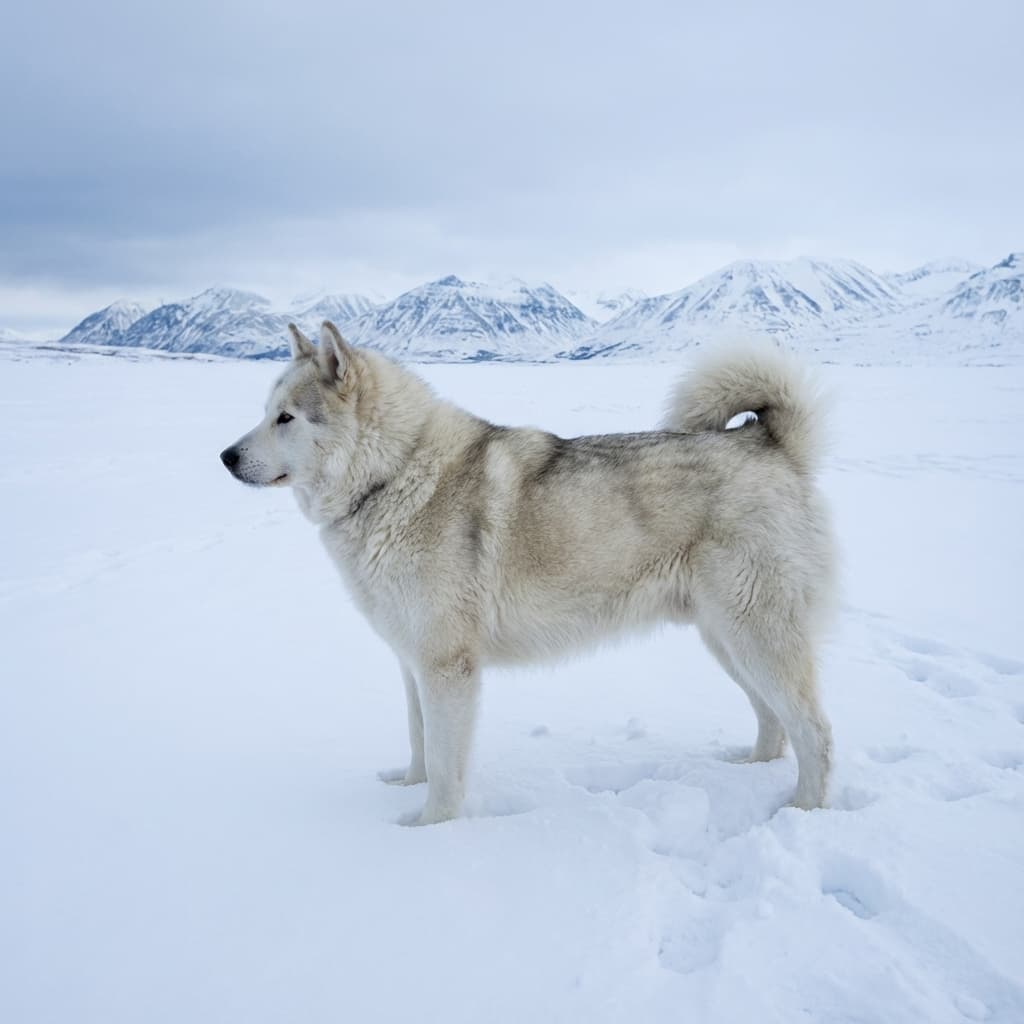
Canadian Eskimo Dog
FCI Group
5• FCI 211
Size
Medium
Origin Country
CA
Height
50-70 cm
Weight
18-40 kg
Lifespan
10-15 years
Temperament
Overview
Canadian Eskimo Dog is a unique breed with a rich history dating back as far as 2000 years. Originating from the Thule Inuit culture, these dogs were invaluable companions to the Inuit, perfectly adapted to the harsh Arctic conditions of Canada.
Thanks to their extraordinary strength and endurance, they were able to transport heavy loads - each dog could pull between 45 to 80 kg, covering daily distances of 15 to 70 miles (24-112 km). This made them indispensable in the lives of the Inuit, where they served as a primary means of transport in dangerous, icy terrain.
In the summer, when the climate became somewhat milder, these dogs served as pack animals, carrying loads of up to 15 kg. However, their skills were not limited to transport. Canadian Eskimo Dogs were also excellent hunters - they located seal breathing holes for Inuit hunters and attacked and restrained muskoxen and polar bears, enabling safe hunting.
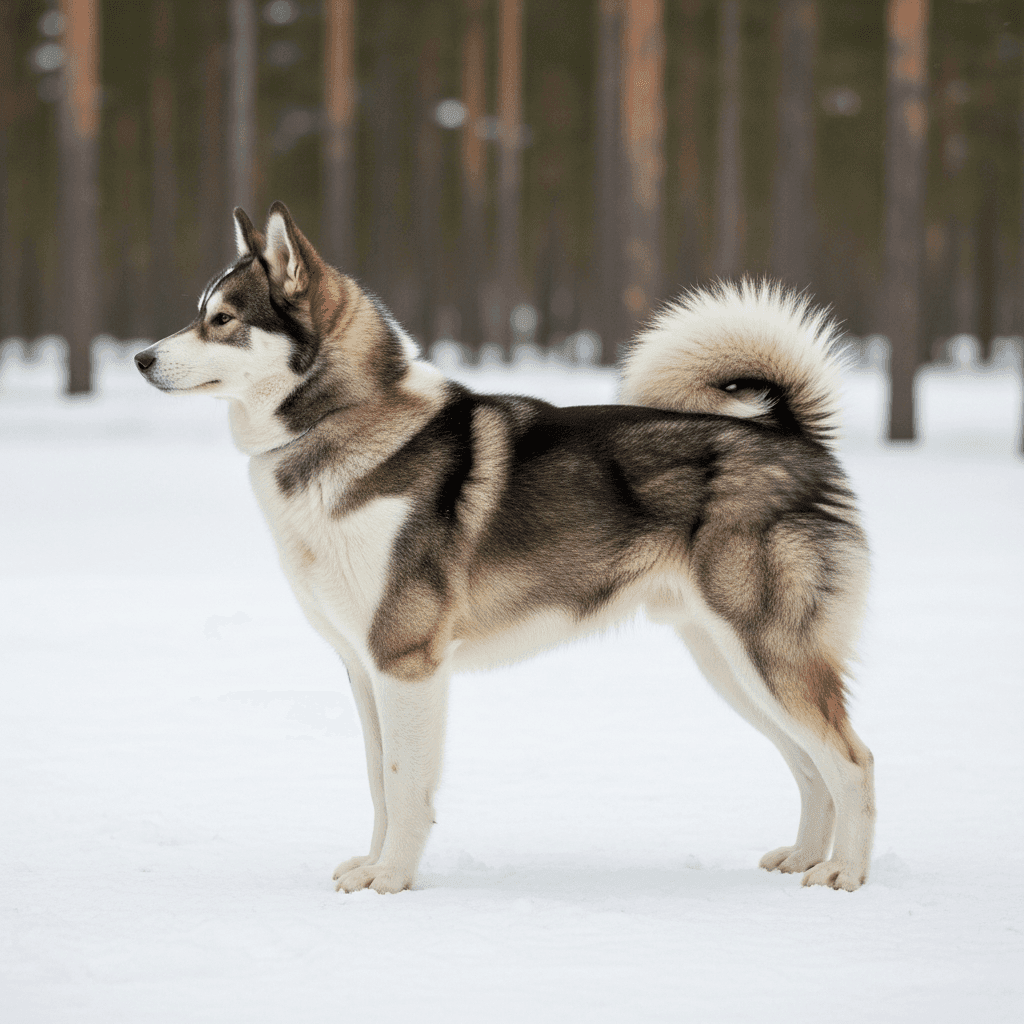
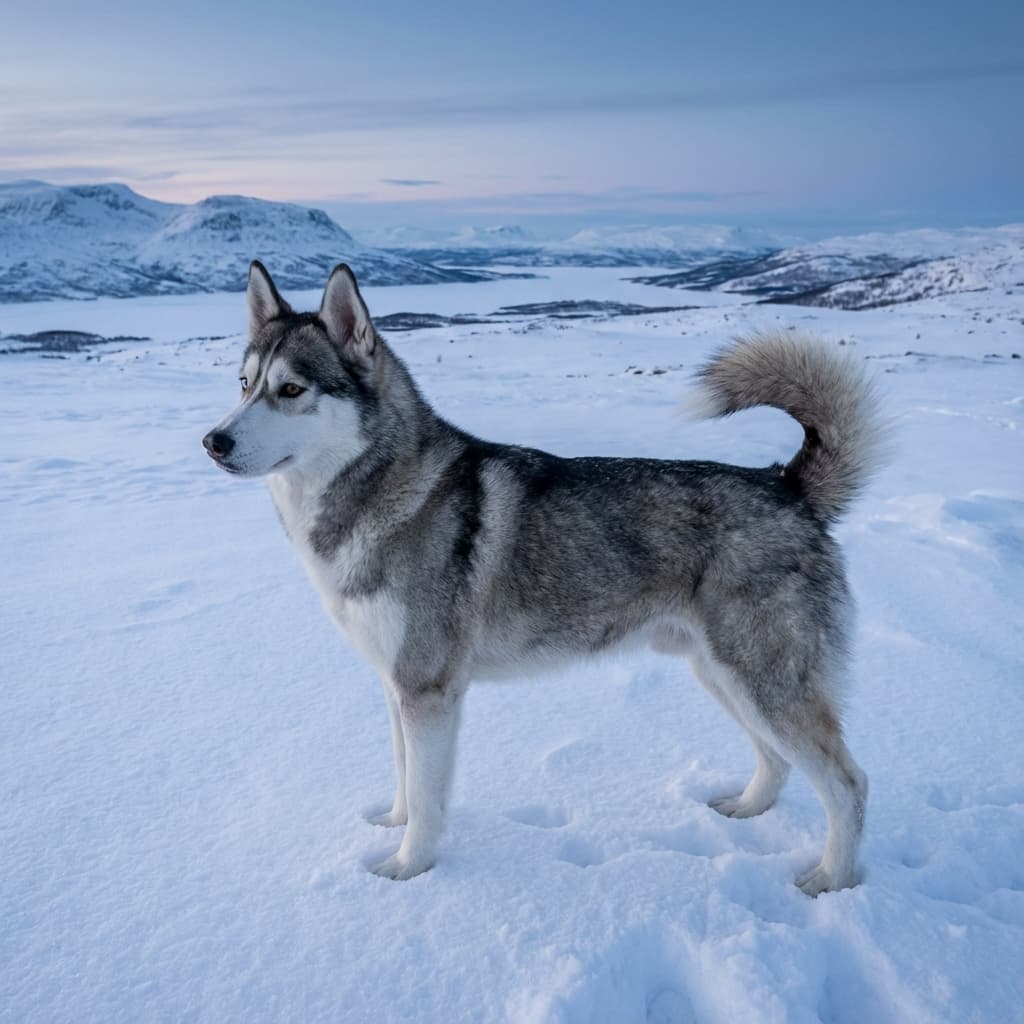
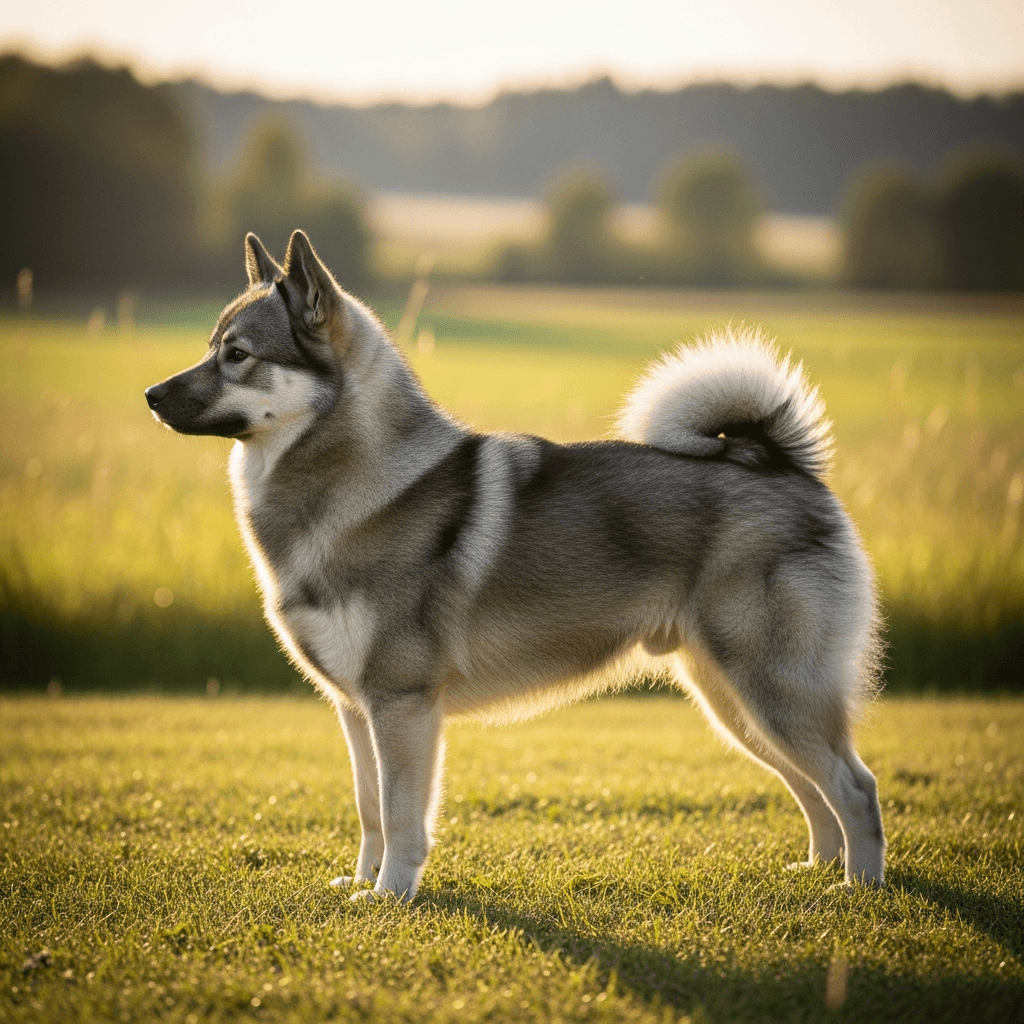
Physically, the Canadian Eskimo Dog is a robust animal with a distinctive wedge-shaped head and erect ears. Their coat consists of coarse guard hairs and a dense undercoat, allowing them to survive in the most challenging climatic conditions. In winter, males are distinguished by a thick ruff around the neck, adding to their majestic appearance.
These dogs are independent and intelligent, with a strong pack instinct that creates a hierarchical structure under the leadership of a dominant alpha male. Their alertness and endurance mean they require a lot of exercise and mental stimulation. They are ideal companions for active individuals who can meet their high physical and psychological needs.
In the guide below, you will find detailed information about the health, grooming, exercise, training, nutrition, and history of this fascinating Arctic breed. Happy reading!
The appearance of the Canadian Eskimo dog is distinctive and reflects its adaptation to life in harsh Arctic conditions.
Body structure: These dogs are medium to large-sized, solidly built, with well-developed musculature. Males typically weigh 30-40 kg and reach a height at the withers of 58-70 cm, while females are slightly smaller - 18-30 kg and 50-60 cm in height. Their silhouette is strong and compact, adapted for hard work in difficult conditions.
Head and ears: The head is wedge-shaped, with a strongly defined skull and a broad forehead. The eyes are slanted, dark, giving the dog a wild and intelligent expression. The ears are short, thick, triangular, and always erect - which is a typical feature of primitive Nordic breeds.
Coat: The coat consists of:
- Stiff, straight guard hairs (length 7-15 cm)
- Dense, soft undercoat of 5-7 cm in length
- Abundant ruff on the neck in males (especially in winter)
- Rich fur on the tail
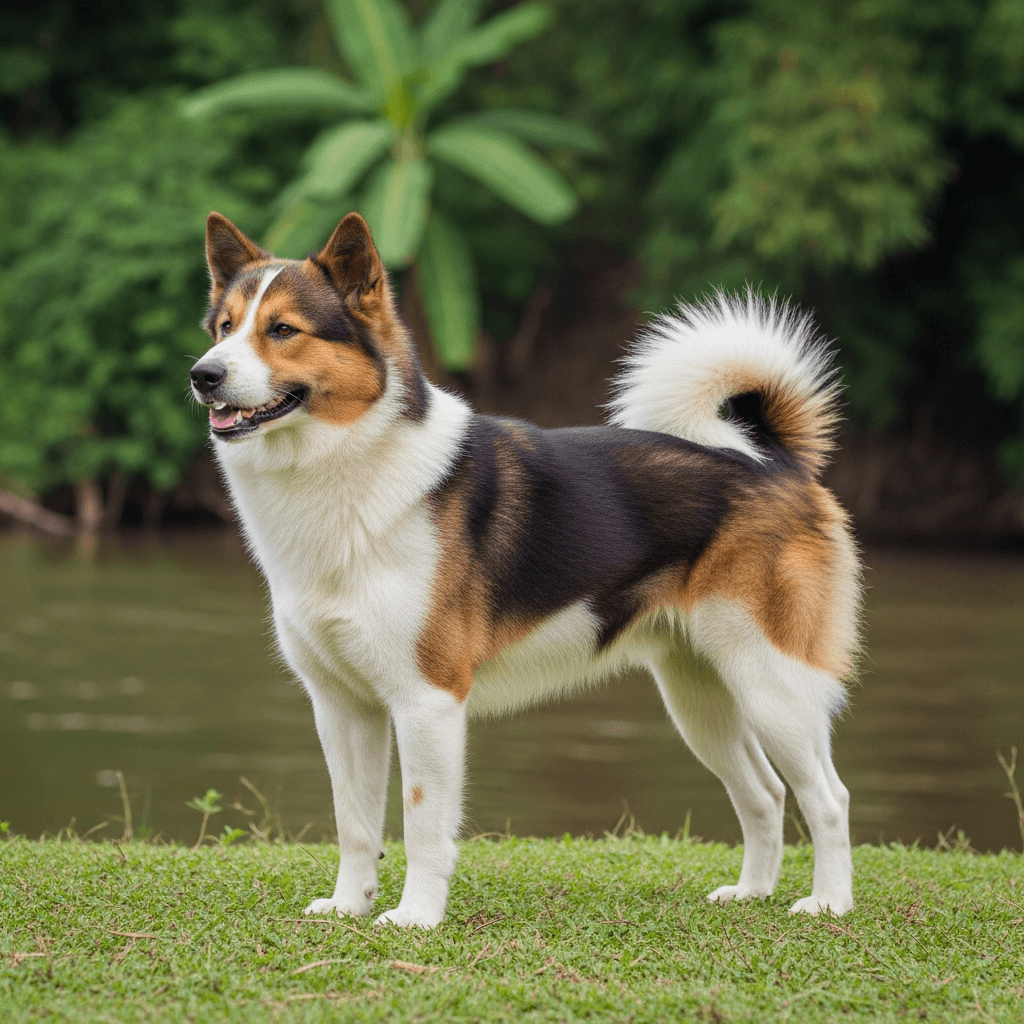
Coloration: The breed presents a variety of colors - white, red, black, cinnamon (ginger), gray, and their combinations. Two- or three-color patterns with different markings and spots are common. The most desirable are solid colors or those with clear contrasts.
Tail: Strong, densely furred, carried curled over the back or to the side, which is typical for spitz-type dogs. The tail adds elegance to the silhouette and protects the dog's nose while sleeping in the frost.
Their entire structure indicates strength, endurance, and functionality - they are excellent working dogs, created to survive in the most challenging climatic conditions in the world.
The behavior of the Canadian Eskimo Dog is typical of primitive Nordic breeds that have worked in harsh Arctic conditions for centuries.
Temperament: These dogs are intelligent, alert, and loyal to their owners. They have a gentle nature, but at the same time, they exhibit a great deal of independence and sometimes stubbornness. They are not dogs that blindly follow commands - they need to understand the meaning of the commands.
Behavior towards strangers: Canadian Eskimo Dogs are usually cautious and reserved towards unknown people, but they do not show aggression without reason. Their alertness makes them good guardians who will warn of approaching people or animals. However, they are not protective dogs in the typical sense of the word.
Pack instinct: The most important behavioral trait is the strong pack instinct. These dogs naturally form a hierarchical structure with a clear leader (alpha male). Within the group, there may be:
- Competition for dominance (especially among males)
- Establishing hierarchy through minor skirmishes
- Clear division of roles within the pack
- Strong bonds between group members
Activity needs: They require a lot of attention, exercise, and mental stimulation. Lack of appropriate activity leads to behavioral problems:
- Excess energy and destructive behaviors
- Howling and barking out of boredom
- Attempts to escape (they have a strong instinct for wandering)
- Anxiety or aggression due to stress
Socialization: Proper socialization from puppyhood is absolutely crucial. Without it, dogs can become overly distrustful, skittish, or problematic in interactions with other animals.
Suitable owner: The Canadian Eskimo Dog is not a breed for novice owners or families with small children. It is ideal as a companion for:
- Experienced owners of Nordic dogs
- Active individuals who engage in outdoor sports
- People living in houses with large gardens
- Owners willing to dedicate a lot of time to training and activity
This is a breed for people who understand and respect the primitive nature of these dogs and can provide them with conditions that meet their natural needs.
Canadian Eskimo dogs, as a primitive and functional breed, generally enjoy good health. However, like any breed, they can be prone to certain health issues.
Overall health condition: Due to natural selection (only the strongest individuals survived in the harsh Arctic conditions), the breed has relatively few genetic problems. The average lifespan is 12-15 years, which is a good result for a dog of this size.
Possible health issues:
- Hip dysplasia: Like most medium and large dogs, hip dysplasia may occur. It is important to choose puppies from parents with HD testing.
- Gastrointestinal problems: They may be prone to bloating and gastric torsion (especially after large meals and intense exercise).
- Ophthalmic issues: Cataracts, entropion (eyelid rolling), or corneal dystrophy may occur sporadically.
- Skin diseases: Dense fur can promote skin infections and hot spots if not properly groomed.
- Obesity: With insufficient activity, dogs can gain weight, leading to joint and cardiovascular problems.
Health prevention:
- Regular veterinary visits (at least once a year)
- X-ray examinations of joints (HD/ED) in young dogs
- Weight and body condition monitoring
- Proper diet tailored to activity level
- Vaccinations and deworming according to schedule
- Regular grooming (prevents skin problems)
Climate adaptation: Important note - the breed is adapted to cold climates. In warm regions, they may have problems with:
- Overheating (especially in summer)
- Fatigue during activity in heat
- Skin issues related to moisture
Choosing a breeder: To minimize the risk of health problems, it is crucial to choose puppies from reputable breeders who:
- Conduct genetic testing of parents
- Have health documentation of breeding lines
- Ensure proper socialization of puppies
- Provide lifelong support for the dog
A healthy Canadian Eskimo dog, with proper care, nutrition, and activity, can enjoy a long and active life alongside its owner.
Grooming a Canadian Eskimo dog requires regular attention, especially due to its thick, double Arctic coat.
Coat structure: The outer coat consists of two layers:
- Guard hairs: Hard, straight, water and snow resistant (length 7-15 cm)
- Undercoat: Dense, soft, insulating (length 5-7 cm)
Shedding: Canadian Eskimo dogs shed heavily twice a year - in spring and autumn. During this period, they lose almost all of their undercoat, which lasts 2-3 weeks. At other times, shedding is moderate.
Brushing schedule:
- Outside of shedding season: 1-2 times a week (30 minutes)
- During shedding season: Daily (45-60 minutes)
- Goal: To remove dead hair, prevent matting, check the skin
Grooming tools:
- Hard bristle brush (slicker brush) for the outer coat
- Comb with long teeth for the undercoat
- Furminator or rake for removing undercoat (during shedding)
- Comb with dense teeth for detecting parasites
- Scissors for trimming hair between the pads
Bathing: Dogs of this breed do not require frequent baths. Their coat has natural self-cleaning properties.
- Frequency: 2-4 times a year (or when the dog is very dirty)
- Shampoo: Mild, pH neutral, designed for dogs with double coats
- Note: Too frequent washing destroys the natural protective layer of skin and coat
- Drying: Thorough drying (including the undercoat) prevents skin problems
Other grooming aspects:
- Ears: Check and clean once a week (especially after swimming or bathing)
- Teeth: Brushing 2-3 times a week (prevents tartar and gum disease)
- Nails: Trimming every 3-4 weeks (if they do not wear down naturally)
- Between the pads: Trimming hair, checking for wounds and cracks
- Eyes: Gently wiping with a damp cotton ball as needed
Seasonal challenges:
- Winter: Checking paws after walks (salt, chemicals), removing snowballs from the coat
- Summer: Watch for overheating, check for fleas and ticks, ensure access to shade
Common mistakes:
- ❌ Shaving the coat in summer - destroys natural thermoregulation
- ❌ Too frequent baths - weakens the protective layer
- ❌ Neglecting brushing - leads to matting and skin problems
- ❌ Using inappropriate tools - damages the coat structure
A well-groomed Canadian Eskimo dog not only looks healthy and impressive but also feels comfortable and is protected from extreme weather conditions.
The Canadian Eskimo Dog is a breed that requires an exceptionally high amount of exercise and physical activity. As a working dog, designed to pull sleds for many hours a day, its energy needs are significantly higher than those of most domestic breeds.
Minimum activity requirements:
- Activity time: At least 2-3 hours of intense movement daily
- Walks: 2-3 long walks (each 45-60 minutes)
- Intensity: High - running, pulling, climbing
- Variety: Changing routes and environments
Ideal forms of activity:
- Sled/bike pulling: A natural activity for this breed (skijoring, bikejoring, dog scootering)
- Long mountain trips: Trekking, backpacking
- Running with the owner: Canicross, jogging over longer distances
- Swimming: Excellent exercise for joints and muscles
- Play with other dogs: In a safe, enclosed area
- Dog sports: Agility, nosework, rally obedience
Mental stimulation: In addition to physical activity, these dogs need intellectual challenges:
- Search games (nosework, tracking)
- Puzzles and interactive toys
- Training new commands and tricks
- Learning to perform tasks (fetching, retrieving)
- Educational activities (dog sports clubs)
Environmental requirements:
- Garden: Large, well-fenced area (minimum 500 m²)
- Fencing: Minimum height of 180 cm (dogs can jump and climb)
- Safety: Ensure the dog cannot dig a hole under the fence
- Access: To natural areas (forests, mountains, lakes)
Consequences of lack of activity: Insufficient exercise leads to serious problems:
- Behavioral issues: Destructiveness, damaging furniture and belongings
- Howling and barking: Loud, persistent vocalizations from frustration
- Aggression: Frustration can turn into aggression towards people or other dogs
- Escapes: Attempts to jump fences, digging holes
- Anxiety: Restlessness, stress, hyperactivity
- Health problems: Obesity, joint issues, heart diseases
Seasonal adjustments:
- Winter: The ideal time for this breed - they can exercise without limits
- Summer: Limit activity on hot days - walks early in the morning and in the evening, avoiding heat, access to water and shade
Who is this breed for? The Canadian Eskimo Dog is perfect for:
- Winter sports enthusiasts (cross-country skiers, ski tourers)
- Long-distance runners
- Mountain dwellers and hikers
- Owners who engage in sports with their dogs
- People living in houses with large gardens, close to natural areas
NOT suitable for:
- People living in small apartments
- Those working 8-10 hours a day
- Owners leading a sedentary lifestyle
- Individuals without experience with demanding breeds
Remember: A tired Canadian Eskimo Dog is a happy Canadian Eskimo Dog! Without the appropriate amount of exercise, dogs of this breed become unhappy and problematic. If you cannot dedicate 2-3 hours a day to intense activity, choose another breed.
Training a Canadian Eskimo dog is a challenge that requires patience, consistency, and an understanding of the primitive nature of this breed.
Training characteristics: These dogs are intelligent but independent. They are not like German Shepherds, which follow commands without question. The Canadian Eskimo dog:
- Needs to understand the MEANING of commands
- Has its own opinions and sometimes decides differently
- Is intelligent but does not always want to cooperate
- Requires motivation and positive reinforcement
- Quickly gets bored with repeating the same exercises
Starting training: It should begin as early as possible, starting from 8-10 weeks of the puppy's life.
Basic training rules:
- Positive methods: Rewards for good behavior (treats, toys, praise)
- DO NOT use violence: Physical punishments destroy trust and lead to aggression
- Consistency: The same rules all the time, all family members
- Short sessions: 5-10 minutes, several times a day (instead of long boredom)
- Diversity: Varied exercises, environments, challenges
- Patience: This breed requires more time than typical working dogs
Basic commands to learn:
- Sit - basic control command
- Lie down - increases calmness and control
- Stay - crucial for safety
- Come - the most important command (for safety)
- No / Leave it - prevents unwanted behaviors
- Wait - when leaving the house, during feeding
Socialization - an absolute necessity: It is the most important element of raising a Canadian Eskimo dog.
What to introduce during the socialization period (2-6 months of life):
- People: Different individuals (men, women, children, seniors, people in uniforms)
- Animals: Other dogs (various breeds and sizes), cats, livestock
- Environments: City, countryside, forests, parks, pet stores, crowds of people
- Sounds: Traffic, trains, gunshots, fireworks, storms
- Surfaces: Concrete, grass, sand, metal grates, stairs
- Situations: Car rides, vet visits, grooming
Challenges in training:
- Stubbornness and independence: The dog may decide that something doesn't make sense and refuse to comply
- High prey drive: May chase small animals (cats, rabbits, squirrels)
- Dominance: Especially males may try to take control
- Howling: Natural behavior - difficult to eliminate
- Escaping: Strong instinct to explore - hard to teach returning on command
Advanced training - dog sports:
- Skijoring, bikejoring: Natural for this breed
- Agility: Excellent for mental stimulation
- Nosework: Utilizes the natural tracking instinct
- Rally obedience: Combines obedience with fun
Common owner mistakes:
- ❌ Too lenient approach - the dog takes dominance
- ❌ Lack of consistency - the dog does not understand the rules
- ❌ Using violence - destroys trust
- ❌ Repeating the same exercises - the dog gets bored
- ❌ Lack of socialization - leads to anxiety or aggression
- ❌ Too high expectations - frustration for the owner and the dog
When to seek professional help:
- Problems with aggression (towards people or dogs)
- Inability to teach basic commands
- Destructive behaviors despite activity
- Separation anxiety or excessive fearfulness
- For first-time owners of this breed - as a preventive measure
Important note: The Canadian Eskimo dog will never be an absolutely obedient dog like a shepherd or a labrador. This is part of its character - independence was crucial for survival in the Arctic. Accept its nature and work with it, not against it.
A properly trained and socialized Canadian Eskimo dog will be a wonderful, loyal companion - an intelligent partner, not a mindless executor of commands.
The diet of the Canadian Eskimo dog should be carefully balanced and reflect its natural dietary preferences as an Arctic dog.
Natural diet of ancestors: For centuries, these dogs were fed a high-protein and high-fat diet, including:
- Seal and walrus meat (main source of protein and fat)
- Arctic fish (salmon, herring, halibut)
- Caribou meat (northern reindeer)
- Occasionally seabirds and their eggs
- Minimal carbohydrates
Modern nutritional requirements:
1. Protein (most important component):
- Content: Minimum 25-30% in food (ideally 30-40%)
- Sources: Animal meat (poultry, beef, lamb, fish)
- Quality: Animal protein, not plant-based
- Form: Muscle meat, not low-quality meat by-products
2. Fats:
- Content: 15-20% (active dogs may require more)
- Sources: Poultry fat, fish oil, flaxseed oil
- Omega-3 and omega-6 fatty acids: For healthy skin and coat
3. Carbohydrates:
- Amount: Limited (the breed does not need many carbohydrates)
- Sources: Sweet potatoes, brown rice, vegetables
- Avoid: Grains (wheat, corn, soy) - can cause allergies
Types of feeding:
A) Dry food (high quality):
- Advantages: Convenience, long shelf life, dental cleaning
- Disadvantages: Processed, often with additives
- Choice: Premium/super premium grain-free food
- Brands: Acana, Orijen, Taste of the Wild, Carnilove
B) Wet food:
- Advantages: High meat content, hydration
- Disadvantages: Expensive, shorter shelf life after opening
- Use: As a supplement to dry food
C) BARF diet (raw meat):
- Advantages: Closest to the natural diet, control of ingredients
- Composition: Raw meat, bones, organs, vegetables
- Disadvantages: Time-consuming, requires knowledge, risk of bacteria
- Note: Requires consultation with a veterinary nutritionist
Feeding schedule:
- Puppies (2-6 months): 4 meals a day
- Puppies (6-12 months): 3 meals a day
- Adult dogs (12+ months): 2 meals a day
- Times: At regular intervals (morning and evening)
- Interval: Minimum 12 hours between meals
Amount of food - depends on:
- Dog's weight: 18-40 kg
- Activity level: Very active (high demand)
- Age: Puppies and young dogs eat more
- Season: In winter, they may eat more (thermoregulation)
- Example: A 30 kg active dog - about 600-800 g of dry food daily
Supplementation:
- Salmon oil: Omega-3 fatty acids for skin and coat
- Glucosamine and chondroitin: For healthy joints (especially in older dogs)
- Probiotics: For healthy digestion
- Vitamins and minerals: If the diet is incomplete (consultation with a veterinarian)
Prohibited products:
- ❌ Chocolate, coffee, cocoa
- ❌ Onion, garlic (toxic)
- ❌ Grapes, raisins
- ❌ Avocado
- ❌ Xylitol (sweetener)
- ❌ Chicken bones (can splinter)
- ❌ Fatty, fried foods
Water:
- Access: Unlimited, fresh water at all times
- Especially important: After intense activity and on hot days
- In winter: Check that water does not freeze (for outdoor dogs)
Weight control:
- Regular weighing: Once a month
- Visual test: Waist should be visible (from above)
- Touch test: Ribs should be felt under a thin layer of fat
- Obesity: Reduce portions and increase activity
- Underweight: Increase portions, consult a veterinarian
Special nutritional needs:
- Puppies: Puppy food until 12 months (bone and muscle development)
- Pregnant/nursing females: Increased caloric needs
- Working dogs (sled teams): Significantly more calories (up to +50%)
- Older dogs (8+ years): Senior food, fewer calories, joint support
- Dogs with allergies: Elimination diet, single-protein foods
Important rules:
- 🔸 DO NOT feed before exercise: Wait 2 hours after eating before activity (risk of gastric torsion)
- 🔸 DO NOT feed right after exercise: Wait 30 minutes to calm the dog
- 🔸 Diet changes gradual: Mix old and new food for 7-10 days
- 🔸 Regularity: Feed at the same times
A properly balanced diet is the foundation of health for the Canadian Eskimo dog - providing energy for intense activity, a healthy coat, strong bones, and a long life.
Characteristic Traits
Pros
- Exceptional durability and physical strength
- High intelligence and alertness
- An excellent companion for active owners
- A rich history and unique cultural heritage
- A healthy breed with a long lifespan.
Cons
- Requires 2-3 hours of intense activity daily
- Strong pack instinct and dominance
- Independent and sometimes stubborn in training
- Not suitable for novice owners
- Requires a large space and a cold climate.
Behavioral Ratings
Breed History
The Canadian Eskimo Dog is one of the oldest sled dog breeds in the world, with a history dating back from 1100 to even 2000 years.
Origins - Thule culture: The breed developed in close association with the Thule culture, ancestors of modern Inuit (Eskimos), who settled the Arctic coasts and archipelagos of present-day northern Canada around 1000 AD. The Thule replaced the earlier Dorset culture and spread throughout the Canadian Arctic.
Heritage: The Canadian Eskimo Dog belongs to the spitz family, but its exact ancestry prior to this period is lost in Inuit prehistory. Modern genetic studies suggest that the ancestors of these dogs arrived with the migration of Mongolian peoples from the Asian continent to North America via the Bering Strait.
Life with the Inuit - a symbiosis of survival: For centuries, Canadian Eskimo Dogs were essential for the survival of the Inuit in one of the most extreme environments on Earth.
Their main roles:
- Winter transport: Pulling sleds with loads of 45-80 kg per dog, covering 15-70 miles (24-112 km) daily
- Summer transport: Carrying pack loads of up to 15 kg
- Assistance in hunting: Locating seal breathing holes in the ice
- Hunting large game: Attacking and holding back muskoxen and polar bears for hunters
- Companionship: Protection from predators, providing warmth in shelters
Natural selection: Arctic conditions enforced brutal natural selection - only the strongest, toughest, and most efficient individuals survived. This shaped a breed with exceptional endurance and adaptation to cold.
20th century - threat of extinction: In the 20th century, the breed was on the brink of extinction for several reasons:
- Modernization of the Arctic: The introduction of snowmobiles replaced sled dogs
- Change in Inuit lifestyle: Transition from a nomadic lifestyle to settlement
- Diseases: Epidemics of infectious diseases decimated the dog population
- Crossbreeding: Mixing with other breeds (especially Siberian Huskies) diluted the purity of the breed
- Mass culling: In the 1950s-70s, the Canadian government ordered mass culling of Inuit dogs (a controversial assimilation policy)
By the 1970s, the population had dropped to just around 200 individuals.
Saving the breed - 1970s-80s: In response to the crisis, the Eskimo Dog Research Foundation was established in the Northwest Territories. The rescue program lasted 6 years and was funded by the governments of Canada and the Northwest Territories.
Foundation activities:
- Purchasing surviving pure individuals from remote Inuit communities
- Carefully planned breeding program
- Documentation of bloodlines and genetic testing
- Education about the breed's significance
- Collaboration with breeders and canine organizations
Modern times: Thanks to these efforts, the Canadian Eskimo Dog has survived and is slowly rebuilding its population. Today, there are several breeding lines descended from dogs rescued by the foundation.
Status today:
- Official recognition: Recognized by the FCI (Fédération Cynologique Internationale) in Group 5, Section 1 (Nordic sled dogs)
- Population: Still limited (estimates: 300-500 pure individuals)
- Breeding: Mainly in Canada, with a few in the USA and Europe
- Conservation status: Recognized as an endangered breed
- Cultural significance: A symbol of Inuit heritage and the Canadian Arctic
National symbol: The breed is recognized as part of the cultural heritage of Canada and a symbol of cooperation between humans and animals in extreme conditions.
Nunavut Territories: In 2000, the Canadian Eskimo Dog was designated as the official animal symbol of the newly created Nunavut Territories - an autonomous territory of the Inuit.
Contemporary use: Today, these dogs are primarily used:
- As companions for enthusiasts of primitive breeds
- In sled sports (dog sled racing)
- In educational programs about Inuit culture
- In Arctic ecotourism (sledding for tourists)
- Occasionally by Inuit for traditional hunting
The Canadian Eskimo Dog is a living monument to the millennia-long symbiosis between humans and dogs that enabled survival in one of the harshest environments on Earth. Its history is a tale of strength, endurance, and resilience - both of the dog and the people with whom it shared its life.