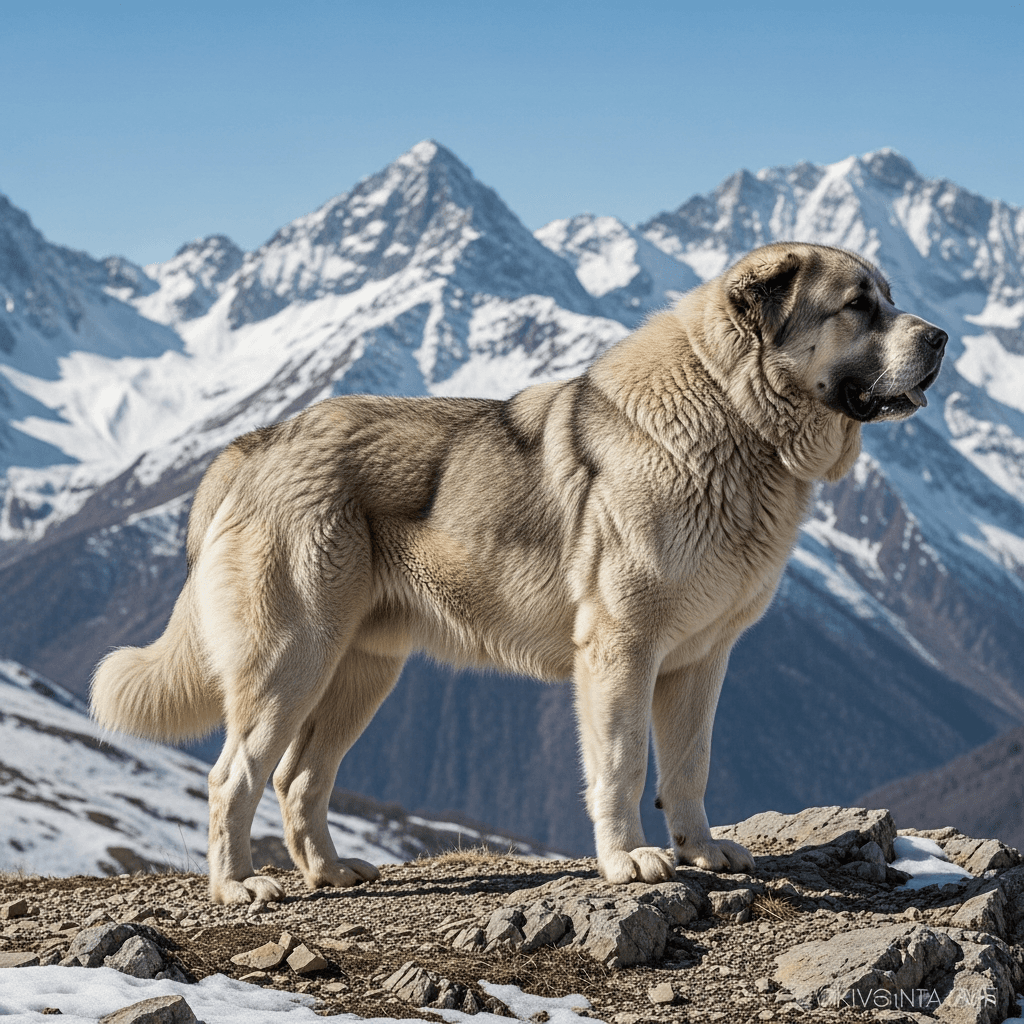
Caucasian Shepherd Dog
FCI Group
2• FCI 328
Size
Large
Origin Country
XX
Height
67-75 cm
Weight
45-50 kg
Lifespan
9-11 years
Temperament
Overview
The Caucasian Shepherd, also known as Kavkazskaïa Ovtcharka, is an impressive dog breed with a strong character and an extraordinary history. Originating from the harsh terrains of the Caucasus, these powerful guard dogs have served for centuries as defenders of people, livestock, and property against predators and intruders. The breed standard developed by the Soviet Union and officially approved by the FCI in 2011 emphasizes their massive build and distinct sexual dimorphism – males are noticeably larger and more muscular, making their presence even more impressive.
Thanks to their exceptional resilience to harsh climatic conditions, the Caucasian Shepherd thrives in both rugged mountainous and steppe environments. Its thick, dense coat with a rich undercoat protects it from frost, wind, and precipitation. Despite their impressive appearance and strength, these dogs are extremely loyal to their owners and can show gentleness towards children in the family. Their high intelligence allows them to quickly assess situations and respond immediately to potential threats, making them excellent guardians.
This breed requires consistent training and early socialization. Without proper training, they can become overly suspicious or aggressive towards strangers. Therefore, owners should be experienced individuals who understand the specific needs of these dogs and can provide them with clear rules and a stable environment. The strong personality of the Caucasian Shepherd makes it an excellent guardian, but it also poses a challenge for novice owners.
The Caucasian Shepherd has specific nutritional and health needs that must be considered to ensure a long and healthy life. Regular physical activity is essential for maintaining good condition, although it does not require as intense exercise as sporting breeds. Subsequent sections of the guide discuss in detail the health, grooming, physical activity, training, history, appearance, and behavior of this fascinating breed.
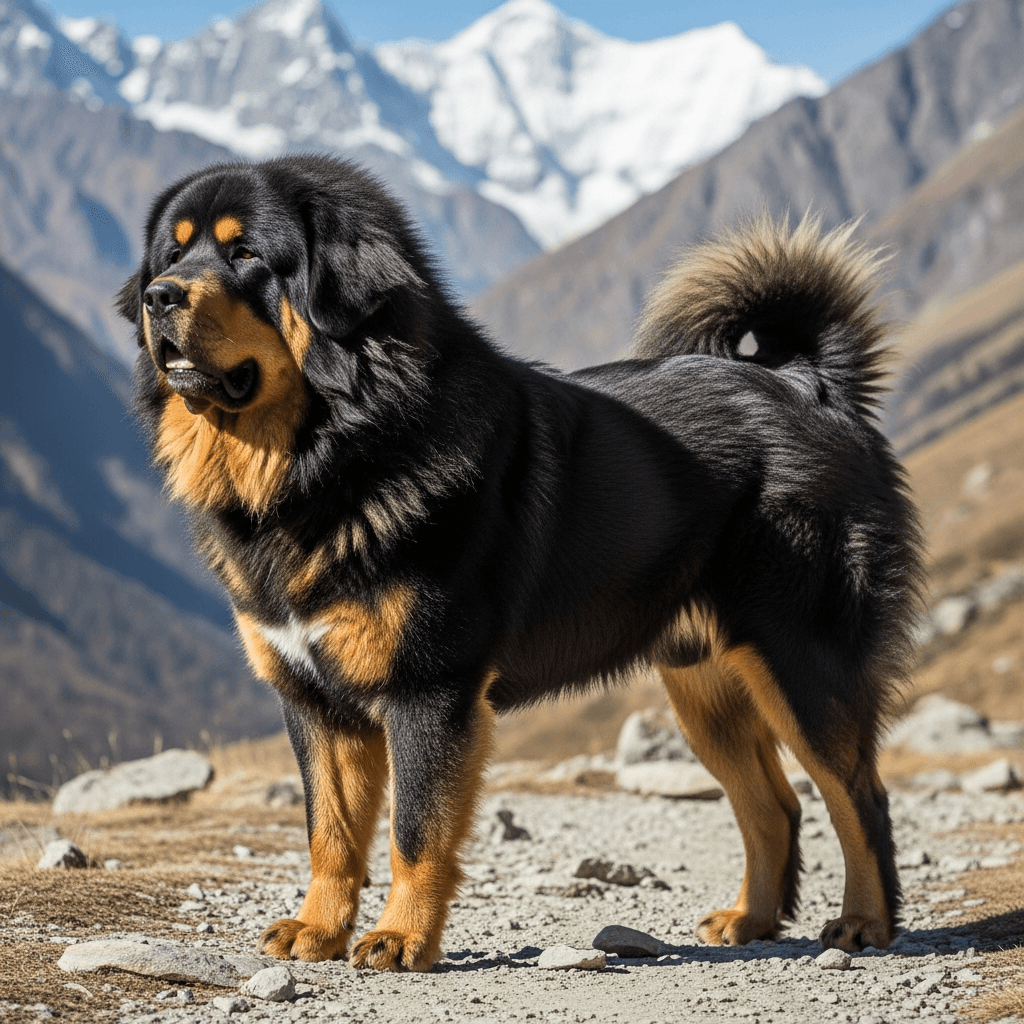
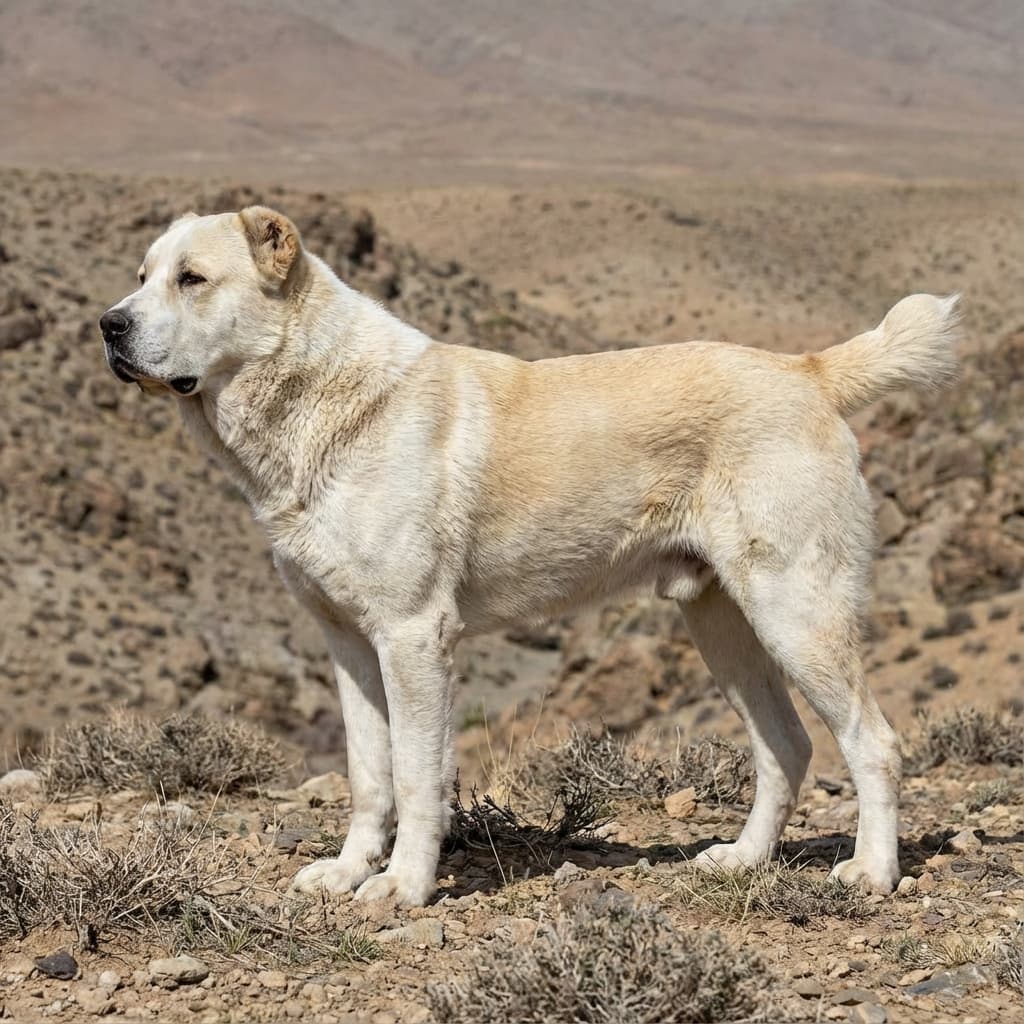
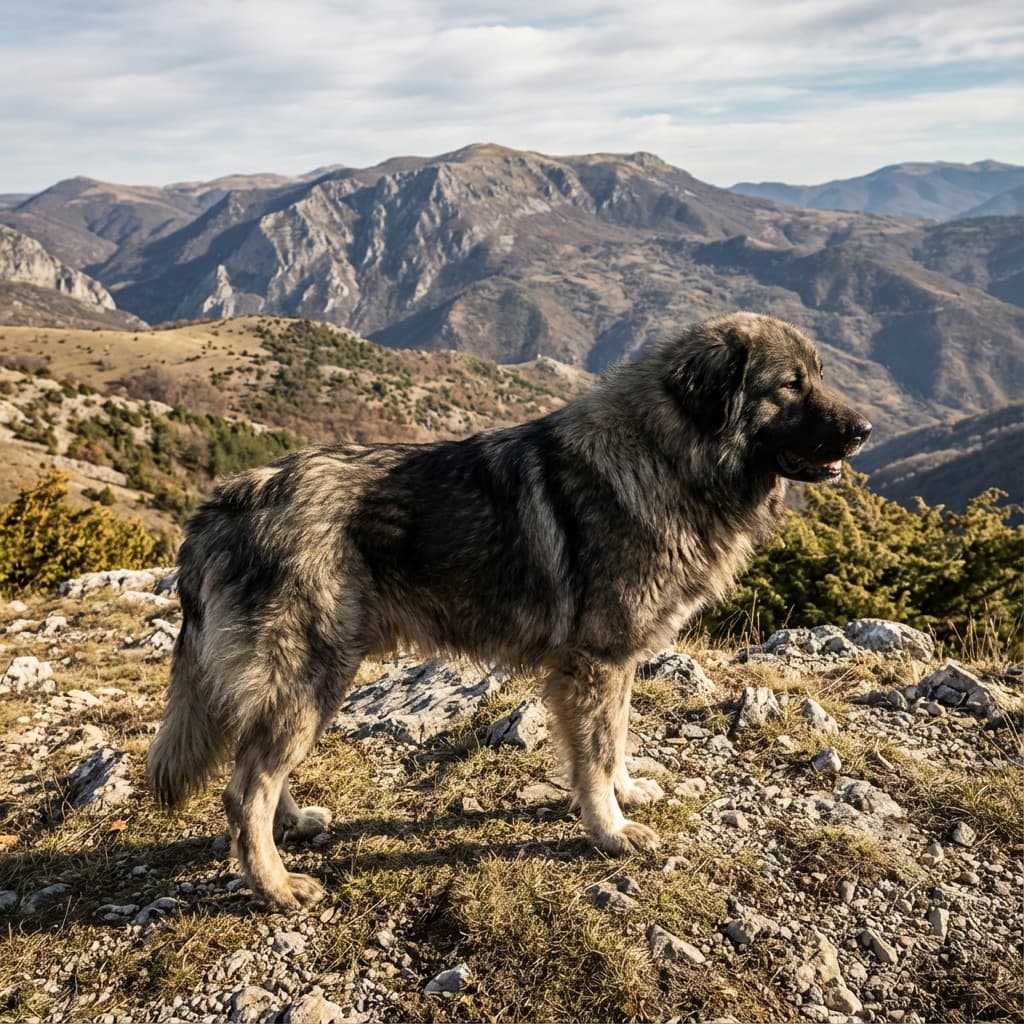
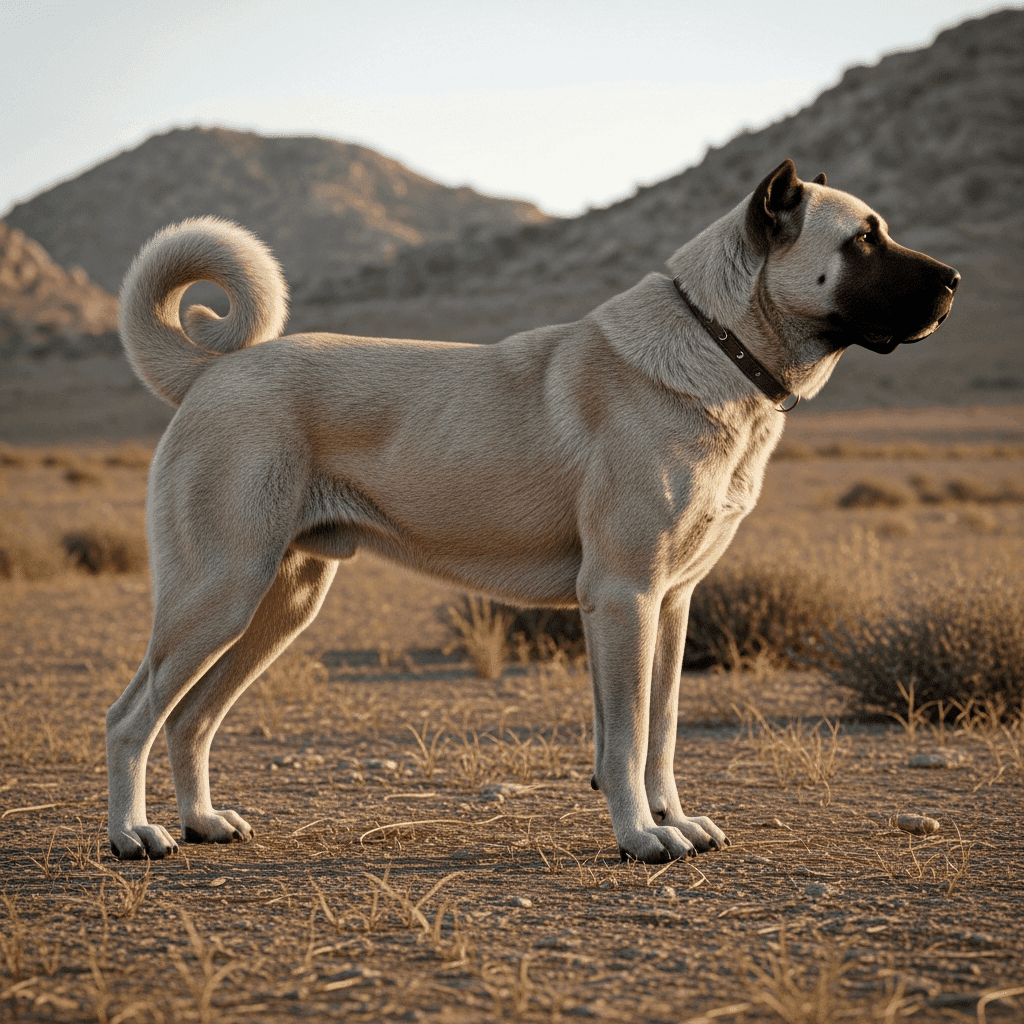
The Caucasian Shepherd is a dog with an impressive and majestic appearance, which immediately attracts attention with its massive, strong build. It is characterized by a distinct sexual dimorphism – males are significantly larger and heavier than females, which is particularly noticeable in height at the withers and body mass.
Dimensions and proportions: According to the FCI standard from 2011, the height at the withers is from 68 to 75 cm for males and from 64 to 70 cm for females, while the minimum weight is at least 50 kg for males and 45 kg for females. The body is proportional, strong, and muscular, with a well-developed, deep chest and a straight, broad back. The silhouette is massive, yet harmoniously built.
Head and expression: The head is large, massive, and impressive, with a wide skull and well-developed cheeks and jaw muscles. The eyes are medium-sized, oval, and set fairly wide apart, in various shades of brown – from light to dark. The ears are triangular, hanging, and medium-sized, set high on the skull. The muzzle is wide, with strong jaws and a full set of teeth.
Coat and coloration: The coat of the Caucasian Shepherd is thick, dense, and rough to the touch, with a well-developed, soft undercoat that provides excellent protection against adverse weather conditions. There are two types of coats: long-haired (with extended hair covering on the neck, tail, and legs) and short-haired. The coloration can be very diverse – shades of gray, red, white, fawn, spotted, and brindled are present. Solid black coats and completely black or blue dogs should be avoided.
Tail: The tail is set high, thick at the base, sickle-shaped or curled in a ring. At rest, it hangs down, while during movement or excitement, it is raised to the line of the back or higher. Overall, the Caucasian Shepherd has a majestic and impressive appearance, which emphasizes its role as a powerful guard dog and protector.
The Caucasian Shepherd is a dog with a strong temperament, self-confident, independent, and brave. Its behavior is dominated by a deeply rooted guarding instinct, which makes it extremely alert, suspicious of strangers, and always ready to defend its territory and family. This breed was developed as a guardian of herds and property, so its natural trait is protection against intruders and predators.
The Caucasian Shepherd is extremely devoted and loyal to its owner and family members, showing attachment and protectiveness towards them. Despite its large size and impressive strength, these dogs can be gentle and patient, especially with children in the family, whom they treat as members of the pack requiring protection. Their strong parental instinct makes them very nurturing towards the youngest household members.
The independent nature of the Caucasian Shepherd means that it can make decisions on its own, which is valuable in pastoral conditions but can pose challenges in training. Therefore, it is crucial for owners to be consistent, patient, and firm in establishing clear rules. Caucasian Shepherds are intelligent and can quickly assess a situation – in the face of danger, they react swiftly and decisively, making them excellent defenders.
However, it is important to remember that their strong personality and territorial instinct require proper upbringing and early socialization to avoid behavioral problems. These dogs can be inclined to defend their territory, so it is essential that they are well-socialized with other dogs, animals, and people from a young age. With the right approach and training, the Caucasian Shepherd can become not only an excellent guardian but also a wonderful, balanced family companion.
The Caucasian Shepherd is a breed of dog that generally enjoys good overall health, but like all large breeds, it can be prone to certain genetic and structural health issues. The average lifespan of a Caucasian Shepherd is around 10-12 years, although with proper care and a healthy diet, some dogs may live longer.
Hip Dysplasia: One of the most common health problems in Caucasian Shepherds is hip and elbow dysplasia, a condition characteristic of large breeds. Dysplasia can lead to pain, limping, and eventually arthritis. For this reason, it is very important that young puppies are fed high-quality food for large breeds and have moderate, controlled physical activity – intense jumping or running during the growth period can stress the joints.
Obesity: Caucasian Shepherds can be prone to overweight and obesity if their diet is not properly balanced or if they do not get enough exercise. Obesity puts stress on the joints, heart, and can lead to other health problems, so meal portions should be monitored and regular activity should be provided.
Eye Diseases: This breed may experience various eye conditions, including cataracts, entropion, or ectropion (inward or outward rolling of the eyelids). Regular eye examinations can help in the early detection of problems and prompt appropriate treatment.
Heart Diseases: Like many large breeds, Caucasian Shepherds can be prone to dilated cardiomyopathy and other heart conditions. Regular veterinary check-ups and cardiological examinations are advisable, especially in older dogs.
Owners should regularly monitor their dogs' health and consult a veterinarian if they notice any concerning symptoms. Proper veterinary care, timely vaccinations, deworming, and regular preventive check-ups are crucial for keeping a Caucasian Shepherd in good health. This breed has excellent cold resistance due to its thick coat and rich undercoat; however, on hot days, they should be provided with shade, proper ventilation, and access to fresh water to avoid overheating and heatstroke.
The Caucasian Shepherd requires regular, systematic grooming to keep its thick, dense coat in excellent condition. The coat of this breed is straight, coarse, and standing out, with a rich, soft undercoat that provides protection against cold and moisture. The type of coat can be long (with a rich mane, plume on the tail, and abundant hair on the legs) or shorter, but it is always dense.
Brushing: Caucasian Shepherds shed heavily, especially twice a year (in spring and autumn), when they transition from winter to summer coat and vice versa. During the shedding period, daily brushing is necessary to remove dead hair, prevent matting, and minimize the amount of fur in the house. Outside of the shedding period, brushing 2-3 times a week is sufficient, although long-haired Caucasian Shepherds require more frequent combing to avoid tangles.
Bathing: Baths should be given as needed – usually a few times a year or when the dog is heavily soiled. Bathing too frequently can damage the natural protective layer of the skin and coat. Gentle shampoos designed for dogs that do not irritate the skin should be used.
Ears: Ears should be regularly checked and cleaned (at least once a week) to avoid the accumulation of dirt, moisture, and the development of infections. Droopy ears may be more prone to problems, so they should be kept clean and dry.
Eyes: Eyes should be clean and free from discharge. Any impurities should be gently removed with a damp, soft cloth or a cotton ball moistened with lukewarm water or a special eye care solution.
Nails: Nails should be regularly trimmed (every 3-4 weeks) to avoid overgrowth, which can lead to discomfort, pain, and walking problems. If you can hear the clicking of nails on the ground while walking, it means they are too long.
Teeth: Regular tooth brushing (a few times a week) helps prevent the buildup of tartar, gum disease, and bad breath. Special dental chews can also be used.
Regular grooming not only improves the dog's appearance but also allows for early detection of potential skin problems, parasites, or other health issues. Owners should also ensure appropriate living conditions, including access to clean water and a comfortable, dry place to rest.
The Caucasian Shepherd is a breed that requires moderate but regular physical activity. Despite its large size and massive build, it is not a dog that requires intense exercise like sporting or herding breeds, but it does need daily movement to maintain proper physical condition, joint health, and mental balance.
Daily walks: The Caucasian Shepherd should be provided with at least 1-2 hours of walks per day, preferably divided into several shorter outings. Walks should be at a moderate pace, adjusted to the dog's age and condition. It is important that the walks are varied and stimulating – new routes, different terrains (meadows, forests, paths), and opportunities for sniffing and exploring the surroundings.
Free movement: Ideally, the Caucasian Shepherd should have access to a large, safe, fenced area where it can run freely, patrol, and exhibit natural guarding behaviors. Such an environment allows the dog to expend energy at its own pace and satisfy its need to guard territory.
Games and activities: Owners should strive to provide the dog with various forms of activity, such as fetch games (in moderation), tug-of-war, obedience training, or scent games. It is also good to engage the shepherd in different activities that stimulate its mind, such as obedience training, searching for hidden objects, or obstacle course exercises (suitable for its size).
Caution with young dogs: It is very important to avoid excessive fatigue and intense exercise in puppies and young dogs (up to 18-24 months), as their joints, bones, and ligaments are still in the growth phase and may be more susceptible to injuries. Intense running, jumping, or climbing stairs can lead to joint dysplasia and other orthopedic problems.
An appropriate amount of exercise is essential for the Caucasian Shepherd to be healthy, happy, and emotionally balanced. Lack of sufficient activity can lead to boredom, frustration, and behavioral problems such as excessive barking or destructive behaviors.
The training of the Caucasian Shepherd should begin as early as possible, starting from the first days when the puppy arrives in its new home. This breed requires a consistent, yet gentle and positive approach to learn basic commands, rules of coexistence, and appropriate behavior in various situations.
Character and training challenges: Caucasian Shepherds are intelligent, but at the same time independent and self-confident, which means they may resist attempts to train them, especially if they do not see the point in following a command or when the training is too monotonous. This breed was bred to make decisions independently in difficult mountainous conditions, so they have a strong will and can be stubborn. It is crucial that the training is consistent, positive, and reward-based, rather than punitive, violent, or dominant.
Positive reinforcement: The best method for training a Caucasian Shepherd is positive reinforcement – rewarding desired behaviors with treats, praise, and play. Owners should avoid all forms of aggression, violence, or shouting, as these can lead to behavioral problems, loss of trust, and misunderstandings. Caucasian Shepherds are very sensitive to their owners' moods, so it is important to create a positive, calm atmosphere during training.
Early socialization: Socialization is absolutely crucial for the Caucasian Shepherd. Puppies should be exposed to various people, children, other dogs, animals, sounds, places, and situations from a young age (starting from 8 weeks old). Well-conducted socialization will help the dog learn to recognize strangers as non-threatening and respond to them in a calm and controlled manner, instead of instinctively behaving aggressively or suspiciously.
Basic commands: Training should include learning basic obedience commands such as Sit, Stay, Come, Lie Down, Leave It. Teaching loose-leash walking is also very important, considering the strength and size of this breed. Regular obedience exercises, leash walks, and learning to cooperate with other dogs and people are key to developing a balanced and obedient dog.
Professional help: Due to the specific nature and strong personality of the Caucasian Shepherd, it is worth investing in the help of a experienced, professional trainer who understands the specifics of large guarding breeds and can guide the training and socialization appropriately.
Owners should be patient, consistent, and understanding to create a healthy, trust-based, and respectful relationship between the dog and the human. A well-trained and socialized Caucasian Shepherd can become a wonderful, balanced family companion and guardian.
The Caucasian Shepherd requires a properly balanced, high-quality diet to maintain its health, physical condition, and appropriate body weight. Due to its large body mass and tendency for joint problems, the nutrition of this breed requires special attention and care.
Food for large breeds: Owners should choose food specifically formulated for large breed dogs, which is designed to support joint health, the skeletal system, and appropriate muscle mass. Such foods contain the right proportions of protein, fat, calcium, and phosphorus, which are crucial for the proper development and maintenance of large dogs' health. The food should be selected according to the dog's age – puppies, adult dogs, and seniors have different nutritional needs.
Protein and nutrients: The diet of the Caucasian Shepherd should be rich in high-quality animal protein (from meat, poultry, or fish) to support the development and maintenance of muscle mass. Healthy fats (omega-3 and omega-6 fatty acids), vitamins, minerals, and ingredients that support joint health, such as glucosamine and chondroitin, are also important.
Portion control and preventing obesity: It is very important to adjust portions to the dog's activity level to avoid obesity, which is particularly dangerous for large breeds. Obesity puts strain on the joints, heart, and can lead to serious health problems. Dogs with lower activity levels need smaller portions, while more active ones may require more calories.
Meal frequency: Regular meals, preferably twice a day (morning and evening), help maintain appropriate weight and prevent digestive problems. For large breeds, it is also important to avoid intense physical activity immediately before and after meals, which can reduce the risk of gastric torsion (a dangerous condition in large dogs).
Access to water: Always ensure the dog has access to fresh, clean water throughout the day. Proper hydration is crucial for kidney health, digestion, and overall condition.
Natural treats: You can supplement the diet with natural treats, such as carrots, apples (without seeds), pieces of meat or fish, but always in moderation and as an addition to the main diet, not as a substitute. It is important to avoid feeding the Caucasian Shepherd human food, especially fatty, sweet, spicy, or toxic products for dogs (chocolate, onions, garlic, avocado).
Veterinary consultations: Regular veterinary check-ups will help in monitoring the dog's health and adjusting the diet to its individual needs, age, activity level, and any health issues. A proper diet and hydration are key elements in caring for the health and longevity of the Caucasian Shepherd.
Characteristic Traits
Pros
- Resistance to harsh climatic conditions
- High loyalty to the owner
- Intelligence and quick reaction
- Excellent defensive skills
- Courage and confidence.
Cons
- Requires an experienced owner
- Needs consistent socialization
- Can be a challenge for beginners
- Strong territorial instinct.
Behavioral Ratings
Breed History
The history of the Caucasian Shepherd dates back to ancient times and is closely linked to the harsh, mountainous region of the Caucasus, which stretches between the Black Sea and the Caspian Sea. These dogs were used by local pastoral tribes to protect herds of sheep and cattle from predators such as wolves, bears, and jackals, as well as to guard farms and defend against intruders. Their courage, strength, and independence made them an indispensable part of the lives of mountain shepherds.
Ancient roots: The Caucasian Shepherd is a descendant of ancient molosser dogs, which were used by the army of the Armenian king, Tigranes II the Great, as early as the 1st century BC. These dogs accompanied troops in military campaigns and were valued for their strength, courage, and defensive skills. Over the centuries, the breed developed naturally, adapting to the harsh climatic and geographical conditions of the Caucasus region.
Natural and deliberate selection: The breed was shaped by both natural selection and the deliberate breeding efforts of shepherds living in various parts of the Caucasus – from the steppes of southern Russia to the high mountain ranges. Different ethnic groups (including Armenians, Georgians, and Azerbaijanis) bred these dogs, selecting traits such as self-confidence, courage, strong guarding instinct, and the ability to make independent decisions. As a result, Caucasian Shepherds were able to effectively defend herds even without direct human supervision.
Modern breeding in the USSR: In the 20th century, especially in the 1920s and 1930s, modern breeding efforts began in the Soviet Union, where Caucasian Shepherds gained popularity as service, military, and guard dogs. Soviet breeders began to systematize the breed, establishing standards and selecting dogs with the best working traits. Caucasian Shepherds were used to guard military facilities, borders, prisons, and as service dogs in various institutions.
International recognition: The breed was officially recognized by the FCI (Fédération Cynologique Internationale) and the current breed standard was approved in 2010 (in effect since 2011). Russia holds the patronage of the breed. Today, the Caucasian Shepherd is valued worldwide – not only in the countries of the former USSR but also in Europe, North America, and other regions.
Contemporary use: Nowadays, the Caucasian Shepherd primarily serves as a family dog, guardian, and protector, although in some regions it still fulfills its traditional pastoral role. This breed is appreciated for its unique traits – loyalty, courage, intelligence, and the ability to adapt to various living conditions. With its rich history and exceptional character traits, the Caucasian Shepherd remains one of the most respected and recognizable guard dog breeds in the world.