Chinese Crested
FCI Group
9• FCI 288
Size
Small
Origin Country
CN
Height
28-33 cm
Weight
3-5 kg
Lifespan
13-18 years
Temperament
Overview
The Chinese Crested is a fascinating breed of dog that has intrigued dog lovers around the world for centuries. This small yet full of personality breed originates from the Han dynasty in ancient China, where its representatives were valued both as guards of imperial treasuries and companions of sailors on Chinese trading ships.
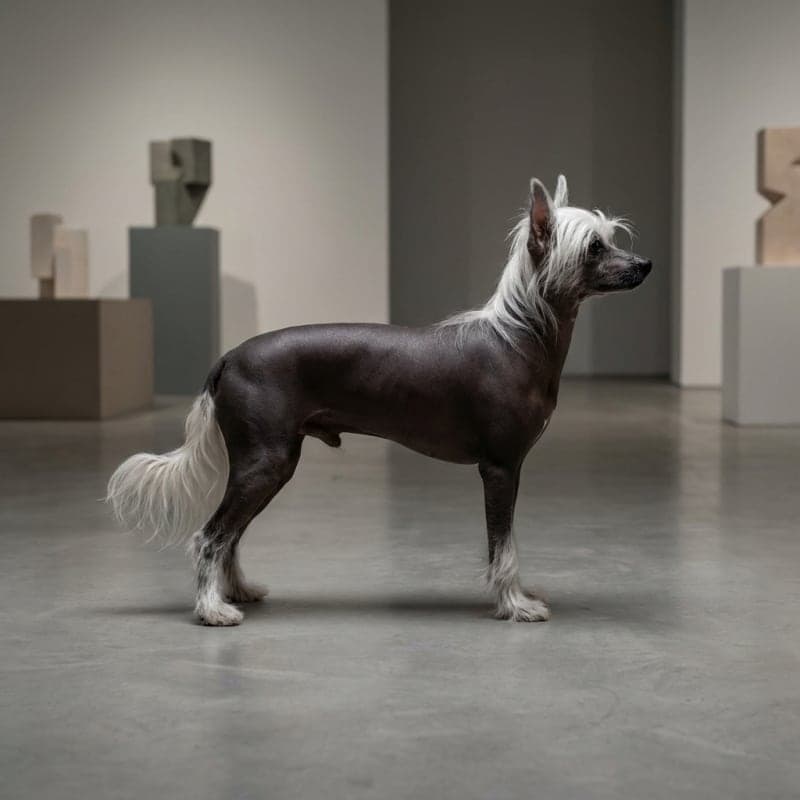
There are two varieties of this breed: hairless and powder puff. Each has its unique features that attract the attention of potential owners. The hairless Chinese Crested has smooth, soft skin with only a few tufts of hair on its head (forming a distinctive crest), tail (plume), and paws (socks). This exotic appearance makes this dog a true curiosity in the world of dogs.
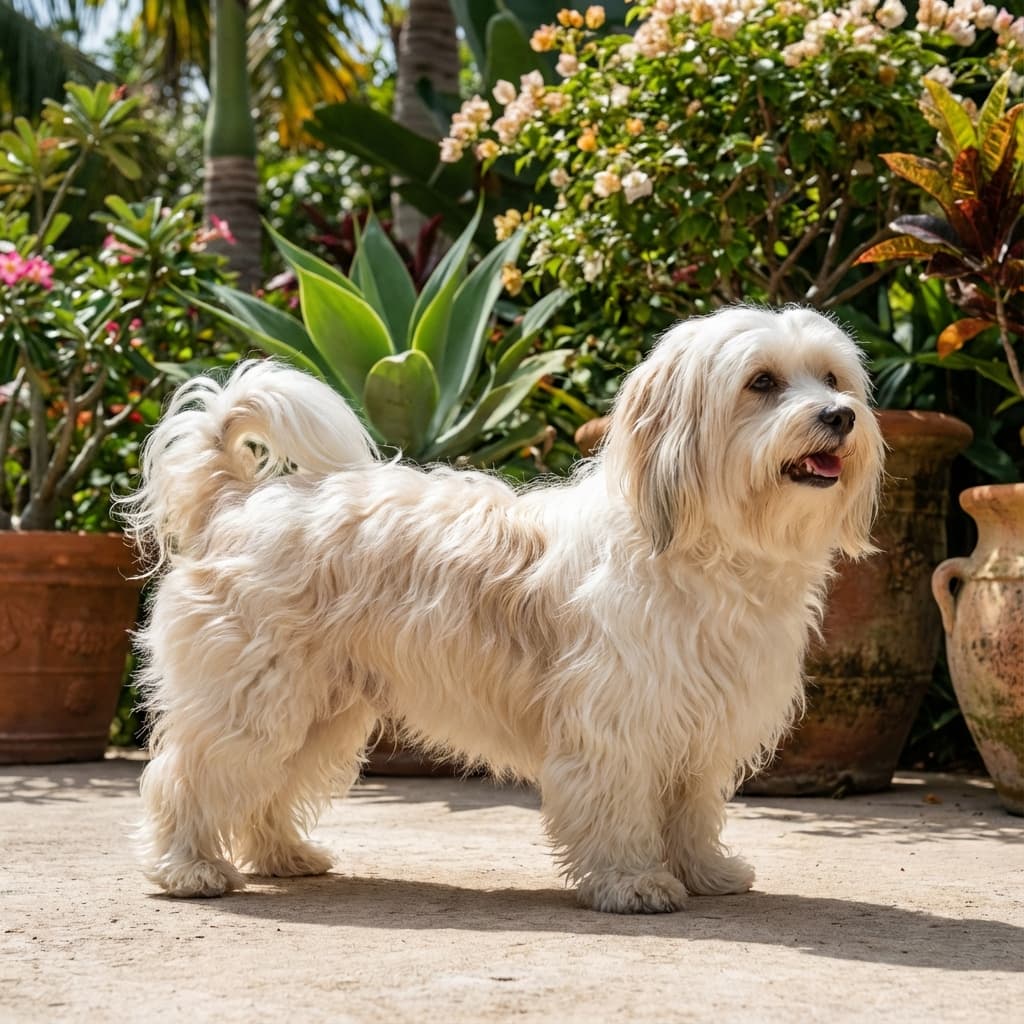
On the other hand, the powder puff variety is distinguished by its long, silky coat, which creates a delicate veil around the entire body of the dog. Regardless of the variety, the Chinese Crested is characterized by grace and elegance, which highlight its slender contours and delicate body structure.
This breed is an ideal choice for people living in apartments due to its small size. According to the official FCI standard, the Chinese Crested reaches a height of 28 to 33 cm at the withers and typically weighs between 3 to 5 kg, making it compact and easy to maintain in urban conditions.
The Chinese Crested is an extremely sociable and friendly dog, making it an excellent companion for the whole family. Its cheerful temperament and unconditional loyalty to its owner are traits that set it apart. Despite its lack of aggression, it can alert to danger with loud barking, serving as a small but vigilant guardian.
However, it is important to remember that this breed requires proper socialization and consistent training from a young age. The Chinese Crested, despite its charm, can be independent and somewhat stubborn, so patience and positive training methods are key. Additionally, owners should pay particular attention to their pet's health, as this breed is prone to skin allergies, dental problems, and sensitivity to extreme temperatures.
In summary, the Chinese Crested is a dog full of charm and energy that will undoubtedly attract the attention of any animal lover. Its unique appearance and character make it an ideal companion for those looking for a dog that will be both a loyal friend and a true adornment of the home.
The Chinese Crested is a small, active, and graceful dog with a delicate, medium or lightly built bone structure. According to the FCI standard, there are two distinct types of this breed: deer type – slim and lightly built, and cobby type – heavier in body and bone.
Head and skull: The head is smooth, without excessive wrinkles, with a slightly rounded and elongated skull. The stop is slightly defined but not extreme. The distance from the base of the skull to the stop is equal to the distance from the stop to the tip of the nose. Overall, it presents harmoniously, with a distinct, alert expression.
Eyes and ears: The eyes are dark (so dark that they appear black), round, and expressive, set wide apart. The ears are large, erect, and set low, giving the dog a characteristic, alert appearance.
Two coat varieties:
- Hairless variety: Smooth body without hair, with a characteristic crest of hair on the head (extending partially down the neck), socks covering the toes of the paws, and a plume on the tail. The rest of the body is completely hairless, giving the dog an exotic, unusual appearance.
- Powder Puff variety: The entire body is covered with a veil of long, soft, and silky hair, creating a delicate, fluffy layer. It comes in a variety of colors and patterns, making each representative unique.
Build and movement: The neck is long and slender, smoothly transitioning into a proportional body with strong loins. The tail is long, carried high with a characteristic taper at the end. The Chinese Crested moves with grace and lightness, presenting a harmonious silhouette.
Sizes (FCI standard from 2021): The height at the withers ranges from 28 to 33 cm, and the weight oscillates between 3 and 5 kg, making this breed one of the smallest companion dogs.
The Chinese Crested is a dog with a cheerful, lively, and never aggressive disposition. It is an extremely sociable breed that loves spending time with people and forms strong emotional bonds with its owners. These dogs are usually very affectionate, gentle, and eager to play, making them excellent companions for families and individuals seeking a devoted friend.
Family relationships: The Chinese Crested is extremely loyal and attached to its human family. It loves to be the center of attention and often seeks physical contact – it enjoys cuddling, sitting on laps, and sleeping close to its owner. This is a true home dog that does not cope well with loneliness and may develop separation anxiety if left alone for extended periods.
Attitude towards strangers: Due to its gentle nature, the Chinese Crested can be shy and cautious around strangers. Well-socialized individuals are more open and friendly, but many dogs maintain a natural reserve towards unfamiliar people. They may also be prone to excessive barking when they feel insecure or want to alert about someone's presence.
Relationships with other animals: With proper socialization, the Chinese Crested can coexist well with other dogs and pets. However, it may show jealousy for the owner's attention, especially if it has not learned to share attention with other pets.
Activity level and temperament: Although it is an active and lively dog, it does not require extreme amounts of exercise. It feels best in a calm home environment where it can freely explore and play. It is intelligent and attentive, which makes it quick to learn new things, although it can be somewhat independent and stubborn during training.
Potential behavioral challenges: This breed does not tolerate long periods of solitude, which can lead to destructive behavior, unwanted barking, or anxiety. Owners should invest time in socialization from puppyhood and provide the dog with sufficient attention and mental stimulation to help it become a balanced, confident companion.
The Chinese Crested is a relatively healthy breed with an average lifespan of 13 to 15 years, and some individuals may live even longer with proper care. However, like many purebred dogs, there are certain health issues that these dogs may be prone to.
Skin and allergic problems: The hairless variety is particularly sensitive to temperature changes, skin irritations, and sunburn. Their skin requires regular care, moisturizing, and protection from UV radiation. These dogs may also suffer from food or contact allergies, which manifest as itching, redness of the skin, or digestive issues.
Dental problems: The Chinese Crested has a genetic predisposition to dental issues, including early tooth loss, cavities, and gum disease. Regular oral hygiene, including tooth brushing and veterinary check-ups, is crucial for maintaining dental health.
Patellar luxation: This is an orthopedic condition in which the patella (a small bone in the knee joint) dislocates from its natural position. It can cause limping, discomfort, and mobility issues. In more severe cases, surgical intervention may be necessary.
Legg-Calvé-Perthes disease: This orthopedic condition affects the hip joint, involving the necrosis of the femoral head. It presents with limping and pain in the hind leg. It primarily occurs in miniature breeds and often requires surgical treatment.
Ophthalmic problems: The breed may be susceptible to various eye conditions, such as cataracts, progressive retinal atrophy (PRA), or dry eye syndrome. Regular eye examinations can help in the early detection of problems.
Obesity: The Chinese Crested can easily gain weight, especially if poorly fed or not exercised enough. Obesity leads to additional health problems, including joint strain, diabetes, and heart disease. Weight control and a balanced diet are extremely important.
Sensitivity to temperatures: The hairless variety is particularly sensitive to cold and heat. In winter, these dogs require protective clothing, and in summer, exposure to direct sunlight should be avoided, ensuring access to water and shade to prevent overheating or burns.
Preventive recommendations: Regular veterinary visits, vaccinations, deworming, a proper diet, oral hygiene, and weight monitoring are the foundations for maintaining the health of the Chinese Crested. Owners should be aware of the specific needs of this breed and respond to the first signs of health issues.
The care of the Chinese Crested varies significantly depending on the variety – hairless or coated. Both require regular attention, but focus on different aspects.
Care for the hairless variety:
- Skin care: The skin of the hairless Chinese Crested is delicate and prone to irritation, dryness, and sunburn. It requires regular moisturizing with gentle creams or oil-based lotions (e.g., coconut oil, almond oil) to maintain its elasticity and healthy appearance.
- Sun protection: In summer, sunscreen designed for dogs (or gentle products for children) should be used to prevent sunburn. Avoid prolonged exposure to direct sunlight.
- Bathing: Hairless dogs require regular baths (every 1-2 weeks) to remove dirt, excess sebum, and dead skin. Gentle shampoos designed for sensitive skin should be used.
- Cold protection: In winter, these dogs need protective clothing (sweaters, jackets) to shield them from the cold. They are very sensitive to low temperatures.
- Care of the crest, socks, and plume: Tufts of hair on the head, paws, and tail require regular brushing to avoid tangling.
Care for the coated variety (Powder Puff):
- Brushing: The long, silky coat requires daily brushing to prevent tangling, matting, and dullness. It is best to brush slightly damp fur (sprayed with water or conditioner) to avoid hair breakage.
- Bathing: Regular baths (every 1-2 weeks) are essential to keep the coat clean and shiny. After bathing, the coat should be thoroughly dried with a hairdryer to avoid overheating or catching a cold.
- Trimming the coat: Some owners choose to have the coat regularly trimmed by a groomer to make daily care easier.
- Minimal shedding: Powder Puffs shed very little, making them attractive for allergy sufferers, but this requires regular removal of dead hair through brushing.
Common care for both varieties:
- Oral hygiene: Due to their tendency to have dental issues, regular tooth brushing (ideally daily or at least 2-3 times a week) is crucial.
- Nail trimming: Nails should be regularly trimmed (every 2-3 weeks) to prevent excessive length and discomfort.
- Ear cleaning: Regularly check and clean the ears to prevent infections.
- Skin check: Regularly check the skin for irritations, rashes, mats, or parasites.
In summary, the Chinese Crested requires regular and attentive care, but with the right approach, they can be kept in excellent condition. Owners should be aware of the specific needs of each variety and adjust their grooming routine to the individual requirements of their pet.
The Chinese Crested is a breed that does not require intense physical exertion, making it an ideal companion for those who prefer a calmer, less active lifestyle. Nevertheless, these dogs are lively and active in suitable conditions, and regular physical activity is crucial for their physical and mental health.
Daily exercise needs: The Chinese Crested will be satisfied with one or two short walks a day, lasting 15-30 minutes each. Walks should be adjusted to the weather – avoid prolonged outdoor exposure in extreme conditions (heat or frost), as this breed is particularly sensitive to temperatures.
Play at home and in the garden: If you have access to a fenced area, the Chinese Crested will be able to run freely, explore, and play there. It enjoys fetch games, interactive toys, and short play sessions with its owner. Even in an apartment, you can provide adequate stimulation through toys and short activity sessions.
Mental stimulation: Just as important as physical activity is mental stimulation. The Chinese Crested is intelligent and enjoys challenges, so it’s worth providing puzzle toys, scent games, or simple trick training to engage its mind and prevent boredom.
Avoiding behavioral problems: Lack of adequate activity can lead to behavioral problems such as furniture destruction, excessive barking, anxiety, or frustration. Regular, moderate exercise helps release energy, maintain a healthy weight, and ensure the dog’s well-being and emotional balance.
Protection from weather conditions:
- In winter: The hairless variety needs protective clothing (sweaters, jackets) during walks on cold days. Shorten outdoor time if the temperature is very low.
- In summer: Avoid walks during the hottest hours of the day. Always provide access to shade and fresh water. Use sunscreen on hairless skin to prevent sunburn.
Ideal for city dwellers: Due to its small size and moderate exercise needs, the Chinese Crested is perfect for people living in apartments or small houses without a garden. However, it is important not to neglect its daily walks and stimulation.
In summary, the Chinese Crested is a dog with low to moderate exercise needs, which perfectly suits less active owners, but still requires regular activity to maintain health, happiness, and balance.
Training a Chinese Crested can be a moderate challenge, as these dogs are known to be independent, somewhat stubborn, and sensitive to tone of voice and treatment. The key to success is patience, consistency, and positive training methods.
Basic training principles:
- Positive reinforcement: The Chinese Crested is sensitive to criticism and punishment, so harsh methods will not yield good results. Use rewards, praise, treats, and play as incentives for learning. This dog responds much better to positive reinforcement than to reprimands.
- Consistency: Be consistent in teaching commands and household rules. The dog must understand what is expected of it, and changing rules can lead to confusion and frustration.
- Patience: The Chinese Crested often needs many repetitions to understand a new command or skill. Don't get discouraged if training progresses slower than expected – this is a natural trait of the breed.
- Short sessions: These dogs have limited attention spans, so it's best to conduct short, frequent training sessions (5-10 minutes) to keep their interest and prevent fatigue.
Basic commands: It's worth starting training with basic commands such as:
- Sit
- Lie down
- Stay
- Come
- Give paw
These commands form the foundation for further training and help in daily management of the dog.
Socialization: Early socialization is crucial for the Chinese Crested. It should be exposed from puppyhood to various situations, sounds, people, and other animals to avoid fear of strangers, shyness, or excessive barking. A well-socialized Chinese Crested is confident, friendly, and balanced.
House training: Like most miniature breeds, the Chinese Crested may require more time and patience during house training. Regular outdoor trips, rewarding for going in the right place, and consistency in routine help in mastering this skill more quickly.
Training challenges:
- Stubbornness: The Chinese Crested can be stubborn and sometimes prefers to do things its own way. This requires the owner to be firm but without harshness.
- Barking: These dogs tend to bark loudly, especially when they feel insecure or want to alert. Barking reduction training (commands Quiet, Enough) should be introduced early.
- Separation anxiety: Due to their strong attachment to the owner, the Chinese Crested may develop separation anxiety. It's important to gradually teach the dog independence and calmness when left alone.
Advanced training and tricks: The Chinese Crested is intelligent and enjoys challenges, so it can learn advanced tricks, skills, and abilities such as dancing, retrieving, jumping over obstacles, or scent games. This is a great way to provide mental stimulation and strengthen the bond with the dog.
Training with a professional: If you encounter difficulties in training or want to prepare your dog for obedience competitions, it may be worth considering group classes or individual training with a behaviorist. Professional help can speed up the learning process and improve the relationship between the owner and the dog.
In summary, training a Chinese Crested requires time, patience, and a positive approach, but the results in terms of loyalty, obedience, and a strong bond are absolutely worth it. Owners who invest time in proper upbringing will be rewarded with a wonderful, well-trained companion.
The nutrition of the Chinese Crested Dog should be carefully tailored to its individual dietary needs, taking into account age, weight, activity level, and any potential health issues. Due to their tendency to obesity, owners must pay special attention to the quality and quantity of food.
Food selection:
- High-quality food: It is best to choose premium food for toy breeds that contains all essential nutrients: high-quality protein (from meat, poultry, or fish), healthy fats, carbohydrates, vitamins, and minerals.
- Dry vs. wet food: Both dry and wet food can be suitable, but many dogs prefer a mix of both. Dry food helps mechanically clean teeth, which is important for a breed prone to dental issues.
- Food for dogs with sensitive skin: Due to their tendency to allergies, it is worth considering hypoallergenic or grain-free food if the dog shows signs of food allergies (itching, rashes, digestive problems).
Meal quantity and frequency:
- Regular meals: It is best to feed the Chinese Crested Dog twice a day (morning and evening) to maintain stable energy levels and prevent overeating.
- Portion control: Due to the tendency to obesity, it is very important not to overfeed the dog. Follow the manufacturer's recommendations regarding portion sizes and adjust them to the dog's activity level.
- Avoid feeding table scraps: Human food often contains too much fat, salt, and spices that can be harmful to dogs. Additionally, feeding scraps can lead to weight gain and digestive problems.
Treats and rewards:
- Moderation: Treats can be used during training or as an occasional reward, but they should make up no more than 10% of daily calorie intake.
- Healthy options: Choose healthy treats such as dried meat, vegetables (carrots, broccoli), or special dental treats that help with dental care.
Hydration:
- Constant access to water: Always provide the dog with access to fresh, clean water, especially on warm days or after physical activity. Proper hydration is crucial for kidney health, digestion, and overall well-being.
Special dietary needs:
- Puppies: Young Chinese Crested Dogs need food specifically designed for toy breed puppies, rich in protein and calories to support growth. Feeding should occur 3-4 times a day.
- Seniors: Older dogs (over 7-8 years) may require senior food with reduced calories and enriched with joint-supporting ingredients (glucosamine, chondroitin).
- Dogs with allergies: If the dog shows signs of allergies, consult a veterinarian to establish an elimination diet or special veterinary food.
- Weight control: Regularly monitor the dog's weight and adjust the amount of food if you notice a tendency to gain or lose weight.
Foods forbidden for dogs:
Never give a Chinese Crested Dog harmful or toxic products, such as:
- Chocolate
- Onions and garlic
- Grapes and raisins
- Avocado
- Xylitol (sweetener)
- Cooked bones (they can splinter and cause choking)
- Alcohol, coffee, tea
Consultation with a veterinarian: If you have doubts about your Chinese Crested Dog's diet or notice health problems (allergies, digestive issues, obesity), consult a veterinarian to establish a personalized nutrition plan.
In summary, a balanced high-quality diet, portion control, and avoiding table scraps are the foundations for keeping a Chinese Crested Dog in excellent condition for many years.
Characteristic Traits
Pros
- Sociable and friendly nature
- Ideal for apartments
- Unique and exotic appearance
- Unconditionally loyal to the owner
- Minimal shedding (Powder Puff)
- Low exercise requirements.
Cons
- Tendency to skin allergies
- Frequent dental problems
- Requires consistent training
- Sensitive to extreme temperatures
- Can be stubborn and independent
- Tendency to excessive barking.
Behavioral Ratings
Breed History
The Chinese Crested Dog has a fascinating and ancient history that dates back to the Han Dynasty (206 BC – 220 AD) in China, although its exact origins remain shrouded in mystery. This breed was valued by the Chinese aristocracy and the imperial court, where its representatives served as guardians of the imperial treasury and palace chambers. It was believed that these small, exotic dogs brought good luck and protected against evil spirits.
Functions and significance in ancient China: The Chinese Crested Dog was not only a companion dog but also a practical helper. These dogs were used on Chinese trading ships, where their task was to hunt rats and mice that threatened food supplies and the health of the crew. Due to their small size and agility, they were ideal for this role.
Sea voyages and the spread of the breed: In the 15th and 16th centuries, with the development of maritime trade, the Chinese Crested traveled on Chinese and European ships to various parts of the world, including Africa, Central America, and South America. In this way, the breed spread to different continents, where it was sometimes crossed with local hairless dogs.
Arrival in the United States and Europe: The Chinese Crested Dog first appeared in the United States in the 19th century, where it gained some popularity among enthusiasts of exotic breeds. These dogs were exhibited at dog shows in America from 1885 to 1926, but after this period, their presence significantly declined, and the breed nearly disappeared from European and American shows.
Years of obscurity and revival: From the 1930s to the 1970s, the Chinese Crested was rarely seen and nearly endangered outside of China. However, in the 1970s, intensive efforts by breeders began to restore the breed's former glory. Thanks to their efforts, the Chinese Crested started to regain popularity.
British patronage and FCI recognition: Although the breed originates from China, the breed is under the patronage of Great Britain (according to the regulations of the Fédération Cynologique Internationale – FCI). The Chinese Crested is officially recognized by the FCI in Group 9 (Companion and Toy Dogs), Section 4 (Hairless Breeds). The breed standards were recently updated in 2021.
Contemporary popularity: Today, the Chinese Crested is valued worldwide as a companion dog, thanks to its unique appearance, friendly character, and low exercise requirements. The breed regularly appears at dog shows, and its representatives win awards in various categories. It has also become popular among those looking for hypoallergenic dogs, although no breed is 100% hypoallergenic.
Historical curiosities:
- The Chinese Crested was popular among circus performers and traveling entertainment groups in the 19th century, where it was showcased as an exotic exhibit.
- There are two varieties – hairless and coated (Powder Puff) – that can be born in the same litter, resulting from the natural genetic variability of the breed.
- The breed was often depicted in Chinese artworks and ceramics as a symbol of luck and protection.
In summary, the Chinese Crested Dog is a breed with a rich and centuries-old history that has survived through the ages and continents to become one of the most unique and valued companion dogs in the world today.