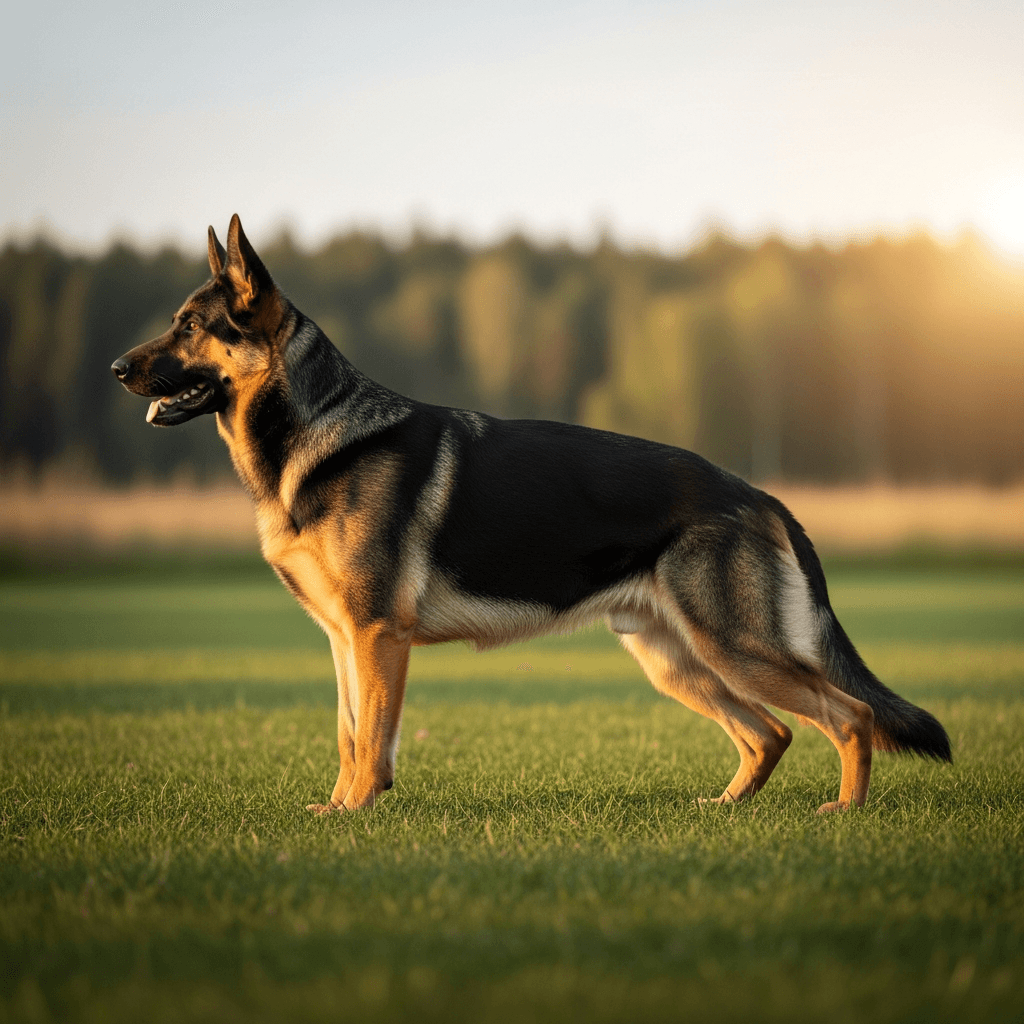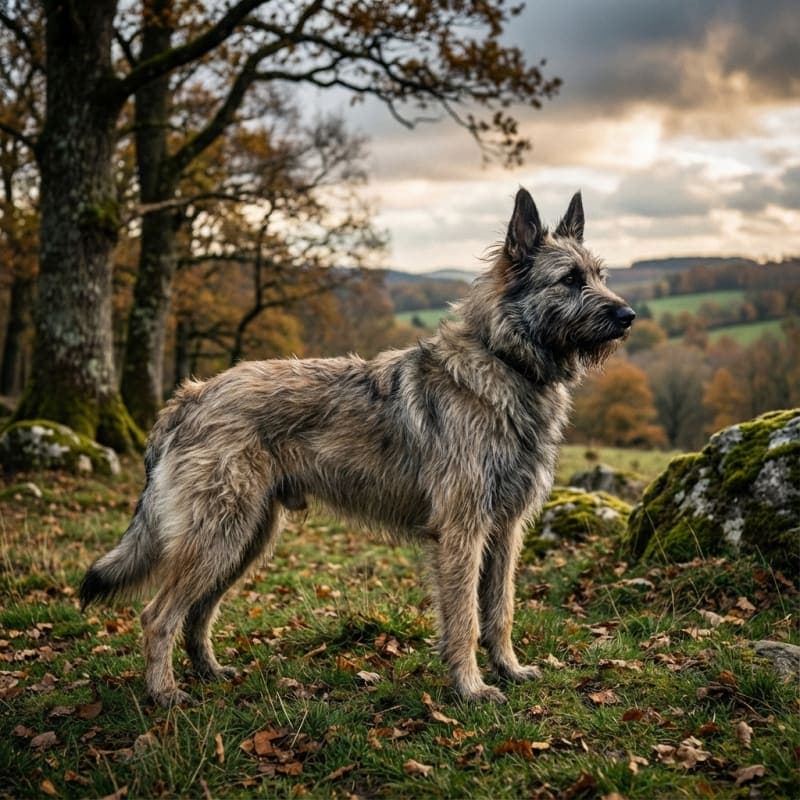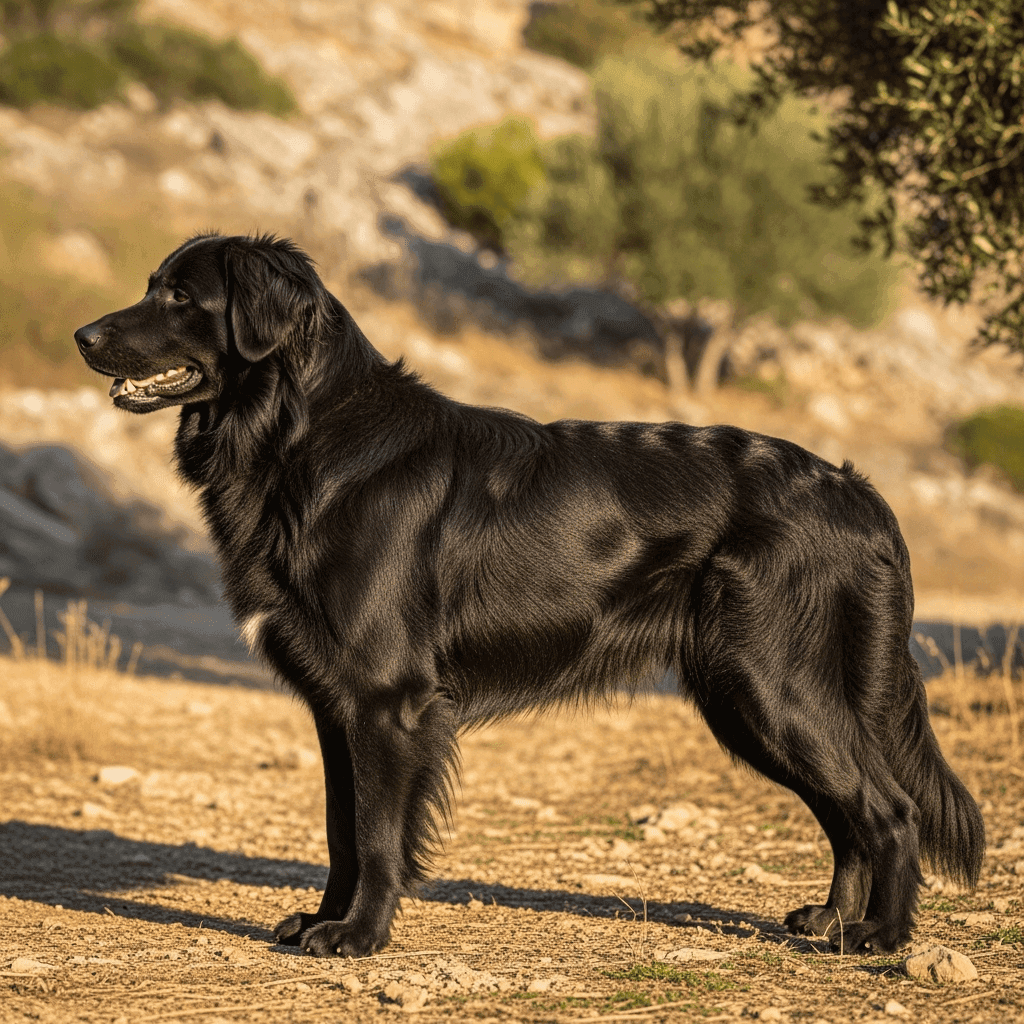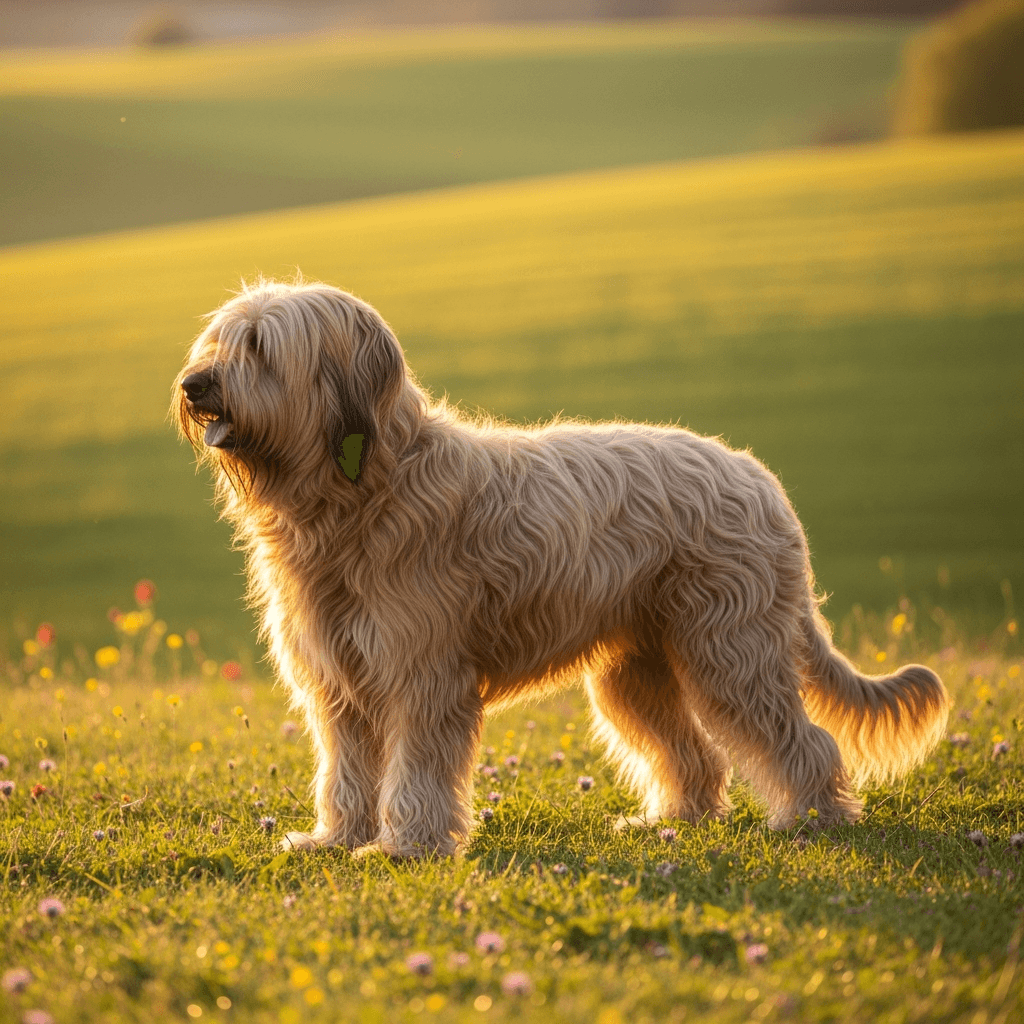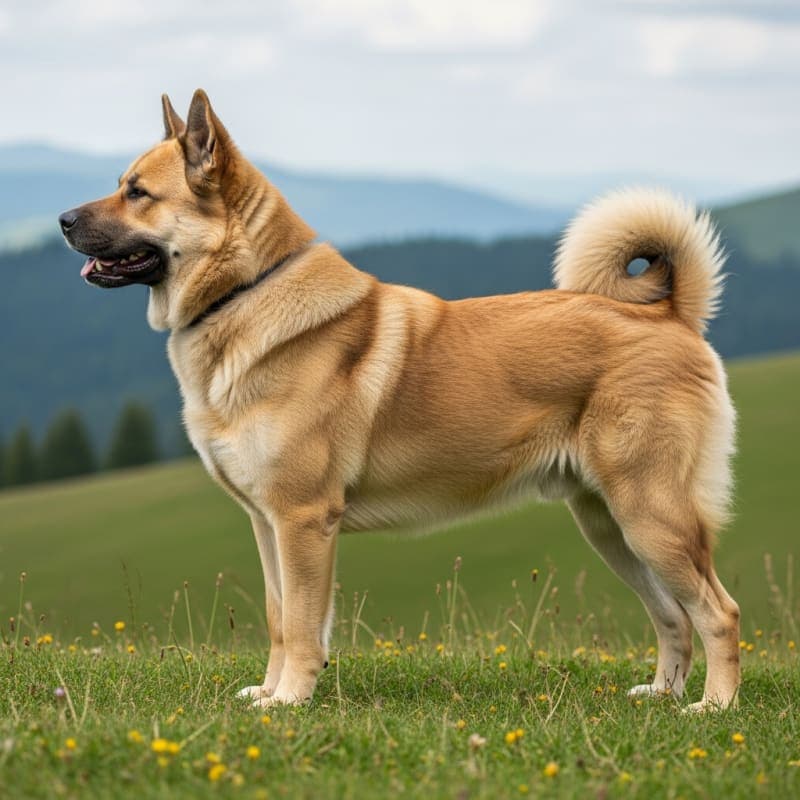
Romanian Carpathian Shepherd Dog
FCI Group
1• FCI 350
Size
Large
Origin Country
XX
Height
59-73 cm
Weight
30-45 kg
Lifespan
10-12 years
Temperament
Overview
The Romanian Carpathian Shepherd Dog, also known as Ciobanesc Romanesc Carpatin, is a fascinating breed of dog originating from the picturesque regions of Romania. Its roots go deep into the past when these dogs were indispensable companions for shepherds in the Carpathians and along the Danube. Thanks to centuries of selection for working traits, the Carpathian shepherd has retained its original qualities, making it an excellent guardian and protector of herds.
Ciobanesc Romanesc Carpatin is a dog of relatively large size, but with impressive strength and endurance. Its strong build and agility are evident at first glance. Males reach a height at the withers of 65 to 73 cm, while females measure from 59 to 67 cm. This is a dog that naturally combines elegance with sturdiness. The coat of the Carpathian shepherd is dense and coarse, which perfectly protects it from adverse weather conditions. The most commonly seen coloration is light fawn shades with a black overlay, which emphasizes its wildness and natural beauty.
The Romanian Carpathian Shepherd Dog is not only beautiful but also intelligent. Its courage and energy make it an ideal companion for active families who can provide it with the right amount of exercise and mental stimulation. As a herding dog, it requires strong leadership and consistent training to fully utilize its potential.
Moreover, the Ciobanesc Romanesc Carpatin has exceptionally developed protective instincts, making it extremely alert. In the face of danger, it does not hesitate to act immediately, making it an invaluable guardian. Its intelligence and adaptability allow it to quickly learn new commands and tasks, which is extremely valuable in everyday life.
For the Carpathian shepherd to be healthy and happy, it needs plenty of exercise and interaction with people and other animals. A proper diet, regular exercise, and attentive care are the keys to its well-being. In the following sections of the guide, you will find detailed information about the health, grooming, exercise, training, nutrition, history, appearance, and behavior of this extraordinary breed.
The Romanian Carpathian Shepherd is a dog with a characteristic, strong build, giving the impression of a powerful and agile animal. The height at the withers ranges from 65 to 73 cm for males and from 59 to 67 cm for females. Its silhouette is rectangular, with a well-developed chest and wide, muscular loins.
The head of the Carpathian Shepherd is strong, with a lupoid type, featuring a broad forehead and a distinct frontal furrow. The eyes are almond-shaped and dark, giving the dog an expression of alertness and intelligence. The ears are triangular and hanging, set slightly above the eye line.
The coat of the Romanian Carpathian Shepherd is dense, hard, and straight, with a soft undercoat, making it resistant to adverse weather conditions. The coat color is most often light fawn shades with black or wolf-like markings. This breed is also characterized by a strong bone structure and sturdy limbs, providing excellent stability and endurance.
The tail is long, abundantly furred, carried low at rest, and raised in motion. The overall appearance of the Romanian Carpathian Shepherd expresses strength, agility, and readiness for action, making it an ideal dog for work in challenging mountain conditions.
The Romanian Carpathian Shepherd Dog is a dog with a strong protective instinct and loyalty to its pack and owner. Its behavior is characterized by courage, alertness, and predictability, making it an excellent guardian. This breed is naturally suspicious of strangers, but with proper socialization, it becomes more open and friendly.
It is important to teach the Carpathian Shepherd how to react to new situations, people, and other animals from a young age to minimize the risk of excessive aggression or fearfulness. The Carpathian Shepherd is an active dog that needs plenty of exercise and mental stimulation. Without the right amount of activity, it can become restless and develop problematic behaviors.
This is an intelligent dog that quickly learns new commands and tasks, so it is worth engaging it in various activities that develop its skills. As a herding dog, the Carpathian Shepherd has natural predispositions for work, making it an excellent companion for active families.
Its behavior is also strongly linked to proper handling and training, which should be based on positive methods to motivate the dog to learn and cooperate. In relationships with the family, the Carpathian Shepherd is extremely loyal and devoted, eagerly participating in the lives of household members and protecting them from any threats.
The Romanian Carpathian Shepherd Dog is a relatively healthy breed, but like any other breed, it can be prone to certain genetic diseases. Key to the health of this dog is regular monitoring of its health by a veterinarian and ensuring appropriate preventive care.
Among the most common health issues that Carpathian Shepherds may be exposed to are hip dysplasia and eye problems. To minimize the risk of genetic diseases, it is important that puppies come from responsible breeders who conduct health tests on the parents.
Regular preventive care, including vaccinations and deworming, is crucial for keeping the dog in good health. Additionally, the Carpathian Shepherd, due to its activity, may be prone to injuries, especially if its exercise needs are not properly met. Therefore, owners should ensure a proper diet and regular veterinary check-ups to quickly respond to any health issues.
It is also important to pay attention to maintaining a proper body weight, as being overweight can lead to additional strain on the joints and other health problems. With appropriate care, the Romanian Carpathian Shepherd can enjoy a long and healthy life.
The Romanian Carpathian Shepherd has a thick, coarse coat that requires regular grooming to maintain its health and aesthetic appearance. During shedding periods, especially in spring and autumn, daily brushing is recommended to remove dead hair and minimize its spread around the house.
Regular combing also helps prevent matting of the coat and maintains healthy skin. It is important to pay attention to the undercoat, which is soft and dense, requiring extra care during grooming. Depending on the weather conditions, baths should be given about once every few months to avoid disrupting the natural skin oils.
In addition to coat care, special attention should be paid to ear and dental care. Regular ear cleaning and tooth brushing will help prevent infections and dental problems. Checking and regularly trimming the nails is also important to avoid discomfort while moving.
Overall, grooming the Romanian Carpathian Shepherd is not overly complicated, but it requires consistency and care. With proper grooming, the dog will look beautiful and feel comfortable.
The Romanian Carpathian Shepherd Dog is a breed that requires a large amount of exercise and physical activity. As a herding dog, it was designed to work in harsh mountain conditions, which means it has great endurance and energy. Owners should provide their dog with at least 1-2 hours of intense effort daily to meet its needs.
Walks, running, as well as playing in the garden or outdoors are excellent forms of activity for this dog. This breed excels in various , such as agility or obedience, which not only satisfy physical needs but also mental ones.
A well-trained Carpathian Shepherd eagerly takes on various challenges, making it a pleasure for both the dog and the owner. It is important to remember that lack of adequate exercise can lead to behavioral problems, such as excessive energy, aggression, or anxiety.
Owners should strive to introduce variety into daily activities and engage the dog in different forms of play to keep it in good physical and mental condition. Joint hikes in the mountains or long outings in nature will be an ideal way to meet the needs of this energetic herding dog.
The Romanian Carpathian Shepherd is a dog that is intelligent and eager to work, which makes it relatively easy to train. However, owners should remember that this breed has a strong guarding instinct and an independent character, which requires a consistent and patient approach to training.
The best results can be achieved by using positive training methods based on rewarding the dog for good behavior. Early socialization is crucial for the Carpathian Shepherd, as it allows them to get accustomed to various situations, people, and other animals.
Regular training and mental stimulation will help keep the dog in good mental and physical shape. Working with the Carpathian Shepherd can include a variety of activities such as agility, obedience, or tracking, which not only develop the dog's skills but also strengthen the bond between the dog and the owner.
It is important for the training to be interesting and engaging to maintain the dog's interest. This breed, as a herding dog, has natural predispositions for work, so it is worth utilizing these abilities in training. Consistency, patience, and positive reinforcement are key to success in training the Romanian Carpathian Shepherd.
The diet of the Romanian Carpathian shepherd should be balanced and tailored to its age, weight, and level of physical activity. Owners should choose high-quality foods that contain the appropriate amounts of protein, fats, and carbohydrates to provide the dog with all the essential nutrients.
It is recommended to use dry or wet foods that are well-balanced in terms of nutritional value. For active dogs, it is worth considering foods designed for large breeds, which have a higher content of protein and fat. In addition to food, it is also important to ensure that the dog has constant access to fresh water.
Owners should also avoid giving the dog table scraps, as they may contain harmful ingredients such as spices or onions. As the dog ages, its nutritional needs may change, so it is advisable to regularly consult with a veterinarian to adjust the diet to the dog's current needs.
Monitoring the weight and physical condition of the Carpathian shepherd is crucial to prevent health problems related to obesity. A proper diet combined with regular physical activity will ensure the dog a long and healthy life.
Characteristic Traits
Pros
- Loyalty to family
- Strong protective instincts
- High intelligence
- Ability to work in difficult conditions
- Resilience and endurance.
Cons
- Requires a lot of movement and activity
- Needs consistent training
- May be wary of strangers
- Requires an experienced handler.
Behavioral Ratings
Breed History
The Romanian Carpathian Shepherd Dog has a long and rich history, dating back to the times when shepherds in the Carpathians and along the Danube needed dogs to guard their flocks. This breed originated from local dogs that exhibited excellent working traits, such as loyalty, courage, and the ability to work in harsh mountain conditions.
Thanks to centuries of selection for working traits, the Carpathian Shepherd has retained its original characteristics, which are valued by both shepherds and dog enthusiasts. In 1934, the first breed standard was created at the National Institute of Zootechnics in Romania, which was subsequently updated in 1982, 1999, and 2001 by the Romanian Kennel Club.
The final version of the standard was presented in 2002 and adapted to the model proposed by the FCI. This breed has gained popularity not only in Romania but also in other countries, where its skills as a herding dog and guardian have been appreciated.
Today, the Romanian Carpathian Shepherd Dog is often used in various fields of work, including property protection and as a companion for active families. Its unique traits and history make it a breed cherished by many dog lovers around the world. Its uninterrupted working tradition in the Carpathian mountains makes it one of the most authentic herding breeds in Europe.