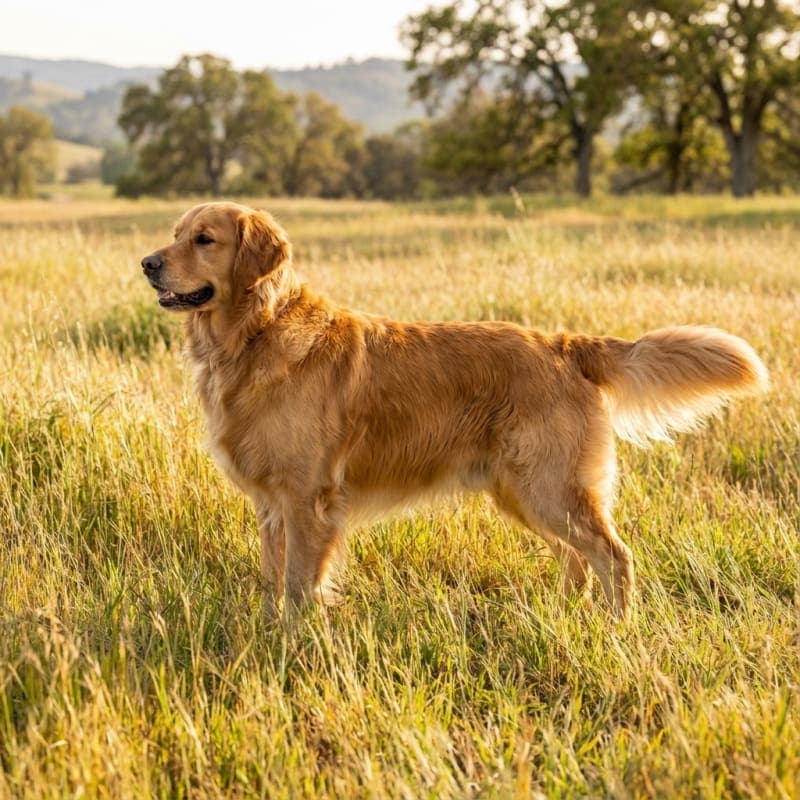
American cocker spaniel
FCI Group
8• FCI 167
Size
Medium
Origin Country
XX
Height
35.6-38.1 cm
Weight
11-14 kg
Lifespan
12-14 years
Temperament
Overview
American Cocker Spaniel is a breed that captivates with its unique charm and extremely friendly character. This charming dog, known for its harmonious build and long, drooping ears, is an ideal companion for families with children, couples, and elderly people. Originating from the United States, the American Cocker Spaniel initially served as a hunting dog, used for flushing and retrieving game birds. However, over the years, its popularity as a household pet has significantly increased. This breed was officially recognized by the American Kennel Club in 1946 and by the FCI in 1965.
One of the key assets of the American Cocker Spaniel is its medium-sized physique, standing between 35.6 cm and 38.1 cm tall. Its coat, silky and slightly wavy, comes in a rich palette of colors – from black, through brown, cream, to multicolored combinations, adding to its unique elegance. The temperament of this dog is another reason to take an interest in it. It is cheerful, friendly, and extremely sociable. It loves being around people, playing with children, and exploring new places during walks.
Thanks to its high intelligence and natural willingness to cooperate, the American Cocker Spaniel easily learns new commands and tasks. Appropriate positive reinforcement methods, such as treats, praise, and play, yield excellent results in training. However, owners must demonstrate patience, as this dog can sometimes be a bit stubborn or overly focused on something interesting. It is worth remembering that its strong hunting instinct may lead to attempts to escape when it catches a scent of game or a trail of something intriguing. Therefore, proper precautions are necessary, especially in open spaces, along with consistent reminders of the recall command.
The American Cocker Spaniel is a dog that needs an active lifestyle. Regular walks, retrieving games, and varied physical activity are crucial for its mental and physical health. Lack of adequate exercise can lead to behavioral issues such as excessive barking, destructive chewing of furniture, or general anxiety. Diet control is also essential, as this breed has a natural tendency to gain weight, which can lead to more serious musculoskeletal conditions. Overall, the American Cocker Spaniel is a wonderful companion that brings a huge dose of joy, warmth, and positive energy to the lives of its owners.
The American Cocker Spaniel is a dog with an exceptionally harmonious build, attracting attention with its unique charm and elegance. Its ideal height ranges from 35.6 cm to 38.1 cm at the withers, making it a medium-sized dog, perfect for both apartment living and homes with gardens. The body of the Cocker Spaniel is compact, solidly muscled, and well-balanced, allowing it to move easily and perform agile, dynamic movements during play or hunting.
The head is proportional to the rest of the body, with a rounded skull and a clearly defined stop. Its wide and deep muzzle draws attention, giving the dog a charming, gentle appearance. The eyes of the American Cocker Spaniel are round, dark brown, and expressive, adding to its intelligent yet tender gaze. The long, hanging ears are the most recognizable feature of this breed – their dense, silky coat makes the dog appear even more elegant and noble.
The torso is strongly built, with a deep chest and a straight, strong back. The tail is traditionally docked (though in many countries it is increasingly left natural) and carried at the level of the back or slightly above, giving the dog a proud, confident appearance. The coat of the American Cocker Spaniel is of medium length, silky, and slightly wavy, available in an impressive variety of colors:
- Solid colors: black, brown, cream, red
- Two-color: black and white, brown and white
- Three-color combinations with tan
- Merle variations (though rarer)
Many Cocker Spaniels also have beautiful, long feathers on their legs, belly, chest, and ears, adding to their unique grace. This breed presents itself excellently both at dog shows and in everyday life, attracting the gaze of everyone who sees it. Their appearance is extremely attractive and harmonious – it is the perfect combination of strength, agility, and elegance.
The American Cocker Spaniel is a dog with a gentle temperament and an exceptionally cheerful disposition. It is a purebred companion that loves to spend time with people, making it an excellent choice for families, seniors, and those working from home. Cocker Spaniels are extremely social, which means they feel great in the company of other pets, including cats and other dogs, and they get along well with children of all ages. Their friendly and open character means they do not show aggression towards strangers and rarely exhibit timidity.
Cocker Spaniels are also known for their high intelligence, which makes them relatively easy to train, provided the right methods are used. However, their sensitive nature means that harsh, punitive training methods should be absolutely avoided, as they can lead to frustration, resistance, and even behavioral problems. Positive reinforcement, patience, and consistency are the keys to success when working with this dog.
The American Cocker Spaniel is a dog that needs a lot of attention and social interaction, so it absolutely does not tolerate being left alone for long periods. They can become destructive or excessively barky when left alone for too long, which is a result of their strong need to be in close contact with their family. Owners should provide them with:
- Regular physical activities (walks, playtime)
- Mental stimulation (interactive toys, training)
- Company for most of the day
- Routine and predictability
Cocker Spaniels have a natural tendency to bark, especially in response to noises or the presence of strangers, making them moderately good watchdogs. Their attachment to their owners is strong but not excessive – they are usually friendly towards guests. However, it is important to remember that they may be prone to escaping if they catch an interesting scent or trail, which stems from their hunting instinct. Therefore, it is crucial to secure fences and avoid letting the dog roam freely in dangerous areas.
Overall, the American Cocker Spaniel is a wonderful companion that brings a tremendous amount of joy, love, and positive energy into the lives of its guardians. It is an ideal dog for those who can dedicate the time and attention it needs.
The American cocker spaniel, although a relatively healthy dog, has certain predispositions to various ailments that owners should be aware of. The average lifespan of this breed is about 12-14 years, although with proper care, a suitable diet, and regular veterinary check-ups, it can be longer.
The most common health issues in American cocker spaniels are:
- Eye diseases: cataracts, glaucoma, corneal dystrophy, progressive retinal atrophy (PRA), which can lead to partial or complete vision loss
- Heart problems: dilated cardiomyopathy, mitral valve disease
- Skin allergies: atopic dermatitis, reactions to food and environmental factors
- Ear infections (otitis externa): particularly common among dogs with long, drooping ears that restrict airflow
- Glycogen storage disease type VII: a genetic condition affecting carbohydrate metabolism, leading to anemia and muscle weakness
- Hip dysplasia: a hereditary condition affecting mobility
- Hypothyroidism: an underactive thyroid leading to metabolic issues
It is important to regularly visit the veterinarian to monitor the dog's health and detect potential problems at an early stage when treatment is most effective. Annual check-ups, vaccinations, and parasite prevention are crucial for maintaining health.
Owners should also pay special attention to their dogs' weight, as cocker spaniels have a natural tendency towards obesity, which can lead to serious health issues such as:
- Type 2 diabetes
- Joint diseases and arthritis
- Respiratory problems
- Shortened lifespan
A proper diet, portion control, and regular physical activity are key to maintaining optimal weight and health in the American cocker spaniel. It is also advisable to conduct genetic testing before purchasing a puppy to avoid hereditary conditions.
Grooming an American Cocker Spaniel is an essential and demanding aspect of caring for its health, appearance, and overall well-being. This breed has medium-length fur that is silky, slightly wavy, and requires regular, systematic grooming. Neglecting the coat can lead to matting, dullness, and skin problems.
Brushing: It is recommended that owners brush their dogs at least once or twice a week, using appropriate brushes (e.g., brushes with metal pins, wide-toothed combs) to remove dead hair and prevent tangling. During shedding periods, the frequency of brushing should increase to daily to avoid hair accumulation in the home.
Clipping: For show dogs, grooming is even more demanding – professional clipping and trimming every 6-8 weeks is recommended to maintain the proper breed appearance. Even non-show dogs should be regularly clipped to maintain hygiene and comfort, especially around the ears, paws, and belly.
Ear care: Ears that are long and drooping can be very prone to infections, so they should be checked and cleaned regularly – ideally once a week. Use special dog ear cleaning solutions and gently dry them with cotton balls. Pay attention to:
- Unpleasant odor from the ears
- Excessive discharge or wax
- Redness or swelling
- The dog frequently shakes its head or scratches its ears
If you notice any of these symptoms, consult a veterinarian immediately.
Eye care: Eyes should be regularly cleaned (preferably daily) to avoid irritation, infections, and the formation of brown stains under the eyes. Use damp, soft wipes or cotton balls moistened with lukewarm boiled water or a special eye cleaning solution.
Bathing: Cocker Spaniels should be bathed every 4-6 weeks, using gentle shampoos designed for dogs with long fur. Regular baths help keep the coat in good condition and remove odors.
Nail trimming: Nails should be regularly trimmed (usually every 3-4 weeks) to avoid discomfort, walking problems, and damage to the flooring in the home.
Good grooming habits are absolutely crucial for maintaining the health of an American Cocker Spaniel, its beautiful appearance, and overall well-being. Owners should treat grooming as a regular routine, not a one-time task.
The American Cocker Spaniel is a dog that requires regular and varied physical activity to maintain optimal mental and physical health. Although it is a medium-sized dog, its energy and exercise needs are significant – it is not a dog for people leading a sedentary lifestyle. Owners should provide their Cocker Spaniel with at least 60-90 minutes of daily walks and outdoor play.
Physical activity is not only beneficial for musculoskeletal health, but it also helps maintain a proper weight, which is absolutely crucial for this breed, as they have a natural tendency to obesity. Being overweight leads to serious health issues such as diabetes, joint diseases, and respiratory problems.
The American Cocker Spaniel enjoys various forms of activity:
- Walks: Daily walks of varying intensity – both leisurely strolls and brisk walks
- Fetching: Throwing a ball, frisbee, or other toys – utilizing their natural hunting instinct
- Playing with other dogs: Socialization and play in dog parks
- Swimming: An excellent, low-impact form of activity, especially for older dogs
- Tracking and scenting: Scent games, hiding treats, scent obstacle courses
- Agility: For more active dogs and owners
It is important to provide them with a variety of activities to prevent boredom and destructive behaviors due to excess unused energy. Cocker Spaniels are hunting dogs, so they particularly enjoy activities that engage their natural hunting instincts, such as scent tracking, searching for objects, or retrieving exercises in the field.
Regular exercise also helps maintain good mental health, as these dogs are extremely social and need interaction with people and other animals. Physical activity also reduces stress and anxiety levels, which is especially important for dogs left alone at home for part of the day.
Owners should absolutely avoid leaving a Cocker Spaniel at home for extended periods without proper exercise, as this can lead to serious behavioral problems such as:
- Excessive, persistent barking
- Destructive chewing of furniture, shoes, cords
- Separation anxiety
- Digging holes in the garden
- General anxiety and frustration
Overall, the American Cocker Spaniel is an energetic and active dog that needs regular physical and mental stimulation to be a happy, balanced, and healthy companion.
Training an American Cocker Spaniel is absolutely crucial to ensure that this dog behaves well at home, around other people, dogs, and in various social situations. Cocker Spaniels are known for their high intelligence and natural eagerness to learn, but their sensitive and sometimes somewhat stubborn temperament requires a gentle, consistent approach to training.
The best time to start training: Owners should begin training as early as possible, ideally during the puppy stage (from 8 weeks of age), to provide the dog with a solid foundation and teach it basic commands such as:
- Sit
- Stay
- Come (recall)
- Lie down
- No (or leave it)
- Calm (on a leash)
Training methods: Using positive reinforcement, such as treats, praise, play, and rewards, is absolutely essential, as Cocker Spaniels respond much better to encouragement than to punishment or coercion. Using harsh, punitive methods can lead to:
- Stress and anxiety in the dog
- Loss of trust in the owner
- Behavioral problems (defensive aggression, avoidance)
- Frustration and resistance to learning
Cocker Spaniels can also be prone to stubborn behaviors, especially when they are too tired or do not see the point in practicing. Therefore, it is important to demonstrate patience, consistency, and creativity during training. Owners should absolutely avoid aggressive methods, yelling, or physical punishment.
Organizing training sessions: Training should be conducted in short but regular sessions (5-15 minutes, 2-3 times a day) to maintain the dog's attention and avoid boredom. Young dogs have a short attention span, so it is better to conduct several short sessions than one long, exhausting one.
Advanced training: In addition to basic commands, Cocker Spaniels can also enjoy more advanced training, such as:
- Agility: Obstacle courses that develop physical fitness
- Obedience: Advanced obedience and precision in command execution
- Tracking: Utilizing natural scenting abilities
- Therapy training: Working as a therapy dog in hospitals, nursing homes
Mental stimulation: Regular mental exercises, such as games to find hidden objects, interactive puzzles, scent games, or learning new tricks, also help develop the dog's cognitive abilities and provide appropriate mental stimulation, which is just as important as physical activity.
Socialization: Just as important as obedience training is proper socialization of the puppy with various people, dogs, environments, and situations. A well-socialized Cocker Spaniel is confident, friendly, and does not show fear of new experiences.
Proper training of an American Cocker Spaniel not only increases the dog's safety and the comfort of living with it but also significantly strengthens the emotional bond between the dog and the owner, leading to a harmonious and satisfying coexistence for many years.
The nutrition of the American Cocker Spaniel is a key element of its health, longevity, and overall well-being. This breed has a natural tendency to obesity, so diet control and the amount of food consumed is absolutely essential. Owners should treat nutrition as a strategic health action, not just a daily task.
Choosing food: Owners should choose high-quality food that is specifically tailored to the dog's age, weight, activity level, and any health issues. The food should contain appropriate proportions:
- Protein: 20-30% (preferably from animal sources: chicken, beef, fish)
- Fat: 10-15% (to maintain healthy coat and skin)
- Carbohydrates: Complex carbohydrates (brown rice, oatmeal, sweet potatoes)
- Fiber: For proper bowel function
- Vitamins and minerals: For overall health
Types of food: Cocker Spaniels can benefit from both dry food (kibble) and wet food (cans, pouches), but it is important to:
- Ensure they have constant access to fresh water at all times
- Avoid foods with artificial colors and preservatives
- Choose premium or super premium foods
- Consider a BARF diet (raw meat) only after consulting a veterinarian
Meals and portions: Regular meals, preferably twice a day (morning and evening), help maintain stable weight and prevent overeating. Owners should:
- Measure portions according to the manufacturer's recommendations
- Adjust the amount of food to the dog's activity level
- Avoid feeding table scraps
- Monitor the dog's weight regularly (at least once a month)
Treats and snacks: Treats should be used in moderation – they should not exceed 10% of the daily calorie intake. It is worth choosing:
- Healthy treats (dried meat, vegetables like carrots, cucumbers)
- Training treats (small, low-calorie)
- Avoid: chocolate, grapes, raisins, onions, garlic, sweets
Prohibited products: Owners should absolutely avoid giving their dog human food that can be harmful or even toxic to its health, including:
- Chocolate and cocoa products
- Grapes and raisins
- Onions, garlic, leeks
- Avocado
- Poultry bones (can cause choking)
- Salty and fatty foods
- Alcohol and caffeine
Weight monitoring: Regular weight checks are essential. If you notice that your dog is gaining weight:
- Reduce food portions by 10-15%
- Increase physical activity
- Limit treats
- Consult a veterinarian about a weight reduction diet
Consultation with a veterinarian: If you have any doubts about the diet, it is advisable to consult a veterinarian, who can help choose the right food, establish feeding guidelines, and adjust the diet to the individual needs of the dog, especially in cases of food allergies, gastrointestinal diseases, or other conditions.
Good, conscious nutrition is absolutely crucial for maintaining optimal health in the American Cocker Spaniel throughout its life, as well as for preventing many lifestyle-related diseases associated with obesity.
Characteristic Traits
Pros
- Friendly and sociable character
- High intelligence and ease of training
- Ideal for families with children
- Energetic and full of life
- Beautiful and elegant appearance.
Cons
- Can be stubborn during training
- Requires a lot of movement and activity
- Prone to overweight
- Requires regular coat care
- Susceptible to ear and eye diseases.
Behavioral Ratings
Breed History
The American cocker spaniel has a rich and fascinating history that dates back to the late 19th century. This breed descends from the English cocker spaniel, which was brought to the United States by British immigrants and gradually adapted to American conditions, different hunting needs, and the aesthetic preferences of breeders.
The first dogs of this breed arrived in the United States in 1882, and their popularity grew steadily each year. Initially, American breeders worked with English cocker spaniels, but over time they began to develop a slightly different type of dog, suited to the American hunting terrain and style of hunting. The American cocker spaniel was created with the intention of hunting waterfowl and upland game, where its exceptional skills in tracking, flushing, and retrieving were highly valued by hunters.
As the years went by, the breed began to be bred not only as a hunting dog but primarily as a companion dog, gaining immense popularity among families and individuals seeking a friendly, elegant companion. In the 1930s and 1940s, the American cocker spaniel became one of the most popular breeds in the United States, with its popularity peaking in the post-war period.
In 1946, the breed was officially recognized by the American Kennel Club (AKC) as distinct from the English cocker spaniel, and in 1965, it gained recognition from the Fédération Cynologique Internationale (FCI). The American cocker spaniel differs from its English cousin not only in appearance (it is smaller, has a more rounded skull, and longer, fuller coat) but also in temperament – the American variety is more sociable and gentler.
In the USA, it has become a symbol of friendship, joy, and family warmth, and its charm and extraordinary grace have attracted millions of dog lovers. This breed has also gained recognition through pop culture – the famous American cocker spaniel named Lady from Disney's film Lady and the Tramp (1955) became an icon and increased the breed's popularity worldwide.
Today, the American cocker spaniel remains one of the most popular dog breeds in the United States, and their friendly nature, elegant appearance, and moderate requirements make them ideal companions for families, seniors, and active individuals. As more people choose cocker spaniels as their pets, this breed continues to evolve, adapting to the changing needs and expectations of owners while retaining its unique temperamental and physical traits.
Contemporary use: Today, the American cocker spaniel primarily serves as a companion dog, but it still participates in dog shows, agility competitions, obedience trials, and is sometimes used as a therapy dog due to its gentleness and empathy.