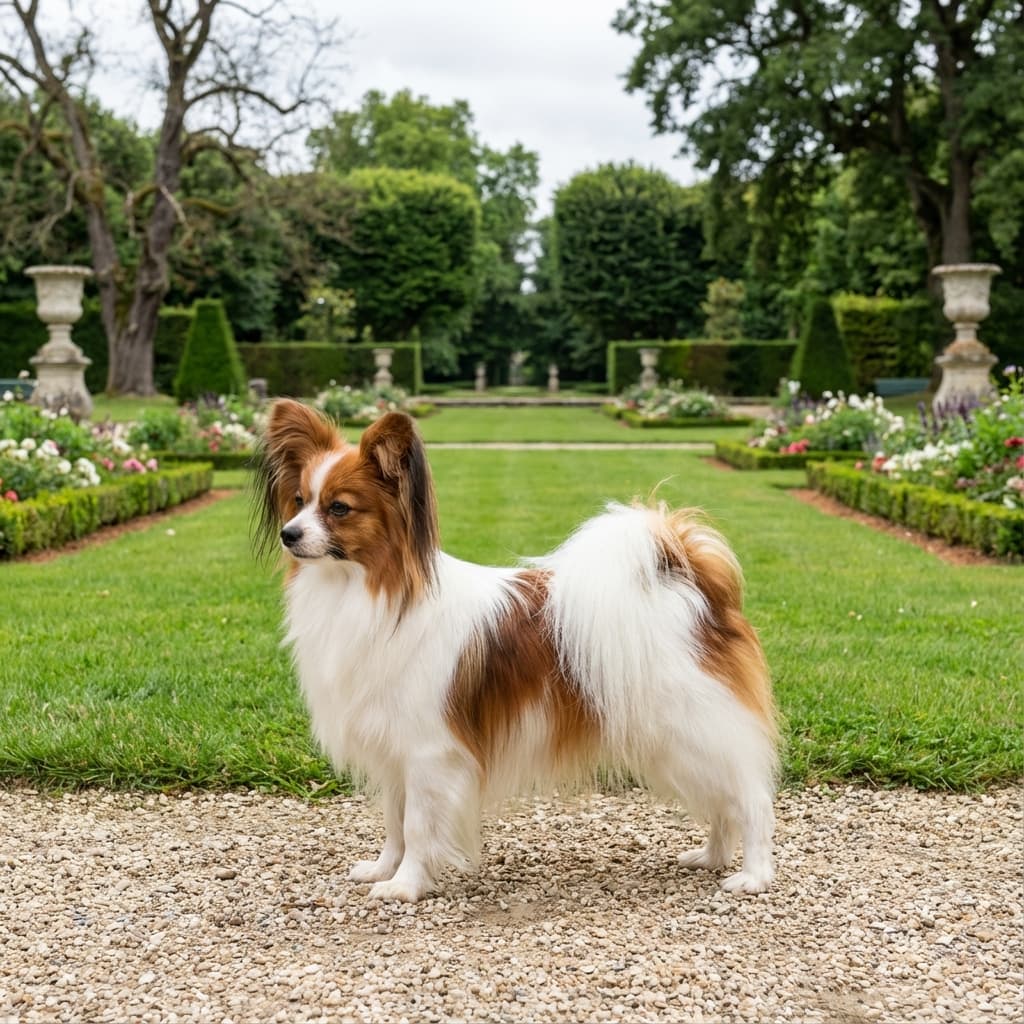
Miniature Continental Spaniel
FCI Group
9• FCI 77
Size
Small
Origin Country
XX
Height
25-30 cm
Weight
2.5-4.5 kg
Lifespan
13-15 years
Temperament
Overview
Continental Toy Spaniel, also known as Papillon (from French butterfly), is an incredibly charming and elegant decorative dog that has delighted with its grace and intelligence for centuries. The history of this breed dates back to the Renaissance when it became a favorite of European aristocracy, including the royal courts of France and Spain.
Its images can be found in many famous paintings by old masters — Titian, Rubens, Rembrandt, and Watteau — which attests to the extraordinary popularity and prestige of this breed at that time. Continental Toy Spaniel originates from France and Belgium and comes in two ear varieties: Papillon, with ears raised resembling butterfly wings, and Phalène, with drooping ears.
These characteristic ears give it a unique appearance that attracts attention and admiration. This breed is characterized by a harmonious body structure, which is slightly longer than its height at the withers. The head is proportional to the rest of the body, with a distinct stop and a slightly shortened muzzle. Large, dark, almond-shaped eyes give the dog a lively, intelligent expression full of curiosity.
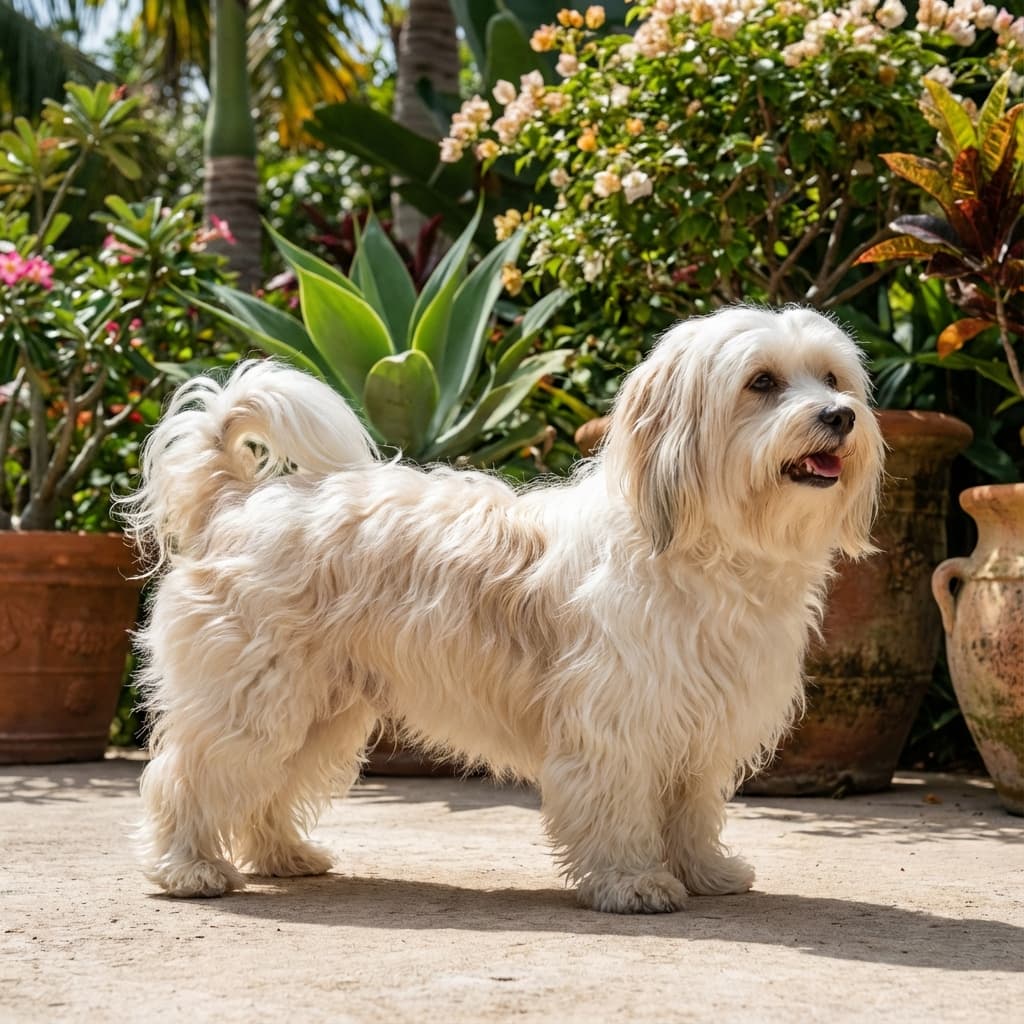
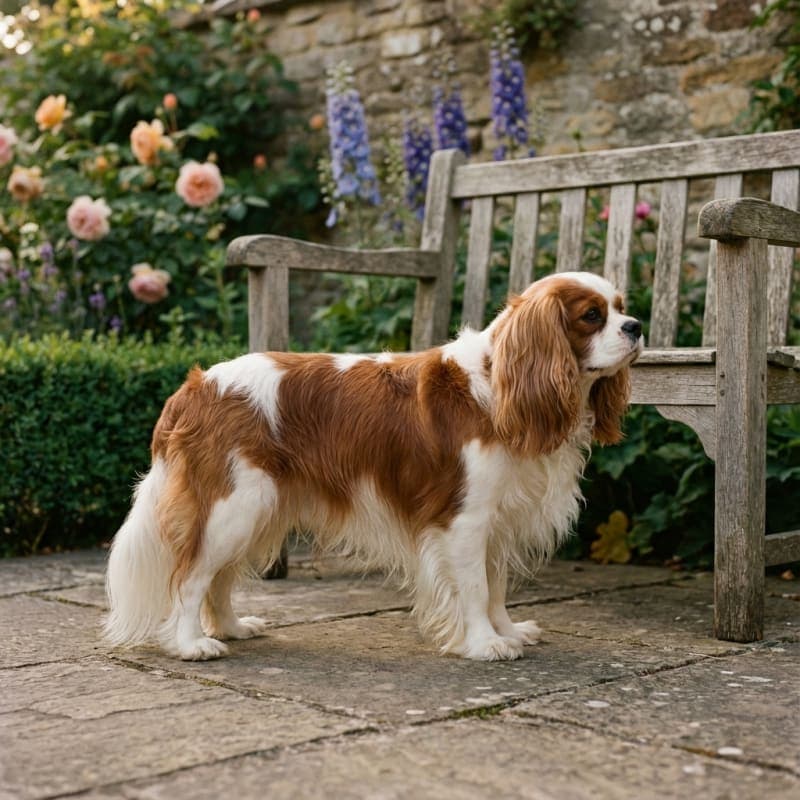
The coat of the continental toy spaniel is long, silky, slightly wavy, and lacks an undercoat, which makes it look luxurious and elegant. The dominant color of the coat is white with patches in various colors — most often black, brown, or red — which adds to its unique charm.
This dog adapts perfectly to both a small apartment and a house with a garden, provided it has the right amount of exercise, mental stimulation, and companionship from its owner. Its temperament is friendly, cheerful, and full of energy. The Continental Toy Spaniel loves the company of people and shows a strong attachment to its family.
Thanks to its exceptional intelligence — it is considered one of the most intelligent decorative dog breeds — and willingness to learn, it is easy to train, as long as the training is conducted gently, consistently, and using positive reinforcement. Its sociable nature makes it an ideal companion for families with children, elderly people, and also a great first dog for novice owners.
We encourage you to explore the following sections of this guide to learn more about the health, grooming, exercise needs, training, nutrition, history, appearance, and behavior of this exceptional, graceful companion.
Continental Toy Spaniel is a small dog with an elegant, harmonious, and balanced body structure. The height at the withers is about 20–28 cm, and the weight usually ranges between 1.5 kg and 5 kg, depending on the sex and individual build of the dog.
This breed is characterized by long, silky, and slightly wavy fur, which gives the impression of being luxurious and extremely well-groomed. The hair is soft and delicate to the touch, and the coat lacks an undercoat, meaning it is not too fluffy or heavy. This allows the dog to move with lightness and grace.
Distinctive appearance features:
- Head: Proportional to the body, with a distinct stop and a slightly shortened muzzle. The skull is not too prominent, and the nose is small, black, and slightly flattened at the tip.
- Eyes: Quite large, dark, almond-shaped, set low, giving the dog a vivid, intelligent, and lively expression.
- Ears: A hallmark of the breed. The Papillon variety has upright ears, widely spaced, covered with long hair resembling butterfly wings. The Phalène variety has drooping ears, also richly coated.
- Tail: Long, richly feathered, carried high in a plume, with the tip of the tail possibly gently touching the back. The tail is covered with long, decorative fur.
- Limbs: Strong, straight, and slender, providing the dog with stability, agility, and fluid movement.
- Coat: Predominantly white with patches in various colors — most often black, brown, or red. The head usually displays a symmetrical pattern with a distinct white stripe in the center of the forehead.
The entire silhouette of the dog is full of grace, and its way of moving is light, springy, and extremely elegant, making it one of the most charming representatives of decorative dogs.
Continental Toy Spaniel is a dog with a friendly, sociable, and extremely lively character that loves to be around its owners. Dogs of this breed are exceptionally attached to their family and feel best when they can actively participate in the daily life of their household.
The Papillon is known for its exceptional intelligence — it ranks among the top breeds in terms of learning ability and understanding commands. This makes training smooth and brings a lot of satisfaction to both the dog and the owner. The Continental Toy Spaniel is eager to cooperate and loves to learn new tricks.
Main character traits:
- Sociability: Loves the company of people, is affectionate, gentle, and very attached to the family. It does not tolerate prolonged solitude — left alone for too long, it may experience separation anxiety.
- Cheerfulness and energy: Full of vigor, joy of life, and a desire to play. It thrives in active families that can provide it with the right amount of exercise and stimulation.
- Attitude towards children: Does very well in families with children, with whom it enjoys playing. Due to its delicate build, it is advisable to teach children how to properly handle the dog.
- Attitude towards strangers: Despite its small size, the Papillon does not show aggression towards strangers but may be slightly distrustful or cautious. Proper socialization from a young age helps build confidence and openness.
- Attitude towards other animals: With proper socialization, it coexists well with other dogs and pets. However, it may show some dominance if not properly trained.
- Alertness: The Papillon is an excellent alarm dog — although it is not aggressive, it readily signals the presence of strangers or unusual situations with its voice. It is worth monitoring this to avoid excessive barking.
In summary, the Continental Toy Spaniel is a dog full of joy, devotion, and energy, bringing a lot of love, laughter, and positive energy into the home. It is the perfect companion for those who value close contact with their pet.
Continental Toy Spaniel, also known as Papillon, enjoys relatively good health and longevity. The average lifespan of representatives of this breed is from 13 to 15 years, although with proper care, a balanced diet, and regular physical activity, many individuals live up to 16–17 years.
Although it is a resilient breed, like any dog, it can be susceptible to certain genetic and acquired conditions. Responsible breeders conduct health tests to minimize the risk of inheriting diseases.
The most common health issues in the breed:
- Eye diseases: Progressive retinal atrophy (PRA), cataracts, and keratitis. Regular eye examinations allow for early detection of problems.
- Heart diseases: Heart rhythm disturbances, including mitral valve disease, may occur in older individuals. Regular cardiological check-ups are recommended.
- Follicular dysplasia: A skin and coat condition leading to thinning and hair loss. It occurs rarely, but it is worth knowing about.
- Patellar luxation: An orthopedic issue typical for toy breeds, which can lead to lameness and discomfort during movement.
- Dental problems: Small dogs are more prone to tartar buildup, gum disease, and cavities. Regular oral hygiene is crucial.
- Sensitivity to temperatures: Papillon lacks an undercoat, making it sensitive to both heat and cold. On hot days, prolonged sun exposure should be avoided, and in winter, it is advisable to dress the dog in protective clothing.
Recommendations for owners:
- Regular check-ups with the veterinarian (at least once a year, for older dogs — every six months).
- Current vaccinations and deworming according to the veterinarian's recommendations.
- Monitoring dental health and regularly brushing the mouth.
- Maintaining a healthy body weight — avoiding obesity, which burdens the joints and heart.
- Ensuring appropriate physical activity and a balanced diet tailored to the dog's age and needs.
With proper veterinary care and a responsible approach to health, the continental toy spaniel will enjoy a long, healthy, and joyful life alongside its family.
The care of the miniature continental spaniel is not complicated, but it requires regularity and consistency to maintain its beautiful, silky coat in excellent condition and to ensure the overall comfort and health of the dog.
Brushing the coat:
Due to its long, delicate coat without an undercoat, the Papillon requires daily brushing to help remove dead hair, prevent matting, and give the coat a healthy, shiny appearance. It is best to use a brush with natural bristles or a comb with widely spaced teeth. Special attention should be paid to the areas behind the ears, under the armpits, and around the tail, where the hair is most likely to tangle.
Bathing:
Bathing should be done as needed — usually every 4–6 weeks or when the dog gets dirty. Too frequent baths can disrupt the skin's natural protective layer and weaken the quality of the coat. Mild shampoos designed for dogs with long hair should be used, and after bathing, the dog should be thoroughly dried with a towel or a hairdryer on a low setting.
Ear cleaning:
The ears of the miniature continental spaniel, especially in the Phalène variety with hanging ears, can be prone to the accumulation of dirt, wax, and moisture. Regular checking and cleaning of the ears (every 1–2 weeks) using special ear care solutions will help prevent infections and inflammations.
Nail trimming:
Nails should be checked regularly and trimmed as needed — usually every 3–4 weeks. Overly long nails can cause discomfort while walking, posture problems, and painful injuries. If the dog is active outdoors, the nails may naturally wear down, but it is worth checking them regularly.
Oral hygiene:
Small dog breeds are particularly prone to dental problems. Therefore, daily tooth brushing using dog toothpaste will help prevent tartar buildup, gum inflammation, and cavities. It is also advisable to provide the dog with special dental chews.
Eye check:
The eyes should be regularly checked and gently cleaned of dirt using a soft, damp cotton pad or special eye care solutions. If there are signs of redness, discharge, or swelling, a veterinarian should be consulted.
Regular grooming not only maintains the dog's health and beautiful appearance but also provides an excellent opportunity to build bonds and trust between the owner and the pet.
Despite its small size, the Continental Toy Spaniel is an energetic, active, and intelligent dog that requires regular physical activity and mental stimulation to remain healthy, happy, and emotionally balanced.
Daily walks:
Dogs of this breed need two to three walks a day, each lasting from 30 to 60 minutes. Walks should be varied — it's worth changing routes, allowing the dog to sniff and explore the surroundings, which provides essential sensory and mental stimulation.
Play and activities:
The Papillon loves various forms of play, such as:
- Fetching: Playing with a ball or toy is an excellent way to burn off excess energy.
- Interactive games: Searching for hidden treats, toys with hidden snacks (puzzle toys), scent games.
- Agility and dog dancing: Due to its agility, intelligence, and eagerness to learn, the Papillon excels in dog sports such as agility, trick training, or dog dancing.
- Socialization: Regular meetings with other dogs in the park or dog run will help develop social skills.
Mental stimulation:
The Papillon is one of the most intelligent toy dog breeds, which is why in addition to physical exercise, it also needs mental stimulation. It's worth regularly teaching it new tricks, commands, and using logic games and educational toys. When bored, the dog may develop undesirable behaviors such as destroying objects or excessive barking.
Adjusting activities to weather conditions:
The Continental Toy Spaniel has no undercoat, making it sensitive to extreme temperatures. On hot days, intense exertion in full sun should be avoided, and the dog should have access to shade and fresh water. On cold days, it's advisable to dress the dog in protective clothing to prevent chilling.
Summary:
Well-satisfied physical and mental needs make the Papillon a calm, happy, and balanced companion. Regular physical activity and varied play and training are the keys to a long, healthy, and joyful life for this wonderful dog.
Training the Continental Toy Spaniel, also known as the Papillon, is a pleasure for both the dog and the owner. With their exceptional intelligence, eagerness to learn, and strong attachment to humans, dogs of this breed are among the easiest decorative breeds to train.
Key principles of effective training:
- Positive reinforcement: The Papillon responds best to reward-based methods — treats, verbal praise, and play. Avoid punishment and harsh techniques that may discourage this sensitive dog from learning.
- Consistency: Clear rules and consistent enforcement help the dog quickly understand what is expected of them.
- Short, regular training sessions: It is best to practice 2–3 times a day for 10–15 minutes. Short sessions keep the dog's attention and prevent boredom.
- Patience and gentleness: Although the Papillon learns quickly, it is important to approach training with patience and understanding. Dogs of this breed are sensitive and do not respond well to pressure.
Starting training from a puppy age:
It is worth starting socialization and basic training as early as 8 weeks of age. The earlier the puppy is exposed to various people, animals, sounds, and environments, the more confident and balanced the adult dog will be.
Basic commands to learn:
- Sit — a basic command that is easy to master.
- Lie down — the next step that teaches the dog calmness and control.
- Stay — an important command that ensures safety.
- Come — a key recall command, especially during off-leash walks.
- Give paw — a simple trick that builds bond and trust.
- No or Enough — a prohibitive command that teaches the dog appropriate behavior.
Advanced training and tricks:
The Papillon loves to learn new tricks and more complex commands. You can successfully train them in:
- Agility and obstacle courses.
- Dog dancing and freestyle.
- Circus tricks, such as flips, walking backwards, spins, or retrieving objects.
- Scent training, including searching for hidden items.
Socialization:
Proper socialization is crucial. The Papillon should be exposed to different people, dogs, animals, vehicles, sounds, and environments from a young age. A well-socialized dog will be confident, friendly, and calm in various situations.
Barking control:
The Papillon tends to be alert and often vocalizes the presence of strangers or unusual situations. It is worth working on barking control from the beginning, teaching the dog the command Quiet or Enough, rewarding them for calm behavior.
Group training:
Participating in group classes, such as obedience courses or agility sessions, can be very beneficial. The dog learns in the presence of other dogs, improves social skills, and strengthens the bond with the owner.
Summary:
Training the Continental Toy Spaniel is a joy and satisfaction. With the right approach based on positive reinforcement, consistency, and patience, the Papillon will become a well-trained, obedient, and happy companion.
Proper nutrition for the Continental Toy Spaniel is crucial for its health, physical condition, coat quality, and overall quality of life. A well-balanced diet tailored to the dog's age, weight, activity level, and individual needs ensures a long and healthy life.
Choosing food:
The Papillon should receive high-quality food for small breed dogs, rich in animal protein, vitamins, minerals, and essential fatty acids. There are two main feeding options:
- Dry food (kibble): Convenient, long-lasting, helps with mechanical teeth cleaning. It's best to choose premium or super-premium foods.
- Wet food (cans, pouches): More palatable, contains more water, but requires appropriate portions to avoid obesity.
- BARF diet (raw meat and vegetables): Possible for experienced owners, but requires consultation with a veterinarian or canine nutritionist to ensure complete balance.
Portions and feeding frequency:
An adult Continental Toy Spaniel typically weighs between 2 to 5 kg. The daily caloric requirement averages 200–400 kcal, depending on body weight and activity level. It is best to feed the dog twice a day — in the morning and evening — in appropriately adjusted portions according to the recommendations of the food manufacturer or veterinarian.
Nutrients:
- Protein: Should form the basis of the diet (min. 20–30%), preferably from chicken, turkey, beef, or fish.
- Fats: Essential for energy and healthy skin and coat. The fat content should be around 10–15%.
- Carbohydrates: In moderate amounts, coming from rice, potatoes, sweet potatoes, or oats.
- Vitamins and minerals: Key for the immune system, bones, teeth, and overall condition. High-quality food contains all necessary ingredients.
- Omega-3 and omega-6 fatty acids: Support skin health, coat condition, and cognitive functions.
Access to fresh water:
The dog must have constant access to fresh, clean drinking water, especially after meals and physical activity. Water in the bowl should be regularly changed, and its cleanliness should be maintained.
What to avoid:
- Table scraps: Can lead to obesity, nutritional deficiencies, and digestive problems.
- Artificial additives: Foods with high amounts of preservatives, colorings, and low-quality fillers.
- Excessive carbohydrates: Can lead to weight gain and metabolic issues.
- Toxic foods for dogs: Chocolate, onions, garlic, grapes, raisins, xylitol, avocados.
Weight control:
Regularly weighing the dog and observing its physical condition helps avoid obesity or underweight. The Papillon should have a visible waist and palpable ribs under the layer of muscle, but without their clear outline.
Supplementation:
In most cases, dogs fed high-quality food do not require additional supplementation. However, in special situations (older dogs, health issues, pregnancy, lactation), it is advisable to consult a veterinarian regarding the administration of vitamin, mineral, glucosamine, or omega fatty acid supplements.
Summary:
Proper nutrition is the foundation of health for the Continental Toy Spaniel. By ensuring high-quality meals, appropriate portions, and access to fresh water, you will provide your pet with a long, healthy, and happy life full of energy.
Characteristic Traits
Pros
- Exceptionally intelligent and easy to train
- Friendly and cheerful temperament
- Excellent companion for families with children
- Small size ideal for apartments
- Strongly attached to the owner
- Healthy and long-lived breed.
Cons
- Requires regular coat care
- Needs a lot of attention and companionship
- Does not tolerate prolonged loneliness
- Can be overly alert and barky
- Sensitive to extreme temperatures.
Behavioral Ratings
Breed History
The history of the Continental Toy Spaniel, also known as Papillon or Phalène, dates back to the Renaissance, when these dogs became an integral part of the life of European aristocracy and royal courts. Images of these small, elegant dogs can be found in numerous paintings by famous masters — including Titian, Rubens, Rembrandt, Watteau, Van Dyck, and Goya — which attests to their immense popularity and prestige at that time.
Breed origin:
The Continental Toy Spaniel is considered one of the oldest decorative dog breeds in Europe. Its roots trace back to France and Belgium, although similar small decorative spaniels also appeared in Italy and Spain as early as the 13th–14th century. These dogs were a favorite companion of ladies of the court and aristocracy, often kept on laps as a symbol of wealth and luxury.
Two breed varieties:
Over the centuries, two distinct varieties of the Continental Toy Spaniel have developed:
- Papillon (from French butterfly): A variety with upright, widely spaced ears covered with long hair resembling butterfly wings. This is the most popular variety, which gained its name due to the distinctive shape of its ears.
- Phalène (from French moth or night butterfly): A variety with drooping ears, which were typical of the earliest representatives of the breed. Currently less popular, but still valued by enthusiasts of the traditional appearance.
Both varieties can appear in the same litter and are recognized by the FCI (Fédération Cynologique Internationale) as one breed with two ear variants.
Role in history and culture:
Continental Toy Spaniels were not only decorations in aristocratic salons but also served as companion and alarm dogs. Their lively intelligence, alertness, and attachment to their owners made them ideal companions for ladies and gentlemen of the court. There are known stories of dogs of this breed accompanying members of royal families — including King Henry III of France and Marie Antoinette.
Breed development in the 20th century:
In 1937, the FCI officially recognized the breed standard for Epagneul Nain Continental (Continental Toy Spaniel), which contributed to its further development and popularity worldwide. In the 20th century, the breed gained international recognition, becoming popular not only in Europe but also in the United States, Canada, Japan, and Australia.
Papillon today:
Today, the Continental Toy Spaniel enjoys immense popularity as a companion, family, and show dog. Thanks to its intelligence, ease of training, and friendly character, it also excels in the role of a therapy dog and as a participant in dog sports such as agility, dog dancing, and obedience.
The Papillon attracts attention not only with its unique appearance but also with its lively temperament, devotion to its owner, and joy for life. This breed has proven that despite its small size, it can capture the hearts of people all over the world.
Interesting fact:
In rankings of dog breeds by intelligence, the Papillon ranks 8th in the world, surpassing many larger working breeds. This is evidence of the extraordinary mental abilities of this small, yet incredibly intelligent and versatile companion.