Black Russian Terrier
FCI Group
2• FCI 327
Size
Large
Origin Country
XX
Height
68-76 cm
Weight
45-60 kg
Lifespan
10-12 years
Temperament
Overview
The Black Russian Terrier, also known as Russkiy Tchiorny Terrier, is a fascinating breed with an extraordinary history. It was developed in the Soviet Union in the 1940s and 1950s as a result of a meticulously planned breeding program. Despite its name, it is not a true terrier – its lineage is the result of careful selection and crossbreeding of four powerful breeds: the Giant Schnauzer, Airedale Terrier, Rottweiler, and Newfoundland.
The breeders aimed to create a dog that would meet the highest demands of working in extreme climatic conditions while being a brave and reliable guardian. Thanks to its exceptional resilience and unwavering determination, the Black Russian Terrier gained worldwide recognition and was officially accepted by the FCI in 1984. Its popularity as a companion dog continues to grow around the world.
Classified in Group 2 FCI, Section 1.4 as a working and guarding dog, the Black Russian Terrier stands out with its impressive physique. It is characterized by a distinctly shaped head, broad chest, and massive limbs. Males reach a height of 72 to 76 cm at the withers, while females measure from 68 to 72 cm. The weight of adult males ranges from 50 to 60 kg, and females from 45 to 50 kg.
The unique coat of this breed is dense, coarse, and double-layered, which allows the Black Russian Terrier to thrive in all weather conditions – from freezing Russian winters to hot summers. Its characteristic deep black color with a small amount of interspersed gray hairs gives it a noble elegance and a distinctive appearance.
The Black Russian Terrier is a dog full of natural dignity, unshakeable self-confidence, and boundless loyalty to its owner. Always composed and balanced, yet ready to immediately defend its territory and family. It is distinguished by a friendly attitude towards loved ones and phenomenal physical and mental endurance. It is an excellent choice for those seeking both a reliable guardian and a devoted, loyal life companion.
However, it is worth emphasizing that the Black Russian Terrier requires consistent training and early socialization to fully develop its potential. Its outstanding intelligence and natural willingness to work make it quick to learn new commands and tasks. Nevertheless, the independence and strong character typical of this breed can pose a challenge for less experienced owners. Discover more about the health, grooming, activity, training, nutrition, history, appearance, and behavior of this extraordinary breed in the further sections of the guide.
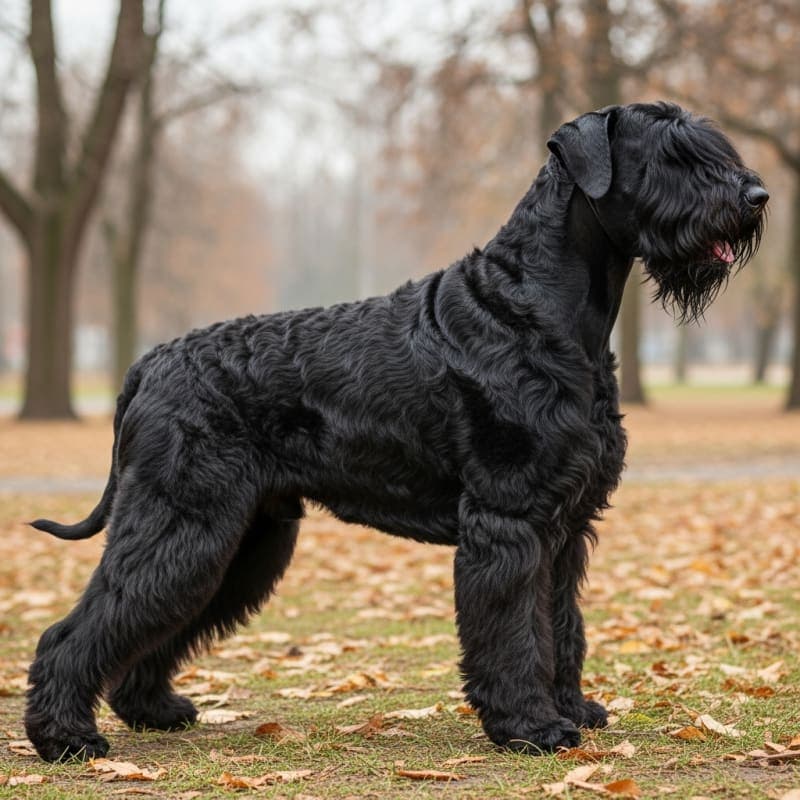
The Russian Black Terrier is a large, massive dog with a athletic and harmonious build. The height at the withers for males ranges from 72 to 76 cm, and for females from 68 to 72 cm. The weight of adult individuals ranges from 50 to 60 kg for males and from 45 to 50 kg for females. This breed is characterized by a powerful bone structure and well-developed musculature, which gives it an impressive, commanding appearance.
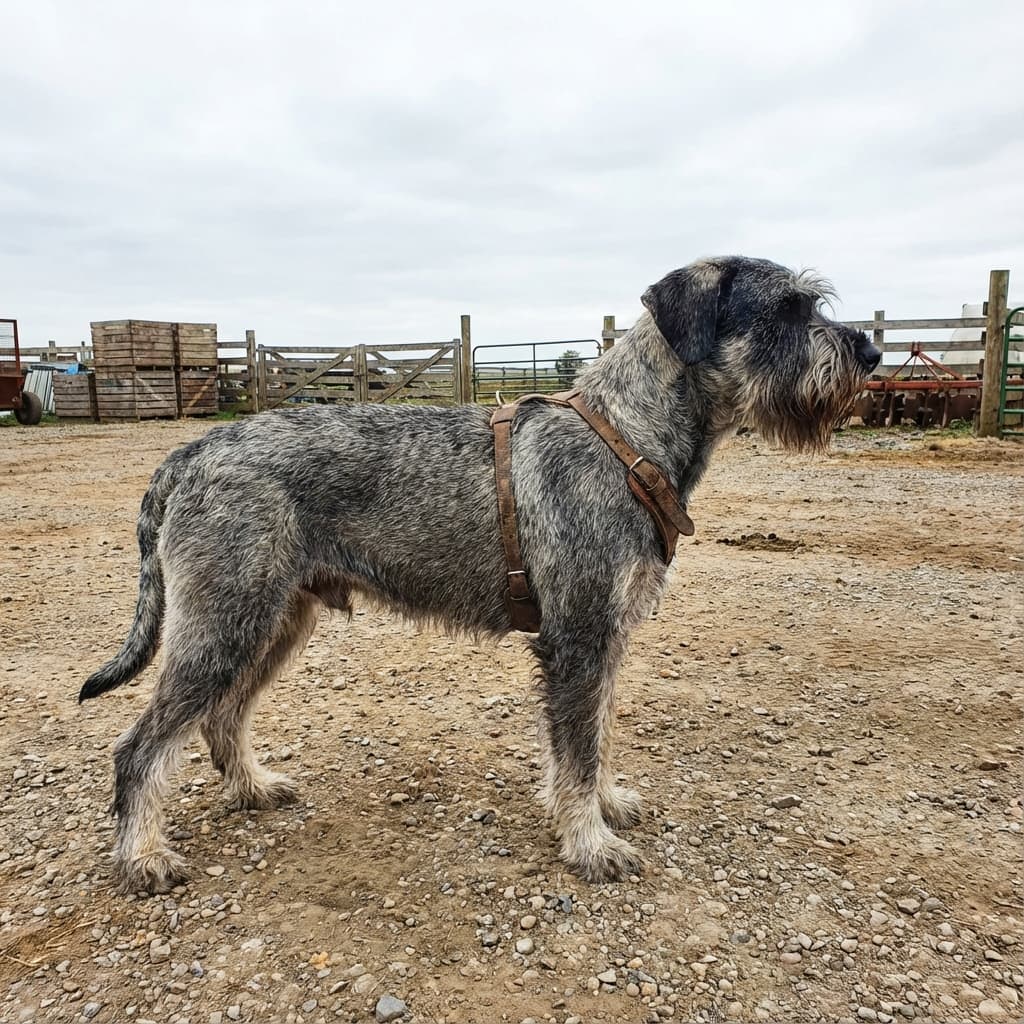
The head of the Russian Black Terrier is large and massive, with a distinctly outlined skull and a flat forehead. The eyes are medium-sized, oval, and deeply dark, giving the dog an expression of confidence and intelligence. The ears are hanging, set high and symmetrically, with a regular triangular shape. The muzzle is strong, rectangular, with a clear stop and full whiskers and beard that emphasize the breed's characteristic appearance.
The coat is one of the most distinctive features of this breed. It is dense, coarse, and double-layered, with a hard, slightly wavy outer coat measuring 5-10 cm in length and a soft, dense undercoat. The color is exclusively black or black with a small amount of interspersed gray hairs, which adds a noble elegance to the dog.
The body of the Russian Black Terrier is solidly built and somewhat elongated. The chest is deep and wide, the back is strong and straight, and the hindquarters are wide and muscular. The limbs are straight, strong, and well-muscled, providing the dog with stability, strength, and freedom of movement. The paws are large, round, and compact.
The tail, which was traditionally docked in many countries, is now usually left natural. It is thick at the base, set high, and carried cheerfully or in a sickle shape while moving. Overall, the Russian Black Terrier is a dog with a majestic appearance, commanding respect with its impressive stature, strength, and natural elegance.
The Russian Black Terrier is a dog with a balanced temperament, full of dignity and confidence. Its behavior exhibits a natural calmness and composure, but also a swift readiness to act in defense of its territory and loved ones. This breed is extremely loyal and devoted to its owner, forming deep emotional bonds and remaining faithful throughout its life.
The Russian Black Terrier responds well to consistent training. It is intelligent, quick-witted, and learns rapidly, but may show some independence of character, which requires a firm hand and experience from the owner. It needs a variety of training methods and a consistent approach to maintain interest and motivation to cooperate.
This breed has a strong guarding instinct stemming from its original purpose. It is an excellent watchdog that effectively protects the home and family from potential threats. The Russian Black Terrier may be naturally distrustful of strangers, so proper socialization from a young age is crucial to teach it to distinguish real threats from normal life situations.
Although the Russian Black Terrier is a loyal and protective dog, it is not always the best choice for families with small children. It may not tolerate their noisy behavior and unpredictable movements. On the contrary, it performs better in homes with teenagers or adult residents. It is ideal for experienced dog owners who can understand and meet its specific needs.
It is worth noting that the Russian Black Terrier has a moderate tendency to wander, but in the right conditions and with a good relationship with its owner, it can be very obedient. It is not a dominant dog towards other canines, although it may show some reserve. With proper socialization, it accepts the presence of other pets.
Overall, the Russian Black Terrier is a dog that combines strength, intelligence, courage, and deep loyalty, making it an exceptional life companion and a reliable watchdog for the right owner.
The Russian Black Terrier generally enjoys very good health, with an average lifespan of 10 to 12 years. This breed is strong, resilient, and well-suited to endure both harsh weather conditions and intense physical exertion. Nevertheless, like most large dog breeds, the Russian Black Terrier may be prone to certain genetic disorders.
The most common health issues in this breed include elbow and hip dysplasia, which can lead to chronic pain, discomfort, and significant mobility limitations. Responsible breeders perform X-ray examinations of the parents before allowing them to breed, in order to minimize the risk of inheriting these conditions.
Additionally, some individuals may experience a problem with excessive uric acid levels, known as hyperuricosuria (HUU). This is a hereditary condition that can lead to the formation of urinary stones. There are genetic tests available to detect carriers of this gene.
Less commonly observed health issues include:
- Progressive retinal atrophy (PRA)
- Cataracts
- Heart diseases
- Food or environmental allergies
- Joint problems in old age
It is important for owners of Russian Black Terriers to regularly visit the veterinarian to monitor the dog's health status and take appropriate preventive measures. Annual check-ups, vaccinations, and prevention against internal and external parasites are recommended.
A proper diet, regular physical activity, and maintaining an appropriate body weight help keep the dog in good condition for many years. Owners should absolutely avoid feeding their dog human food to minimize the risk of obesity and digestive problems. Overall, the Russian Black Terrier is a resilient and healthy dog that, with proper care, can enjoy a full life for many years.
The Russian Black Terrier has a dense, coarse, double coat that requires regular and systematic grooming to maintain a healthy appearance and proper protective functions. Proper coat care is crucial for preventing tangles, mats, and skin problems.
It is recommended that owners brush their dog's coat at least 2-3 times a week, using a long bristle brush or a comb with metal teeth that penetrates the dense undercoat well. During the natural shedding period, which usually occurs in spring and autumn, the brushing frequency should be increased to daily to remove dead hair and minimize the amount of fur settling in the home.
Every 6-8 weeks, the Russian Black Terrier requires professional trimming or clipping. Its coat does not shed heavily on its own, so it requires manual removal of dead hair through plucking (trimming) or clipping with clippers. Many people choose to seek help from a professional groomer who will shape the dog's silhouette according to the breed standard.
Particular attention should be paid to:
- The beard and mustache – require daily brushing and drying after meals and drinking water
- The ears – should be regularly checked and cleaned to prevent dirt accumulation and excess wax
- The eyes – should be checked daily for irritation or discharge, gently cleaning the eye area
- The nails – should be trimmed every 3-4 weeks to prevent overgrowth and discomfort while walking
- The teeth – should be brushed regularly to prevent tartar buildup and gum disease
Baths should be conducted once every 4-6 weeks or as needed, using a high-quality shampoo for dogs with coarse fur. Bathing too frequently can wash away the natural oils from the coat, weakening its protective properties. After bathing, it is essential to thoroughly dry the dog, especially the dense undercoat.
Proper grooming not only affects the dog's attractive appearance but also prevents skin problems and contributes to its overall health and comfort.
The Russian Black Terrier is a breed with high physical activity requirements. These dogs are naturally active, energetic, and resilient, which is why they thrive in an environment where they have the opportunity for regular movement, free exploration, and interaction with their surroundings.
Ideally, the Russian Black Terrier should receive at least 90-120 minutes of intense exercise daily, spread over 2-3 sessions. This allows for effective release of accumulated energy and helps maintain excellent physical and mental condition. Simple walks are not enough – the dog also needs more intense forms of activity.
Excellent forms of activity for the Russian Black Terrier include:
- Running – a great companion for jogging or long-distance running
- Cycling – loves to run alongside the owner's bike
- Fetching – perfect for developing hunting instincts
- Swimming – thanks to its Newfoundland ancestry, many individuals enjoy water
- Agility – a great way to stimulate both mind and body
- Obedience – utilizes natural intelligence and willingness to cooperate
- Tracking – scent work that engages the sense of smell
- Weight pulling – harnessing natural strength
The Russian Black Terrier excels in various dog sports, such as obedience, flyball, or protection work. It is a working dog that requires not only physical exertion but also mental stimulation – it enjoys new challenges and tasks to complete.
Owners should remember that lack of adequate exercise can lead to serious behavioral problems, such as destructive behavior, excessive excitement, barking, or difficulty concentrating. A dog that cannot release its energy constructively will find its own – often undesirable – ways to alleviate boredom.
When engaging in activities in high temperatures, caution should be exercised due to the thick, black coat that easily absorbs heat. On hot days, it's advisable to plan activities for early mornings or late evenings, ensuring the dog has access to shade and fresh water. In winter, however, the Russian Black Terrier feels great and can spend long hours outdoors without discomfort.
The Russian Black Terrier is a dog highly intelligent and capable of learning, but its training can be a challenge even for experienced owners. The independence and strong character characteristic of this breed require a consistent, confident, and wise approach to training.
The key to success is starting training and socialization early – ideally from 8-10 weeks of the puppy's life. A young Russian Black Terrier must be systematically introduced to a variety of people, animals, places, sounds, and situations to grow into a balanced and socially competent dog.
The most effective training methods for this breed are:
- Positive reinforcement – rewards in the form of treats, toys, and praise
- Consistency – uniform rules followed by all household members
- Confidence and assertiveness – calm but firm leadership
- Diversity – varied exercises to prevent boredom
- Short sessions – 10-15 minutes to maintain focus
- Patience – some commands require many repetitions
The Russian Black Terrier does not respond well to harsh or aggressive training methods. Physical punishment, yelling, or dominance can result in distrust, fear, or even increased defensive aggression. This breed works best when it respects its owner and sees them as a valuable leader, not a tyrant.
Basic commands that every Russian Black Terrier should master include:
- Sit – basic control command
- Lie down – developing obedience
- Stay – impulse control
- Come – crucial for safety
- Leave it – preventing the ingestion of dangerous items
- Heel – walking without pulling on the leash
This breed performs very well in advanced training, such as:
- Obedience training
- Protection and defense training
- Tracking and rescue
- Agility and dog sports
- Therapeutic training (with the right temperament)
It is worth emphasizing that the Russian Black Terrier is not recommended for novice dog owners. Its strong character, natural protective instinct, and independence require experience, confidence, and solid knowledge of dog psychology. However, with the right approach, it can become a well-trained dog with versatile skills.
Training should be a continuous process throughout the dog's life. Even a well-trained adult Russian Black Terrier needs regular reminders and new challenges to maintain its skills and stay mentally active.
The Russian Black Terrier, as a large working dog with a high level of activity, requires a well-balanced high-quality diet to maintain health, physical condition, and an appropriate energy level. Owners should pay special attention to the quality of ingredients and adjust portions to meet their dog's individual needs.
The diet of the Russian Black Terrier should be rich in high-quality animal protein, which is essential for muscle building and regeneration. The best sources of protein are beef, poultry, fish, or lamb. An adult dog should receive food containing a minimum of 22-26% protein, while puppies and young dogs in the growth phase need 28-32%.
Key nutrients in the diet:
- Animal protein – muscle building and regeneration (22-26%)
- Healthy fats – source of energy, healthy skin and coat (12-16%)
- Omega-3 and Omega-6 fatty acids – support for the immune system
- Complex carbohydrates – long-lasting source of energy (brown rice, oats, sweet potatoes)
- Glucosamine and chondroitin – joint support (important for large breeds)
- Calcium and phosphorus – bone health in the right proportions
- Vitamins and minerals – overall health and body functioning
Owners can choose one of the feeding methods:
- Premium dry food – convenient, balanced, good for teeth
- High-quality wet food – tasty, hydrating
- BARF diet (raw meat) – natural, requires knowledge
- Homemade cooked diet – control of ingredients, time-consuming
- Combination of different methods – flexibility and variety
Recommended meal amounts depending on age:
- Puppies (2-6 months) – 4 meals a day
- Young dogs (6-12 months) – 3 meals a day
- Adult dogs (over 12 months) – 2 meals a day
- Seniors (over 8 years) – 2 smaller meals or 3 very small ones
The Russian Black Terrier has a tendency to gain weight, so it is extremely important to monitor the amount of food given and avoid overfeeding. Obesity in large breeds leads to serious health problems, especially joint strain, heart disease, and diabetes.
Foods that are absolutely forbidden for dogs:
- Chocolate and cocoa – toxic
- Onions and garlic – destroy red blood cells
- Grapes and raisins – damage kidneys
- Avocado – contains persin
- Sweets with xylitol – deadly dangerous
- Raw yeast dough – expands in the stomach
- Caffeinated drinks and alcohol
Owners should regularly monitor their dog's weight and body condition. When viewed from above, the dog should have a clearly defined waist, and the ribs should be felt under a slight layer of fat but not visible to the naked eye.
It is extremely important to have constant access to fresh, clean water throughout the day, especially after intense physical activity or on warm days. Large dogs need more water than small breeds.
Regular veterinary visits will help adjust the diet to the individual needs of the dog, taking into account age, activity level, health status, and any special dietary requirements. With proper nutrition, the Russian Black Terrier can enjoy full health and vitality for many years.
Characteristic Traits
Pros
- Extremely brave and self-confident
- Deep loyalty to the owner and family
- Excellent guarding and protective instincts
- High intelligence and learning abilities
- Exceptional resilience to harsh weather conditions
- Versatility in various tasks and dog sports.
Cons
- Requires a lot of socialization and consistent training
- Independence of character poses a challenge for inexperienced owners
- High demands for physical activity and mental stimulation
- Expensive and time-consuming coat care
- Not recommended for families with small children
- May show distrust towards strangers and other animals.
Behavioral Ratings
Breed History
The Russian Black Terrier has a fascinating history that is closely linked to the turbulent period of Soviet history. This breed was developed in the late 1940s and early 1950s as a result of an ambitious, tightly controlled breeding program conducted by the Soviet military authorities.
After the end of World War II, the Red Army faced an urgent need for a universal service dog that could perform well in the extreme climatic conditions of the vast territory of the USSR – from the freezing Siberia to the hot steppes of Central Asia. The dog was to be used for various military and police tasks: guarding prisoners in gulags, patrolling borders, protecting strategic military facilities, and detecting mines.
The breeding was conducted at the legendary kennel school Red Star (Krasnaya Zvezda), located near Moscow and directly subordinate to the Ministry of Defense. The breeding program was managed by qualified military dog handlers under the supervision of genetics and veterinary experts.
The breed's creators set an ambitious goal: to create a dog that would combine:
- The strength and courage of a Rottweiler
- The intelligence and versatility of a Giant Schnauzer
- The agility and diligence of an Airedale Terrier
- The cold resistance and calmness of a Newfoundland
Throughout the long breeding program, approximately 17 different breeds were used, however, the Giant Schnauzer is considered the main ancestor and the largest contributor of traits to the new breed. Additional breeds that influenced the development of the Russian Black Terrier include, among others: the Moscow Watchdog, the Caucasian Shepherd, the Central Asian Shepherd, and some hunting breeds.
The first generations were very diverse in terms of appearance and temperament. It was only after many years of selection and careful pairing that the breed type was stabilized. In 1957, the first specimens of the Russian Black Terrier were presented at a dog show in Moscow, where they attracted great interest.
In the 1960s and 1970s, the breed began to reach civilian breeders, although it remained relatively rare and hard to obtain. In 1981, the Russian Black Terrier was officially recognized as a separate breed by the Russian Cynological Association. In 1984, a historic event occurred – the International Canine Federation (FCI) officially accepted the breed, granting it the standard number 327, group 2, section 1.4.
After the collapse of the Soviet Union in the 1990s, the Russian Black Terrier began to gain popularity outside the borders of the former USSR. The first specimens reached Western Europe, the United States, and Canada, where they quickly gained recognition among working dog enthusiasts. The American Kennel Club (AKC) officially recognized the breed in 2004, which opened the door for it to participate in shows and competitions in North America.
Today, the Russian Black Terrier is valued worldwide not only as a superb guard and protection dog but also as a devoted companion dog for experienced owners. Its versatility, intelligence, and loyalty make it useful in various services: police, military, border guard, as well as in rescue and therapy.
Despite its relatively short history as a stabilized breed, the Russian Black Terrier has made its mark in the annals of cynology as one of the best examples of successful targeted breeding. Its creation proves that with the right knowledge, planning, and determination, it is possible to create a breed perfectly adapted to specific requirements and environmental conditions.
Today, the Russian Black Terrier is a pride of Russian cynology and one of the few dog breeds created in the 20th century that has gained international recognition and lasting popularity on all continents.