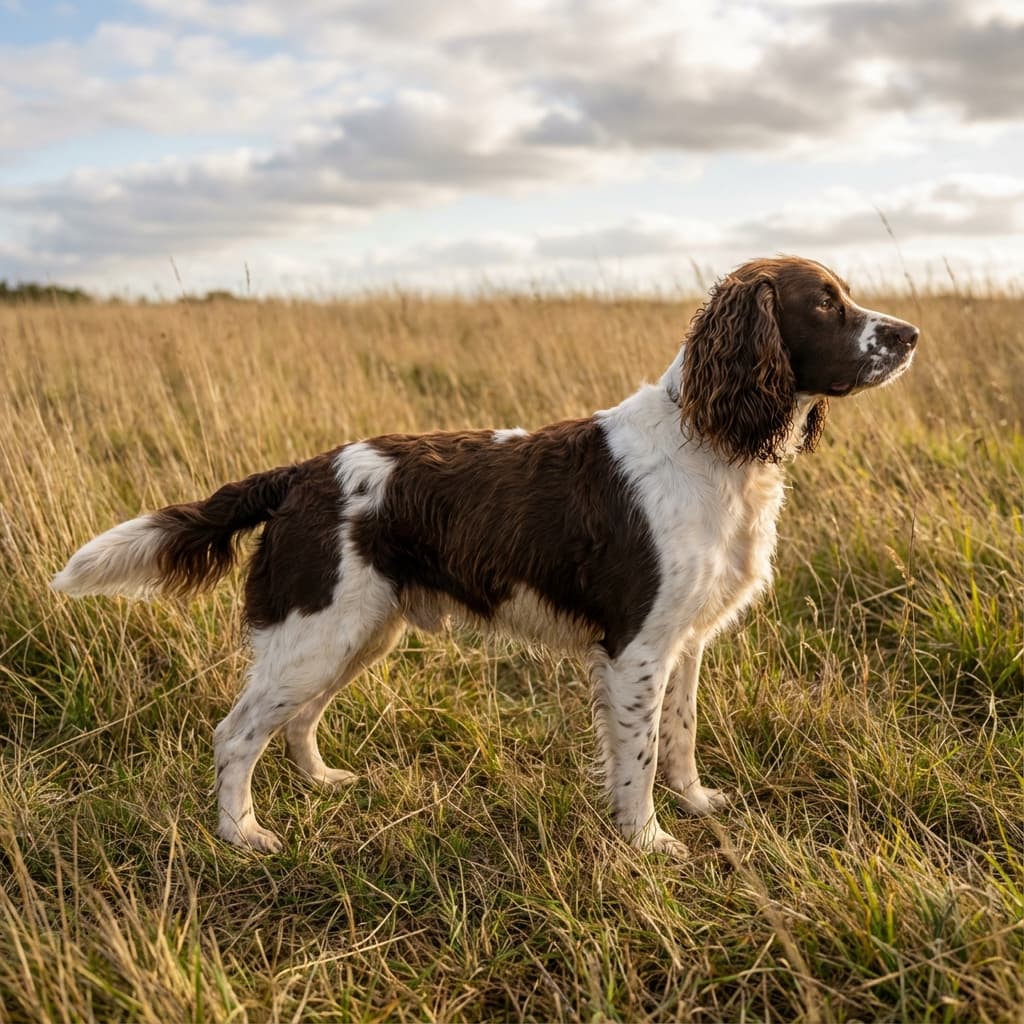
English Springer Spaniel
FCI Group
8• FCI 125
Size
Medium
Origin Country
GB
Height
48-51 cm
Weight
18-25 kg
Lifespan
12-14 years
Temperament
Overview
English Springer Spaniel is an exceptional dog breed that has gained immense popularity worldwide due to its versatility, intelligence, and extremely friendly disposition. This medium-sized dog originates from the United Kingdom and has been a valued companion for both experienced hunters and loving families seeking an active four-legged friend for centuries. The English Springer Spaniel is well-known for its excellent retrieving skills and unparalleled ability to search for and flush game in the most challenging terrain conditions.
According to the FCI standard No. 125, published in 2009, this breed is classified in group 8 - retrievers, flushing spaniels, and water dogs, section 2. It is the tallest and most breed-typical in build among all British land spaniels. Characteristic of this breed is a symmetrical, compact, and strong body structure combined with extraordinary agility, making it an ideal partner for hunting as well as for other outdoor activities such as running, swimming, or sports training.
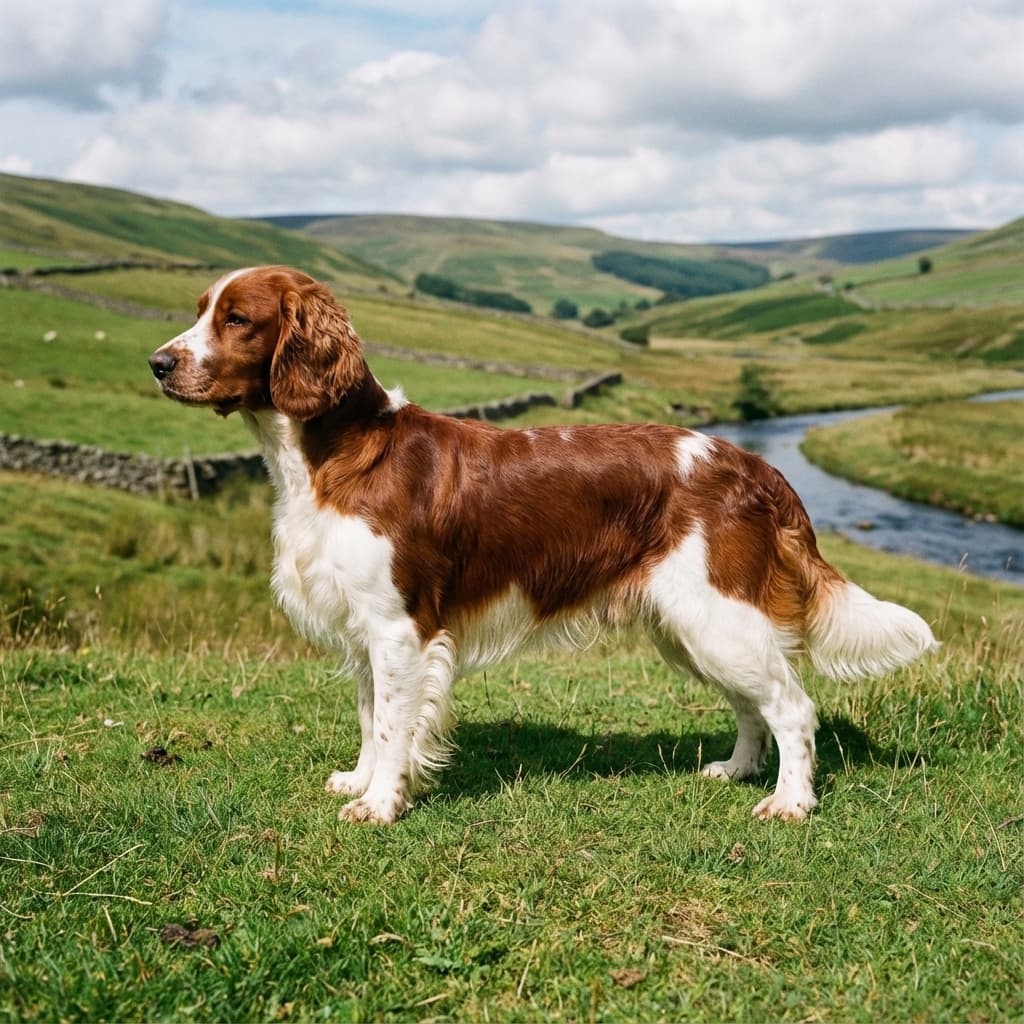
The English Springer Spaniel has a beautiful medium-length coat that is straight and well-adhering to the body, providing excellent protection against adverse weather conditions while working in the field. The coloration of these dogs can be liver-and-white, black-and-white, or in other attractive color combinations, and the characteristic feathering on the ears, legs, and underbelly adds to their extraordinary charm and elegant appearance. Each specimen of this breed presents itself remarkably.
The temperament of the English Springer Spaniel is extremely friendly, cheerful, and full of energy, making it an excellent companion for active families with children. This is a dog that loves the company of the youngest family members and other animals, and its presence in the home will undoubtedly bring a lot of joy, laughter, and positive energy. The Springer Spaniel absolutely does not tolerate loneliness and needs constant, close contact with people, which is why it thrives best in active families that spend a lot of time outdoors and can provide it with the right amount of attention and physical activity.
The dimensions of representatives of this breed are as follows: the height at the withers is about 48-51 cm, and the weight ranges from 18 to 25 kg, depending on gender and individual build. All these features make the English Springer Spaniel not only a great hunting dog with a long tradition but also a wonderful companion for individuals and families leading an active lifestyle. However, to fully harness the immense potential of this breed and avoid potential behavioral problems arising from unspent energy, the Springer Spaniel requires regular and intense physical exercise as well as appropriate, consistent training based on positive methods.
The history of this wonderful breed dates back over 2000 years, and its unmatched skills in working under difficult terrain conditions, endurance, and intelligence have contributed to its rapid development and immense recognition worldwide. We encourage you to explore more detailed information about the health, grooming, activity requirements, training, nutrition, fascinating history, distinctive appearance, and temperament of the English Springer Spaniel in the subsequent sections of our comprehensive guide to this extraordinary breed.
English Springer Spaniel has a distinctive and highly recognizable appearance that clearly sets it apart from other spaniel breeds. Its build is perfectly symmetrical, strong, and compact, which makes this dog look powerful, athletic, and exceptionally active. The height at the withers is about 48-51 cm, and the weight ranges between 18 and 25 kg, with males typically being slightly larger than females. It is the tallest among all British land spaniels.
The head of the springer spaniel is of medium length, with a fairly broad skull, slightly rounded and rising at the front of the face, creating a distinct brow or stop. There is a subtle indentation between the eyes that fades towards the occipital bone. The muzzle is proportionate in length to the skull, quite broad and deep, well-defined below the eyes. The nose has well-developed nostrils, and the jaws are strong with a perfect, regular, and complete scissor bite.
The eyes of the springer are medium-sized, with a beautiful almond shape, neither bulging nor sunken, well-set in the eye sockets. They have a keen and gentle expression that is very characteristic of this breed. The eye color is usually dark brown, which adds a friendly and amiable expression to the dog's face. The ears are relatively long, shaped like a flap, well-furred with characteristic feathering, and closely attached to the head, set in line with the eyes.
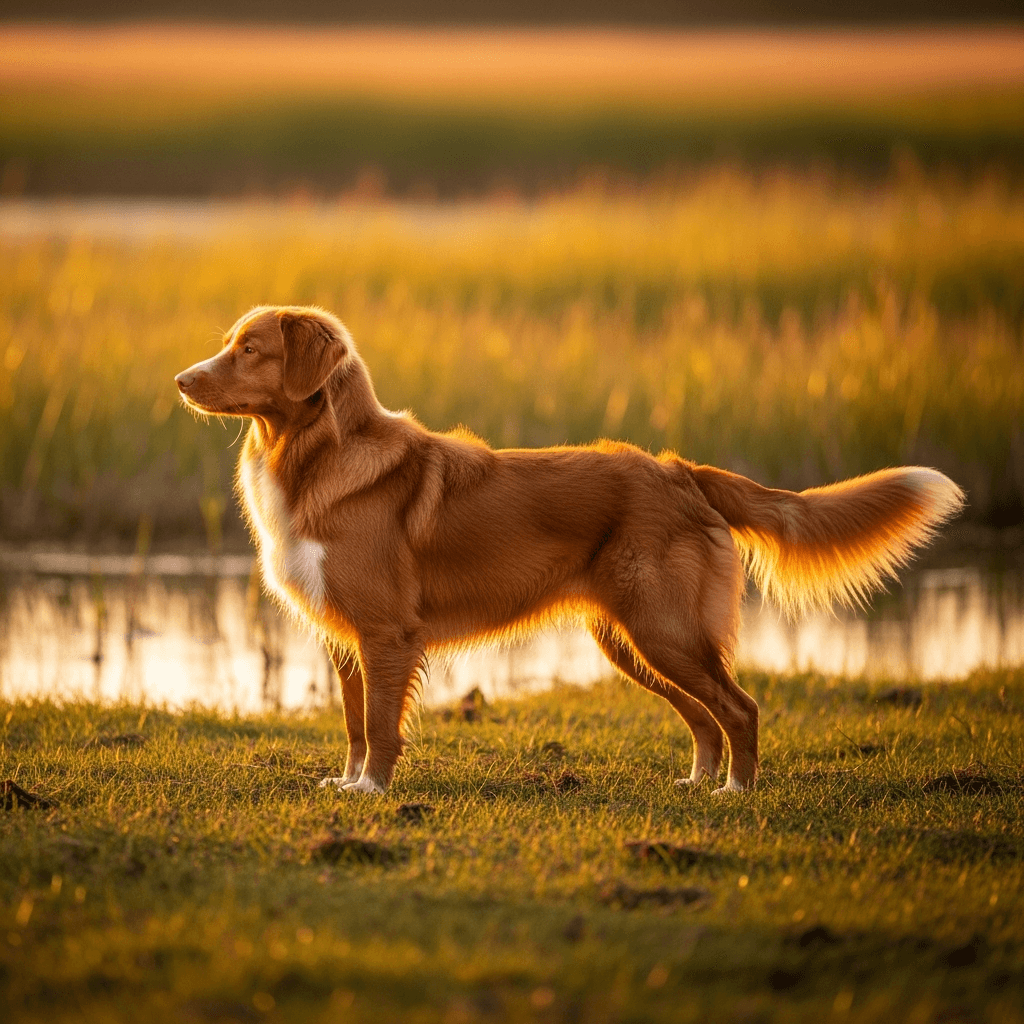
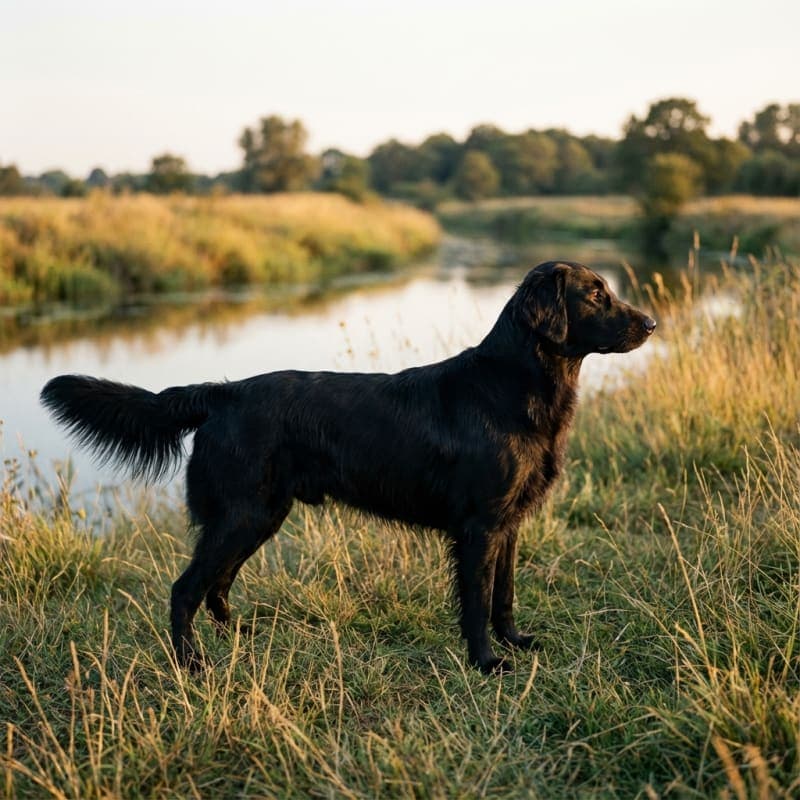
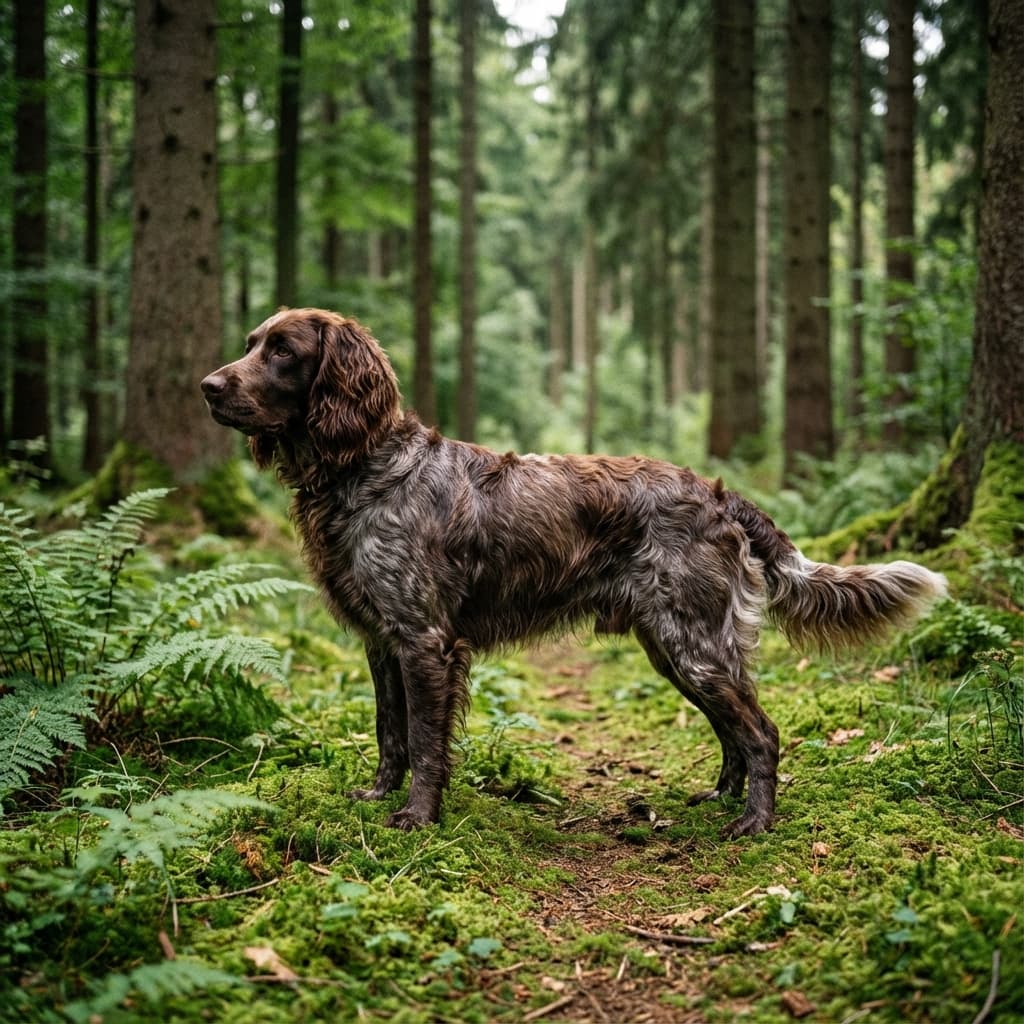
The coat of the English springer spaniel is of medium length, straight, dense, and close to the body, providing excellent protection against adverse weather conditions while working in the field. There are also very characteristic feathers on the ears, front and hind legs, and on the body, giving the dog an elegant and aristocratic appearance. The coloration can be liver and white, black and white, or with tan markings in these combinations, making each dog have its unique and distinctive look.
The limbs of the springer are strong, straight, and well-muscled, allowing it to move quickly, jump efficiently, and work in difficult terrain. The paws are round, compact, with well-arched toes and thick pads. The tail is traditionally docked to an appropriate length, should be set low and in constant, cheerful motion, emphasizing the energetic and joyful character of this wonderful breed. Overall, the English springer spaniel is a dog that harmoniously combines strength, elegance, athleticism, and an incredibly friendly, cheerful disposition. Its appearance is a perfect reflection of its temperament – it is a dog absolutely full of life, joy, and readiness to work.
The behavior of the English springer spaniel is one of its most attractive and valued traits of this breed. These dogs are widely known for their exceptionally friendly, cheerful, and energetic disposition, making them absolutely perfect companions for active families with children of all ages. This breed is very strongly attached to its owner and family members, does not tolerate loneliness and long periods of isolation, so it is extremely important to provide them with constant companionship and an appropriate, regular amount of physical and mental activity.
The English springer spaniel is a very sociable and social dog that loves to be at the center of family attention and actively participate in all daily activities of its guardians. It has an innate need to be useful and work alongside humans. The temperament of the springer is extremely energetic and full of enthusiasm, and its strong hunting instinct makes it love to run, intensely track, explore its surroundings, and seek interesting scents. This is a dog that absolutely needs regular, long physical exercise and mental stimulation to avoid behavioral problems resulting from boredom and frustration.
With proper, consistent training based on positive methods, the springer spaniel becomes exceptionally obedient and very eager to follow its owner's commands. However, it is worth remembering that it can sometimes be a bit stubborn and independent in thinking, so training should always be positive, motivating, and reward-based. The English springer spaniel gets along well with other dogs, pets, and children, making it an ideal family dog for active households.
Its moderate sensitivity and natural distance towards strangers means that it is not a typical guard dog in the traditional sense, but it will always be very alert, attentive, and ready to alert its owner to approaching strangers if necessary. The springer is also relatively moderately noisy, and its barking is rarely excessive or annoying, which makes it a good dog even for living in urban settings, provided it is given enough exercise.
It is very important to ensure proper and early socialization of the puppy and to provide it with positive experiences with other dogs, different people, and in various life situations to avoid potential fears, uncertainties, or aggression in the future. A well-socialized springer spaniel is a confident, balanced, and friendly dog. In short, the English springer spaniel is a wonderful dog absolutely full of joy for life, love for people, energy, and readiness to play, which can bring a tremendous amount of happiness, laughter, and positive emotions to the lives of its guardians and the entire family.
English Springer Spaniel is generally a healthy and resilient breed with good condition, however, like many purebred dogs, it can be prone to certain genetic diseases and breed-specific conditions. The average lifespan of representatives of this breed is between 12 to 14 years, provided they receive proper veterinary care, balanced nutrition, and regular physical activity.
Among the most common health issues in English Springer Spaniels are:
- Hip dysplasia - a congenital malformation of the hip joint that can lead to pain and arthritis
- Skin problems - including primary seborrhea, allergic dermatitis, and skin infections
- Heart diseases - such as patent ductus arteriosus or mitral valve disease
- Alpha-fucosidosis - a rare enzymatic disorder leading to the accumulation of toxic substances
- Progressive retinal atrophy (PRA) - a degenerative eye disease leading to blindness
- Ear infections - due to their long, drooping ears
This breed is characterized by high activity levels and an intense temperament, which means that it does not tolerate heat and high temperatures well - on hot summer days, it is essential to avoid intense physical exertion and ensure access to shade and fresh water. On the other hand, the Springer Spaniel tolerates cold and low temperatures very well, thanks to its dense, protective coat, but care should be taken in extreme weather conditions and prolonged exposure to frost.
It is extremely important to maintain a healthy and appropriate weight for the dog through a balanced, high-quality diet and regular, vigorous physical activity, which will help effectively avoid obesity and related serious health problems. Regular check-ups with the veterinarian, vaccinations, deworming, and preventive examinations will help keep the Springer Spaniel in excellent health for many years.
Grooming an English Springer Spaniel is relatively simple and not very time-consuming, but it requires absolute regularity and consistent commitment from the owner. Its beautiful medium-length coat is smooth, straight, and well-adhered to the body, making it not particularly demanding in daily basic grooming. Regular, thorough brushing with a special brush at least 2-3 times a week is highly recommended to effectively remove dead hair, prevent matting, and minimize the amount of shedding in the home.
During the intense shedding period, which mainly occurs in spring and autumn, daily, thorough brushing of the entire body of the dog is definitely recommended to prevent the formation of unpleasant mats and tangles, especially in the areas of characteristic feathering on the ears, limbs, and under the belly, where the hair is significantly longer and more prone to tangling. Regular trimming of excessively grown hair between the toes and around the ears will help keep the dog looking tidy.
Additionally, it is very important to regularly and thoroughly check the dog's ears to effectively prevent potential bacterial or fungal infections that can be caused by the accumulation of wax, moisture, and dirt in the ear canal. Due to their long, drooping ears, springers are particularly susceptible to ear infections. Oral hygiene and the dog's teeth should also be systematically maintained by brushing them with special dog toothpaste at least 2-3 times a week to effectively prevent periodontal disease, tartar buildup, and bad breath.
Nail grooming is also an essential part of caring for the dog's health - they should be trimmed with a special clipper every 3-4 weeks to avoid unpleasant injuries, walking problems, and improper paw positioning. Bathing the springer spaniel should be done as needed, usually once every 6-8 weeks or when the dog is clearly dirty, using gentle shampoos designed for dogs. Overall, the English Springer Spaniel does not require particularly complicated or professional grooming, but regular, systematic grooming activities are absolutely essential to maintain excellent health, beautiful appearance, and comfort for the four-legged friend.
English Springer Spaniel is a breed of dog with a very high level of energy and endurance, which absolutely requires a large, regular amount of intense physical exercise and mental stimulation to remain healthy, happy, and mentally balanced. Daily, intense physical activity is crucial for maintaining the dog's excellent condition and effectively preventing serious behavioral problems such as separation anxiety, destructive behaviors, excessive barking, or aggression, which can occur in the absence of appropriate exertion and utilization of natural energy.
It is highly recommended that dogs of this breed spend at least 1.5 to 2 hours daily on intense physical activity, which may include very long, vigorous walks in varied terrain, running alongside the owner on a bike, intense games with a ball or frisbee, retrieving, swimming in safe bodies of water, and sports training. The Springer Spaniel loves water and is an excellent swimmer, making swimming an ideal form of exercise, especially on hot days.
English Springer Spaniel excels in various canine sports, such as:
- Cani-cross - cross-country running with a dog
- Bikejoring - biking with a pulling dog
- Agility - an obstacle course requiring agility
- Flyball - a team game with balls
- Working trials - utilizing natural hunting instincts
- Nosework - scent searching
Thanks to its strong, innate hunting instinct, this dog absolutely loves to run freely in the woods, intensely track fascinating scents, explore new, unknown areas, and search for hidden objects. It is very important to ensure a significant variety of activities and regularly change walking routes so that the dog does not get bored with monotony and has a constant opportunity to discover new stimuli, scents, and experiences.
It should be noted that springers are pack dogs that absolutely do not tolerate prolonged loneliness and isolation from their family, so it is definitely worthwhile to take them along on various trips, excursions, mountain hikes, and all possible outdoor activities so they can actively participate in family life and feel like needed members of the pack. A dog without the appropriate amount of exercise and tasks will become frustrated and will seek its own, often destructive ways to release energy.
Training an English Springer Spaniel can be a true pleasure and a rewarding experience, but it also requires a considerable amount of patience, consistency, and an understanding of the breed's specifics. This breed is widely known for its high intelligence, quick learning ability, and natural willingness to cooperate with humans, making it very receptive and eager in the learning and training process. However, due to their very energetic temperament, strong hunting instinct, and sometimes independent way of thinking, training must be conducted in a consistent, positive, and highly motivating manner for the dog.
Training methods based on positive reinforcement, such as rewarding with treats, favorite toys, verbal praise, and petting, work best with springer spaniels. It is extremely important to completely avoid physical punishment, yelling, and dominance-based methods, as springers are quite sensitive dogs and can quickly become distrustful and fearful of their owner if treated too harshly or negatively, which can completely destroy the relationship and trust.
Basic obedience commands, such as:
- Sit - basic control position
- Lie down - calmness and relaxation on command
- Stay/wait - self-control and patience
- Come - the most important safety command
- Leave it - preventing the ingestion of dangerous items
Should be introduced consistently from the earliest weeks of the puppy's life, starting from 8-10 weeks old, so that the dog learns basic obedience and household rules as quickly as possible. It is also very important to work intensively and systematically on proper socialization of the puppy, so that the adult dog is confident, balanced, and friendly in various life situations, with other animals, unfamiliar people, and in new environments.
Regular and maximally diverse mental activity, for example through fun games of searching for hidden objects, obstacle courses, learning new tricks, problem-solving tasks, or nosework training, will significantly help in developing the dog's natural intellectual abilities and provide the necessary mental stimulation. Training should also always be appropriately adjusted to the current age, experience, and individual temperament of the specific dog to maximize the avoidance of frustration for both the animal and its owner. Short, dynamic, and varied training sessions (10-15 minutes) yield much better results than long, monotonous exercises.
The diet of the English springer spaniel should be very well balanced, high-quality, and appropriately tailored to its intense physical activity, current age, health status, and individual metabolic needs. Due to their very high activity level, significant endurance, and energetic lifestyle, dogs of this breed absolutely require an adequate, increased amount of high-quality animal protein, essential vitamins, minerals, and healthy fats to effectively maintain excellent health, physical condition, and the necessary energy levels for daily functioning.
Generally, food for medium-sized, highly active dogs, rich in high-quality animal protein derived from meat, fish, or poultry (a minimum of 25-30% of the composition) and very well balanced in terms of all essential nutrients, will be completely suitable for the springer spaniel. One can choose between dry food (kibble), wet food (cans, pouches), or use a mixed diet, depending on the dog's preferences and the veterinarian's recommendations. An increasing number of owners are also opting for a natural BARF diet (raw meat, bones, vegetables), but it requires extensive knowledge and consultation with a specialist.
It is also very important to provide the dog with unlimited access to sufficient amounts of fresh, clean drinking water, especially after intense physical exertion, on hot days, or when consuming dry food. Dehydration can be very dangerous and lead to serious health problems.
For puppies and young dogs in the phase of intense growth (up to 12-18 months), it is definitely worth choosing specialized foods intended for medium breed puppies, which contain all the necessary nutrients, appropriate proportions of calcium and phosphorus, and an increased amount of calories needed for proper growth, development of bones, muscles, and the nervous system. Adult dogs should be fed regularly 2-3 times a day at set times to prevent overeating, digestive problems, and to develop healthy eating habits.
Systematic monitoring of the dog's body weight through regular weighing and observation of physical condition is extremely important to effectively prevent obesity, which can lead to very serious health problems such as diabetes, heart disease, joint issues, and a shortened lifespan. Food portions should be adjusted to the current level of activity - more active dogs require a higher calorie intake. In case of any doubts, health problems, or specific dietary needs, it is definitely worth consulting an experienced veterinarian or veterinary nutritionist to establish an optimal, individualized diet and any appropriate dietary supplements that can effectively support the dog's health, vitality, and longevity.
Characteristic Traits
Pros
- Exceptionally child-friendly
- a wonderful companion for intense outdoor activities
- versatile and talented hunting dog
- intelligent and relatively easy to train
- perfect for active families.
Cons
- I absolutely do not tolerate prolonged loneliness
- I require a lot of daily physical and mental activity
- I need regular and systematic grooming
- I can be stubborn during training.
Behavioral Ratings
Breed History
The history of the English springer spaniel is incredibly fascinating and dates back over 2000 years. These types of dogs were first officially recorded and described in ancient England, where they were extensively used by experienced hunters, the aristocracy, and royal families to effectively flush out waterfowl, hares, and other game from dense underbrush, marshes, and hard-to-reach areas. The name springer comes from the English word to spring, meaning to startle or leap, perfectly reflecting the main function of these dogs during hunts.
During the medieval and Renaissance periods, springers were carefully bred in absolute breed purity by the English aristocracy, which allowed for the effective preservation and establishment of their most characteristic physical traits, temperamental qualities, and working skills. In the 18th century, this breed gained immense popularity in the British Isles, and experienced hunters and breeders began to further appreciate their unmatched skills in hunting various waterfowl, pheasants, and other game in the most challenging terrain and weather conditions.
In the 19th century, around 1850, spaniels were officially divided into two distinct breed varieties based on size and specialization: the smaller cocker spaniels, which specialized in hunting woodcocks and birds in dense underbrush, and the larger springer spaniels, which were used to flush larger game in open areas. This historical division significantly contributed to the further intensive development of both breeds and the precise definition of their differing breed standards.
In the 20th century, the English springer spaniel gained immense recognition and popularity not only as an indispensable, excellent hunting dog with a long tradition but also as a wonderful, loyal companion for active families who value the company of dogs. This breed was officially registered by the prestigious The English Kennel Club in 1910, which significantly contributed to the standardization of its appearance and character. Shortly thereafter, the breed was also recognized by the American Kennel Club in the United States, where it quickly gained a large following of devoted fans and breeders.
After the tragic end of World War II, English springer spaniels became increasingly popular worldwide as family, sporting, and companion dogs, and experienced breeders on various continents began to intensively strive to further improve their physical, health, temperamental traits, and working skills. Today, two breeding lines are distinguished: the show line with a more robust build and rich coat, and the field line with a lighter, athletic build and greater temperament.
Today, the English springer spaniel is a widely valued, versatile hunting dog with an established position and a wonderful, loyal companion for active families around the world, who highly appreciate its exceptionally cheerful, friendly disposition, intelligence, versatility, and incredibly friendly approach to life and people. This breed also achieves numerous successes in canine sports, working trials, and dog shows.