Fila Brasileiro
FCI Group
2• FCI 225
Size
Large
Origin Country
XX
Height
60-75 cm
Weight
40-60 kg
Lifespan
9-11 years
Temperament
Overview
Fila Brasileiro, also known as Brazilian Fila, is a dog breed originating from Brazil that has fascinated people for centuries with its impressive appearance, unwavering character, and boundless loyalty to its owner. This massive molosser breed was created for the protection of its owners and their property, hunting large game, and working with cattle, making it an excellent guard dog and versatile worker.
Dogs of this breed are characterized by exceptional courage, determination, and unwavering loyalty, which has become legendary. The Fila Brasileiro instinctively seeks the company of its guardian and shows strong attachment to its family, making it a wonderful companion at home. It is exceptionally patient and gentle with children in its own family, but in the face of danger, it transforms into a decisive and unyielding defender.
A characteristic feature of the breed is its natural distrust of strangers, which makes the Fila Brasileiro an effective protector of its territory. At the same time, this dog exhibits a calm temperament, is confident, and does not easily get disturbed by unusual noises or situations. It is an intelligent dog capable of learning, but it may display a certain independence typical of molossers.
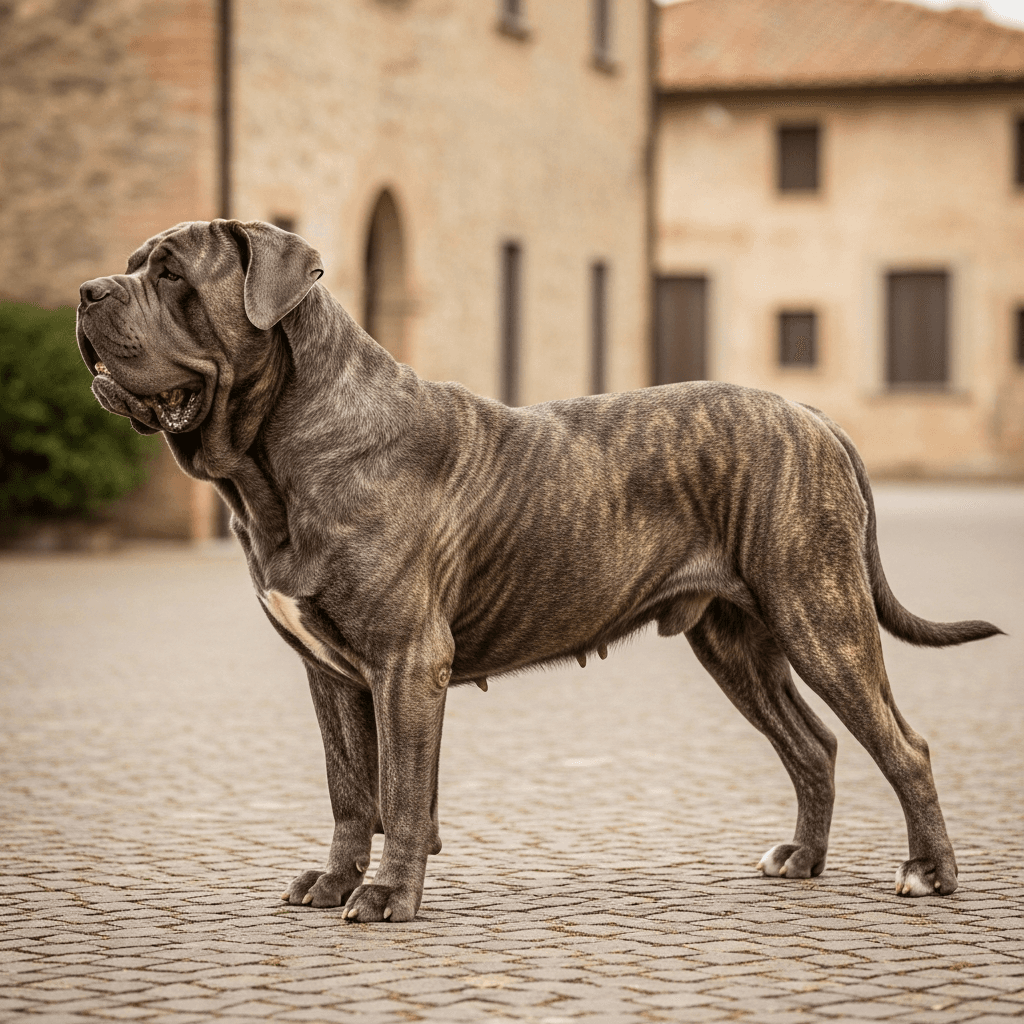
Physically, the Fila Brasileiro is a typical molosser with a strong bone structure, rectangular and compact yet harmonious body build. Despite its massive physique, it exhibits surprising agility and athleticism. The breed is characterized by pronounced sexual dimorphism — males are significantly larger and more massive than females. Males stand between 65 to 75 cm at the withers, while females range from 60 to 70 cm, with weights of 50–82 kg and 40–60 kg, respectively.
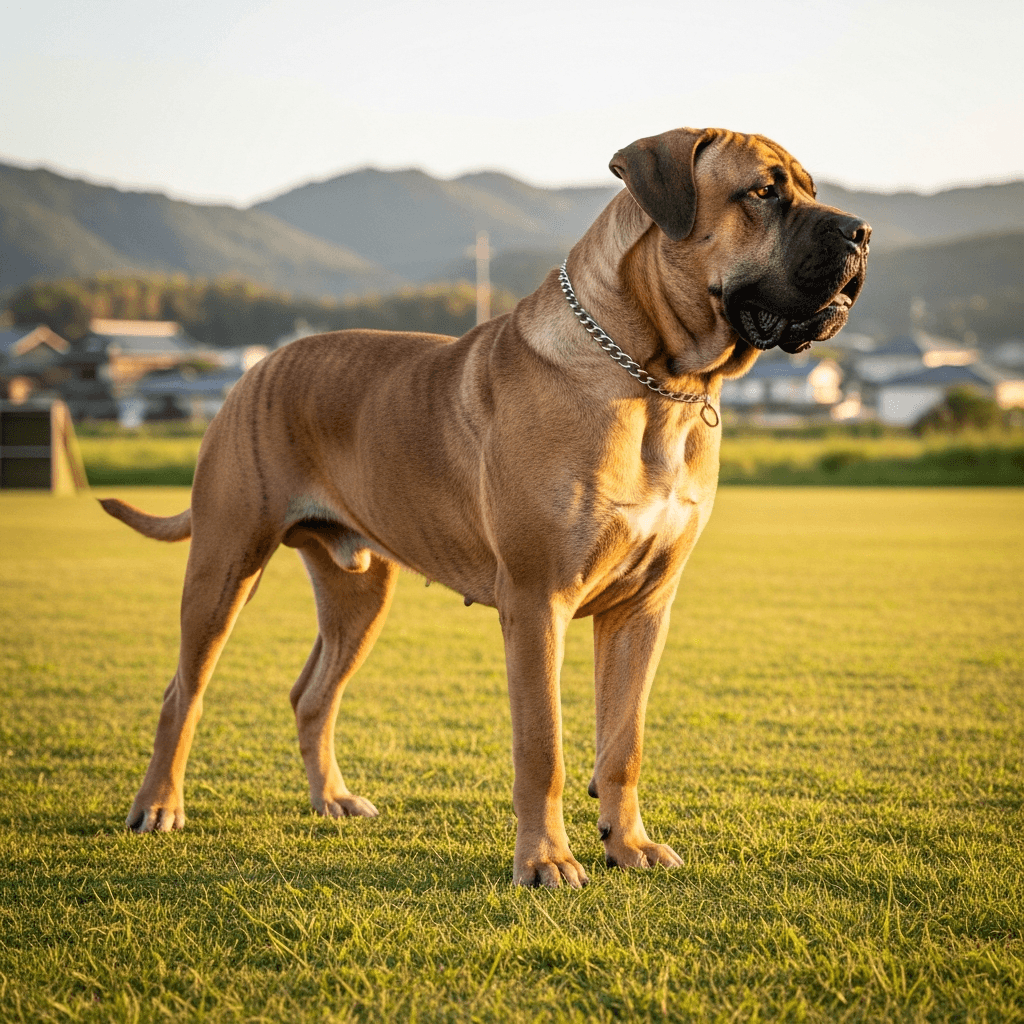
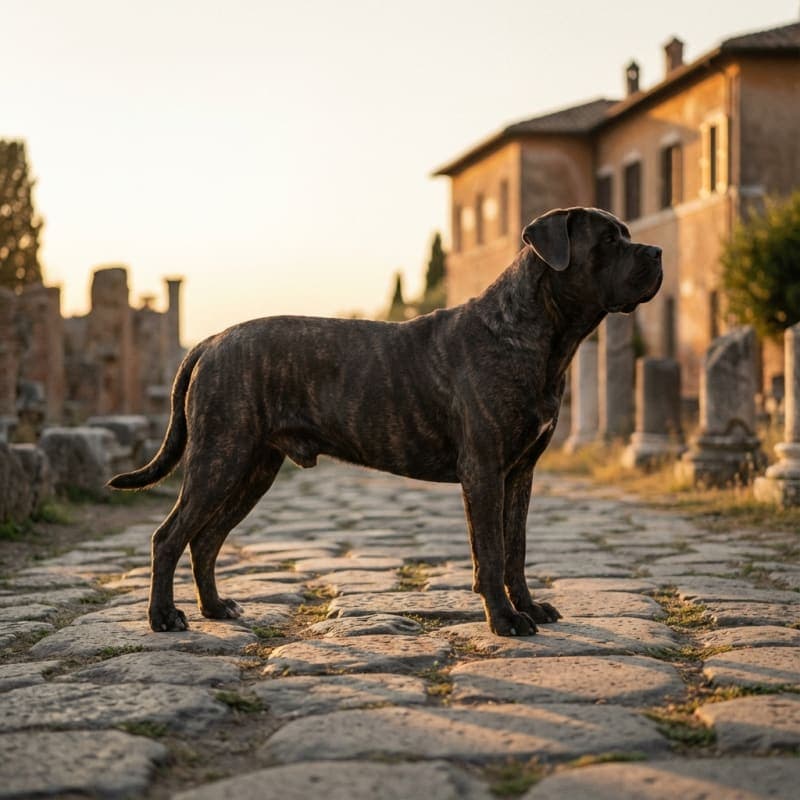
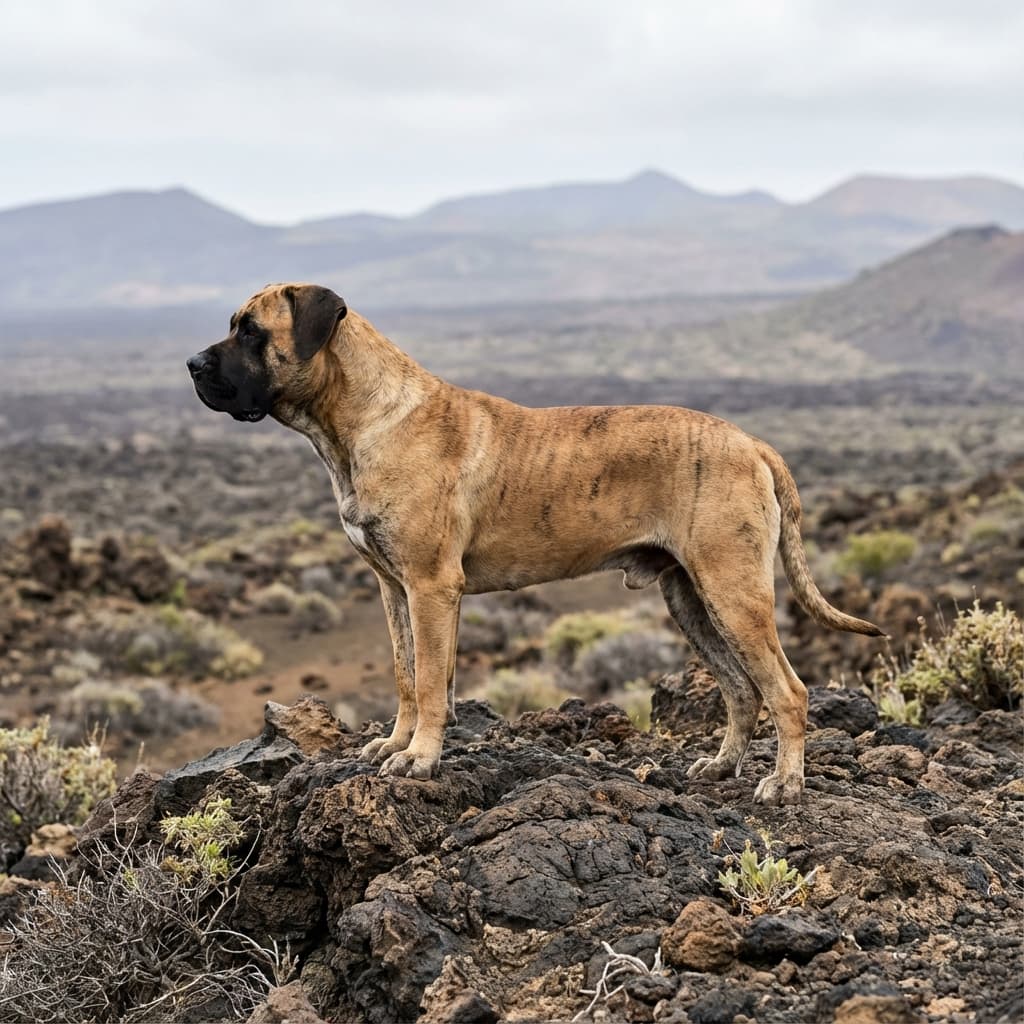
The coat of the Fila Brasileiro is short, smooth, and dense, lying close to the body. It comes in various colors: brindle, fawn, and black. A distinctive feature is the loose, flexible skin that creates abundant folds around the neck and nape, and in some individuals, also on the torso.
Due to its large body mass and intense activity, the Fila Brasileiro needs space and regular, moderate physical activity. The breed's strong personality requires an experienced owner who can provide clear, consistent leadership and appropriate socialization from a young age. Proper socialization and training are crucial for the dog to be well integrated into society and not exhibit excessive aggression towards strangers.
Like all large molosser breeds, the Fila Brasileiro may be prone to certain health issues, particularly hip and elbow dysplasia. Therefore, it is extremely important to provide the dog with proper healthcare, a balanced diet, and regular veterinary check-ups.
We encourage you to further explore the rich history, detailed grooming requirements, training methods, and other aspects related to this fascinating and noble breed in the following sections of our guide.
Fila Brasileiro is a large, massive, and powerful dog with an impressive, working body structure. It is a typical representative of the mastiff group of molossers, characterized by a strong bone structure, rectangular silhouette, and distinct sexual dimorphism. Males reach a height at the withers of 65 to 75 cm and weigh between 50 to 82 kg, while females are slightly smaller — measuring 60 to 70 cm in height and weighing 40 to 60 kg.
The head of the Fila Brasileiro is large, massive, and heavy, with a characteristic pear-shaped structure. The skull is broad with a distinctly marked occipital protuberance. The muzzle is strong, wide, and deep, slightly shorter than the skull — the ratio of muzzle length to skull is about 1:1 or 1:1.1. The lips are thick and drooping, creating the breed's characteristic profile. The nose is wide, with well-developed nostrils, always black.
The eyes are medium to large, almond-shaped, set deep and widely spaced. Their color ranges from dark brown to yellow, with darker shades being preferred. The gaze of the Fila Brasileiro is confident, alert, and expresses intelligence.
The ears are large, thick, drooping, and set high on the sides of the head, with a wide base. They have a characteristic V shape, with rounded tips. When the dog is at rest, the ears hang along the cheeks, while in a state of alertness, they rise slightly at the base.
The neck is extremely strong, muscular, and slightly arched. One of the most characteristic features of the breed is the loose, flexible skin, which creates abundant folds and a dewlap on the neck and nape. In some individuals, skin folds are also visible on the torso.
The body is strong, long, and deep. The backline rises gently from the withers to the hindquarters, where it reaches the highest point. The chest is wide, deep, and well-developed, reaching to the elbows. The body length (measured from the sternum to the ischial tuberosity) exceeds the height at the withers by about 15%, giving the silhouette a characteristic rectangular shape.
The limbs are strong, straight, and well-muscled, with a strong bone structure. The front limbs are set vertically, with strong shoulders and upper arms. The hind limbs are even more powerful, with strongly muscled thighs and well-defined joint angles. The feet are large, compact, with rounded toes and thick pads.
The tail is wide at the base, tapering quickly towards the end, reaching to the hock joint. At rest, it hangs freely, while in motion, it rises to the level of the back or slightly above, but never arches over the back.
The coat is short, smooth, dense, and well-adhering to the body. The hair is soft to the touch.
The color: all solid colors are acceptable except for white, mouse, piebald, and black-and-tan. Brindle colors occur on a fawn, brown, or black base. A dark mask on the muzzle is permissible. White markings may appear on the limbs, chest, and tip of the tail, but should not exceed 1/4 of the body surface.
The movement of the Fila Brasileiro is long, flexible, and cat-like — it moves with grace and confidence despite its massive build. A characteristic swaying gait resembles the movement of feline predators, which gives the breed a unique charm. In the walk and trot, the head is carried low, in line with the back or below.
Fila Brasileiro is a breed with a unique, complex temperament, characterized primarily by unyielding loyalty, courage, and a strong protective instinct. Dogs of this breed are known for their boundless devotion to their owner and family — their loyalty has become legendary and is one of the most important traits of the breed.
Towards family members, especially children, the Fila Brasileiro is gentle, patient, caring, and extremely tolerant. This dog exhibits a natural need to be in the company of its guardian and instinctively follows them, making it an excellent companion for families. It displays a calm temperament, confidence, and unwavering inner balance, which allows it to remain unruffled by unusual noises or unfamiliar situations.
At the same time, one of the most characteristic traits of the breed is its natural distrust and reserve towards strangers, particularly on its own territory. This trait makes the Fila Brasileiro an unmatched guardian of property and territory. This dog also possesses a strong hunting instinct, which has historically been used for hunting large game (including jaguars) and for working with cattle.
It is important to emphasize that despite its natural distrust of strangers, the Fila Brasileiro must be amenable to controlled handling, especially during shows and situations requiring contact with people outside the family. Therefore, proper socialization from a young age is absolutely crucial for this breed.
A strong territorial instinct means that the Fila Brasileiro may react defensively to strangers entering an area it considers its own. In a threatening situation, this dog becomes a determined and unyielding defender of its family and property, ready for immediate action.
The Fila Brasileiro is an intelligent dog, capable of learning and exhibiting good memory. However, like most molossers, it may show some independence and self-reliance in thinking, which requires the owner to have experience, patience, consistency, and clear but fair leadership.
Due to its historical use for hunting, the Fila Brasileiro may show interest in smaller animals and possess a developed hunting instinct. Therefore, early socialization with other pets is particularly important if the dog is to live in a multi-species household.
The behavior of the Fila Brasileiro can vary depending on the situation — at home and among familiar people, the dog is calm, balanced, and gentle, while in situations of excitement or potential threat, it becomes more active, alert, and dynamic. This ability to quickly change its level of vigilance is a desirable trait in guard dogs.
In summary, the Fila Brasileiro is a breed for experienced owners who can provide the dog with appropriate leadership, consistent training, socialization, and space to live. With proper upbringing, it is a wonderful, loyal family companion and a reliable guardian.
Fila Brasileiro is a breed with relatively good health condition, however, like all large molossoid-mastiff dogs, it may be prone to certain specific health issues related to its body structure and size. The average lifespan of a Fila Brasileiro is between 9 to 11 years, which is typical for giant breeds.
Hip and elbow dysplasia is the most common health problem in this breed. It is a hereditary condition involving improper joint development, leading to dysfunction, pain, limited mobility, and later in life to degenerative changes and arthritis. Reputable breeders conduct radiological examinations of the joints in breeding dogs and select breeding pairs to minimize the risk of inheriting dysplasia. When purchasing a puppy, it is worth ensuring that the parents have current joint examination results (HD and ED).
Heart diseases, particularly dilated cardiomyopathy (DCM), can occur in large dog breeds, including Fila Brasileiro. These are serious conditions that lead to weakened heart function, circulatory failure, and reduced lifespan. Regular veterinary check-ups, including echocardiographic examinations, can help in the early detection of cardiological issues.
Obesity is a common problem in breeds with a large body mass and relatively moderate exercise needs. Excess body weight puts additional strain on the joints, heart, and respiratory system, which can lead to serious health problems and a shortened lifespan. Weight control through a balanced diet and regular physical activity is extremely important.
Eye problems, such as cataracts, entropion (inward rolling of the eyelids), and ectropion (outward rolling of the eyelids), can occur in Fila Brasileiro. Entropion and ectropion are partially related to the characteristic loose skin around the eyes. Regular ophthalmic examinations allow for early detection and treatment of these conditions.
Skin allergies and food sensitivities may occur in some individuals. Symptoms include itchy skin, excessive scratching, redness, hair loss, and chronic skin infections. In such cases, it may be necessary to implement a specialized hypoallergenic diet and appropriate grooming products recommended by a veterinarian.
Bloat and gastric torsion (GDV — Gastric Dilatation-Volvulus) is a life-threatening condition that can affect large breeds of dogs with deep chests. Bloat occurs suddenly, usually after consuming a large amount of food and water followed by intense physical exertion. To minimize the risk, it is recommended to feed smaller portions several times a day, avoid intense exercise immediately after feeding, and use slow-feeding bowls.
Owners of Fila Brasileiro should regularly monitor their dog's health and respond to any concerning symptoms, such as limping, difficulty moving, excessive scratching, changes in appetite, lethargy, coughing, shortness of breath, or breathing problems. Regular check-ups with the veterinarian, current vaccinations, deworming, and external parasite prevention are essential for maintaining the dog’s good health condition.
Choosing a reputable breeder who cares about the health of breeding lines, conducts appropriate genetic testing, and selects dogs for health significantly increases the chances of a healthy, long-lived Fila Brasileiro.
Fila Brasileiro has a short, smooth, and dense coat that is relatively easy to maintain and does not require specialized or time-consuming grooming procedures. Nevertheless, regular grooming is essential for keeping the dog in good health and aesthetic condition.
Brushing the coat should be done at least once a week using a brush with natural bristles or a rubber grooming glove. Regular brushing removes dead hair, stimulates blood circulation in the skin, distributes natural oils that give the coat a healthy shine, and minimizes shedding. During periods of heavy shedding — especially in spring and autumn — it is advisable to increase the brushing frequency to 2–3 times a week to effectively remove excess falling hair.
Bathing should be done as needed, usually every 6–8 weeks or when the dog is visibly dirty. Bathing too frequently can lead to skin degreasing and irritation. It is important to use gentle shampoos designed for dogs, preferably with a pH balanced for dog skin (around 7–7.5). Dogs prone to skin allergies may require specialized hypoallergenic or medicated shampoos recommended by a veterinarian.
Ear care is particularly important for Fila Brasileiro due to their large, floppy ears and loose skin around the head, which promotes moisture accumulation and the development of infections. Ears should be regularly checked (at least once a week) and gently cleaned with a damp gauze or special ear cleaning products for dogs. Cotton swabs should not be used, as they can damage the ear canal. If the ears are red, have an unpleasant odor, or the dog frequently shakes its head, a veterinarian should be consulted.
Dental care is crucial for preventing periodontal disease, tartar buildup, and tooth loss. Ideally, teeth should be brushed daily using a toothbrush and toothpaste made for dogs. Alternatively, dental treats, chew toys, and special water additives can be used to help maintain oral hygiene. Regular veterinary visits should include dental check-ups.
Nail trimming should be done every 4–6 weeks, depending on the rate of natural wear during walks. Overly long nails can cause walking problems, pain, and joint deformities. Nails should be trimmed with special clippers or guillotines for large dogs, taking care not to cut into the living part of the nail (the so-called quick), which contains blood vessels and nerves. If unsure, it is better to seek the help of a veterinarian or professional groomer.
Checking skin folds is characteristic of this breed. For Fila Brasileiro, which has loose, elastic skin forming folds on the neck, nape, and sometimes on the body, it is important to regularly check these areas for infections, irritations, or excessive moisture. Skin folds should be gently cleaned with a damp cloth and thoroughly dried to prevent the development of bacteria and fungi.
Skin inspection should take place during every brushing session. Attention should be paid to any skin changes: redness, rashes, dandruff, excessive flaking, wounds, bumps, swelling, or lumps. Early detection of skin problems allows for effective treatment.
If any concerning symptoms are noticed — such as excessive scratching, licking paws, skin redness, unpleasant odor, hair loss, or changes in behavior — it is important to immediately consult a veterinarian, who will determine the cause and recommend appropriate treatment.
Regular, systematic grooming not only gives Fila Brasileiro an aesthetic appearance but also contributes to maintaining the health of the skin, coat, and overall well-being of the dog.
Fila Brasileiro is a breed with moderate to high exercise needs, requiring regular physical activity to maintain physical and mental health. Although it does not have as intense needs as herding or sporting breeds, it requires daily activity tailored to its massive body structure.
A minimum of 60–90 minutes of moderate exercise per day is recommended, divided into several sessions. Activities should include walks, outdoor play, and mental stimulation. The Fila Brasileiro enjoys walks where it can explore the surroundings, sniff, and observe the area — satisfying its natural guarding and hunting instincts.
Walks should be conducted on a leash, especially in public places, due to the breed's strong territorial instinct and natural distrust of strangers. The owner must have full control over the dog and ensure that walks are conducted safely for the dog, the owner, and the environment.
Access to a garden or enclosed area is ideal for the Fila Brasileiro, as it allows the dog to move freely, patrol the territory, and satisfy its natural need to be vigilant. The garden should be properly fenced (a minimum height of 180–200 cm) to prevent the dog from leaving the property.
Types of activities suitable for the Fila Brasileiro include: long walks at a calm pace, light jogging (for young, healthy individuals), fetch games, outdoor obedience training, and scent work (tracking, searching). These activities not only provide physical exercise but also stimulate the dog's mind, which is equally important.
IMPORTANT LIMITATIONS: Due to its large body mass, deep chest, and susceptibility to joint problems, intensive, prolonged exercise on hard surfaces (asphalt, concrete), jumping from heights, sudden changes in direction, and excessive joint strain should be avoided. Such activities can lead to injuries, joint overload, and accelerate the development of degenerative changes.
Puppies and young dogs (up to 18–24 months) require special caution regarding physical activity. During the growth period, excessive exertion can damage developing joints and bones. Puppies should have access to free play, but without forcing long walks or intense training. The recommended rule is about 5 minutes of walking for each month of the puppy's age (e.g., a 4-month-old puppy — max 20 minutes of walking, twice a day).
Mental stimulation is as important as physical activity. The Fila Brasileiro is an intelligent dog that needs intellectual challenges. Recommended activities include: obedience training, scent exercises (hiding treats, tracking), play with interactive toys, and learning new commands. Boredom and lack of stimulation can lead to behavioral problems such as excessive barking, property destruction, or aggression.
Socialization during activities is crucial. Due to its natural distrust of strangers and strong territorial instinct, early and systematic socialization (from puppy age) is absolutely essential. The dog should be gradually exposed to various situations, people, animals, and environments to learn appropriate behavior and not react aggressively in unusual situations.
Important training notes: Intense physical exertion should be avoided immediately before and after meals to reduce the risk of bloating and gastric torsion — life-threatening conditions in large breeds. It is recommended to maintain a break of at least 1–2 hours before and after feeding.
Regular, appropriately dosed physical activity not only positively affects physical condition, joint health, muscle health, and the cardiovascular system but also helps maintain a proper body weight, reduces stress, prevents boredom and behavioral problems, and strengthens the bond between the dog and the owner.
The Fila Brasileiro is a breed for owners who have the time, space, and experience to provide the dog with the appropriate amount of exercise, mental stimulation, and controlled socialization in a safe environment.
The training of the Fila Brasileiro requires experience, patience, consistency, and a positive yet firm approach. Dogs of this breed are intelligent, have good memory and learning abilities, but their natural independence, strong character, and protective instinct make training a challenge, especially for novice owners.
Early training and socialization are absolutely crucial for this breed. They should start from the moment the puppy is introduced to the home (around 8–10 weeks of age) and be continued systematically throughout the young dog's development. Properly conducted socialization involves gradually exposing the puppy to various situations, people, animals, sounds, and environments in a controlled and positive manner. The goal is to teach the dog that the world is safe and that not all unfamiliar situations pose a threat.
Key training principles:
- Positive reinforcement: Fila Brasileiro responds best to rewards in the form of treats, verbal praise, and play. Harsh, punitive training methods should be avoided as they can lead to trust issues, aggression, or fear.
- Consistency: Rules must be clear, consistent, and enforced by all family members. The dog must know what is expected of it.
- Clear leadership: Fila Brasileiro needs an owner who is a calm, confident leader. The dog must understand the hierarchy within the family and accept the owner's position as the leader.
- Short training sessions: Training should be engaging but not too long (10–15 minutes) to maintain the dog's attention and prevent boredom.
- Patience: Some commands may take longer to learn due to the breed's independent nature.
Basic commands that every Fila Brasileiro should know include: Sit, Stay, Lie down, Come, Leave it, No. These commands provide control over the dog in various situations and are the foundation for further training. Learning these commands should be done using positive reinforcement, with rewards and praise.
Socialization with people and animals is particularly important due to the Fila Brasileiro's natural distrust of strangers. The puppy should have positive interactions with various people (of different ages, genders, and appearances) in controlled conditions to learn that not all strangers pose a threat. At the same time, the breed's natural guarding instinct should be respected, and excessive friendliness towards strangers should not be forced.
Socialization with other animals is also essential, especially if the Fila Brasileiro is to live in a household with other dogs, cats, or livestock. Due to its historical use for hunting, this breed may exhibit a hunting instinct towards smaller animals. Early, positive socialization can significantly reduce the risk of problems in the future.
Obedience training should continue throughout the dog's life, not just during the puppy stage. Regularly repeating commands, learning new skills, and participating in group classes (under the guidance of an experienced trainer familiar with the breed) help keep the dog in good mental condition and provide appropriate intellectual stimulation.
Additional activities suitable for Fila Brasileiro include: advanced obedience training, scent work (nosework, tracking), obedience, and even agility (in a very moderate form, considering the breed's body structure). These activities not only develop the dog's skills but also strengthen the bond with the owner.
Managing the protective instinct: Fila Brasileiro has a strong, innate protective instinct, which is desirable but must be controlled and managed. Training should teach the dog to differentiate between real threats and normal, everyday situations. The dog must be responsive to the owner's commands even in emotionally charged situations.
IMPORTANT: Owners should avoid encouraging aggression in any form (e.g., through play that involves attacking, chasing people or other animals). Such training can lead to uncontrolled aggression and pose a threat to the surroundings.
Leash training is essential from a young age. Fila Brasileiro is a large, strong dog that must learn to walk on a loose leash without pulling. The owner must have full control over the dog during walks, especially in public places.
Working with a professional: Due to the breed's specifics, it is recommended to seek the help of an experienced dog trainer who understands the characteristics of molossers and guarding breeds. A professional trainer can help the owner develop an individual training and socialization plan and provide advice in challenging situations.
Fila Brasileiro is a breed for experienced owners who can provide appropriate leadership, consistent training, and responsibility for the safety of the dog and the environment. With proper upbringing, it is a wonderful, loyal companion and a reliable guardian.
The diet of the Fila Brasileiro should be balanced, high-quality, and tailored to the dog's age, weight, activity level, and individual health needs. As a large molosser breed, the Fila Brasileiro requires an appropriate amount of nutrients to maintain its massive musculature, strong bones, and overall good health.
Food selection: Owners should choose high-quality complete dog foods designed for large or giant breeds. Such foods are specially formulated to provide the right proportions of protein, fat, carbohydrates, vitamins, and minerals, and also include additives that support joint health (glucosamine, chondroitin) as well as appropriate ratios of calcium and phosphorus for large breeds.
Nutrients:
- Protein: The Fila Brasileiro needs high-quality animal protein (meat, fish, poultry) to build and maintain muscle mass. The protein content in the food should be around 22–26% for adult dogs and 24–28% for puppies and young dogs.
- Fats: Fats provide energy and support skin and coat health. The fat content should be around 12–16%.
- Carbohydrates: Complex carbohydrates (rice, oats, sweet potatoes) provide energy and support the digestive system.
- Vitamins and minerals: An appropriate content of vitamins (A, D, E, B group) and minerals (calcium, phosphorus, zinc, selenium) is crucial for bone, joint, immune system health, and overall condition.
- Joint supplements: Glucosamine, chondroitin, omega-3 fatty acids (from fish oil) support joint health and may help prevent degenerative changes.
Food quantity: Adult Fila Brasileiros typically need about 4–6 cups (1000–1500 g) of dry food per day, divided into 2–3 smaller meals. The exact amount depends on the dog's weight, activity level, and the calorie content of the food. Puppies require a larger amount of food proportionate to their body weight (about 3–4% of body weight daily), divided into 3–4 meals.
Weight control: The Fila Brasileiro has a tendency to obesity, especially with insufficient physical activity or overfeeding. Obesity puts stress on joints, the heart, and internal systems, which can lead to serious health problems and a shortened lifespan. Owners should regularly monitor their dog's weight and body condition, adjusting the amount of food as necessary. The dog's ribs should be felt under a layer of muscle, and the waist should be visible from above.
Meal feeding: Due to the risk of bloat and gastric torsion (GDV), it is recommended to:
- Feed 2–3 smaller meals a day instead of one large meal
- Avoid intense physical exertion immediately before and after meals (minimum break of 1–2 hours)
- Use slow-feeding bowls if the dog eats too quickly
- Provide a calm environment during meals
- Avoid giving large amounts of water immediately after feeding
Table scraps: It is advised to avoid giving the dog table scraps, as many human foods are harmful or toxic to dogs (chocolate, onions, garlic, grapes, raisins, xylitol, avocado, alcohol, chicken bones). Additionally, table scraps can lead to obesity, digestive problems, and behavioral issues (begging at the table).
Food allergies: Some Fila Brasileiros may suffer from food allergies or intolerances, manifesting as skin itching, excessive scratching, hair loss, digestive issues (diarrhea, vomiting), ear infections, and chronic skin infections. In such cases, a veterinarian may recommend a elimination diet or a specialized hypoallergenic food (usually with limited ingredient protein or hydrolyzed protein).
Access to fresh water: The dog must have constant access to fresh, clean water, which should be changed daily. Proper hydration is crucial for the proper functioning of the kidneys, digestive system, and body temperature regulation.
Special dietary needs:
- Puppies: Require food specially formulated for large or giant breed puppies, which supports proper bone and joint development at a controlled growth rate. Too rapid growth can lead to joint problems.
- Senior dogs: Senior dogs (over 7–8 years) may require lower-calorie food but rich in ingredients that support joint, heart, and urinary tract health.
- Dogs with health issues: Dogs with joint dysplasia, heart diseases, allergies, or digestive problems may require specialized veterinary diets recommended by a veterinarian.
Supplementation: When feeding high-quality complete food, additional supplementation is usually not necessary. However, in some cases, a veterinarian may recommend joint supplements (glucosamine, chondroitin, MSM), omega-3 fatty acids, probiotics, or vitamins.
Proper nutrition for the Fila Brasileiro is crucial for maintaining health, proper body weight, physical condition, and longevity. If there are any doubts regarding the diet, it is always advisable to consult with a veterinarian or animal nutrition specialist.
Characteristic Traits
Pros
- Unconditional loyalty to family
- Exceptional protective instinct
- Brave and determined
- Patient and gentle with family children
- Intelligent and capable of learning.
Cons
- Naturally distrustful of strangers
- requires an experienced owner
- needs ample space and regular activity
- prone to joint dysplasia
- subject to legal restrictions in some countries.
Behavioral Ratings
Breed History
Fila Brasileiro is a breed with a rich and fascinating history, deeply rooted in the culture and tradition of Brazil. It is one of the two original Brazilian breeds (alongside the Brazilian Terrier) and represents an important element of the national heritage of this country.
The history of Fila Brasileiro dates back to the colonial times of the 16th–17th century, when European colonists arrived in Brazil, bringing working dogs from Europe. The breed was developed through the crossbreeding of several European molosser breeds with local indigenous dogs. Among the ancestors of Fila Brasileiro are:
- English mastiffs — contributed massive body structure, strength, and protective instinct
- Bloodhounds — imparted exceptional sense of smell, loose skin, and characteristic ears and dewlap
- Bulldogs — added courage, tenacity, and determination
- Fila dogs (Fila da Terceira) from the Azores — potentially influenced the development of the breed
Through generations of natural selection and intentional breeding, the original breed emerged, perfectly adapted to Brazilian conditions — resilient to the tropical climate, resistant to diseases, strong, brave, loyal, and versatile in work.
Fila Brasileiro was primarily used for three main tasks:
- Protection of farms and plantations — dogs guarded large estates, protecting against wild animals and intruders
- Hunting large game — Fila Brasileiro hunted jaguars, pumas, and wild boars, showing extraordinary courage and tenacity
- Cattle work — dogs assisted in herding and driving cattle on vast Brazilian fazendas
Unfortunately, during a dark period in history, Fila Brasileiro was also used for capturing runaway slaves. The dogs tracked and apprehended fugitives without injuring them (grabbing clothing or body parts, but not biting fatally), which was a valuable trait for plantation owners. This part of the breed's history is controversial and painful, but it is an inseparable element of its origin.
Over time, after the abolition of slavery in 1888, the role of Fila Brasileiro focused mainly on property protection and hunting. The breed became a symbol of Brazilian culture and tradition, and its loyalty to the owner entered into legend. In Brazil, there is even a saying: Fiel como um Fila (Faithful as a Fila), which captures the essence of this breed's temperament.
In the 20th century, systematic efforts began to preserve and improve the breed. In the 1940s and 1950s, a group of Brazilian breeders, concerned about maintaining the genetic purity and characteristic traits of Fila Brasileiro, began developing breeding standards and maintaining pedigree books.
In 1946, the first formal breed standard was established, and in 1968, Fila Brasileiro was officially recognized by Brazilian kennel organizations. The International Canine Federation (FCI) approved the breed standard under number 225, classifying it in Group 2 (Pinscher and Schnauzer, Molossoids, and Swiss herding and cattle dogs), Section 2.1 (Molossoids of the mastiff type).
The current FCI standard dates back to 2016 (effective from October 4, 2016) and was developed based on the original Brazilian breed standard. The standard defines the appearance, temperament, body structure, and breed characteristics of Fila Brasileiro.
Legal status: Due to its strong protective instinct, massive body structure, and natural distrust of strangers, Fila Brasileiro has been subject to legal restrictions or bans in several European countries (including the UK, Norway, Denmark, Malta, Australia, New Zealand, and Israel). In these countries, owning, breeding, or importing Fila Brasileiro is prohibited or requires special permits.
In Brazil, Fila Brasileiro remains one of the most valued and respected breeds, a symbol of national pride. The breeding of the breed is controlled by CBKC (Confederação Brasileira de Cinofilia) and CAFIB (Clube de Aprimoramento do Fila Brasileiro) — organizations that ensure the preservation of original breed characteristics and genetic purity.
Today, Fila Brasileiro is valued worldwide (where it is allowed) as a magnificent guard dog, a loyal family companion, and a representative of Brazil's canine heritage. However, due to its specific temperament, strength, and needs, it is a breed intended solely for experienced, responsible owners who can provide appropriate leadership, socialization, and safety for the dog and its surroundings.