Tosa
FCI Group
2• FCI 260
Size
Large
Origin Country
JP
Height
55-80 cm
Weight
40-90 kg
Lifespan
10-12 years
Temperament
Overview
Tosa, also known as the Japanese mastiff, is a dog breed with an impressive appearance and a strong personality. It is a unique blend of tradition and modernity that attracts dog lovers around the world. This breed has its roots in Japan, where since the 14th century, dogs were bred for fighting, combining local breeds with European molossers. Despite this history, today's Tosa is primarily a loyal companion and excellent guardian, valuing peace and harmony in its surroundings.
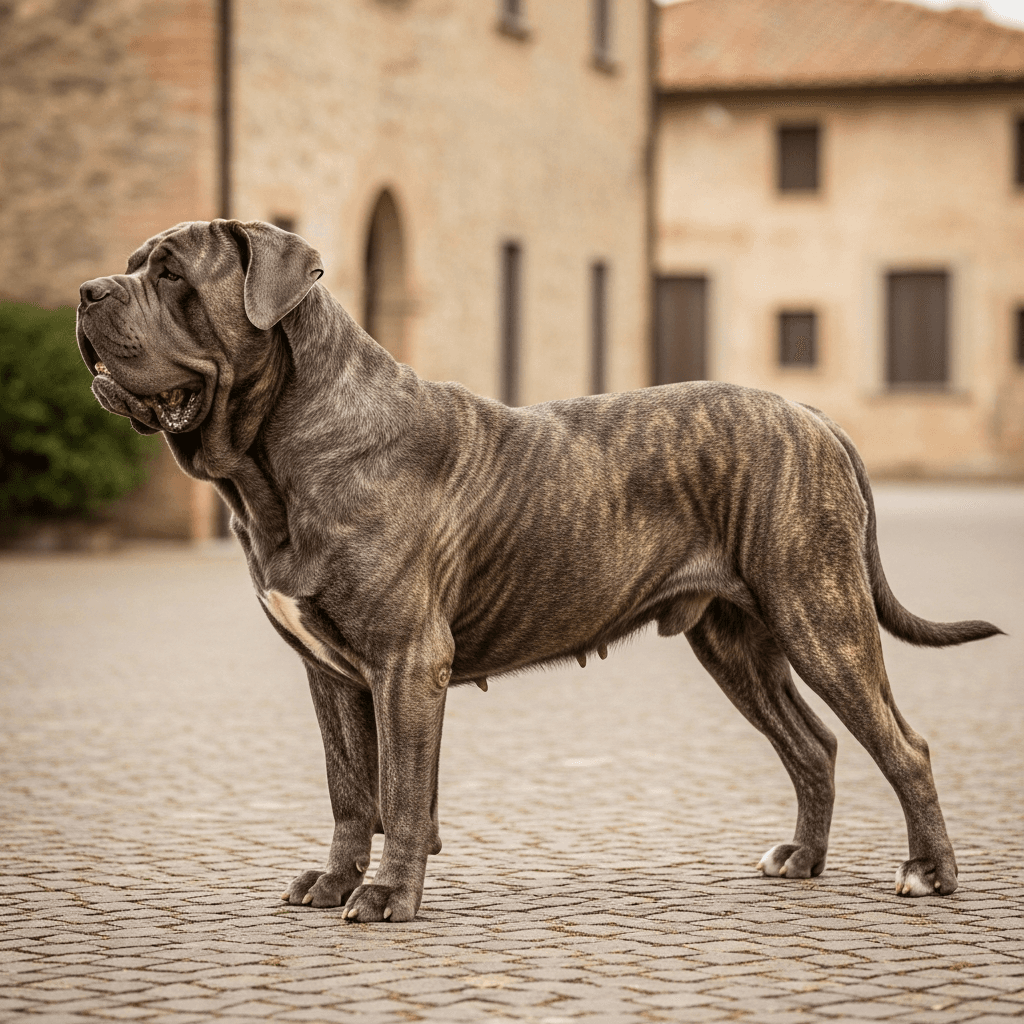
Its majestic appearance and balanced temperament make it an ideal choice for experienced owners looking for a dog with great loyalty and devotion. Characteristic of the Tosa is its strong build and dignified expression. The large, broad head with a black nose and small, dark eyes gives it an air of dignity. The ears, small and hanging, are set high on the head. Its musculature is impressive; the Tosa has a strong back and a wide chest, which emphasizes its athletic silhouette and strength.
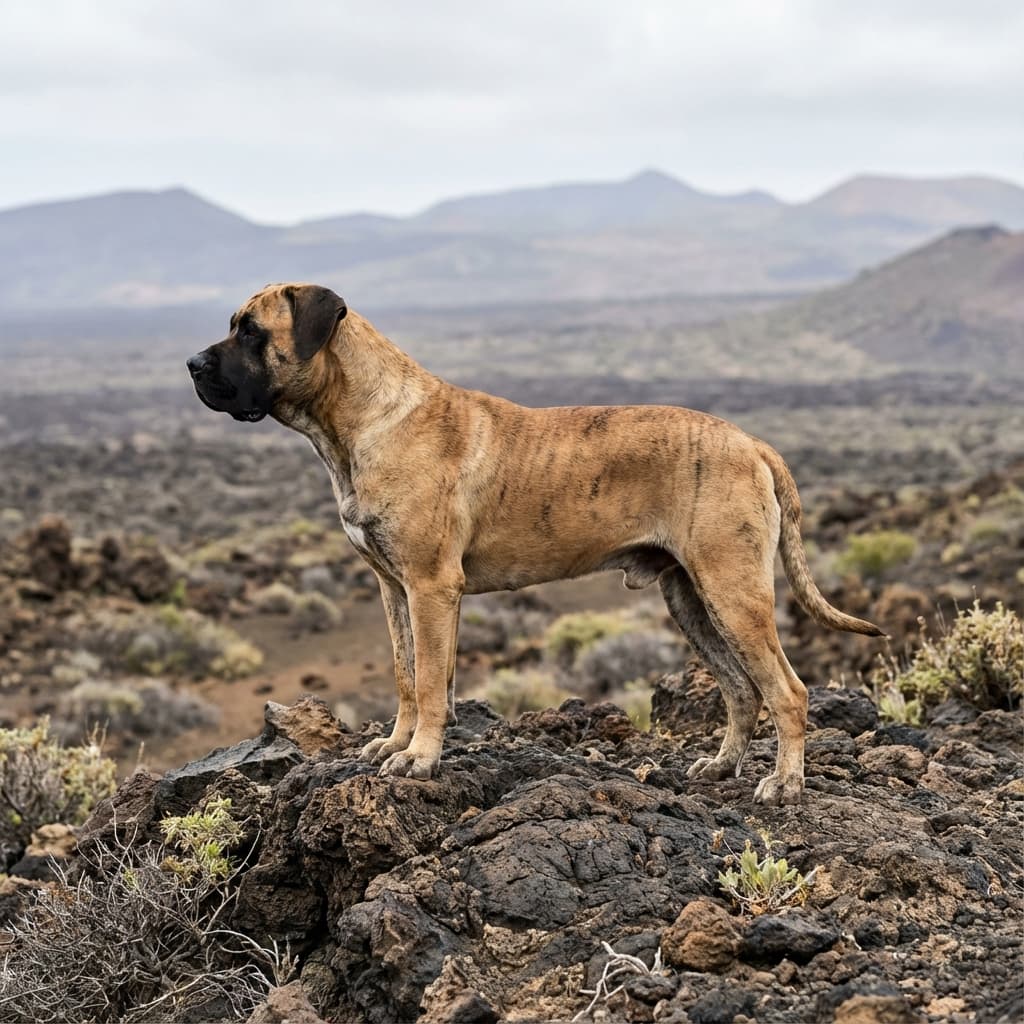
The Tosa has a short, hard, and dense coat, which makes grooming significantly easier. The variety of coat colors – from red to fawn and apricot, to black and brindle – makes it even more visually appealing. The minimum height at the withers is 60 cm for males and 55 cm for females, and an adult can weigh up to 90 kg. These features make the Tosa one of the larger breeds, adding to its majesty and presence.
Although the Tosa originates from fighting dogs, it is now valued for its calm temperament and balance. Known for its patience, courage, and composure, it is an ideal guardian and family companion. However, it requires proper upbringing, consistent socialization, and an experienced hand to fully realize its potential. Its devotion and loyalty make it a unique dog that will win the hearts of household members while remaining a vigilant guardian. We encourage you to continue exploring this fascinating breed by learning about its rich history, health needs, training requirements, and much more in the following sections of our guide.
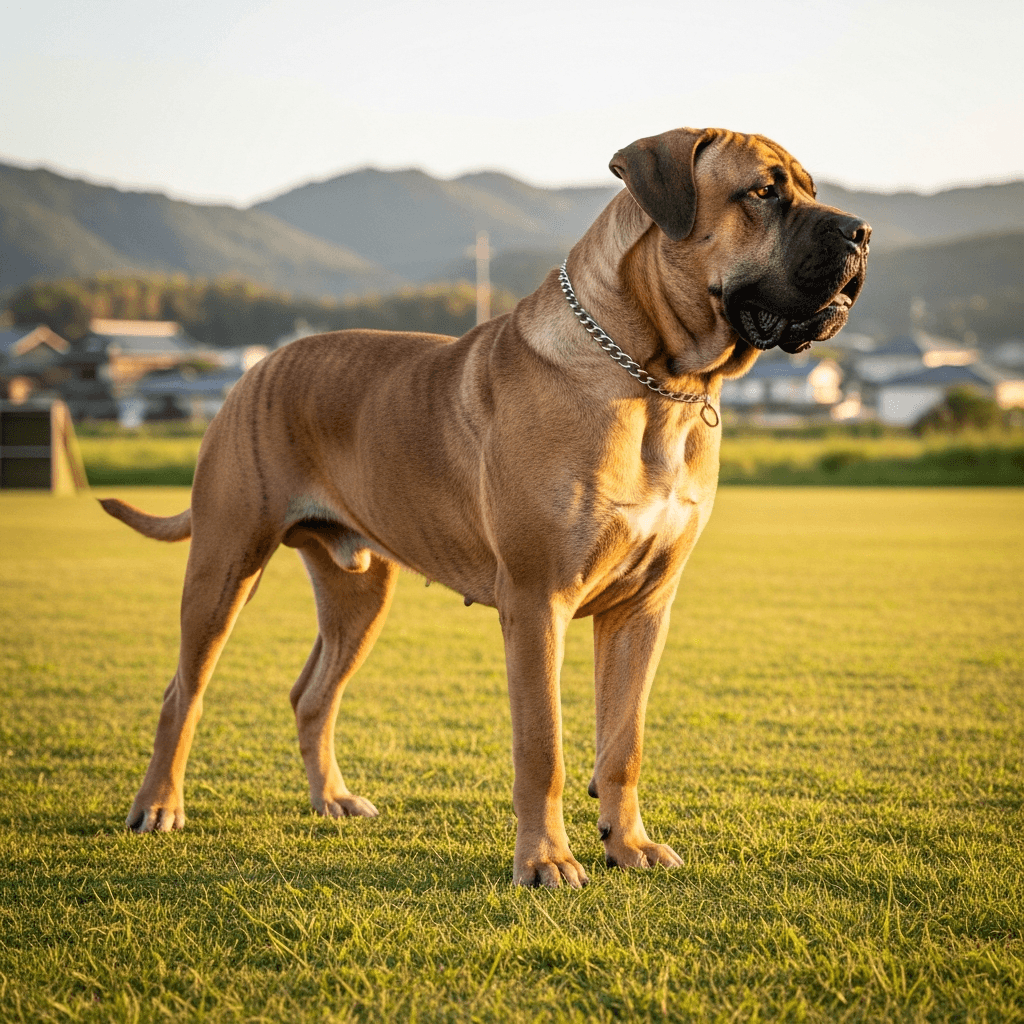
The Tosa is a large dog with an impressive, majestic appearance that immediately draws attention with its silhouette and posture. Its head is wide and massive, with a large black nose and a medium-length, square muzzle. The Tosa's eyes are rather small, in a dark shade of brown, which gives it an expression of dignity and seriousness. The ears are small and hanging, set high on the sides of the head, which emphasizes the characteristic profile of this breed.
The body of the Tosa is strong, athletic, and very muscular, with a well-developed neck without a dewlap and a strong, straight back leading to a slightly arched loin. The chest is wide and deep, reaching to the elbows, which indicates its strength and endurance. The belly is moderately tucked up, creating an elegant line. The Tosa's tail is thick at the base, tapering gradually towards the end, reaching the hock, which adds to its distinctive appearance.
The Tosa's coat is short, hard, and dense, lying close to the body, which makes grooming easier and highlights its musculature. It is available in a variety of colors, including:
- Red
- Fawn
- Apricot
- Black
- Brindle
Small white markings on the chest and paws are permissible. The Tosa reaches a minimum height at the withers: for males, it is 60 cm, and for females, it is 55 cm. The weight of adult individuals can reach up to 90 kg, making the Tosa one of the most impressive dog breeds in the world.
Tosa is a breed characterized by specific and balanced behavior. According to the breed standard, the temperament of Tosa is distinguished by patience, composure, courage, and boldness. Despite their original purpose as fighting dogs, modern Tosas have become more sociable dogs that form a deep bond with their family and exhibit unwavering loyalty to their owners.
Properly socialized Tosas can be friendly to children and other pets, but they require early and consistent socialization from a puppy age. They can be skeptical of strangers, which makes them excellent guard dogs – alert, but not aggressive without reason. Their natural vigilance and devotion to family make them excellent home guardians.
Tosas require consistent but gentle training to avoid dominance issues. Their strong, independent nature can lead to behavioral difficulties if not properly trained by an experienced handler. Owners should ensure their regular physical and mental activity to prevent boredom, which can lead to destructive behavior or frustration.
Overall, Tosas are loyal, loving, and devoted companions that need proper upbringing, consistency, and care from an experienced owner. They are not a breed for beginners – they require a firm hand, but in return, they offer unconditional loyalty and a deep bond.
The health of the Tosa is generally good, but like any large breed, there may be certain specific conditions that require attention. The average lifespan of a Tosa is between 10 to 12 years, which is typical for dogs of this size. Due to their large size and body weight, these dogs can be prone to joint problems, such as:
- Hip dysplasia – a congenital joint defect leading to pain and arthritis
- Elbow dysplasia – a similar condition affecting the front limbs
- Ligament issues – torn cruciate ligaments are common in large breeds
Regular veterinary check-ups are crucial for monitoring health and early detection of potential problems. It is recommended to perform joint examinations (X-rays) at a young age to diagnose dysplasia early. Additionally, the Tosa may be prone to cardiovascular diseases, including dilated cardiomyopathy, as well as skin issues such as allergic dermatitis or skin fold infections.
Therefore, it is important to take care of their proper diet and hygiene. Adequate physical activity also contributes to maintaining the dog's health and preventing obesity, which can lead to further health complications, including diabetes and excessive joint strain. Maintaining a proper body weight is key to the longevity and quality of life of the Tosa.
The care of a Tosa is relatively easy, thanks to their short and dense coat. They require regular brushing, at least once a week, to remove dead hair and minimize shedding. Brushing with a natural bristle brush or a rubber glove will help keep the coat in excellent condition and give it a healthy shine. Tosas shed moderately throughout the year, with more intense shedding in spring and autumn, but this should not cause significant hair problems in the home.
It is also important to regularly check the dog's ears and teeth. Tosa ears, due to their droopy structure, are prone to infections, so they should be checked and cleaned regularly with special veterinary solutions, at least once a week. Teeth should be brushed at least 2-3 times a week, preferably daily, to prevent oral diseases, tartar buildup, and bad breath.
Additionally, it is worth paying attention to the dog's nails, which should be regularly trimmed if they do not wear down naturally due to physical activity on hard surfaces. Overly long nails can cause discomfort and walking problems. Skin folds (if present) should also be regularly checked and kept clean and dry.
Regular grooming not only keeps the dog in good physical and hygienic condition but also strengthens the bond between the dog and its owner and allows for the early detection of potential health issues.
Tosa is a breed of dog that requires regular and moderate physical activity. Due to its large size and strong build, a Tosa needs at least one long walk per day (45-60 minutes), as well as time for play and interaction with its owner. Ideally, a Tosa should have the opportunity to move freely in a safe, enclosed area, where it can calmly explore and stretch its muscles.
This breed can also be a good companion for various activities, such as:
- Long walks in different terrains
- Jogging at a moderate pace (after skeletal development is complete)
- Swimming – an excellent activity for large dogs, gentle on the joints
- Obedience training – providing both mental and physical stimulation
However, it is important to avoid overly intense activities in young Tosas to prevent damage to their developing joints and bones. Regular physical activity is crucial for maintaining a Tosa's health, preventing obesity, and supporting their mental health and emotional balance. Without the right amount of exercise, a Tosa may become bored and prone to destructive behavior or excessive alertness.
Owners should also remember to provide their Tosa with appropriate mental stimulation, such as through interactive play, puzzle toys, training, or scent work. A healthy Tosa is one that receives both physical activity and intellectual challenges.
The Tosa training is a crucial and key element of raising this breed. Tosas are intelligent and can learn quickly, but they can also be stubborn and independent, which makes training require patience, consistency, and experience. Owners should start training and socialization at a very young age, preferably from 8-10 weeks of age, to ensure the dog has appropriate social experiences and learns basic commands.
Tosas respond very well to positive reinforcement, so rewarding them with treats, praise, and play is an effective training method. It is important to avoid harsh punishments and forceful methods that can lead to distrust or aggression. It is essential that training is:
- Diverse and interesting – to maintain the dog's attention
- Consistent – the same rules by all family members
- Short sessions – 10-15 minutes, several times a day
- Positive – based on rewards, not punishments
Without proper training and socialization, Tosas can become dominant and difficult to control, which can be dangerous due to their size and strength. Therefore, it is definitely worth investing in professional training with a certified trainer for large breed dogs to ensure the dog has a happy, balanced life and safety in public spaces. A properly trained Tosa is a polite, obedient, and safe family companion.
The Tosa diet should be well-balanced and of high quality to meet their specific nutritional needs resulting from their large size and build. Due to their large size and activity level, Tosas require food rich in high-quality animal protein (chicken, beef, fish) and appropriate nutrients that support joint and muscle health.
Owners should avoid low-quality foods that contain fillers, artificial colors, and preservatives, as they can lead to health problems such as food allergies or digestive issues. It is recommended to choose foods:
- For large adult breeds – tailored to specific needs
- With glucosamine and chondroitin – supporting joint health
- With omega-3 and omega-6 fatty acids – for healthy skin and coat
- With controlled calorie content – to prevent obesity
The amount of food should be adjusted to the dog's activity level to avoid obesity, which is particularly dangerous for large breeds and can lead to joint problems. It is important to provide the Tosa with access to fresh water throughout the day, especially on warm days and after physical activity.
Regular meals should be served at consistent times (twice a day for adult dogs), which will help maintain a healthy weight and the dog's well-being. It is also advisable to consult with a veterinarian to determine the best diet tailored to the individual needs, age, and health condition of the dog. Avoid feeding meals directly before or after intense activity to minimize the risk of gastric torsion.
Characteristic Traits
Pros
- Unwavering loyalty and devotion to family
- Impressive appearance and majestic silhouette
- Easy maintenance of short coat
- Calm and balanced temperament
- Excellent guard and protection dog
- Patience and composure in difficult situations.
Cons
- Requires an experienced owner and consistent training
- Large size demands a lot of living space
- Can be a challenge for novice caregivers
- Distrust of strangers necessitates early socialization
- Prone to joint issues typical of large breeds
- Legal restrictions in some countries and regions.
Behavioral Ratings
Breed History
The history of the Tosa is fascinating and rich, dating back to the 14th century when traditional dog fights began to be organized in Japan. This breed originated in the Tosa province (now Kōchi prefecture) on Shikoku Island, hence its name. Japanese breeders aimed to create the perfect fighting dog by crossbreeding old Japanese breeds, primarily the Shikoku-ken, with European dog breeds imported during Japan's opening to the West in the 19th century.
In the process of creating the Tosa breed, the following European breeds were utilized:
- Bulldogs (1872) – for jaw strength and determination
- Mastiffs (1874) – for massive build and calm temperament
- German Pointers (1876) – for athleticism and intelligence
- Great Danes (1924) – for height and elegance
According to some sources, Saint Bernards and Bull Terriers were also used in the breeding, although it is unclear in which years they were introduced into the breeding program. Characteristic features of the Tosa, such as endurance, fighting instinct, and calmness typical of mastiffs, can be attributed to the involvement of these breeds in its development.
In the 20th century, after the ban on dog fighting in Japan, Tosa breeding completely changed direction, and the breed became more of a companion and guardian than a fighting dog. Breeders began to place greater emphasis on balanced temperament and mental stability. Today, the Tosa is popular as a guard and companion dog, gaining recognition worldwide, especially in European countries. In some countries, the Tosa is subject to legal restrictions as a potentially dangerous breed, which requires responsible breeding and ownership.