French Bulldog
FCI Group
9• FCI 101
Size
Small
Origin Country
FR
Height
24-35 cm
Weight
8-14 kg
Lifespan
9-11 years
Temperament
Overview
The French Bulldog is a small dog with an extraordinary charm that has captured the hearts of millions of owners around the world. This breed is distinguished by its unique personality and characteristic appearance, making it impossible to confuse with other breeds. Originating from France, the French Bulldog has a rich history dating back to the 19th century, when it was developed by crossing English Bulldogs with small terrier dogs.
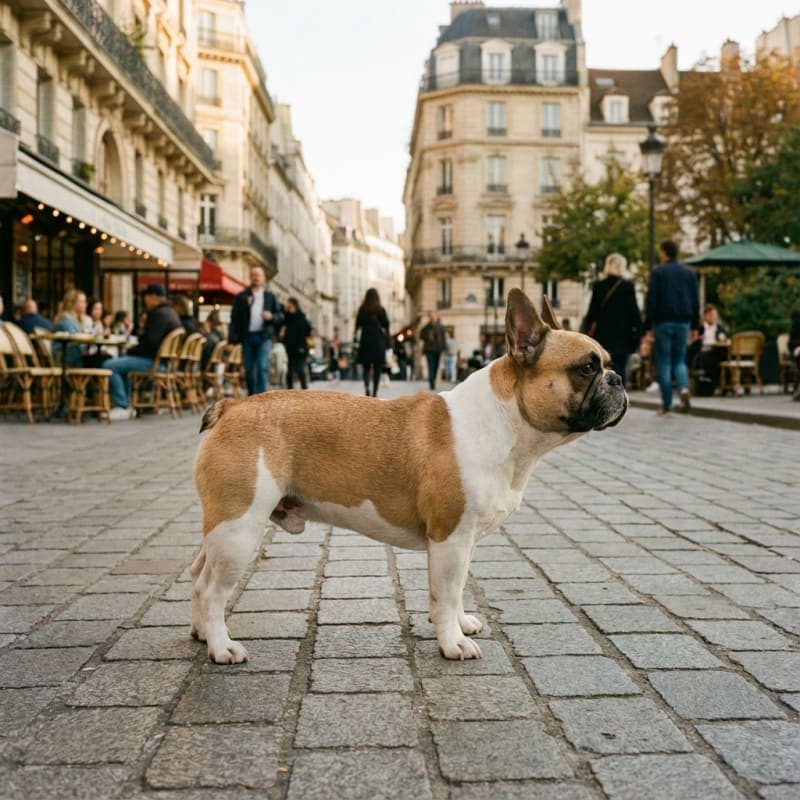
Its appearance is extremely distinctive: short, stocky body, large, bat-like ears, and expressive, broad head with short nostrils make it easily recognizable. Despite its small size, the French Bulldog exudes strength and confidence, reflecting its molossoid heritage.
The French Bulldog is a dog that loves the company of people and forms incredibly strong emotional bonds with its owners. Its attachment to the family is legendary – it is often referred to as a shadow dog, following its guardian everywhere. Despite its small size, this brave dog possesses a strong character and confidence, making it an excellent home guardian. Its temperament combines a zest for life, playfulness, and a certain degree of jealousy for its owner's attention, which makes life with a French Bulldog full of surprises and joyful moments.
The French Bulldog is an extremely flexible and easily adaptable dog to various living conditions. It thrives both in a small urban apartment and in a spacious house with a garden. It does not require intense physical activity, making it an ideal companion for older people, singles, and families with children. However, it is important to remember that its brachycephalic skull structure can cause breathing difficulties, especially in extreme weather conditions.
Grooming a French Bulldog is relatively simple, although it requires regularity. Its short coat does not need frequent brushing, but special attention should be paid to the characteristic skin folds that can accumulate moisture and dirt, leading to irritation. A healthy, balanced diet is crucial to avoid obesity – a common problem in this breed. Overall, the French Bulldog is a dog that combines charm, loyalty, and zest for life, making it an excellent companion for many types of owners.
The French Bulldog has a distinctive appearance that makes it easily recognizable and unique. Its silhouette is stocky, muscular, and compact, exuding strength despite its small size.
Physical parameters:
- Height at the withers: 24-35 cm
- Body weight: 8-14 kg (depending on gender)
- Build: stocky, muscular, strong
Head characteristics: The head of the French Bulldog is wide, massive, and strong, adorned with distinct skin folds that create characteristic wrinkles. The eyes are large, dark, round, and well-spaced, giving them a vivid, alert appearance full of intelligence. The ears – the true hallmark of the breed – are large, rounded at the top, standing like bat wings (hence the name bat ears), set high on the skull. The nose is short, wide, and slightly turned up, which is characteristic of brachycephalic breeds and affects the way they breathe.
Coat and coloration: The coat of the French Bulldog is short, smooth, shiny, and close to the body. It comes in a variety of colors:
- Fawn (from light to dark)
- Brindle
- White
- Combinations of these colors (pied)
Tail: Naturally short, low-set, thicker at the base, tapering towards the end. It can be straight or screw-shaped, but never exceeds the level of the back.
Overall, the French Bulldog presents a strong, compact, and harmonious silhouette that attracts attention with its unique charm and character.
The behavior and temperament of the French Bulldog are among the main traits that attract countless admirers of this breed worldwide. These dogs are known for their friendly, sociable, and extremely devoted nature.
Relationship with family: French Bulldogs are incredibly attached to their owners and often display possessive behaviors towards their beloved caregivers, making them ideal life companions. They love to be the center of attention and participate in all family activities. They are often referred to as shadow dogs because they follow their owners everywhere.
Courage and confidence: Despite their small stature, French Bulldogs are characterized by bravery and fearlessness – they do not hesitate to confront much larger dogs. This trait stems from their molossoid heritage and makes them excellent watchdogs that will loudly signal the presence of strangers.
Interaction with children: In relationships with children, French Bulldogs are usually gentle, patient, and understanding, making them excellent family dogs. They love playing with younger family members, although interactions should always be supervised for the safety of both the dog and the child.
Intelligence and training: French Bulldogs are quite intelligent and learn quickly, although their natural stubbornness and independence can sometimes pose challenges in training. They respond best to positive reinforcement, gentleness, and consistency. Punishments and aggressive methods are completely ineffective and harmful to this sensitive breed.
Communicativeness: These dogs are extremely communicative and express their emotions through a variety of sounds – from amusing snoring and wheezing to growling and barking, and even distinctive yodeling. This vocalization adds to their charm and makes them even more amusing companions.
Need for companionship: It is important to remember that French Bulldogs do not tolerate long periods of solitude. They should be kept in the company of people or other animals to ensure they have a happy and balanced emotional life. Prolonged isolation can lead to separation anxiety and destructive behaviors.
The health of the French bulldog is one of the most important aspects that should be thoroughly understood before deciding to purchase a dog of this breed. Due to their specific body structure, French bulldogs are prone to a range of conditions characteristic of brachycephalic breeds.
Brachycephalic Obstructive Airway Syndrome (BOAS): The main health issue for this breed is breathing difficulties resulting from a short skull and flat face. The syndrome includes narrowed nostrils, elongated soft palate, and tracheal hypoplasia. Symptoms include:
- Loud snoring and wheezing
- Breathing difficulties, especially during exertion
- Intolerance to high temperatures
- Increased risk of overheating and heatstroke
Activity recommendations: Owners should avoid intense physical exertion on hot days and always provide access to fresh, cool water and shaded areas. Walks are best taken early in the morning or in the evening when temperatures are lower.
Obesity: French bulldogs have a natural tendency to gain weight, which further burdens the respiratory system and joints. Monitoring diet and maintaining a healthy weight are crucial for the dog's health and quality of life.
Other health issues:
- Hip dysplasia: A developmental defect of the hip joint leading to pain and lameness
- Dermatological issues: Inflammation of skin folds, demodicosis (demodectic mange), allergic dermatitis
- Spinal problems: Intervertebral disc disease (IVDD), especially in the lumbar region
- Ophthalmic problems: Keratitis, ulcers, proptosis (due to bulging eyes)
- Gastrointestinal issues: Sensitive stomach, colic, bloating
Prevention and veterinary care: Regular veterinary visits, a diet tailored to the breed's needs, weight management, and ensuring an appropriate level of physical activity are key to maintaining the health of the French bulldog. It is also recommended to choose puppies from responsible breeders who conduct genetic testing on the parents for the most common breed-specific conditions.
Taking care of a French Bulldog is relatively easy and not very time-consuming, although it requires regularity and consistency in a few key areas.
Coat care: The short, smooth coat of a French Bulldog does not require intensive brushing. It is recommended to gently brush 2-3 times a week with a soft brush or rubber glove to remove dead hair and stimulate the skin to naturally secrete sebum. During shedding periods (spring and autumn), it is advisable to increase the brushing frequency to daily to minimize the amount of hair in the house.
Care of skin folds (CRITICAL): The characteristic wrinkles on the head and body require special attention as they can accumulate moisture, dirt, food residues, and microorganisms, leading to:
- Skin inflammations
- Bacterial and fungal infections
- Unpleasant odors
- Irritations and itching
Procedure for cleaning folds (recommended daily or every 2-3 days):
- Use a damp, soft cloth or special dog wipes
- Gently clean each fold, removing dirt and moisture
- Thoroughly dry each fold with a dry, clean cloth
- Moisture in the folds = ideal environment for bacteria!
Ear care: The large, upright ears of a French Bulldog should be regularly checked (once a week) for cleanliness, excess wax, and signs of infection. Cleaning is done with special dog ear care products, never using cotton swabs.
Eye hygiene: Protruding eyes require daily gentle wiping with a damp gauze or special ophthalmic solutions to remove discharge and prevent infections.
Nail trimming: Nails should be regularly trimmed (every 3-4 weeks) to prevent excessive growth, which leads to:
- Discomfort while walking
- Improper posture and joint problems
- Painful breaking of nails
Bathing: French Bulldogs do not require frequent bathing – it is sufficient to bathe once every 2-3 months or as needed (heavy dirt, unpleasant odor). Use only gentle shampoos for dogs with sensitive skin.
Overall, caring for a French Bulldog requires regularity, but it is not complicated or time-consuming, making this breed suitable for owners with various lifestyles and experiences.
The French Bulldog is a breed with moderate exercise needs, making it an ideal choice for those who prefer a less active lifestyle, city dwellers, and older individuals.
Recommended physical activity: Despite their small size, French Bulldogs require regular but moderate walks to maintain a healthy weight, physical condition, and mental stimulation. An optimal routine includes:
- 2-3 short walks daily (15-20 minutes each)
- Calm pace without pushing the dog
- Exploring the surroundings and satisfying natural curiosity
- Social interaction with other dogs (under supervision)
CRITICAL LIMITATIONS (brachycephalic syndrome): Due to their skull structure and breathing difficulties, owners MUST avoid:
- Intense exertion: Running, long hikes, intense play – can lead to breathing problems
- Activity on hot days: High temperatures (>25°C) significantly increase the risk of overheating and heatstroke
- Activity in direct sunlight: Even in moderate temperatures, direct sunlight is dangerous
- Exertion in humid air: High humidity further complicates breathing
Safe forms of activity: Ideal ways to provide exercise for a French Bulldog include:
- Calm walks during cooler parts of the day (early morning, evening)
- Play in a shaded garden or park
- Short play sessions with toys indoors
- Mental games and obedience training (mental stimulation)
- Searching for treats hidden around the house
Socialization and play: French Bulldogs are very sociable and love spending time with people and other dogs. Playing with the owner, family members, or friendly dogs provides excellent physical and emotional activity. However, always monitor playtime with larger dogs to avoid accidental injuries.
Signs of overheating (require immediate action):
- Intense panting and difficulty breathing
- Excessive drooling
- Weak, staggering walk
- Blue discoloration of the tongue or gums
- Vomiting, diarrhea
- Loss of consciousness
First aid for overheating: Move the dog to a cool, shaded area, apply cool (not ice-cold!) compresses to the belly, armpits, and neck, provide access to water, and immediately contact a veterinarian.
In summary: regular, moderate walks and play in appropriate conditions should fully meet the exercise needs of a French Bulldog, contributing to its health, physical condition, and mental balance.
Training a French Bulldog can be an interesting challenge due to the breed's characteristic traits: intelligence combined with stubbornness, sensitivity, and strong will.
Early start (KEY): Training should begin as early as possible – starting from the 8th week of the puppy's life. Young dogs are more adaptable, eager to learn new behaviors, and more easily absorb the rules of living in a home. Key elements of early education include:
- Socialization with people, other dogs, and animals
- Acclimatization to various environments and stimuli
- Basic commands: Sit, Stay, Come, Go to your place
- House training and behavior in the home
Positive reinforcement – THE ONLY effective method: French Bulldogs are emotionally sensitive and respond best to training based on rewards, praise, and play. Effective techniques include:
- Treat rewards: Small, healthy treats given immediately after following a command
- Verbal praise: An enthusiastic, cheerful tone of voice
- Play: Favorite toy as a reward
- Affection: Petting and cuddling
FORBIDDEN methods (harmful and ineffective):
- ❌ Physical punishment (hitting, pulling on the leash)
- ❌ Yelling and aggressive tone of voice
- ❌ Forcing by strength
- ❌ Delayed punishments (the dog does not understand the connection to the behavior)
Using punishment leads to loss of trust, fear, resistance and can permanently damage the relationship between the dog and the owner.
Short, intense sessions: Due to limited concentration and quick fatigue, training sessions should be short (5-10 minutes), but frequent (2-3 times a day). This method helps maintain the dog's interest and prevents frustration.
Consistency and patience: All family members must apply the same rules and commands to avoid confusing the dog. French Bulldogs can be stubborn, so key factors include:
- Patience and understanding
- Regular repetition of exercises
- Consistent enforcement of rules
- Calmness and composure of the owner
Progressive learning: As training progresses, new commands, tricks, and challenges can be introduced to keep the dog engaged and develop its skills:
- Advanced commands: Fetch, Spin, Shake paw
- Agility in a simplified form (without jumps!)
- Scent games and finding objects
- Obedience training in various environments
Training as fun: French Bulldogs are social and love attention, so training should be enjoyable for both parties. Incorporating elements of play, enthusiasm, and positive energy makes the dog more willing to cooperate and learn faster.
In summary: patience, consistency, and a positive approach are crucial in training a French Bulldog. Good relationships based on trust and mutual respect form the foundation for educational success and harmonious coexistence.
A proper diet is the foundation of health, fitness, and quality of life for a French bulldog. Due to their natural breed tendencies, nutrition requires special attention and conscious decisions from the owner.
Body weight control (CRITICAL): French bulldogs have a strong tendency to obesity, which poses a serious health risk, especially considering their breathing problems and vulnerable joints. Overweight leads to:
- Worsening of brachycephalic syndrome (breathing difficulties)
- Joint and spine strain
- Heart problems
- Shortened lifespan
- Reduced quality of life and activity
Choosing the right food: One should choose high-quality food tailored to the breed's needs, avoiding high-calorie and low-quality products. Key features of good food include:
- High animal protein: Minimum 25-30% (meat as the first ingredient)
- Moderate fat content: 12-16% for adult dogs
- Vitamins and minerals: Supporting skin, joint, and digestive health
- No unnecessary fillers: Limited grains and artificial additives
- Omega-3 and Omega-6 fatty acids: For healthy skin and shiny coat
- Glucosamine and chondroitin: Supporting joint health
Feeding schedule: Regular meals given at set times help maintain a healthy metabolic rhythm and prevent overeating:
- Puppies (2-6 months): 3-4 meals a day
- Young dogs (6-12 months): 2-3 meals a day
- Adult dogs (>12 months): 2 meals a day (morning and evening)
Portion control: Follow the manufacturer's recommendations regarding portion sizes, adjusting them to:
- The dog's body weight
- Level of physical activity
- Age and health condition
- Individual metabolic needs
Treats and snacks (LIMIT): Treats should make up a maximum of 10% of the daily calorie intake. It is advisable to choose healthy options:
- Small pieces of carrot or apple
- Natural dental chews
- Special low-fat treats
- Subtract calories from treats from main meals
PROHIBITED products (toxic or harmful):
- ❌ Chocolate, cocoa, coffee
- ❌ Onion, garlic, leek
- ❌ Grapes, raisins
- ❌ Avocado, macadamia nuts
- ❌ Chicken bones (choking hazard)
- ❌ Fatty, seasoned human food
- ❌ Sweets, cookies, confectionery products
Hydration: Fresh, clean water should be available at all times. French bulldogs are particularly sensitive to dehydration due to difficulties in regulating body temperature.
Monitoring body weight: Weigh your dog regularly (every 2-4 weeks) and observe its body shape:
- You should be able to feel the ribs with slight pressure
- A visible waist when viewed from above
- A concave belly when viewed from the side
Consultation with a veterinarian: If you have any doubts about the diet, sudden weight gain or loss, food allergies, or digestive problems, always consult with a veterinarian, who may recommend a specialized diet or supplementation.
In summary: a balanced diet, portion control, and regular monitoring of body weight are crucial for the health and long, happy life of a French bulldog.
Characteristic Traits
Pros
- Easy to care for
- Friendly and sociable
- Perfect for families with children
- Doesn't require much exercise
- Ideal for apartment living.
Cons
- Breathing problems
- Tendency to obesity
- Requires regular care of skin folds
- Does not tolerate loneliness
- Sensitive to high temperatures.
Behavioral Ratings
Breed History
The French Bulldog has a fascinating and complex history that dates back to the early 19th century, combining British and French influences along with contributions from craftsmen and artists across Europe.
Origins in England (1800-1850): The history of the French Bulldog begins in the industrial regions of England, particularly around Nottingham, where local breeders crossed English Bulldogs with small terrier dogs and ratters (rat-catching terriers). The goal was to create a smaller version of the bulldog – a dog with a friendly disposition that could serve as a companion for craftsmen while also being an agile rat hunter in workshops and factories.
Migration to France (1850-1860): During the industrial revolution, many English craftsmen – particularly lace workers from Nottingham – emigrated to France in search of work. They brought their beloved small bulldogs with them, which quickly gained popularity among French workers, workshop owners, and Parisian butchers and cab drivers.
Development in France (1860-1880): In Paris, small bulldogs won the hearts of not only the working class but also artists, writers, lovers, and representatives of the Parisian bohemia. Their unique appearance, playful character, and sociable nature made them a symbol of the Belle Époque lifestyle. French breeders continued to work on the breed, stabilizing its characteristic features, including the famous bat-like ears (bat ears).
Official Recognition (1880-1898): In 1880, the first French Bulldog club (Société du Bouledogue Français) was established in Paris, indicating the growing popularity and organization of breeders. The first registration of a breed representative in the breeding book took place in 1885. In 1898, the first official breed standard was developed, and the French Société Centrale Canine recognized the French Bulldog as a distinct dog breed.
Controversies Surrounding Ears: An interesting aspect of the breed's history was the debate over ear shape. In England, the so-called rose ears (rose ears – folded) were preferred, while French breeders and enthusiasts insisted on the upright bat ears (bat ears). Ultimately, bat ears became the official breed standard and its hallmark.
International Expansion (1900-1950): By the early 20th century, French Bulldogs had reached the United States, the United Kingdom, and other European countries, where they quickly gained a following among the aristocracy and upper classes. The breed became a symbol of elegance and luxury, appearing in portraits of royal families, in the homes of movie stars, and at dog shows.
Evolution of the Standard (1931-2023): The breed standard has been modified several times:
- 1931-1932 and 1948 – first modifications
- 1986 – reformulation by H.F. Reant with R. Triquet
- 1994 – update by Violette Guillon
- 2012 – revision by the French Bulldog Club
- 2023 – latest version of the FCI standard
Modern Times (21st Century): Today, the French Bulldog is one of the most popular dog breeds in the world, ranking high in registration statistics in the USA, the UK, France, Germany, and many other countries. Their charm, personality, and ability to adapt to urban living make them beloved by celebrities, families, and single individuals. The breed has evolved from a humble companion of craftsmen to a global symbol of style, elegance, and the joy of life.