French Spaniel
FCI Group
7• FCI 175
Size
Medium
Origin Country
FR
Height
55-61 cm
Weight
20-27 kg
Lifespan
12-14 years
Temperament
Overview
The Epagneul français, also known as the French spaniel, is a unique breed originating from France, attracting attention with its elegant silhouette and athletic build. These medium-sized dogs are characterized by a harmonious, balanced physique and a strong, yet not overly heavy bone structure. Thanks to these traits, they are excellent for field work, making them favorites among hunters across Europe for centuries.
Although the history of this breed dates back to the Middle Ages, when they were used as bird dogs, their intelligence and skills in tracking and retrieving are still highly valued by modern hunters. The Epagneul français was bred as a companion and helper to humans, which makes them very attached to their family and in need of close contact with their caregivers.
These dogs have an average lifespan of 12 to 14 years, making them relatively long-lived animals with proper care. Their coat is usually white with brown spots in various shades – from light cinnamon to dark liver. The fur is long, wavy, and pleasant to the touch, giving them a noble appearance.
The sensitivity and empathy of the Epagneul français mean that they require a lot of attention, love, and positive interaction from their owners. This breed is known for its great enthusiasm for work and eagerness to learn, making it an ideal choice for active families with experience in raising hunting or sporting dogs.
The temperament of these dogs is balanced, sociable, and friendly, which makes them great companions for children and other pets. Owners should remember that the Epagneul français needs regular stimulation, both physical and mental, to avoid boredom and potential behavioral issues that may arise in under-stimulated dogs of this breed.
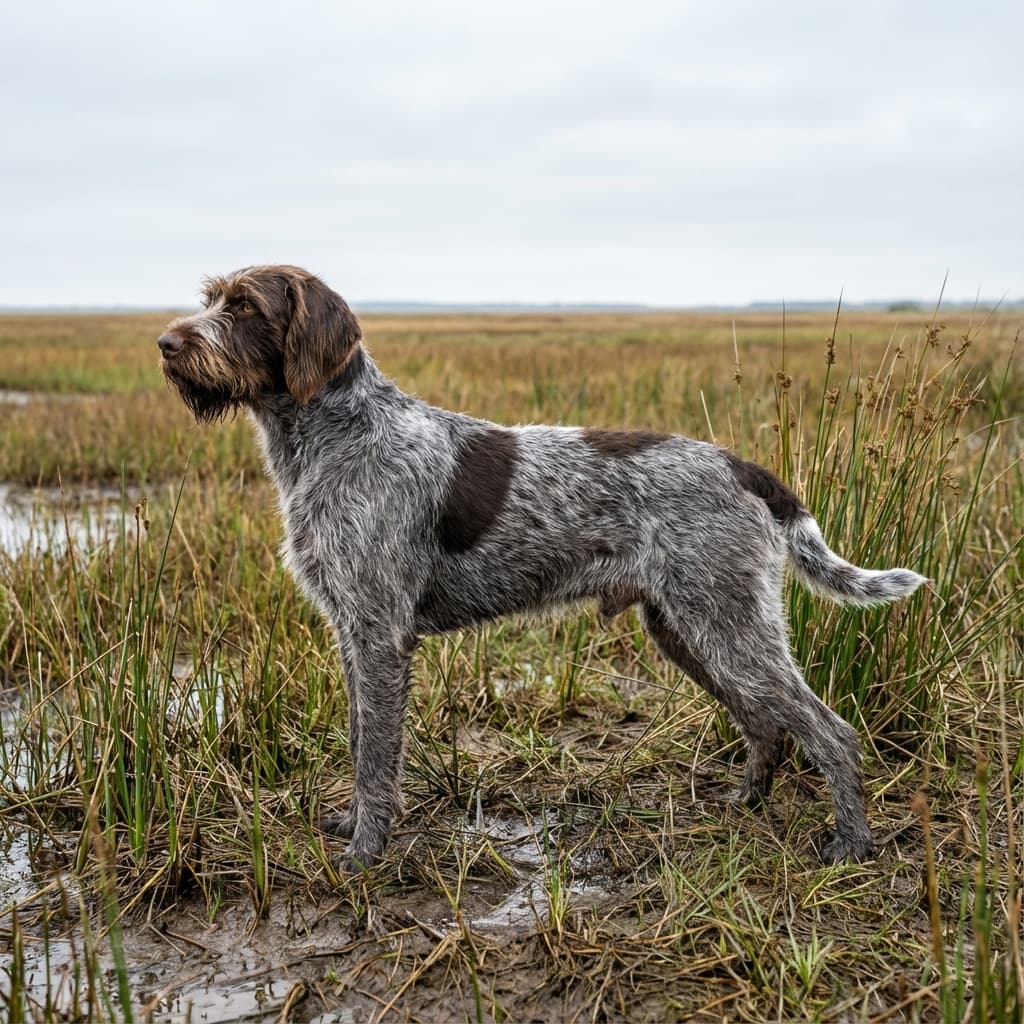
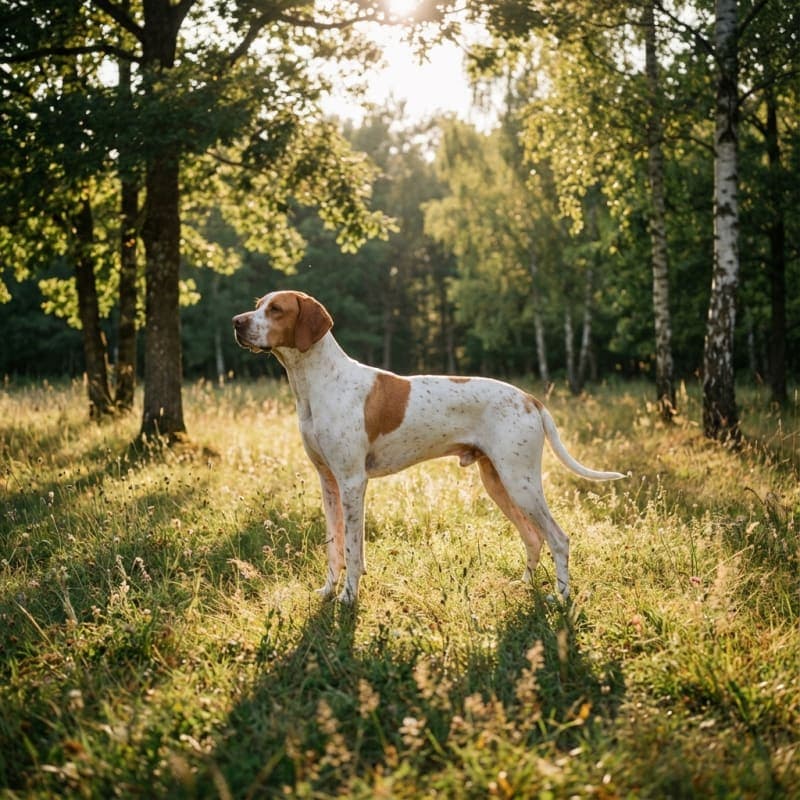
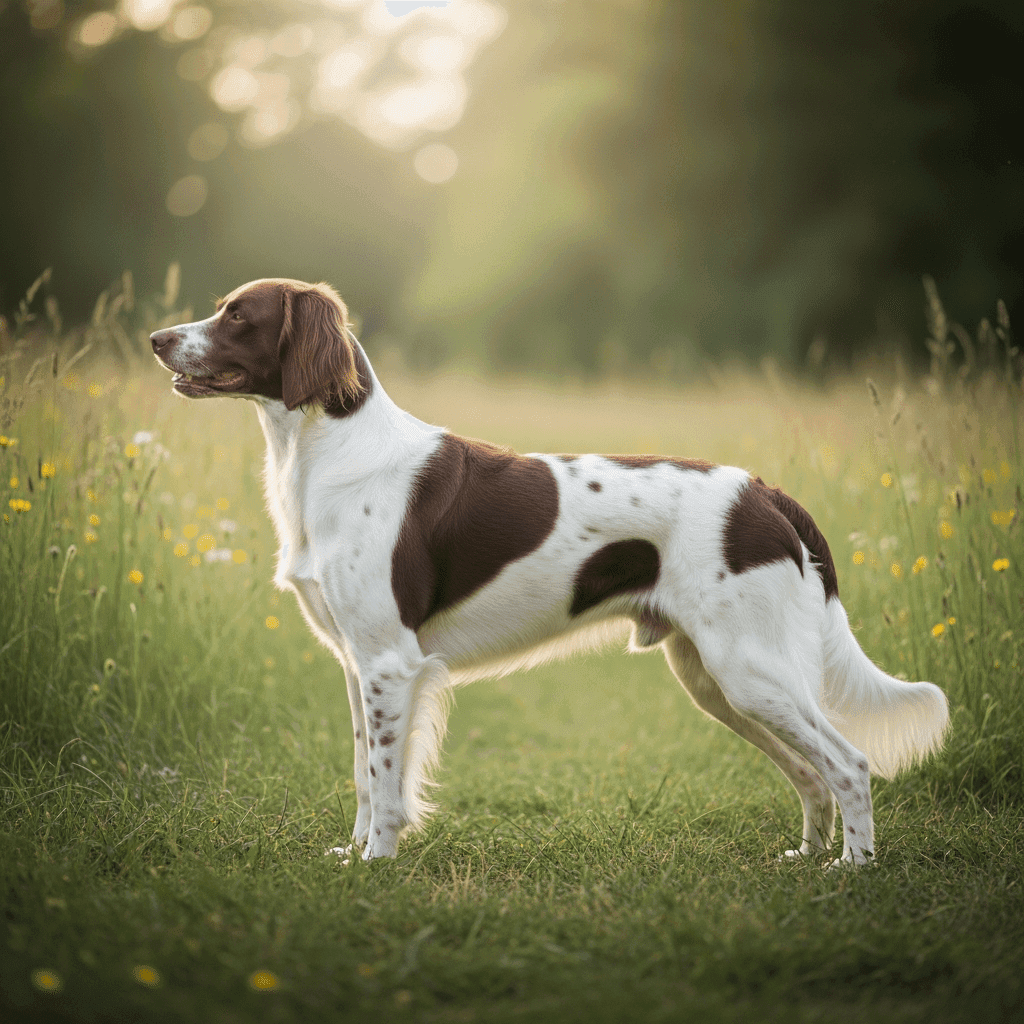
The French Spaniel is a dog of medium size, with an elegant and muscular build, belonging to the braccoid type. The body length is slightly greater than the height at the withers (by about 2-3 cm), giving them a slightly rectangular, harmonious silhouette. The height at the withers ranges from 55 to 61 cm, depending on the sex – males are usually larger and more muscular than females.
The head is of medium length, with well-balanced proportions and a slightly rounded skull. The ears are a characteristic feature of the breed – long, set at the level of the eyes, drooping and slightly twisted, covered with long, wavy hair. The eyes are oval-shaped and dark amber in color, giving them an intelligent, gentle, and friendly expression.
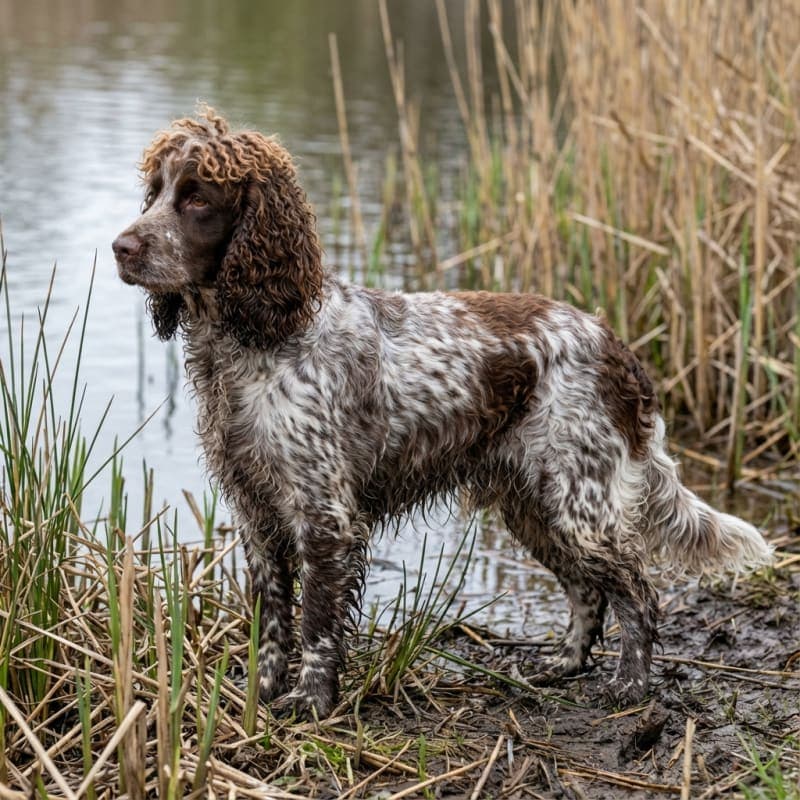
The coat is long, wavy, and soft to the touch, which makes the dog look very elegant and noble. The coloration is usually white with various shades of brown – from light cinnamon to dark liver – occurring in the form of patches or roan. The chest is deep and spacious, providing adequate room for the lungs and heart, which is essential for a dog with high physical endurance.
The limbs are strong, straight, and well-muscled, allowing for quick, agile running and efficient movement in difficult terrain. The tail, set below the line of the back, is long and curved in the shape of a sickle or saber, covered with long, wavy hair forming impressive fringes. Overall, the French Spaniel is a dog with a harmonious build that emanates strength, elegance, and athleticism.
The French Spaniel is a breed with a particularly friendly and sociable temperament. These dogs are known for forming very strong bonds with their owners and value closeness and constant contact with their family. By nature, they are balanced, gentle, intelligent, and sensitive, making them excellent companions for both children and adult family members.
The French Spaniel is a dog with a high hunting instinct, which means they may be inclined to chase small animals or birds. Therefore, it is important for them to be properly trained and socialized from a young age, which will help them learn to control their natural drives. Early socialization also helps in developing confidence and appropriate reactions in various situations.
This breed is also characterized by moderate independence, which can lead to situations where the dog decides to explore its surroundings on its own, especially when it senses an interesting trail. Owners should be aware of this trait and ensure proper securing of the area in which the dog moves, as well as using a leash in public places.
The French Spaniel is relatively easy to train, but requires engaging, fun, and positive training methods to maintain their interest. Their intelligence means they quickly learn new commands and skills, especially when properly motivated by rewards and praise.
These dogs are usually calm at home, but can become very exciting during walks and field training, which can lead to bursts of energy. If they do not receive enough exercise and mental stimulation, they may show signs of boredom or frustration. Overall, the French Spaniel is a wonderful dog for active families with experience who can provide them with love, attention, and the right amount of exercise and mental challenges they need for a happy life.
The Epagneul français is a breed known for its solid health and longevity, with an average lifespan of 12 to 14 years. Thanks to careful breeding selection carried out over the centuries, these dogs are relatively resistant to many genetic disorders. However, like any breed, the Epagneul français may be prone to certain health issues that prospective owners should be aware of.
Among the most common health problems are:
- Hip dysplasia – an orthopedic condition that can lead to pain and limited mobility in later years of life
- Ear infections – due to their long, drooping ears that can trap moisture and debris
- Cataracts – an eye condition that may occur in older individuals
- Entropion – the inward rolling of the eyelid, which can cause discomfort and corneal damage
This breed may also experience skin issues, such as allergic dermatitis or ear infections, especially if not properly groomed and regularly checked. Due to their active lifestyle, it is important to provide them with regular veterinary check-ups and a proper, balanced diet to avoid obesity, which can lead to additional health problems, including joint strain.
Owners should pay attention to any changes in their dog's behavior, such as decreased activity, limping, scratching, shaking their head, or changes in appetite, which may indicate health issues. If concerning symptoms are noticed, it is essential to consult a veterinarian immediately. Prevention and regular check-ups are key to ensuring a long and healthy life for the Epagneul français.
The care of the Epagneul français is not too complicated, but it requires regularity and consistency to avoid matting and skin problems. Their long, wavy coat requires special attention to look healthy and impressive.
Brushing the coat is essential to remove dead hair and prevent tangling. It is recommended to brush at least 2-3 times a week, and during the shedding season (spring and autumn) even daily. It is best to use a brush made of natural bristles or a metal comb with long teeth that can reach the undercoat.
Ear care is particularly important in this breed due to their long, drooping ears, which can easily become infected. They should be checked regularly (at least once a week) and cleaned with special preparations available from the veterinarian to prevent the accumulation of wax, moisture, and debris. After baths and swimming, the ears should be thoroughly dried.
Other important aspects of care:
- Nails – should be regularly checked and trimmed (usually once a month) to ensure the dog's comfort and prevent injuries
- Bathing – should only be done when necessary (usually every 2-3 months) to avoid damaging the skin's natural lipid protection
- Teeth – regular checking and cleaning of teeth (2-3 times a week) prevents dental problems and gum diseases
- Paw inspection – after walks, it is worth checking the paws for wounds, ticks, or foreign bodies lodged between the pads
The French Spaniel is a breed with high exercise requirements, needing a lot of physical activity to stay healthy, balanced, and happy. These dogs require at least 1.5 to 2 hours of intense physical activity daily, which includes running, long walks, field training, and outdoor play.
Due to its hunting background, the French Spaniel loves to run, track, and explore its surroundings. They feel best in spacious parks, fields, or forested areas where they can freely express their natural instincts. Ideal forms of activity include:
- Running – excellent as a companion for jogging or short runs
- Fetching – works great in games with a ball, frisbee, or dummy
- Swimming – most individuals love water, and swimming is an excellent form of exercise
- Field training – simulating hunts, tracking, command work
- Cynological sports – agility, rally obedience, nosework
Owners should provide their dog with the opportunity to run freely and explore in a safe, fenced area, which is crucial for its mental and physical well-being. This breed is characterized by a high hunting instinct, meaning it may chase small animals, birds, or bicycles – therefore, it is important to always keep the dog on a leash or in a secure enclosure in public places.
Regular training sessions combined with interactive play not only meet physical needs but also provide mental stimulation, which is equally important for this intelligent breed. A large amount of physical and mental activity will help prevent boredom, which in turn reduces the risk of behavioral problems such as destructive chewing, excessive barking, or escaping.
Training the Epagneul français is relatively easy and satisfying, as these dogs are intelligent, eager to learn, and motivated to cooperate with humans. It is crucial that training sessions are short, varied, fun, and engaging, which will help maintain their interest and focus.
The ideal duration of a single session is 10-15 minutes, repeated 2-3 times a day, allowing for the learning of new commands and behaviors without overwhelming the dog. Due to their sociable, sensitive, and friendly nature, positive reinforcement is the best and most effective training method. Rewarding the dog with treats, toys, and enthusiastic praise for well-executed tasks will encourage them to cooperate more willingly and quickly.
It is important to start training and socialization at as young an age as possible – from 8-10 weeks of life – to create a solid foundation, positive habits, and confidence. Early socialization should include contact with various people, animals, sounds, and environments.
Basic commands to teach include:
- Sit, Lie Down, Stay – fundamental obedience commands
- Come – a key safety command, especially important for hunting dogs
- No – a command to interrupt unwanted behavior
- Leave it – useful for controlling hunting instincts
The Epagneul français responds excellently to various forms of sport-training activities, such as agility, obedience, rally obedience, nosework, or field training, which can be a great way to develop their skills and satisfy their need for movement and mental stimulation. Owners should be patient, consistent, and positive in their approach to achieve the best results in training and build a strong bond with their dog.
A proper, balanced diet is crucial for the health, condition, and well-being of the Epagneul français. These dogs should receive high-quality food that is tailored to their age (puppy, adult, senior), size (medium breed), and activity level (high activity).
It is important for the diet to be balanced and contain the appropriate amount of high-quality protein (minimum 22-28% for adult dogs, 25-32% for puppies), healthy fats (12-18%), complex carbohydrates, as well as vitamins and minerals to support their high energy needs and maintain optimal physical condition.
Owners should avoid giving their dog table scraps, as many human foods are unhealthy and even toxic to dogs (chocolate, onions, garlic, grapes, avocados) and can lead to obesity and other health problems. The Epagneul français tends to gain weight, especially when not getting enough exercise, making regular weight monitoring particularly important.
Feeding recommendations:
- Portions – 2 meals a day for adult dogs (morning and evening), 3-4 for puppies
- Amount of food – according to the manufacturer's guidelines and adjusted to body weight and activity (usually 250-350g of dry food daily for a 20-25kg dog)
- Fresh water – should always be available, dogs should be encouraged to drink, especially after intense physical activity
- Supplementation – consider vitamins, minerals, glucosamine, and omega-3, especially for older or actively sporting dogs
Regular consultations with a veterinarian will help establish an optimal feeding plan that best meets the individual needs of the dog, taking into account its age, health condition, and lifestyle.
Characteristic Traits
Pros
- Great family companion
- Intelligent and easy to train
- Excellent for fieldwork
- Friendly towards children and animals
- Elegant appearance and gentle temperament
- High endurance and energy.
Cons
- Requires a lot of attention and close contact
- Needs a minimum of 2 hours of activity daily
- Prone to hip dysplasia
- Long ears require regular grooming
- Strong hunting instinct can be a challenge.
Behavioral Ratings
Breed History
The history of the Epagneul français dates back to the Middle Ages, specifically the 13th century, when dogs of this breed were mentioned in famous hunting books, such as the Book of Hunting (Livre de Chasse) by Gaston Phoebus, Count of Foix. Even then, they were valued as excellent bird dogs, used for hunting waterfowl and small game.
This breed was developed as a hunting dog of the spaniel type, specializing in tracking, indicating the location of game, and retrieving hunted game from water and difficult terrain. The ancestors of the Epagneul français are likely at the root of many other varieties of European spaniels. Over the centuries, this breed primarily developed in France, where it was a favorite of the aristocracy and wealthy hunters.
By the early 20th century, the population of the Epagneul français was on the rise, and the breed enjoyed great popularity among hunters in France and neighboring countries. However, with the development of industry, urbanization, and changes in lifestyle, the demand for hunting dogs began to decline, leading to a significant decrease in the breed's numbers.
The first official breed standard was developed in 1891 by James de Conninck and has since been revised and adapted several times to the breed's evolution. Fortunately, in the second half of the 20th century, breed clubs were established in France that undertook intensive efforts to protect and promote the Epagneul français. Thanks to their efforts, this breed was reintroduced not only in France but also in other European countries, the United Kingdom, the United States, and Canada.
Today, the Epagneul français is gaining popularity and is recognized not only as a superb hunting dog but also as a wonderful companion dog and family member. The breed is valued worldwide for its exceptional traits, such as a friendly and balanced temperament, loyalty, intelligence, and ability to work as a team with people. The Fédération Cynologique Internationale (FCI) recognizes the breed in group 7 (pointing dogs), section 1.2 (continental spaniels), under standard number 175.