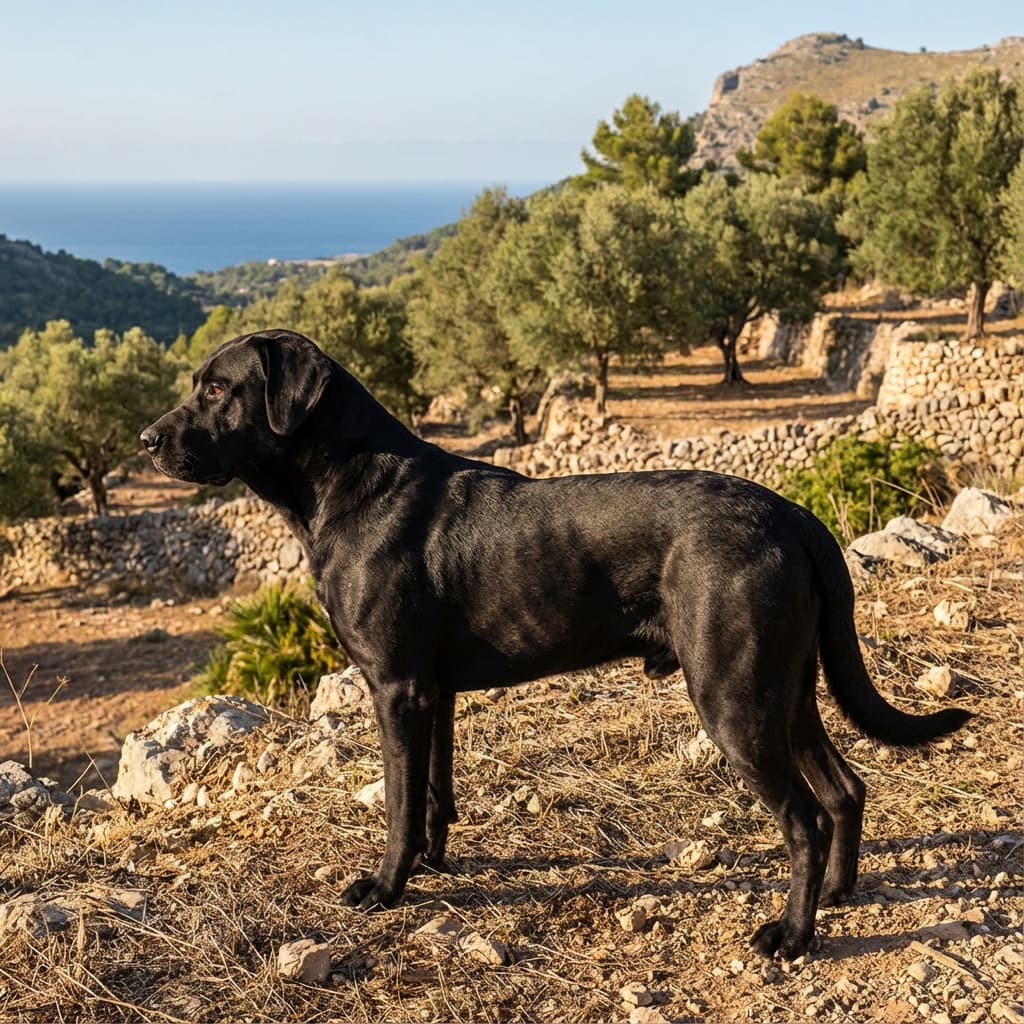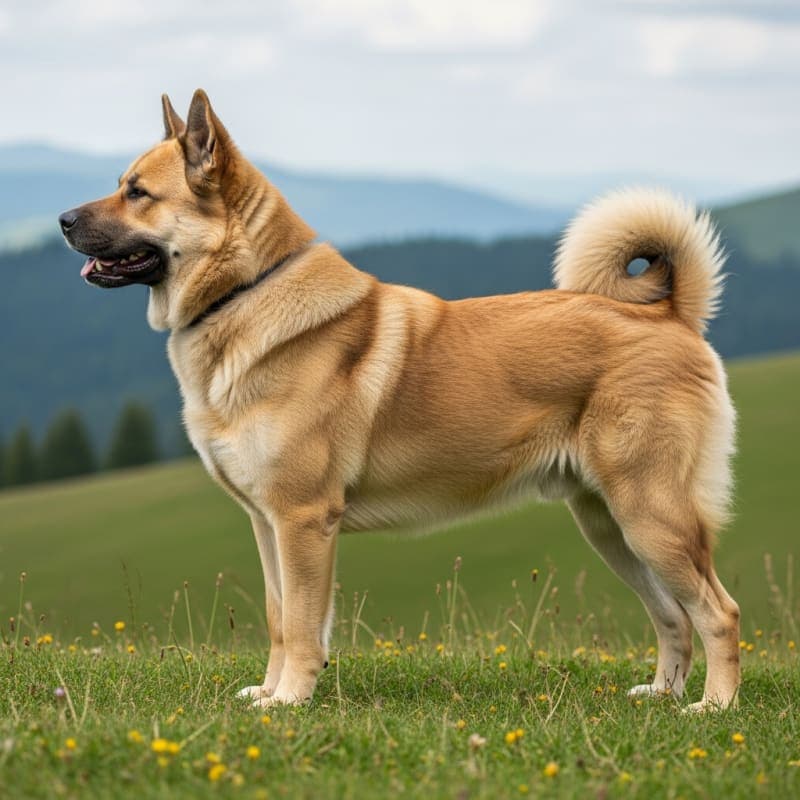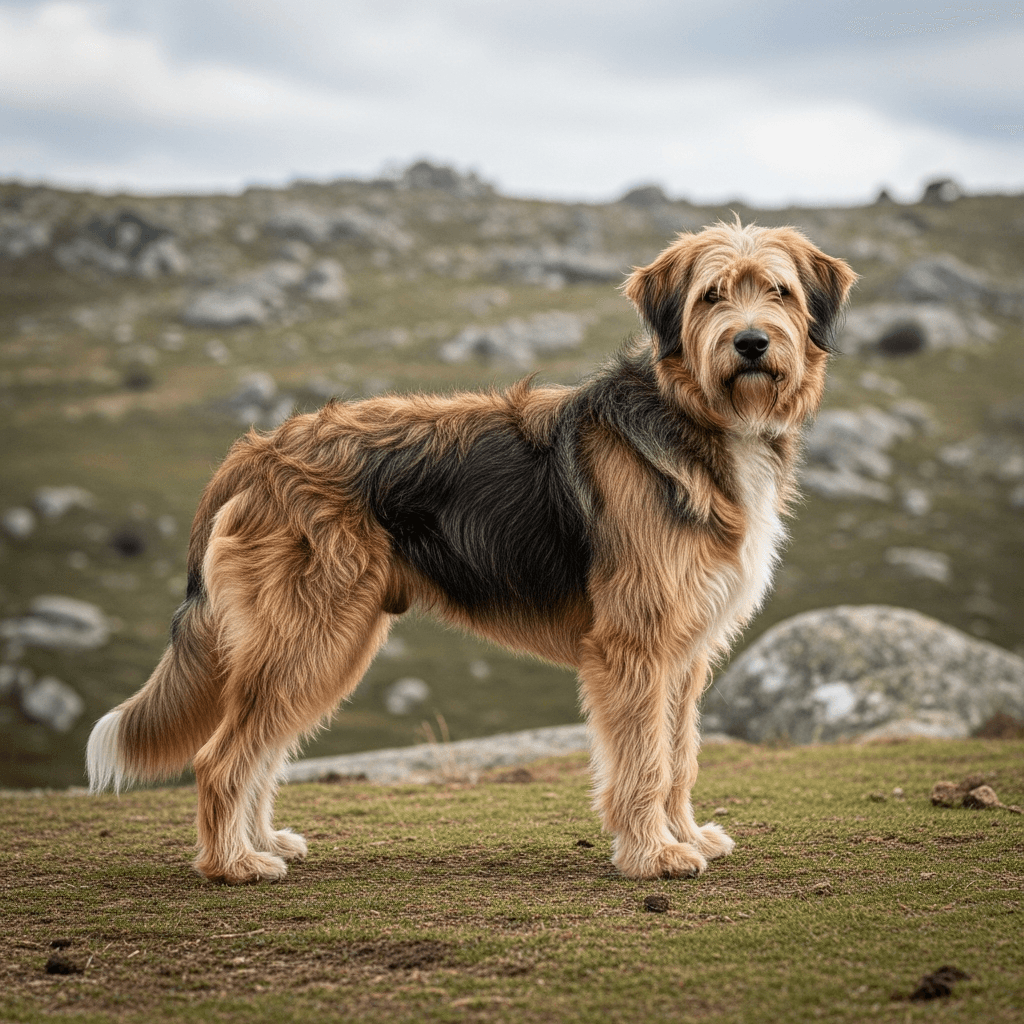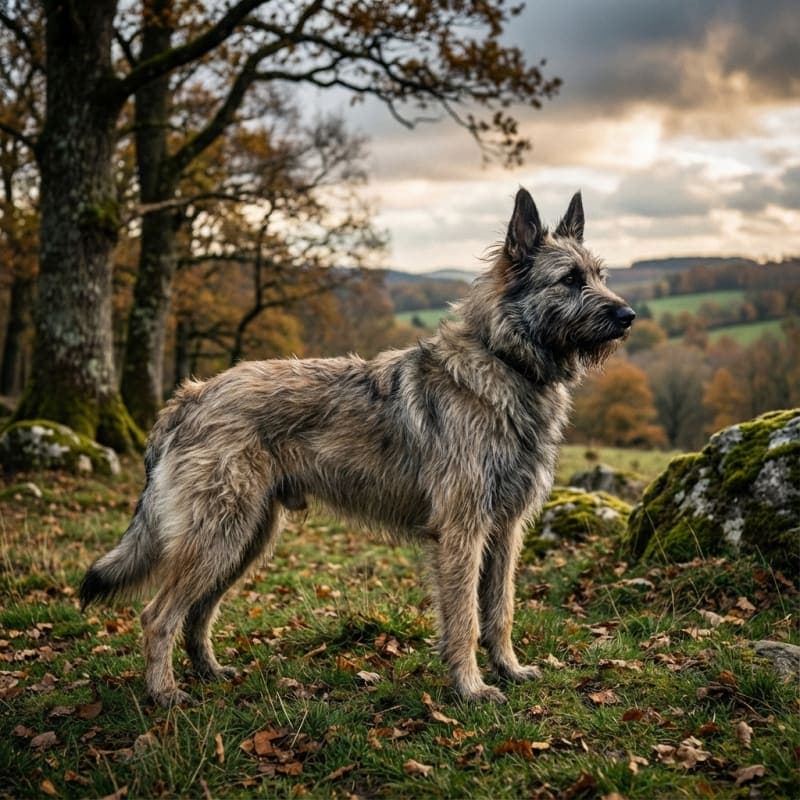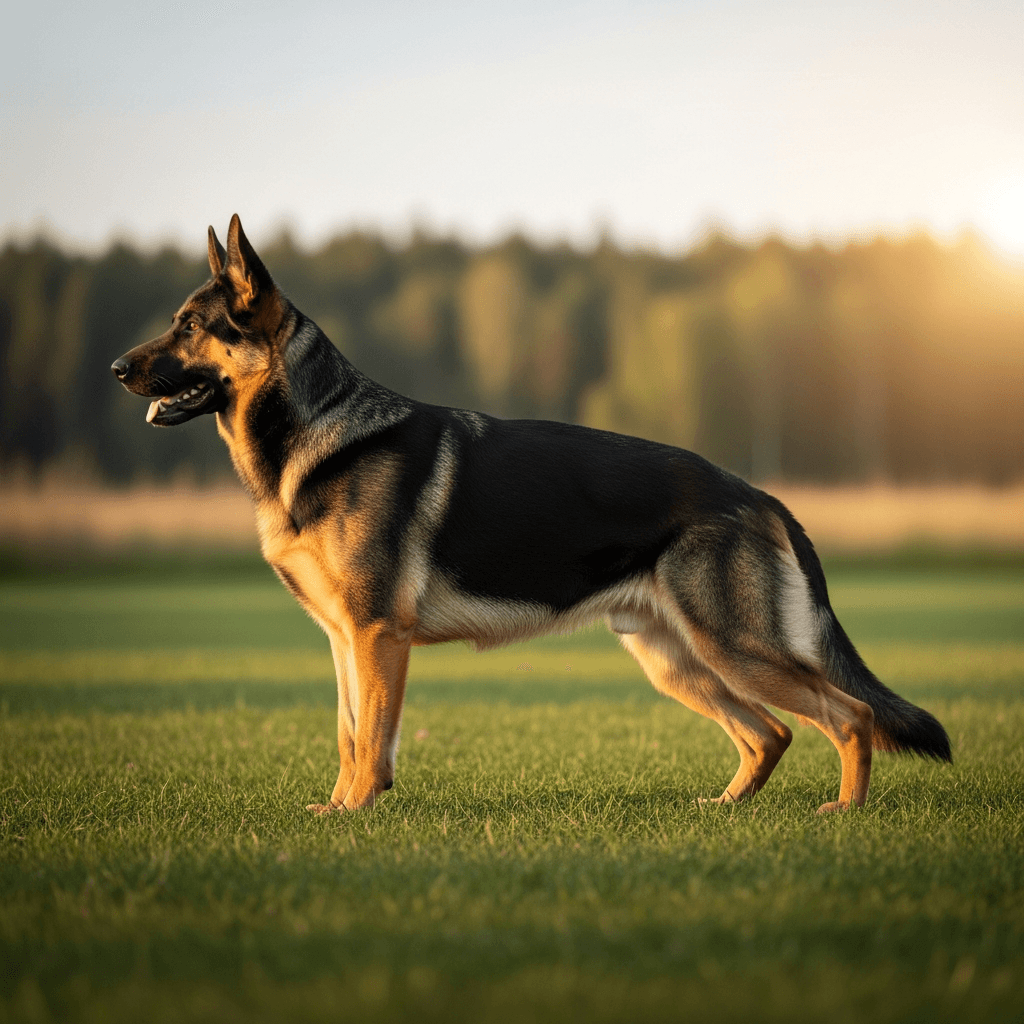
Short-haired German Shepherd
FCI Group
1• FCI 166B
Size
Large
Origin Country
DE
Height
55-65 cm
Weight
22-40 kg
Lifespan
10-14 years
Temperament
Overview
The short-haired German Shepherd, also known as Deutscher Schäferhund, is a dog breed whose fame extends far beyond the borders of Germany, from where it originates. Bred in 1899 by Max von Stephanitz, this versatile dog quickly gained recognition worldwide as an excellent companion both in work and family life.
The short-haired German Shepherd combines the traits of a herding dog, guardian, and police dog, making it one of the most versatile breeds in the world. Its medium-sized, well-muscled physique and proportional body provide excellent mobility, highlighting its versatility. The characteristic wedge-shaped head, almond-shaped eyes with an alert expression, and erect, pointed ears are distinctive features of this breed.
The coat of the short-haired German Shepherd, although short, is equipped with a dense undercoat that provides resistance to various weather conditions. This natural protection makes it an ideal dog for working in difficult terrain, regardless of the season. The most commonly seen coloration is black with tan shades of brown, red, or gray-gold.
Intelligence and loyalty are the most important hallmarks of this breed. The German Shepherd is easy to train, and its balanced character makes it an excellent family dog as well as a vigilant guardian of the home. It not only protects but is also brave and determined, making it an invaluable assistant in uniformed services worldwide - in police, military, border patrol, and rescue services.
Despite its strength and determination, the German Shepherd remains gentle and devoted to its family, and its companionship is invaluable for children. Proper socialization from puppyhood is crucial for developing a balanced character and a positive attitude towards people and other animals.
However, it is worth remembering that like any working breed, the German Shepherd requires proper care and regular exercise to maintain health and well-being. Owners should be prepared for an active lifestyle with this dog, as its physical and mental needs are significant. Regular training, long walks, and mental stimulation are the keys to the happiness of the short-haired German Shepherd.
Although the breed is resilient and durable, it can be prone to certain genetic diseases, such as hip or elbow dysplasia. Therefore, regular veterinary visits and purchasing a puppy from a reputable breeder are essential. In the further sections of the guide, you will find detailed information on the health, grooming, exercise, training, nutrition, history, appearance, and behavior of the short-haired German Shepherd.
The German Shepherd is a medium-sized, well-built, and harmonious dog. Its height at the withers ranges from 55 to 65 cm, and its weight from 22 to 40 kg, depending on the sex. Males are typically larger and more massive than females, which is typical for this breed. This breed is characterized by a wedge-shaped head, proportional to its body, with a well-muscled, athletic build.
The eyes of the German Shepherd are medium-sized, almond-shaped, and slightly slanted, giving it an expression of alertness and intelligence. Dark eye color is most desirable, as it emphasizes its focused and penetrating gaze. The ears are medium-sized, erect, widely set, with a characteristic pointed tip, which further highlights its alertness and readiness for action.
The coat of the German Shepherd comes in two varieties - short-haired and long-haired. In both cases, the coat is dense, with a well-developed undercoat that provides protection against cold and moisture. The short-haired shepherd has a hard, close-lying coat, while the long-haired one has longer and softer fur, with distinct hair on the ears, tail, and hind legs.
The coloration of the German Shepherd can be diverse, but the most commonly seen combination is black with tan in shades of red, gold, brown, or gray-white. There are also solid black shepherds and, less commonly, black and silver ones. Regardless of the color, the coat should be dense, shiny, and well-fitting to the body.
The silhouette of the German Shepherd is slightly elongated, with a characteristic back line that slopes slightly towards the rear. The chest is deep and wide, providing a large lung capacity and endurance. The limbs are muscular, straight, and parallel, ending in compact paws with strong claws. The tail is long, bushy, carried low at rest, and slightly raised during movement.
The German Shepherd is a dog with a balanced and stable character, making it one of the most versatile dogs in the world. It is extremely loyal to its owner and family, displaying strong protective instincts that are deeply rooted in its herding and guarding nature.
This breed is naturally alert and observant, making it an excellent guardian of home and property. German Shepherds are very intelligent and eager to learn, which makes them easy to train in various fields - from basic obedience to advanced tasks in law enforcement. Their ability to learn quickly and adapt makes them suitable for use as police, military, rescue, and therapy dogs.
Proper training and socialization from an early age are crucial to ensure that the dog develops in a healthy emotional way and has a positive attitude towards other dogs and people. Without proper socialization, a German Shepherd may become overly cautious or distrustful of strangers.
Despite their strength, determination, and protective instincts, German Shepherds are usually gentle and friendly towards children, making them excellent family companions. They can be incredibly patient and nurturing towards the youngest family members. However, it is important to establish rules and boundaries from puppyhood to prevent the dog from becoming dominant or overly protective.
German Shepherds can be somewhat distrustful of strangers, which is a natural trait of guarding breeds, but proper socialization will help minimize excessive caution. The dog should be calm and confident, responding to threatening situations with caution rather than fear or aggression.
This breed is also very hardworking and likes to have tasks to perform. German Shepherds excel in canine sports such as agility, obedience, tracking, and IPO. Without proper mental and physical stimulation, they can become bored, which may lead to behavioral problems.
German Shepherds, like many purebred breeds, can be prone to various health issues, particularly those of a genetic nature. The most commonly occurring conditions in this breed are hip and elbow dysplasia, which can lead to pain, stiffness, and limited mobility. These conditions are largely hereditary, which is why reputable breeders perform X-ray examinations of the parents before breeding.
The high physical activity of German Shepherds, especially at a young age, can accelerate the development of joint problems. Therefore, it is important for owners to provide them with an appropriate amount of exercise tailored to their age, but avoid excessive strain during the growth period (up to about 18 months of age). Jumping from heights, long runs on hard surfaces, or intense sports training should be postponed until the skeletal and joint system is fully developed.
Other potential health issues that may affect German Shepherds include:
- Heart diseases - including dilated cardiomyopathy
- Skin allergies - atopic dermatitis, food allergies
- Eye problems - cataracts, retinal atrophy, keratitis
- Gastric torsion - a sudden, life-threatening condition in deep-chested breeds
- Degenerative myelopathy - a progressive neurological condition affecting older dogs
- Exocrine pancreatic insufficiency - digestive problems resulting from enzyme deficiency
Regular veterinary visits and a vaccination program are crucial for maintaining the health of a German Shepherd. Annual check-ups are recommended, which can detect problems at an early stage. Owners should also be aware that this breed can be prone to obesity, especially if activity levels decrease while the diet remains unchanged.
Proper nutrition, regular physical activity tailored to the dog's age and condition, and appropriate veterinary care are essential for a long and healthy life for a German Shepherd. The average lifespan of this breed is 9-13 years, although with proper care, many dogs exceed this age.
Purchasing a puppy from a reputable breeder who conducts genetic testing on the parents (HD, ED, DNA tests) significantly reduces the risk of hereditary diseases and increases the chances of a healthy, long-lived dog.
Taking care of a German Shepherd is relatively simple, but requires consistency. Their coat, both short-haired and long-haired, needs regular brushing to remove dead hair and minimize shedding. German Shepherds shed throughout the year, but particularly intensely twice a year - in spring and autumn, during the coat change.
During periods of heavy shedding, daily brushing is recommended using a brush with metal bristles or a furminator to effectively remove dead undercoat and reduce the amount of fur in the home. At other times, brushing 2-3 times a week is sufficient. Regular brushing not only keeps the coat in good condition but also stimulates blood circulation in the skin and allows for early detection of skin problems or parasites.
German Shepherds do not require frequent baths - every 2-3 months is enough, unless the dog gets dirty during a walk or play. Too frequent bathing can remove the natural protective layer of the skin and lead to dryness. Using gentle dog shampoos with a pH suitable for dog skin is recommended to avoid irritating their skin and causing allergies.
Ear checks should be done at least once a week. The ears should be clean, dry, and free of unpleasant odor. The erect ears of a German Shepherd are less prone to infections than drooping ears, but still require regular checks. If necessary, gently clean the ear flap using a special ear cleaning solution.
Oral hygiene is often neglected, yet it is extremely important. Regular tooth brushing (ideally daily, at least 3 times a week) using a dog toothbrush and toothpaste prevents tartar buildup, gum disease, and bad breath. Special dental treats and chew toys can also be used.
Nails should be regularly checked and trimmed if necessary. Active dogs that walk a lot on hard surfaces naturally wear down their nails, but with less activity or walks mainly on soft ground, nails may need trimming every 3-4 weeks. Overgrown nails can cause discomfort while walking, joint problems, and even painful infections.
Additionally, it is worth regularly checking the condition of the skin and coat, paying attention to any changes, rashes, dandruff, or the presence of parasites (fleas, ticks). Regular parasite prevention is crucial for the dog's health.
German Shepherds are very active dogs with high exercise needs that require a lot of regular movement and mental stimulation. This breed was developed for hard physical work, so a lack of appropriate activity can lead to serious behavioral and health problems.
It is recommended to have at least 1-2 hours of intense activity daily to keep a German Shepherd in good physical and mental condition. The activity should be varied and include:
- Long walks - at least 2-3 times a day, including at least one longer walk (45-60 minutes)
- Running - jogging with the owner, running alongside a bicycle (after reaching 18 months of age)
- Fetch games - balls, frisbees, sticks - an excellent form of exercise and fun
- Obedience training - regular training of basic and advanced commands
- Dog sports - agility, obedience, tracking, IPO, nosework
- Swimming - an excellent form of exercise, especially for dogs with joint problems
Without an appropriate level of activity, German Shepherds can become bored, frustrated, and anxious, leading to behavioral problems such as:
- Excessive barking and howling
- Destructive behavior - destroying furniture, chewing on objects
- Hyperactivity and difficulty concentrating
- Frustration-induced aggression
- Escaping from home in search of stimulation
Owners should introduce various forms of activity, including mental exercises that will help with intellectual stimulation. German Shepherds are intelligent dogs that need mental challenges just as much as physical ones. Scent games, learning new tricks, dog puzzles, or advanced obedience training are excellent ways to engage a dog's mind.
Dogs of this breed are well-suited for dog sports, such as agility, obedience, tracking, or IPO (International Prüfungs-Ordnung), which not only provide them with movement and stimulation but also strengthen the bond with the owner and allow for the use of the dog's natural instincts.
Important: young German Shepherds (up to 18 months of age) should not be subjected to overly intense exercises, such as long runs, jumps, or agility, as their joints and bones are still in the growth phase. Excessive strain can lead to joint problems in the future. Puppy activity should be moderate and varied.
Training a German Shepherd is a key element of its upbringing and should begin from the first days of the puppy's stay in its new home. Due to their exceptional intelligence, eagerness to work, and desire to please their owner, German Shepherds quickly learn new commands and skills, making them one of the easiest dog breeds to train.
Owners should start training as early as the puppy stage (around 8 weeks of age) to teach the dog basic commands such as Sit, Stay, Come, Lie Down, and obedience rules. The earlier training begins, the easier it will be to shape desired behaviors and prevent the development of bad habits.
Early socialization is extremely important for the dog to gain confidence and the ability to interact positively with other dogs, people, and in various environments. The puppy should be gradually introduced to new situations, sounds, smells, and places to develop into a balanced, confident adult dog. Lack of proper socialization can lead to fear, distrust, or aggression towards strangers.
Positive reinforcement methods are the most effective in training a German Shepherd. These include:
- Treat rewards - used during the learning of new commands
- Verbal praise - enthusiastic applause and compliments reinforce desired behavior
- Toys - a favorite ball or chew toy as a reward for a job well done
- Play - a short play session as a reward for following a command
It is important to be consistent and patient during training. German Shepherds respond well to clear, consistent rules and expectations. All family members should use the same commands and rules to avoid confusing the dog.
Training sessions should be short (10-15 minutes) and varied to maintain the dog's attention and prevent boredom. Young puppies have a short attention span, so it’s better to conduct several short sessions daily than one long one. As the dog matures, sessions can be gradually extended.
Regular exercise and intellectual challenges are crucial for keeping a German Shepherd in good physical and mental shape. This breed loves to learn and needs mental work just as much as physical activity. Advanced training, such as learning tricks, scent work, agility, or obedience, perfectly engages their intelligence.
What to avoid in training:
- Physical punishment - can lead to fear and aggression
- Shouting and aggression - destroy trust and bond
- Inconsistency in rules - creates confusion
- Too long sessions - lead to boredom and frustration
- Forcing behaviors through strength - positive methods should be used
If the owner lacks experience in dog training, it is worth considering using the services of a professional trainer or enrolling in puppy obedience classes. Professional training will help the owner learn the right techniques and avoid mistakes that could lead to behavioral problems in the future.
The diet of a German Shepherd should be balanced and carefully tailored to its age, weight, activity level, and individual health needs. Proper nutrition is crucial for maintaining the health, condition, and longevity of this breed.
Owners should choose high-quality foods that contain the appropriate amount of:
- Protein - preferably from animal sources (chicken, beef, fish) - a minimum of 22-25% for adult dogs, 28-30% for puppies
- Fats - a source of energy and essential fatty acids - about 12-15% for adult dogs, 15-18% for puppies
- Carbohydrates - easily digestible sources of energy (rice, sweet potatoes, oats)
- Vitamins and minerals - especially calcium and phosphorus for bone and joint health
- Omega-3 and omega-6 fatty acids - for skin, coat, and joint health
- Glucosamine and chondroitin - supporting joint health
It is important to avoid low-quality foods that contain a lot of fillers (corn, wheat, soy), artificial colors, preservatives, and meat of unknown origin. These foods can lead to health problems such as obesity, food allergies, digestive issues, or nutritional deficiencies.
German Shepherds tend to gain weight, especially if their activity level decreases with age or due to injury. Therefore, food portions should be precisely measured and adjusted to the dog's current needs. It is worth regularly monitoring the dog's weight and adjusting the amount of food based on physical condition.
Feeding schedule:
- Puppies (2-6 months) - 3-4 meals a day
- Young dogs (6-12 months) - 2-3 meals a day
- Adult dogs (12+ months) - 2 meals a day
- Senior dogs (7+ years) - 2 meals a day, senior dog food
Owners should also remember to provide fresh water throughout the day. Access to clean, fresh water is absolutely essential for the dog's health, especially for active dogs like German Shepherds.
Avoid overfeeding and excessive treats. Treats and snacks should make up no more than 10% of the dog's daily caloric intake. Excess calories lead to obesity, which in turn can worsen joint problems that this breed is predisposed to.
In case of special health needs, such as:
- Food allergies - hypoallergenic food with a limited number of ingredients
- Joint problems - food with added glucosamine and chondroitin
- Sensitive digestive system - easily digestible food
- Overweight - low-fat, high-protein food
It is advisable to consult a veterinarian to determine the optimal diet for the dog. The veterinarian may recommend specialized food or supplements depending on the dog's individual health needs.
Important: Avoid feeding dogs leftovers from the table, especially dishes containing onions, garlic, chocolate, grapes, raisins, or xylitol, which are toxic to dogs. Stick to high-quality dog food and healthy treats specifically designed for canines.
Characteristic Traits
Pros
- Exceptionally intelligent and easy to train
- Loyal and devoted to family
- Great guardian and defender
- Versatile and weather-resistant
- Good with children with proper socialization
- Suitable for various working tasks.
Cons
- Requires a lot of exercise and mental stimulation
- Sheds intensely throughout the year
- May be prone to joint dysplasia
- Needs an experienced owner
- May be distrustful of strangers without socialization.
Behavioral Ratings
Breed History
The German Shepherd is a breed that has its roots in Germany at the end of the 19th century, where it was created as a universal working dog. Max von Stephanitz, regarded as the father of this breed, aimed to create a versatile dog that could perform herding, guarding, and police functions, combining intelligence, strength, endurance, and devotion.
In 1899, von Stephanitz encountered a dog named Hektor Linksrhein (later renamed Horand von Grafrath) at a dog show in Karlsruhe, which he considered the ideal of his vision. This dog became the first registered German Shepherd and the founder of the breed line. In the same year, von Stephanitz established the German Shepherd Association (Verein für Deutsche Schäferhunde - SV), aimed at promoting the breeding and excellence of this breed according to strictly defined standards.
Originally, German Shepherds were primarily used as herding dogs, protecting flocks of sheep from predators and assisting shepherds in managing the animals. With industrialization and the decline in the number of flocks, von Stephanitz recognized the need to find new applications for the breed. He began promoting German Shepherds as police and military dogs, emphasizing their versatility, intelligence, and ability to learn.
Over the following decades, the German Shepherd gained popularity worldwide due to its exceptional skills, intelligence, and balanced temperament. This breed was utilized in various fields, from herding to military operations, becoming one of the most versatile working dogs in the world.
During World War I, German Shepherds were extensively used by the German army as messenger, sanitary, guard, and patrol dogs. Their courage, intelligence, and devotion made a significant impression on Allied soldiers, who began bringing Shepherds back to their countries after the war. In the United States and the United Kingdom, the breed gained immense popularity, although for some time after the war, it was referred to as Alzatian Wolf Dog to avoid negative associations with Germany.
During World War II, German Shepherds again played a crucial role in military operations on both sides of the conflict. They were used as mine detection dogs, rescue dogs, sanitary dogs, and guard dogs. After the war, the breed became even more popular, and its use expanded to police, border services, fire departments, rescue services, and therapy.
In the 1950s and 1960s, the German Shepherd became one of the most popular breeds in the world, partly due to popular films and television series, such as Rin Tin Tin and Inspector Rex, which portrayed Shepherds as heroic, intelligent, and loyal companions.
Today, the German Shepherd is one of the most popular breeds in the world, appreciated for both its working abilities and as a wonderful family companion. This breed is used by police, military, border patrol, rescue services, as guide dogs for the blind, therapy dogs, and in canine sports.
This breed continues to be bred according to strict FCI standards to ensure health, physical excellence, and proper temperament. Modern breeding of German Shepherds focuses on maintaining a balance between working traits and health, striving to minimize genetic problems that have arisen due to intensive breeding in the 20th century.