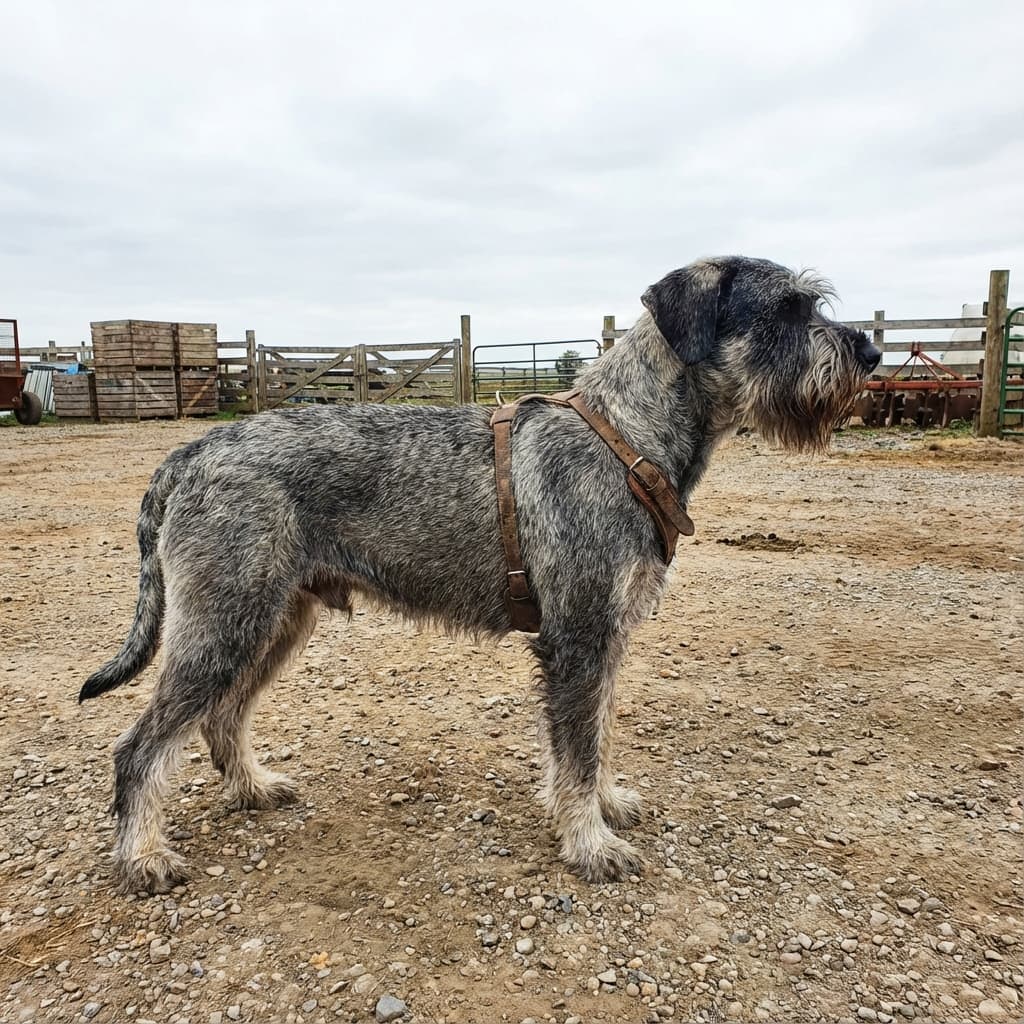
Giant Schnauzer
FCI Group
2• FCI 181
Size
Large
Origin Country
DE
Height
60-70 cm
Weight
35-47 kg
Lifespan
12-14 years
Temperament
Overview
The Giant Schnauzer, also known as Riesenschnauzer, is a breed of dog that immediately attracts attention with its impressive appearance and distinctive personality. Originating from southern Germany, this dog belongs to the group of working and companion dogs, making it an excellent choice both as a daily life companion and a service dog.
Originally bred for herding cattle in the southern German region, the Giant Schnauzer quickly gained recognition for its exceptional working abilities and particularly valuable character traits. Since 1913, the breed has been registered in the breeding book, and by 1925, the Giant Schnauzer was officially recognized as a service dog. Its unwavering loyalty to its owner and unbribability make it an ideal guard dog.
The Giant Schnauzer is distinguished by its extraordinary intelligence, trainability, and strength. Its highly developed senses, endurance, speed, and resistance to weather conditions and diseases make it a versatile dog. Its innate resilience and confidence make it a perfect companion and service dog.
One of the most fascinating traits of the Giant Schnauzer is its protective nature. It can be extremely alert and protective towards its family, especially children. Its strong need for closeness with people makes it thrive in active households where it can receive sufficient attention, mental stimulation, and physical activity.
The appearance of the Giant Schnauzer is as distinctive as its personality. With a stocky, strong build and proportional head, it attracts attention with its elegance. Prominent eyebrows and a bushy beard give it a serious, dignified expression. Its hard, wiry outer coat with a dense undercoat protects it from adverse weather conditions.
The Giant Schnauzer primarily comes in solid black and pepper-and-salt coat colors. The height at the withers for males is 65-70 cm, and for females, it is 60-65 cm, classifying it as a large breed that requires adequate living space and regular physical activity.
Although the Giant Schnauzer is intelligent and learns quickly, it requires consistent training from an early age. Its strong character and need for mental stimulation make it an excellent candidate for various sports and activities that maintain its energy and enthusiasm for action. Regular grooming is essential to keep its coat in excellent condition.
In summary, the Giant Schnauzer is a dog that combines working and companion traits, making it a wonderful companion for active and responsible individuals. Its loyalty, intelligence, and unwavering confidence make it well-suited for the role of a guard dog and a devoted family friend.
The Giant Schnauzer is a dog with a characteristic and impressive appearance that draws attention with its massive build and distinct features. It is a large, powerful dog with a rather stocky than slender build - it represents an enlarged, strong image of the standard schnauzer. Its appearance commands respect and indicates a readiness to defend.
Proportions and build:
- Square build - height at the withers almost equal to the length of the body
- The length of the head (from the tip of the nose to the occiput) corresponds to half the length of the upper line (measured from the withers to the base of the tail)
- Height at the withers: males 65-70 cm, females 60-65 cm
- Body strongly muscled, stocky, and strong
Head and expression: The head is proportional to the rest of the body, strong and long. The skull is strong, with a flat top, which emphasizes the strength and confidence of this breed. Characteristic are the strongly defined bushy eyebrows, which slightly cover the eyes, and the well-developed beard, which should not be completely soft. These features give the dog a serious, dignified expression.
Eyes and ears: The eyes are medium-sized, oval and dark, giving the dog an intelligent and lively expression. The ears are set high, hanging, in a V shape, lying close to the cheeks.
Coat and color: The coat is hard, rough, and dense, with a well-developed undercoat, providing excellent protection against adverse weather conditions. The outer coat is rough and should not be curly or wavy. The colors include:
- Solid black - with a black undercoat
- Pepper and salt - with a gray undercoat
Movement: The movement of the Giant Schnauzer is flexible, elegant, and full of grace, highlighting its strong build and excellent physical condition. It moves with natural confidence and dignity.
The Giant Schnauzer is a dog with a balanced temperament and a good-natured character, combining protective traits, confidence, and unwavering loyalty to its owner. This breed is characterized by highly developed senses, intelligence, trainability, strength, endurance, speed, and resistance to weather conditions and diseases.
Character and temperament: This breed is characterized by natural alertness and a strong guarding instinct, making it an excellent dog for protecting home and family. Its innate ability to bear burdens and confidence make the Giant Schnauzer an ideal companion and service dog. It is a calm, unprovoked dog, ready to defend, whose appearance commands respect.
Relations with family: The Giant Schnauzer is very loyal to its owners and can be extremely protective of children. It values closeness with people and enjoys spending time with family. Its liveliness and energy make it an excellent partner for play and outdoor activities.
Attitude towards strangers: The Giant Schnauzer can be wary of strangers, which is a desirable trait in a guard dog. However, with proper socialization at a young age, it can learn to accept new people in its environment while maintaining alertness.
Mental and physical needs: This breed requires regular mental and physical stimulation. The Giant Schnauzer is an intelligent dog that enjoys challenges and new tasks. It can be both energetic and calm, depending on the situation, making it a versatile companion for both active families and experienced caregivers.
Trainability: Due to its intelligence, the Giant Schnauzer is easy to train, but it requires consistency and a positive approach during training. Its willingness to cooperate and desire to please its owner make training a pleasure for both parties.
The Giant Schnauzer is a breed of dog known for its good condition, endurance, and longevity. Thanks to careful breeding selection and natural resistance to diseases, it is a relatively healthy breed. The average lifespan is from 12 to 15 years, which is a very good result for such a large breed.
Most common health issues: Like other large breeds, the Giant Schnauzer may be prone to certain health problems that are worth knowing and monitoring:
- Hip dysplasia (HD) - a common issue in large dogs that can lead to pain and mobility problems. Proper breeding selection and X-ray examinations can minimize the risk.
- Eye problems - including cataracts and progressive retinal atrophy (PRA), which may occur with age.
- Orthopedic disorders - including issues with elbows or knees, especially in very active individuals.
- Gastric torsion - a potentially fatal condition that can affect large dogs with deep chests. It is advisable to feed the dog smaller portions several times a day and avoid intense exercise immediately after meals.
Resistance to weather conditions: Giant Schnauzers are relatively resistant to weather changes due to their dense, coarse coat with a well-developed undercoat. However, on hot days, it is important to ensure access to shade and fresh water to prevent heatstroke. In colder days, the dog copes well with winter conditions, but prolonged exposure to extreme cold should be avoided.
Prevention: Regular veterinary check-ups, a proper diet, weight management, and adequate exercise are key to keeping the Giant Schnauzer in excellent condition for many years. It is particularly important to avoid obesity, which can strain the joints and heart.
Grooming a giant schnauzer requires regularity and commitment to keep its characteristic, coarse coat in excellent condition. Proper grooming not only improves the dog's appearance but also affects its health and comfort.
Brushing: The hair of this breed is hard and coarse, which means they do not shed in large amounts; however, regular brushing is essential to remove dead hair and prevent matting. It is recommended to brush at least 2-3 times a week, using a brush with stiff bristles or a metal comb. During periods of heavier shedding, brushing should be even more frequent.
Trimming and clipping: The giant schnauzer requires professional grooming or trimming, which should take place every 6-8 weeks. Trimming (pulling out dead hair) is the preferred grooming method for show dogs, as it preserves the natural structure and color of the coat. Clipping with clippers is an easier alternative for companion dogs, although it may soften the hair's texture somewhat.
Beard and eyebrow grooming: The characteristic beard and bushy eyebrows require special attention. The beard should be regularly washed and combed, as food remnants and saliva accumulate in it. The eyebrows should be trimmed so that they do not completely cover the eyes but retain the breed's characteristic expression.
Bathing: The giant schnauzer should be bathed every 4-6 weeks or as needed, using a shampoo suitable for coarse coats. Bathing too frequently can weaken the natural structure of the hair.
Additional grooming:
- Ears - regular checking and cleaning to prevent infections
- Eyes - daily wiping around the eyes with a damp gauze
- Teeth - regular brushing (3-4 times a week) to prevent tartar buildup
- Nails - trimming every 3-4 weeks if they do not wear down naturally
The Giant Schnauzer is a breed of dog that has high physical and mental activity needs. As a working dog bred for herding cattle and protection, it requires an appropriate amount of exercise and tasks that utilize its natural abilities and energy.
Minimum requirements: To provide this energetic dog with the right amount of exercise, it is recommended to have at least 90-120 minutes of activity daily, divided into several sessions. These should include:
- Two or three walks a day - each lasting 30-45 minutes, preferably in varied terrain
- Intensive exercises - running, fetch games, swimming, or other activities that allow the dog to fully utilize its energy
- Mental stimulation - scent games, obedience training, learning new tricks
Recommended activities: The Giant Schnauzer excels in various sports disciplines:
- Agility - a great way to combine physical and mental activity
- Sport obedience - utilizes the breed's intelligence and trainability
- Tracking - scent work that engages the natural sense of smell
- Flyball - a dynamic game for energetic dogs
- Bikejoring or canicross - running with the dog for very active owners
Consequences of insufficient exercise: Without the appropriate amount of physical activity, the Giant Schnauzer can become hyperactive, destructive, and difficult to manage. It may develop undesirable behaviors such as:
- Excessive barking
- Destruction of household items
- Digging in the garden
- Hyperactivity and difficulty concentrating
Diversity and engagement: It is worth introducing various forms of activity into the dog's life to avoid boredom and monotony. The Giant Schnauzer is an intelligent dog that values challenges and spending time with its owner. Interactive games, training, and sports activities not only meet its physical needs but also strengthen the bond with the owner.
Training a giant schnauzer can be both a pleasure and a challenge due to its strong personality, intelligence, and natural confidence. This breed is relatively easy to train for an experienced owner, but it requires consistency, patience, and the right approach.
Starting training early: It is crucial to begin training from a puppy age. Young dogs more easily absorb new commands and rules, and early socialization is essential for proper character development. A giant schnauzer puppy should:
- Be exposed to various environments, people, and other animals
- Learn basic obedience (Sit, Lie Down, Stay, Come)
- Get accustomed to different sound and visual stimuli
- Understand the boundaries and rules in the home
Training methods: The giant schnauzer responds best to positive reinforcement. Recommended methods include:
- Treat rewards - motivating treats for correctly following commands
- Verbal praise - enthusiastic acknowledgment to reinforce desired behaviors
- Play - using a favorite toy as a reward
- Short, intense training sessions - 10-15 minutes several times a day to maintain interest
Important rules: When training a giant schnauzer, it is important to remember:
- Consistency - the same rules must apply at all times, by all family members
- Patience - even intelligent dogs need time to learn new skills
- Firmness - without aggression, but with a clear indication of who is the leader
- Avoiding monotony - variety in exercises keeps the dog engaged
Advanced training: Due to its intelligence and working abilities, the giant schnauzer can learn various advanced skills:
- Sport obedience - precise execution of commands
- Agility - navigating an obstacle course
- Tracking - scent work
- Protection training - for service dogs (only under the supervision of a professional)
- Tricks - from simple to very complex
Challenges in training: The giant schnauzer may sometimes exhibit stubbornness and independence. It does not respond to harsh methods or coercion. Building a relationship based on mutual respect and trust is key to success in training this breed. The dog must see the purpose in following commands and feel like part of a team with its owner.
The diet of the Giant Schnauzer should be balanced, high-quality, and tailored to its individual needs, depending on age, activity level, health status, and physical condition. Proper nutrition is crucial for maintaining health, excellent condition, and a long life.
Basic nutritional requirements: As a large working dog, the Giant Schnauzer needs a diet rich in high-quality protein that supports muscle development and maintenance and provides energy for daily activities. Key ingredients include:
- Protein - 22-26% for adult dogs, 25-30% for puppies, preferably from animal sources (poultry, beef, fish)
- Fats - 12-16% to provide energy and support skin and coat health
- Carbohydrates - from easily digestible sources (rice, oats, sweet potatoes)
- Fiber - for proper digestion
- Vitamins and minerals - for overall health and immunity
Type of food: Good quality dry or wet food, tailored to the needs of large breeds, should be the basis of the diet. It is worth choosing foods that are:
- Designed for large breeds (large breed)
- Suitable for age (puppies, adults, seniors)
- Matched to activity level (active, moderate, low activity)
- With limited grain content if the dog shows food sensitivity
Dietary supplements: It is worth enriching the diet with:
- Fresh vegetables - carrots, broccoli, pumpkin, spinach (cooked or raw, without spices)
- Fruits - apples, blueberries, bananas (in small amounts as treats)
- Healthy additions - small amounts of natural yogurt, hard-boiled eggs
- Supplements - glucosamine and chondroitin for joint support (after consulting a veterinarian)
Prohibited products: Foods harmful to dogs should be strictly avoided:
- Chocolate and cocoa
- Onion, garlic, leek
- Grapes and raisins
- Avocado
- Xylitol (artificial sweetener)
- Poultry bones (can cause choking)
- Fatty, seasoned dishes
Feeding frequency:
- Puppies (2-6 months) - 3-4 meals a day
- Young dogs (6-12 months) - 2-3 meals a day
- Adult dogs - 2 meals a day (morning and evening)
Feeding twice a day instead of one large meal reduces the risk of gastric torsion, which is a serious threat to large dogs.
Water: Ensuring constant access to fresh, clean water is as important as the diet itself, especially on hot days or after intense exercise.
Weight control: Owners should regularly monitor their dog's weight and adjust food portions according to the level of physical activity. Overweight is a serious health issue that burdens the joints, heart, and can shorten the dog's life. Ideally, the dog's ribs should be felt under a slight layer of fat, and the waist should be visible from above.
Characteristic Traits
Pros
- Extremely loyal and devoted to the guardian
- Intelligent and easy to train
- Excellent watchdog and protective dog
- Weather-resistant
- Versatile - working dog and companion.
Cons
- Requires consistent training from puppyhood
- Needs a lot of physical and mental activity
- Requires regular coat maintenance (grooming)
- May be wary of strangers
- Not suitable for novice owners.
Behavioral Ratings
Breed History
The Giant Schnauzer has a long and fascinating history, dating back to the late 19th and early 20th centuries. This breed originates from southern Germany, where it was originally used as a herding dog and for the protection of farms and agricultural properties.
Origins of the breed: The ancestors of the Giant Schnauzer were working dogs that fulfilled many functions - from herding and guarding livestock, to guarding properties, and even pest control. These versatile dogs had to be strong, durable, weather-resistant, and intelligent. As breeding developed, special attention was paid to their protective abilities and reliable character.
Development of breeding and recognition: At the turn of the 19th and 20th centuries, a group of determined breeders noticed that the Giant Schnauzer possessed outstanding working abilities and particularly valuable character traits. In 1913, the breed was first entered into the breeding registry, which marked its official recognition as a distinct breed. By 1925, the Giant Schnauzer was officially recognized as a service dog, confirming its exceptional predispositions for work.
The Giant Schnauzer in service: In the following decades, the breed gained popularity as a service and protection dog. Its intelligence, strength, endurance, and unbribable loyalty made it valuable for:
- Police
- Military (especially during both World Wars)
- Property protection services
- Border patrol
Giant Schnauzers excelled in difficult conditions, demonstrating stress resilience and quick learning ability.
Modern breed: After the wars, the Giant Schnauzer began to gain popularity as a companion and family dog, although it never lost its working roots. Through careful breeding selection, both excellent working traits and a friendly character have been preserved, making it a wonderful family member.
Today, the Giant Schnauzer is valued worldwide as:
- Service dog - in police and protection services
- Sporting dog - achieving success in agility, obedience, tracking
- Companion dog - for active families and experienced guardians
- Show dog - showcasing a distinctive appearance and dignified posture
The breed has retained its natural working traits - intelligence, trainability, strength, and resilience - making it one of the most versatile large dog breeds. The Giant Schnauzer is a living example of successful breeding selection that combined functional traits with the excellent character of a companion.