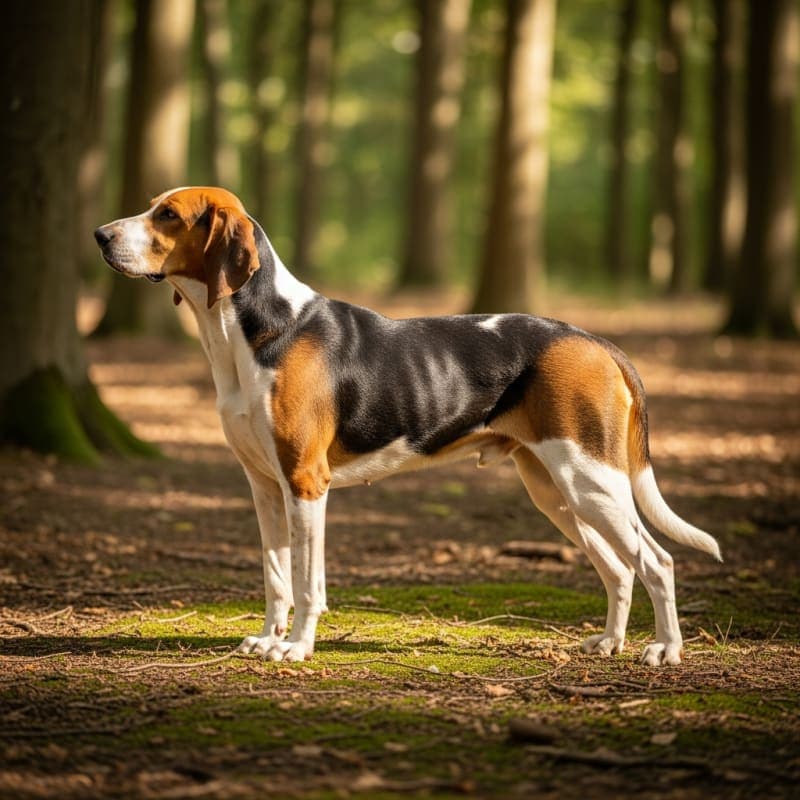
Large Anglo-French Tricolor Hound
FCI Group
6• FCI 322
Size
Large
Origin Country
FR
Height
60-70 cm
Weight
28-30 kg
Lifespan
9-11 years
Temperament
Overview
Large Anglo-French Tricolor Hound is a unique breed of hounds that fascinates with its history and extraordinary hunting abilities. Originating from France, it was developed in the 19th century as a result of crossing local hunting dogs with British foxhounds. This combination resulted in a dog with unmatched tracking skills, which excels in hunting large game, especially deer.
Large Anglo-French Tricolor Hound is one of the three main types of this breed, alongside the white-orange and white-black varieties. These dogs are specifically designed for pack hunting, making them extremely resilient and cooperative in groups. Their strong hunting instinct makes them less suitable for urban living – they need space, regular outdoor activity, and an owner who understands their natural needs.
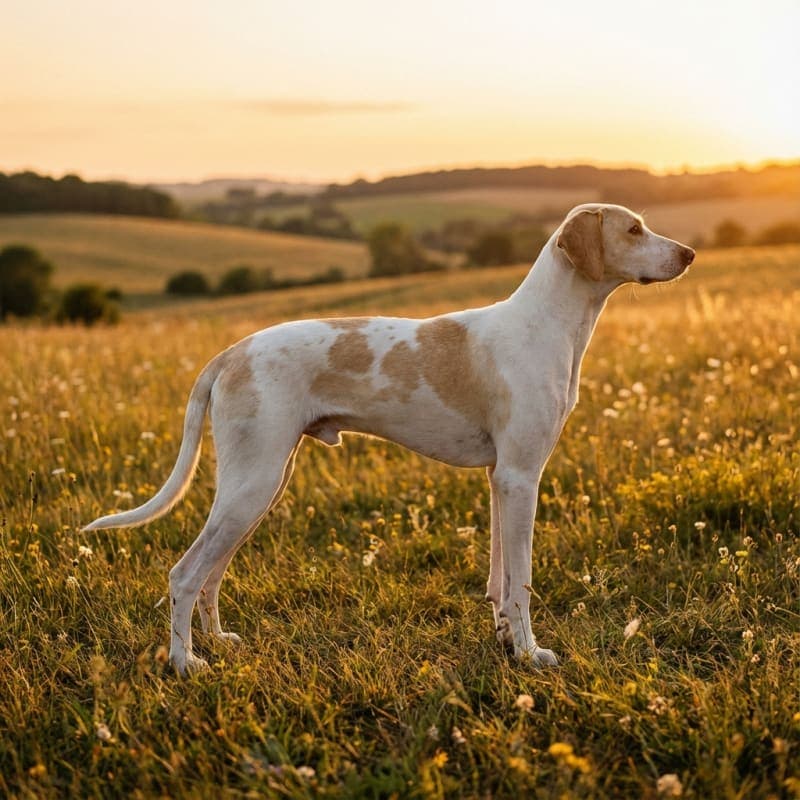
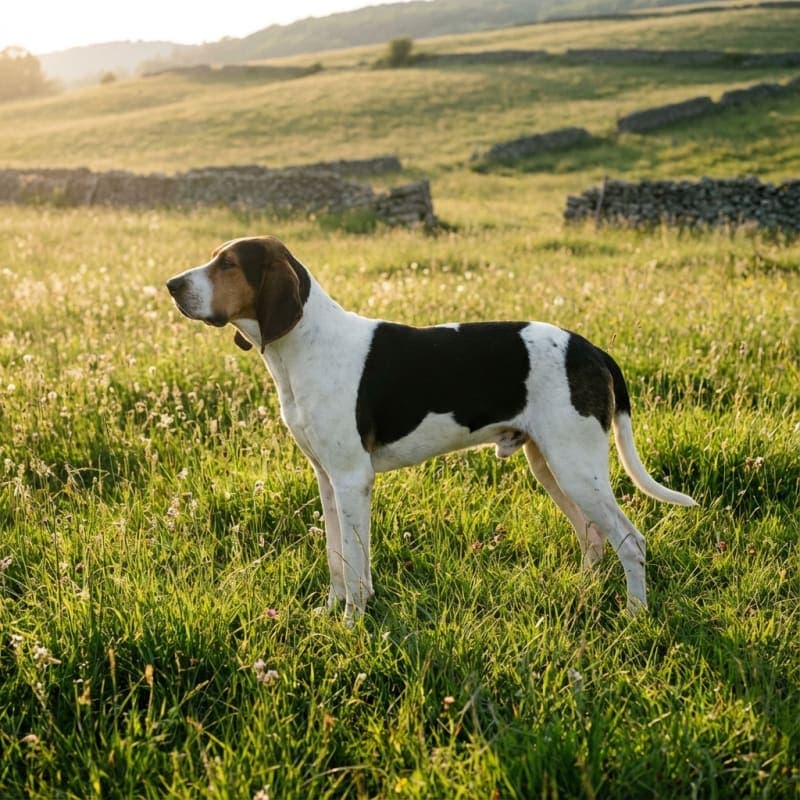
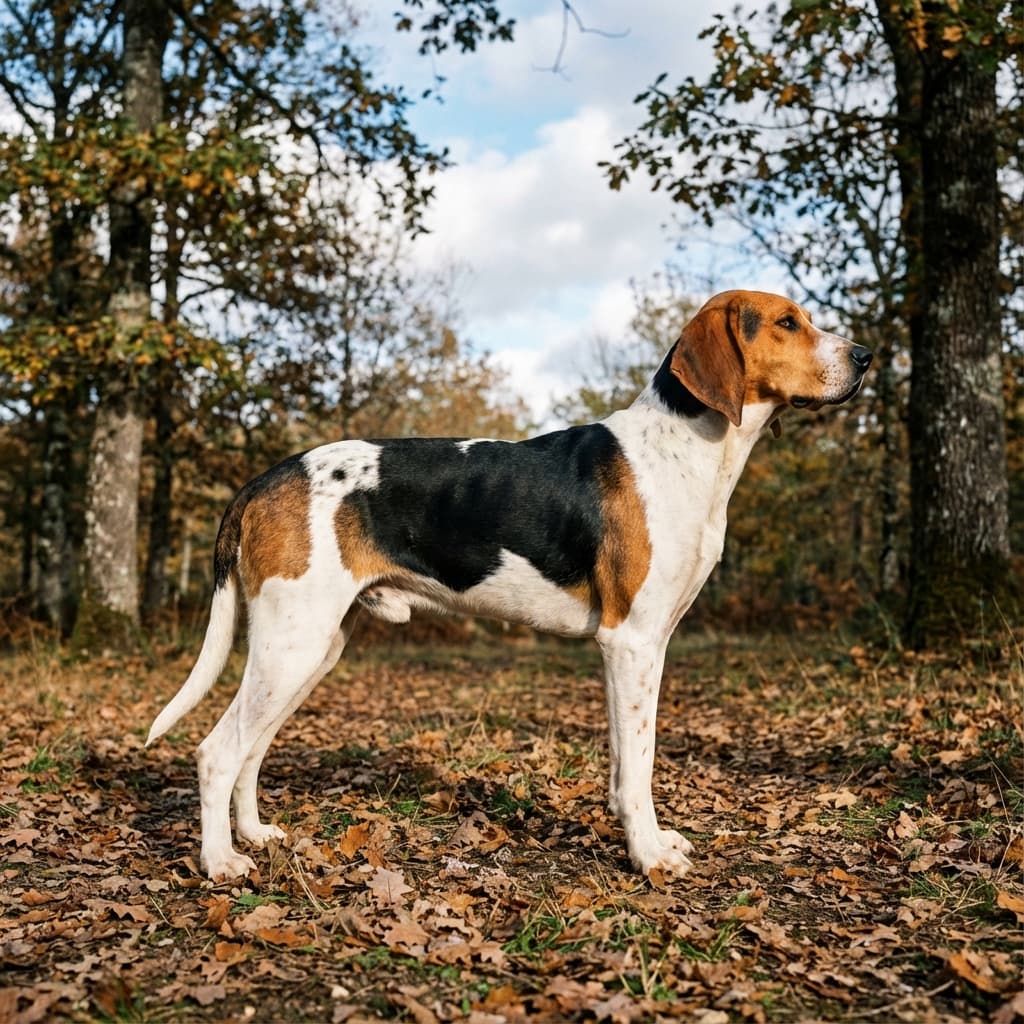
Appearance is a true hallmark of this breed. Their massive, athletic build combines elegance and distinction. The characteristic tricolor coat in white, black, and fawn gives them a striking appearance. The short, smooth coat requires minimal grooming, and their expressive brown eyes framed by black markings add charm and an intelligent expression.
Height at the withers ranges from 60 to 70 cm, and weight from 28 to 30 kg. Medium-length ears and a long, beautifully carried tail complete their harmonious silhouette. Although these dogs are eager to learn, their independent nature and a certain degree of stubbornness can pose a challenge for inexperienced owners. They are not recommended as first dogs, as they require consistent training and a significant amount of physical activity.
In the right conditions – in rural areas, in homes with large gardens, or in families of active hunters – Large Anglo-French Tricolor Hound can be a wonderful, loyal companion. In the following sections, you will learn more about their health, grooming, nutritional needs, and fascinating history. We encourage you to delve into the knowledge of this rare and extraordinary breed to fully understand what makes these dogs so special.
Large Anglo-French Tricolor Hound is a dog with an impressive, strong build that exudes strength and elegance. The height at the withers ranges from 60 to 70 cm, and the weight of an adult individual falls within the range of 28-30 kg. It is a typical representative of large hounds, with distinctly marked hunting traits.
The head is moderately wide, with a slightly flat skull and barely noticeable occipital bump. The brow ridges are gently protruding, giving the dog a vigilant, intelligent expression. The stop (the transition from the forehead to the muzzle) is well defined. The muzzle, of medium length, roughly equal to the length of the skull, is usually straight and well-shaped under the eyes, indicating noble descent.
The eyes are large, brown, and surrounded by a black rim, which adds clarity and depth to the gaze. The ears are of medium length, wide at the base, and set at the level of the eyes. They are flat, with slightly curled tips. The lips are well-developed, with a certain squareness, and are never pointed.
The neck is quite long and strong, without a pronounced throat, which emphasizes the dog's athletic silhouette. The body is well-built, with a straight and muscular back. The loins are wide, muscular, and fairly short. The chest is deep and quite wide, with long, rounded ribs – never flat – providing sufficient capacity for the heart and lungs during long hunts.
The tail is long, elegantly carried, and abundantly coated with hair. It forms a natural continuation of the line of the back and is a characteristic element of the silhouette. The front limbs are strong and parallel, indicating excellent physical condition. The paws are compact and strong.
The coat is short, dense, and smooth, which facilitates grooming and allows the dog to work in various terrain conditions. The tricolor coat – with dominant white, deep black, and tan shades ranging from intense fawn to copper – gives the breed a unique, recognizable appearance. This coloration is not only beautiful but also functional, making it easier to spot the dog during hunts.
This breed exudes strength, endurance, and noble elegance, making it a unique representative of hounds with French-British lineage.
Large Anglo-French Tricolor Hound is a dog with a character deeply shaped by centuries of selection for hunting work. Its behavior reflects hound genes and a strong pack instinct. This breed is characterized by a very high hunting instinct, which means that the dog is constantly focused on scents, sounds, and movements in the environment – every trail can completely absorb it.
These dogs are moderately friendly towards people, but may show some reserve towards strangers. Their loyalty and attachment to the family are strong, especially when properly socialized from puppyhood. They do very well in the company of other dogs they grow up with – after all, they are dogs bred to work in packs. This trait makes them excellent candidates for multi-dog households, as long as all residents respect their needs.
Large Anglo-French Hound is an active and energetic dog that requires plenty of space to run, sniff, and explore. Their independent nature can lead to escapes, especially when they catch an interesting scent. Therefore, secure fencing and consistent training are essential. Owners must be prepared for the dog to regularly follow its nose, which can complicate off-leash walks.
This breed is moderately easy to train, but their stubbornness and tendency to get distracted can pose a challenge for less experienced owners. They require patience, consistency, and positive training methods. It is worth noting their tendency to bark loudly and resonantly – this trait was deliberately developed so that hunters could track the dogs during hunts. In urban settings, this can be problematic, especially when the dog is left alone for extended periods.
Large Anglo-French Hound is gentle and patient with children, making it a good companion for families. However, due to their large size and playfulness, caution should be exercised when interacting with small children to avoid accidental injuries. They are best suited for families with slightly older children who can respect the dog's boundaries.
Owners should be prepared to dedicate a significant amount of time to physical activity, obedience training, and mental stimulation. Without proper engagement, the dog may exhibit undesirable behaviors – such as destruction, excessive barking, or attempts to escape. In the right conditions, with an engaged owner, the Large Tricolor Anglo-French Hound can be a loyal, joyful, and fulfilling companion.
Large Anglo-French Tricolor Hound is generally considered a healthy and resilient breed, with an average lifespan of 9 to 11 years. Thanks to years of selection for physical endurance and stamina, these dogs exhibit good health condition. However, like many large breeds, they can be prone to certain health issues that owners should be aware of.
The most common ailments include hip and elbow dysplasia, which can lead to pain, stiffness, and difficulty moving. Owners should ensure the dog maintains an appropriate body weight and avoid excessive strain on the joints at a young age. Orthopedic and radiological examinations can help in the early detection of dysplasia and the implementation of appropriate treatment.
This breed is also susceptible to ear infections, which is a common problem in dogs with long, drooping ears. Moisture and heat can promote the growth of bacteria and yeast. Regularly checking the ears and keeping them clean and dry is crucial for preventing infections. After walks in the field, it is advisable to check the ears for ticks, grass seeds, and other foreign bodies.
Another serious issue is gastric torsion (GDV), a life-threatening condition that requires immediate veterinary intervention. Owners should be aware of symptoms such as excessive drooling, vomiting on an empty stomach, restless behavior, a bloated abdomen, and attempts to vomit without success. To minimize the risk, it is recommended to feed smaller meals several times a day instead of one large meal and to avoid intense exercise immediately after feeding.
Large Anglo-French Tricolor Hound tolerates high temperatures well, but owners should avoid excessive exertion on hot days and ensure access to shade and fresh water. This breed tolerates cold well, but dogs should not be kept outside in extreme weather conditions – their short coat does not provide sufficient thermal insulation.
It is important to monitor the dog's weight, as Large Hounds tend to gain weight if not adequately exercised. Obesity increases the risk of joint, heart, and diabetes problems. Regular veterinary visits, a balanced diet, and an appropriate amount of exercise are key to maintaining health and good condition for many years.
Grooming the Large Anglo-French Tricolor Hound is relatively simple, which is a significant advantage considering their active lifestyle. Their coat is short, dense, and smooth, which means it does not require specialized grooming or regular visits to a groomer.
Brushing at least once a week is sufficient to remove dead hair, maintain the natural shine of the coat, and minimize the amount of fur in the home. During the shedding season – in spring and autumn – it is advisable to increase the brushing frequency to 2-3 times a week to help the dog shed old fur and keep the skin in good condition. A rubber brush or shedding glove is a good solution that effectively removes loose hairs.
Bathing should be done as needed – usually a few times a year or when the dog is particularly dirty after hunting or outdoor walks. Over-bathing can strip the coat of its natural protective oils. It is worth using gentle shampoos designed for dogs with short coats.
Particular attention should be paid to the ears. Due to their long, drooping ears, the Large Anglo-French Hound is prone to infections. Regularly checking the ears – especially after long walks in the field – is essential to ensure there are no contaminants, excess wax, or ticks. The ears should be gently cleaned with special solutions designed for dogs, avoiding inserting cotton swabs deeply into the ear canal.
Nails should be trimmed as needed – usually every 3-4 weeks, depending on the dog's activity level. Overgrown nails can cause discomfort, walking problems, and joint damage. If you hear the characteristic clicking of nails on the floor, it's a sign that they need to be trimmed. It is advisable to gradually accustom the dog to this procedure from puppyhood.
Dental care is equally important. Regular tooth brushing – at least 2-3 times a week – will help prevent gum disease, tartar buildup, and bad breath. You can also use special dental chews and dry food that supports oral health.
Thanks to their low grooming requirements, owners can spend more time on physical activity and training, which is crucial for the well-being of this energetic breed.
Large Anglo-French Tricolor Hound is a breed with a very high energy level that requires a significant amount of exercise every day. These dogs were bred for long hours of hunting in difficult terrain, which is why their need for movement is enormous. Ideally, they should have at least 2 hours of intense activity daily to meet their physical and mental needs.
They thrive best in open spaces where they can run freely, track, and explore. Long walks on forest trails, running alongside a bicycle, hiking, or playing in large, fenced areas will be ideal for these dogs. They also love tasks that engage their sense of smell, such as tracking scents or searching for hidden objects.
Due to their strong hunting instinct, they should not be let loose outside of a safe, fenced area. They can easily run off after game, losing sight of their surroundings and owner. Even the best-trained dog may succumb to the temptation to chase wildlife. A secure fence and a long training leash are essential during walks.
Diversity of exercises is key. In addition to jogging and hiking, it's worth introducing interactive games that stimulate the dog's mind – such as obedience training, learning tricks, or scent games. The Large Anglo-French Hound loves intellectual challenges that allow it to utilize its natural skills.
Lack of proper activity can lead to serious behavioral problems, such as excessive barking, destroying furniture and objects, digging holes in the garden, escaping, as well as frustration and aggression. A dog that does not have the opportunity to release energy will be unhappy and difficult to live with on a daily basis.
For active owners who enjoy spending time outdoors, the Large Anglo-French Tricolor Hound can be a wonderful adventure companion. However, those leading a sedentary lifestyle or living in small apartments without access to open spaces should consider another breed. This breed is not suited for city living – it needs freedom, space, and regular, intense activity to be healthy and happy.
The training of the Large Anglo-French Tricolor Hound can be both satisfying and demanding of patience. These dogs are intelligent and eager to learn, but they can also be stubborn and easily distracted, especially when they catch interesting scents. Their independent nature, stemming from generations of hunting work, means they are not always as obedient as herding or companion dogs.
Positive training methods – based on rewards, praise, and play – are the most effective. Punishments, harsh treatment, or excessive strictness can lead to a loss of trust and resistance to cooperation. The Large Hound responds best to an owner who is consistent, calm, and fair.
Early socialization is a key element of upbringing. Puppies should be exposed as often as possible to a variety of situations, people, sounds, animals, and environments. This will help them get used to their surroundings and develop healthy self-confidence. A lack of socialization can lead to shyness, fear, or aggression towards unfamiliar stimuli.
Basic commands – such as Come, Sit, Stay, Here, and Leave it – are essential for the dog's safety during walks and daily life. Due to their strong hunting instinct, teaching a reliable recall is particularly important, although it can be challenging to achieve. It's worth starting recall training in a controlled, safe environment and gradually increasing the level of distractions.
Owners should be patient and consistent in their training approach. The Large Anglo-French Hound may sometimes show signs of rebellion or ignore commands, especially when it believes that following a scent is more important. Regular, short training sessions – 10-15 minutes several times a day – are more effective than long, exhausting sessions.
Diversity of training locations will help reinforce the dog's skills. Obedience exercises in the park, forest, city, or backyard will teach the dog to listen in different contexts and with various stimuli. It is also worth considering training in dog sports, such as tracking, mantrailing, or rally obedience, which allow the breed's natural talents to shine.
Mental stimulation is just as important as physical activity. Dogs that have mental tasks – learning tricks, solving scent puzzles, or working on new commands – are more balanced, happy, and easier to live with on a daily basis.
This is not a breed for novice owners. The Large Tricolor Anglo-French Hound is best suited in the hands of an experienced guardian who understands the specifics of hound dogs and can combine consistency with empathy. With the right approach, these dogs can become well-mannered, obedient companions – although their primal, hunting spirit will always remain.
The diet of the Large Anglo-French Tricolor Hound should be well-balanced and tailored to their active lifestyle. Due to their large body structure and high energy demands, it is essential to provide an adequate amount of protein, fats, and carbohydrates. Proper nutrition is crucial for joint health, muscle condition, and the overall vitality of the dog.
High-quality food for large breed dogs is the best choice. It should contain natural ingredients such as meat (chicken, beef, lamb, turkey), fish (salmon, herring), and vegetables and fruits that provide fiber, vitamins, and minerals. It is advisable to choose foods with a high content of animal protein – about 25-30% – which supports the maintenance of muscle mass and recovery after intense exercise.
Due to their large size and physical activity, an adult dog should receive between 1200 and 1800 calories per day, depending on their activity level, age, and metabolism. Working hunting dogs will require more calories than moderately active household dogs.
Feeding frequency is important to prevent gastric torsion. It is recommended to provide two or three smaller meals a day instead of one large one. It is also important to avoid intense exercise immediately before and after feeding – it is best to wait about an hour.
Owners should avoid feeding their dog table scraps, as some foods, such as chocolate, onions, garlic, grapes, avocados, or poultry bones, are harmful or even toxic to dogs. Additionally, eating from the table can lead to unhealthy begging habits and increase the risk of obesity.
Fresh water should be available throughout the day, especially after intense physical activity. Proper hydration is crucial for the proper functioning of the kidneys, digestive tract, and thermoregulation of the body.
Regular weight monitoring of the dog is essential. The Large Anglo-French Hound tends to gain weight if not adequately exercised. Obesity increases the burden on joints, heart, and internal organs, which can shorten the dog's lifespan and quality of life. Adjusting the diet according to activity, age, and health condition is key to maintaining a healthy body weight.
For Large Hound puppies, it is particularly important to provide puppy food for large breeds, which supports the proper development of bones and joints and prevents too rapid growth that can lead to orthopedic problems. Transitioning to adult food should occur around 12-18 months of age.
It is also worth considering supplements, such as glucosamine and chondroitin to support joint health, omega-3 fatty acids for skin and coat health, and probiotics for proper digestion. Always consult a veterinarian before introducing any supplements into the dog's diet.
Characteristic Traits
Pros
- A great hunter with an exceptional sense of smell
- Strong and durable build
- Friendly and loyal to the family
- Distinctive and elegant appearance.
Cons
- Requires a lot of space and area to run
- Intense need for physical activity
- Unsuitable for inexperienced owners
- Strong hunting instinct making off-leash walks difficult.
Behavioral Ratings
Breed History
Large Anglo-French Tricolor Hound has its roots in the 19th century when French hunters, wishing to improve their local breeds of hounds, decided to cross them with British foxhounds. The goal was to create a dog with exceptional hunting abilities, combining the elegance and endurance of French hunting dogs with the strength, speed, and determination of English hounds.
As a result of these crosses, a new line of hunting dogs emerged that excelled in hunting large game, especially deer and roe deer. This breed quickly gained recognition among hunters due to its endurance, loud, carrying voice, and ability to work in packs. These dogs could track a scent for hours, working in organized groups under the supervision of hunters.
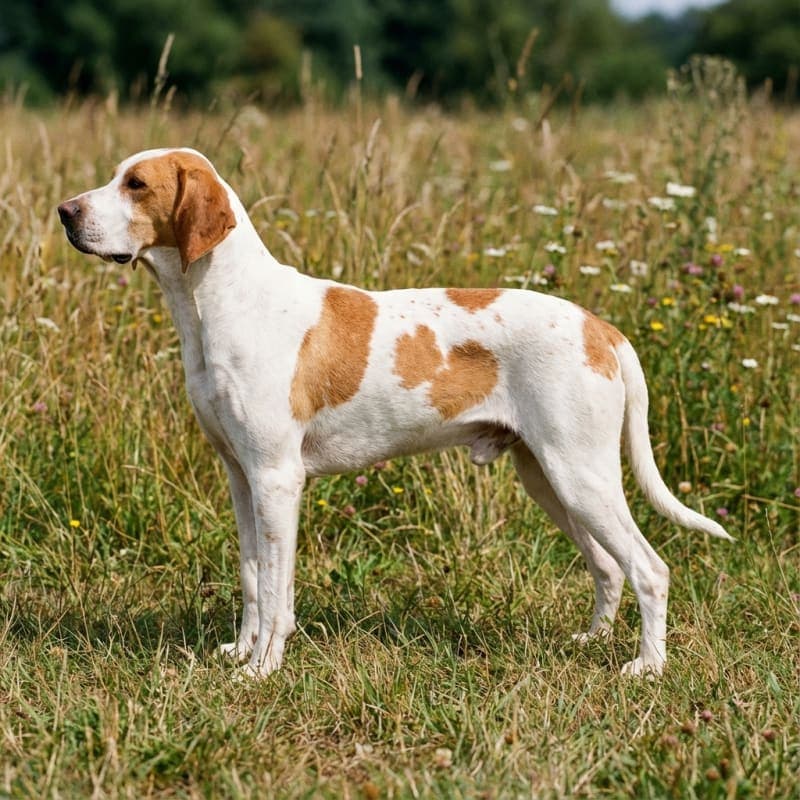
Large Anglo-French Tricolor Hound is one of the three main types of Anglo-French Hound, alongside the white-orange variety (Grand Anglo-Français Blanc et Orange) and the white-black variety (Grand Anglo-Français Blanc et Noir). Each of these varieties differs mainly in coat color, but they share hunting abilities and character.
The breed was officially recognized by the FCI (Fédération Cynologique Internationale) in 1983, and a detailed standard was published in 1996. Since then, the Large Anglo-French Hound has remained a typically hunting breed, rarely seen outside the circles of professional hunters and enthusiasts of pack hunting.
Although the breed has gained some popularity among hunters in France, it still remains relatively rare outside its native country. It is not commonly recognized as a household or companion dog due to its specific needs – a high demand for activity, a strong hunting instinct, and predispositions for working in packs.
Today, the Large Anglo-French Tricolor Hound is still used in traditional pack hunting, especially in France. Its unique traits – reliability in tracking, endurance, loud voice, and teamwork – make it a valued partner for hunters pursuing large game.
Although the breed is not common as a family dog, under the right conditions – with an active, experienced owner and access to space – it can be a wonderful, loyal companion. Its fascinating history and unique characteristics ensure it remains valued among hound enthusiasts and traditional hunting lovers.