Havanese
FCI Group
9• FCI 250
Size
Small
Origin Country
XX
Height
12-18 cm
Weight
4-6 kg
Lifespan
13-15 years
Temperament
Overview
The Havanese, also known as Bichon havanais, is a fascinating companion dog breed with a rich history dating back to colonial times. Havanese originated from the western regions of the Mediterranean, from where Italian sailors brought them to Cuba, where they quickly gained popularity among the local aristocracy. Today, these charming dogs enjoy immense popularity worldwide, delighting owners with their lively temperament and extraordinary charisma.
This breed is characterized by a harmonious body structure and compact silhouette, which, despite its small size, radiates energy and vitality. One of the most distinctive features of Havanese is their long, abundant coat with a silky texture, preferred in a wavy form. This wonderful fur requires regular and careful grooming – daily brushing is essential to prevent matting and maintain the natural shine and softness of the hair.
The Havanese is an exceptionally intelligent and trainable dog, making it an ideal companion for both families with children and older individuals seeking a devoted friend. Its boundless loyalty and strong attachment to its owner make it a perfect fit for family life, and it gets along well with children and other pets. However, it is important to remember that Havanese are typical companion dogs that do not cope well with prolonged solitude and need constant human closeness or the company of other dogs to feel happy and fulfilled. Despite their small size, they exhibit moderate activity – regular walks and daily play are necessary to maintain good physical condition and mental balance.
The health of Havanese is a matter that requires special attention from owners who wish to ensure their pets live long and vigorous lives. Although they are generally healthy dogs with great vitality, they can be prone to certain breed-specific conditions, such as hip dysplasia, progressive retinal atrophy, or liver diseases. Proper, balanced nutrition tailored to the dog's age and activity level, along with regular veterinary check-ups, help effectively prevent many health issues and quickly respond to any concerning symptoms.
In summary, Havanese are dogs full of life, joy, and boundless love for their owners, to whom they repay with absolute loyalty and attachment. Their rich, sometimes tumultuous history, along with their unique character traits and beauty, make them not only wonderful companions for everyday life but also a fascinating topic for dog enthusiasts. Discover all aspects of this extraordinary breed in our detailed, comprehensive guide.
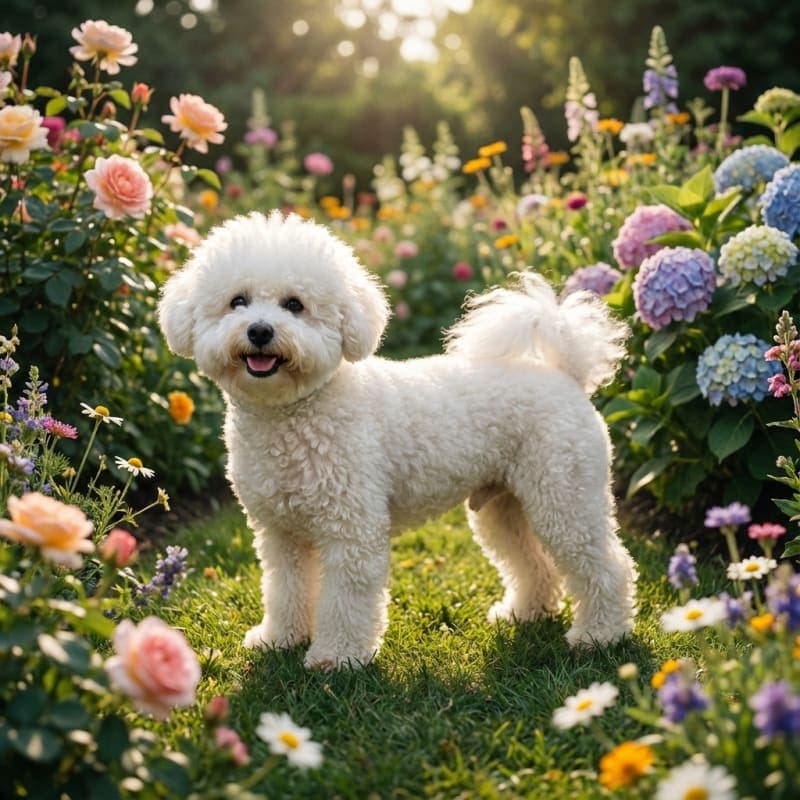
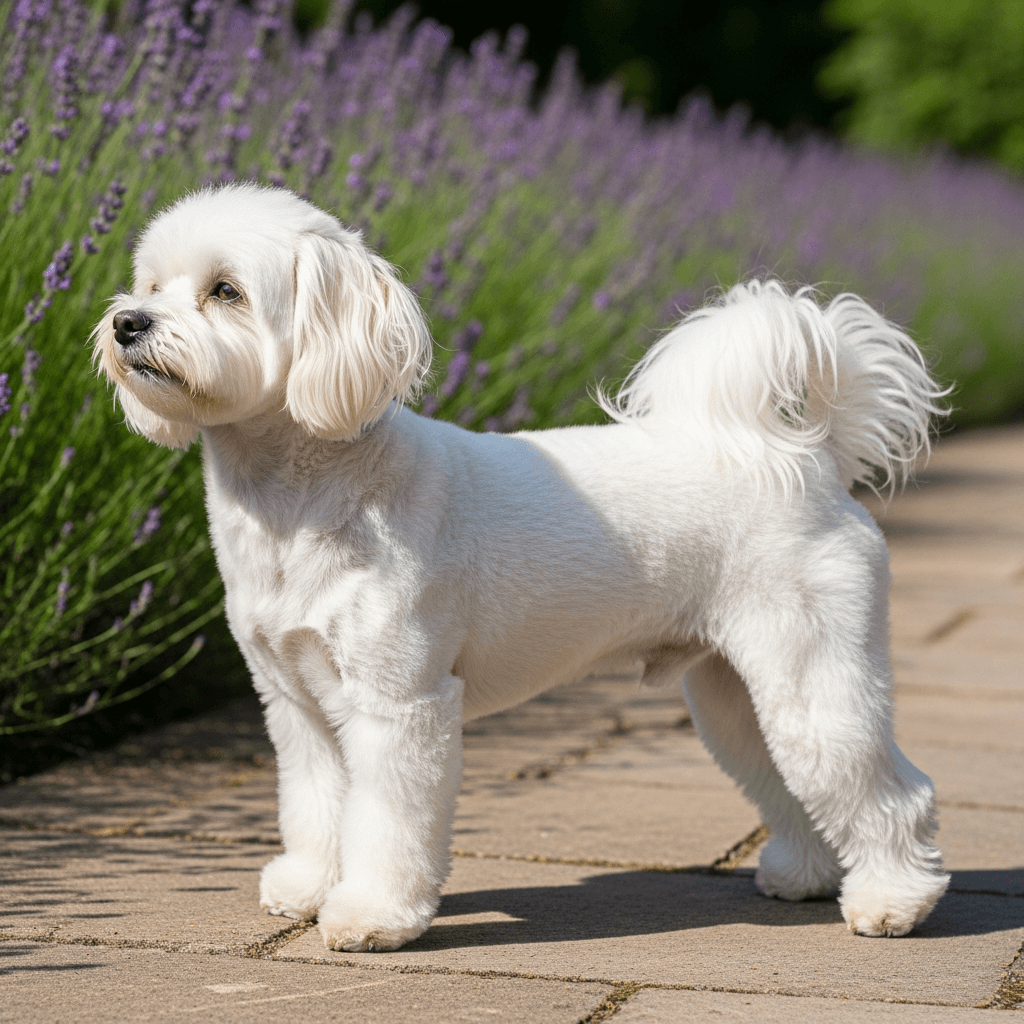
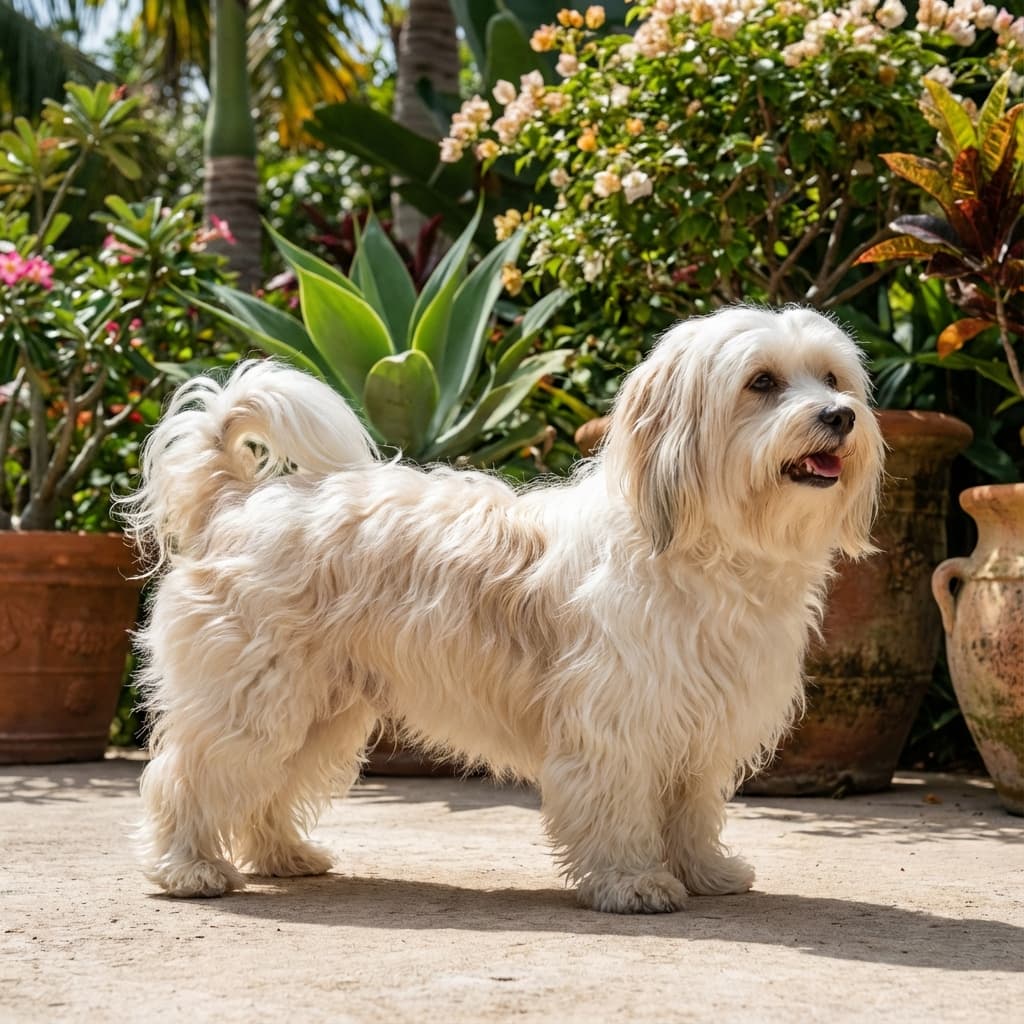
The Havanese is a small but sturdy dog with an elegant and harmonious silhouette that exudes strength despite its modest size. The height at the withers is only between 12 and 18 cm (according to the FCI standard from 2016), making it one of the smaller representatives of companion breeds. The body length slightly exceeds the height, giving it a characteristic low profile. The head is of medium length with a flat or very gently rounded skull. The Havanese's eyes are quite large, almond-shaped, and dark in color – they give the dog an extraordinarily gentle, warm, and intelligent expression. The ears are set relatively high, drooping, and completely covered with long, silky hair that creates impressive fringes accentuating its charming appearance.
The body of the Havanese is compact and strong, with well-arched ribs and a straight or slightly sloping back line. The torso is somewhat elongated, which emphasizes the breed's distinctive appearance. The tail is carried high, often in the form of a loose ring or spiral on the back or side, covered with abundant, long, and silky hair that forms a striking plume. The Havanese's coat is its greatest adornment – it is long, abundant, soft, and preferred in a wavy form, although it can also be straight. All colors and color combinations are acceptable: black, havana (chocolate in various shades, from coffee to deep brown), tobacco, reddish, golden, fawn, cream, white, and any patches and combinations of these colors. This color diversity makes every Havanese unique and one-of-a-kind. Havanese dogs practically do not shed, making them particularly suitable for people with mild allergies to dog hair.
Havanese are dogs with an exceptionally friendly, cheerful, and sociable temperament, who love to be the center of attention and actively participate in family life. They are extremely attached to their owners and seek constant contact and closeness with people. Their lively temperament makes them excellent playmates for children, with whom they can spend many hours in active play, while maintaining patience and gentleness. Havanese are also very intelligent and eager to cooperate, making them easy to train and ideal dogs for those who are just starting their journey with pet ownership.
Despite their small size, Havanese are surprisingly energetic and full of vigor, and in moments of excitement, they can be quite noisy and enthusiastic in expressing their emotions. When interacting with strangers, they may initially show some reserve or shyness, but they rarely display aggression or excessive distrust – after a moment of acclimatization, they become friendly and open. Havanese have a moderate need for physical activity, which allows them to feel comfortable both in city apartments and in homes with gardens, provided they are given regular walks and playtime.
Their behavior is usually stable and balanced, but it is important to remember that they are typical companion dogs that do not tolerate prolonged solitude and separation from their owner very well. Leaving them alone for many hours can lead to the development of behavioral problems, such as excessive barking, destructive behaviors (chewing furniture, destroying objects), or separation anxiety. Proper early socialization from puppyhood, systematic obedience training, and regular interactions with various people, animals, and situations are crucial for shaping a balanced personality and ensuring the dog’s healthy emotional development and well-being throughout its life.
Havanese dogs enjoy relatively good health and significant resilience, with an average lifespan typically ranging from 13 to 15 years, although with proper care, some individuals can live up to 16-17 years. Despite being small companion dogs, they are not among the breeds that are particularly delicate or prone to illness. Their strong, compact body structure and lively nature make them resistant to many conditions typical of small breeds. However, like all purebred dogs, Havanese may be predisposed to certain breed-specific health issues.
The most common health issues found in Havanese include: progressive retinal atrophy (PRA), which can lead to progressive vision loss, cataracts that develop especially in older individuals, hip dysplasia – an orthopedic condition that can cause pain and hinder movement, and portosystemic shunt (PSS) – a congenital vascular defect of the liver that can lead to serious metabolic disorders. Additionally, some individuals may show a tendency towards patellar luxation and cardiovascular problems, such as heart valve disorders.
Havanese owners should regularly monitor the health of their pets by conducting routine veterinary check-ups, which allow for early detection of potential problems and prompt implementation of appropriate treatment. Special attention should be paid to eye health – regular ophthalmic examinations are recommended, especially for dogs intended for breeding. Havanese may also be sensitive to extreme weather conditions – they poorly tolerate intense cold and prolonged exposure to low temperatures, so during the winter months, walks should be shortened and the dog may need to be protected with appropriate clothing.
Diet plays a crucial role in maintaining the health of a Havanese – the right amount of calories adjusted to the level of activity and balanced nutrients (high-quality protein, omega-3 and omega-6 fatty acids, vitamins, and minerals) are essential for the proper functioning of the body. It is particularly important to prevent obesity, which in small dogs can quickly lead to additional strain on the joints, heart, and liver, significantly shortening the dog's life and reducing its quality.
Grooming a Havanese requires significant time commitment and consistency due to its long, abundant, and delicate coat with a silky texture. Owners must be prepared for regular, ideally daily brushing, which is absolutely essential to prevent matting, tangling of the undercoat, and to maintain the coat in excellent visual and health condition. If the dog is kept in full, long show coat, daily brushing with a metal brush and comb is mandatory, and this process can take from 30 to 60 minutes a day.
Owners who do not plan to show their dogs can opt for a shorter decorative cut (known as a puppy cut), which significantly simplifies daily grooming and reduces the time spent on brushing. Regardless of coat length, Havanese should be bathed regularly – typically every 2-4 weeks, using gentle, high-quality shampoos designed for long-haired dogs, followed by a conditioner to facilitate combing. After bathing, the coat should be thoroughly dried with a hairdryer (on a low setting), while simultaneously combing it to prevent tangles from forming.
In addition to coat care, ear and oral hygiene is extremely important. Havanese ears, covered with long hair and drooping, are prone to moisture accumulation, dirt, and the development of bacterial or fungal infections. They should be checked regularly (at least once a week) and gently cleaned with special dog ear care products, removing excess discharge and hair from the ear canal. Regular teeth cleaning is also essential – ideally daily or at least 3-4 times a week – which helps prevent periodontal disease, tartar buildup, and tooth loss in older age.
The nails of Havanese require regular trimming every 3-4 weeks if they do not wear down naturally during walks. Overgrown nails can cause discomfort while walking and lead to orthopedic problems. Havanese owners who do not feel confident in self-grooming should seek the services of professional groomers specializing in long-haired breeds – regular visits every 6-8 weeks will ensure the dog not only looks beautiful but also enjoys comfort and skin and coat health.
Havanese are dogs with moderate exercise needs that do not require intense, exhausting physical activity, but they do need a regular daily dose of activity to maintain good physical condition and mental balance. It is recommended to provide them with about 30-45 minutes of moderate exercise daily, which can be divided into two or three shorter walks – morning, afternoon, and possibly evening. This distribution of activity better aligns with the natural energy rhythms of small dogs and prevents overexertion.
These small, lively dogs are perfectly content with gentle walks through city streets, parks, or green spaces around the home – they do not need long, strenuous mountain hikes or miles of running. Although they are not extreme runners or athletic athletes, Havanese love active outdoor play, such as fetching balls, chasing toys, or playing tag. They particularly enjoy interactive games with their owner or other dogs, which not only provide them with exercise but also stimulate them mentally and strengthen the bond with their caregiver.
It is beneficial to provide Havanese with the opportunity for free play in a safe, enclosed area – a garden, dog park, or specially designated space – where they can run, jump, and burn off excess energy without the risk of escape or danger. Such free play helps prevent boredom and the associated destructive behaviors, such as chewing furniture or excessive barking. It is important to remember that Havanese, despite their small size, are surprisingly agile and enjoy variety – incorporating elements of basic agility, scent games, or simple tricks into their exercise routine can greatly enrich their lives.
Moreover, Havanese are very social and outgoing, making them excellent candidates for dog parks, where they have the opportunity to play and socialize with other dogs of various breeds and sizes. Such interactions are extremely important for their social development, building confidence, and learning appropriate behaviors in a pack. However, it is essential to closely monitor the dog during play with larger breeds, as their delicate build may expose them to accidental injuries during overly intense play.
Havanese are highly intelligent and eager to cooperate dogs that respond excellently to positive training methods based on reinforcement and rewards. Their natural intelligence and desire to please their owner make them much easier to train than many other toy and companion breeds. They can achieve very good results in obedience competitions, therapy training, or even in basic agility competitions adapted to their size.
The key to effective training of a Havanese is to keep training sessions short (5-15 minutes), dynamic, and fun to avoid discouraging the dog and to maintain its interest. Havanese learn best through positive reinforcement methods – rewarding with treats, verbal praise, and petting for correctly following commands yields significantly better results than punishment-based methods that can instill fear and undermine the dog's trust in its owner.
Working on basic obedience commands such as Sit, Lie Down, Stay, Come, Leave It, No, or walking on a loose leash is the foundation of good manners and should begin in puppyhood, ideally between 8 and 12 weeks of age. Early training helps shape desired behaviors before the dog develops undesirable habits. Owners must be consistent in enforcing rules and expectations so that the dog clearly understands what is expected of it – inconsistency in training leads to confusion and hinders learning.
Despite their intelligence, Havanese may exhibit a tendency towards stubbornness and independence, especially if they feel they can manipulate their owner with their charm. It is important not to give in to their charm and to prevent undesirable behaviors (e.g., begging at the table, jumping on people, pulling on the leash), even if they seem harmless or amusing. What is acceptable in a puppy can become problematic in an adult dog. Firmness combined with gentleness and patience is the key to success.
Socialization is just as important as formal training – Havanese should be exposed to a variety of stimuli from a young age: contact with different people (children, elderly individuals, in various outfits), other animals (dogs, cats), different environments (city streets, parks, dog-friendly stores), sounds (traffic, household noises), and situations. A well-socialized Havanese grows into a confident, balanced, and friendly dog that can respond appropriately in various circumstances and is not prone to fears or excessive distrust.
The appropriate, balanced nutrition of Havanese is the foundation of their health, vitality, longevity, and good coat appearance. Owners should provide their pets with a high-quality diet, carefully tailored to the dog's age (puppy, adult, senior), body weight, level of physical activity, and any special health needs (food allergies, sensitive digestive system, chronic diseases).
Havanese typically have a moderate appetite and do not show excessive tendencies to overeat or obesity; however, it is important to carefully monitor the amount of food given and avoid overfeeding, as their small, delicate bodies are not adapted to carrying excess weight. Obesity in small breed dogs quickly leads to serious health problems, including joint strain, heart disease, diabetes, or liver issues, which significantly shortens the dog's life and lowers its quality.
It is advisable to choose high-quality, complete, and balanced dog foods for small breeds that contain all the essential nutrients in appropriate proportions: high-quality protein (minimum 22-28% for adult dogs, 28-32% for puppies) sourced from chicken, turkey, lamb, or fish, fats providing energy and healthy skin (omega-3 and omega-6 fatty acids for coat shine), complex carbohydrates as an energy source, and vitamins and minerals supporting immunity, bone health, and proper body function. Low-quality foods containing grain fillers, artificial colors, preservatives, or meat of unknown origin should be avoided.
Some Havanese may exhibit sensitivities or food allergies to specific ingredients, such as chicken, beef, wheat, corn, or soy, which manifest as skin problems (itching, hair loss), digestive issues (diarrhea, vomiting, gas), or ear problems (recurring infections). In such cases, an elimination diet under veterinary supervision is necessary, transitioning to hypoallergenic food or a limited ingredient diet.
Regularity of meals is very important for maintaining stable metabolism and blood sugar levels. Adult Havanese should be fed twice a day (in the morning and evening) at consistent times, which helps avoid digestive problems and regulates the dog's daily rhythm. Puppies require more frequent feeding: 3-4 times a day until 6 months of age, gradually reducing to 2 meals a day upon reaching adulthood.
Treats and training snacks should make up no more than 10% of the dog's daily caloric intake to avoid obesity and dietary imbalance. Any changes in diet (changing food brands, transitioning from puppy food to adult food, introducing new ingredients) should be made gradually over a period of 7-10 days, mixing the new food with the old in increasing proportions to avoid gastrointestinal disturbances (diarrhea, vomiting, loss of appetite). Access to fresh, clean water should be provided at all times.
Characteristic Traits
Pros
- Exceptionally friendly and sociable disposition
- Ease of training and high intelligence
- Excellent relationship with children and other animals
- Low exercise requirements
- Coat practically does not shed (hypoallergenic)
Cons
- Requires daily
- time-consuming coat care
- Very poorly tolerates loneliness and separation
- May be prone to certain breed-specific conditions (eyes
- joints)
- Requires regular visits to the groomer.
Behavioral Ratings
Breed History
The Havanese have a fascinating and rich history that dates back several centuries, blending European influences with the colonial past of Latin America. This breed originates from the western basin of the Mediterranean Sea, where its ancestors – small, white companion dogs from the Bichon family – lived along the coasts of Spain and Italy as early as the Renaissance. It was Italian and Spanish oceanic navigation captains, sailing trade routes to the New World, who brought these small, charming dogs to the island of Cuba in the 16th and 17th centuries.
In Cuba, these elegant, long-haired dogs quickly gained immense popularity among the Spanish colonial aristocracy and wealthy Creole planters. They became favorites of the Cuban social elite, accompanying ladies in salons, at balls, and on walks. Over the following centuries, the breed developed in isolation on the Cuban island, interbreeding with local dogs and other members of the Bichon family, such as the Maltese and Bolognese, which led to the formation of the distinctive breed type known today as the Havanese (named after the capital of Cuba – Havana).
For many decades, Havanese were an exclusive companion of the Cuban aristocracy and bourgeoisie, rarely seen outside the island. However, the Cuban Revolution of 1959, led by Fidel Castro, brought dramatic political and social changes that nearly led to the breed's complete extinction. Many wealthy Havanese owners fled Cuba to the United States, often forced to leave their beloved dogs on the island. Only a handful of refugees managed to illegally smuggle their dogs out, hiding them during their escape – these few individuals became the foundation for the breed's revival outside of Cuba.
In the United States, a group of just a few dozen Havanese became the basis for breeders who passionately and determinedly took on the task of recreating and preserving this unique breed. Through careful, thoughtful breeding, the Havanese population began to slowly grow. In 1996, the American Kennel Club (AKC) officially recognized the Havanese as a breed, marking a breakthrough moment and the beginning of international recognition. Since then, the popularity of Havanese has surged, both in the United States and around the world.
Today, Havanese are among the most valued and frequently bred companion dog breeds in North America, Europe, and other regions of the world. They are immensely popular with families with children, couples, singles, and seniors seeking a devoted, gentle companion. Their charming appearance, friendly nature, and remarkable survival story make them not only wonderful family pets but also a living testament to resilience and uniqueness that has endured the turbulent twists of history.