Jack Russell Terrier
FCI Group
3• FCI 345
Size
Small
Origin Country
GB
Height
25-30 cm
Weight
5-6 kg
Lifespan
12-16 years
Temperament
Overview
The Jack Russell Terrier is a breed of dog full of energy and vivacity that has won the hearts of people around the world. Originating from England, this breed owes its existence to Reverend John Russell, who created it in the 19th century for fox hunting. Descending from fox terriers, Jack Russell Terriers were originally bred to track and flush foxes from their dens. However, their exceptional intelligence, courage, and character have made them much more widely used as wonderful companions to humans.
Their build is strong and agile, with a
Despite its small size, its temperament is extremely lively and energetic. It gets along well with both people and other animals, although its strong hunting instinct may lead to tendencies to chase small animals and escape if the dog is not properly trained. Therefore, proper socialization from puppyhood is important as well as leash walking during outings in areas where other animals may be present.
One of the key aspects of life with a Jack Russell Terrier is ensuring it has enough exercise and mental stimulation. This dog loves challenges and eagerly engages in various activities such as agility, tracking, retrieving, or long walks. This helps avoid destructive behaviors resulting from boredom. It needs an experienced owner who can meet its high energy needs and provide proper care. Proper training, based on positive motivation and consistency, makes it a loyal and devoted companion that brings much joy to any family's life. Jack Russell Terrier is a dog that requires commitment and an active lifestyle, but at the same time, it can repay with boundless love, affection, and a remarkable personality.
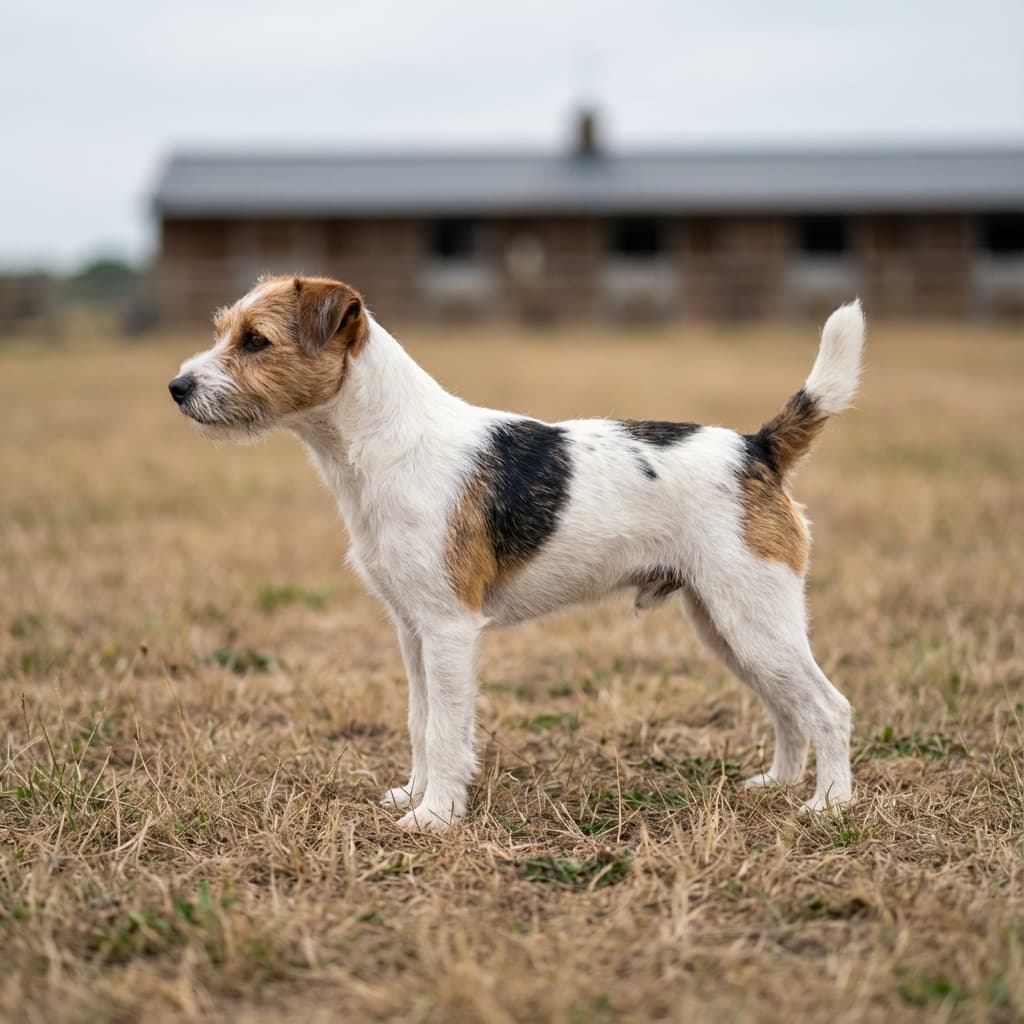
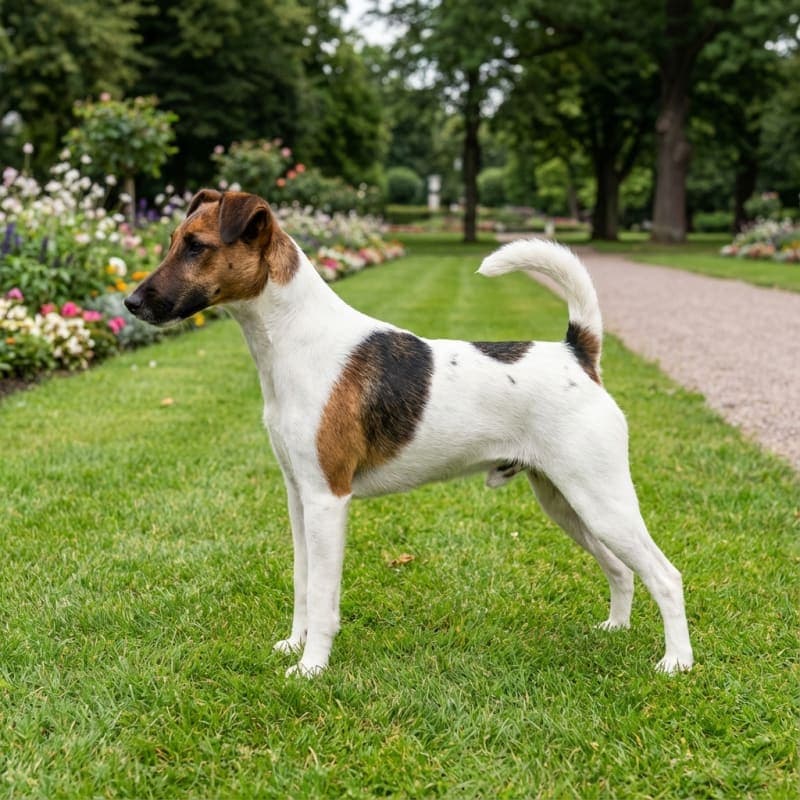
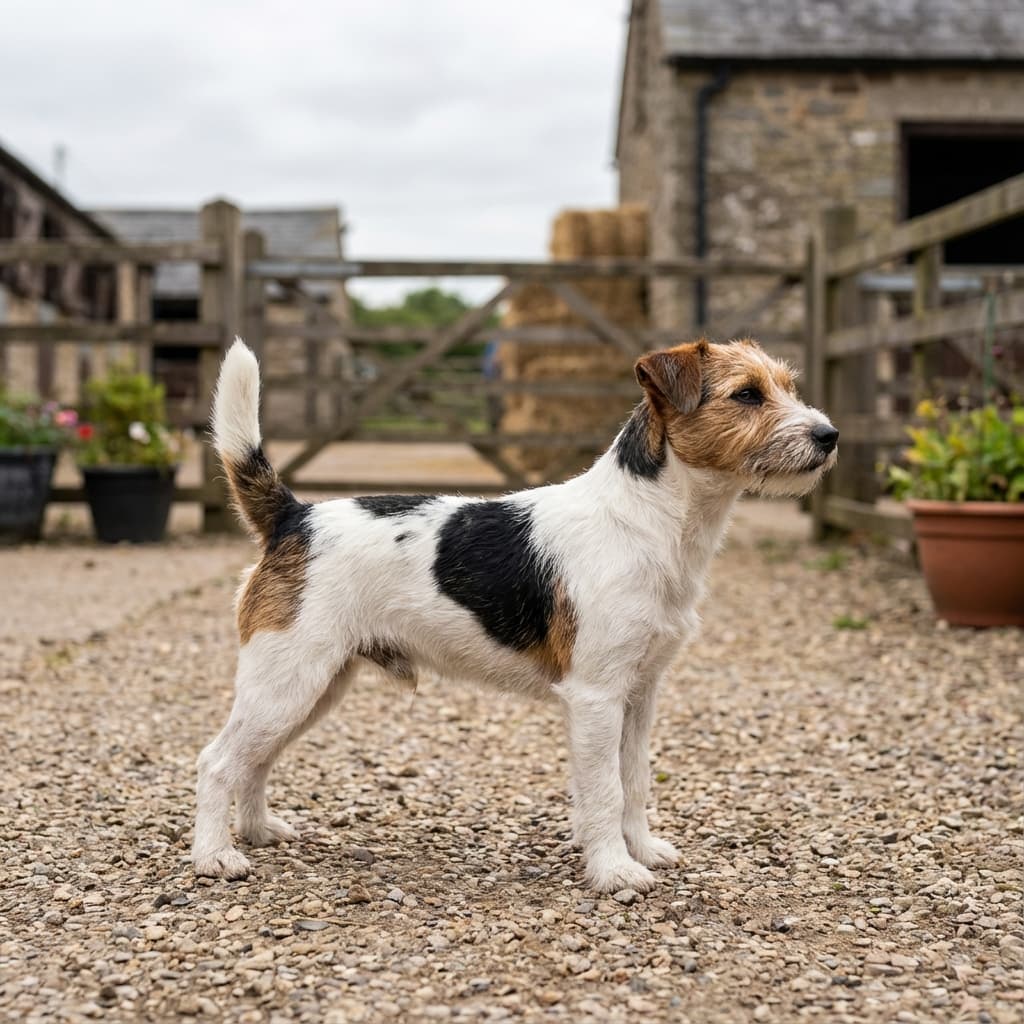
The Jack Russell Terrier is a dog with a distinctive appearance that attracts attention with its energy, agility, and harmonious build. Its silhouette is strong, flexible, and nimble, reflecting its nature as a durable hunting dog. The height at the withers ranges from 25 to 30 cm, and its weight oscillates between 5 and 6 kg. The Jack Russell Terrier has a medium-length body that is slightly longer than it is tall, giving it a characteristic rectangular outline and proportional appearance.
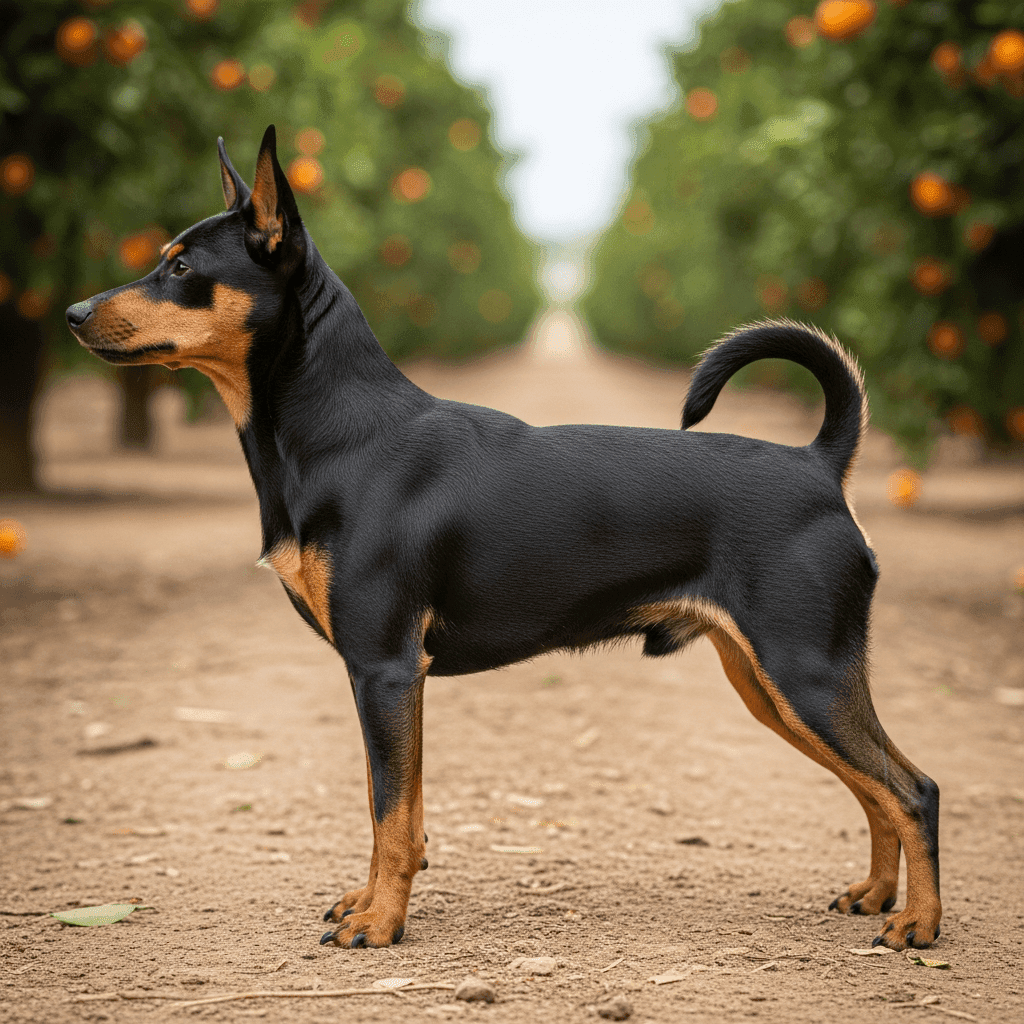
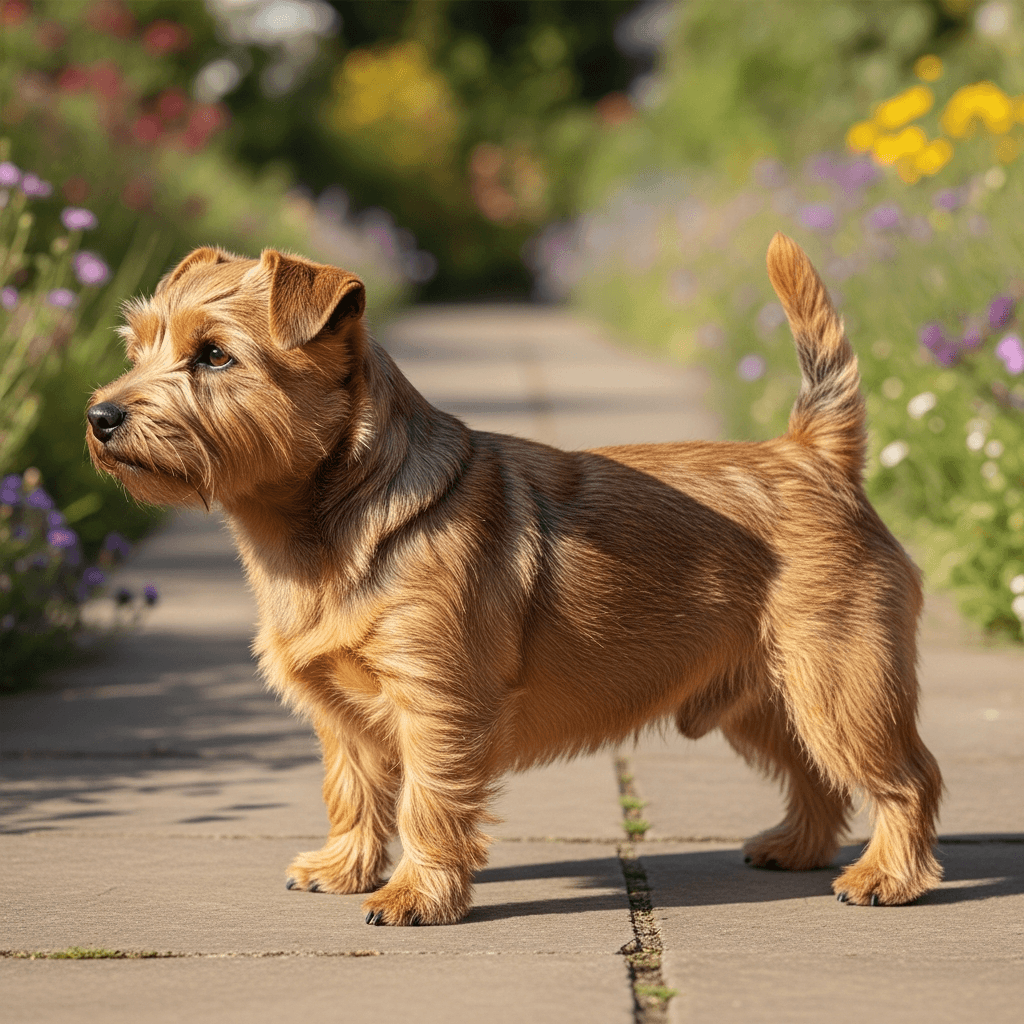
Its coat can come in three varieties: smooth, broken, or rough. The smooth coat is shorter and lies close to the body, while the broken and rough coats are slightly longer and more coarse. The dominant color is white, which should make up at least 51% of the coat, with black, tan, or brown markings, most often on the head and near the tail.
The eyes of Jack Russell Terriers are small, almond-shaped, usually dark, which adds to their expressiveness and intelligent look. The ears are very mobile and can be button ears or V-shaped drop ears, giving them a charming appearance. The head is proportional to the body, with a flat skull between the ears and a well-defined stop. The muzzle is short, strong, with a powerful bite and scissor-like teeth, which is characteristic of terriers.
The tail of Jack Russell Terriers is usually carried high in motion and can be docked to a length corresponding to the height of the ears, but this is not mandatory. The movement of these dogs is harmonious, springy, and energetic, reflecting their lively character. Overall, the Jack Russell Terrier is a dog that exudes strength, agility, vitality, and determination, making it not only beautiful but also an extremely attractive and functional companion.
The Jack Russell Terrier is a dog with a lively, energetic, and courageous disposition, full of curiosity and enthusiasm for life. Their temperament is dynamic, making them very sociable dogs that love interaction with people and other animals. Despite their small size, Jack Russell Terriers are extremely brave and fearless, which makes them alert guardians who do not hesitate to warn their owner of strangers.
Generally, they are friendly towards family members but can be somewhat wary of strangers, which makes early socialization and training crucial. Jack Russell Terriers have a high hunting and prey drive, meaning they may show tendencies to chase small animals like cats, squirrels, or rabbits. Therefore, it is important for them to be properly socialized and trained from puppyhood.
Their remarkable intelligence allows them to quickly learn new commands and tricks, but they can also be stubborn and independent, requiring owners to have patience, consistency, and firmness in training. Jack Russell Terriers are very active and need a daily dose of intense exercise and mental stimulation to avoid boredom and destructive behaviors such as digging, chewing furniture, or excessive barking.
Proper training and socialization are key to their development, ensuring they become well-adjusted and obedient companions. Owners should be aware of their high activity needs and provide them with appropriate physical and mental challenges. Jack Russell Terriers are known to be quite noisy and may react with barking to various stimuli, which can be problematic in apartments or densely populated neighborhoods.
However, their vivacious temperament, courage, loyalty, and devotion make them wonderful companions for active families and experienced owners who can meet their needs and appreciate their unique personality. They are dogs that love to be the center of attention and eagerly participate in all family activities.
The Jack Russell Terrier is generally a healthy and resilient breed with a long average lifespan of 13 to 16 years, and some individuals may live even longer. Like many purebred dogs, however, they can suffer from certain genetic conditions, so it is important to choose dogs from responsible breeders who conduct appropriate health tests and care for the health of their breeding lines.
Among the most common health issues that may occur in Jack Russell Terriers are:
- Eye diseases – cataracts, primary lens luxation, progressive retinal atrophy
- Patellar luxation – dislocation of the kneecap, commonly seen in small breeds
- Deafness – particularly in dogs with a lot of white in their coat
- Legg-Calvé-Perthes disease – degeneration of the femoral head in puppies
- Cerebellar ataxia – a neurological disorder affecting coordination
One should also be cautious of the risk of obesity, as Jack Russell Terriers, despite their activity, can easily gain weight if they receive too much food with insufficient physical activity. Their small size should not mislead owners – they are very active dogs that need regular walks, play, and physical challenges to maintain their physical and mental health.
Additionally, Jack Russell Terriers are resilient to various weather conditions due to their dense coat, but they should be kept indoors during extreme temperatures. A proper diet, regular veterinary visits, vaccinations, deworming, and parasite prevention, along with appropriate physical activity, are crucial to ensure they live a long, healthy, and happy life.
The care of Jack Russell Terriers is relatively simple and low-maintenance, making this breed attractive to many owners. Their coat, depending on its type – smooth, broken, or rough – requires different kinds of grooming, although none of the types is particularly demanding.
Dogs with smooth coats require only occasional brushing once or twice a week to remove dead hair and minimize shedding. In contrast, dogs with broken or rough coats may require regular hand-stripping a few times a year to keep their coat in good condition, appropriate texture, and to remove dead undercoat. Hand-stripping involves manually pulling out dead hairs, which helps maintain the natural properties of the coat.
During shedding seasons, which typically occur in spring and autumn, more frequent brushing, even daily, is necessary to reduce the amount of hair falling out in the home. Baths should only be given when necessary, when the dog gets dirty, as too frequent washing can dry out the skin and strip the coat of its natural protective oils.
During grooming, it is also important to pay attention to the dog's ears, eyes, teeth, and nails:
- Regular ear cleaning will help prevent infections and the buildup of dirt and wax
- Eyes should be checked regularly and wiped with a damp cloth if necessary
- Teeth should be brushed at least 2-3 times a week to avoid tartar buildup and periodontal disease
- Nails should be trimmed regularly if they do not wear down naturally during walks
Caring for Jack Russell Terriers also requires checking their skin after walks, especially in the woods or fields, to ensure they do not have any ticks, irritations, scratches, or other parasites. Overall, Jack Russell Terriers do not require intensive grooming compared to many other breeds, but regular grooming practices are essential for their health, well-being, and maintaining an attractive appearance.
Jack Russell Terrier is a breed of dog that requires a large amount of exercise and intense physical activity. Due to its origins as an energetic hunting dog, the Jack Russell needs daily, long walks (at least 1-2 hours a day) and various forms of activity that allow it to utilize its boundless energy and prevent boredom.
Simple walks around the neighborhood are not enough – these dogs need challenges that provide both physical and mental stimulation. Owners should provide their Jack Russell with a variety of activities, such as:
- Intense running and jogging with the owner
- Cycling (with the dog running alongside)
- Playing fetch with balls, frisbees, and toys
- Searching games and scent tracking
- Digging in a designated spot (fulfilling natural instincts)
- Swimming (if the dog enjoys water)
Many Jack Russell Terriers also find pleasure in dog sports such as agility, flyball, obedience, or earth dog trials, which allow them to showcase their agility, intelligence, and natural hunting instincts. These activities not only provide physical exhaustion but also engage the dog's mind.
Without the proper amount of exercise and stimulation, a Jack Russell can become destructive and exhibit undesirable behaviors, such as digging holes in the garden, chewing furniture, excessive barking, or attempts to escape. Properly meeting their physical and mental activity needs is crucial for their physical health, mental well-being, and happiness.
Additionally, Jack Russell Terriers are very curious dogs and may show tendencies to escape in pursuit of interesting scents or small animals, so it is important to keep them on a leash during walks, especially in areas where they may encounter other animals, traffic, or other dangers. The fencing in the garden should be sturdy and appropriately high, as Jack Russell Terriers can jump and dig under obstacles effectively.
Training Jack Russell Terriers can be a challenge, but it is also an incredibly rewarding process for experienced owners. These dogs are very intelligent and learn quickly, but their independent, stubborn nature requires the right approach to training. The key to success is to use positive motivation, rewards, consistency, and patience, which helps build a strong bond between the dog and the owner.
Due to their strong temperament and tendency to dominate, Jack Russell Terriers can be stubborn and difficult to control, so it is essential that training is consistent, firm, and based on clear rules. The owner must be the pack leader and not allow the dog to take control. It is important for training sessions to be short (10-15 minutes), varied, and concluded on a positive note to maintain the dog's attention and prevent boredom.
These dogs need both physical and mental stimulation, so it is worthwhile to introduce a variety of exercises that engage their minds, such as:
- Basic obedience commands: Sit, Stay, Come, Shake
- Advanced tricks: retrieving, weaving, jumping over obstacles
- Scent games and tracking
- Training in dog sports: agility, obedience, flyball
Training should begin in the early months of a puppy's life (as early as 8 weeks old), providing them with proper socialization and contact with other dogs, people, sounds, and different environments. Early socialization helps prevent distrust of strangers, fear, and aggression.
Jack Russell Terriers can also be trained to perform various working tasks, such as rodent hunting, tracking, rescue work, or therapy dogs. Their intelligence and willingness to work make them well-suited for many fields. Proper training and socialization are crucial to ensure that a Jack Russell becomes a well-adjusted and obedient companion.
Proper education is essential to avoid future behavioral problems, such as excessive barking, digging, escaping, or aggression. Therefore, it is recommended that owners of these dogs be experienced or seek the help of professional dog trainers who use methods based on positive motivation.
Feeding Jack Russell Terriers is an important aspect that has a direct impact on their health, energy, and well-being. Due to their high physical activity and fast metabolism, the diet should be balanced and tailored to their individual needs, age, weight, and activity level.
Owners should choose high-quality foods that contain the appropriate nutrients, such as:
- Protein – a minimum of 25-30% (from meat, fish, poultry) for muscle building and regeneration
- Fats – 15-20% (omega-3 and omega-6 fatty acids) for healthy skin and coat
- Carbohydrates – from whole grains, brown rice, or potatoes as a source of energy
- Vitamins and minerals – for proper body function
- Fiber – for a healthy digestive system
Jack Russell Terriers tend to gain weight despite their activity, so it is important to monitor the amount of food, avoid overfeeding, and not give too many treats. It is recommended to feed two meals a day at regular times to maintain a proper weight and prevent obesity.
Additionally, it is worth introducing fresh vegetables and fruits as healthy snacks, such as carrots, apples, broccoli, or spinach (in moderation). Owners should also remember to provide access to fresh water throughout the day, especially after intense exercise.
For active dogs participating in intensive activities such as agility, hunting, or long hikes, it is important that their diet is appropriately enriched with additional calories and nutrients. Active or sport dog food can be considered.
Regular check-ups with the veterinarian will help monitor the dog's health, weight, and adjust the diet to their individual needs. The veterinarian may also recommend supplements, such as glucosamine for joints in older dogs or probiotics for a healthy digestive system. Proper nutrition is crucial for maintaining the health, energy, and longevity of Jack Russell Terriers, so it is worth taking the time to select the right nutrients for your pet.
Characteristic Traits
Pros
- Energetic and lively
- Intelligent and quick to learn
- Brave and alert
- An excellent companion for active families
- Devoted and loyal to the owner
- A healthy and long-lived breed.
Cons
- Requires a lot of movement and stimulation
- Has a strong hunting instinct and tendencies to escape
- Can be stubborn and independent
- Needs an experienced owner
- Can be noisy.
Behavioral Ratings
Breed History
The Jack Russell Terrier is a breed that has its roots in the 19th century in England, where it was created by Reverend John Russell (1795-1883), an enthusiast of fox hunting. His goal was to breed a dog that would be able to accompany him on horseback hunts for foxes and would possess the ideal traits for this role: a small, compact build, courage, endurance, and the ability to enter burrows.
The breed was developed through selective crossbreeding of fox terriers, which were known for their remarkable agility, intelligence, and determination. Russell aimed to create a dog that could not only run with foxhounds for hours but also be capable of entering burrows to flush out foxes and other animals from their hiding places, not killing them but forcing them to flee.
As a result of these efforts and further breeding, two varieties of this breed emerged:
- Parson Russell Terrier – taller and more square, with longer legs (30-36 cm)
- Jack Russell Terrier – shorter and more elongated, with shorter legs (25-30 cm)
This breed gained popularity not only in England but also in Australia, where breeders developed its traits and where the modern breed standard was ultimately established. In Australia, Jack Russell Terriers were used not only for fox hunting but also for exterminating rabbits, rats, and other pests.
The Jack Russell Terrier became not only a hunting dog but also an excellent family companion, valued for its intelligence, energy, and courage. Despite their small stature, Jack Russell Terriers are known for their determination and fearlessness, making them exceptional dogs both in hunting and everyday life.
Over the years, this breed has evolved, and its popularity has increased worldwide, leading to its official recognition by the FCI (Fédération Cynologique Internationale) in 2001 as breed number 345 in group 3 (Terriers), section 2 (Small Terriers). Today, Jack Russell Terriers are valued for their intelligence, energy, loyalty, and character, making them ideal companions for active families and experienced dog owners.
The breed has also gained popularity in popular culture through appearances in movies and television series, further increasing interest in these charming and lively dogs.